
Bringing a new pet into your home is one of life’s most rewarding experiences. The unconditional love, the enthusiastic greetings at the door, and the quiet companionship are truly priceless. However, beneath the fluff and the fun lies a significant financial responsibility that many first-time owners underestimate. From the initial excitement of the “gotcha day” to the long-term maintenance of a senior animal, the expenses add up quickly.
Before you head to the shelter or a breeder, it is crucial to look past the adoption fee and understand the comprehensive financial roadmap of pet ownership. Here are 24 real costs you need to consider to ensure you can provide a forever home that is both happy and sustainable.
1. Adoption Fees

The very first expense is the “entry fee.” Whether you are adopting from a local municipal shelter, a breed-specific rescue, or purchasing from a reputable breeder, there is an upfront cost. Rescue fees often cover initial vetting, while breeder costs can run into the thousands depending on the lineage and rarity of the animal.
2. Spaying/Neutering

If your pet hasn’t already been fixed, this is a vital one-time expense. Beyond preventing unwanted litters, spaying and neutering can prevent certain types of cancers and behavioral issues. While some low-cost clinics exist, a full-service veterinary hospital will charge for anesthesia, monitoring, and pain management.
3. Core Vaccinations

Puppies and kittens require a series of “core” shots to build immunity against deadly diseases like parvo, distemper, and rabies. Even adult pets require periodic boosters. These are non-negotiable costs that protect your pet and your community’s public health.
4. Premium Food

Nutrition is the foundation of your pet’s health. While bargain brands exist, high-quality, nutrient-dense food often leads to fewer health problems down the line. Depending on the size of your pet and their dietary needs (such as grain-free or prescription diets), food can become one of your largest monthly line items.
5. Training Classes

A well-behaved pet is a happy pet. Professional training—whether it’s basic puppy socialization or advanced behavioral correction—is an investment in your sanity and your pet’s safety. Group classes or private sessions are essential for establishing a communication bond.
6. Professional Grooming

Certain breeds, especially long-haired dogs like Poodles or Shih Tzus, require professional grooming every 4–8 weeks. This includes haircuts, nail trims, ear cleaning, and gland expressions. Neglecting this can lead to painful matting and skin infections.
7. Pet Insurance

Emergency surgeries can cost upwards of $5,000. Pet insurance helps mitigate this risk for a monthly premium. It’s an “invisible” cost that provides peace of mind, ensuring you never have to choose between your bank account and your pet’s life during a crisis.
8. Emergency Vet Visits

Even with insurance, there are deductibles and out-of-pocket costs. Accidents happen—dogs eat chocolate, cats swallow string. Having an emergency fund specifically for those 2 AM trips to the 24-hour clinic is a necessity for every responsible owner.
9. Preventive Medications

Heartworm, flea, and tick prevention are monthly requirements in most climates. These parasites cause devastating diseases that are much more expensive to treat than they are to prevent. This is a recurring cost that lasts the lifetime of the animal.
10. Dental Care
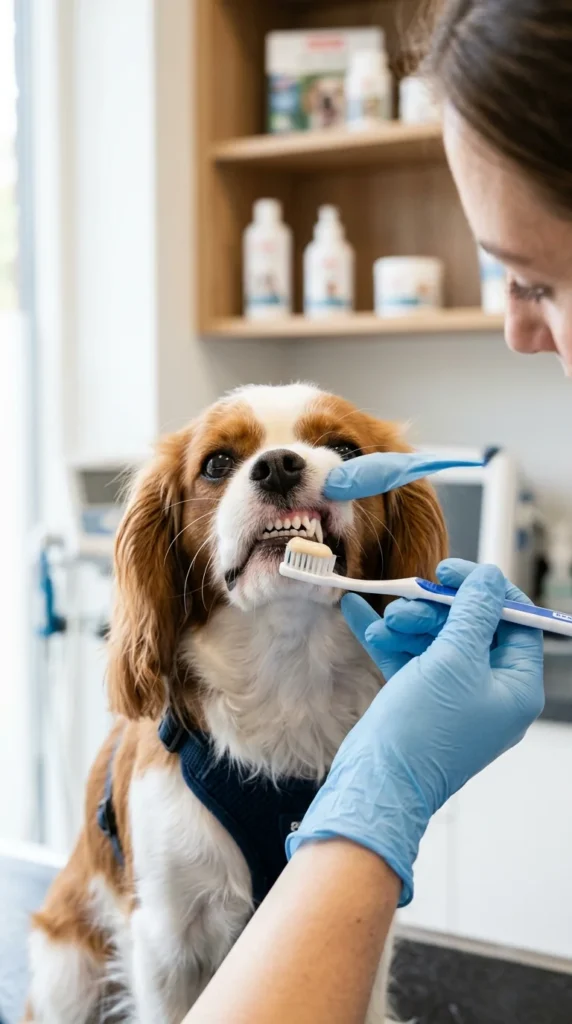
Just like humans, pets need dental checkups. Professional dental cleanings under anesthesia are often required annually or bi-annually to prevent periodontal disease, which can lead to heart and kidney issues if left untreated.
11. Toys and Enrichment

Pets need mental stimulation to prevent destructive behavior. Toys are not a luxury; they are a behavioral necessity. You will find yourself constantly replacing worn-out tennis balls, shredded plushies, and scratched-up cat trees.
12. Bedding and Crates

Your pet needs a dedicated space to sleep. From heavy-duty metal crates for house training to orthopedic beds for aging joints, providing a comfortable and safe “den” involves an initial investment and periodic replacements.
13. Leashes and Collars

Safety equipment is vital. You’ll need a sturdy collar with ID tags, a harness for walks, and multiple leashes. These items wear out over time or may need to be upsized as a puppy grows into an adult.
14. Boarding and Pet Sitting

What happens when you go on vacation? Unless you have a very generous friend, you will need to pay for a professional pet sitter or a boarding facility. These costs can often rival the cost of your own hotel room per night.
15. Dog Walking Services

If you work long hours, a dog walker is a must. Paying someone to give your dog a mid-day break and exercise is a significant weekly expense that adds up to thousands of dollars over a year.
16. Microchipping
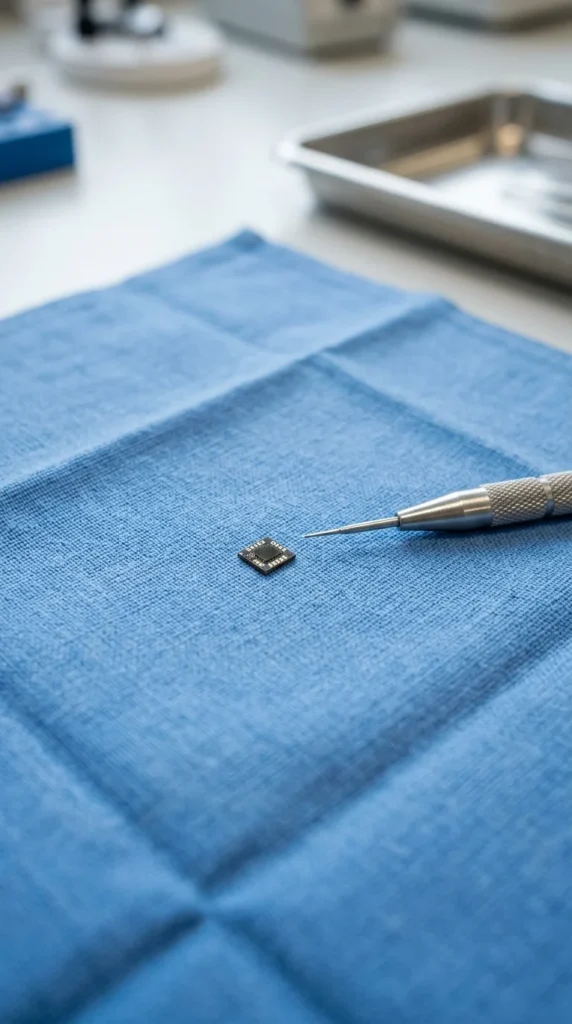
A microchip is a permanent form of identification. While the initial insertion is inexpensive, some registries require an annual fee to keep your contact information active in their national database.
17. Property Damage

Let’s be honest: pets can be destructive. Whether it’s a puppy chewing on expensive furniture or a cat scratching up a designer sofa, you should budget for the eventual repair or replacement of household items.
18. Cleaning Supplies

Living with animals means dealing with hair, dander, and the occasional “accident.” You will spend more on high-quality vacuums, carpet cleaners, and specialized enzymatic sprays to keep your home smelling fresh and looking clean.
19. Licensing Fees

Most municipalities require you to register your pet and pay an annual licensing fee. This money often goes toward funding local animal control and shelters, and failure to pay can result in fines.
20. Travel Expenses

Taking your pet with you? Airlines charge significant fees for pets in the cabin or cargo. Even road trips might require pet-friendly hotel surcharges and specialized car harnesses or barriers for safety.
21. Specialty Treats

Treats are essential for training and bonding. While they seem cheap individually, “high-value” treats for training or long-lasting chews like bully sticks can become a noticeable part of your monthly grocery bill.
22. Routine Wellness Exams

Even if your pet isn’t sick, an annual wellness exam is necessary to catch potential issues early. These visits include blood work, fecal exams, and a physical assessment, all of which come with professional consultation fees.
23. Aging Pet Care

As pets age, their needs change. They may require specialized senior diets, supplements for joint health, more frequent blood work, and medications for chronic conditions like arthritis or kidney disease. The final years are often the most expensive.
24. The Cost of Time

While not a direct monetary cost, time is your most valuable currency. Pets require hours of exercise, play, grooming, and attention every single day. If your time is better spent working or on other hobbies, you must factor in the “opportunity cost” of the time you dedicate to your pet.