

The decision to bring a pet into your life is one of the most significant choices you will ever make. It is a crossroads where emotional longing meets practical reality. On one hand, you have the promise of unconditional love, wagging tails, and a constant companion. On the other, you have the responsibility of a living being that depends on you for every meal, walk, and medical need.
Choosing whether to remain pet-free or become a pet parent isn’t just about whether you like animals; it’s about whether your current life—and your future self—can accommodate a soul that doesn’t have a “pause” button. To help you navigate this life-altering decision, we have broken down 17 critical factors to consider.
1. Lifestyle

Your daily rhythm is the most accurate predictor of pet ownership success. If your life is a whirlwind of 12-hour workdays, spontaneous happy hours, and late-night gym sessions, a pet (especially a dog) might feel more like a burden than a blessing. Conversely, if you enjoy a structured routine and spend most of your evenings at home, a pet can seamlessly integrate into your world. A pet-free life offers ultimate flexibility, while a pet-filled life offers grounded consistency.
2. Finances

Love is free, but pet care is not. From high-quality kibble and monthly preventative medications to grooming and emergency vet visits, the costs add up quickly. According to various estimates, owning a dog can cost anywhere from $1,000 to $3,500 annually, not including the initial purchase or adoption fee. If you are currently focusing on aggressive debt repayment or saving for a house, the financial “no pet” route might be the wiser short-term choice.
3. Time

Time is the one currency you can’t earn back. Pets require a massive time investment. This includes active time (walking, playing, training) and passive time (just being present so they aren’t lonely). A cat might require an hour of engagement a day, while a high-energy dog might need three or four. If your “me time” is precious and non-negotiable, you might find the demands of a pet overwhelming.
4. Travel

Do you have wanderlust? A pet-free life means you can book a flight on a Tuesday and leave on a Wednesday without a second thought. Once you have a pet, every trip requires logistical planning. You’ll need to find a trusted sitter, book a boarding facility (which can cost as much as your own hotel), or navigate the complexities of pet-friendly travel. If the world is your oyster, a pet might feel like an anchor.
5. Cleanliness

If you take pride in a pristine, “white glove” home, a pet will be your greatest adversary. Even the most well-behaved pets bring in dirt, shed fur, and occasionally have accidents. There is also the “pet smell” that requires constant vigilance to combat. For those who find peace in a spotless environment, the “no pet” option preserves your sanity. However, many find that a few stray hairs are a small price to pay for a warm body to cuddle with.
6. Commitment

A pet is not a temporary hobby; it is a decade-plus commitment. Dogs live 10 to 15 years, and cats can easily reach 20. Think about where you will be in 10 years. Will you still want to walk a dog in the rain? Will you be able to care for an elderly animal with medical needs? If you aren’t ready to commit to the “sunset years,” it is better to wait.
7. Housing

Your living situation dictates the kind of pet you can have—or if you can have one at all. Many rentals have strict “no pet” policies or heavy “pet rent” fees. If you live in a small studio, a Great Dane is a poor choice, whereas a cat or a small bird might thrive. If you plan on moving frequently, finding pet-friendly housing can be a grueling and expensive process.
8. Allergies

This is a practical dealbreaker. If you or someone you live with has severe allergies, bringing a furry friend home can lead to chronic health issues and misery. While “hypoallergenic” breeds exist, no pet is truly allergen-free. Before deciding, spend significant time around the specific type of animal you want to ensure your immune system is on board.
9. Energy

Be honest about your energy levels. If your idea of a perfect Saturday is a 10-mile hike, a high-energy breed like a Border Collie will be your best friend. If you prefer marathoning TV shows, a senior cat or a low-energy “potato” dog is a better fit. Matching your energy to a pet’s needs is crucial; a mismatch leads to destructive behavior and owner frustration.
10. Socialization

Pets, especially dogs, are incredible “social lubricants.” They force you to go outside, visit parks, and talk to neighbors. If you are looking to expand your social circle or meet new people, a dog is a natural bridge. On the flip side, if you are an introvert who cherishes solitude and doesn’t want to engage in “small talk” during walks, the “no pet” life maintains your social boundaries.
11. Stability

Is your life currently in flux? If you are planning a career change, a cross-country move, or a major relationship transition, adding a pet to the mix can be the straw that breaks the camel’s back. Pets thrive on stability and routine. If you can’t provide a stable environment for the next few years, it’s best to hold off until the dust settles.
12. Patience

Are you easily frustrated? Puppies chew expensive shoes, kittens climb curtains, and birds can be incredibly loud. Training a pet takes months, sometimes years, of patient reinforcement. If you have a short fuse or a low tolerance for chaos, the “no pet” lifestyle will keep your stress levels significantly lower.
13. Health

The health benefits of pets are scientifically backed. They can lower blood pressure, reduce cortisol (the stress hormone), and encourage physical activity. For those struggling with loneliness or mild depression, a pet provides a sense of purpose. However, if you have physical limitations that make it difficult to clean a litter box or walk a dog, a pet might become a physical strain rather than a health benefit.
14. Support

No one can do it alone. Do you have a “pet village”? This includes roommates who are okay with the animal, friends who can pet-sit in a pinch, or a reliable local kennel. If you are completely isolated and have no backup plan for when you get sick or have an emergency, owning a pet becomes significantly more stressful.
15. Future Plans
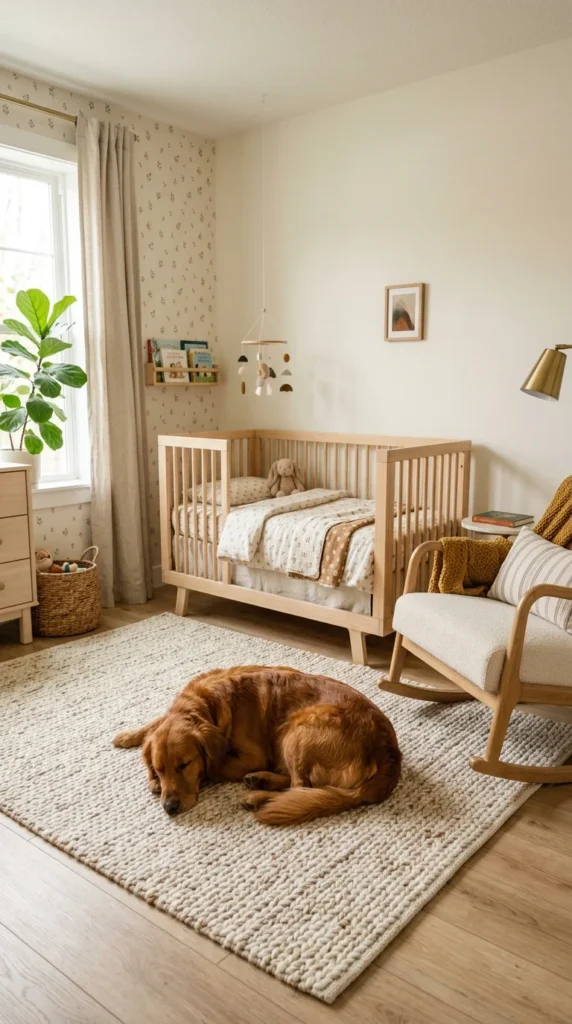
Think about the “big” life events. Are you planning on having children soon? Some pets don’t do well with babies, and some parents find they no longer have time for their “first fur-baby” once a human baby arrives. Ensure your pet choice aligns with your 5-year and 10-year family goals so no animal ends up back at a shelter.
16. Spontaneity

The “no pet” life is a life of “yes.” Yes to the last-minute road trip. Yes to staying out until 3:00 AM. Yes to the job offer in a different country. When you have a pet, your first thought is always, “Who will watch the dog?” If you value your personal freedom above all else, the responsibility of a pet may feel restrictive.
17. Fostering

Still can’t decide? Try a “test drive.” Fostering for a local shelter allows you to experience the reality of pet ownership without the long-term commitment. You get to save a life, learn about your own habits, and see if the “pet” life actually fits your “real” life. It is the ultimate way to move from “maybe” to a confident “yes” or a respectful “not right now.”