
Adopting a pet is one of the most rewarding experiences a human can have. It is a commitment that changes two lives forever—yours and the animal’s. However, the process is often more involved than simply picking out a cute face and heading home. To ensure that every “forever home” is truly forever, shelters and rescue organizations have developed comprehensive protocols. This guide breaks down the 23 essential steps of the pet adoption process to help you navigate the journey with ease and confidence.
1. Lifestyle Assessment

Before you even look at a photo of a pet, you must look at your own life. Are you an active hiker who wants a partner for the trails, or a homebody who wants a lap warmer? Do you work long hours away from home, or do you work from a home office? Assessing your activity level, patience, and time availability is the foundational step that prevents a mismatch between your expectations and the pet’s needs.
2. Species Research

Not all pets are created equal. A high-energy Border Collie has vastly different requirements than a senior Persian cat or a social guinea pig. Research different species and breeds to understand their typical temperaments, exercise needs, and potential health issues. This step helps you narrow down whether you are looking for a puppy, a kitten, or a mature adult animal.
3. Financial Planning

Adoption is an investment. Beyond the initial adoption fee, you must account for high-quality food, annual veterinary visits, vaccinations, flea and tick prevention, grooming, and emergency medical funds. Experts recommend having a “pet emergency fund” of at least $1,000 to $2,000 ready before bringing a new family member home.
4. Shelter Selection

Decide whether you want to adopt from a municipal city shelter or a private foster-based rescue. Municipal shelters often have more animals and a faster process, while private rescues often have animals living in foster homes, which allows the organization to provide more detailed information about the pet’s behavior in a domestic setting.
5. Online Browsing

Most modern adoptions begin online. Use platforms like Petfinder or Adopt-a-Pet to filter by location, age, and breed. This allows you to “meet” dozens of animals virtually and read their biographies. Look for descriptions that mention how they interact with children, other dogs, or cats to see if they fit your specific household.
6. Application Form

The adoption application is a detailed document designed to help the rescue understand your living situation. You will likely be asked about your housing (own vs. rent), your history with previous pets, and your philosophy on pet discipline and care. Be honest; the goal is to find a compatible match, not to “pass” a test.
7. Initial Screening

Once your application is submitted, a volunteer or staff member will review it. They may call you for a brief interview to clarify details. This is an excellent time for you to ask questions about the specific pet you are interested in, such as their medical history or why they were surrendered to the shelter.
8. Personal References

Most rescues require two to three personal references. These should be people who have seen you interact with animals and can vouch for your responsibility. Make sure to notify your references ahead of time so they are prepared to take the call from the adoption coordinator.
9. Veterinary Checks

If you currently have pets or have had them in the past, the rescue will likely call your veterinarian. They want to ensure your current pets are up-to-date on vaccinations and are spayed or neutered. This step confirms that you are a proactive and responsible pet owner.
10. The Meet
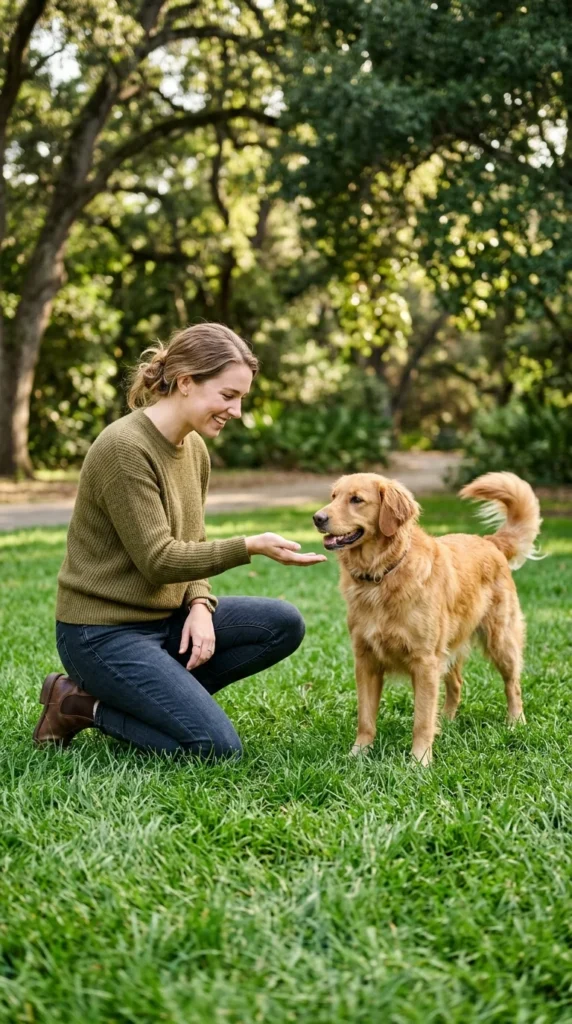
The “Meet and Greet” is the most exciting part of the process. You will travel to the shelter or a neutral location to meet the pet in person. Pay attention to how the animal reacts to you. Are they shy? Bold? Do they seek out affection? This interaction is crucial for gauging chemistry.
11. Temperament Assessment
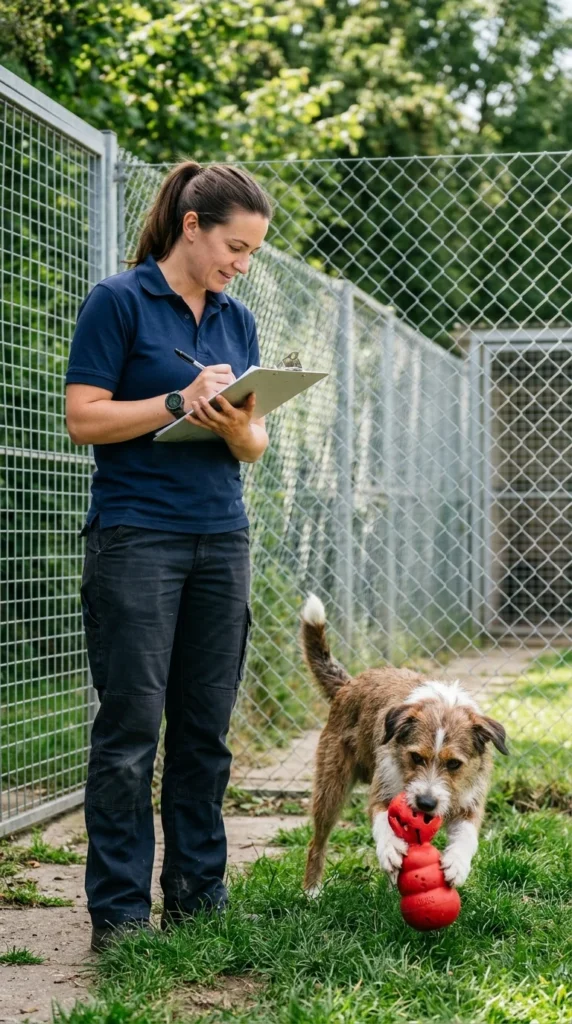
During the meeting, the shelter staff will perform a temperament assessment. They may watch how the animal reacts to loud noises, how they handle being touched on their paws or ears, and how they respond to toys. This ensures the pet’s personality is a safe match for your lifestyle and family dynamic.
12. Family Introductions

If you have children or other family members living in the home, everyone should meet the pet before the adoption is finalized. It is important to see how the pet reacts to the energy levels of children and to ensure no one in the household has an unexpected allergy.
13. Pet Introductions

If you already have a dog, a “dog-to-dog” introduction is mandatory. This usually takes place on neutral ground to prevent territorial behavior. Shelter staff will guide the interaction to ensure both animals are comfortable and that there is no sign of aggression.
14. Home Visit

Some rescues require a home visit (either in-person or virtually). This isn’t a “white glove” cleaning inspection; rather, they are looking for safety hazards, such as gaps in a fence, toxic plants, or unsecured balconies. They want to ensure the environment is safe for the specific animal you are adopting.
15. Adoption Interview

The final interview is often a counseling session. The adoption coordinator will discuss the specific needs of the pet, including any behavioral quirks or medical requirements. This is your chance to get expert advice on how to handle the transition and what to expect in the first few weeks.
16. Contract Signing
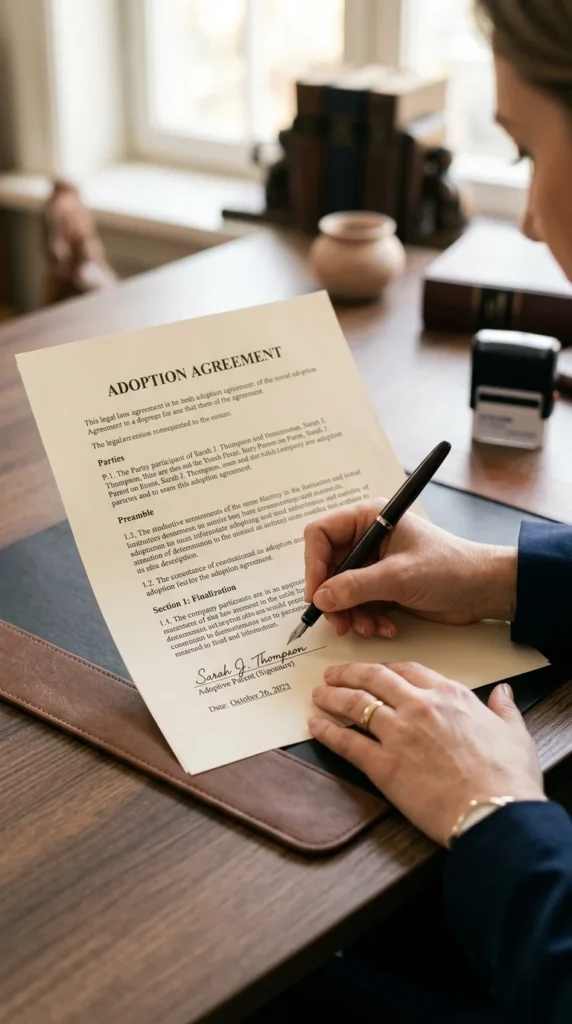
The adoption contract is a legal document. It typically states that you will provide proper care, keep the pet indoors (for cats), and—most importantly—return the pet to the rescue if you can no longer care for it. This “return clause” ensures the animal will never end up in a high-kill shelter again.
17. Adoption Fees

Adoption fees vary but generally cover the cost of the animal’s spay/neuter surgery, microchipping, and initial vaccinations. By paying this fee, you aren’t just “buying” a pet; you are reimbursing the shelter so they can save the next animal in need.
18. Medical Records
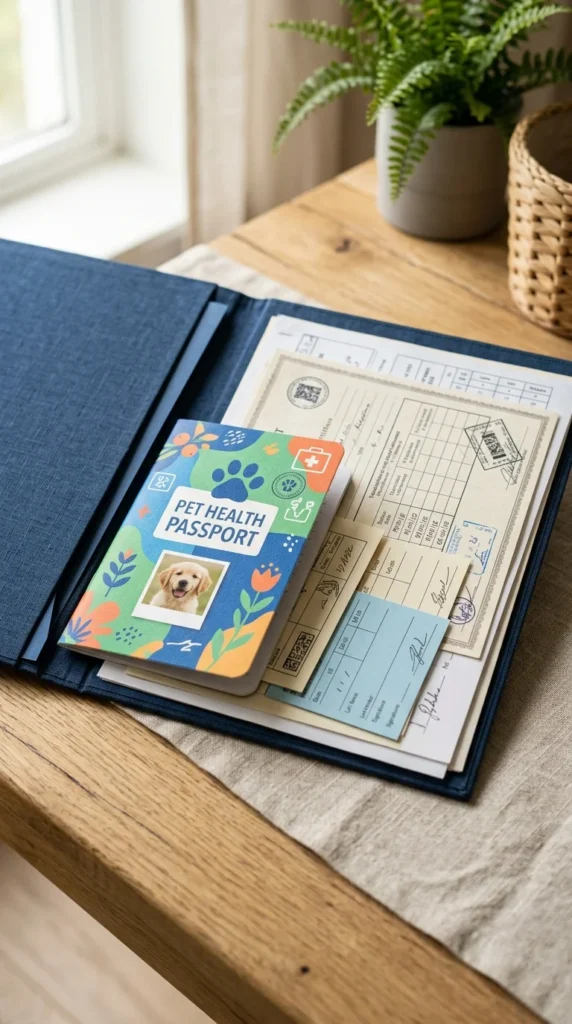
When the paperwork is finalized, you will receive the pet’s medical records. This includes their vaccination history, proof of spay/neuter, and any information on past illnesses or injuries. You will need these records to register the pet with your local veterinarian.
19. Pet-Proofing

Before bringing the pet home, you must “pet-proof.” This involves hiding electrical cords, moving poisonous plants (like lilies or azaleas), and securing trash cans. If you are adopting a cat, ensure all window screens are secure. For dogs, check that the yard is free of holes or escape routes.
20. Shopping Trip

Now comes the fun part! You’ll need the essentials: a high-quality harness and leash, a comfortable bed, food and water bowls, grooming tools, and age-appropriate toys. Ask the shelter what food the pet is currently eating so you can transition them slowly to avoid upset stomachs.
21. Gotcha Day
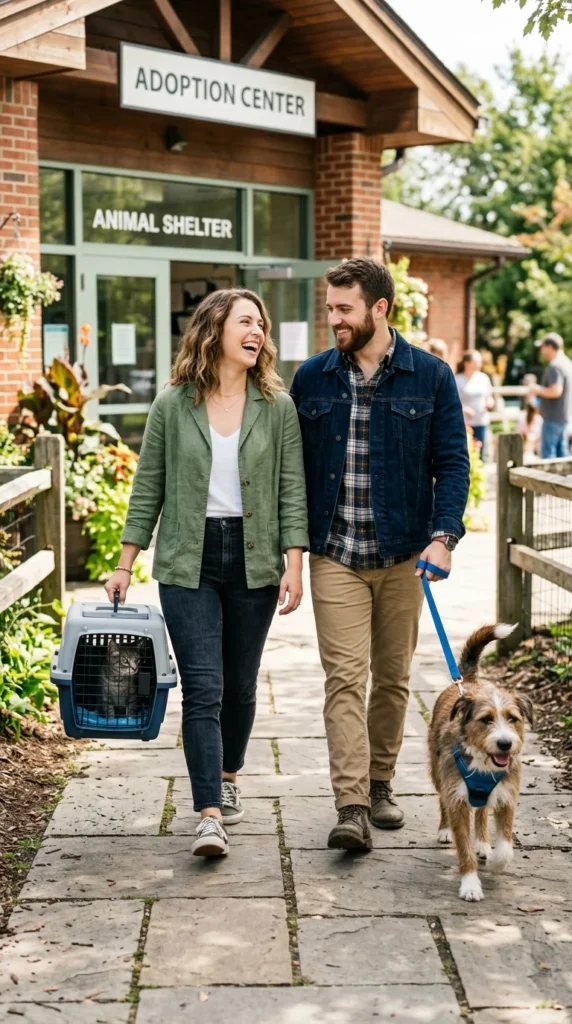
“Gotcha Day” is the day you officially bring your pet home. It can be an emotional day for both you and the animal. Try to keep the car ride quiet and the environment calm when you arrive home to prevent the pet from feeling overwhelmed.
22. Decompression Period

Experts recommend the “3-3-3 rule”: 3 days to decompress, 3 weeks to learn the routine, and 3 months to feel fully at home. During the first few days, your pet may be quiet, shy, or have accidents. Be patient and give them space to explore their new world at their own pace.
23. Microchip Registration

The final, vital step is ensuring the microchip is registered in your name. Most shelters chip the animals before adoption, but you must go online to update the contact information. This is the single best way to ensure your pet is returned to you if they ever get lost.
Adopting a pet is a journey of patience, preparation, and love. By following these 23 steps, you aren’t just getting a pet; you’re building a foundation for a lifetime of companionship. Welcome to the world of pet parenthood!