
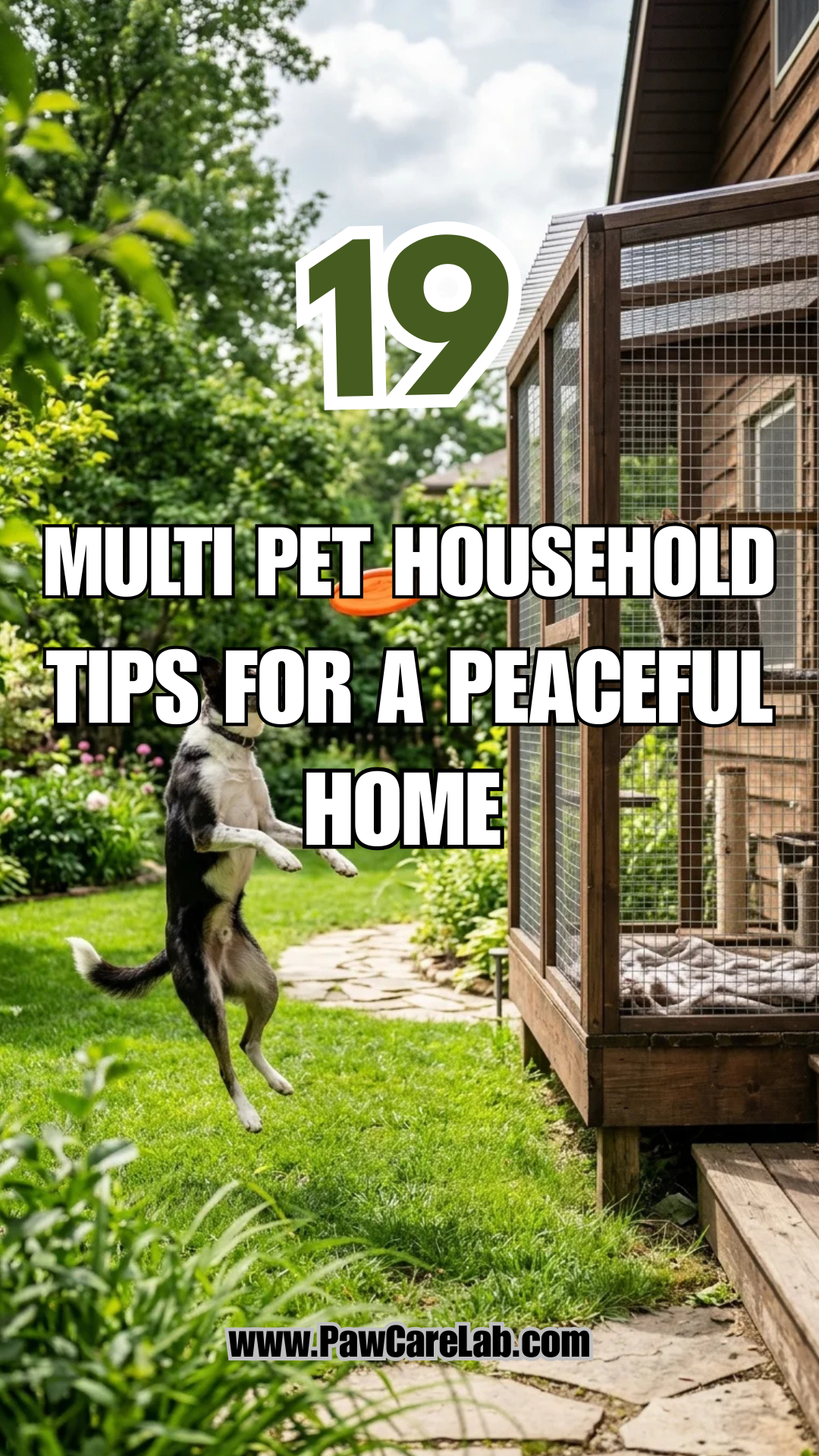
Living in a multi-pet household is a journey filled with double the tail wags, triple the purrs, and unfortunately, sometimes quadruple the chaos. Whether you are introducing a new kitten to a resident dog or managing a pack of energetic pups, creating a serene environment requires more than just luck—it requires strategy. When multiple personalities, species, and energy levels collide under one roof, the “peaceable kingdom” doesn’t happen overnight. It is built through careful observation, environmental enrichment, and a deep understanding of animal behavior. This guide explores nineteen essential strategies to transform your home from a chaotic zoo into a sanctuary of collective calm.
1. Introductions
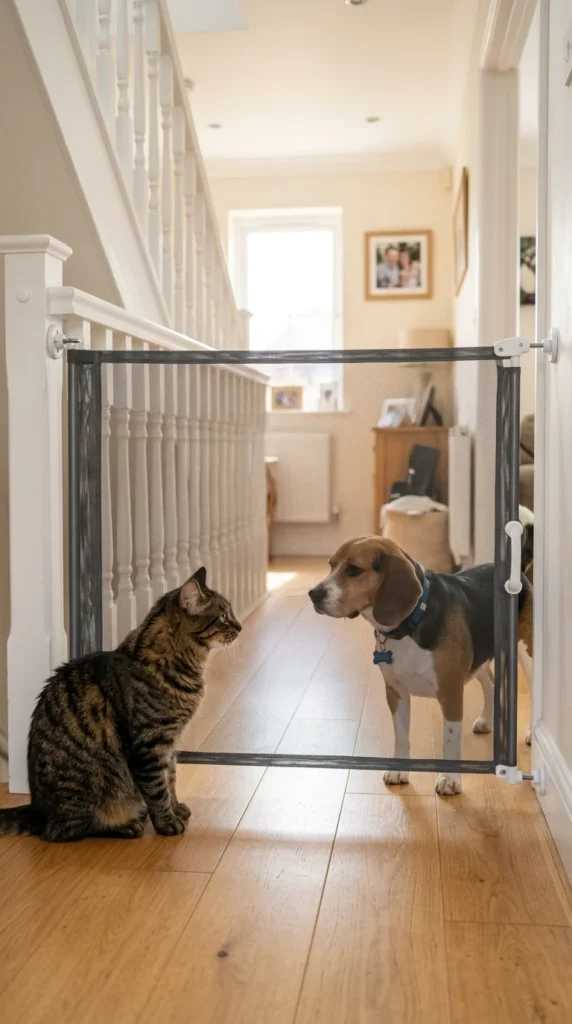
The first impression is everything in the animal world. Rushing an introduction is the most common mistake owners make. Instead of a face-to-face confrontation, use a “slow-burn” approach. Start by keeping the new pet in a “base camp” room where they can feel secure. Allow the resident pets to sniff the door without direct contact. Gradually move to visual introductions through a screen door or baby gate. This allows them to observe each other’s body language without the risk of a physical altercation. Only when both parties show relaxed body language—loose muscles, wagging tails (for dogs), or slow blinking (for cats)—should you allow short, supervised sessions in a neutral area.
2. Feeding
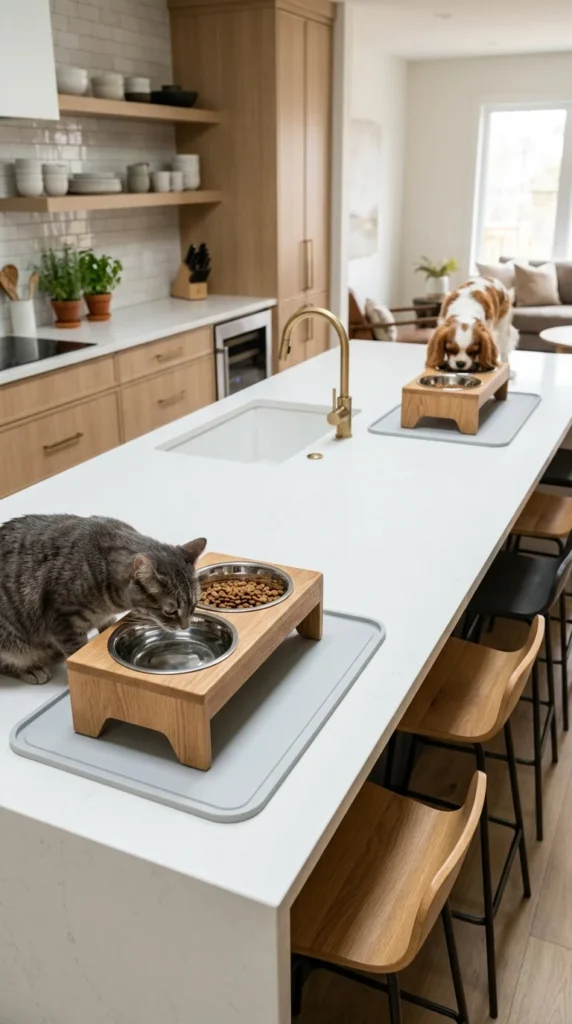
Food is a high-value resource that often triggers “resource guarding.” To maintain peace, never force your pets to eat side-by-side if there is any tension. Feed them in separate locations or even different rooms to ensure every animal feels safe while eating. For cats who feel vulnerable on the floor, consider feeding them on high counters or sturdy shelves. If you have a “fast eater” and a “slow grazer,” use microchip-activated feeders that only open for the specific pet assigned to that bowl. This prevents the “food thief” from causing stress and ensures everyone gets their proper nutrition and medication.
3. Resources
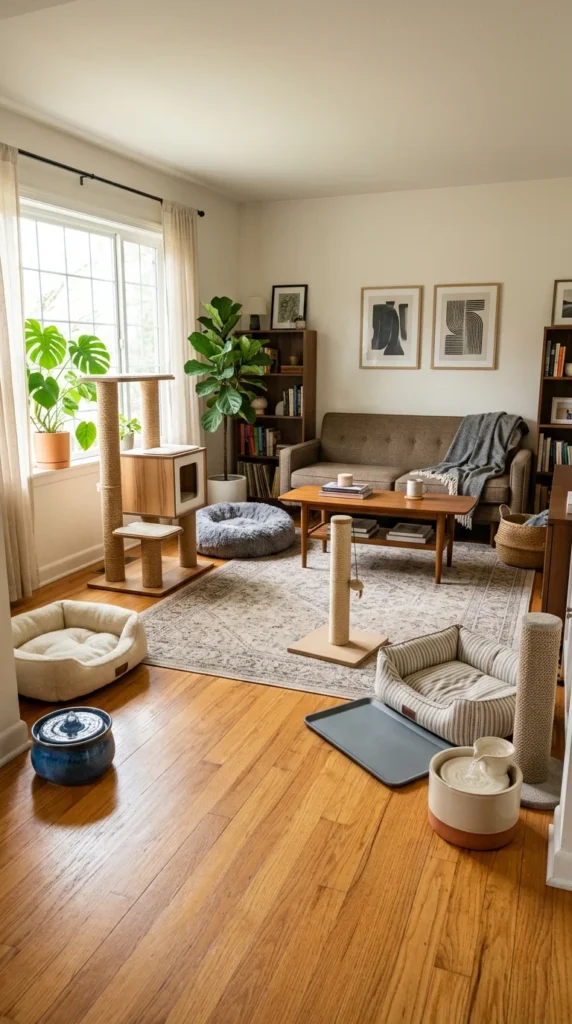
The “Rule of Plus One” is a lifesaver in multi-pet homes. This means you should always have one more of every essential resource than you have pets. If you have two cats, you need three litter boxes. If you have three dogs, you should have four distinct sleeping spots. When resources are abundant, there is no need for competition. This applies to water bowls, toys, scratching posts, and even “perching” spots. When an animal knows there is always another option available, they are far less likely to fight over a specific item.
4. Heights
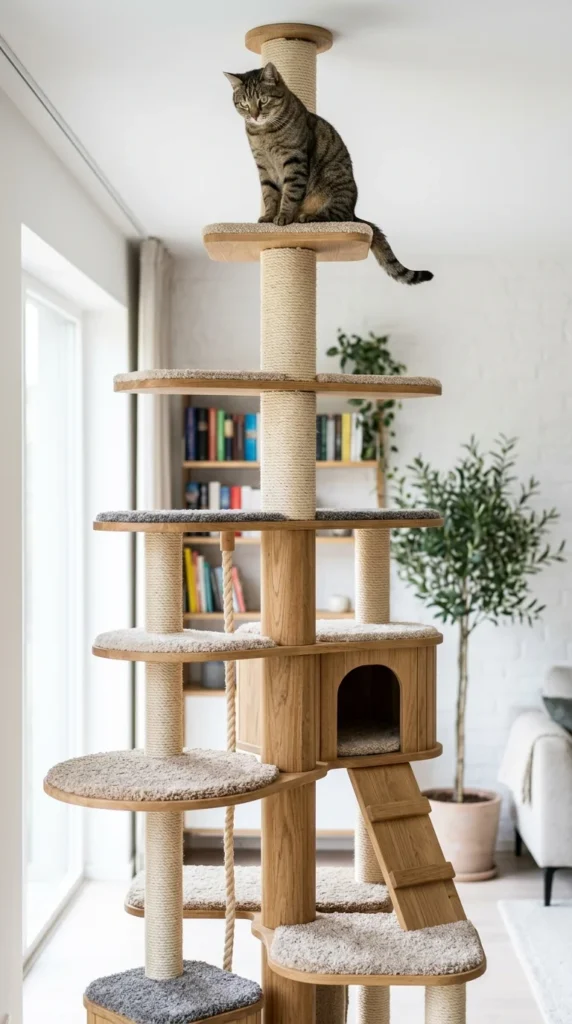
Vertical space is the secret weapon for feline-canine harmony. Cats are arboreal by nature; they feel safest when they can survey their kingdom from above. By installing cat shelves, “catios,” or tall cat trees, you provide your feline friends with an escape route. If a dog becomes too rambunctious, the cat can simply retreat upward where the dog cannot follow. This sense of security prevents the cat from feeling cornered, which in turn reduces defensive aggression and keeps the household energy levels balanced.
5. Routine

Animals thrive on predictability. In a house with multiple pets, a lack of structure can lead to anxiety and “acting out.” Establish a strict schedule for feeding, walking, and play sessions. When pets know exactly when their needs will be met, they spend less time competing for your attention or worrying about their next meal. Try to keep the sequence of events the same—for example, the dog gets walked, then the cats get fed, then the dog gets fed. This rhythm creates a psychological safety net for your animals.
6. Scents
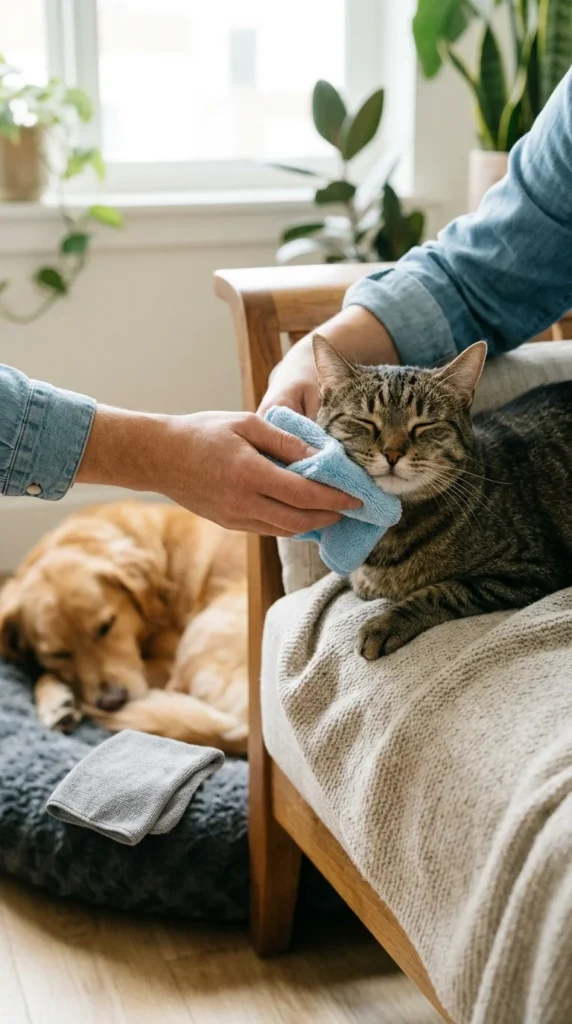
Scent is the primary language of most pets. Before your pets even meet, they should know each other’s “smell profile.” Use scent swapping to build familiarity. Rub a clean towel on your dog and place it in the cat’s sleeping area, and vice versa. This associates the other animal’s scent with comfort and rest. You can even take this a step further by “communal grooming”—using the same brush (cleaned of excess hair) on multiple pets to create a “group scent” that identifies everyone as part of the same family unit.
7. Attention
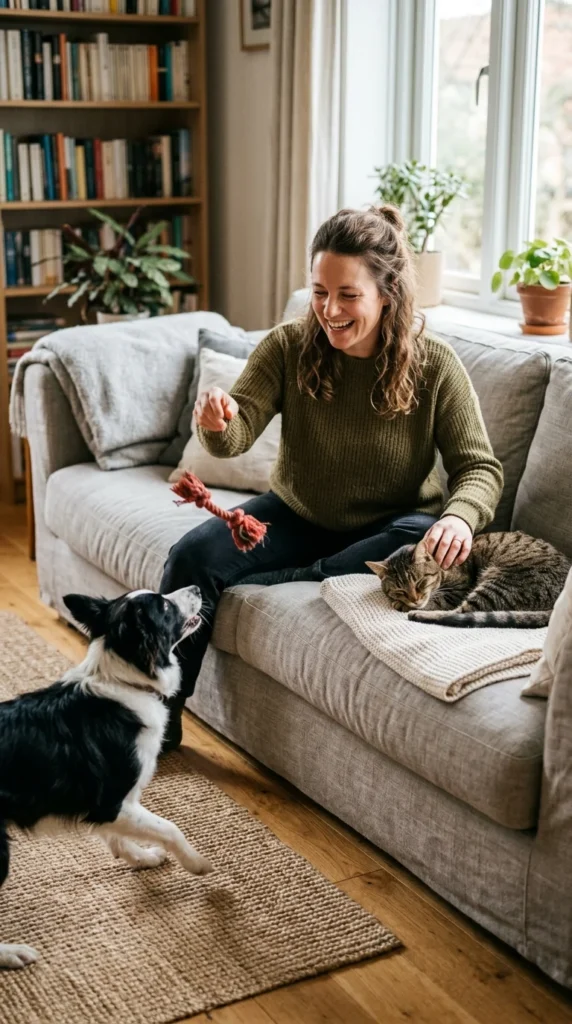
Jealousy is a very real emotion in multi-pet households. While it’s tempting to do everything as a group, individual “one-on-one” time is crucial. Dedicate at least 15 minutes a day to each pet separately. This could be a solo walk for the dog or a laser-pointer session for the cat in a closed room. This reinforces your bond with each animal and ensures that no one feels sidelined. When an animal feels secure in their relationship with you, they are less likely to view their housemates as rivals for your affection.
8. Supervision
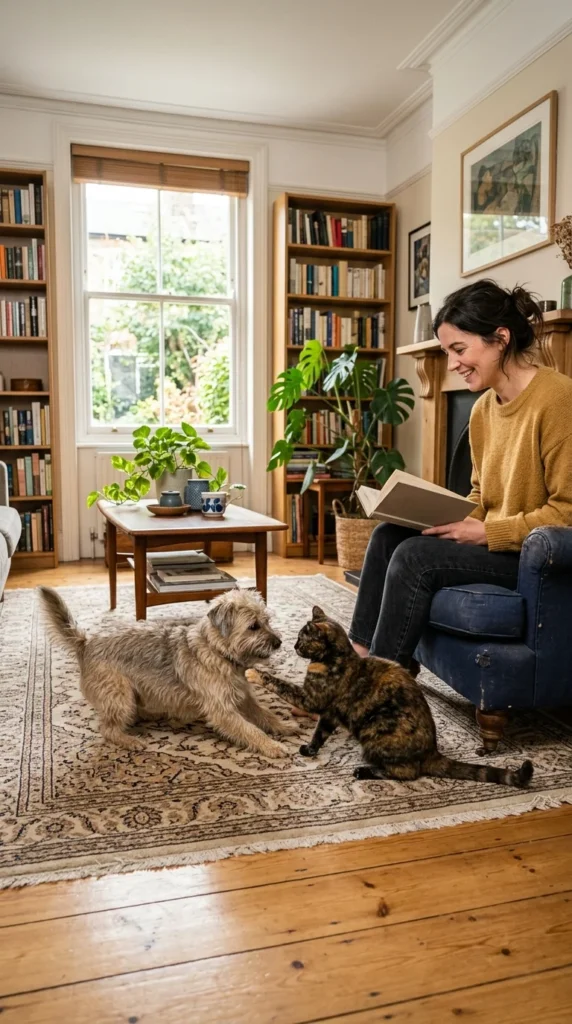
Until you are 100% certain that your pets are comfortable with one another, never leave them together unsupervised. Even “best friends” can have a disagreement that escalates if no one is there to intervene. Use crates, exercise pens, or separate rooms when you leave the house. Supervision isn’t just about stopping fights; it’s about reading body language. If you see a dog staring too intensely at a cat, or a cat twitching its tail in irritation, you can redirect their attention before a conflict occurs.
9. Training
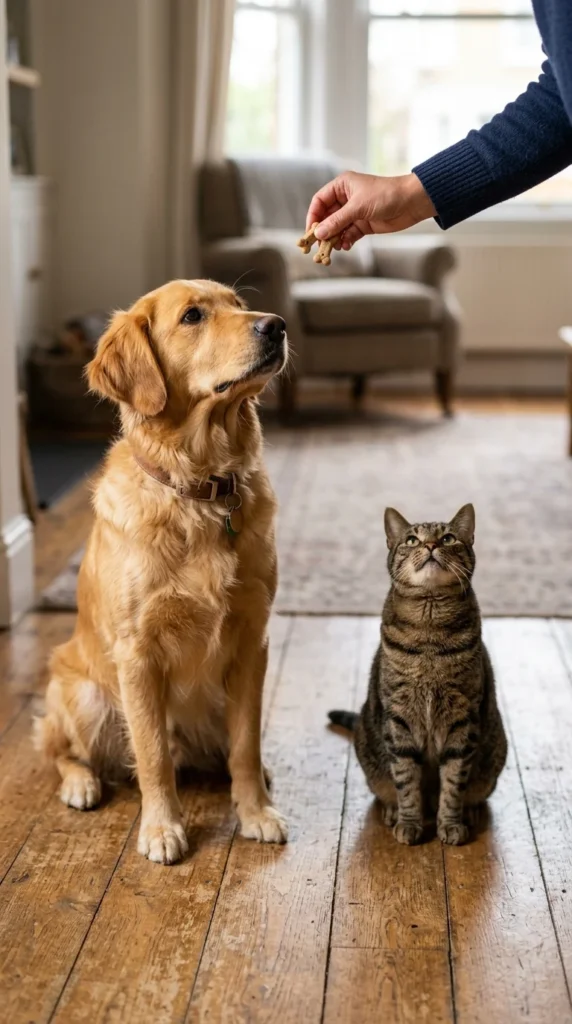
Basic obedience isn’t just for dogs. Training your pets together can actually be a great bonding exercise. Teaching a “place” command—where each pet goes to a specific mat or bed on cue—is invaluable for managing chaotic moments like someone ringing the doorbell. Reward-based training (using high-value treats) creates positive associations between the pets. When the dog sees the cat and gets a treat for staying calm, the dog begins to view the cat as a “treat dispenser” rather than prey or a nuisance.
10. Sanitation
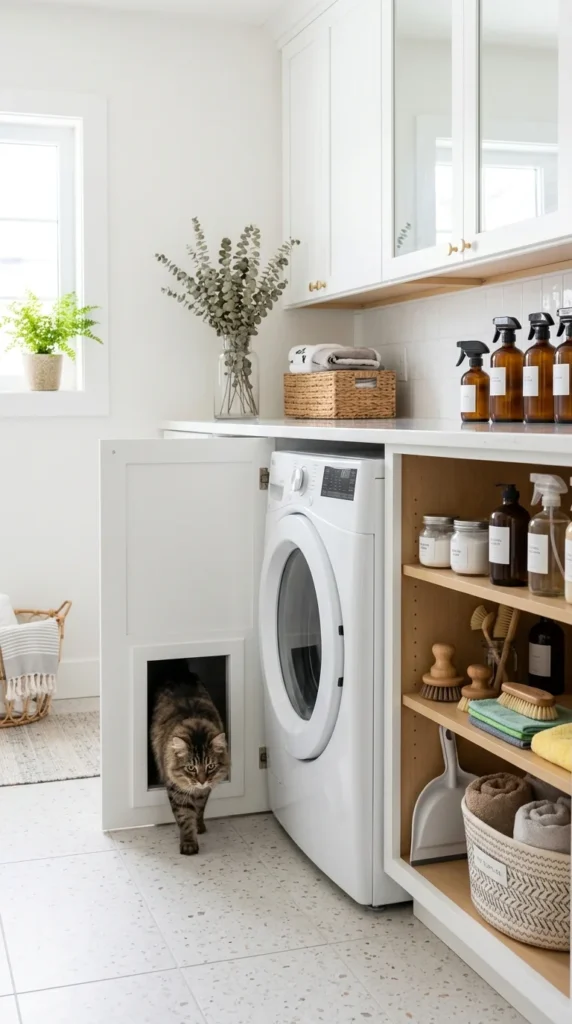
Nothing ruins a peaceful home faster than the smell of pet waste or “marking” accidents. In a multi-pet home, cleanliness is a pillar of behavior management. If a cat feels their litter box is too dirty (especially if shared), they may begin urinating on your rugs. Likewise, if a dog smells an accident from another pet, they may feel the need to “mark” over it. Use enzymatic cleaners that actually break down the proteins in pet waste rather than just masking the odor. Keeping a pristine environment reduces the stress levels of both the humans and the animals.
11. Health

A hidden illness is often the root cause of sudden aggression in a multi-pet home. If a normally friendly pet starts growling or snapping at their housemates, they might be in pain. Chronic issues like arthritis, dental pain, or urinary tract infections can make an animal irritable and less tolerant of others. Regular vet check-ups for all pets ensure that everyone is feeling their best. Additionally, keep all pets up-to-date on parasite prevention; fleas and ticks can spread quickly through a multi-pet household, causing discomfort and stress for everyone.
12. Exercise
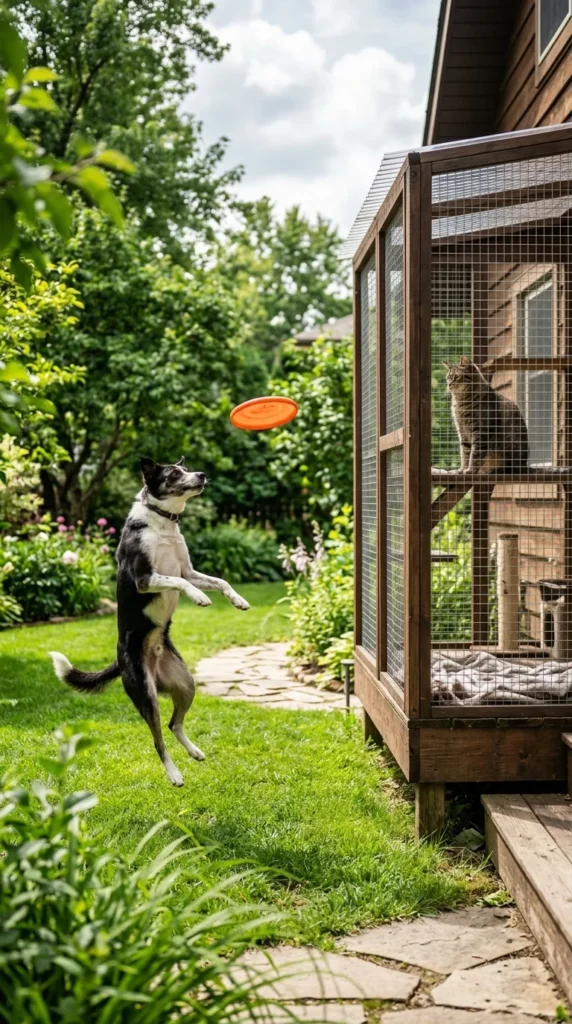
A tired pet is a well-behaved pet. Pent-up energy often manifests as “pestering” other animals. If your dog isn’t getting enough physical exercise, they may try to engage the cat in rough play that the cat finds terrifying. Similarly, cats need “predatory play” to satisfy their hunting instincts. Use flirt poles, fetch toys, and interactive puzzles to drain that excess energy. By the time the pets are together in the living room, they should ideally be ready for a nap rather than a wrestling match.
13. Pheromones
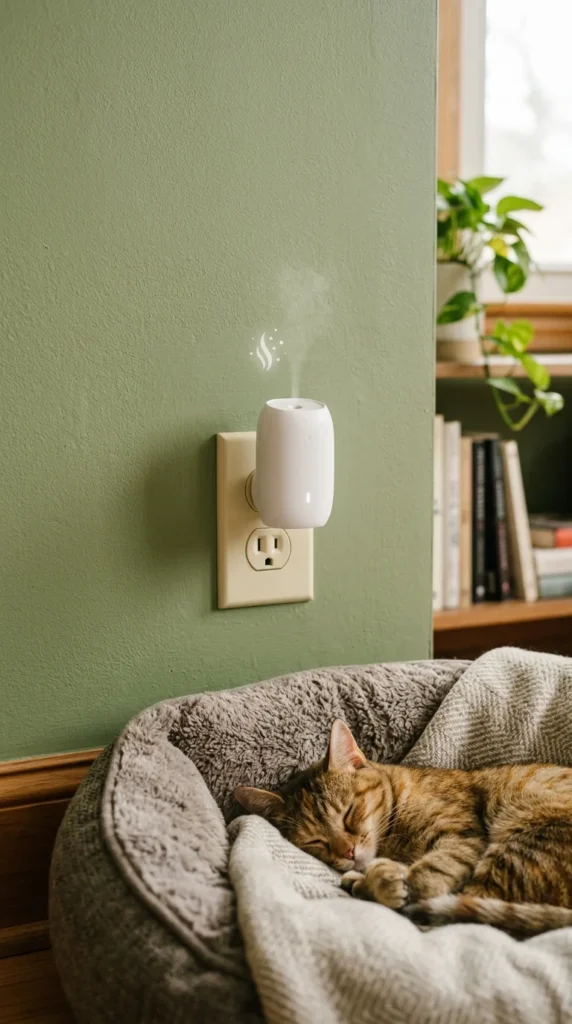
Science can offer a helping hand in the form of synthetic pheromones. Products like Feliway (for cats) and Adaptil (for dogs) mimic the natural “calming” chemicals mothers produce to soothe their young. These diffusers, sprays, or collars can significantly lower the overall “static” of anxiety in a home. They are especially useful during transitions, such as moving to a new house or introducing a new family member. While not a “magic wand,” they provide a soothing background atmosphere that makes other training techniques more effective.
14. Safety

Safety in a multi-pet home involves both physical gear and environmental “proofing.” Ensure all cats wear “breakaway” collars so they don’t get snagged on furniture or during play. Make sure every pet is microchipped and wears a tag, just in case a door is accidentally left open during a chaotic moment. Furthermore, “pet-proof” your home by securing heavy furniture that could be knocked over during a “zoomie” session and ensuring that toxic plants or foods are kept far out of reach of the most adventurous climbers.
15. Calm
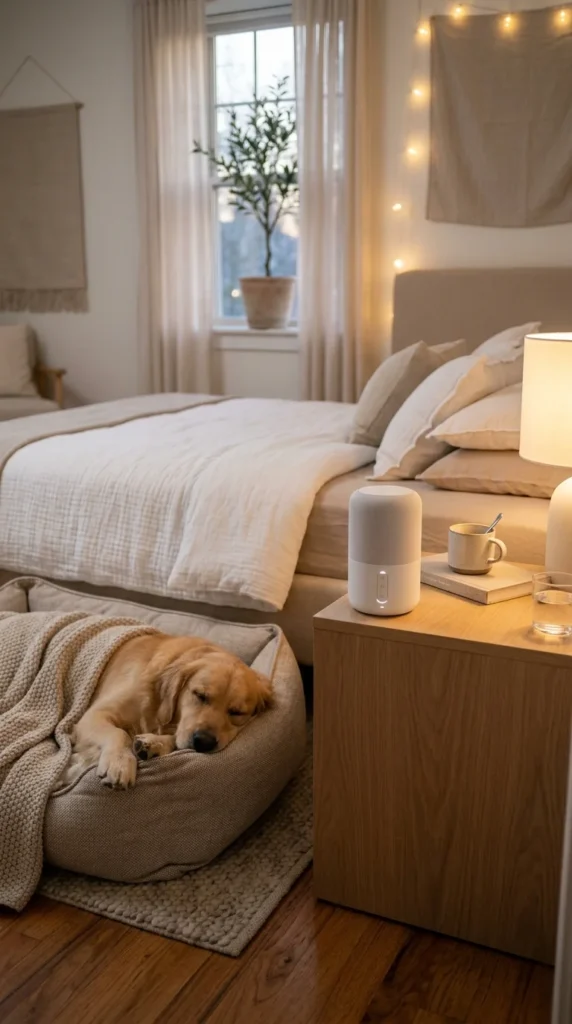
The “vibe” of your home matters. Animals are highly sensitive to human stress and loud noises. If your home is constantly loud with shouting or blaring televisions, your pets will be on edge. Use white noise machines or soft classical music (specifically composed for animals) to drown out external triggers like barking neighborhood dogs or sirens. Creating a “zen” environment helps keep the pets’ cortisol levels low, making them much more likely to interact peacefully with one another.
16. Surfaces
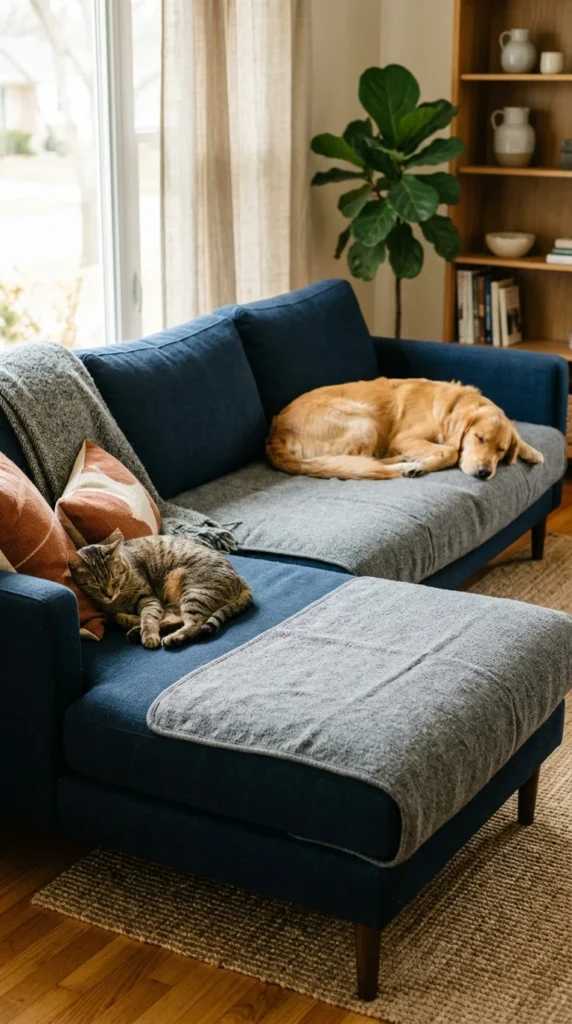
Your choice of home furnishings can impact pet harmony. If you have a dog that sheds and a cat that likes to scratch, high-maintenance fabrics will lead to human stress, which the pets will pick up on. Choose pet-friendly materials like distressed leather, microfiber, or specialized “performance” fabrics that are easy to clean and resist snags. Using washable furniture covers allows you to keep the “pet hair” under control without constantly shooing the animals off the furniture. When you aren’t stressed about your decor, you’re a better leader for your pets.
17. Grooming

Regular grooming is more than just aesthetics; it’s a health and safety necessity. Long nails on a dog can accidentally scratch a cat during a play session, leading to a fight. Matted fur can make an animal touch-sensitive and grumpy. Furthermore, the act of grooming can be a calming ritual. Brushing your pets regularly removes loose fur (reducing the “hairball” load in the house) and gives you a chance to check for lumps, bumps, or injuries that might be affecting their mood.
18. Prep
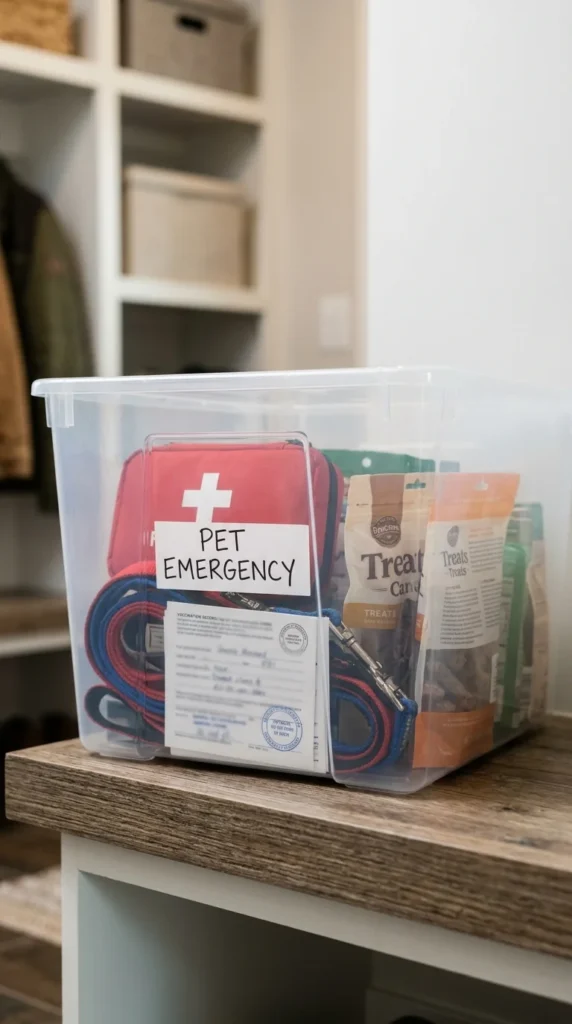
In a multi-pet home, you must be prepared for the unexpected. This means having a solid emergency plan. Do you have enough carriers for every animal in the house? If you had to evacuate, do you have a “go-bag” with enough food and water for everyone for three days? Knowing that you are prepared for an emergency reduces your background anxiety, which helps keep the household stable. Additionally, keep a well-stocked pet first aid kit on hand to handle minor scrapes or broken nails quickly before they become major stressors.
19. Patience

The final and most important tip is to have patience—both with your pets and with yourself. Harmony doesn’t always look like a dog and cat snuggling; sometimes, it just looks like two animals existing in the same room without acknowledging each other. That is a victory! Every pet has a unique personality and a unique timeline for adjustment. There will be setbacks, hissed warnings, and the occasional “accident.” Stay consistent, stay calm, and celebrate the small wins. With time and the right environment, your multi-pet household will eventually find its own perfect, peaceful rhythm.