
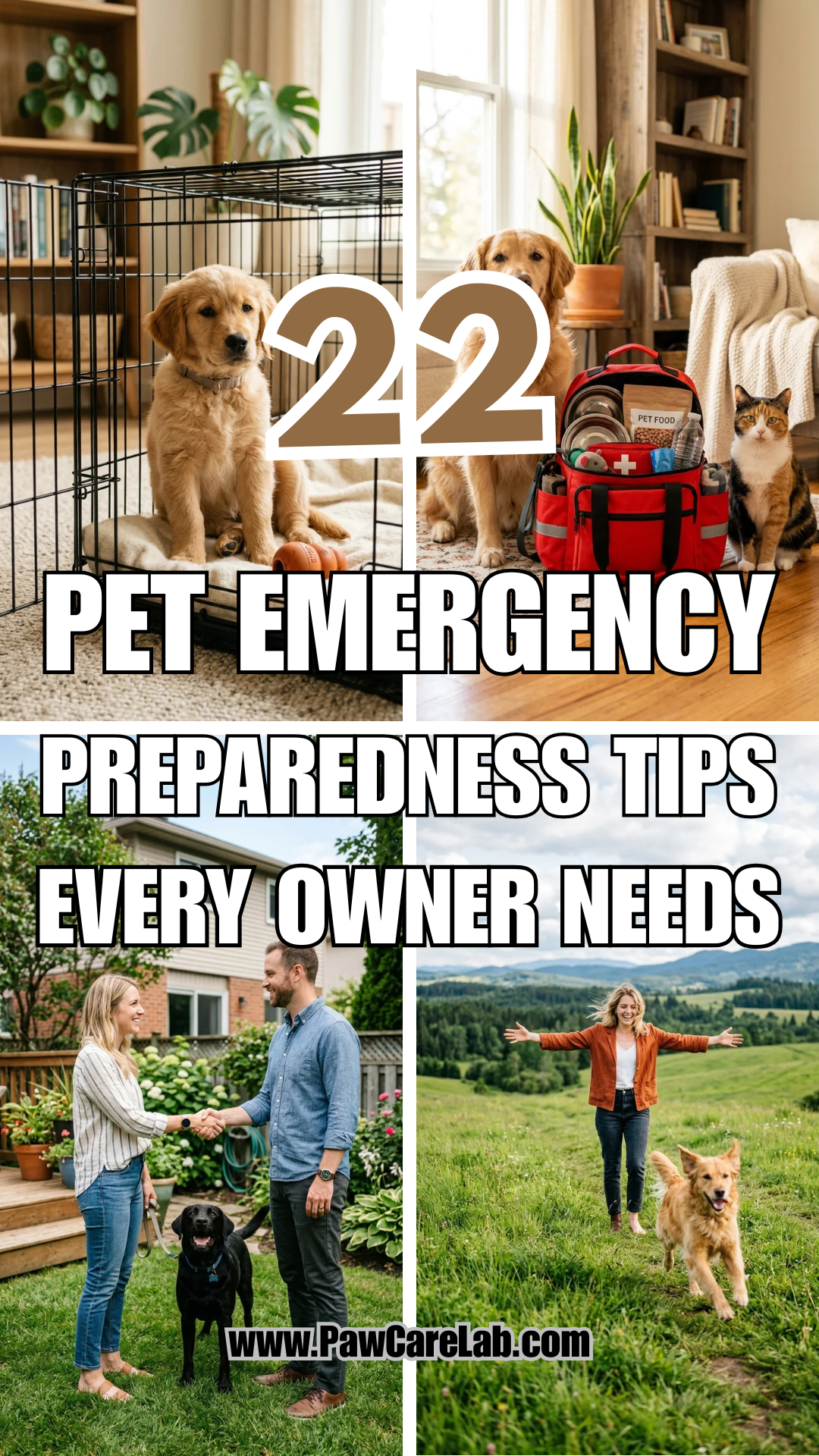
When disaster strikes—be it a wildfire, a flood, or a sudden medical crisis—every second counts. For pet owners, the stakes are even higher. Our animals rely entirely on us for their safety and well-being, and in the chaos of an emergency, their needs can easily become overwhelming if you aren’t prepared. Being a responsible pet parent means thinking three steps ahead. It’s not just about having a bag of kibble ready; it’s about a comprehensive strategy that covers health, logistics, and comfort.
This guide outlines 22 essential tips to ensure that you and your furry, feathered, or scaled friends are ready for whatever life throws your way.
1. First Aid

A dedicated pet first aid kit is your first line of defense. Unlike human kits, a pet-specific one should include items like self-clinging bandages (that won’t stick to fur), blunt-ended scissors, and a muzzle (as even the sweetest pets may bite when in pain). Make sure you also include styptic powder to stop bleeding from broken nails and a saline solution for flushing out eyes or wounds.
2. Survival Food

Store at least two weeks’ worth of your pet’s regular food in an airtight, waterproof container. Sudden changes in diet during a stressful event can lead to digestive upset, which is the last thing you want to deal with in an evacuation center. If you use canned food, ensure you have a manual can opener packed in your emergency kit.
3. Water Reserves

Clean water is vital. Experts recommend storing at least one gallon of water per day for a medium-sized dog, and slightly less for cats. Remember that in high-stress situations or extreme heat, pets may drink more than usual. Keep a separate stash of bottled water specifically designated for your pets to avoid cross-contamination.
4. Microchipping
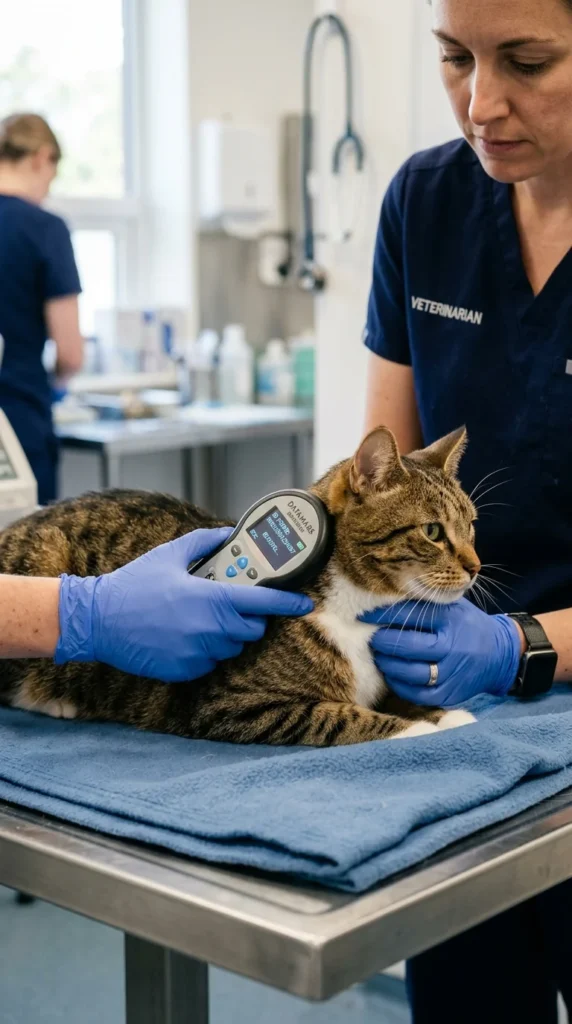
Collars can break or fall off, but a microchip is permanent. Ensure your pet is microchipped and, more importantly, that the registration is linked to your current phone number and address. If you move or change your number, updating the microchip registry should be the first thing on your to-do list.
5. Physical Tags

While microchips are great, a physical ID tag is the fastest way for a neighbor or rescuer to contact you. The tag should include the pet’s name, your cell phone number, and any critical medical alerts (e.g., “Needs Insulin”). Consider a secondary tag with the contact information of an out-of-area friend or relative.
6. Digital Records

In an emergency, you may need to prove your pet is vaccinated to enter a shelter or boarding facility. Keep digital copies of rabies certificates, vaccination history, and medical records on a cloud drive or a waterproof USB stick. Having these accessible on your phone can save hours of frantic searching.
7. Current Photos

If you are separated from your pet, a clear, recent photo is essential for creating “Lost Pet” posters. Take photos of your pet from multiple angles and include one of you with the pet to prove ownership. Store these both digitally and as physical prints in your emergency “go-bag.”
8. Travel Carrier

Every pet should have a sturdy, comfortable carrier or crate. It should be large enough for them to stand up and turn around in but secure enough to be moved quickly. Familiarize your pet with the carrier before an emergency happens so it feels like a safe space rather than a “scary box” that only comes out for vet visits.
9. Medication Supply

If your pet takes daily medication, keep at least a two-week backup supply. Check the expiration dates every few months and rotate the stock. Include a written copy of the prescription and the dosing instructions in case you need to seek help from a different veterinarian during a disaster.
10. Evacuation Plan

Practice your evacuation route with your pets. Know which exits you will use and where you will meet family members. If you have multiple pets, assign a specific animal to each family member so no one is left behind in the confusion.
11. Designated Caretaker

Identify a “buddy” who lives nearby—a neighbor or friend—who has a key to your home and knows your pets. If an emergency happens while you are at work or away, this person can get your pets out safely. Make sure they know where the emergency kits are located.
12. Pet-Friendly Hotels

Not all emergency shelters allow pets. Research pet-friendly hotels or boarding facilities along your evacuation route ahead of time. Keep a list of their phone numbers and addresses in your emergency kit. Websites like BringFido or GoPetFriendly are excellent resources for this.
13. Rescue Alerts
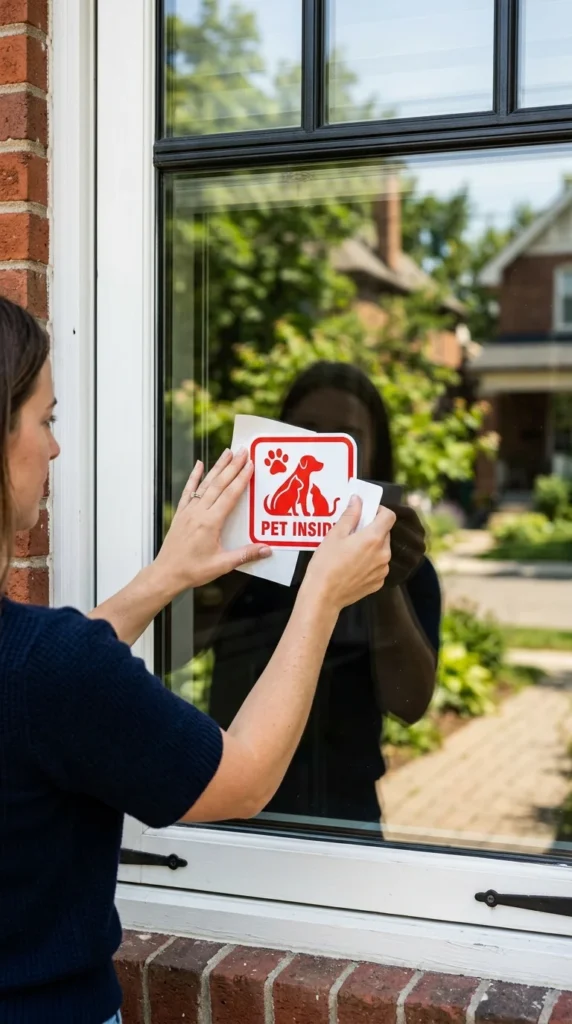
Place a pet rescue alert sticker on your front window or door. This tells firefighters and first responders exactly how many and what kind of animals are inside. If you evacuate with your pets, write “EVACUATED” across the sticker in permanent marker so rescuers don’t risk their lives entering an empty home.
14. Sanitation Supplies

Emergencies are messy. Pack plenty of poop bags, puppy pads, paper towels, and a small bottle of dish soap or disinfectant. For cats, a small travel litter box and a bag of litter are essential. Maintaining hygiene is crucial for preventing the spread of disease in crowded shelter environments.
15. Leash/Harness

Even if your dog is great off-leash, a sturdy leash and harness are mandatory in emergencies. High-stress environments can cause even the most well-trained dog to bolt. A harness is generally safer than a collar for long periods of wear, as it reduces the risk of neck injury if the dog pulls.
16. Comfort Items

The smell of home can be incredibly grounding for a stressed animal. Pack a favorite toy, a familiar blanket, or even an unwashed t-shirt that smells like you. These small comforts can significantly reduce your pet’s anxiety in a loud, strange environment.
17. Crate Training

Crate training is one of the best gifts you can give your pet. If they have to stay in a shelter or a hotel, being comfortable in a crate will prevent them from becoming hyper-stressed. Start training in a low-pressure environment with plenty of treats and positive reinforcement.
18. Recall Training

A strong “come” command can save your pet’s life if they slip out of their collar during a chaotic moment. Spend time every week reinforcing recall training in different environments with high-value rewards. For cats, training them to come to the sound of a specific treat bag shaking can be equally effective.
19. CPR Training

Knowing how to perform pet CPR and the Heimlich maneuver can be the difference between life and death. Many organizations, such as the Red Cross, offer online or in-person courses specifically for pet first aid. Familiarize yourself with the signs of choking and heatstroke.
20. Calming Aids

Stress-relief products like pheromone sprays, calming chews, or “Thundershirts” can help keep your pet’s heart rate down during storms or evacuations. Consult your vet about the best options for your specific pet’s temperament before an emergency occurs.
21. Vet Contacts

Keep the contact information for your regular vet, the nearest 24-hour emergency clinic, and a pet poison control hotline in your phone and written down in your kit. In a crisis, you don’t want to be wasting time searching the internet for a phone number.
22. Mental Health

After the immediate danger has passed, monitor your pet for signs of behavioral changes. Trauma can affect animals just as it affects humans. Be patient, provide extra affection, and stick to your routine as closely as possible to help them feel secure again. If they remain highly anxious, consult a professional behaviorist.