
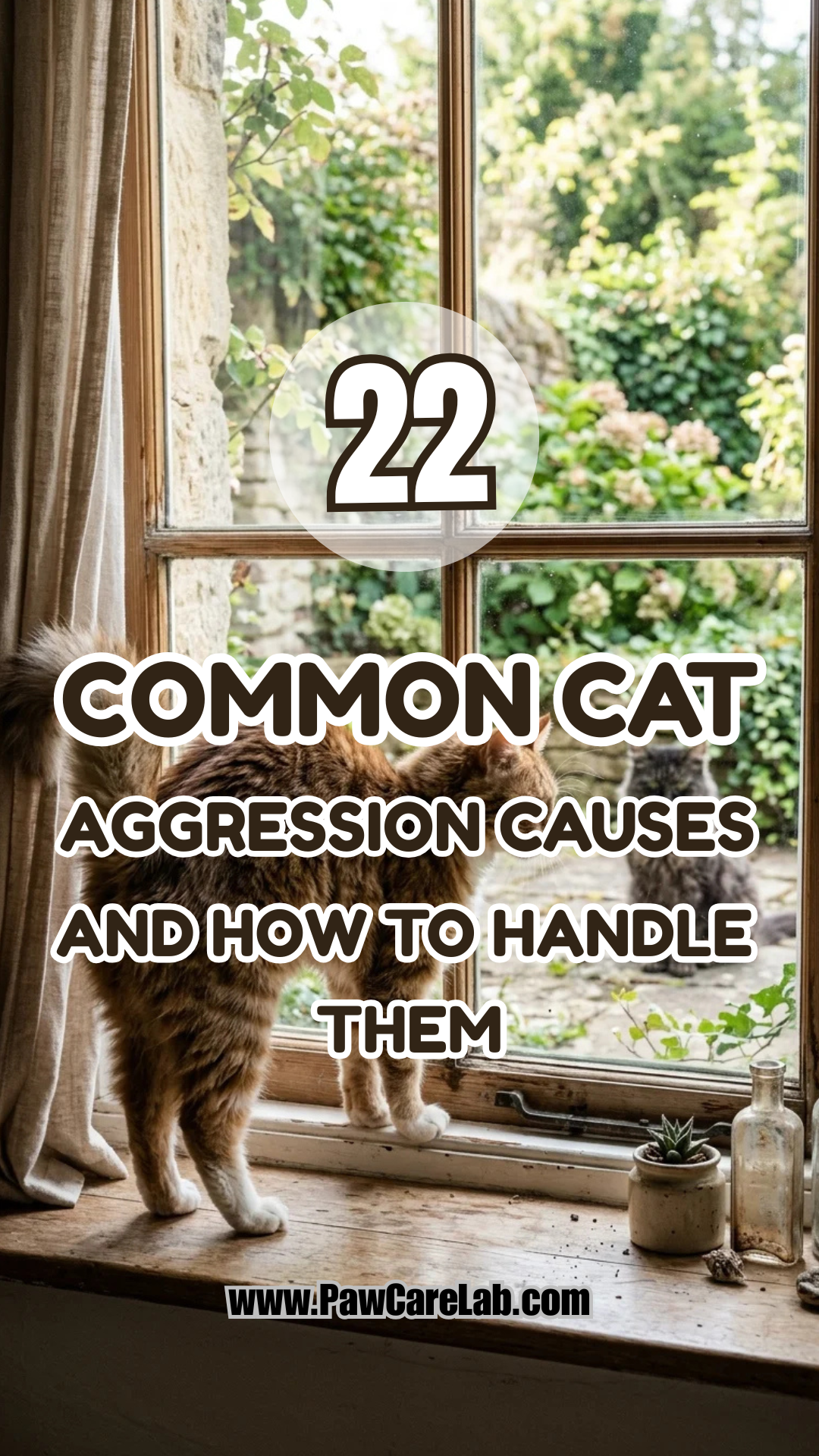
Understanding feline aggression is one of the most challenging aspects of cat ownership. Unlike humans, cats don’t lash out because they are “mean” or “spiteful.” Instead, aggression is a complex form of communication used to signal discomfort, fear, or frustration. To live harmoniously with your feline companion, you must learn to decode these aggressive outbursts.
1. Medical Pain
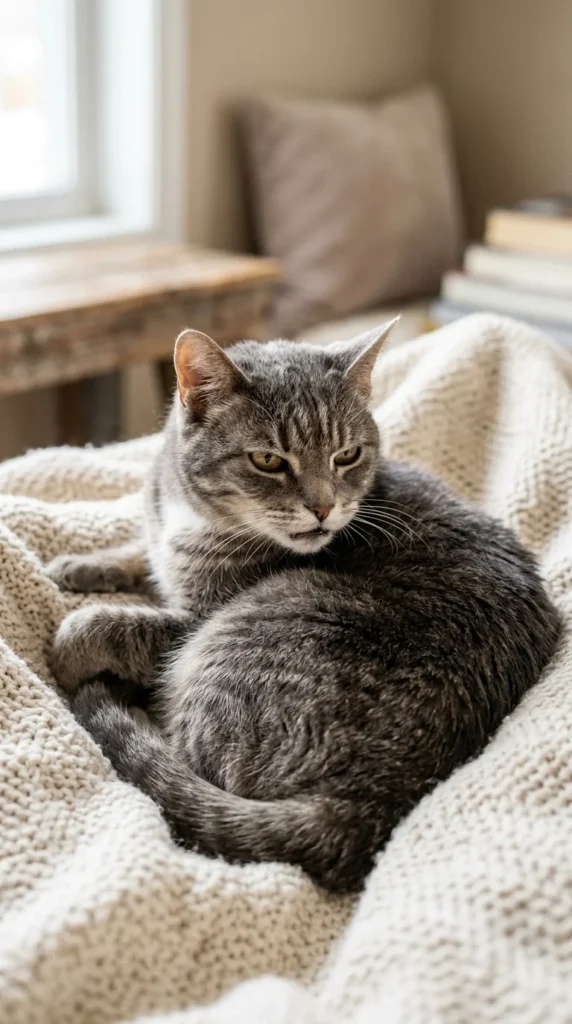
When a cat is in pain, its first instinct is self-preservation. Physical ailments like arthritis, dental disease, or internal infections can make a cat extremely sensitive to touch. If your normally sweet cat suddenly hisses or swats when you pet a specific area, physical discomfort is likely the culprit.
How to Handle: Schedule an immediate veterinary exam. Pain-based aggression cannot be trained away; it must be treated medically through pain management or surgery.
2. Redirected Aggression

This is one of the most common and misunderstood types of aggression. It occurs when a cat is agitated by a stimulus it cannot reach—like a stray cat outside the window—and then lashes out at the nearest person or pet instead.
How to Handle: Do not try to soothe the cat while it is agitated. Block the cat’s view of the outside stimulus using blinds and give the cat a “timeout” in a dark, quiet room until its heart rate returns to normal.
3. Fear Responses
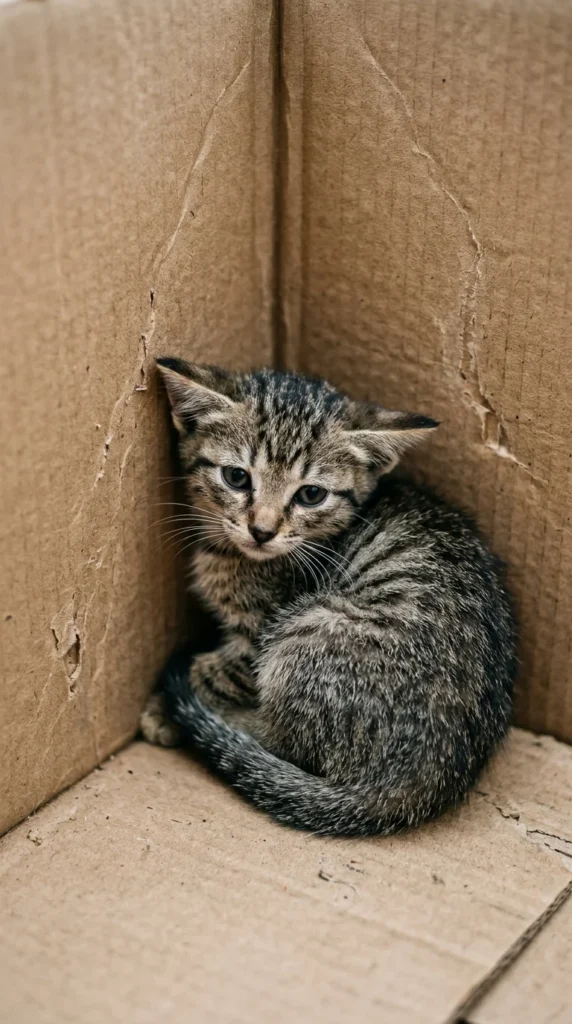
A fearful cat is a dangerous cat. When a cat feels trapped or cornered by a person, a loud noise, or a strange environment, it may enter “fight mode” to protect itself.
How to Handle: Never corner a fearful cat. Provide plenty of high perches and hiding spots. Allow the cat to come to you on its own terms and use pheromone diffusers to create a sense of safety.
4. Territorial Instincts

Cats are naturally territorial animals. They view your home as their kingdom, and the introduction of a new pet or even a new piece of furniture can trigger a defensive reaction to protect their “turf.”
How to Handle: Introduce new pets slowly using the “scent swapping” method. Ensure there are enough resources (litter boxes, food bowls, beds) so that the cats do not feel they have to compete for space.
5. Play Aggression
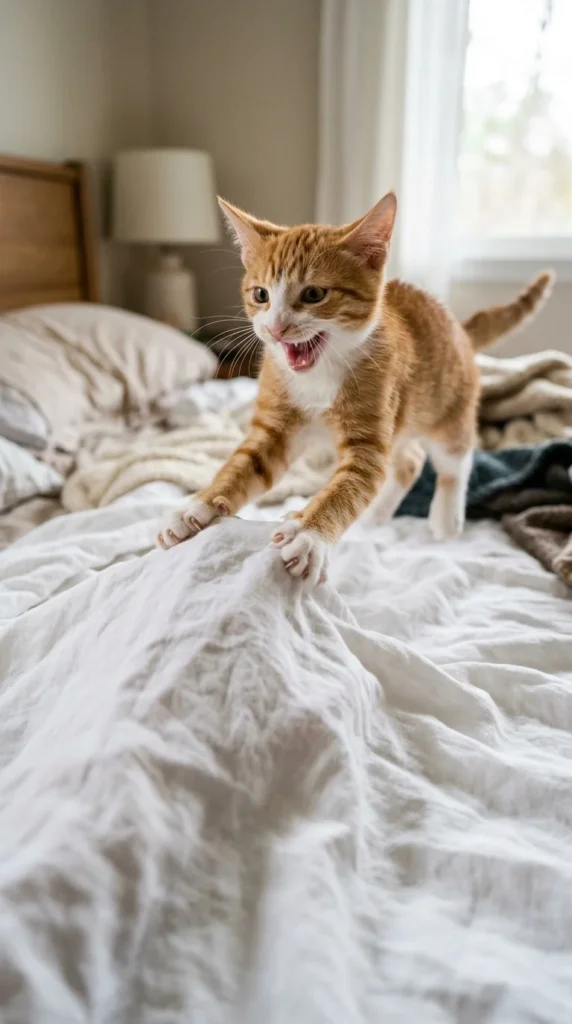
Common in kittens and young adults, play aggression happens when a cat treats human limbs like prey. This usually stems from owners using their hands or feet as toys during the cat’s developmental stages.
How to Handle: Never use your hands to play. If the cat bites, stop all movement and ignore them. Redirect their energy toward feather wands or kick-toys that keep their claws at a distance from your skin.
6. Petting-Induced
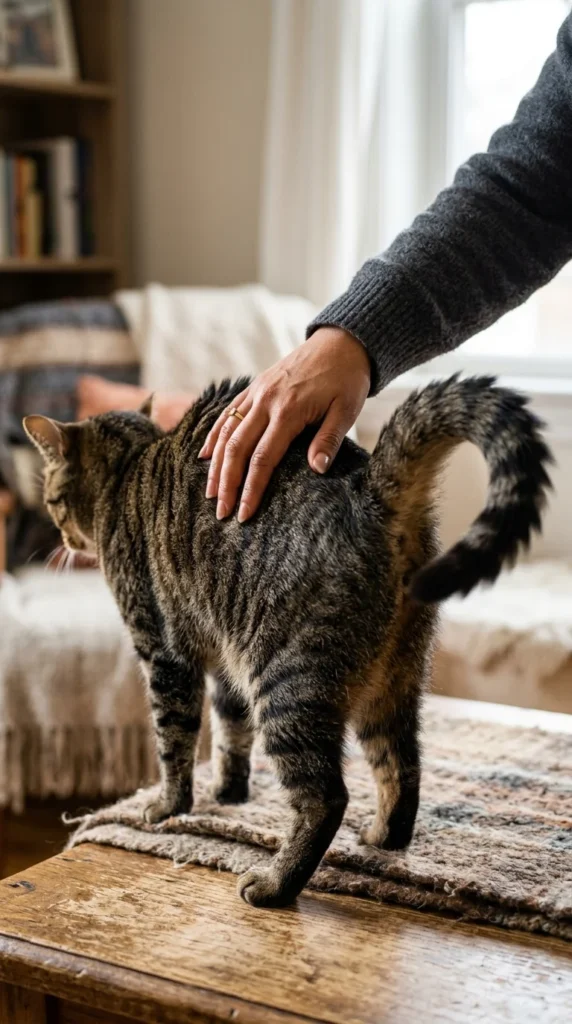
Many cats have a “threshold” for physical contact. After a certain amount of stroking, the nervous system becomes overstimulated, leading the cat to suddenly bite or scratch to make the petting stop.
How to Handle: Learn your cat’s “stop” signals: tail twitching, skin rippling, or ears rotating backward. Stop petting before the cat reaches its limit, and stick to low-sensitivity areas like the chin and cheeks.
7. Maternal Instincts
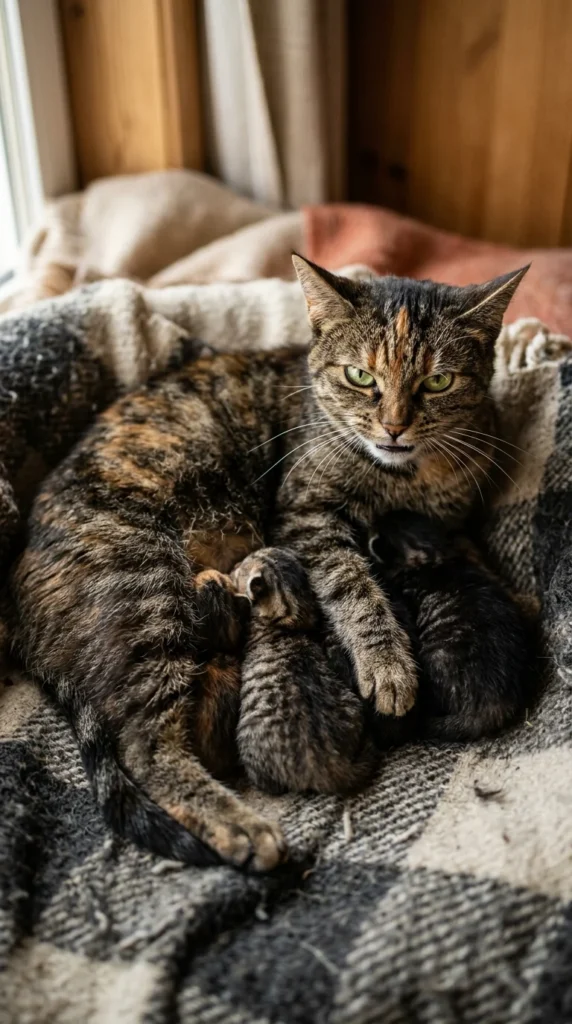
A mother cat (queen) is biologically programmed to protect her litter. Even the most docile cat may become aggressive toward humans or other pets if she perceives a threat to her kittens.
How to Handle: Give the mother and her litter a private, low-traffic area. Minimize handling of the kittens during the first few weeks and only approach when the mother appears relaxed.
8. Inter-Cat Conflict

This occurs between cats living in the same household. It can be caused by a lack of resources, a change in hierarchy, or simply a personality clash between two feline residents.
How to Handle: Re-evaluate the “Rule of N+1” (one more resource than you have cats). If the fighting is severe, you may need to completely re-introduce the cats as if they have never met before.
9. Lack of Socialization

Cats that were not handled by humans during their sensitive period (2 to 7 weeks of age) often view humans as predators. Their aggression is a defensive mechanism against what they perceive as a giant, dangerous animal.
How to Handle: Patience is key. Use high-value treats to create positive associations with your presence. Never force physical contact; let the cat dictate the pace of the relationship.
10. Frustration
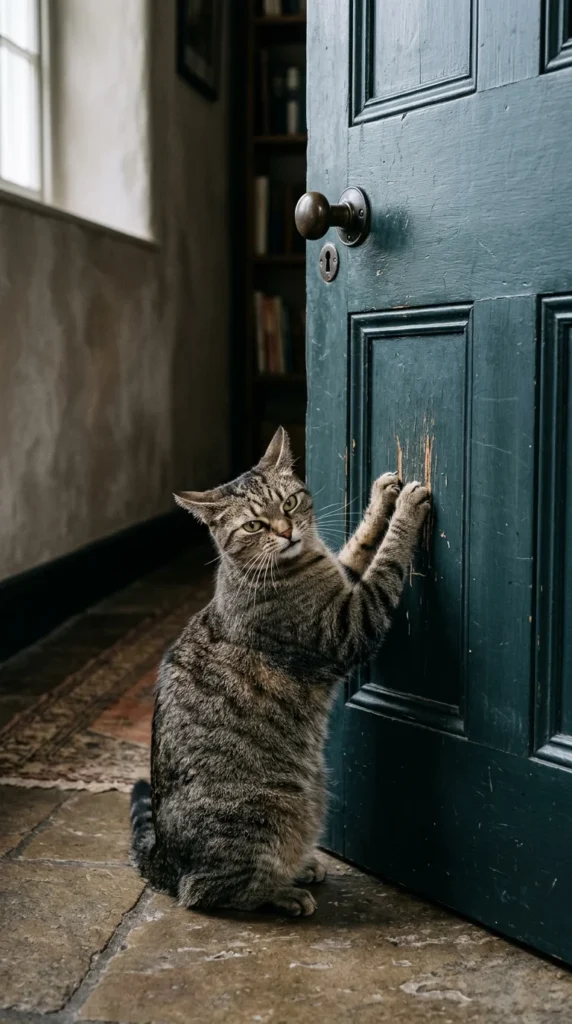
If a cat wants something—like food or access to a closed room—and is prevented from getting it, the resulting frustration can boil over into an aggressive outburst.
How to Handle: Establish a predictable routine so the cat knows when to expect food and play. Use puzzle feeders to keep their minds engaged and reduce the build-up of frustrated energy.
11. Defensive Posturing
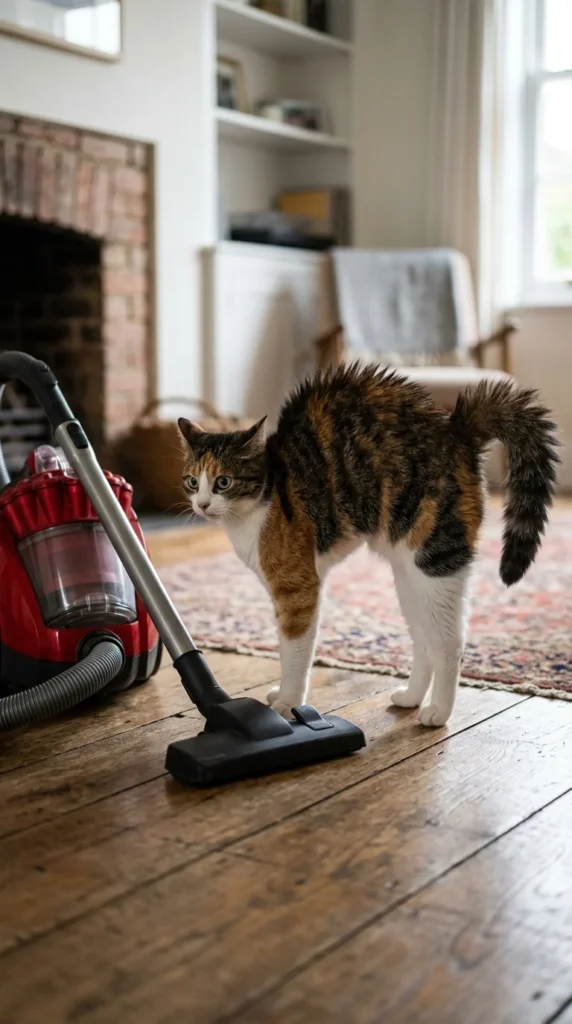
When a cat feels it cannot escape a perceived threat, it will make itself look as large as possible. If the threat continues to approach, the cat will strike.
How to Handle: Back away immediately. Give the cat an “escape route” so it doesn’t feel the need to fight its way out of the situation.
12. Predatory Instincts
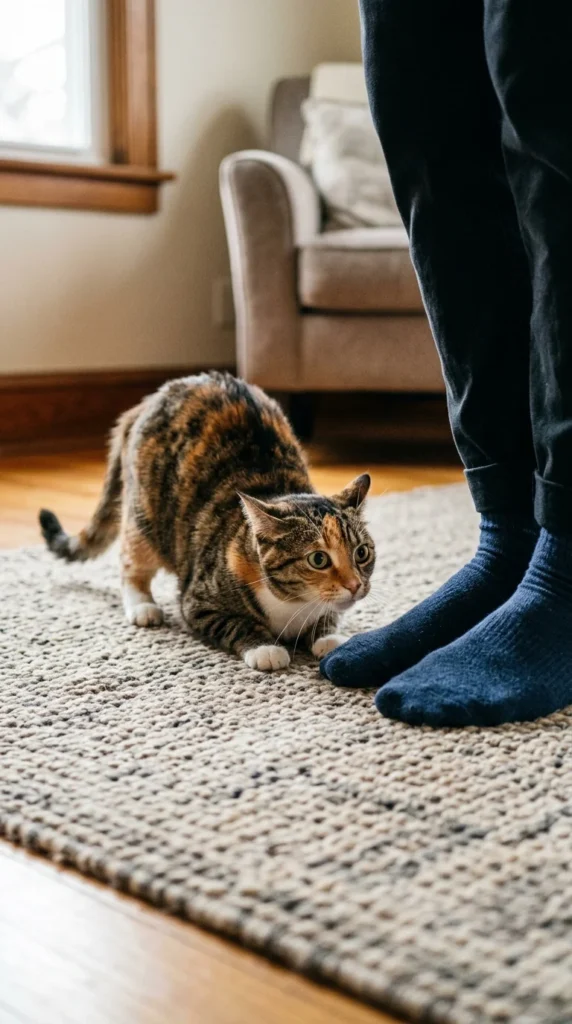
In some cats, the hunting drive is so high that they begin to view moving ankles or swinging arms as prey objects. This is particularly common in high-energy breeds.
How to Handle: Increase the frequency of “Hunt-Catch-Kill-Eat” play sessions using interactive toys. Provide “solo toys” like battery-operated mice to satisfy their predatory drive.
13. Resource Guarding
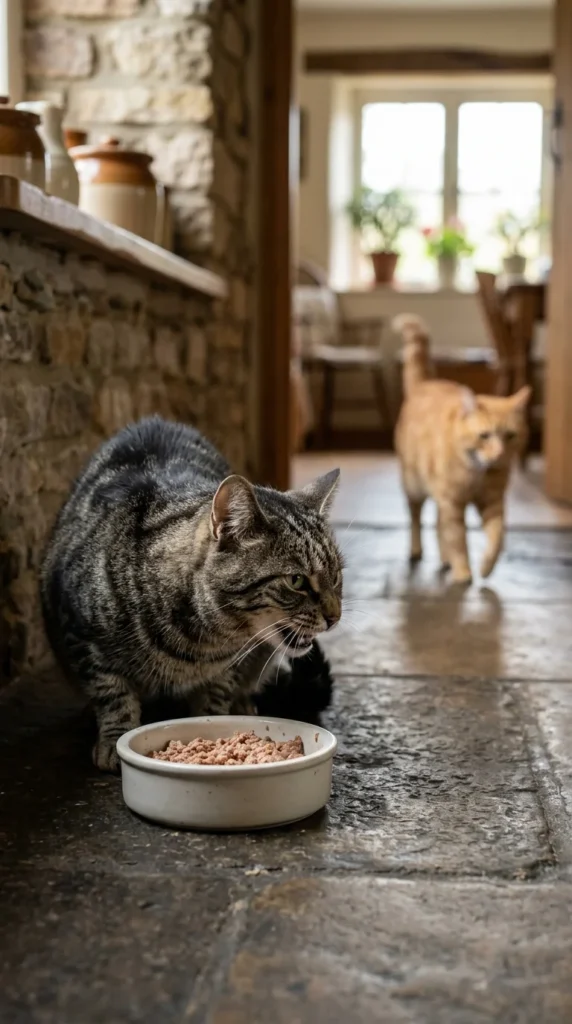
Though more common in dogs, some cats will guard “their” food, toys, or even a favorite human. They use aggression to warn others to stay away from the prized possession.
How to Handle: Feed cats in separate rooms. Do not try to take away a guarded toy by hand; instead, lure the cat away with a treat to safely retrieve the object.
14. Hormonal Changes
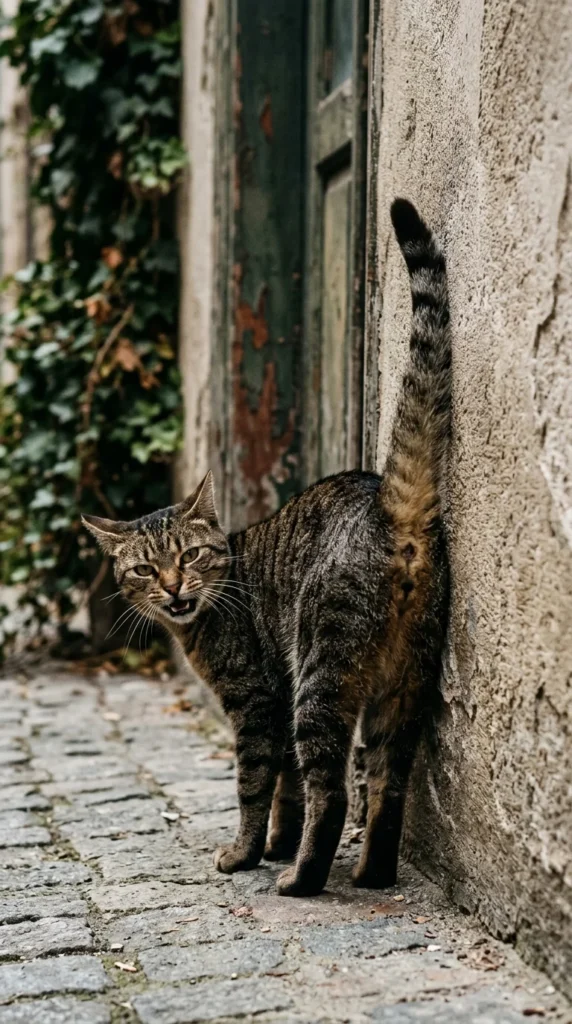
Intact males and females are driven by powerful hormones. Unneutered males (toms) are especially prone to aggression as they seek out mates and defend their territory from rivals.
How to Handle: Spaying or neutering is the most effective solution. This significantly reduces hormone-driven aggression and roaming behaviors.
15. Environmental Change
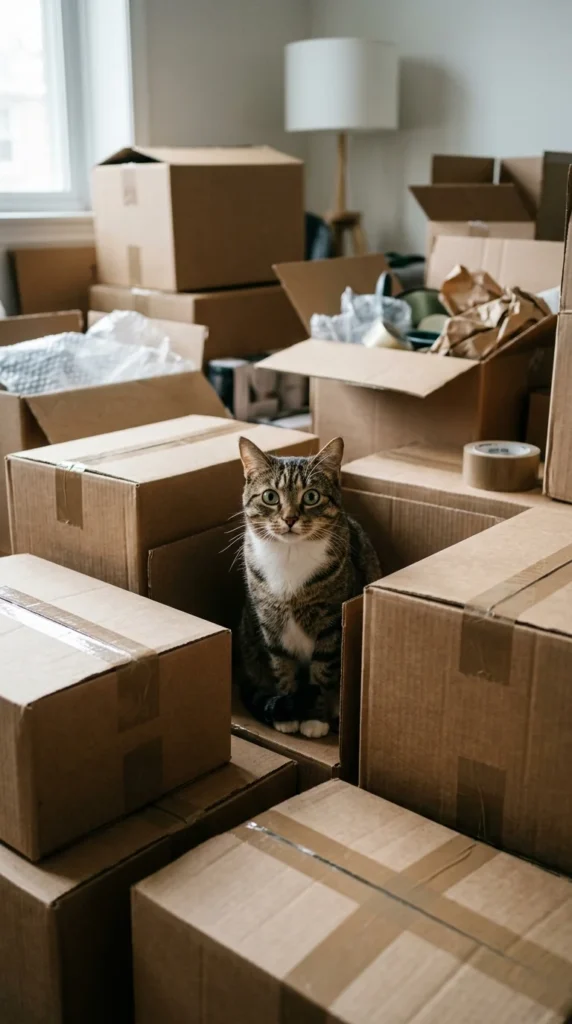
Cats are creatures of habit. Moving to a new house, rearranging furniture, or even the smell of a new carpet can cause enough stress to trigger an aggressive reaction.
How to Handle: Use synthetic pheromone sprays to provide a sense of familiarity. When moving, keep the cat in one “safe room” with their old things until they feel confident enough to explore.
16. Overstimulation
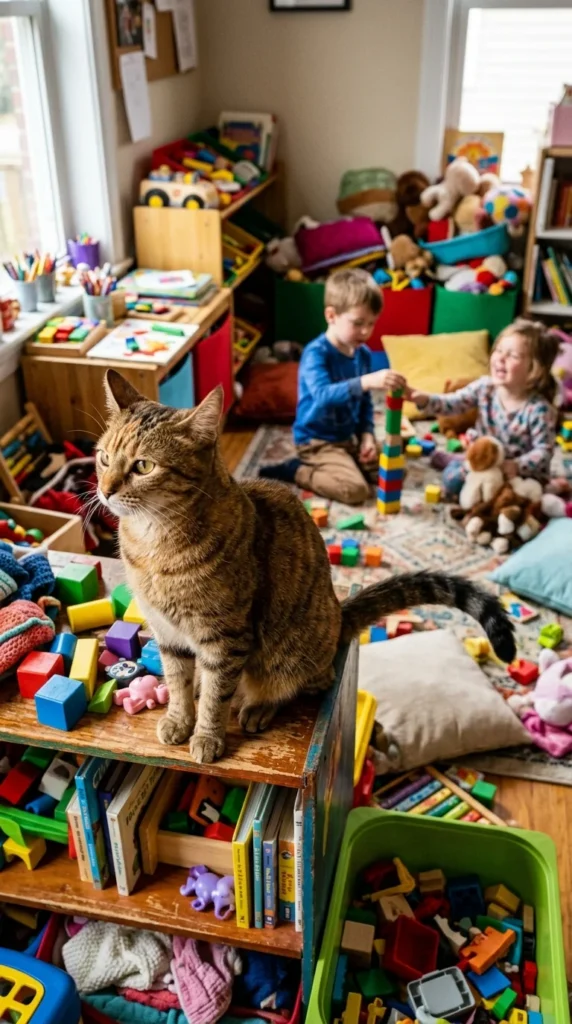
Excessive noise, too many people, or a chaotic environment can overwhelm a cat’s senses. When the “input” becomes too much, the cat may lash out to create space.
How to Handle: Ensure your cat has a “quiet zone” where humans (especially children) are not allowed to go. If a party or event is happening, keep the cat in a comfortable bedroom with white noise.
17. Noise Sensitivity
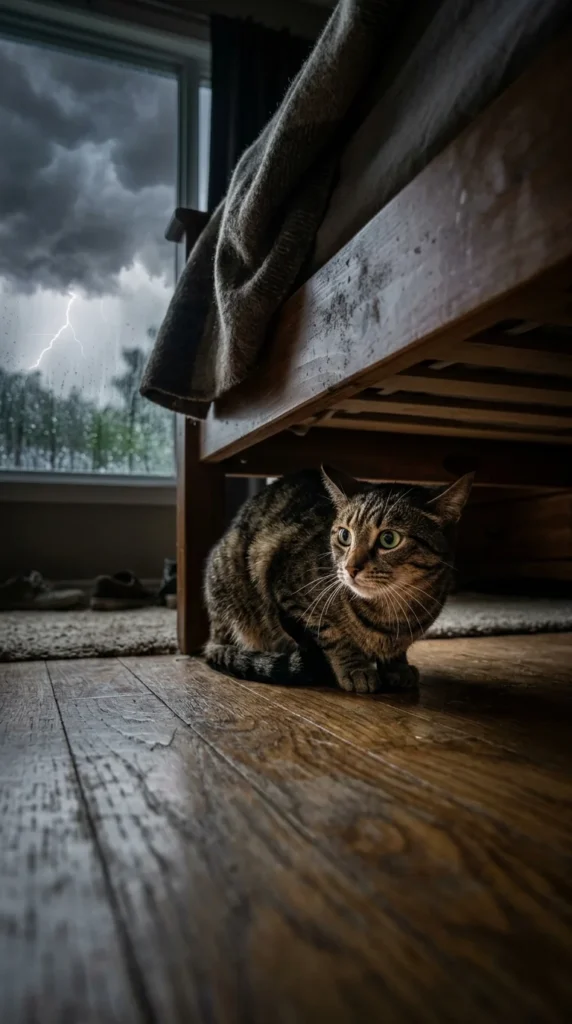
Sudden, loud noises—like thunder, fireworks, or a dropped pan—can trigger a “fight or flight” response. If a person is nearby when the noise happens, the cat may associate the person with the scary sound.
How to Handle: Desensitize the cat to loud noises by playing recordings of the sounds at a very low volume while feeding them treats, slowly increasing the volume over weeks.
18. Cognitive Dysfunction
As cats age, they can suffer from feline dementia (Cognitive Dysfunction Syndrome). This can lead to confusion, disorientation, and unprovoked aggression because the cat no longer recognizes its surroundings or owners.
How to Handle: Consult a vet about specialized diets or medications designed to support brain health in senior cats. Keep their environment very consistent.
19. Traumatic History
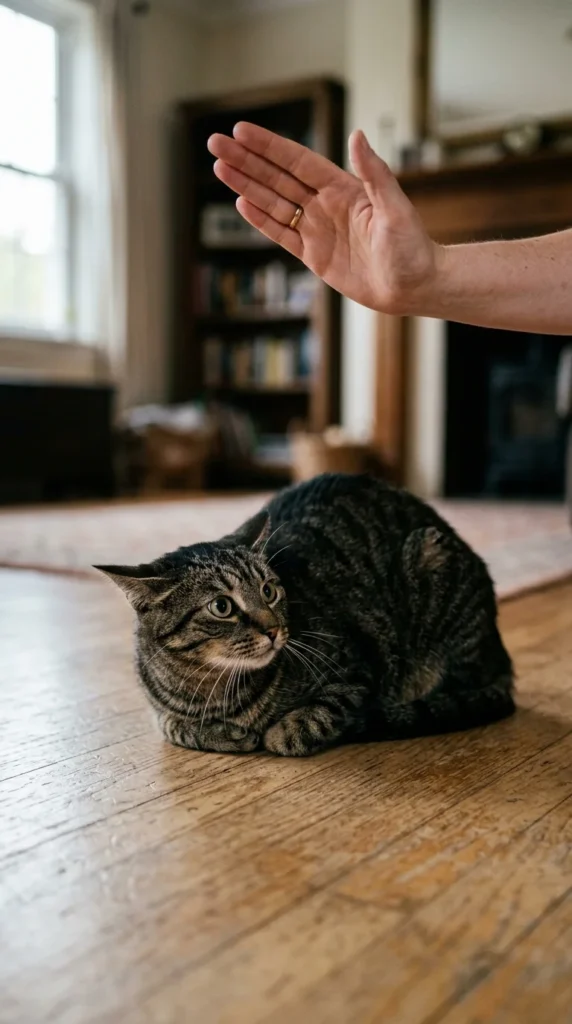
Cats that have been abused or neglected in the past may have “triggers” that cause them to react aggressively. A specific gesture, scent, or sound may remind them of past trauma.
How to Handle: Use positive reinforcement and “counter-conditioning.” Reward the cat for calm behavior and never use physical punishment, as this will only reinforce their fear.
20. Status Aggression
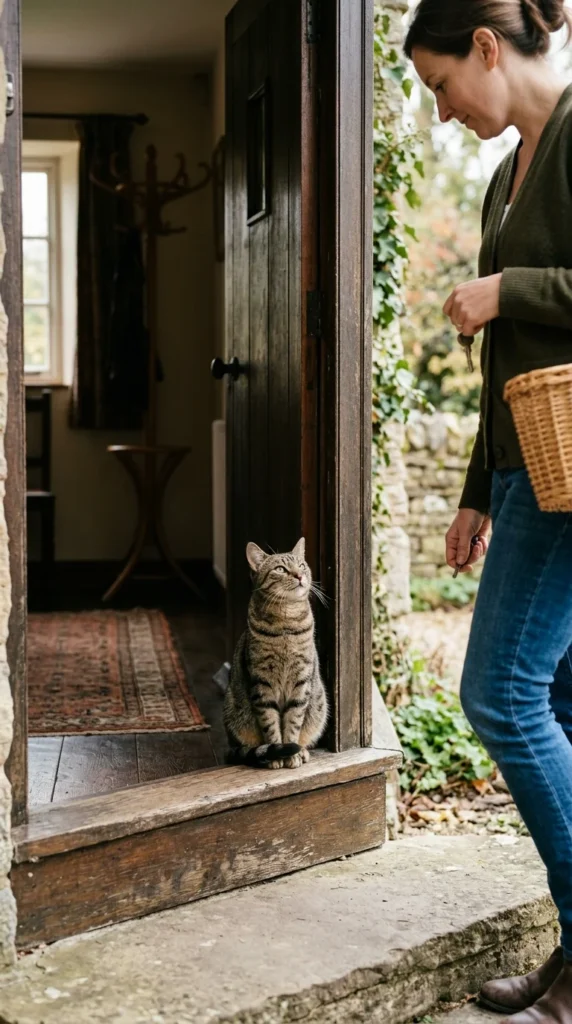
Some cats attempt to control the movements of their owners or other pets. They may bite at ankles to stop someone from leaving a room or swat when someone tries to move them off a furniture piece.
How to Handle: Do not reward the behavior by moving or giving in. Use a “bridge” (like a piece of cardboard) to gently move the cat without using your hands, and reward them when they are in a “neutral” spot.
21. Scent Confusion

Often seen after one cat returns from the vet, the “home” cat no longer recognizes the scent of the “returning” cat. The vet smells—chemicals, other animals—make the returning cat seem like a stranger.
How to Handle: Keep the returning cat in a separate room for a few hours. Rub the returning cat with a towel that smells like “home” before letting the two cats interact again.
22. Separation Anxiety
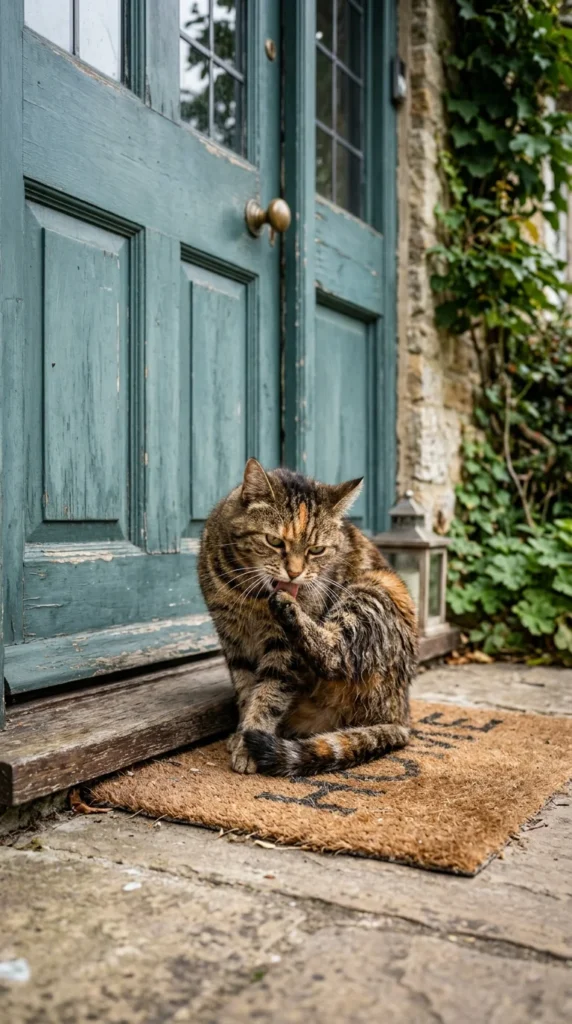
While often associated with dogs, cats can also suffer from separation anxiety. The stress of being alone can manifest as destructive behavior or aggression toward the owner the moment they return home.
How to Handle: Provide plenty of environmental enrichment (cat trees, window perches). Practice short departures and use calming supplements to help the cat feel more secure when left alone.