

Living in a multi-cat household is a dream for many animal lovers. The sight of multiple feline friends grooming each other or chasing one another through the hallway is heartwarming. However, without the right strategies, a home with several cats can quickly turn into a theater of territorial disputes, redirected aggression, and stress-induced health issues. Cats are naturally solitary hunters, and while they are socially flexible, they require a specific environment to coexist without friction.
Achieving a “zen” state in a house full of whiskers requires more than just love; it requires careful management of resources and an understanding of feline psychology. Here are 18 essential tips to ensure your multi-cat home remains a sanctuary of peace.
1. Litter Boxes

The golden rule of a multi-cat household is the “N+1” formula. This means you should always have one more litter box than you have cats. If you have three cats, you need four boxes. Placement is just as important as quantity. Avoid “clumping” boxes together in one room, as a dominant cat can easily “gatekeep” the area, preventing others from entering. Distribute the boxes across different floors or rooms to ensure every cat feels safe and has an escape route if they feel cornered while doing their business.
2. Vertical Space
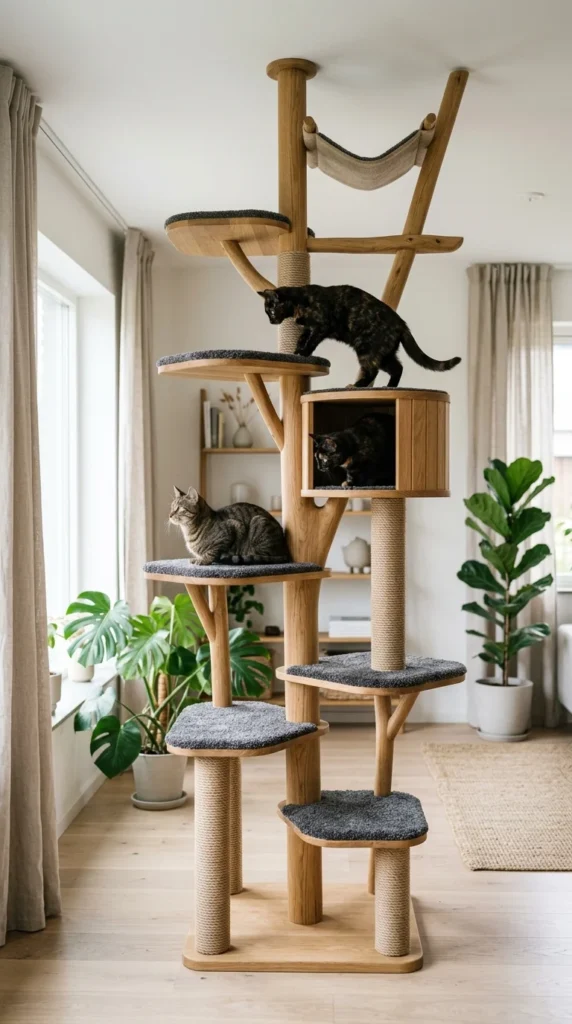
In the feline world, height equals status and safety. When cats feel stressed or crowded, their instinct is to go up. By installing cat trees, wall-mounted shelves, and window perches, you effectively expand your home’s square footage from a cat’s perspective. Vertical territory allows cats to observe their environment from a position of power and stay out of the reach of siblings who might be in a rowdy mood.
3. Feeding Stations
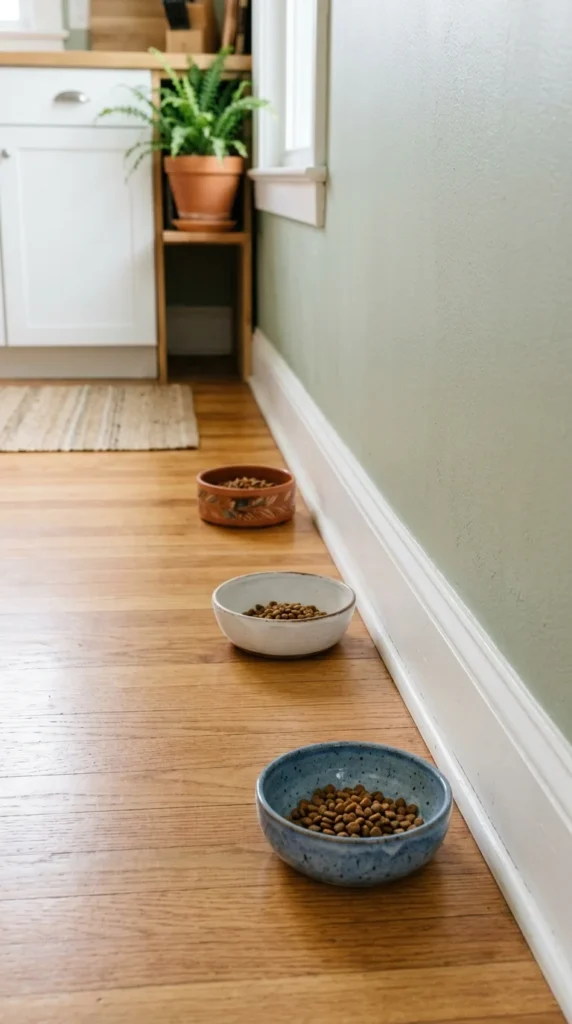
Mealtimes can be a major source of anxiety. In the wild, cats hunt and eat alone. Forcing them to eat side-by-side from communal bowls can lead to “bolting” (eating too fast) or bullying. Separate the feeding stations so each cat can eat without looking over their shoulder. If you have a particularly food-aggressive cat, you may even need to feed them in different rooms behind closed doors to ensure everyone feels secure enough to finish their meal.
4. Scent Swapping
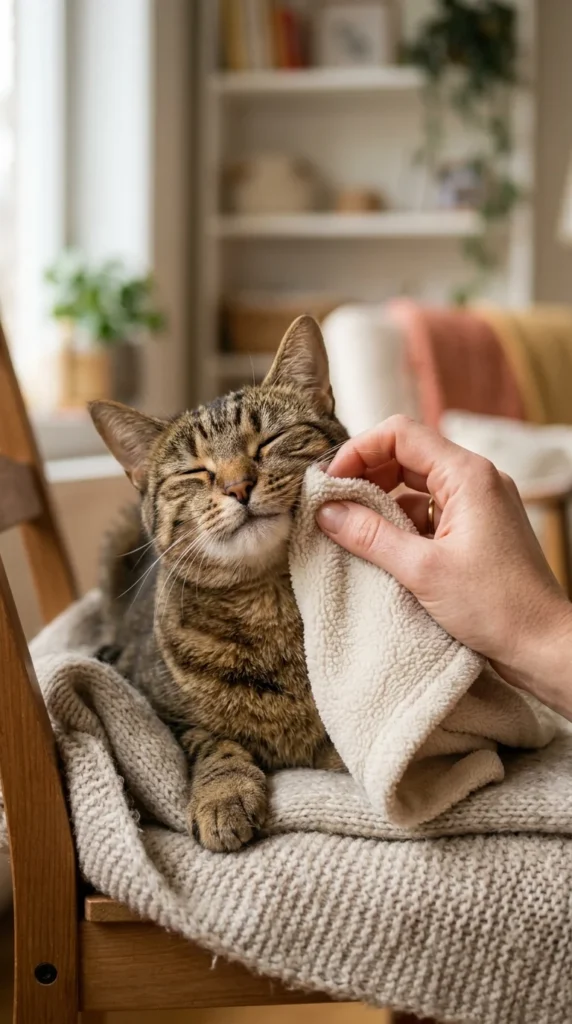
Cats navigate their world primarily through scent. A peaceful home is one where all inhabitants share a “communal scent.” You can facilitate this by “scent swapping.” Take a clean sock or cloth, rub it gently on one cat’s cheeks, and then place it near another cat’s bedding. This helps the cats associate each other’s pheromones with comfort and safety, reducing the “stranger danger” response that can lead to hissing and swatting.
5. Slow Introductions
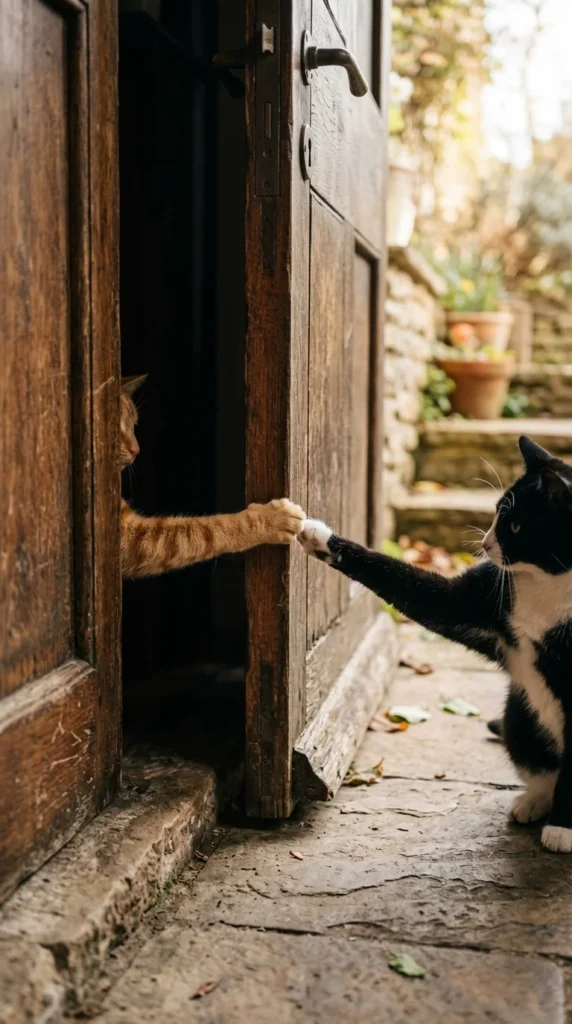
The biggest mistake owners make is rushing the introduction of a new cat. A proper introduction should take weeks, not days. Start by keeping the newcomer in a “base camp” room. Gradually allow the cats to sniff each other under the door, then progress to visual contact through a baby gate or screen. Only when they can remain calm while seeing each other should they be allowed in the same physical space. Patience at this stage prevents years of potential conflict.
6. Hydration Stations

Cats are notoriously picky drinkers, and in a multi-cat home, access to water can become a point of contention. Provide multiple water sources in different locations. Many cats prefer running water, so investing in a few pet fountains can encourage them to drink more. Ensure these stations are not located right next to the litter boxes, as cats instinctively avoid drinking near where they eliminate.
7. Individual Playtime
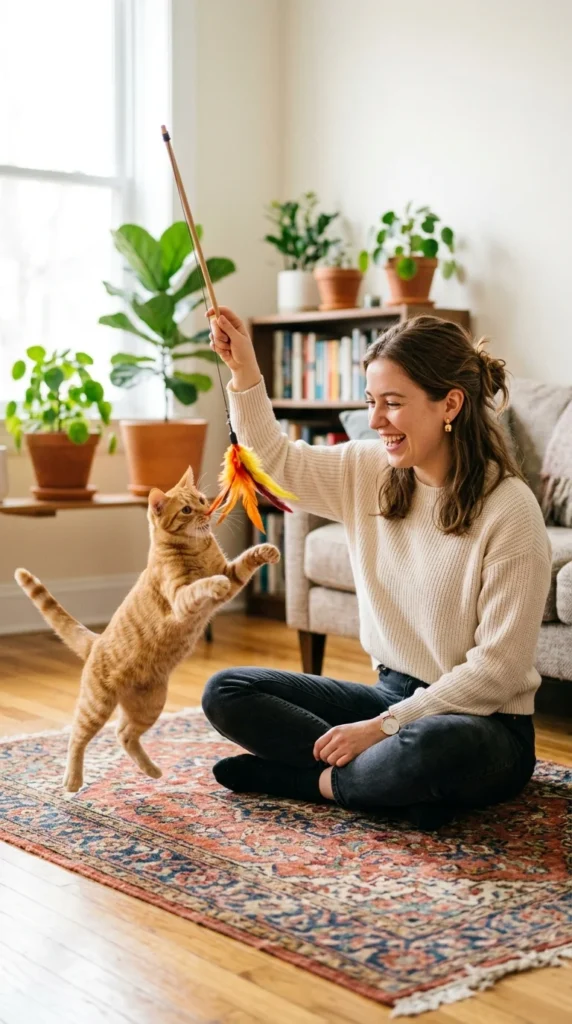
While group play is fine, each cat needs one-on-one time with their human. Individual play sessions allow you to tailor the activity to each cat’s personality—some might like “air” hunting with feathers, while others prefer “ground” hunting with felt mice. This dedicated time builds your bond with each cat and helps burn off pent-up energy that might otherwise be directed toward pestering a housemate.
8. Safe Retreats
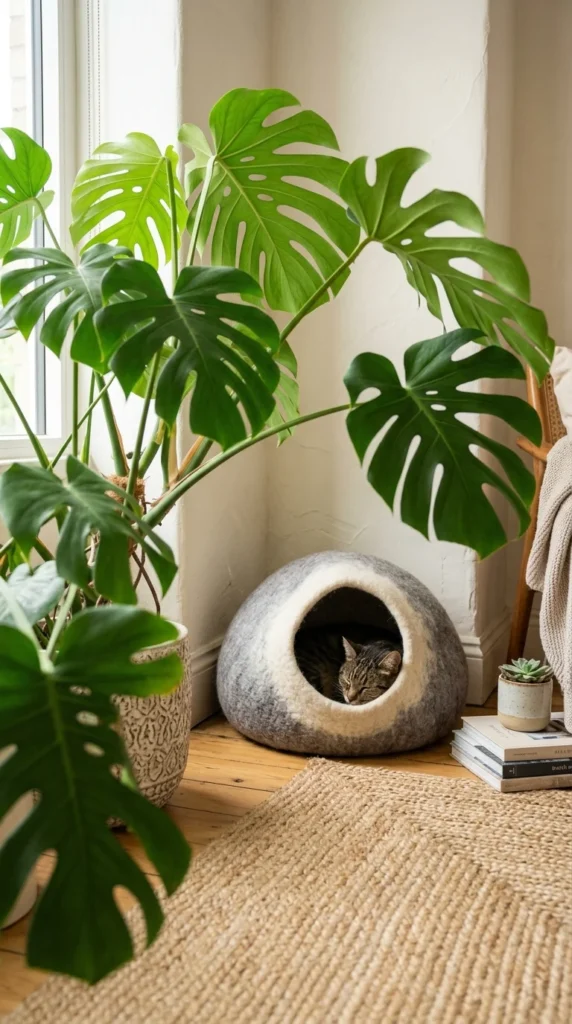
Every cat needs a place where they can be completely alone. Whether it’s a cardboard box, a hooded bed, or a spot under the bed, ensure there are enough “hiding spots” for everyone to disappear if they feel overwhelmed. Respect these boundaries; if a cat is in their retreat, tell family members (especially children) to leave them alone.
9. Scratching Posts
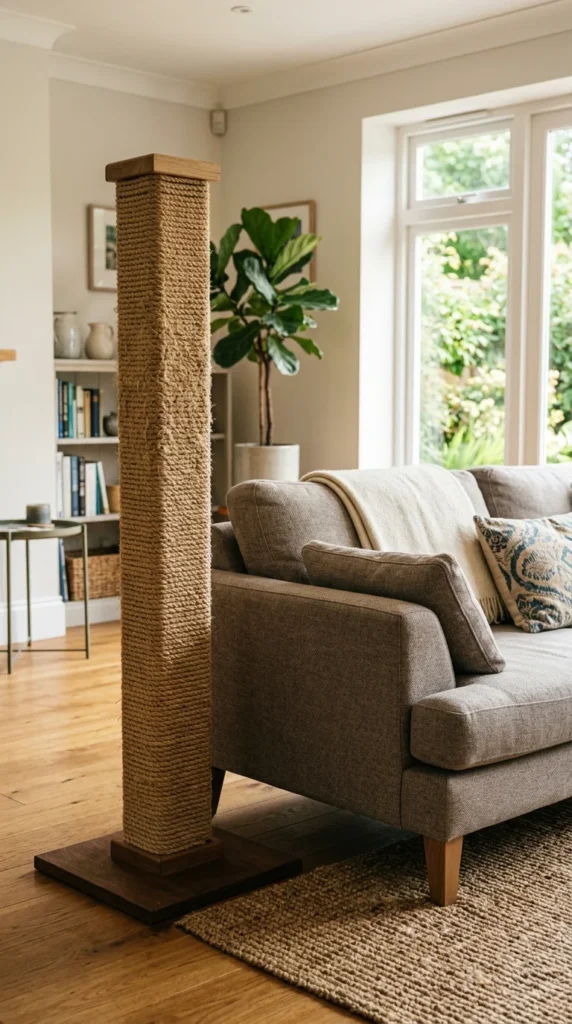
Scratching is a territorial behavior. It’s not just about sharpening claws; it’s about leaving visual and scent markers (from glands in their paws). In a multi-cat home, you need multiple scratching surfaces—both vertical and horizontal. Place them near sleeping areas and “high traffic” zones where cats might feel the need to assert their presence. This directs their natural instincts away from your furniture and helps them feel more “at home.”
10. Pheromones
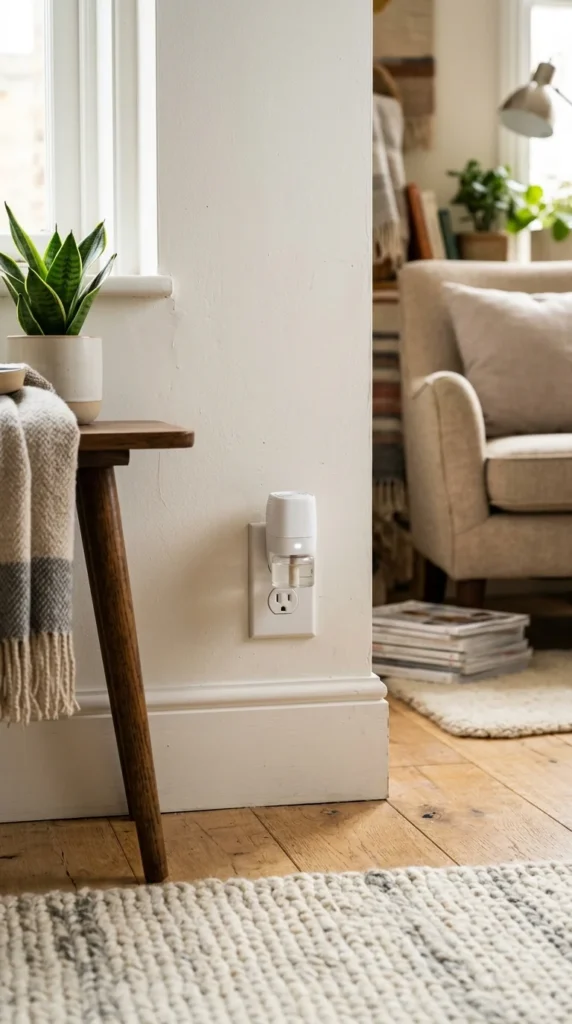
Synthetic pheromone diffusers, like Feliway, mimic the “happy markers” cats leave when they rub their faces on things. These scentless (to humans) chemicals can have a profound calming effect on cats. Using diffusers in common areas can lower the overall tension in the house, making the cats more receptive to social bonding and less likely to engage in territorial spraying or fighting.
11. Routine
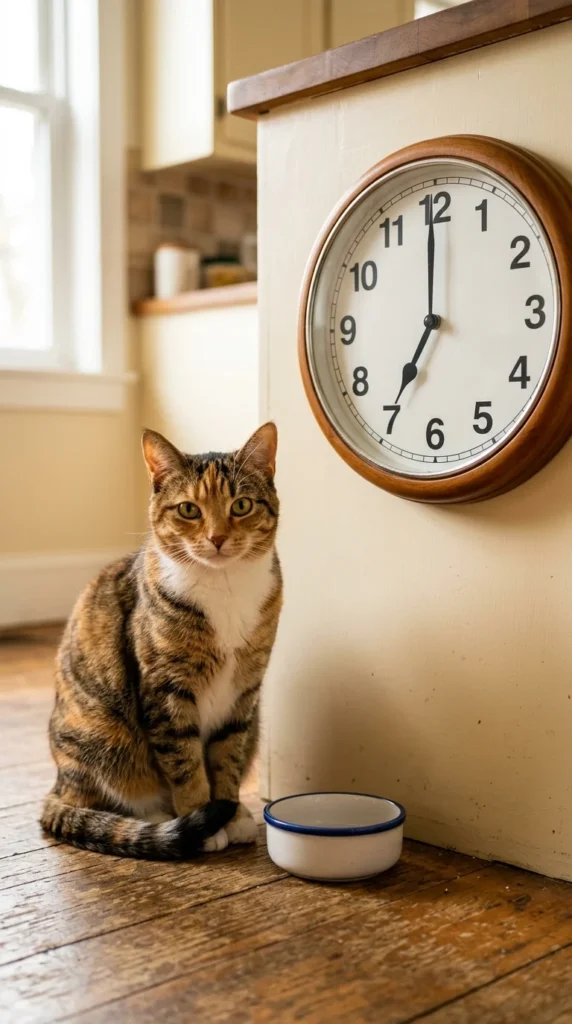
Cats thrive on predictability. In a house with multiple personalities, a strict routine provides a sense of security. Try to feed, play, and clean litter boxes at the same time every day. When cats know exactly when their needs will be met, they are less likely to feel competitive or anxious about resources.
12. Health Checks
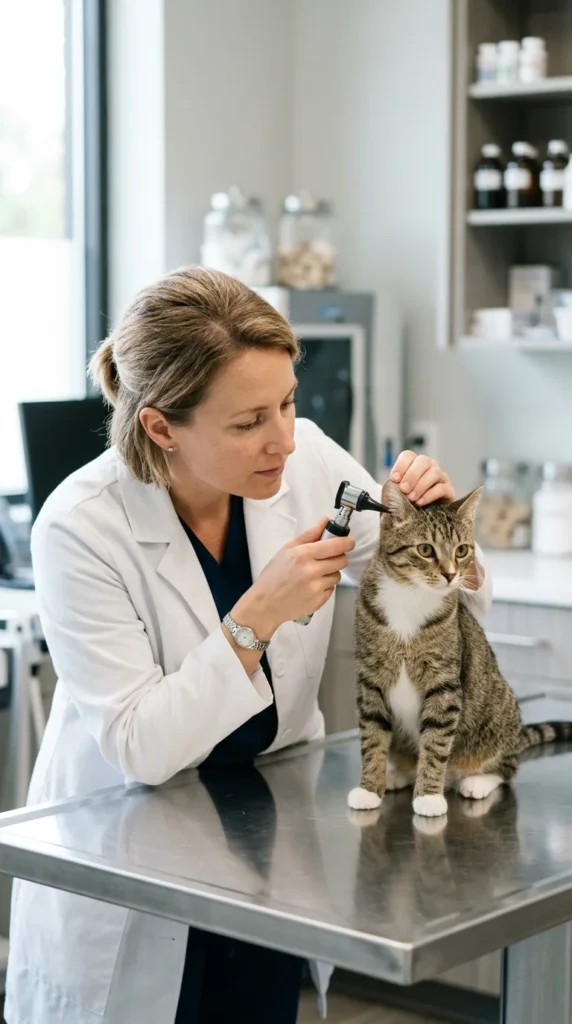
Sometimes, aggression between cats is actually a medical issue in disguise. If a normally peaceful cat suddenly becomes grumpy or starts attacking its housemates, it could be in pain or suffering from an underlying condition. Regular vet check-ups ensure that everyone is healthy and that “misbehavior” isn’t actually a cry for help.
13. Mental Enrichment

Boredom is a recipe for disaster in a multi-cat home. When cats don’t have enough to do, they may turn to “stalking” their siblings for entertainment. Provide plenty of enrichment, such as food puzzles, window bird feeders (for “cat TV”), and rotating toy selections. A mentally tired cat is a peaceful cat.
14. Neutral Zones
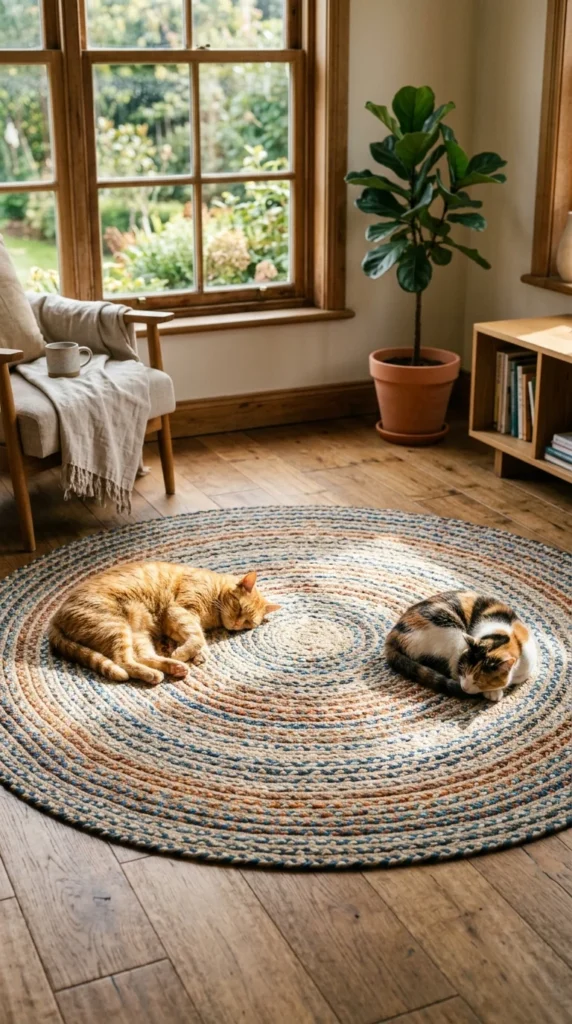
While it’s important for cats to have their own “turf,” you should also encourage positive associations in “neutral” areas like the living room. Use treats and praise when cats are sharing a space peacefully. If they can sit in the same room without staring each other down or growling, reward that behavior immediately to reinforce the idea that being together is a good thing.
15. Body Language
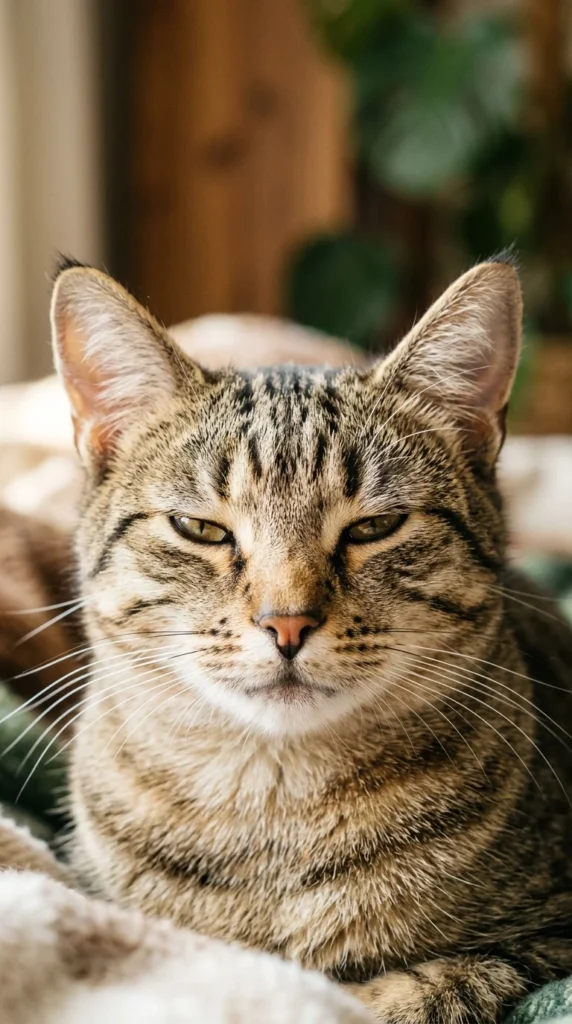
As a multi-cat owner, you must become an expert in feline body language. Learn the difference between “play fighting” (silent, inhibited bites, rotating roles) and “real fighting” (vocalizing, pinned ears, puffed fur, flying fur). Catching the signs of tension—like a twitching tail or a fixed stare—allows you to distract the cats before a full-blown confrontation occurs.
16. Spaying/Neutering
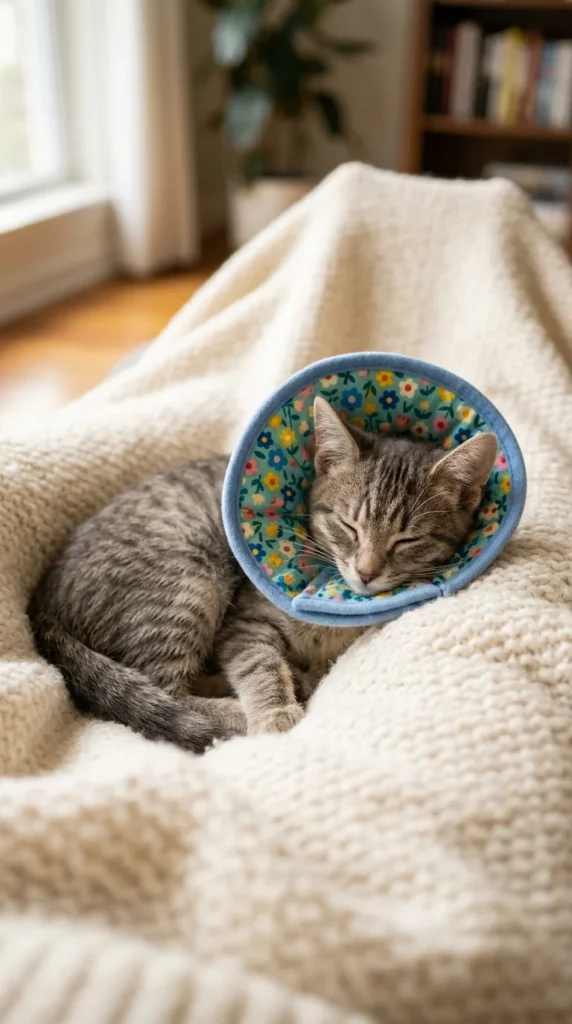
Intact cats are driven by hormones that can lead to intense territoriality, roaming, and aggression. Spaying and neutering your cats is perhaps the single most effective way to maintain peace. It significantly reduces the urge to fight over mates or territory and eliminates the risk of “marking” the house with urine.
17. Cleaning Habits

Accidents happen, and in a multi-cat home, one cat peeing outside the box can trigger a chain reaction. Traditional cleaners may remove the smell for humans, but they leave behind proteins that cats can still detect. Always use an enzymatic cleaner to completely break down the odors. This prevents the area from becoming a permanent “target” for territorial marking.
18. Patience

The most important tip is to manage your own expectations. Not every pair of cats will become “best friends” who cuddle all day. For some, a peaceful coexistence where they simply tolerate each other’s presence is a major victory. Give your cats time to adjust to changes, stay calm yourself (as they mirror your energy), and celebrate the small wins of a harmonious household.