

Bringing a new feline friend into your life is a momentous occasion, filled with the promise of purrs, head-butts, and late-night cuddles. However, for a cat, moving into a new environment—especially one that might already have a resident pet—is a high-stress event. Cats are territorial creatures that thrive on routine and familiarity. A haphazard introduction can lead to lifelong rivalries, hiding behavior, or stress-induced illnesses. To ensure your new addition feels like a member of the family rather than an intruder, follow this comprehensive guide to a smooth transition.
1. Basecamp
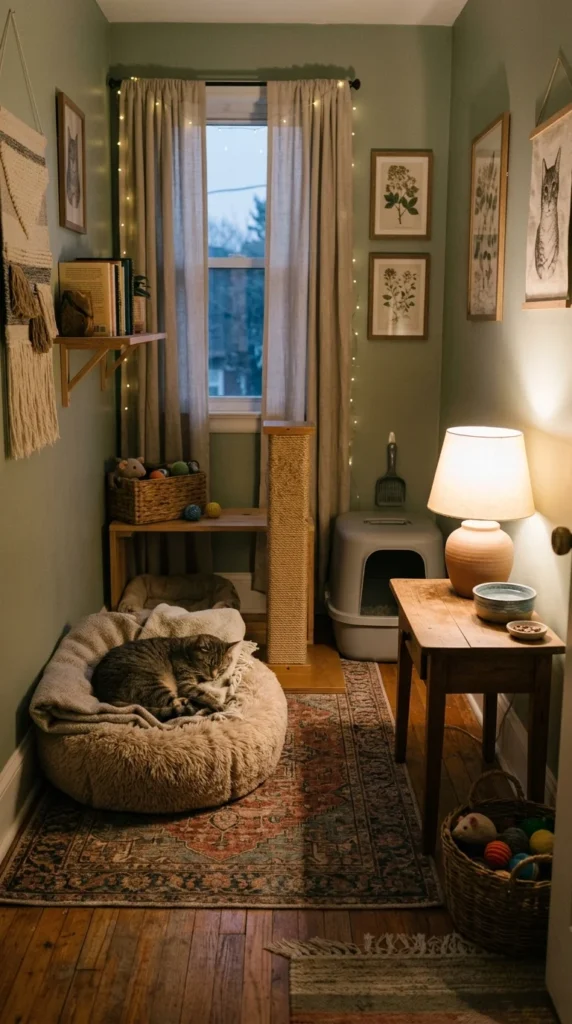
Before the new cat even crosses your threshold, you must establish a “Basecamp.” This is a dedicated, secure room—like a guest bedroom or a large bathroom—where the new cat will stay for the first few days. This room should contain everything they need: food, water, a litter box, toys, and a scratching post. By limiting their initial world to one room, you prevent them from feeling overwhelmed by the vastness of a new house and allow them to claim a small territory as their own safe haven.
2. Scent Swapping
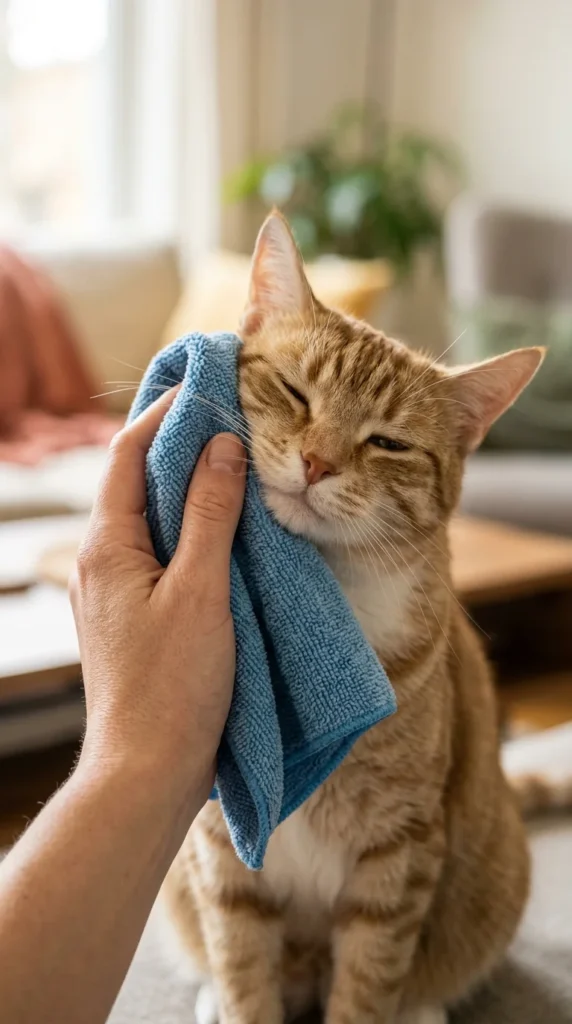
A cat’s primary way of understanding the world is through scent. Before the cats ever see each other, they should be introduced to each other’s smells. Take a clean cloth or a sock and gently rub it against the new cat’s cheeks to collect their pheromones. Do the same with your resident cat using a different cloth. Then, place the new cat’s cloth near the resident cat’s food bowl, and vice-versa. This creates a positive association where the “stranger’s” smell is linked to something rewarding like food.
3. Site Swapping
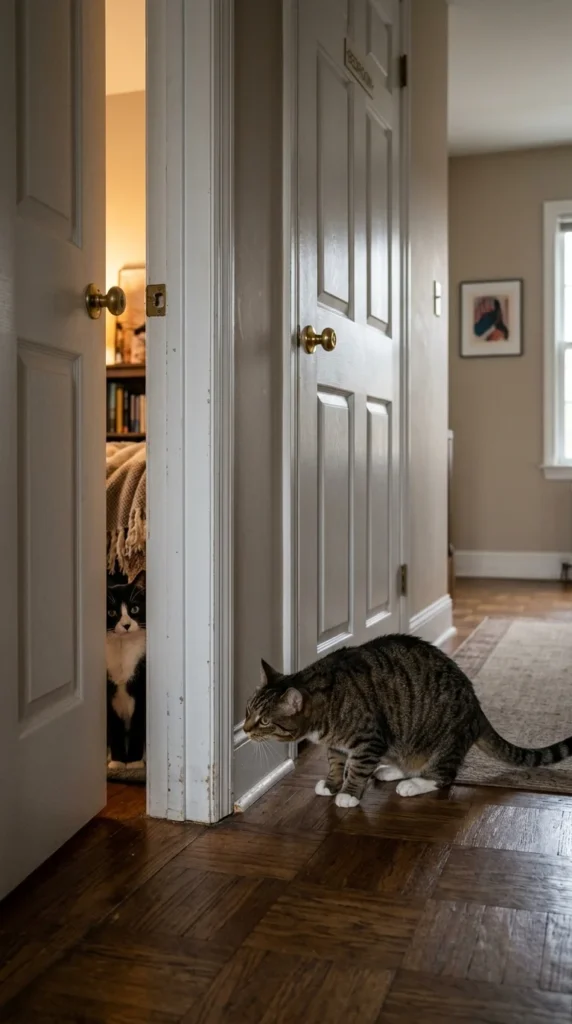
Once the new cat is comfortable in Basecamp, it’s time for “Site Swapping.” While the resident cat is confined to another part of the house, let the new cat explore the rest of the home. Simultaneously, let the resident cat enter the Basecamp room. This allows both cats to investigate each other’s “territory” and scents without the pressure of a physical encounter. It’s like a secret mission where they learn about each other’s habits through the environment.
4. Pheromone Diffusers
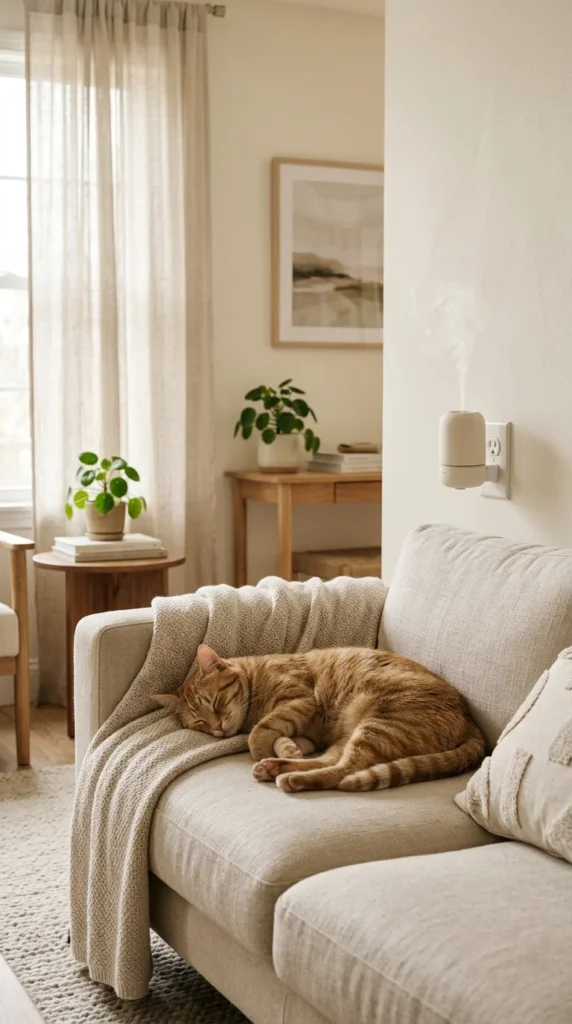
Synthetic pheromones, available as diffusers or sprays, mimic the natural facial pheromones cats use to mark their territory as safe and secure. Placing these diffusers in the Basecamp and the main living areas can significantly lower the stress levels of both cats. It sends a chemical signal to their brains that says, “You are safe here,” helping to mitigate the anxiety that naturally comes with a change in the household dynamic.
5. Vertical Space
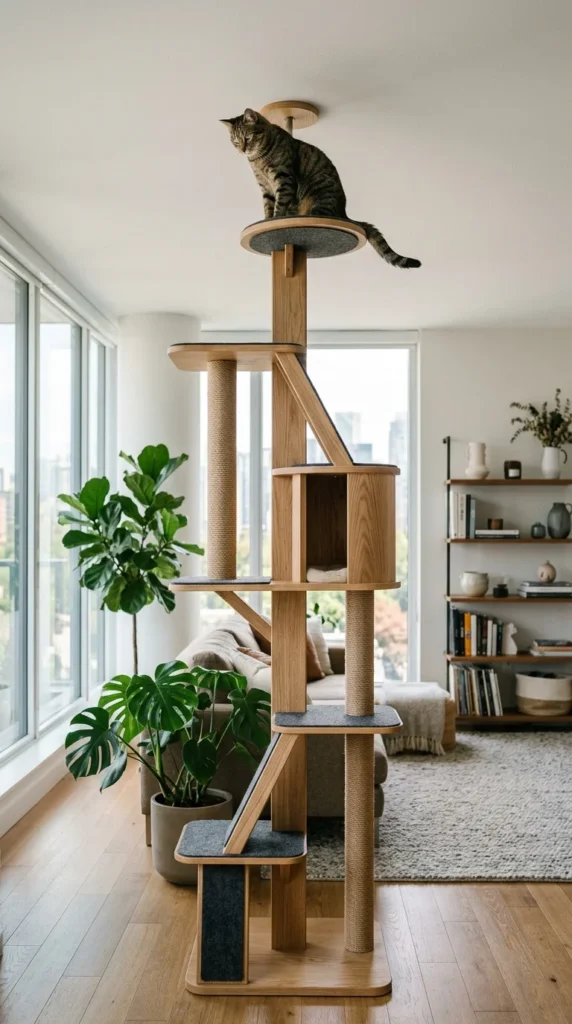
Cats feel safest when they have a “bird’s eye view” of their surroundings. In a multi-cat household, vertical space is a necessity, not a luxury. Install cat shelves, tall scratching posts, or window perches. This allows a cat who feels threatened to retreat upward rather than being cornered on the floor. It effectively increases the square footage of your home from a cat’s perspective, providing more “lanes” for them to navigate without bumping into one another.
6. Visual Contact
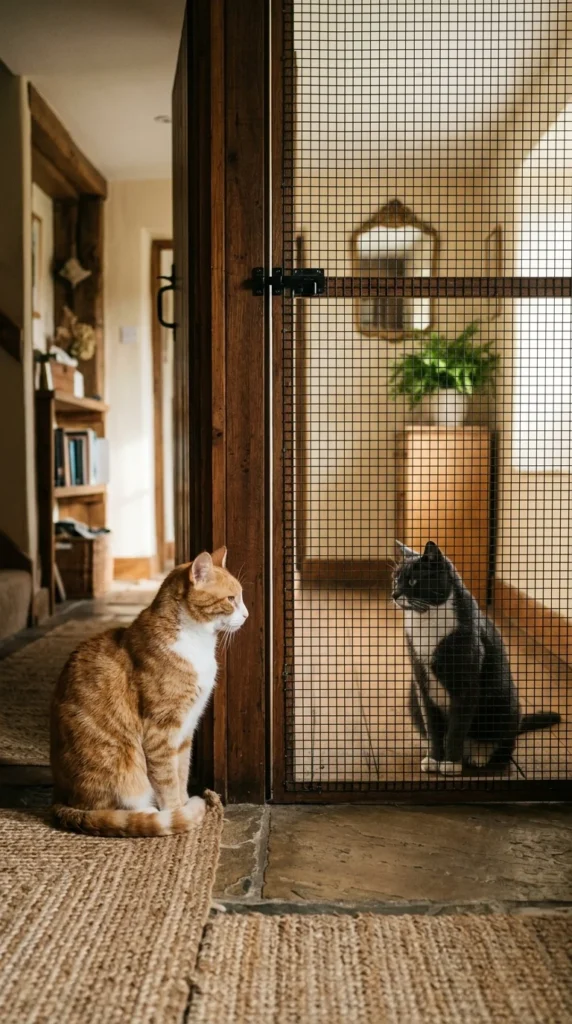
The first time the cats see each other, there should be a physical barrier between them. Using a tall baby gate or a temporary screen door allows them to observe each other’s body language without the risk of a physical spat. Keep these visual sessions short and sweet. If you see hissing or growling, cover the gate with a towel and try again later. The goal is to reach a point where they can look at each other with calm curiosity.
7. Mealtime Bonding
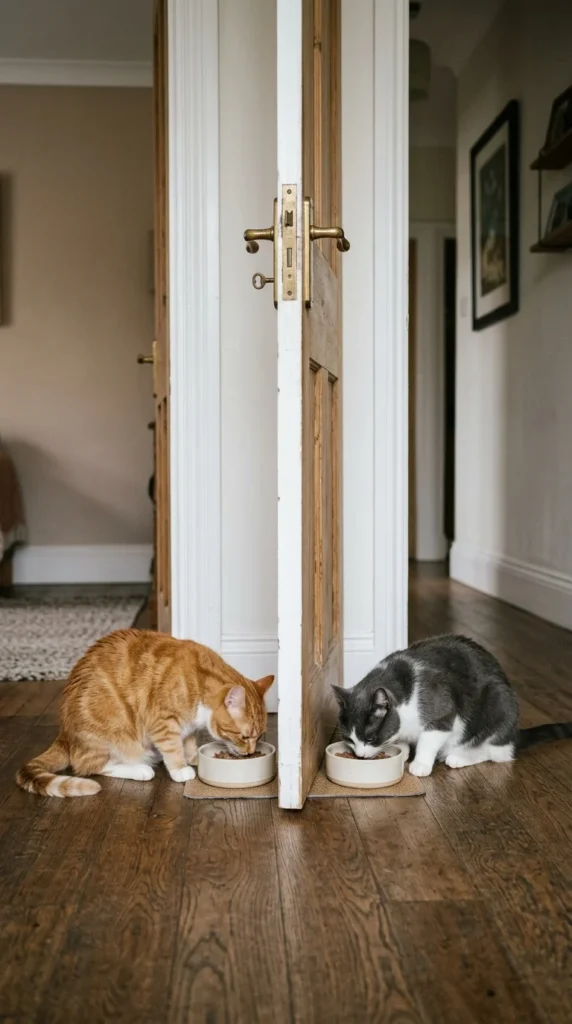
One of the most effective ways to build a bond is through food. Feed the cats on opposite sides of the closed Basecamp door. They will hear and smell each other while enjoying their favorite meal. Gradually, as they become more comfortable, you can move the bowls closer to the door, and eventually, perform this exercise with the baby gate or screen in place. Associating the other cat’s presence with the pleasure of eating is a powerful psychological tool.
8. Play Therapy
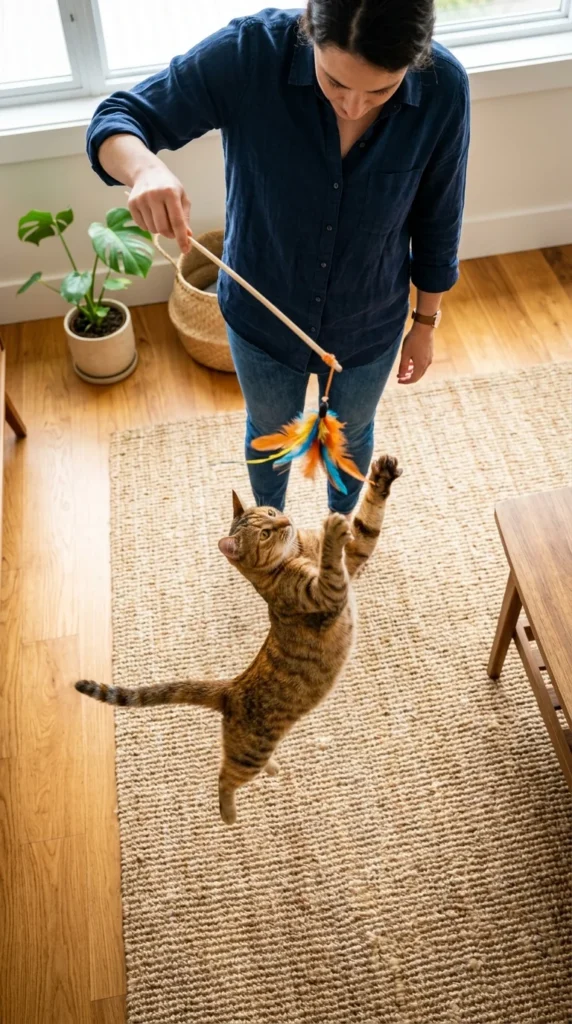
Interactive play is a great way to relieve tension. Engage both cats in separate play sessions in the same room (with a helper) or through the gate. This helps them burn off “predatory energy” that might otherwise be directed at each other. A cat that has just had a vigorous play session is much more likely to be relaxed and less reactive when they see their new housemate.
9. Hiding Spots

Every cat needs a place where they can completely disappear. Ensure there are plenty of hiding spots throughout the house—cardboard boxes, cat tunnels, or “cat caves.” When a cat feels they have an “out” or a place to hide, they are less likely to feel the need to fight. Never pull a cat out of their hiding spot; let them come out on their own terms when they feel the coast is clear.
10. Litter Logistics

The golden rule for litter boxes is “N+1,” where N is the number of cats. If you have two cats, you need three litter boxes. In the beginning, ensure these are placed in different locations. Cats can be territorial about their bathroom space, and a resident cat might “guard” a single box to prevent the newcomer from using it. Providing multiple options prevents conflict and avoids “accidents” caused by stress or territorial guarding.
11. Positive Reinforcement

Always reward the behavior you want to see. If the cats look at each other through the gate without hissing, give them both a high-value treat. If they sniff each other’s scent and remain calm, praise them. Positive reinforcement helps the cats learn that good things happen when the other cat is around. Use their favorite snacks, like tuna or specialized cat treats, to make these moments memorable.
12. Supervised Meetings

Once the cats are calm during visual contact, you can attempt the first face-to-face meeting without a barrier. Keep these meetings very short—sometimes just a minute or two. Keep a large piece of cardboard or a thick blanket nearby just in case you need to gently interrupt a fight. Never use your hands to break up a cat scuffle, as you may get scratched or bitten in the heat of the moment.
13. Body Language
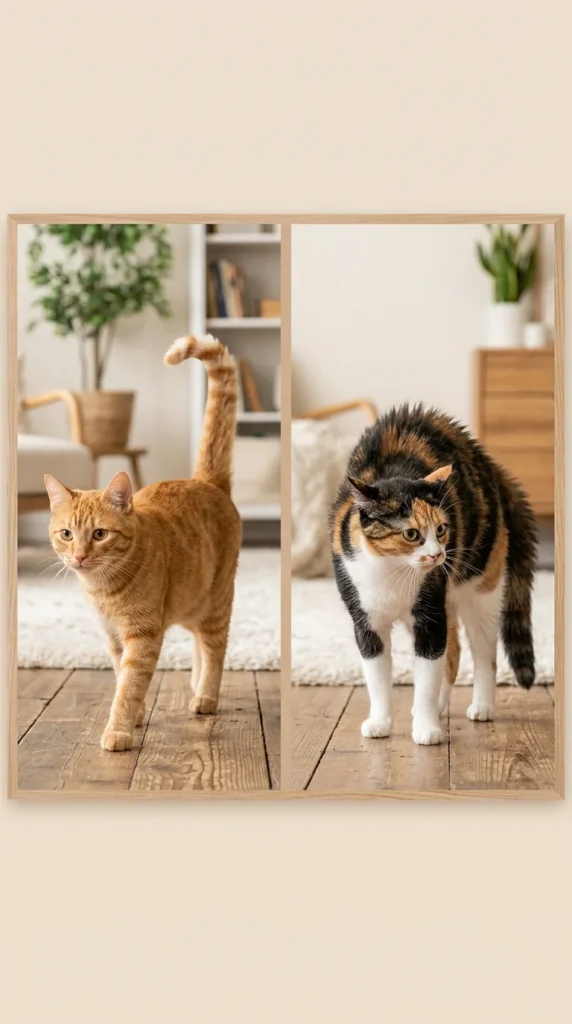
Learning to read “Cat” is essential. A cat with a slightly twitching tail might be getting annoyed, while a cat with flattened ears and a puffed-up tail is ready to defend itself. If you notice signs of mounting tension, distract them with a noise or a toy and end the session. It is better to end a meeting early and on a positive note than to let it escalate into a fight that sets your progress back by weeks.
14. Separate Resources

In the early stages, “sharing” is not a concept cats understand. Ensure they have separate food bowls, water bowls, and scratching posts in different areas of the house. This reduces the need for competition. Over time, they may choose to share, but giving them their own dedicated resources from the start prevents the resident cat from feeling like their lifestyle is being threatened.
15. The “No Hiss” Goal
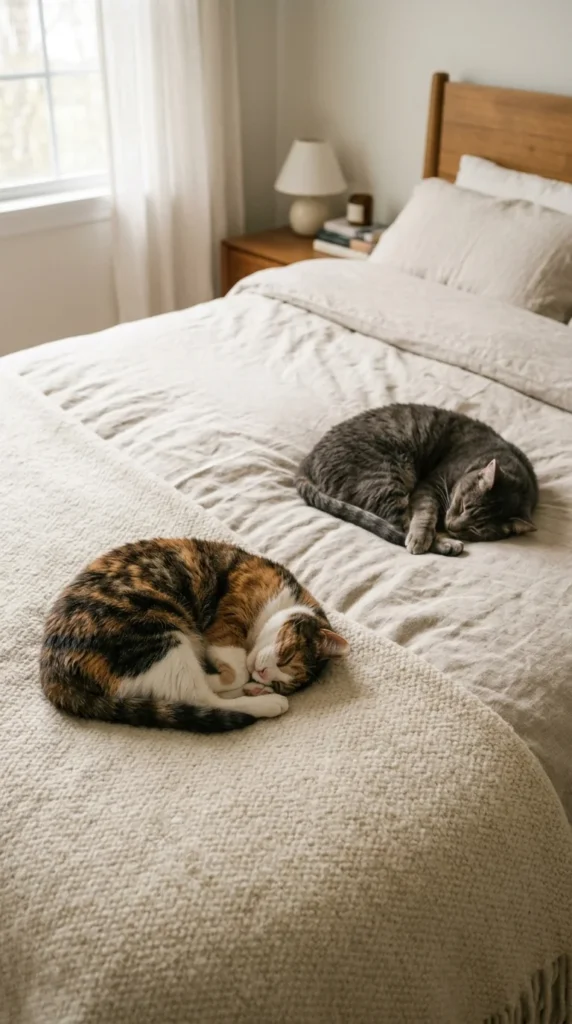
While a little bit of hissing is a normal part of cat communication (it basically means “back off, I need space”), your goal should be to move toward a hiss-free environment. If hissing becomes frequent, you’ve likely moved too fast. Don’t be afraid to take a step back in the process. Re-closing the door or going back to scent swapping for a few days isn’t a failure; it’s a necessary adjustment to the cats’ individual paces.
16. Vet Check
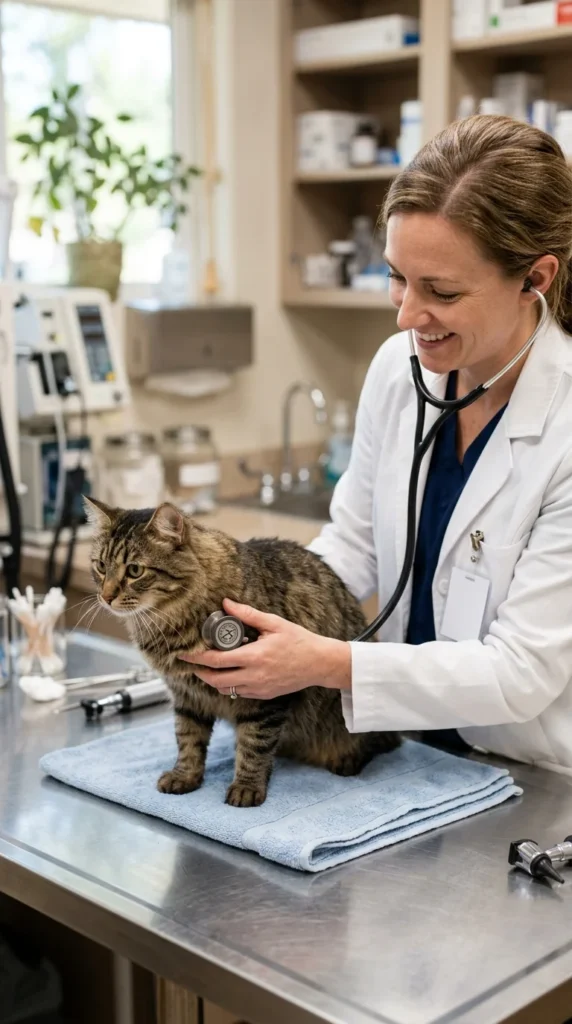
Ensure both the new cat and the resident cat are healthy and up-to-date on vaccinations before they meet. Stress can suppress the immune system, making cats more susceptible to illness. Additionally, an undiagnosed medical issue or pain can make a cat more irritable and aggressive. A clean bill of health ensures that any behavioral issues are strictly social and not physical.
17. Slow Introductions

The biggest mistake owners make is rushing the process. Some cats might become best friends in 48 hours, while others may take six months to even tolerate being in the same room. Follow the cats’ lead. If they seem stressed, slow down. If they seem bored and curious, you can try moving to the next step. Patience is the most important tool in your kit.
18. Scratching Outlets

Scratching is a territorial behavior. By scratching, cats leave both visual marks and scent marks from the glands in their paws. Provide various types of scratchers (horizontal and vertical) so both cats can mark the “communal” areas of the house. This helps them feel like they both belong in the space without needing to fight over it.
19. Microchipping

In the chaos of an introduction, a door might be left open, or a cat might bolt out of fear. Ensure both cats are microchipped and wearing collars with ID tags. This provides peace of mind and an extra layer of safety should the new environment cause the cat to try and “escape” back to their old territory.
20. Routine Maintenance

Cats find comfort in predictability. Try to keep your resident cat’s schedule exactly the same as it was before the newcomer arrived. If feeding times or playtimes change, the resident cat may blame the new arrival for the disruption. Consistency helps the resident cat feel that their world isn’t being turned upside down.
21. Neutral Ground
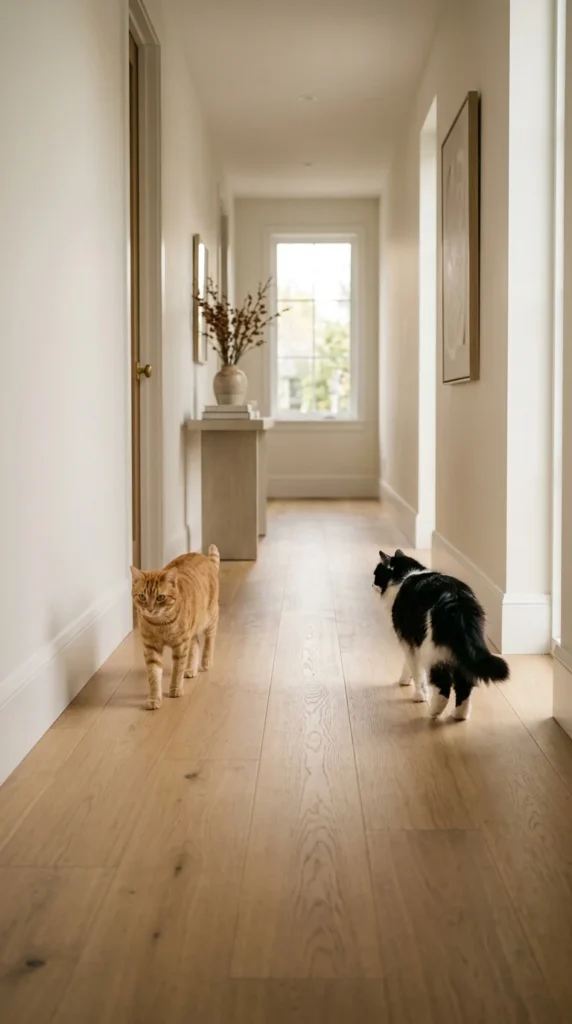
When the cats finally start spending time together, try to make it happen in a “neutral” part of the house—somewhere that neither cat has claimed as their primary sleeping or eating spot. This reduces the territorial instinct to defend a specific area and allows them to interact more like equals.
22. Human Interaction

It’s easy to focus all your attention on the new cat, but don’t forget the resident feline. They may feel neglected or jealous. Make sure to spend one-on-one time with your original pet, giving them the same amount of love and attention they received before. This reassures them that the new cat isn’t a replacement, but a companion.
23. Acceptance, Not Perfection
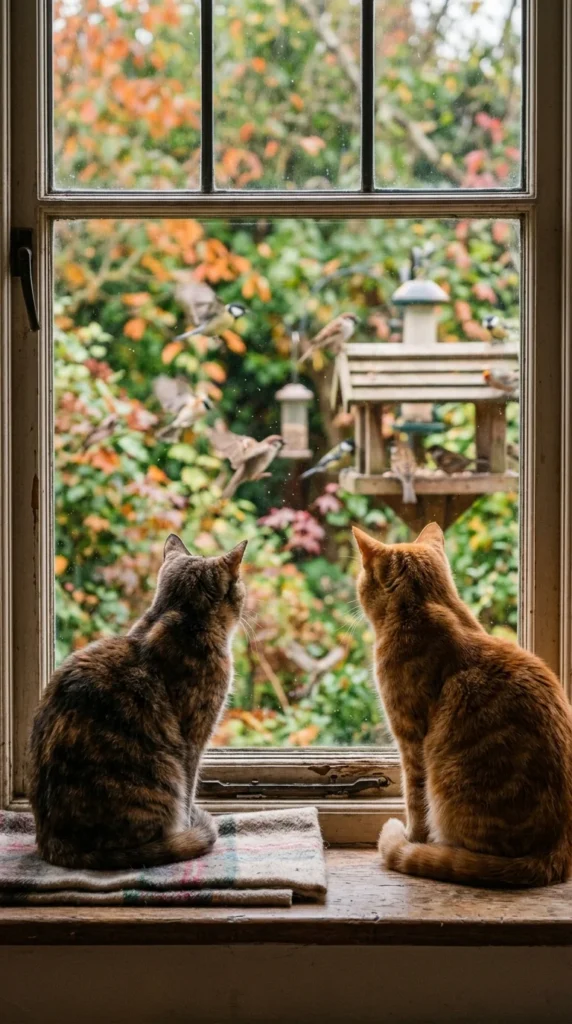
Finally, understand that not all cats will become “best friends” who groom each other and sleep in a “cuddle puddle.” Success might mean “peaceful coexistence” where they simply share the same space without conflict. Respect their individual personalities. As long as they are both happy, healthy, and safe, you have successfully introduced a new cat to your home.