
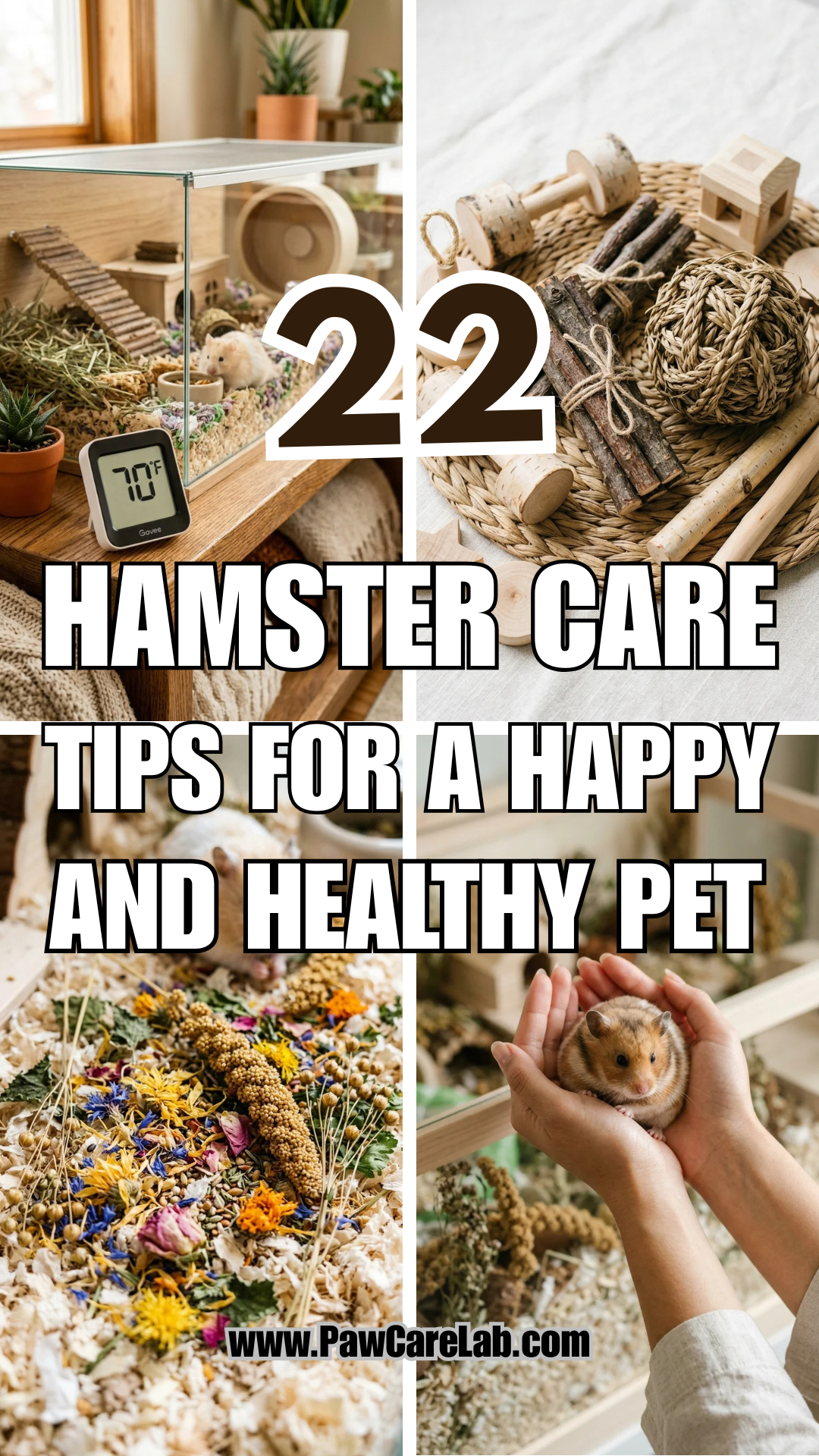
Hamsters are often seen as “starter pets,” but these complex, nocturnal rodents require specific care to truly thrive. Providing a life that goes beyond survival and into the realm of happiness involves understanding their natural instincts. From their need to burrow to their incredible nightly travel distances, a happy hamster is the result of an informed owner. Here are 22 essential tips to ensure your furry friend lives their best life.
1. Large Cage
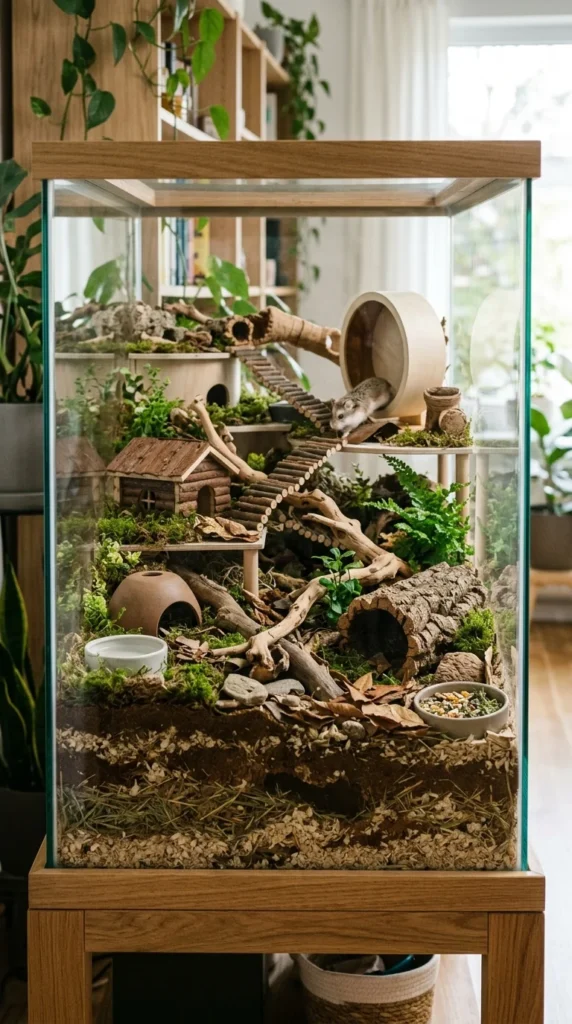
Size is the most critical factor in hamster welfare. Forget the small, colorful plastic cages sold in most pet stores; these are often far too small and can cause “cage aggression” or extreme stress. Aim for a minimum of 600 to 800 square inches of unbroken floor space. Syrian hamsters, in particular, need even more room to roam, burrow, and explore. A larger cage allows for more enrichment and prevents boredom-related behaviors like bar biting.
2. Deep Bedding
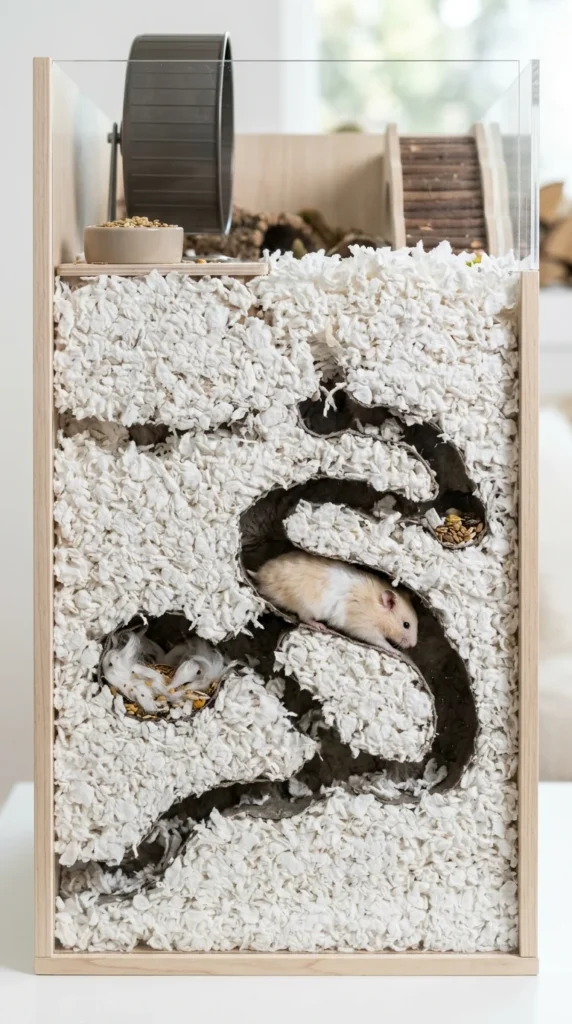
Hamsters are natural burrowers. In the wild, they dig intricate tunnel systems deep underground to sleep and hide from predators. To replicate this, provide at least 6 to 10 inches of compressed bedding. Use paper-based bedding or aspen shavings (avoid cedar or pine as they contain harmful oils). The bedding should be holdable so that when the hamster digs a tunnel, it doesn’t collapse.
3. Solid Wheel

Hamsters can run several miles in a single night. A wheel is non-negotiable, but the type matters. Avoid wire or mesh wheels, which can cause a painful condition called “bumblefoot” or break a hamster’s leg. Ensure the wheel is large enough that the hamster’s back remains straight while running. For Syrians, a 10-12 inch wheel is usually necessary, while dwarfs need 8-10 inches.
4. Balanced Diet

A healthy hamster needs more than just generic pellets. Look for a high-quality seed mix that encourages foraging, supplemented with lab blocks to ensure they get essential vitamins and minerals. Hamsters are omnivores, so occasional protein like dried mealworms or plain cooked chicken is a great treat.
5. Fresh Water
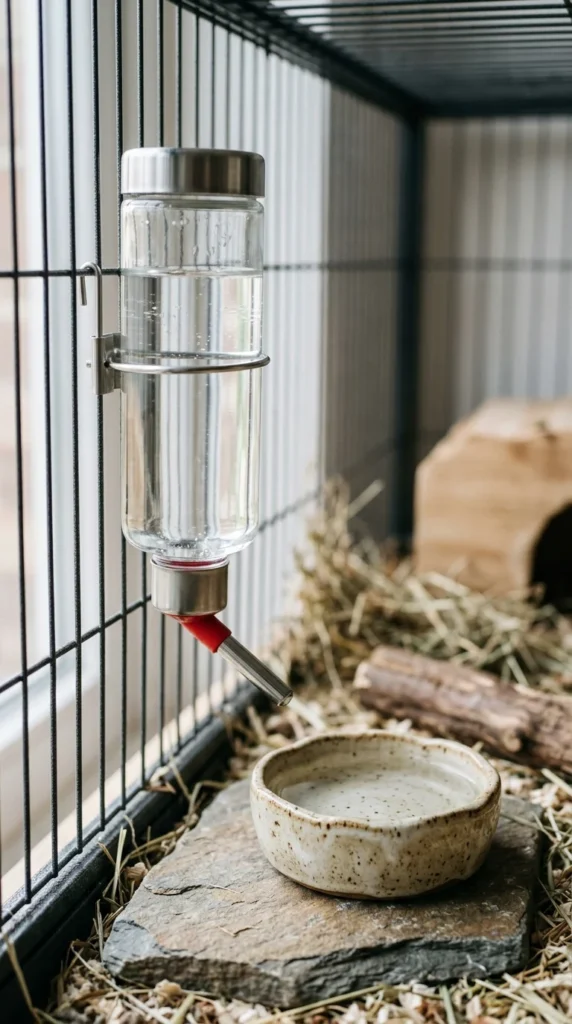
Hydration is key. While many owners use drip bottles, many enthusiasts now recommend small, shallow water dishes. They are more natural for the hamster to drink from and easier to keep clean. Whichever you choose, ensure the water is changed daily and the container is scrubbed weekly to prevent algae and bacterial growth.
6. Sand Bath
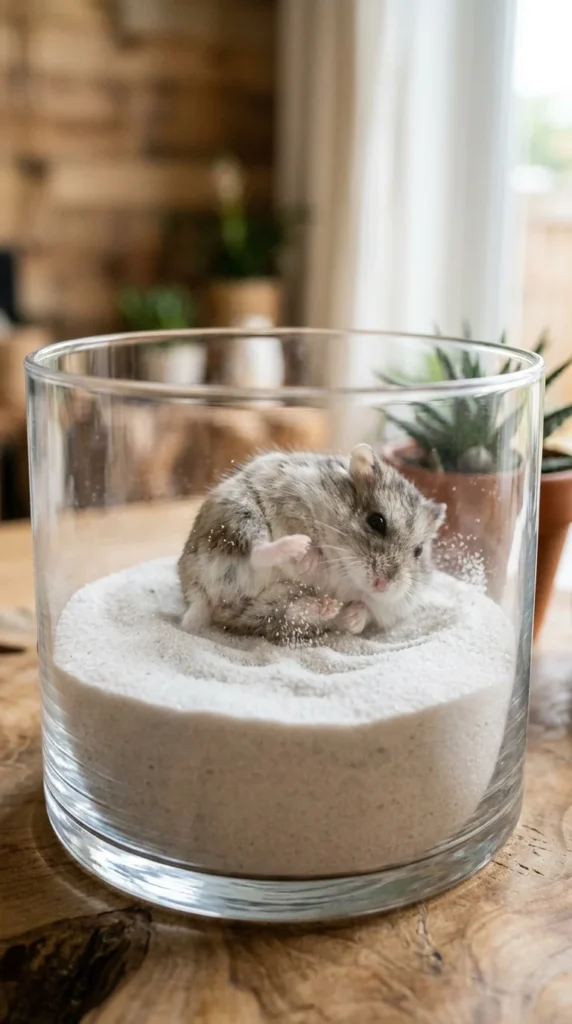
Hamsters do not take water baths; water strips the essential oils from their fur and can lead to pneumonia. Instead, they use sand to “bathe” and remove excess oils. Provide a container filled with reptile sand (no added calcium or dyes) or sterilized play sand. This is especially important for dwarf hamsters, who tend to get greasy fur quickly.
7. Multi-Chamber Hide
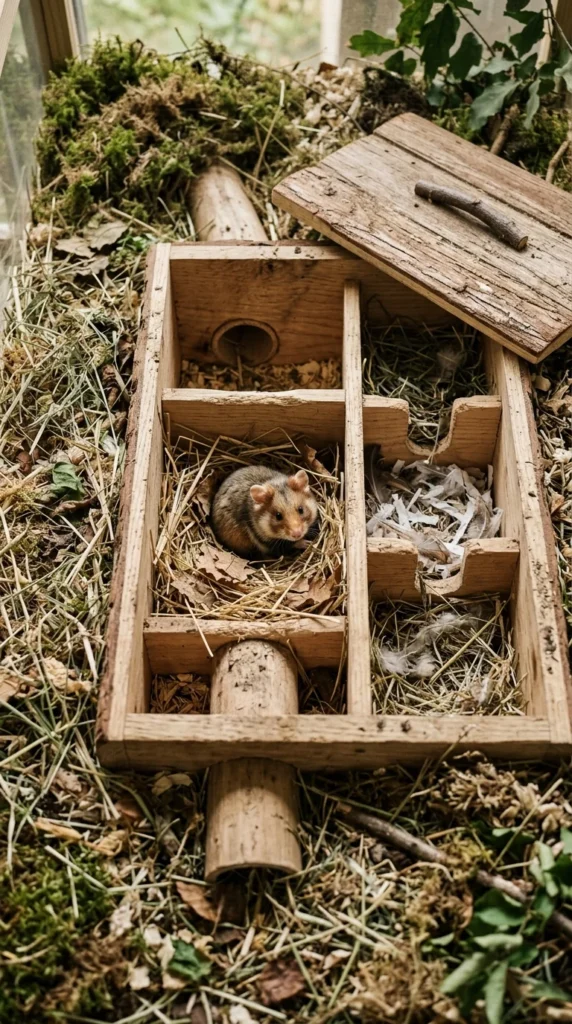
In the wild, hamsters have different “rooms” for sleeping, storing food, and nesting. A multi-chamber hideout mimics this natural behavior, providing a sense of security. Placing the hideout on top of deep bedding allows the hamster to transition from their wooden “house” directly into their tunnel system.
8. Safe Chews

Hamsters have hypsodont teeth, meaning their teeth never stop growing. To prevent painful overgrowth, they must have plenty of things to gnaw on. Provide applewood sticks, willow branches, or Whimzees (dog chews that are hamster-safe in moderation). These help grind down their teeth naturally while providing mental stimulation.
9. Spot Cleaning
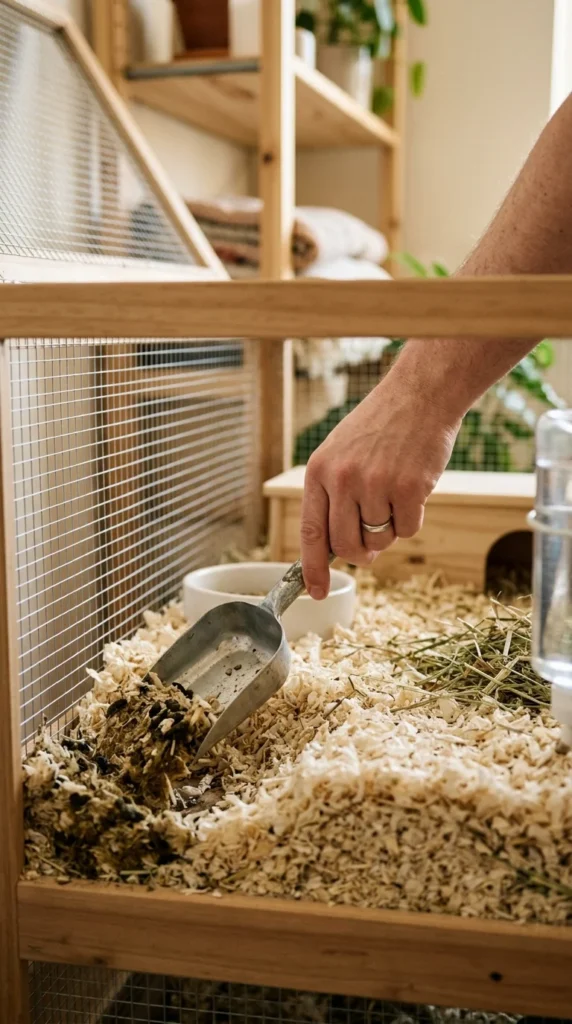
Hamsters rely heavily on their sense of smell. Doing a “deep clean” where you replace all the bedding at once can be incredibly stressful because it removes their familiar scent. Instead, perform spot cleaning every few days by removing soiled bedding from their “toilet” corner and only replacing about 1/3 of the total bedding once a month.
10. Foraging Enrichment
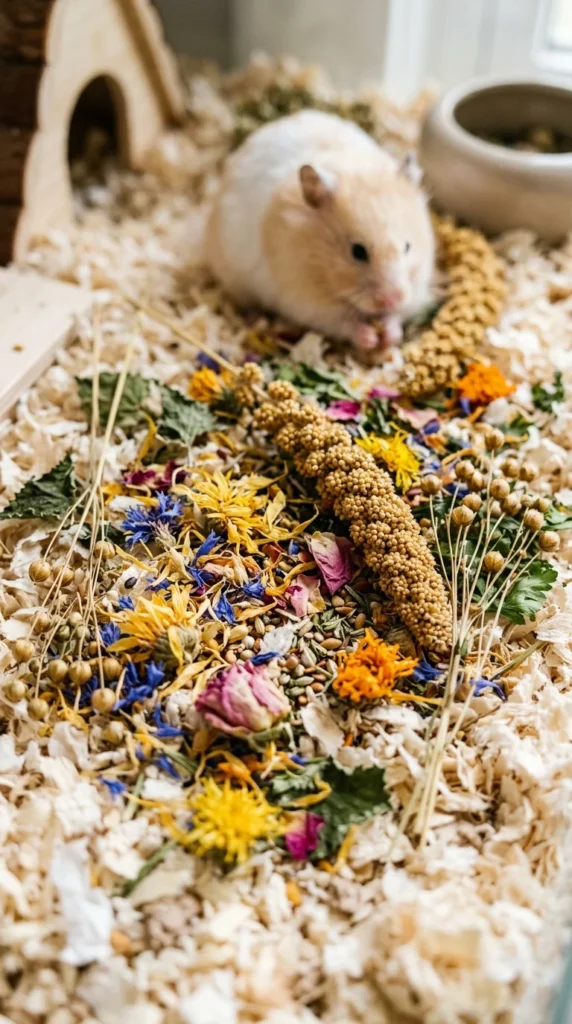
Instead of putting all their food in a bowl, scatter-feed! Sprinkling their seed mix across the cage encourages natural foraging behavior and keeps them occupied for longer. Adding “sprays” like millet, flax, or oat sprays provides both a snack and a beautiful, natural look to the enclosure.
11. Proper Temperature

Hamsters are sensitive to temperature extremes. If it gets too cold, they may go into a dangerous state called “torpor,” which is often mistaken for hibernation but is actually a life-threatening response to cold. Keep their room between 65°F and 75°F (18°C–24°C) and away from direct sunlight or drafty windows.
12. Safe Handling
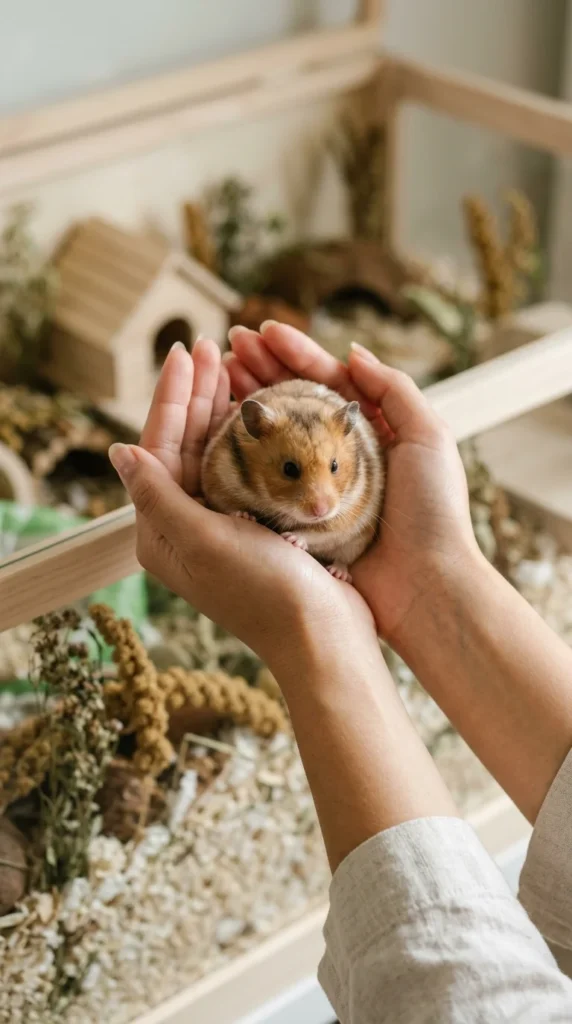
Never grab a hamster from above, as this mimics the movement of a bird of prey and will terrify them. Instead, scoop them up from underneath using both hands or use a “taxi” like a mug or a tube to move them. Always handle them close to the ground or over a soft surface in case they jump.
13. Taming Patience

Building trust takes time. Start by simply talking to your hamster so they recognize your voice. Move to offering treats from your hand, and eventually, let them climb onto your palm. Never wake a sleeping hamster to play, as this can lead to “startle biting” and ruins the bond of trust.
14. No Cotton Fluff
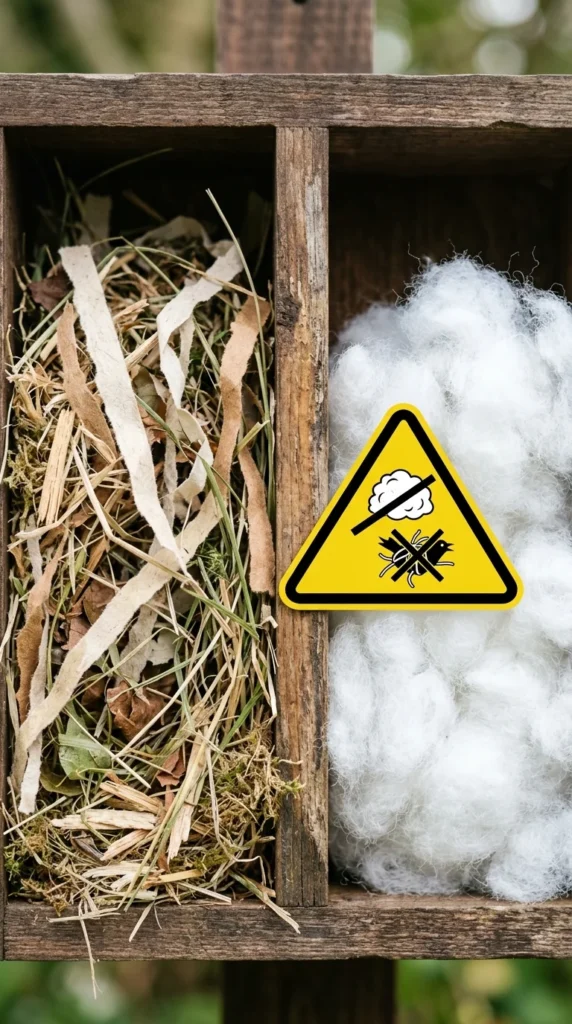
Many pet stores sell “fluffy bedding” or “hamster wool.” This is extremely dangerous. The fibers are indigestible if swallowed and can wrap around a hamster’s limbs, cutting off circulation. Stick to shredded toilet paper or soft hay for nesting material—it’s much safer and just as cozy.
15. Quiet Environment
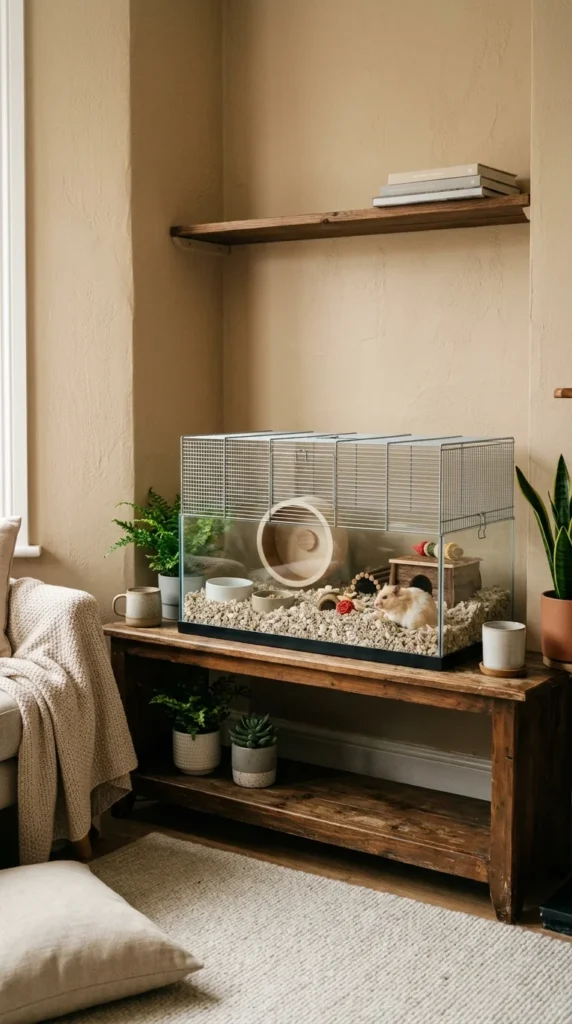
Hamsters have very sensitive hearing and can hear ultrasonic frequencies that humans cannot. Placing their cage in a high-traffic, noisy living room or near a loud TV can cause chronic stress. Find a quiet corner of the house where they can sleep undisturbed during the day.
16. Nightly Observation

Since hamsters are nocturnal (or crepuscular), the best time to check their health is at night. Spend time watching them move. Are they limping? Are their eyes clear? Is their fur smooth? Regular observation helps you catch potential health issues like “wet tail” or respiratory infections early.
17. Safe Playtime

Even with a large cage, hamsters appreciate a change of scenery. A secure playpen or a “hamster-proofed” room allows them to explore safely. Always supervise this time and provide plenty of hides within the play area so they don’t feel exposed in the open space.
18. Avoid Hamster Balls
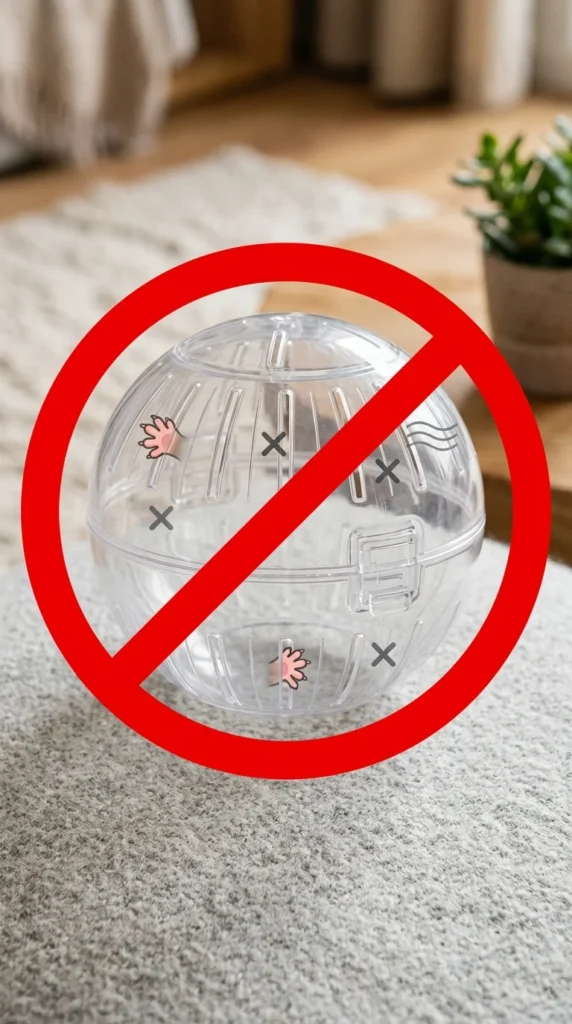
Contrary to popular belief, hamster balls are not recommended. They have poor ventilation, the slits can catch tiny toes, and the hamster cannot use their senses (whiskers and smell) to navigate, which causes them to run out of panic rather than enjoyment. Stick to playpens for out-of-cage time.
19. Veterinary Care

Not all vets treat hamsters. These animals are considered “exotic” pets. Before you even bring your hamster home, locate a local exotic vet who has experience with rodents. Common issues like cheek pouch impactions or scent gland tumors require professional medical intervention.
20. Appropriate Treats

Treats are great for bonding, but moderation is key. High-sugar fruits should be given sparingly, especially to Campbell’s dwarf hamsters who are prone to diabetes. Safe treats include small bits of broccoli, cucumber, kale, or a plain nut (like a walnut or peanut) in the shell to provide a chewing challenge.
21. Solitary Living
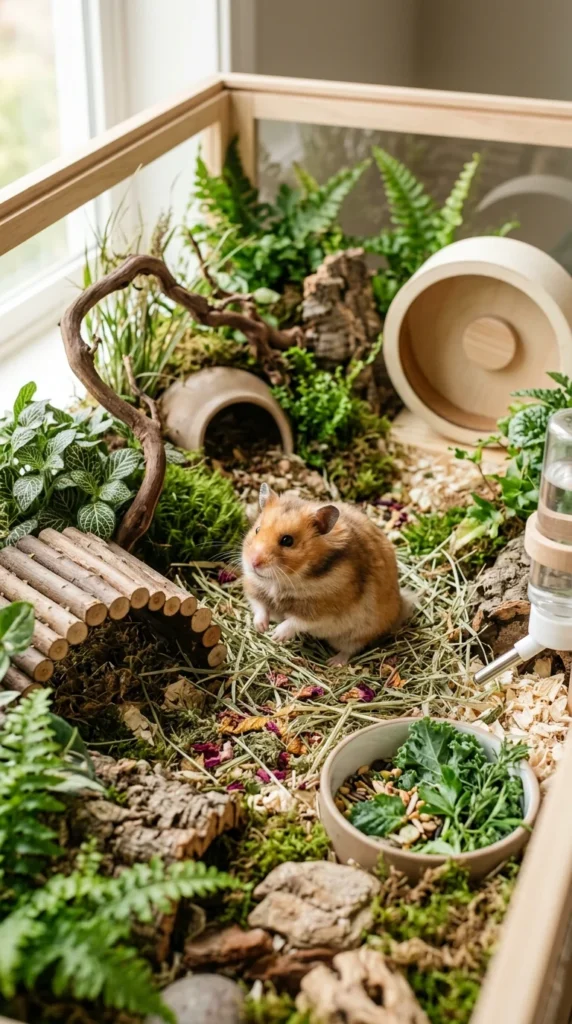
While some dwarf species can occasionally live in pairs in the wild, in captivity, they almost always do better alone. Syrian hamsters are strictly solitary and will fight to the death if housed together. To ensure your hamster’s safety and mental health, give them their own kingdom where they don’t have to compete for resources.
22. Enrichment Rotation

Keep life interesting by rotating their toys every time you do a partial clean. Swapping a wooden bridge for a cork log or moving a hideout to a different corner provides “new” territory for the hamster to explore and mark with their scent, preventing the boredom that leads to lethargy.