

Bringing a rabbit into your home is an incredibly rewarding experience. These intelligent, social, and often misunderstood creatures can become some of the most affectionate companions you’ll ever have. However, rabbits are not “low-maintenance” pets. They have complex dietary needs, delicate social structures, and unique health requirements that differ significantly from dogs or cats. To help you navigate the world of lagomorph care, here are 24 essential tips for every new rabbit owner.
1. Timothy Hay

The absolute cornerstone of a rabbit’s life is hay. It should make up roughly 80% of their diet. Timothy hay (or orchard grass for those with allergies) provides the essential fiber needed to keep their digestive systems moving and helps wear down their teeth, which never stop growing. Without unlimited access to hay, rabbits can develop fatal gastrointestinal issues or painful dental overgrowth.
2. Leafy Greens

Fresh vegetables are a vital part of a rabbit’s daily intake. Focus on dark, leafy greens such as romaine lettuce, cilantro, parsley, and kale. Avoid iceberg lettuce, as it contains too much water and lacks nutritional value. Introduce new greens slowly to ensure they don’t upset your rabbit’s sensitive stomach.
3. Limited Pellets

While pellets are nutritionally dense, they should be fed in moderation. Many new owners make the mistake of overfeeding pellets, leading to obesity. Look for high-quality, Timothy-based pellets without added colorful bits, seeds, or nuts, which are sugary and unhealthy for rabbits.
4. Constant Water

Rabbits drink a surprising amount of water—often as much as a small dog. While many people use drip bottles, a heavy ceramic bowl is often preferred. Bowls allow rabbits to drink in a more natural position and ensure they stay properly hydrated, which is crucial for preventing kidney issues.
5. Indoor Living
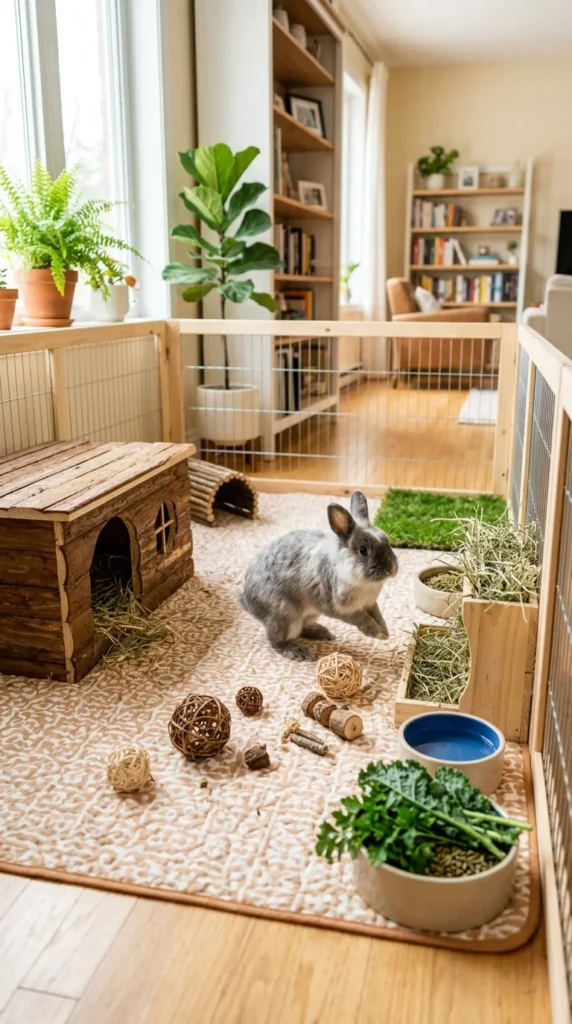
Rabbits are extremely sensitive to temperature extremes and are frequent prey for predators. Keeping your rabbit indoors not only protects them from the elements and outdoor parasites but also allows them to become a true member of the family. Domestic rabbits thrive in temperatures between 60°F and 75°F.
6. Litter Training
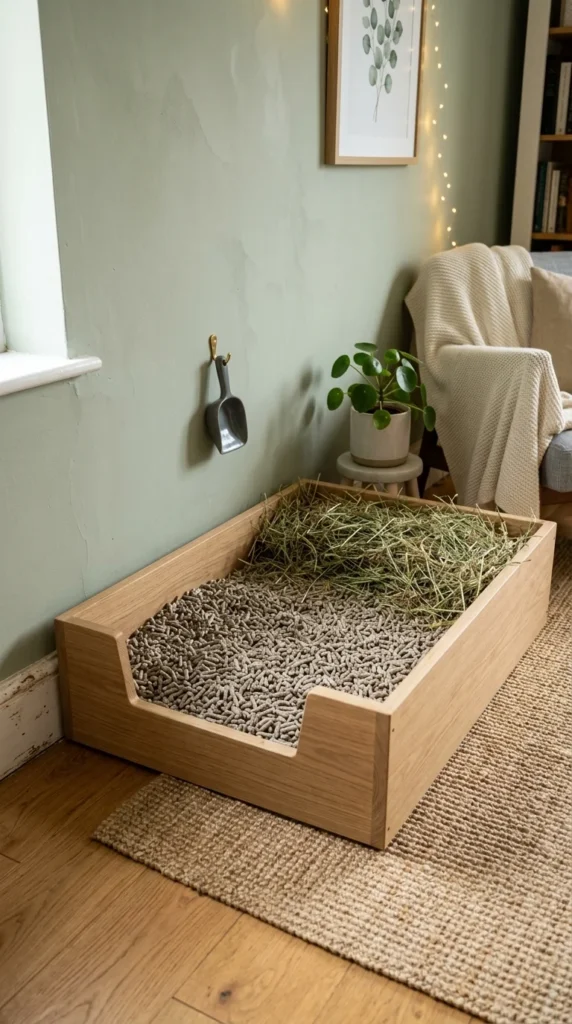
Believe it or not, rabbits can be easily litter-trained. They naturally prefer to do their business in one corner, usually while they eat. By placing a litter box (filled with rabbit-safe paper bedding and hay) in their preferred spot, you can keep your home clean and make cleanup a breeze.
7. Rabbit Proofing

Rabbits have an innate urge to chew, and electrical cords are a prime target. Before letting your rabbit roam, you must “rabbit-proof” your home. Use plastic tubing to cover wires, block off gaps under furniture, and ensure house plants—many of which are toxic—are out of reach.
8. Chew Toys

To keep your rabbit’s teeth healthy and their mind occupied, provide plenty of chew toys. Untreated wood, willow balls, and cardboard boxes are excellent choices. Chewing isn’t just a habit; it’s a biological necessity for rabbits to manage their ever-growing teeth.
9. Safe Handling

Rabbits have very fragile skeletons. If they kick out while being held, they can actually break their own backs. Never pick a rabbit up by the ears or scruff. Always support their hindquarters and keep them close to your body to make them feel secure.
10. Social Bonding

Rabbits are highly social animals that often thrive best in pairs. If you have a single rabbit, you must spend significant time interacting with them on their level—literally. Sitting on the floor with them helps build trust and satisfies their need for companionship.
11. Regular Brushing
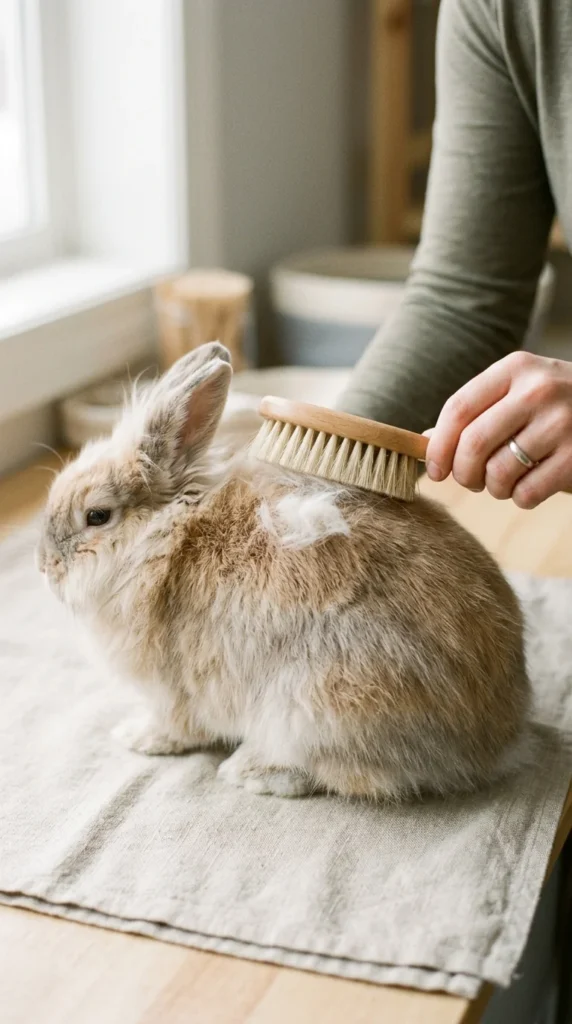
Rabbits are meticulous groomers, much like cats. However, unlike cats, rabbits cannot vomit up hairballs. If they ingest too much fur during shedding season, it can cause a life-threatening blockage. Weekly brushing (or daily during a heavy shed) is essential.
12. Nail Trims
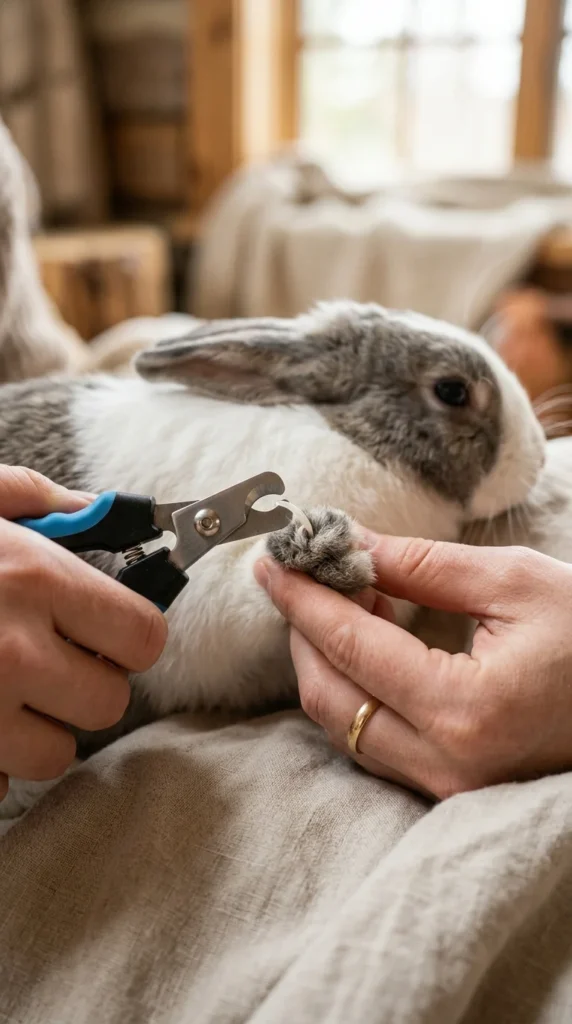
In the wild, rabbits wear their nails down by digging. Indoors, their nails can grow long and sharp, leading to injury or “sore hocks.” Aim to trim your rabbit’s nails every 4–6 weeks using specialized pet clippers.
13. Exotic Vet

Rabbits are considered “exotic” pets. A standard dog and cat vet may not have the specialized knowledge required to treat them. Before you bring a rabbit home, locate an exotic animal veterinarian in your area who is experienced in lagomorph medicine.
14. Spaying/Neutering

Fixed rabbits are happier, healthier, and easier to live with. Neutering reduces aggression and territorial spraying, while spaying is critical for females, as up to 80% of unspayed female rabbits develop uterine cancer by age four.
15. GI Stasis
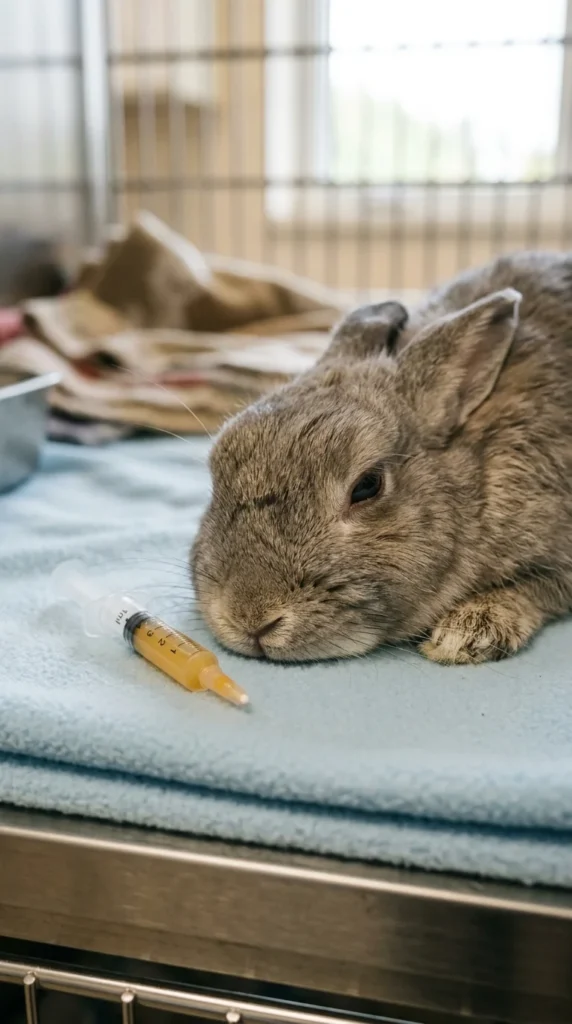
Gastrointestinal (GI) Stasis is a silent killer where the digestive system slows down or stops. If your rabbit stops eating or pooping for more than 12 hours, it is a medical emergency. Learn to recognize the signs of a “hunched” posture and lethargy early.
16. Daily Exercise

Rabbits need at least 3–4 hours of supervised “out of cage” time daily. They are active creatures that love to run, jump (a behavior called “binkying”), and explore. Sufficient exercise prevents obesity and keeps their joints healthy.
17. Floor Surfaces

Rabbits do not have pads on their feet like dogs; they only have fur. This means slippery surfaces like hardwood or tile are difficult for them to navigate and can lead to leg injuries. Always provide rugs or mats so they can move confidently.
18. Hiding Spots
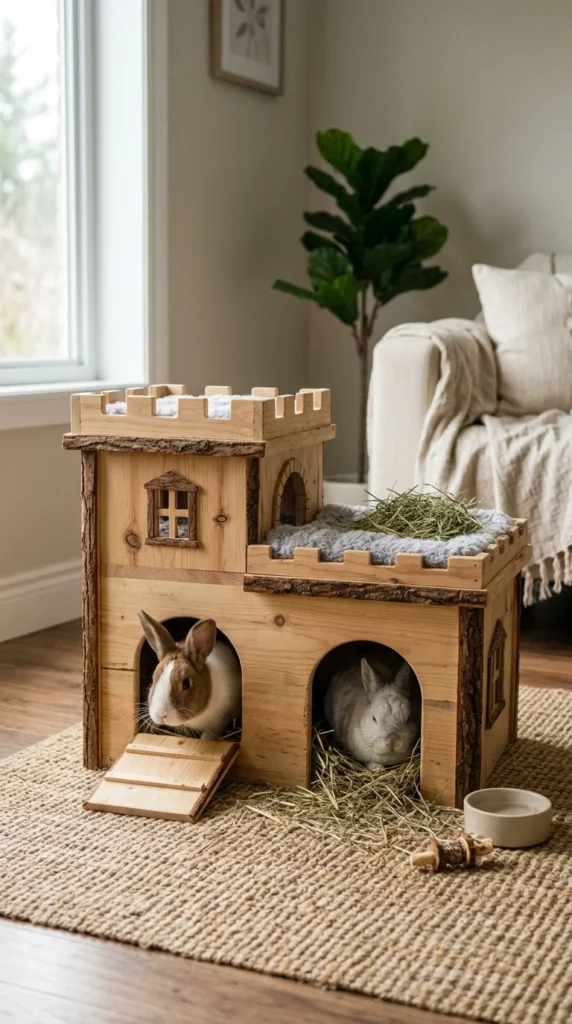
As prey animals, rabbits feel safest when they have a place to retreat. Provide at least one or two “hidey houses” where they can go to sleep or escape if they feel startled. Ensure the house has two exits so they don’t feel trapped.
19. Understanding Binkies

A “binky” is the ultimate sign of a happy rabbit. It’s a literal jump for joy where the rabbit twists its body in mid-air. When you see this, you know you are providing a high-quality life and your rabbit feels safe and content.
20. No Baths

You should almost never bathe a rabbit. Being submerged in water can cause them to go into shock, which can be fatal. Rabbits are very clean and will groom themselves. If they get particularly dirty, a “spot clean” with a damp cloth is all that is needed.
21. Temperature Watch

Rabbits handle cold much better than heat. They do not sweat and can easily suffer from heatstroke if temperatures rise above 80°F. In the summer, ensure they have access to fans, frozen water bottles to lie against, or air conditioning.
22. Foraging Habits

In the wild, rabbits spend most of their day searching for food. You can replicate this by using foraging mats or stuffing hay into cardboard tubes. This provides mental stimulation and prevents boredom-related destructive behavior.
23. Body Language

Rabbits communicate through subtle movements. “Flopping” on their side means they feel completely safe. Thumping their back leg is a warning of perceived danger. Grinding teeth softly (purring) indicates contentment, while loud grinding indicates pain.
24. Long Commitment

Rabbits are not “starter pets” for children. They can live 10 to 12 years or even longer. Before adopting, ensure you are ready for a decade-long commitment of specialized care, vet bills, and daily interaction. They are a long-term family member, not a temporary hobby.