
Welcoming a new kitten into your home is a whirlwind of joy, tiny meows, and frantic pounces. However, beneath the fluff lies a delicate immune system that needs a fortress of protection. Navigating the world of feline health can be overwhelming for new owners, but the vaccination schedule is your primary roadmap to a long, healthy life for your companion. This comprehensive guide breaks down the 22 essential milestones, vaccines, and health considerations every owner must follow to ensure their kitten grows into a robust adult cat.
1. Maternal Antibodies
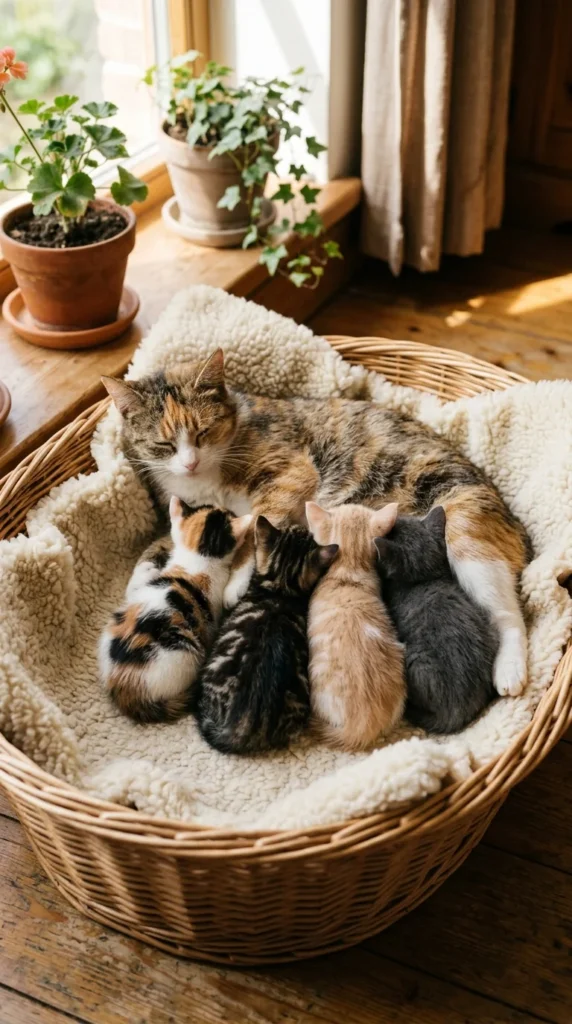
Before the first needle ever touches your kitten, they are protected by “maternal antibodies” passed through the mother’s first milk, known as colostrum. This passive immunity is powerful but temporary. It usually begins to fade between six and eight weeks of age. Understanding this window is critical because if you vaccinate too early, the mother’s antibodies may neutralize the vaccine; if you wait too long, the kitten is left vulnerable to deadly environmental pathogens.
2. Veterinary Consultation
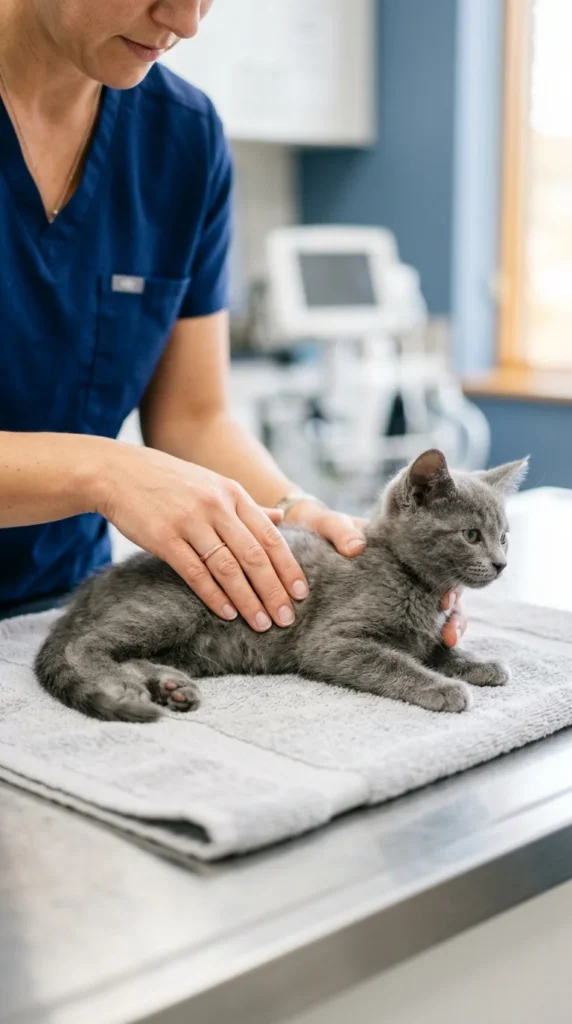
Your journey begins with a professional assessment. Before administering any shots, a vet must ensure your kitten is healthy enough to handle them. A kitten with a fever, respiratory infection, or heavy parasite load may have a compromised immune response. This initial visit establishes a baseline for your cat’s health and allows the vet to tailor the schedule based on your kitten’s specific breed, history, and projected lifestyle.
3. FVRCP Core
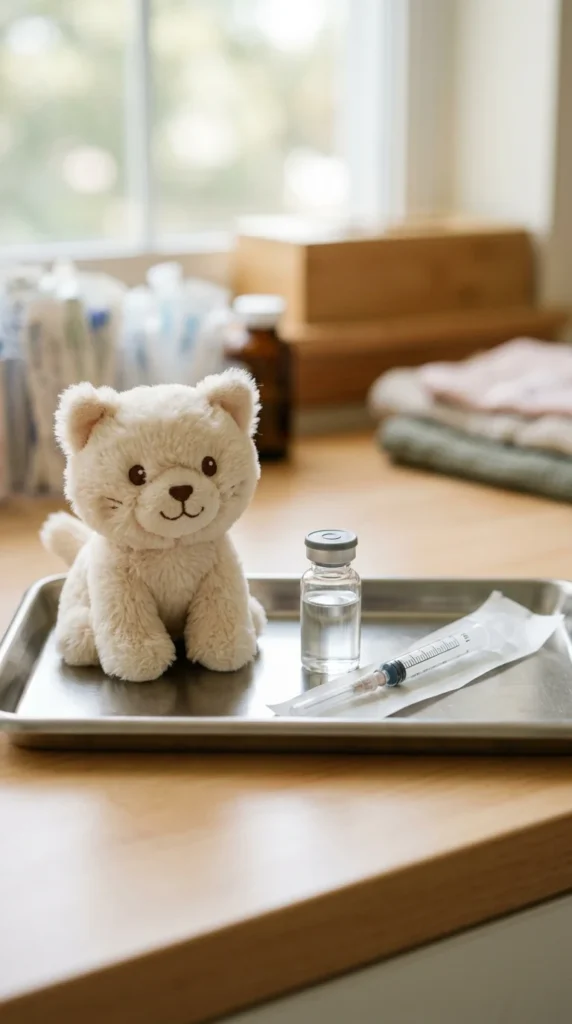
The FVRCP vaccine is the “holy grail” of feline health. It is a 3-in-1 shot that protects against Feline Viral Rhinotracheitis (herpesvirus), Calicivirus, and Panleukopenia (feline distemper). These diseases are highly contagious and can be fatal, especially Panleukopenia, which attacks rapidly dividing cells in the bone marrow and intestines. This is considered a “core” vaccine, meaning every cat, regardless of lifestyle, must receive it.
4. Six-Week Milestone
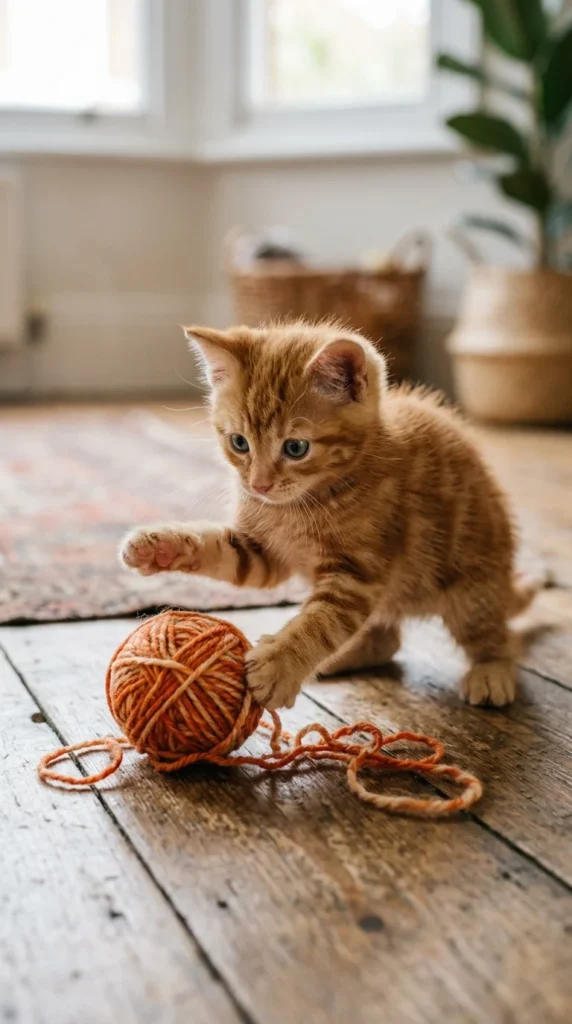
At six to eight weeks, the kitten’s journey formally begins. This is typically when the first dose of the FVRCP vaccine is administered. At this age, the kitten is transitioning to solid food and their maternal immunity is beginning to wane. Starting the series now ensures that as the mother’s protection drops, the vaccine’s protection climbs, closing the “immunity gap.”
5. FeLV Testing
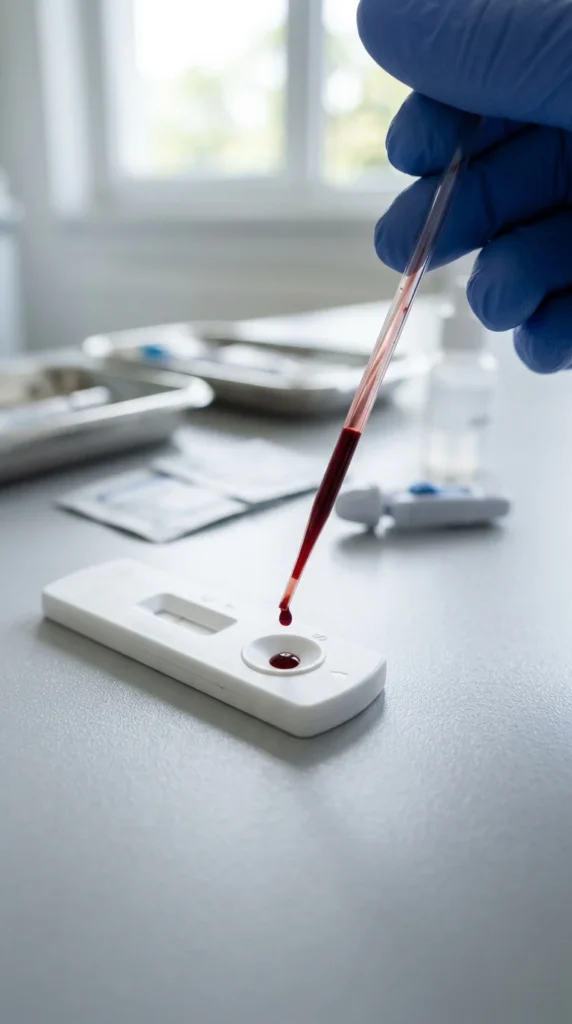
Before vaccinating for Feline Leukemia Virus (FeLV), it is imperative to test for it. FeLV can be passed from mother to kitten in utero or through milk. Since the vaccine is preventative and not a cure, knowing the kitten’s status is the first step. If a kitten tests positive, the management strategy shifts from prevention to long-term care and isolation from other cats.
6. Initial Deworming
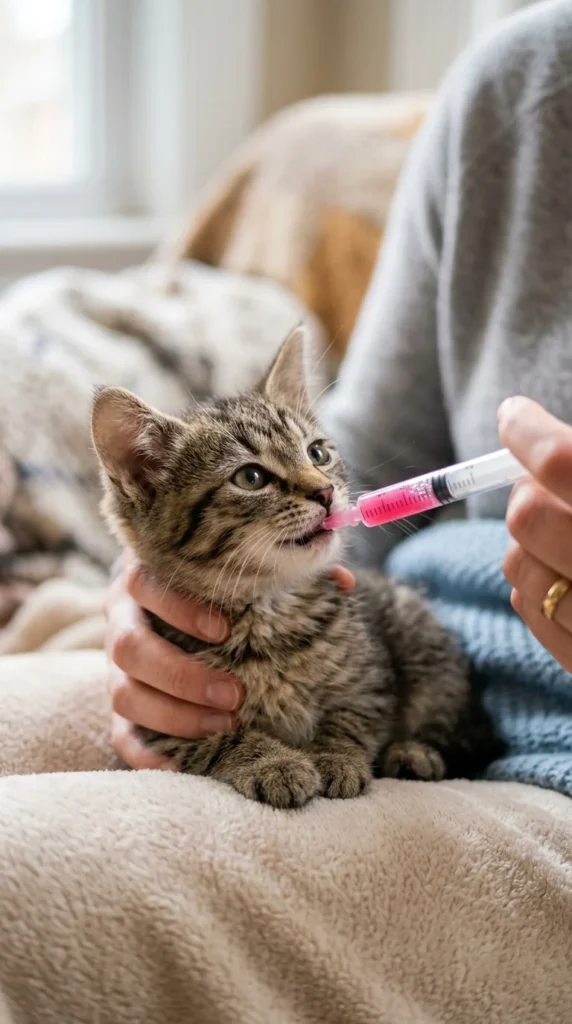
While not a “vaccination” in the traditional sense, deworming is an inseparable part of the early immunization schedule. Most kittens are born with roundworms or hookworms. These parasites can weaken the immune system, making vaccines less effective. Administering a dewormer alongside the first round of shots ensures the kitten’s body can focus all its energy on building antibodies.
7. Eight-Week Booster
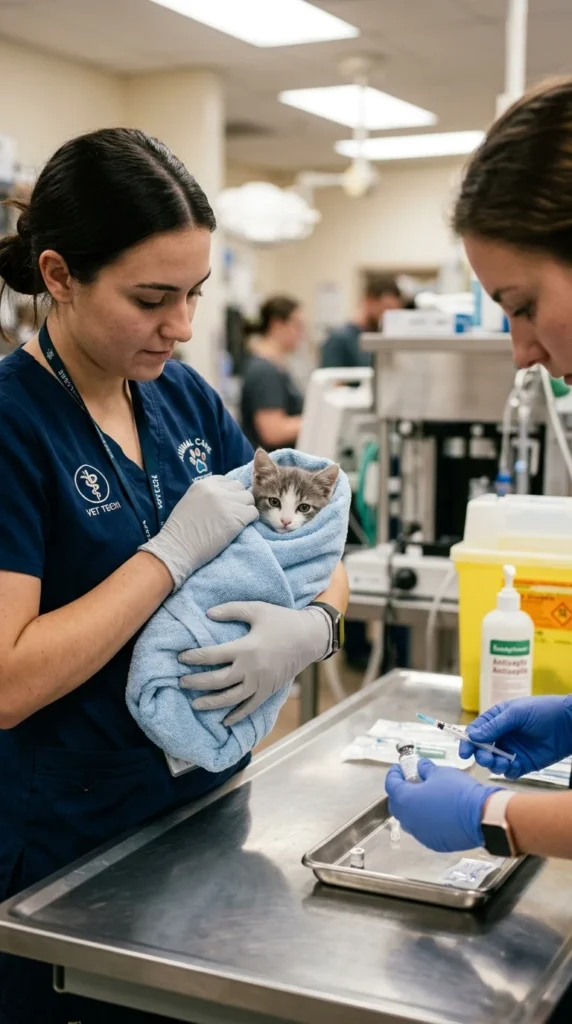
Consistency is key. Around the eight-week mark, your kitten will likely need their second round of the FVRCP vaccine. Vaccines in kittens work by “priming” the immune system. One shot isn’t enough to provide long-term memory to the white blood cells; the second dose reinforces the message, ensuring the body recognizes these viruses as enemies in the future.
8. FeLV Protection
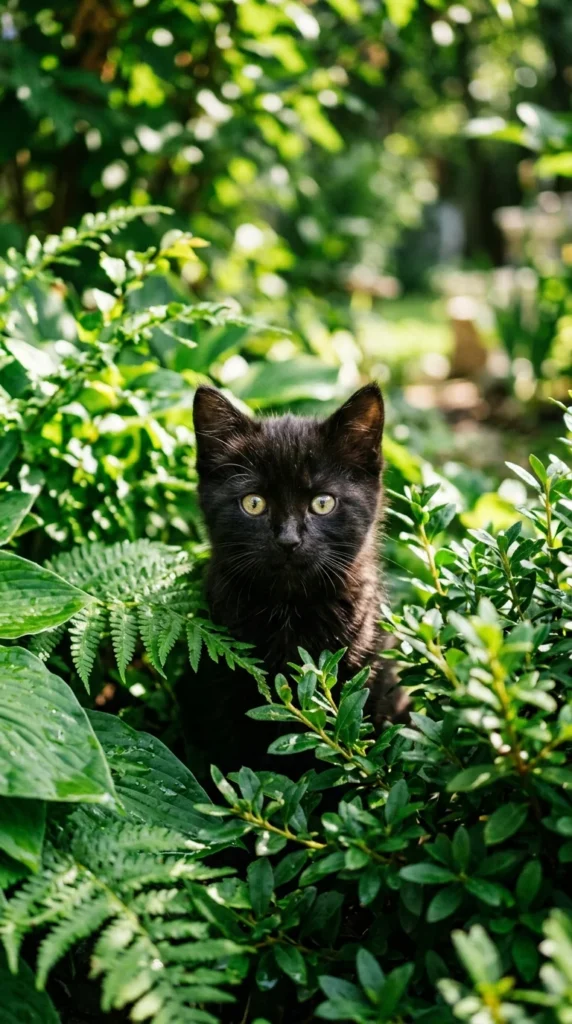
For kittens that will have any access to the outdoors or live with cats of unknown FeLV status, the Feline Leukemia vaccine is vital. FeLV is a leading cause of cancer in cats and can suppress the immune system entirely. Most vets now recommend this as a core vaccine for all kittens, as even “indoor” cats may accidentally escape or be exposed to a new feline addition to the family.
9. Rabies Legalities

Rabies is 100% fatal to cats and is a significant public health risk. In many jurisdictions, the Rabies vaccine is required by law. Unlike the multi-dose series of FVRCP, the Rabies vaccine is typically given as a single dose starting at 12 to 16 weeks of age. It is a dead virus vaccine that provides robust protection against a virus transmitted through the saliva of infected mammals.
10. Ten-Week Follow-up
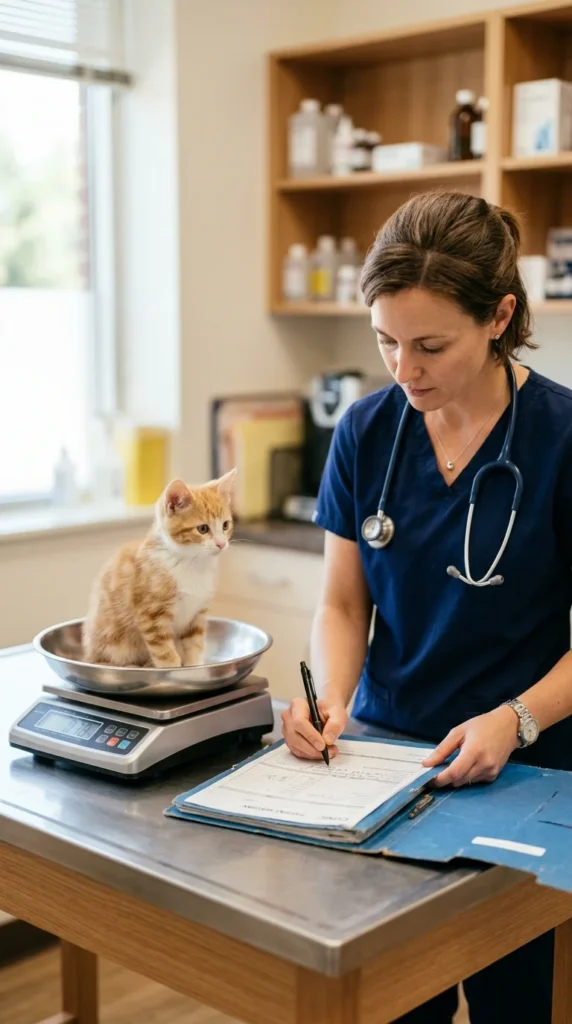
At ten weeks, your vet will assess the kitten’s reaction to the previous shots. This is the “observation” phase of the schedule. If the kitten experienced mild lethargy or a small lump at the injection site, the vet might adjust the brand or the concentration of the next dose. This visit ensures the schedule stays on track without overwhelming the kitten’s developing physiology.
11. Twelve-Week Boosters
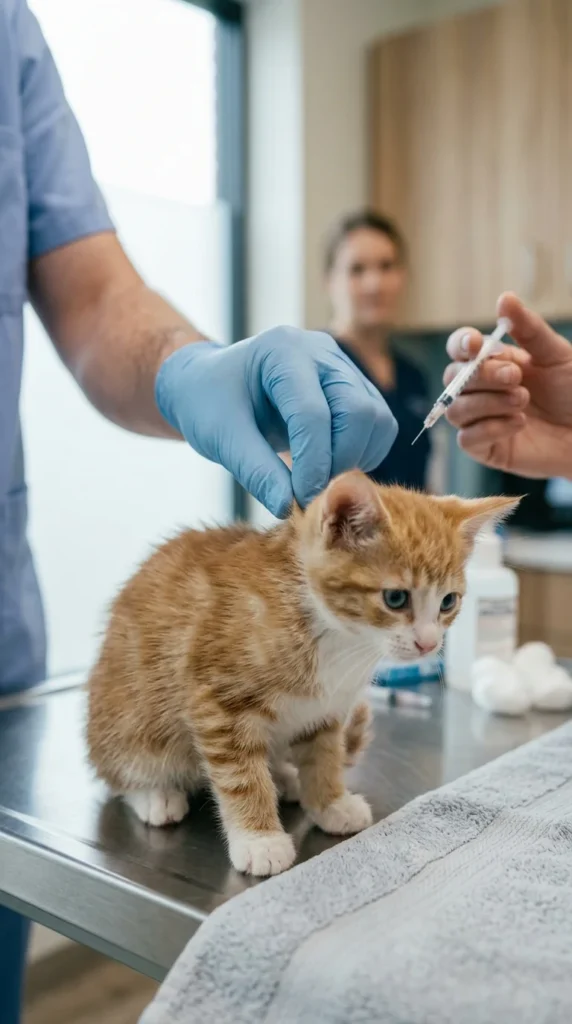
The twelve-week mark is a heavy-hitter in the schedule. This usually involves the third dose of FVRCP and the second dose of FeLV. By this point, the maternal antibodies are almost entirely gone, and the kitten’s own immune system is doing the heavy lifting. This window is often when the most significant leap in long-term immunity occurs.
12. Bordetella Prevention
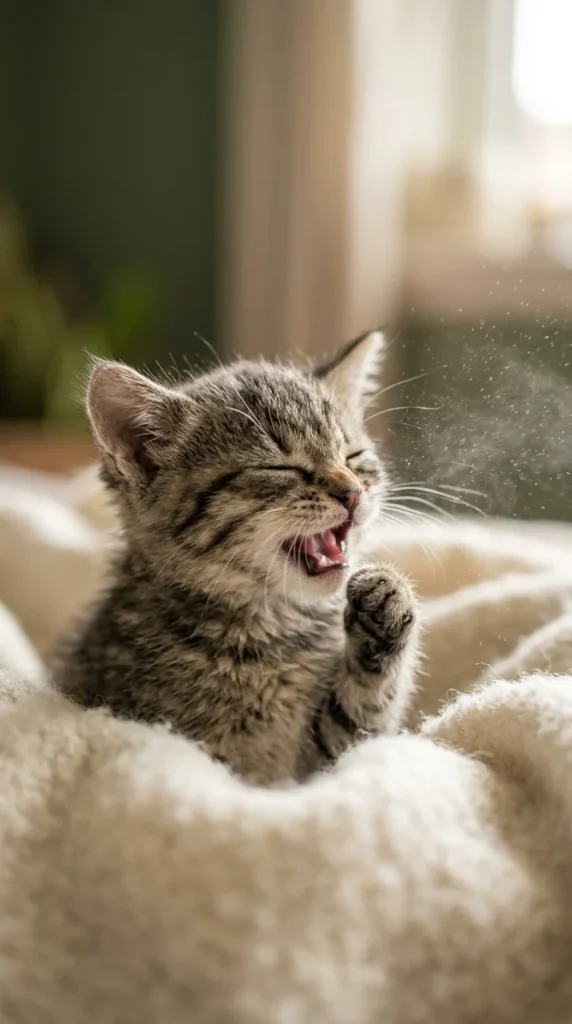
Bordetella bronchiseptica is a bacterium that causes upper respiratory infections. While more common in dogs (kennel cough), it can spread rapidly in multi-cat environments like shelters or boarding facilities. If you plan to show your cat or board them frequently, this “non-core” vaccine should be added to the twelve-to-sixteen-week window.
13. Sixteen-Week Completion
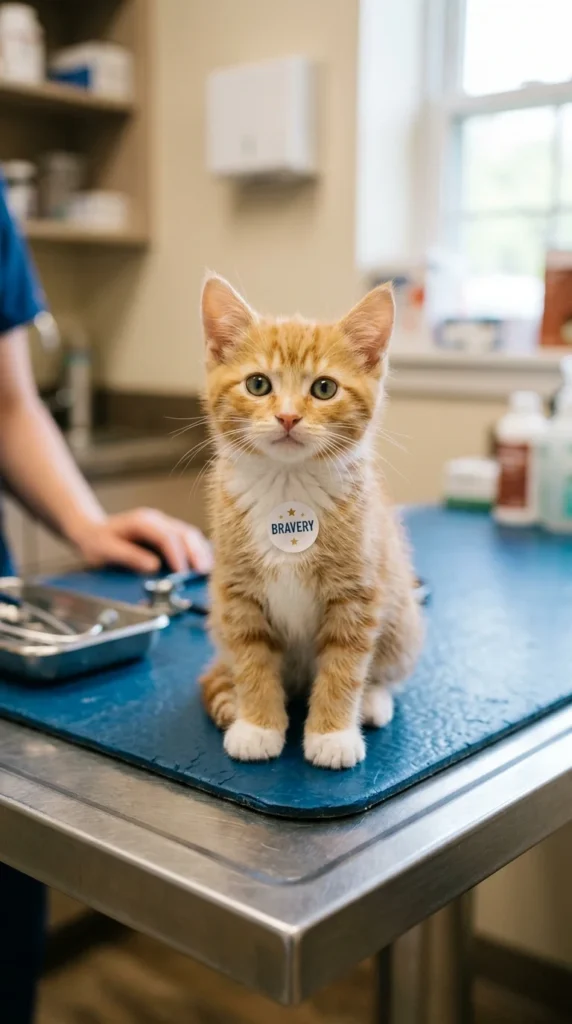
The final round of kitten shots usually happens at sixteen weeks. This final FVRCP booster is crucial because it ensures that even “late-blooming” immune systems are fully covered. Research shows that a small percentage of kittens still have maternal antibodies at 12 weeks that can interfere with the vaccine; the 16-week shot serves as the ultimate safety net.
14. Chlamydia Vaccine
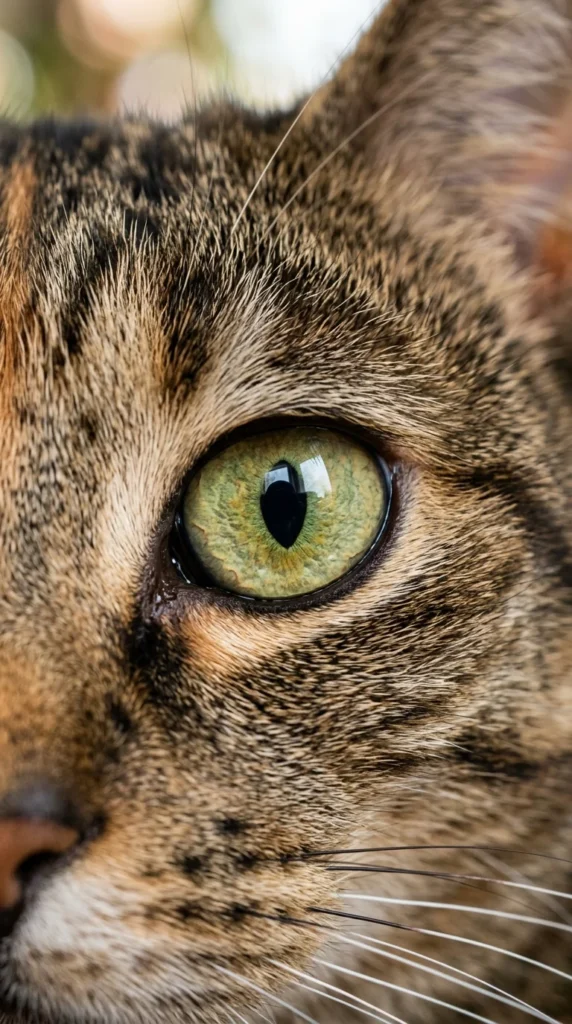
Feline Chlamydiosis is a bacterial infection that primarily affects the eyes, causing severe conjunctivitis. This is a non-core vaccine often included in “4-way” or “5-way” FVRCP formulations. Your vet will recommend this if you live in an area with high infection rates or if your kitten came from a high-density breeding environment.
15. Record Keeping

Every time your kitten receives a shot, ensure the vet provides a sticker or a batch number from the vaccine vial. Keep these in a dedicated folder. This documentation is required for pet insurance claims, boarding, international travel, and in case you ever need to switch veterinarians. A clear history prevents over-vaccination, which can be just as problematic as under-vaccination.
16. Socialization Period

Vaccinations and socialization go hand-in-hand. During the 8-to-16-week window, you want to socialize your kitten, but you must be careful about exposure to unvaccinated animals. Follow the “safe paws” rule: keep your kitten off floor surfaces where unknown cats have been until at least two weeks after their second round of shots.
17. Side Effect Monitoring
It is normal for a kitten to be a little sleepy or have a decreased appetite for 24 hours after vaccinations. However, you must watch for severe reactions: swelling of the face, vomiting, or hives. Modern vaccines are incredibly safe, but like humans, individual kittens can have allergies. Knowing what is “normal tired” versus “medical emergency” is a key responsibility of the owner.
18. First Annual Booster
The “kitten schedule” doesn’t actually end in the first year. The most important booster is the one-year anniversary of the final kitten shots. This dose transitions the cat into the adult vaccination protocol, which usually moves to a three-year rotation for core vaccines. This first-year booster “locks in” the immunity developed during kittenhood.
19. Lifestyle Assessment
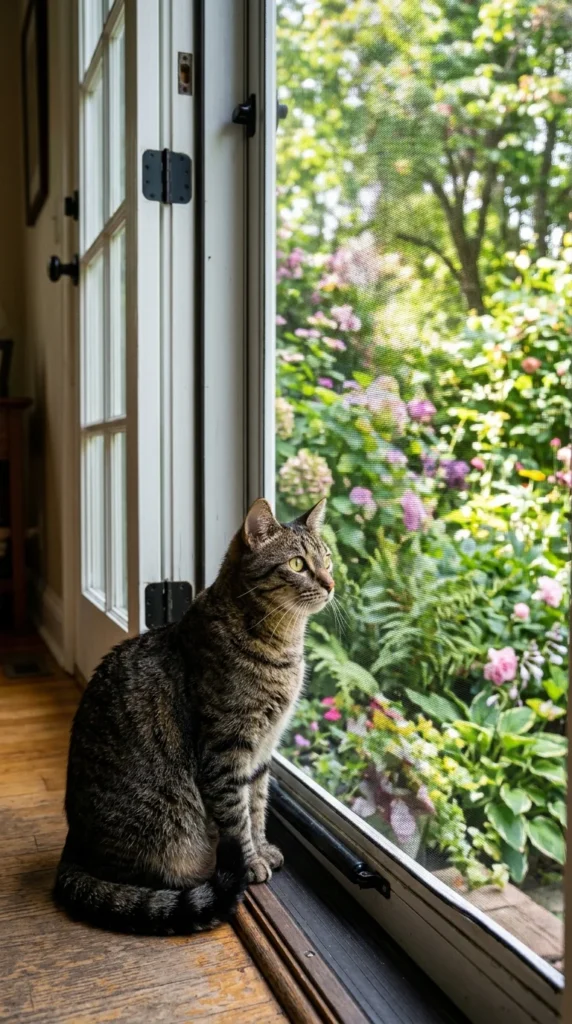
As your kitten grows, their risk profile changes. An indoor-only cat in a high-rise apartment has different needs than a cat that spends time in a fenced-in “catio.” Every year, discuss your cat’s lifestyle with your vet. They may drop the FeLV requirement for strict indoor cats or keep it if you occasionally foster other kittens.
20. Nutrition Support
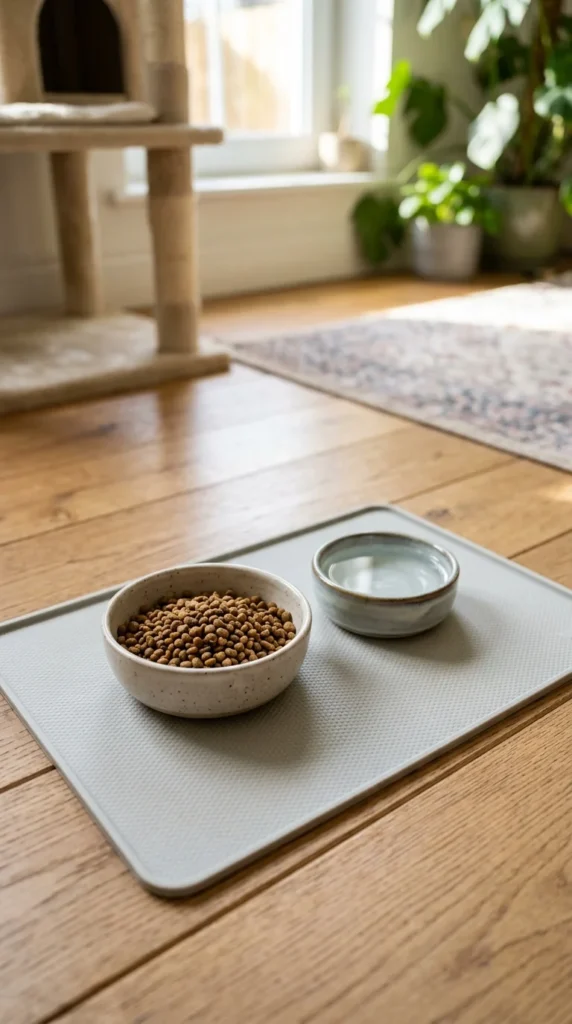
A vaccine is only as good as the immune system’s ability to respond to it. Feeding a high-protein, nutrient-dense kitten food provides the amino acids and vitamins necessary to build the antibodies the vaccines are asking for. Think of food as the building materials and vaccines as the blueprint for the kitten’s internal fortress.
21. Stress Management
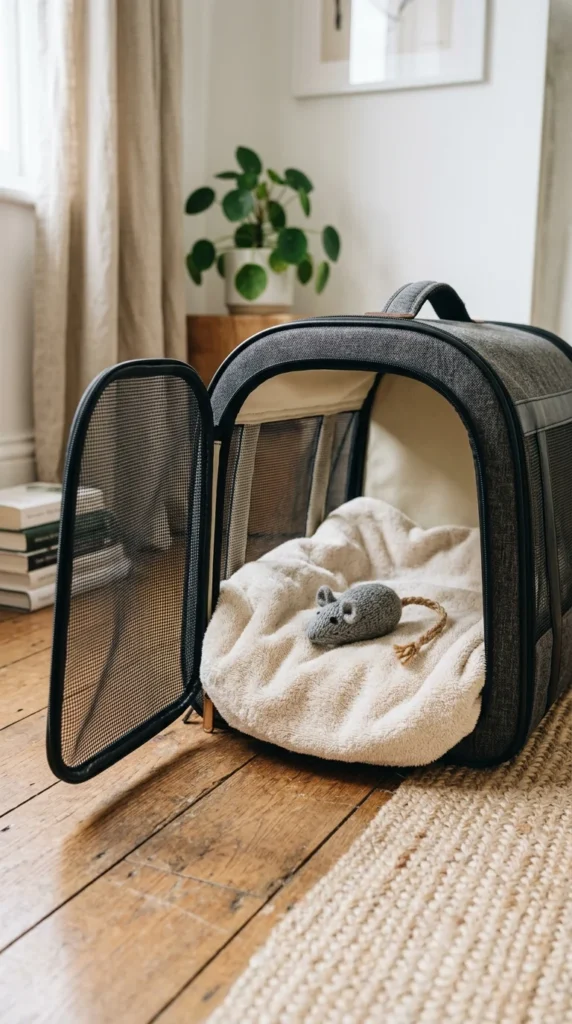
Vet visits can be stressful, and stress releases cortisol, which can slightly suppress the immune response. To make the vaccination schedule successful, practice “low-stress” visits. Leave the carrier out at home so it’s a familiar furniture piece, and use pheromone sprays to keep the kitten calm during the commute.
22. Lifetime Immunity

The ultimate goal of following a strict 22-point schedule is to set the stage for a long, vibrant life. By providing a solid foundation in the first 16 weeks, you protect your cat from the most common and devastating diseases. While the kitten phase is temporary, the protection you provide now lasts a lifetime, ensuring your tiny friend becomes a permanent, healthy fixture in your home.