
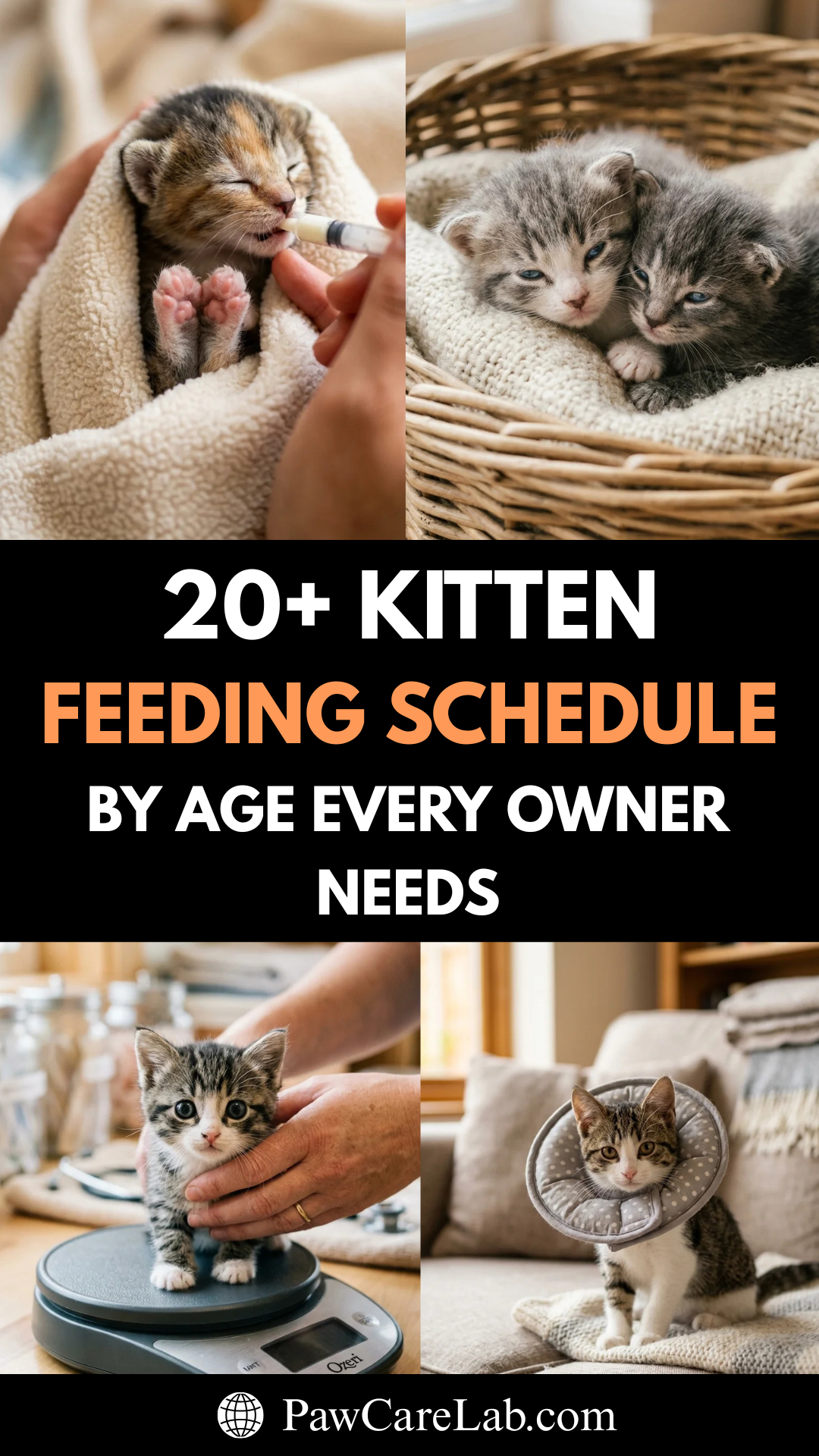
Welcoming a kitten into your home is a whirlwind of tiny purrs, sharp claws, and boundless energy. However, the most critical responsibility of a new kitten owner is navigating the complex world of feline nutrition. A kitten’s body grows at an exponential rate, requiring a specific balance of proteins, fats, and minerals that differs significantly from adult cats. To ensure your feline friend grows into a healthy, robust adult, you need a precise feeding schedule tailored to their developmental milestones.
1. Newborn Stage

During the first week of life, kittens are entirely dependent on their mother’s milk or a specialized kitten milk replacer (KMR). At this stage, they need to eat every 2 to 3 hours, including throughout the night. Their stomachs are roughly the size of a thimble, so they can only take in small amounts at a time. Never use cow’s milk, as it lacks the necessary nutrients and can cause severe digestive distress.
2. Fortnight Milestone
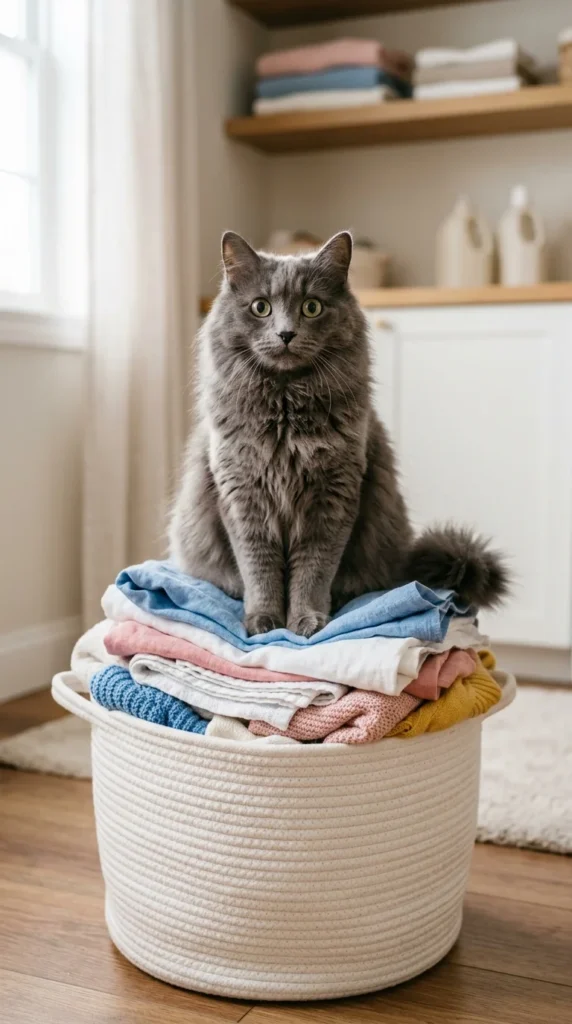
By the second week, the feeding frequency remains high, typically every 3 to 4 hours. You will notice the kitten’s weight nearly doubling. If you are hand-rearing, it is vital to weigh them daily on a kitchen scale to ensure they are gaining about 10-15 grams per day. Proper warmth is essential during feeding, as kittens cannot digest food if their body temperature is too low.
3. Three-Week Shift
At three weeks, the intervals between feedings can stretch to every 4 to 5 hours. The kitten’s deciduous (baby) teeth may begin to erupt. While they are still primarily consuming liquid, they are becoming more mobile and curious. This is the period where they start to explore their surroundings, though their primary source of energy remains the high-fat content of milk.
4. Weaning Introduction
Week four marks the beginning of the weaning process. This is a delicate transition where you introduce “gruel”—a mixture of high-quality canned kitten food and milk replacer blended into a soup-like consistency. Offer this mixture in a shallow saucer. Be prepared for a mess; kittens often walk through their food before they figure out how to lap it up.
5. Slurry Stage

By week five, you can decrease the amount of milk replacer in the mix, creating a thicker slurry. The kitten should be eating this mixture about 4 to 5 times a day. They are still nursing or bottle-feeding, but the goal is to have them derive more of their calories from the solid food components.
6. Solid Transition
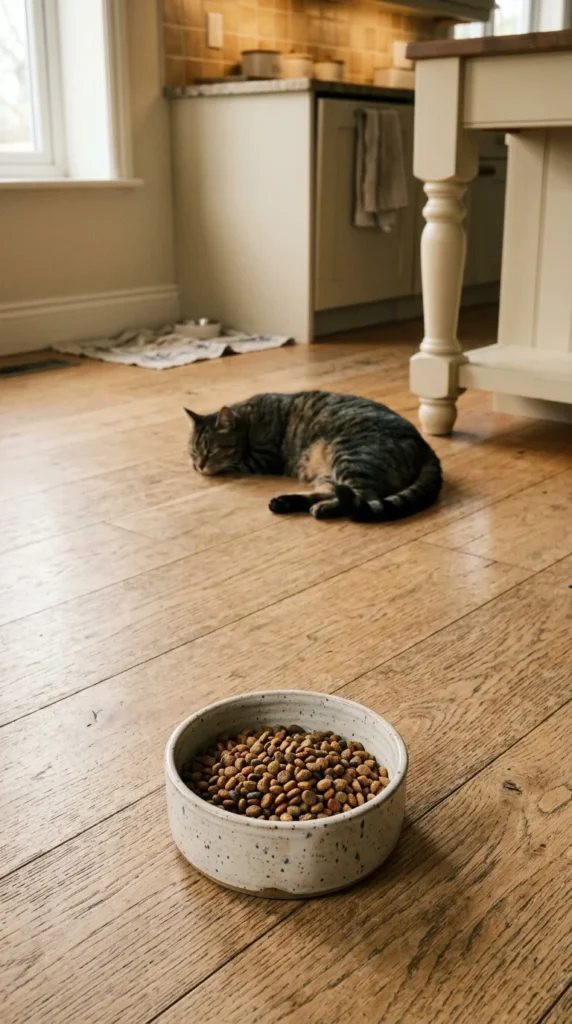
At six weeks, kittens can usually handle moistened dry food or chunky canned food. Their energy levels are skyrocketing as they begin to play and pounce. You should provide food in 4 meals spread throughout the day. This frequent feeding helps maintain their blood sugar levels, which can drop quickly in active youngsters.
7. Seven-Week Routine
By the seventh week, most kittens are almost fully weaned. They should be eating specialized kitten food that is high in DHA (an omega-3 fatty acid) for brain and eye development. The schedule should be consistent: breakfast, lunch, afternoon snack, and dinner. Consistency helps with litter box training as well, as kittens usually need to “go” shortly after eating.
8. Eight-Week Independence

The eight-week mark is often when kittens are ready to go to their forever homes. They should be eating solid food exclusively. A combination of wet and dry food is often recommended; wet food ensures hydration, while dry food can be left out for “free feeding” if the kitten isn’t overeating. However, scheduled meals are still preferred to monitor intake.
9. Three-Month Spurt
Between months three and four, kittens experience a significant growth spurt. Their caloric needs per pound of body weight are at their highest. You may need to increase the portion sizes of their four daily meals. Ensure the food is specifically labeled for “kittens” or “all life stages,” as adult maintenance food lacks the protein density they require.
10. Four-Month Maintenance

At four months, the kitten’s digestive system is more robust. You can begin to transition from four meals a day to three larger meals. It is important to keep the water bowl full and fresh, as kittens of this age are very active and can become dehydrated quickly, especially if they prefer dry kibble.
11. Five-Month Monitoring
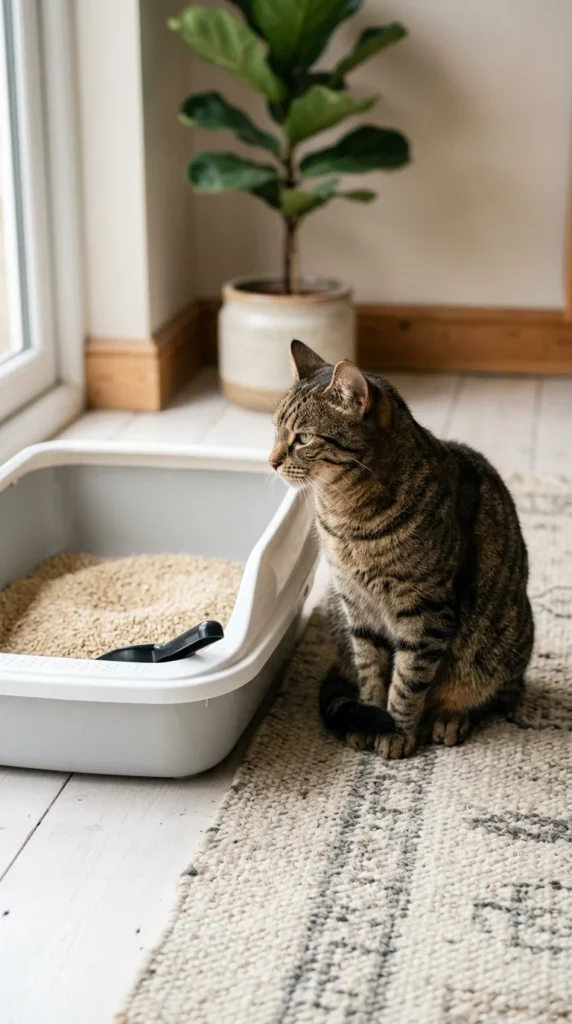
As your kitten approaches the half-year mark, monitor their body condition score. You should be able to feel their ribs but not see them. If the kitten is becoming too round, consult your vet about adjusting portions. This is a period of rapid bone development, so calcium and phosphorus ratios in their food are vital.
12. Six-Month Adjustment

Six months is the typical age for spaying or neutering. This procedure can slightly slow down a kitten’s metabolism. While they are still kittens and need growth-formula food, you may need to be more precise with measurements to prevent early-onset obesity. Transitioning to three strictly timed meals instead of free-feeding is often advised here.
13. Seven-Month Variety
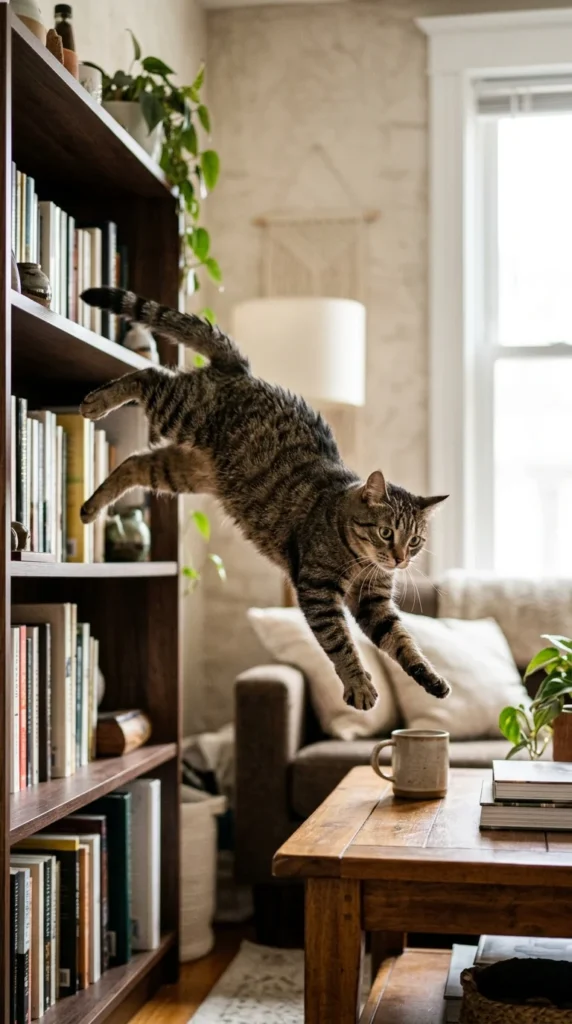
At seven months, your kitten is a “teenager.” This is a great time to introduce different textures and flavors within the same high-quality brand. Exposing them to variety now can prevent them from becoming “finicky” eaters later in life. Ensure that 90% of their calories still come from balanced kitten food rather than treats.
14. Eight-Month Transition
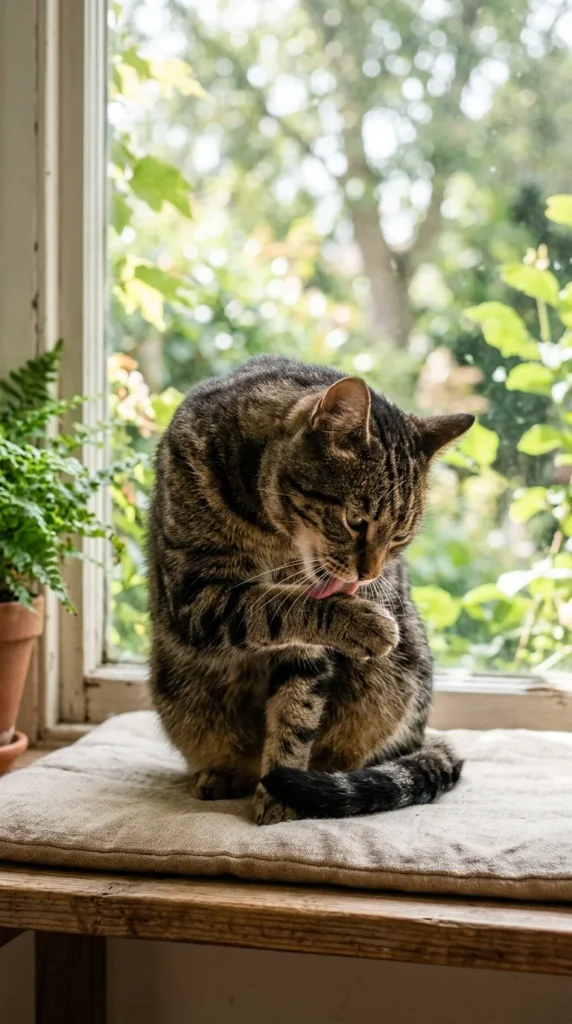
During the eighth month, the kitten’s growth begins to slow down slightly compared to the early months. You can typically move to a twice-a-day feeding schedule (morning and evening), though some owners prefer to stick with three meals if the kitten is particularly high-energy.
15. Nine-Month Adolescence

By nine months, your kitten is nearly at their full height, though they will continue to “fill out” and gain muscle. Keep them on kitten food, as their bones are still hardening. If you use treats for training, ensure they are factored into the total daily caloric intake to maintain a healthy weight.
16. Ten-Month Training

At ten months, use mealtime as a way to reinforce positive behavior. Kittens are highly food-motivated at this age. You can use “puzzle feeders” to slow down their eating and provide mental stimulation, which mimics the natural hunting behavior they would exhibit in the wild.
17. Eleven-Month Observation

As you approach the one-year mark, observe your kitten’s coat and energy levels. A shiny coat and bright eyes are the best indicators that the current feeding schedule and food quality are working. If you notice any lethargy or skin irritation, this is the time to discuss potential food sensitivities with a veterinarian.
18. Twelve-Month Graduation

At one year old, most kittens are considered adults. This is the milestone where you slowly transition from kitten food to adult maintenance food. The transition should take about 7 to 10 days, gradually mixing in more adult food and less kitten food to avoid upsetting their stomach.
19. Hydration Station

Regardless of age, hydration is a pillar of the feeding schedule. Cats have a low thirst drive, so a feeding schedule that includes wet food or a water fountain is essential. Always ensure fresh water is available in multiple locations, especially if the kitten’s diet consists mainly of dry kibble.
20. Supplement Strategy
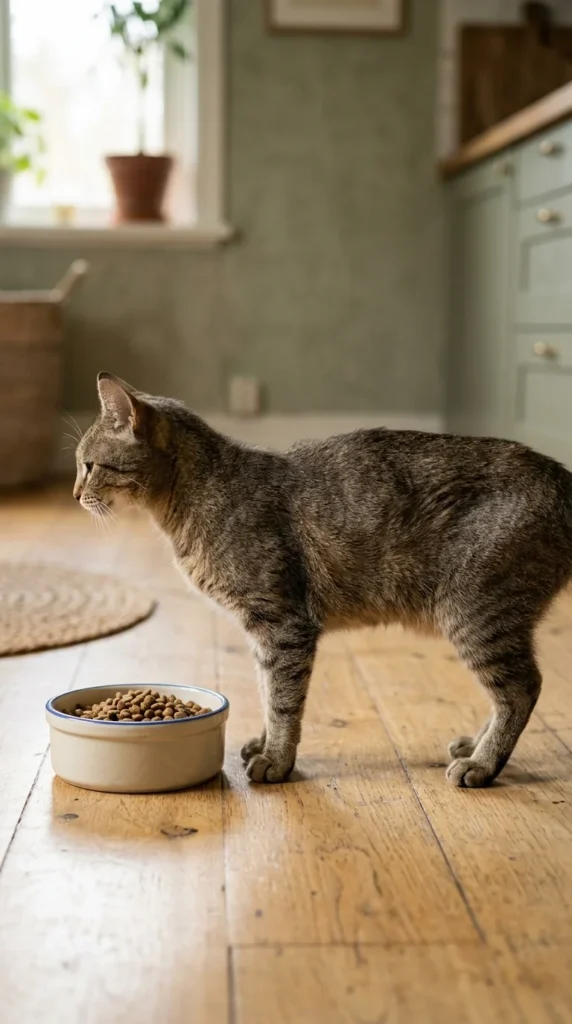
In some cases, your vet may recommend supplements like fish oil for skin health or probiotics for digestion. These should never replace a balanced diet but can be integrated into the feeding schedule once the kitten reaches 6 months of age. Always introduce supplements one at a time to monitor how your kitten’s system reacts.