

Bringing a new kitten into your home is a whirlwind of tiny meows, sandpaper kisses, and boundless energy. These miniature feline dynamos are more than just cute faces; they require specific care to grow into healthy, happy, and well-adjusted adult cats. Whether you are a first-time owner or a seasoned cat lover, these 24 essential tips will guide you through the rewarding journey of kitten parenthood.
1. Vet Visit
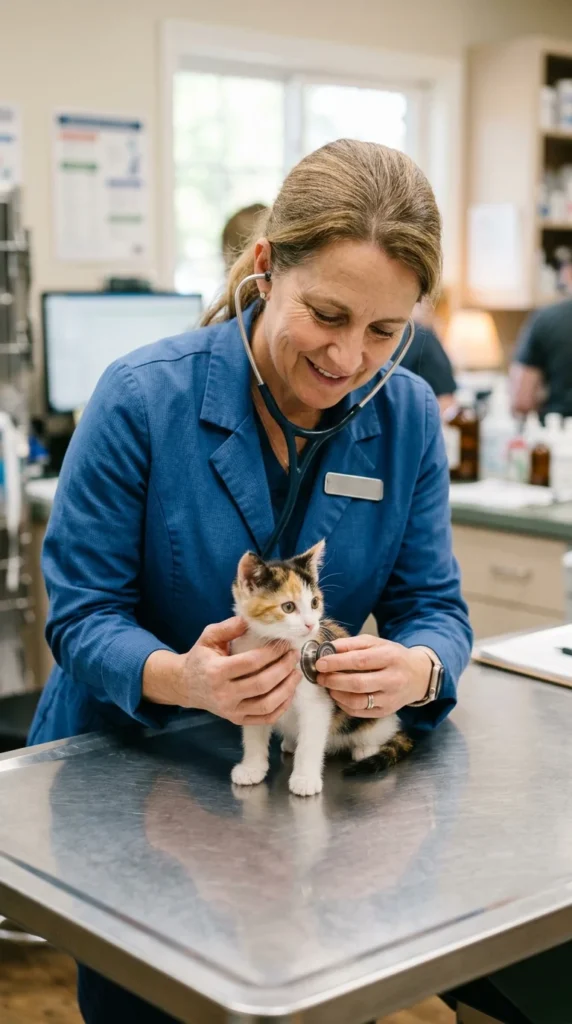
The very first stop on your journey should be a professional health assessment. A veterinarian will check for congenital issues, parasites, and overall development. This initial visit establishes a baseline for your kitten’s health and allows you to set a schedule for essential vaccinations and deworming.
2. Litter Setup

Kittens have tiny legs, so they need a litter box with low sides that are easy to climb into. Place the box in a quiet, low-traffic area where they feel safe. Avoid scented litters initially, as kittens can be sensitive to strong fragrances, and ensure you scoop the box daily to encourage good hygiene habits.
3. Kitten Food
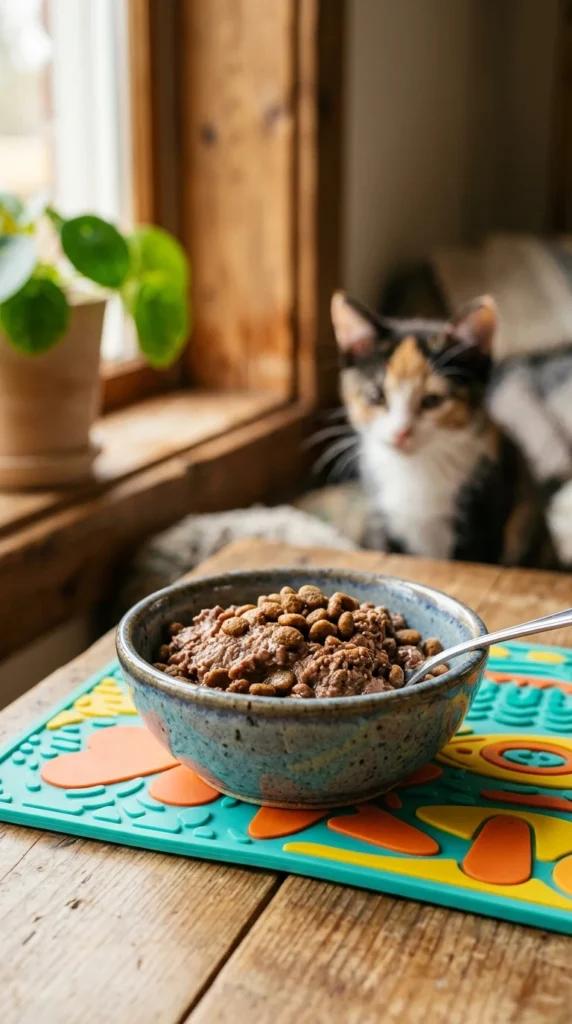
Growth requires a lot of fuel. Kittens need food specifically formulated for “growth” or “kittens,” which contains higher levels of protein, fat, and calcium than adult cat food. Feeding small, frequent meals helps maintain their blood sugar levels and supports their rapid physical development.
4. Hydration
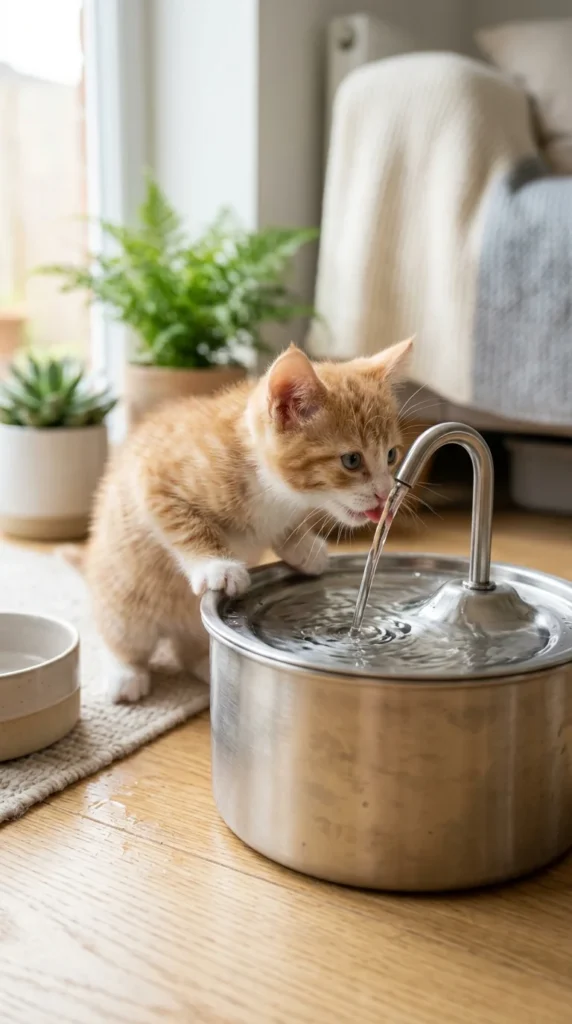
Cats are notorious for not drinking enough water. Encourage hydration by providing multiple water stations or a pet fountain. Running water is often more appealing to kittens than standing water in a bowl. Ensure the water is fresh and the bowls are cleaned daily to prevent bacteria buildup.
5. Kitten-Proofing
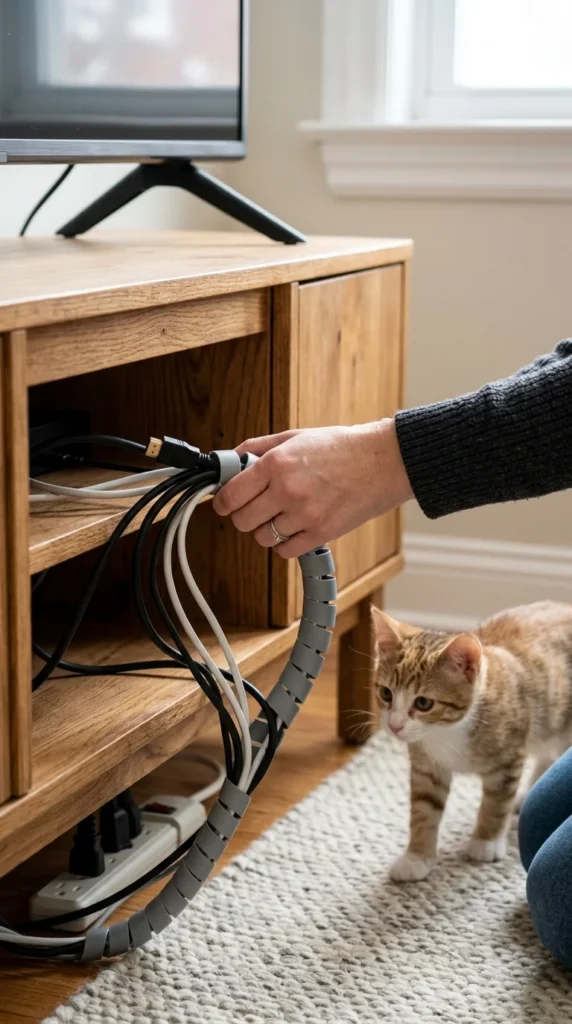
Think like a kitten: if it can be climbed, chewed, or knocked over, it will be. Secure loose wires, hide small objects like rubber bands or hair ties, and ensure heavy furniture is stable. Kittens are incredibly curious and can get into surprisingly small and dangerous gaps.
6. Scratching Posts

Scratching is a natural behavior used for marking territory and stretching muscles. Provide a variety of scratching surfaces—vertical posts and horizontal cardboard pads—to teach your kitten where it is appropriate to scratch. This protects your furniture and keeps their claws healthy.
7. Playtime

Kittens have an incredible amount of energy that needs a constructive outlet. Engage in “interactive play” using wand toys for at least 15-30 minutes a day. This mimics hunting behavior, provides exercise, and strengthens the bond between you and your new pet.
8. Grooming Habits
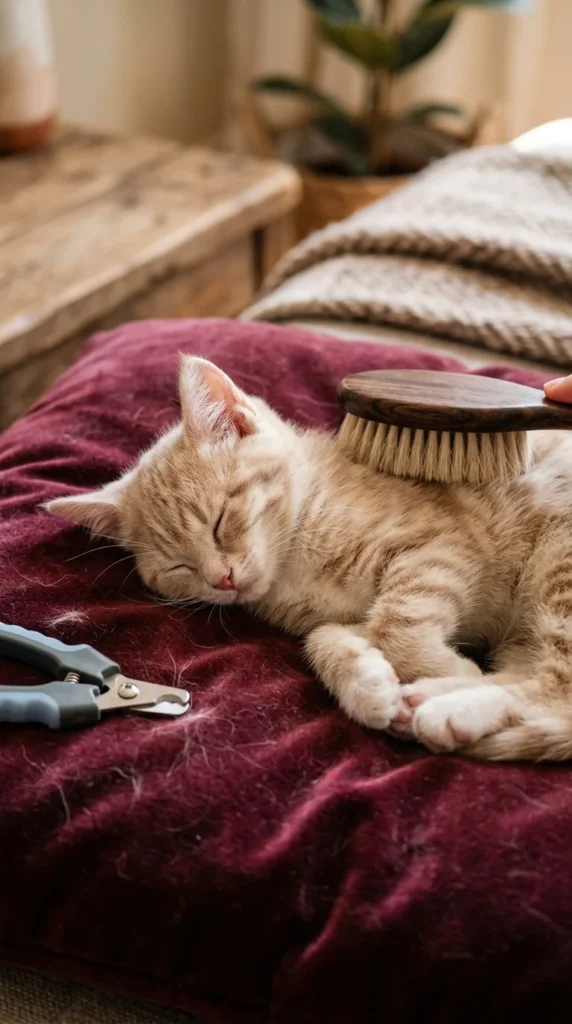
Start grooming early to get your kitten used to being handled. Brush their fur regularly to reduce shedding and prevent mats. Additionally, gently touch their paws and practice clipping just the tips of their claws so they become comfortable with the process as they grow older.
9. Identification

Even indoor kittens can be escape artists. Ensure your kitten wears a breakaway collar with an ID tag. More importantly, talk to your vet about microchipping. A microchip is a permanent form of identification that can reunite you with your pet if they ever get lost.
10. Carrier Training
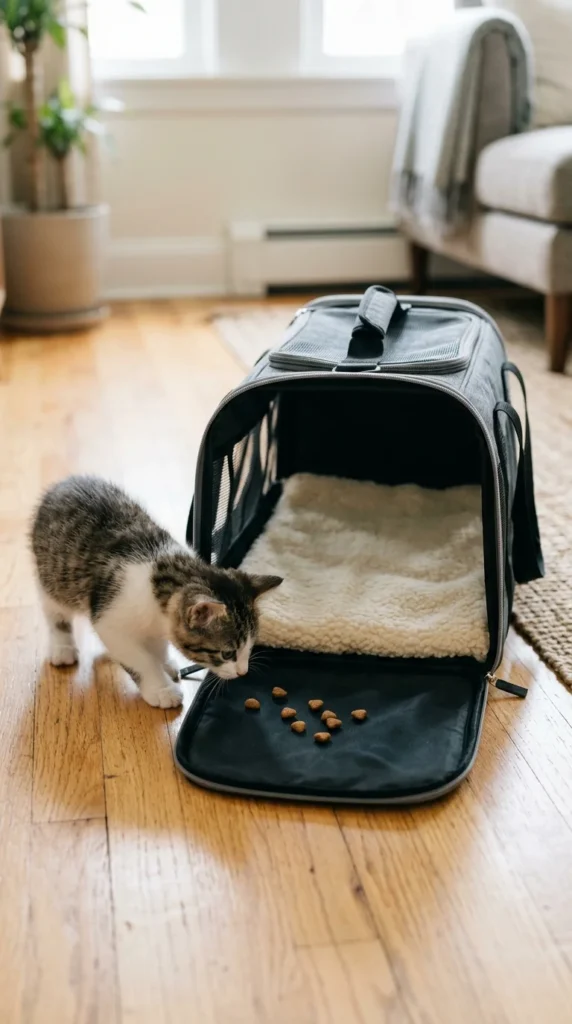
The carrier shouldn’t only appear when it’s time for a scary vet visit. Leave the carrier out in the living space with a comfy blanket inside. Toss treats or toys into it occasionally so the kitten associates the carrier with a safe, positive space rather than a stressful event.
11. Socialization

The “socialization window” for kittens is between 2 and 7 weeks, but it continues as they grow. Expose them to different sights, sounds, and people in a controlled, positive way. This helps prevent fearfulness and ensures they grow into confident, well-adjusted adults.
12. Sleeping Area
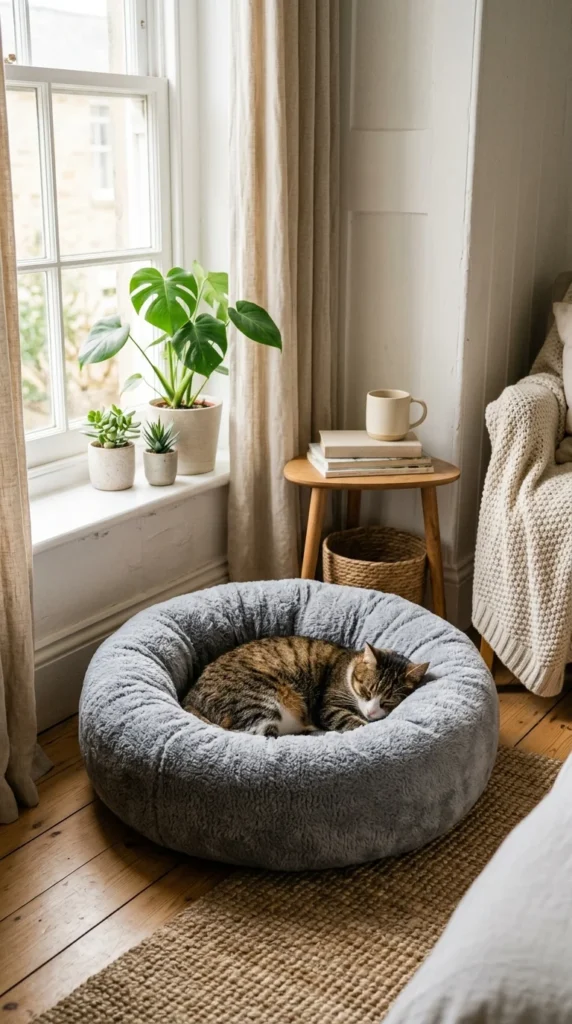
Kittens sleep a lot—up to 20 hours a day. Provide a dedicated, warm, and soft bed in a draft-free area. Having a “home base” where they can retreat for undisturbed rest is vital for their mental health and physical growth.
13. Spaying/Neutering

Most veterinarians recommend spaying or neutering around five to six months of age. This procedure prevents unwanted litters and reduces the risk of certain cancers and behavioral issues, such as roaming or spraying to mark territory.
14. Dental Care
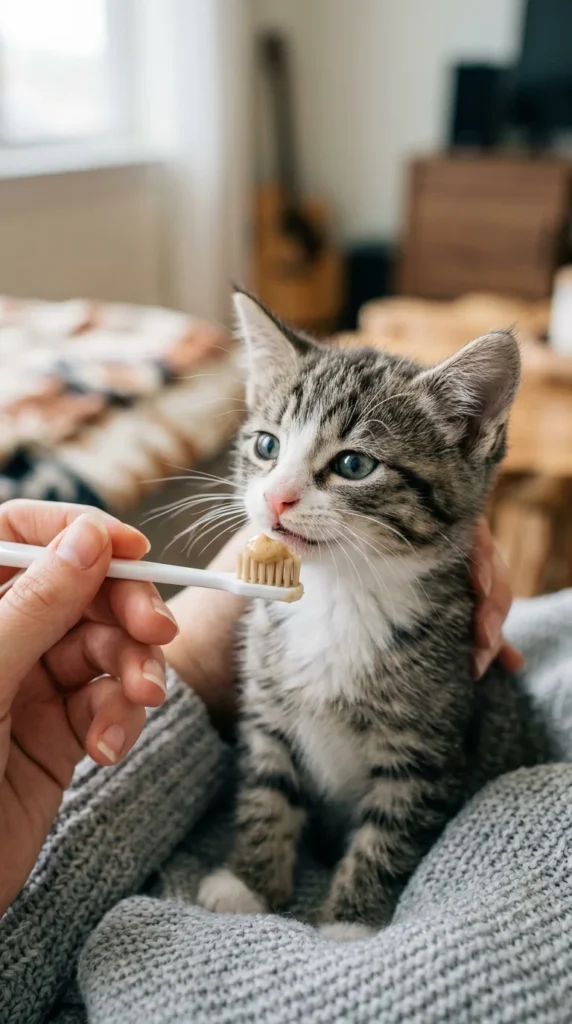
Dental disease is common in cats, so start a dental routine early. Use a kitten-safe toothbrush and toothpaste to gently clean their teeth a few times a week. Getting them used to this sensation now will save you from expensive dental cleanings and health problems later.
15. Parasite Prevention
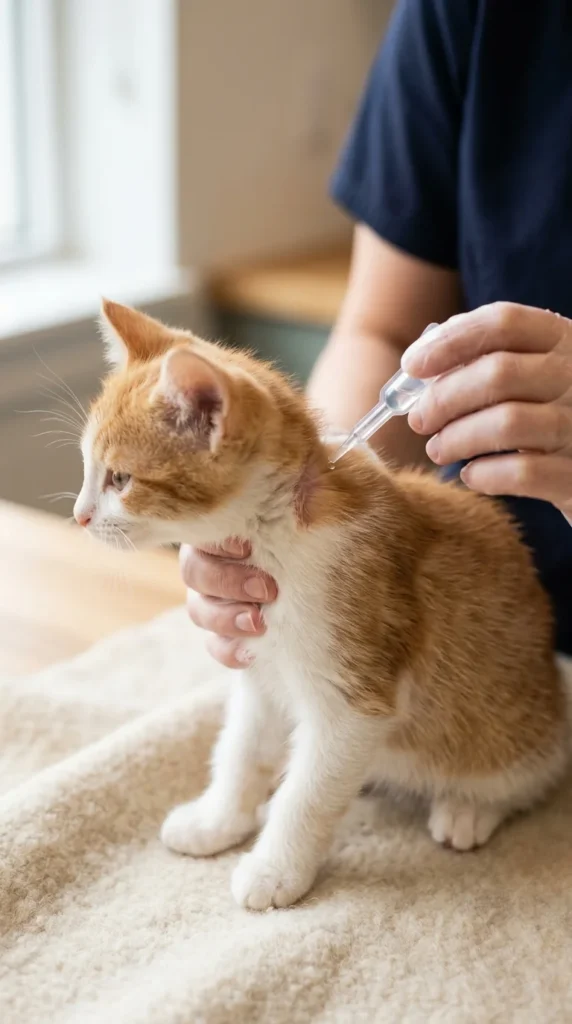
Even indoor kittens can get fleas, ticks, or heartworms brought in by other pets or humans. Consult your vet for a kitten-safe preventative treatment. Keeping them parasite-free is essential for their comfort and prevents the spread of diseases.
16. Toxic Plants

Many common household plants, like lilies, azaleas, and sago palms, are highly toxic to cats. Check your house for any dangerous greenery and replace them with cat-safe options like spider plants or cat grass, which kittens love to nibble on safely.
17. Handling

Teach everyone in the household how to pick up a kitten properly. Always support their hind legs and chest; never pick them up by the scruff of the neck or by their front legs. Gentle, secure handling builds trust and prevents accidental injury to their fragile bodies.
18. Treats

Treats are excellent for positive reinforcement training. However, they should make up no more than 10% of your kitten’s daily caloric intake. Use them to reward good behavior, like using the scratching post or staying calm during grooming.
19. Vertical Space
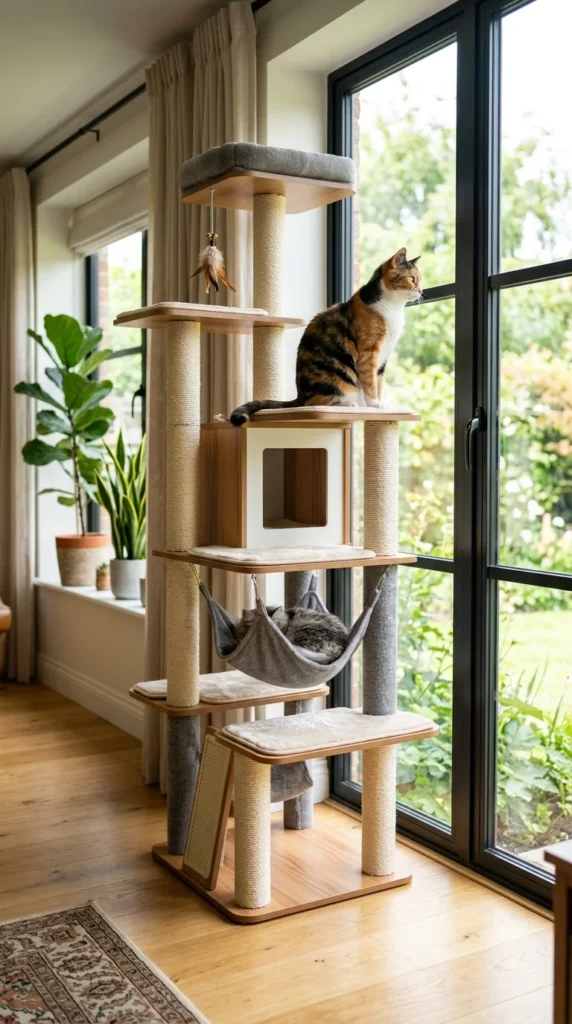
Cats love to be up high where they can observe their “kingdom.” Provide vertical space through cat trees, window perches, or wall-mounted shelves. This expands their living environment and gives them a sense of security and territory.
20. Calm Environment

A new home can be overwhelming. Avoid loud noises, shouting, or sudden movements around your kitten. Creating a peaceful atmosphere helps them feel secure and reduces the stress that can lead to behavioral issues or illness.
21. Routine

Kittens thrive on predictability. Try to feed, play with, and groom your kitten at the same times every day. A consistent routine helps them understand what to expect, which lowers anxiety and helps them settle into your household much faster.
22. Training
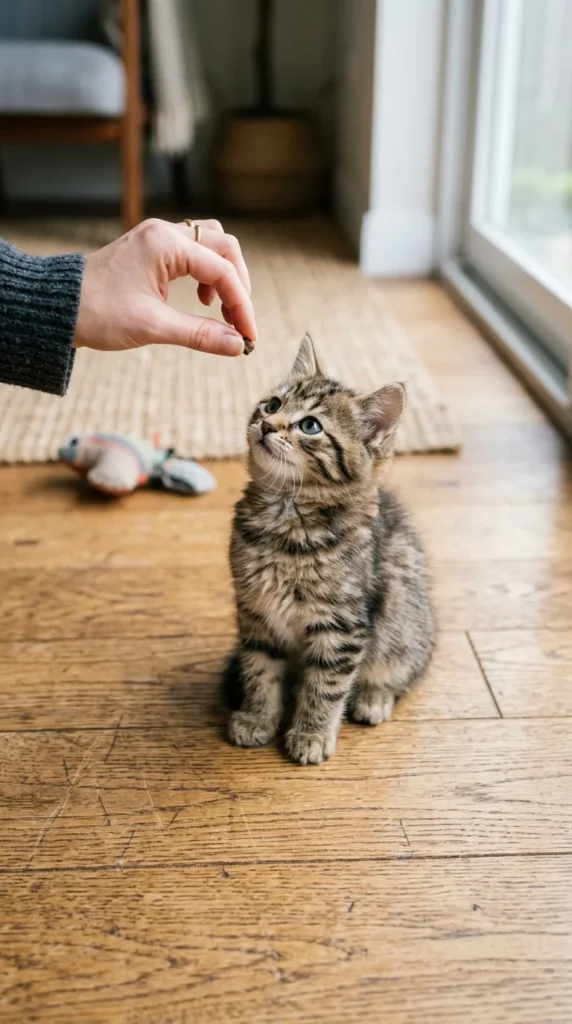
Contrary to popular belief, cats can be trained! Use positive reinforcement (treats and praise) to teach simple commands like “sit” or to come when called. Training provides mental stimulation and strengthens the communication between you and your pet.
23. Bonding

Spend quality time simply being near your kitten. Whether it’s “cuddle time” on the sofa or just sitting on the floor while they play nearby, these quiet moments are essential for building a lifelong bond of trust and affection.
24. Patience
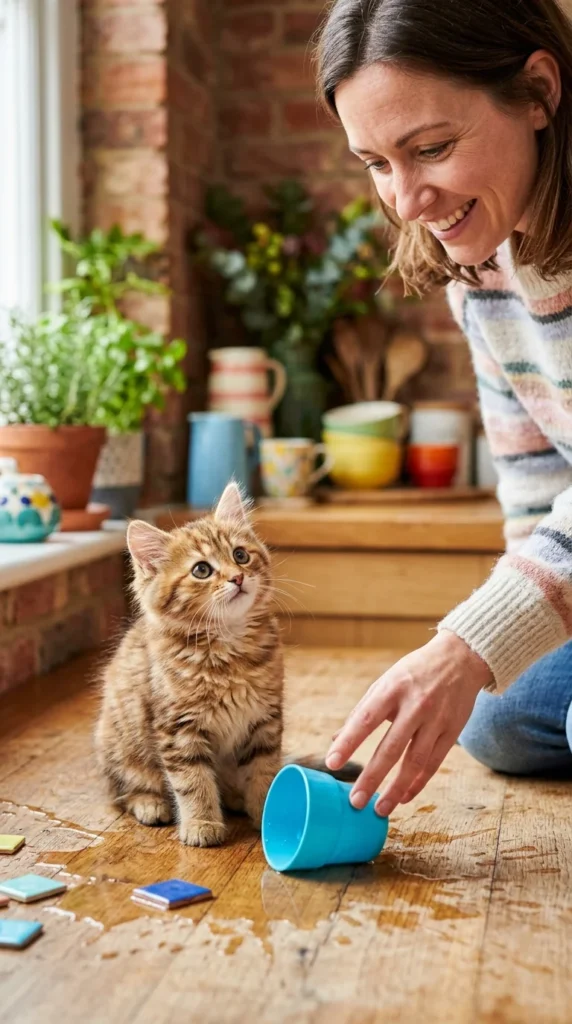
Kittens will make mistakes. They might miss the litter box, knock over a glass, or climb the curtains. It is important to never yell or use physical punishment. Instead, use redirection and patience. Remember, they are just babies learning how to navigate a big, new world.