Watching a beloved pet enter their golden years is a journey filled with both tenderness and new challenges. As our companions age, their needs shift significantly, requiring a more proactive and nuanced approach to health and wellness. Aging isn’t a disease, but it does bring about biological changes that make pets more susceptible to chronic conditions. By adjusting their environment, diet, and medical care, you can ensure that your senior pet doesn’t just “get by,” but truly thrives. Here are 22 essential tips to help your senior pet live a longer, healthier, and happier life.
1. Frequent Vet-Visits
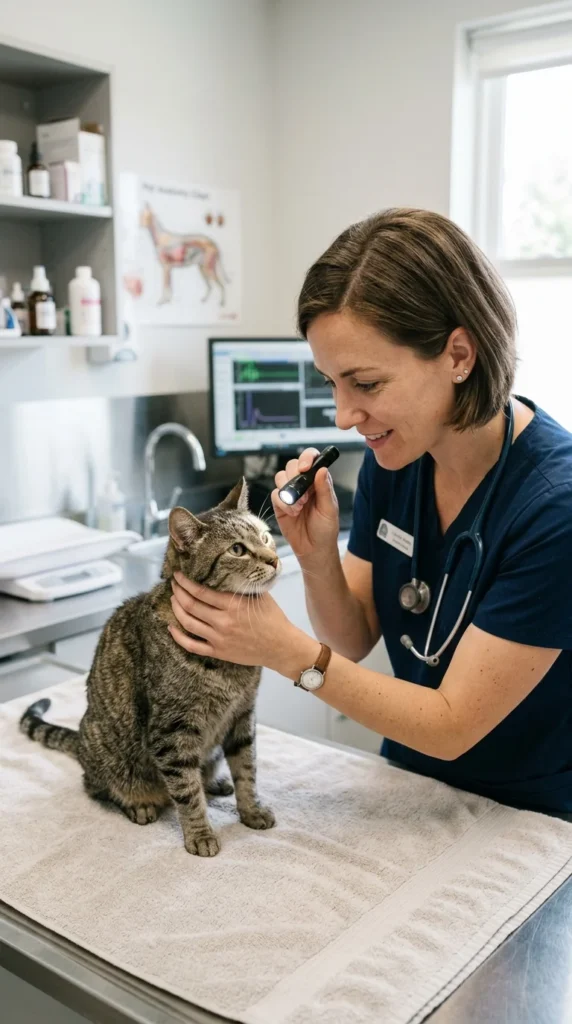
As pets age, their health can change rapidly. While annual exams are sufficient for younger animals, senior pets benefit greatly from bi-annual checkups. These twice-yearly visits allow your veterinarian to catch emerging issues like kidney disease, heart murmurs, or arthritis in their earliest stages, when they are most manageable. Early detection is the single most effective tool for extending a pet’s lifespan.
2. Specialized Nutrition
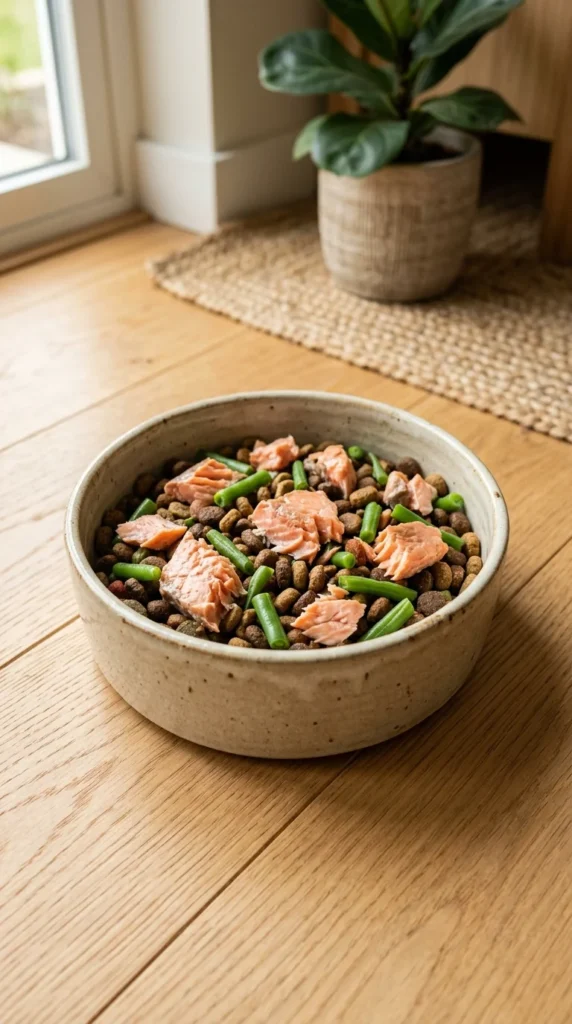
A senior pet’s metabolism slows down, and their nutritional requirements change. Older dogs and cats often need fewer calories to prevent weight gain but higher-quality, easily digestible proteins to maintain muscle mass. Look for senior-specific formulas that include antioxidants, omega fatty acids, and reduced phosphorus levels to support kidney health.
3. Joint Supplements
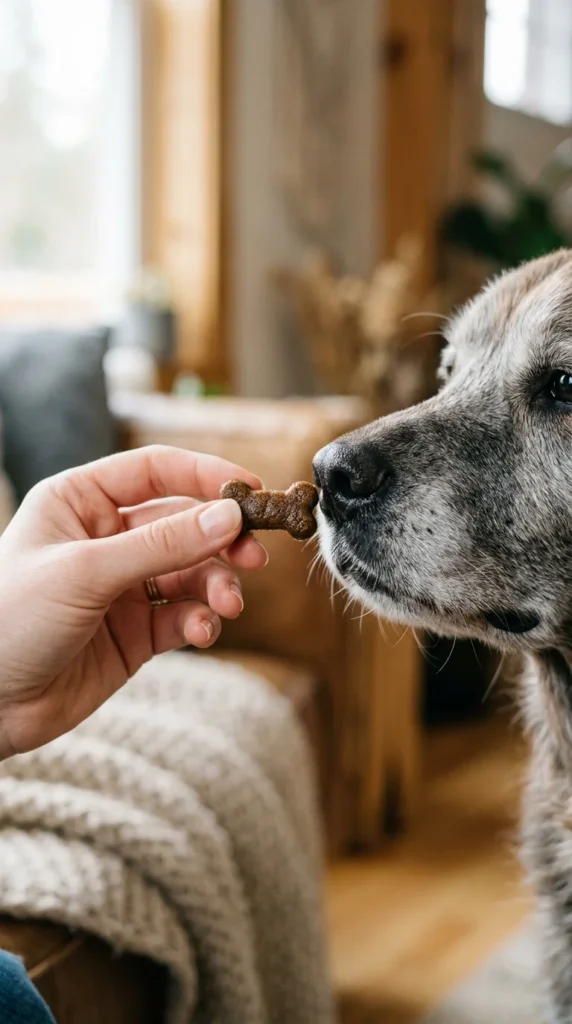
Osteoarthritis is incredibly common in aging pets. Starting your pet on joint supplements like Glucosamine, Chondroitin, and MSM before they show significant limping can preserve cartilage and reduce inflammation. Omega-3 fatty acids from fish oil are also highly effective at lubricating joints and reducing the discomfort associated with daily movement.
4. Weight Management

Obesity is the enemy of longevity. Carrying extra weight puts immense pressure on aging joints and forces the heart and lungs to work harder. Even a few extra pounds can significantly shorten a senior pet’s life. Monitor their body condition score regularly and consult your vet about caloric restriction if your pet is starting to look a bit too round.
5. Dental Hygiene
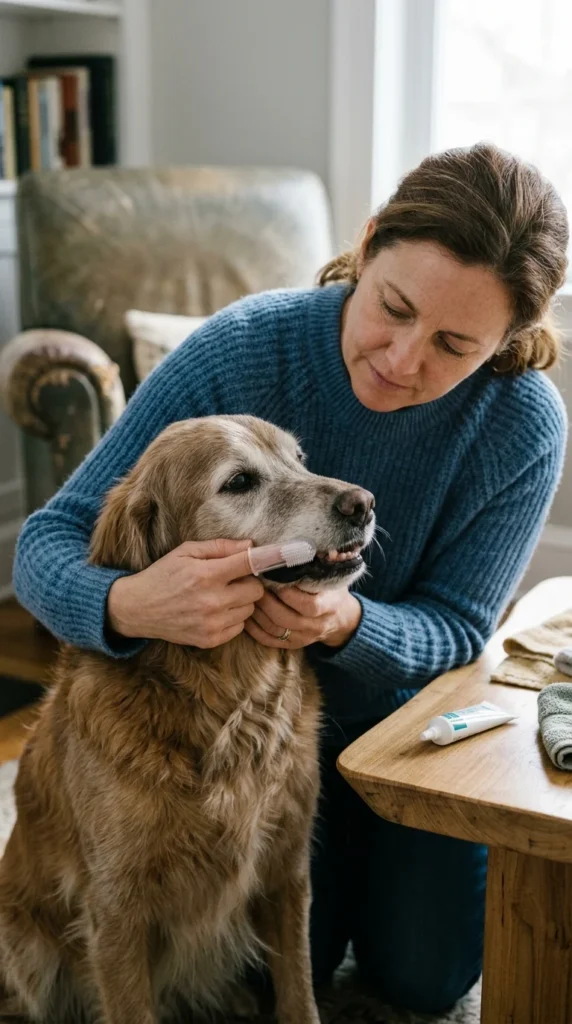
Dental disease is more than just bad breath; it is a source of chronic pain and a gateway for bacteria to enter the bloodstream, potentially damaging the heart, liver, and kidneys. Professional cleanings under anesthesia are often necessary for seniors, but daily brushing at home and dental chews can help keep plaque at bay between procedures.
6. Orthopedic Bedding

Senior pets spend a lot of time sleeping, and a thin rug or the hard floor can be painful for arthritic bones. Invest in a high-quality orthopedic memory foam bed that provides pressure-point relief. For pets with extreme mobility issues, heated beds can help soothe stiff muscles and joints, especially during colder months.
7. Blood Panels

Routine blood work is a window into your pet’s internal health. Senior panels typically include a complete blood count (CBC) and a chemistry screen to evaluate organ function. These tests can reveal the early signs of diabetes, thyroid issues, or liver disease long before your pet shows any external symptoms, allowing for life-saving interventions.
8. Moderate Exercise

“Move it or lose it” applies to pets too. While your senior dog might not be up for a five-mile run anymore, short, low-impact walks are crucial for maintaining muscle tone and joint flexibility. For cats, engage them with gentle “prey” toys or food puzzles to keep them moving. Tailor the intensity to your pet’s specific energy levels and physical limitations.
9. Mental Stimulation

Cognitive dysfunction, similar to dementia in humans, can affect aging pets. Symptoms include confusion, pacing, or changes in sleep patterns. Keep their brains sharp with “brain games,” new smells, and interactive toys. Continued social interaction and environmental enrichment can significantly slow the progression of age-related cognitive decline.
10. Home Accessibility
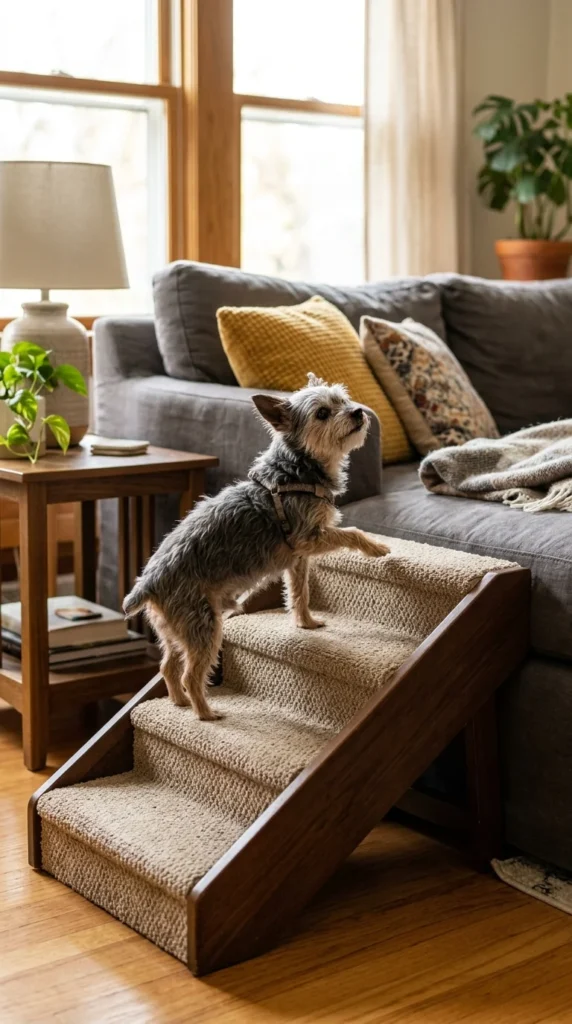
If your pet struggles to get onto the bed or into the car, it’s time to provide some help. Ramps and stairs reduce the impact on their joints and prevent injuries from jumping. Additionally, if you have hardwood or tile floors, placing non-slip rugs or yoga mats in high-traffic areas can prevent “Bambi-legs” and scary falls.
11. Lump Checks
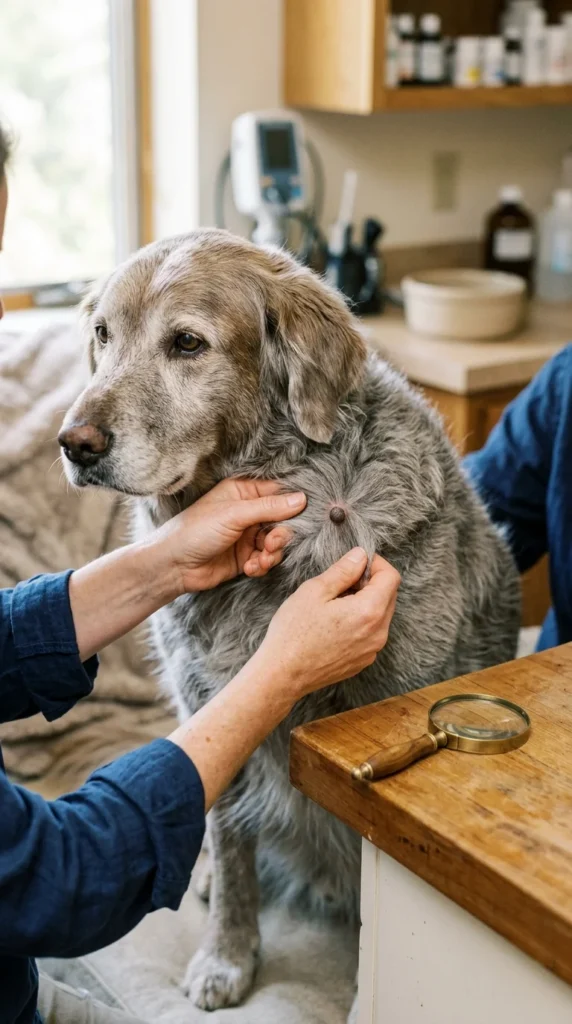
As pets age, they are more prone to developing various growths, some benign (like lipomas) and others malignant. Make it a habit to perform a “nose-to-tail” massage once a week, feeling for any new lumps, bumps, or skin changes. If you find something new or if a known lump changes size or texture, have it aspirated by a vet immediately.
12. Hydration Focus
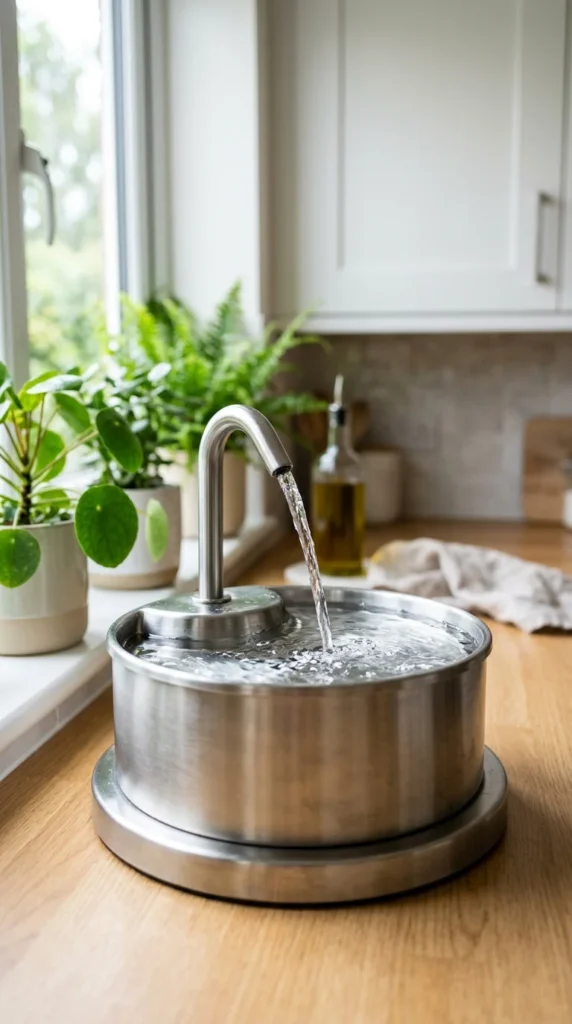
Proper hydration is vital for kidney function and digestion. Senior pets may lose their sense of thirst or find it difficult to walk to the water bowl. Ensure multiple water stations are available throughout the house. For cats, using a circulating water fountain often encourages more drinking, as they are naturally drawn to moving water.
13. Eye Health
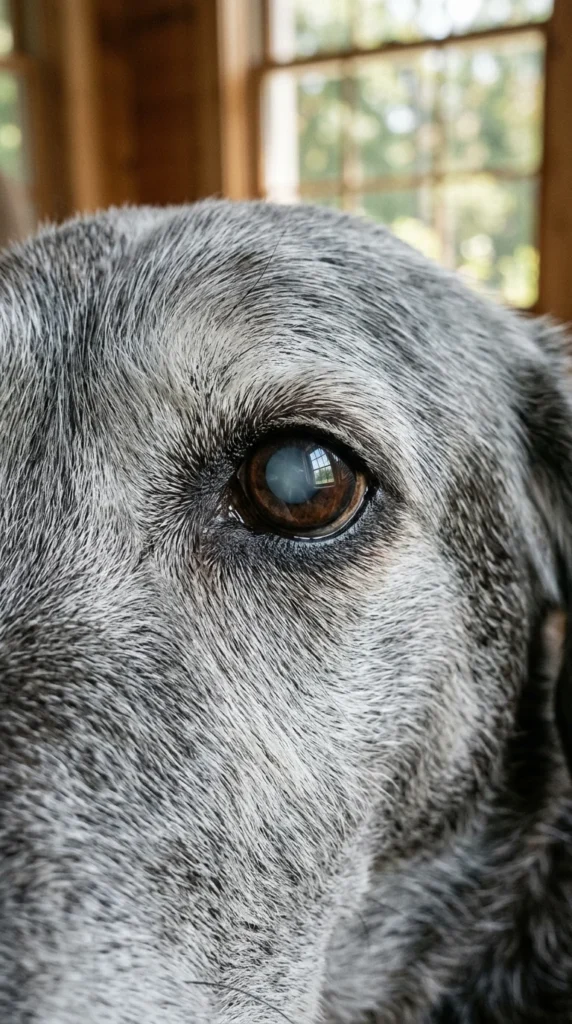
Cloudiness in the eyes can be a normal sign of aging (lenticular sclerosis) or a more serious condition like cataracts or glaucoma. Monitor for redness, squinting, or if your pet starts bumping into furniture in low light. Keeping the environment consistent—not moving furniture around—can help a pet with failing vision feel more secure.
14. Ear Care
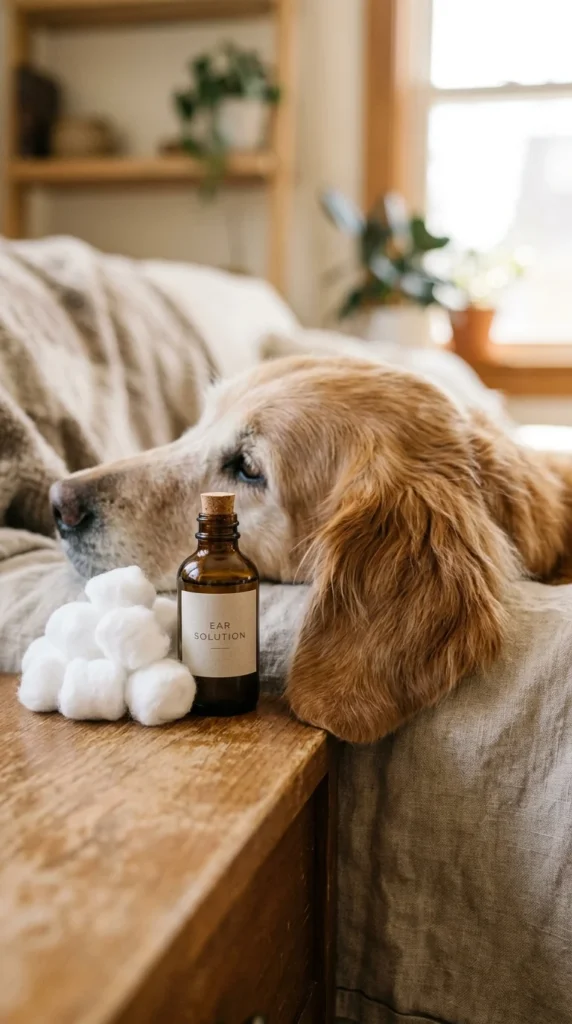
Older pets may be more susceptible to ear infections or growths in the ear canal. Check their ears weekly for any unusual odors, discharge, or redness. Clean them gently with a vet-approved solution if they appear dirty, but always be careful not to poke anything deep into the canal.
15. Temperature Regulation
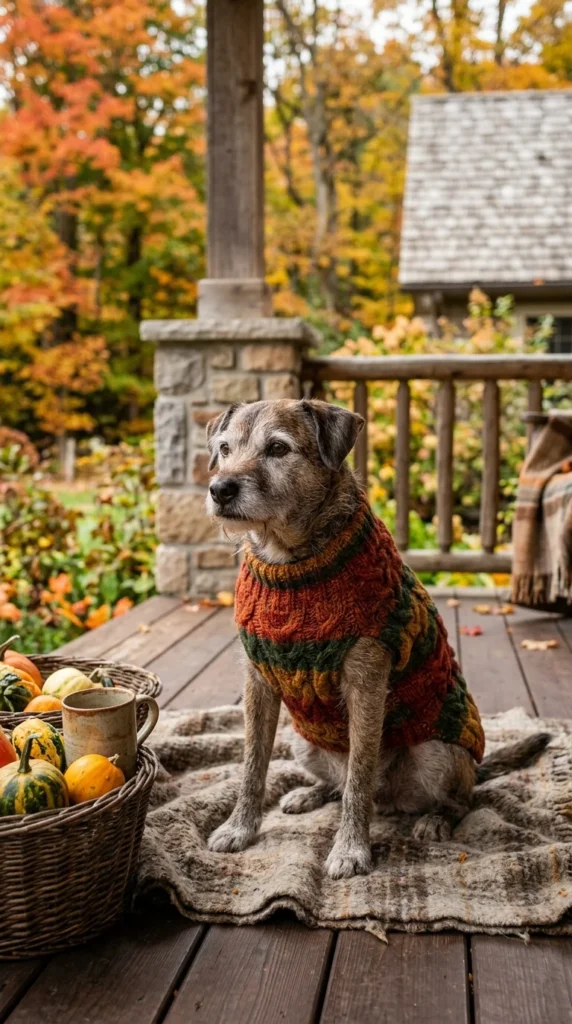
Senior pets have a harder time regulating their body temperature. They feel the cold more intensely and are more prone to heatstroke in the summer. During winter, provide sweaters for short-haired breeds and keep them indoors. In the summer, ensure they have access to air conditioning and never leave them in a hot car, even for a minute.
16. Grooming Habits
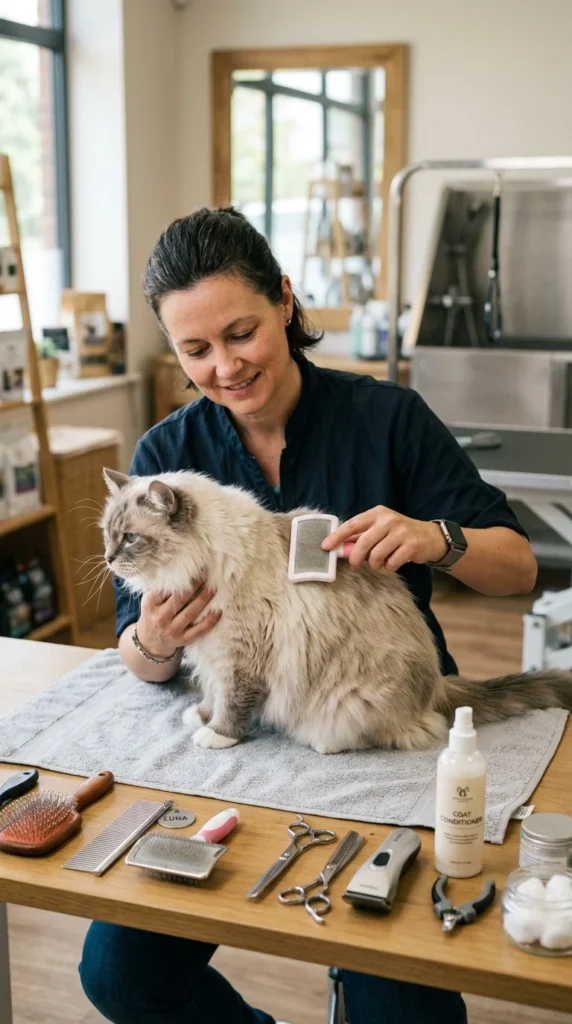
Self-grooming often becomes difficult for senior cats due to arthritis, leading to matted fur and skin infections. Senior dogs may develop thickened paw pads or brittle nails. Regular grooming sessions are not just about aesthetics; they allow you to check for parasites, skin issues, and ensure their coat remains clean and comfortable.
17. Heart Monitoring
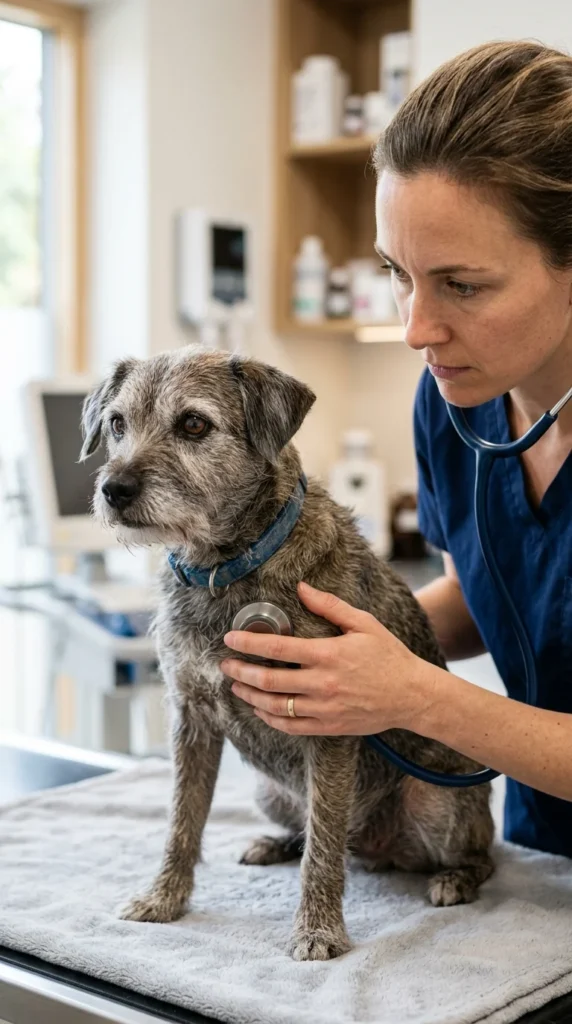
Heart disease is a common ailment in older animals. Be on the lookout for a persistent cough (especially at night), exercise intolerance, or fainting spells. Early intervention with cardiac medications can significantly improve quality of life and longevity for pets with heart murmurs or congestive heart failure.
18. Fiber Supplementation

Digestion can slow down in older pets, leading to constipation. Adding a bit of fiber to their diet, such as a tablespoon of plain canned pumpkin (not pie filling) or a vet-recommended fiber supplement, can keep their bowel movements regular and comfortable.
19. Anxiety Management

Aging can bring about new anxieties, often linked to declining senses or cognitive changes. Senior pets may become more clingy or distressed by loud noises. Using calming pheromone diffusers, thunder-shirts, or even prescription anti-anxiety medications can help keep your pet’s stress levels low and their golden years peaceful.
20. Paws and Claws
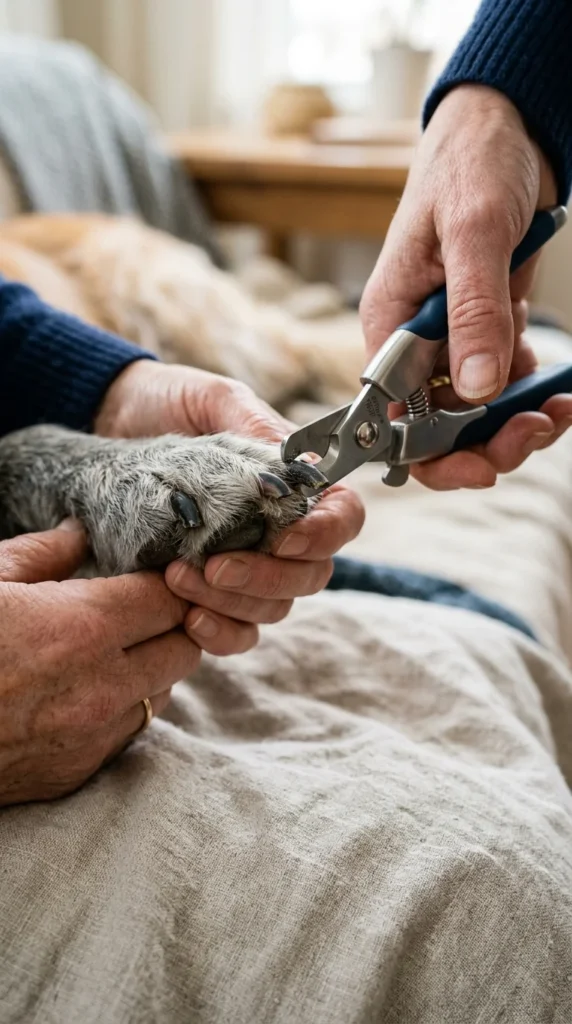
Senior pets often don’t wear down their nails as fast as they used to because they are less active. Long nails can shift the way a pet walks, causing pain in the toes and legs. Keep their nails trimmed short. Also, check for “hyperkeratosis,” a thickening of the skin on the nose or paw pads, which can be treated with soothing balms.
21. Quality Time

More than anything, your senior pet wants to be near you. Their energy might be lower, and they may not play like they used to, but the emotional bond is stronger than ever. Spend quiet time together—whether it’s grooming, a slow stroll, or just sitting together on the floor. This emotional support is vital for their overall well-being.
22. Palliative Care

Understanding when your pet’s quality of life has declined is the most difficult part of being a pet owner. Discuss palliative and hospice care options with your vet. Focus on pain management and keeping them comfortable for as long as possible. Making the hard decisions with love and dignity is the final, most profound gift you can give your lifelong friend.