

Adopting a pet is one of the most rewarding experiences a human can have. It is a journey of companionship, laughter, and unconditional love. However, bringing a new life into your home is also a massive responsibility that requires careful planning and a realistic mindset. Whether you are a first-time owner or a seasoned animal lover, these 25 essential tips will help you navigate the process of finding your perfect companion and ensuring a smooth transition into your family.
1. Lifestyle Check

Before you even browse a shelter’s website, take a hard look at your daily routine. Are you a marathon runner looking for a jogging buddy, or do you prefer quiet evenings on the couch? Different animals require different levels of activity. Adopting a high-energy dog when you work ten-hour days and prefer indoor hobbies will lead to frustration for both you and the pet. Be honest about how much time you can realistically dedicate to exercise and play.
2. Budgeting Basics

The adoption fee is just the beginning. You need to account for monthly expenses like premium food, treats, and litter, as well as recurring costs like annual vet exams, vaccinations, and flea/tick prevention. Don’t forget the one-time “startup” costs: crates, beds, scratching posts, and grooming tools. Having a dedicated “pet fund” can prevent financial stress when unexpected needs arise.
3. Breed Research

While every animal is an individual, genetics play a significant role in temperament and needs. Some breeds are prone to specific health issues, while others have high grooming requirements or intense prey drives. Researching the typical traits of the breeds you are interested in helps you understand what to expect. If you are adopting a “mutt” or a mixed breed, look at the dominant physical characteristics to get a clue about their lineage.
4. Allergic Reactions

It is heartbreaking to bring a pet home only to realize a family member has a severe allergy. Before adopting, spend time around the specific type of animal you want. Visit a friend with a similar pet or spend time volunteering at a shelter. If allergies are a concern, look into “hypoallergenic” breeds, though keep in mind that no animal is 100% allergen-free.
5. Time Commitment

Pets aren’t just a weekend hobby; they are a 10-to-20-year commitment. Dogs need multiple walks a day, cats need interactive play to prevent boredom, and even small animals like rabbits or guinea pigs require daily cage cleaning and social interaction. Consider where you will be in five or ten years—will you still be able to provide the same level of care?
6. Home Prep

“Pet-proofing” is essential for safety. Hide electrical cords, remove toxic houseplants (like lilies for cats), and ensure that trash cans have secure lids. If you are adopting a dog, check your fence for gaps or low spots. Creating a safe, contained environment before the pet arrives reduces the risk of accidents and helps the animal feel secure.
7. Shelter Selection

Not all shelters and rescues are the same. Some specialize in specific breeds, while others focus on senior animals or special needs cases. Visit a few different locations to see how the animals are cared for and how much information the staff can provide about their residents. Reputable organizations will be more interested in finding the right home than just “moving” an animal.
8. Age Matters

Puppies and kittens are adorable, but they require immense amounts of training, socialization, and supervision. If you have a busy schedule, a senior pet might be a better fit. Older animals are often already house-trained, have established personalities, and are happy with a more relaxed pace of life.
9. Vet Search

Don’t wait until your pet is sick to find a veterinarian. Research local clinics, read reviews, and ask friends for recommendations. It is a good idea to schedule a “wellness check” within the first week of adoption. This establishes a baseline for your pet’s health and allows you to discuss any concerns with a professional early on.
10. Pet Insurance

Veterinary emergencies can cost thousands of dollars. Pet insurance can provide peace of mind by covering a portion of the costs for accidents, illnesses, or surgeries. Compare different plans to see what they cover (and what they exclude, like pre-existing conditions) to find a monthly premium that fits your budget.
11. Ask Questions

When you meet a potential pet, grill the shelter staff. Ask about the animal’s history: Why were they surrendered? Do they get along with other pets? How do they react to children? Are they house-trained? The more information you have, the better you can prepare for their specific needs.
12. Meet-and-Greet
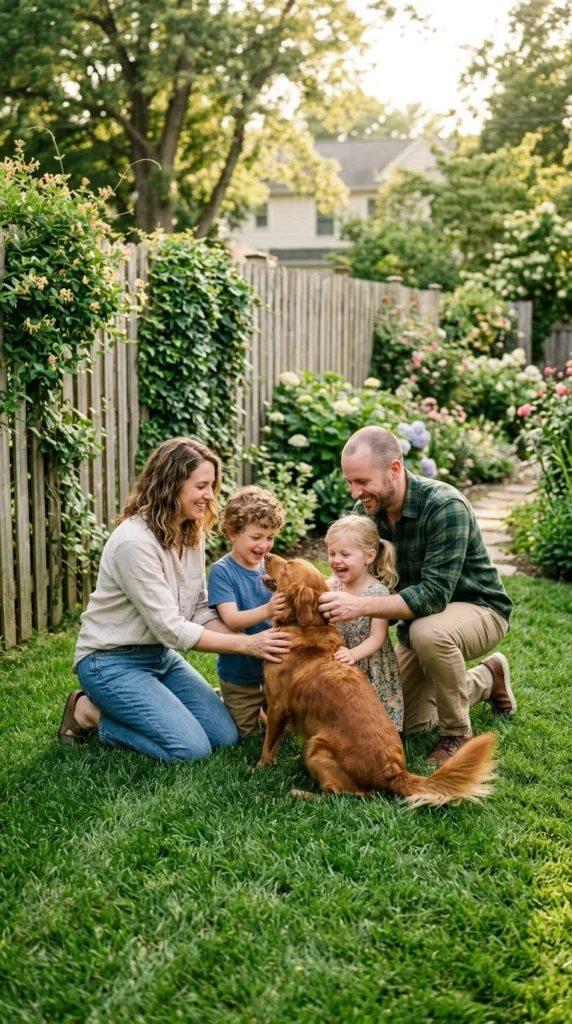
If you already have a dog, a “meet-and-greet” at the shelter is mandatory. Most rescues will help facilitate a neutral introduction to ensure the two animals are compatible. If you have children, bring them along to see how the pet reacts to their energy and movements.
13. Paperwork Review

Before finalizing the adoption, review all medical records. Ensure the pet is up-to-date on core vaccinations (like rabies and distemper) and has been tested for heartworm or FeLV/FIV. Check if the pet has been spayed or neutered, as this is often included in the adoption fee.
14. Adoption Fees
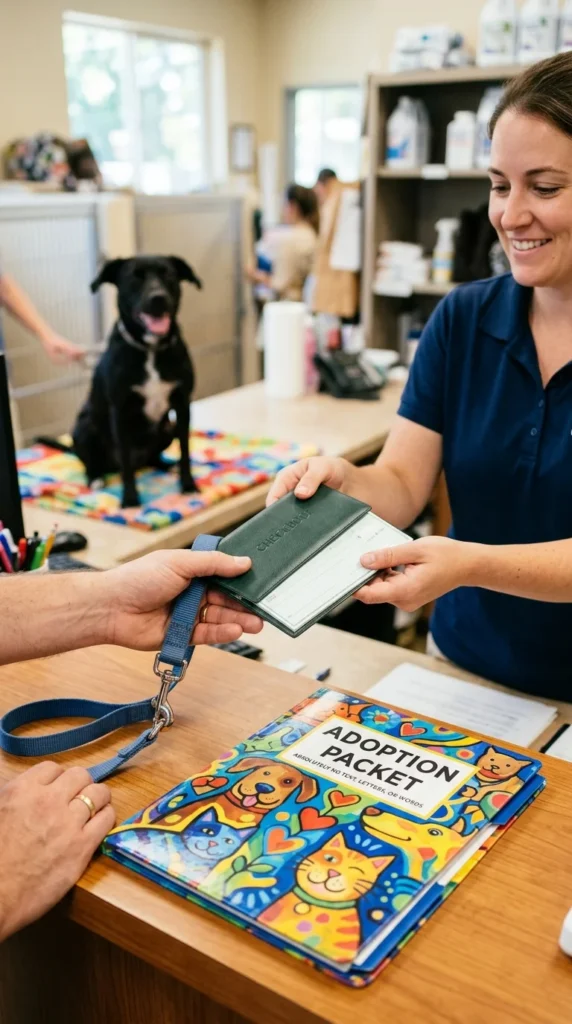
Understand that adoption fees go toward the care of all animals in the shelter, not just the one you are taking home. These fees usually cover the cost of food, medical care, and housing during the pet’s stay. Think of it as a contribution to the mission of saving lives.
15. Trial Periods

Some rescues offer a “foster-to-adopt” program or a trial period. This allows you to see how the pet behaves in your home environment before making a final commitment. This is especially helpful for animals that might be stressed in a shelter environment and aren’t showing their true personalities.
16. The 3-3-3 Rule
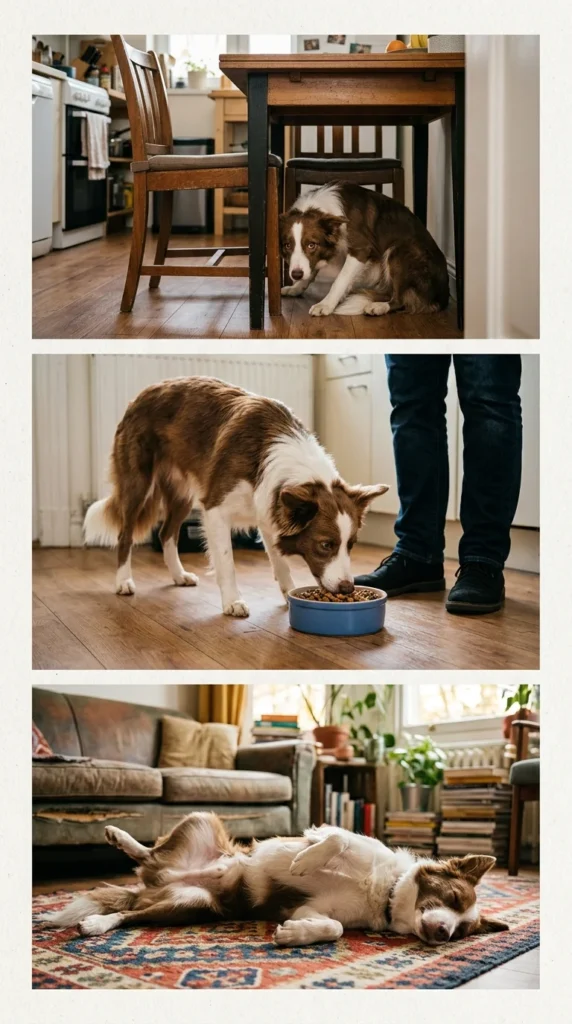
Remember the 3-3-3 rule: It takes three days for a pet to decompress, three weeks to learn your routine, and three months to truly feel at home. Be patient during these phases. Your pet may have accidents or hide during the first few days; this is a normal part of the adjustment process.
17. Safe Space
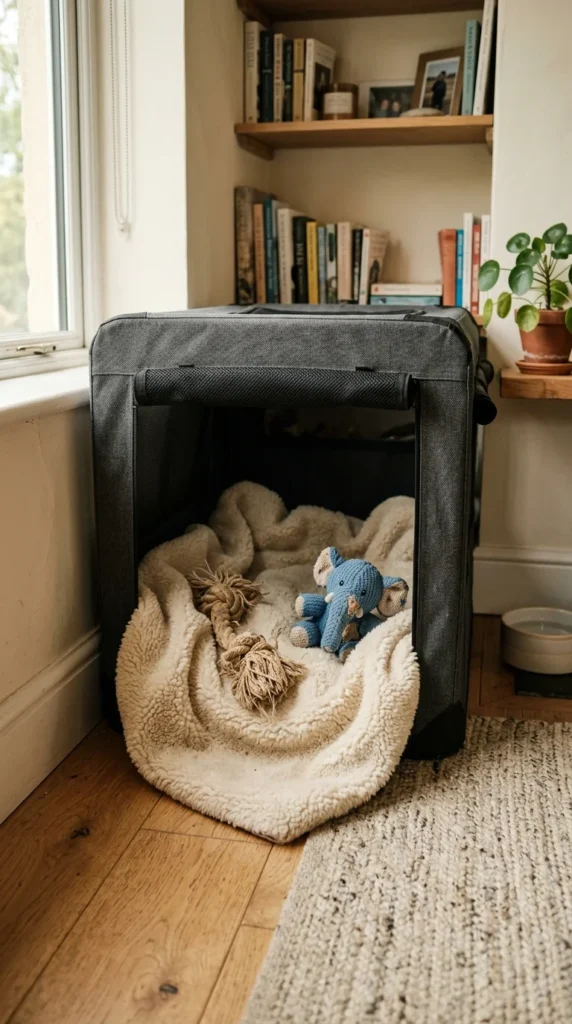
Every new pet needs a “sanctuary”—a quiet place they can go when they feel overwhelmed. This could be a crate, a specific room, or a screened-off corner. Respect this space; if the pet goes there, leave them alone to rest and recharge.
18. Routine Building

Consistency is key to a pet’s security. Set a schedule for feeding, walking, and bedtime immediately. Animals thrive when they know what to expect. A predictable routine helps reduce anxiety and speeds up the house-training process.
19. Positive Reinforcement

Avoid punishment-based training. Instead, use positive reinforcement—rewarding the behaviors you want to see with treats, praise, or play. This builds a bond of trust between you and your pet and makes learning fun for them. Consider enrolling in a basic manners class to get off on the right foot.
20. Microchipping

Collars can break and tags can fall off. A microchip is a permanent form of identification that is implanted under the pet’s skin. If your pet ever gets lost and is taken to a vet or shelter, they can be scanned, and you will be contacted. Ensure you register the chip with your current contact information.
21. Mental Stimulation

Physical exercise isn’t enough; pets need to use their brains, too. Interactive toys, puzzle feeders, and training sessions keep their minds sharp and prevent destructive behaviors caused by boredom. For cats, vertical space like cat trees and “catio” enclosures provide vital mental engagement.
22. Socialization

Socialization is the process of exposing your pet to new people, animals, and environments in a controlled, positive way. This is crucial for developing a confident, well-adjusted adult animal. However, go at your pet’s pace—don’t force a shy dog into a crowded dog park on day one.
23. Grooming Needs

Regular grooming is about more than just looking good; it’s about health. Brushing prevents painful matting, nail trims prevent joint issues, and ear cleaning prevents infections. Start handling your pet’s paws and ears early so they become comfortable with the grooming process.
24. Patience

Transformation doesn’t happen overnight. Some pets have lived through trauma or have spent a long time in the shelter system. They may have “baggage” that requires extra time and compassion to work through. Celebrate the small victories, like the first time they wag their tail or the first time they purr in your lap.
25. Unconditional Love
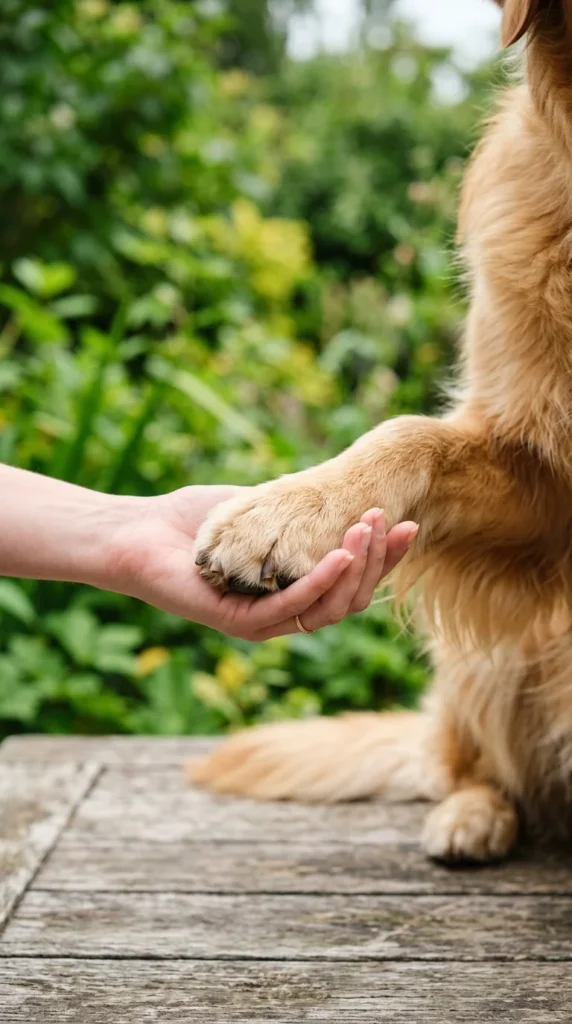
The final and most important tip is to enjoy the bond. Your new pet doesn’t care if your house is perfectly clean or if you had a bad day at work. They offer a level of devotion that is truly life-changing. By following these tips, you are setting the stage for a lifetime of joy and a friendship that will leave a permanent mark on your heart.