

Bringing a chinchilla into your home is like inviting a tiny, soft cloud with a big personality to live with you. These high-energy rodents from the Andes Mountains are charming, intelligent, and can live for up to 20 years. However, they have very specific needs that differ significantly from those of hamsters or guinea pigs. To ensure your new companion thrives, here are 23 essential care tips every owner needs to master.
1. Vertical Cages
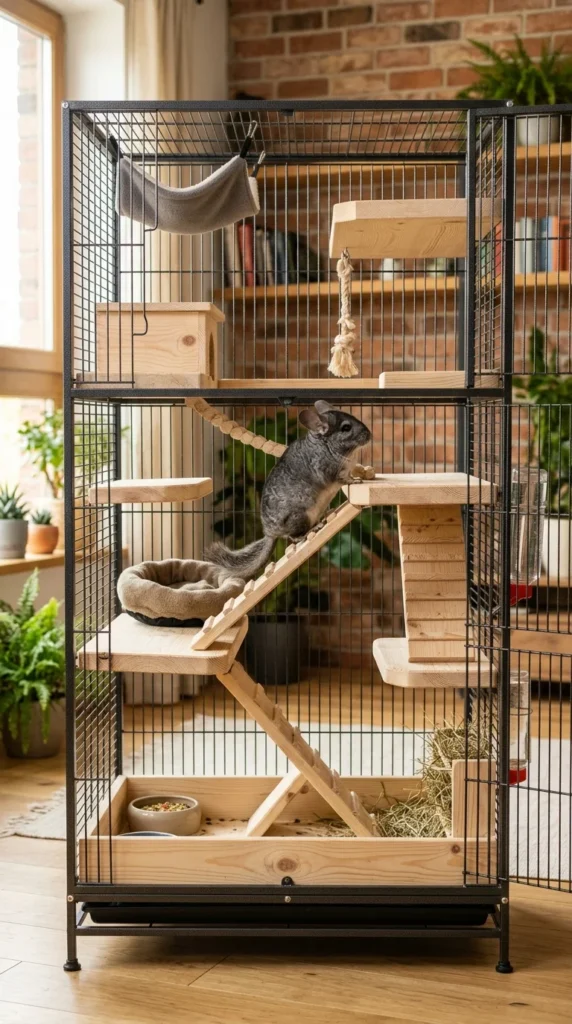
Chinchillas are natural climbers and jumpers. Unlike many other rodents that prefer floor space, chinchillas need vertical height. Invest in a tall, multi-level cage that allows them to leap from platform to platform. This mimics their natural rocky habitat and provides the necessary exercise to keep their muscles toned and their minds engaged.
2. Temperature Control
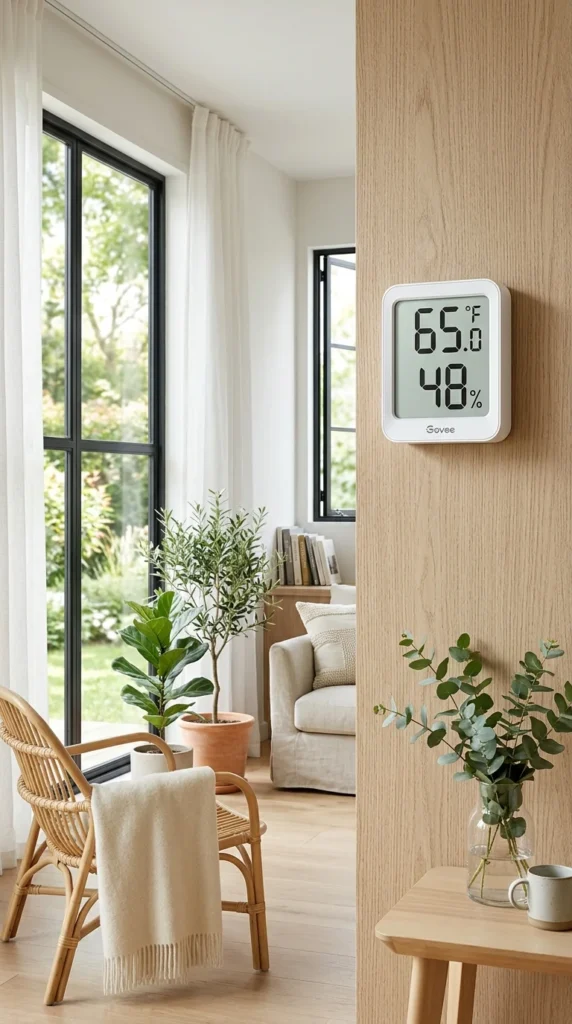
Heat is the number one silent killer of chinchillas. Their fur is so dense—up to 80 hairs per follicle—that they cannot sweat or pant effectively. Keep their room between 60°F and 70°F (15°C–21°C). If the temperature rises above 75°F, they are at high risk for heatstroke. Always have an air conditioner or a “cooling stone” (marble or granite) available during summer.
3. Dust Baths
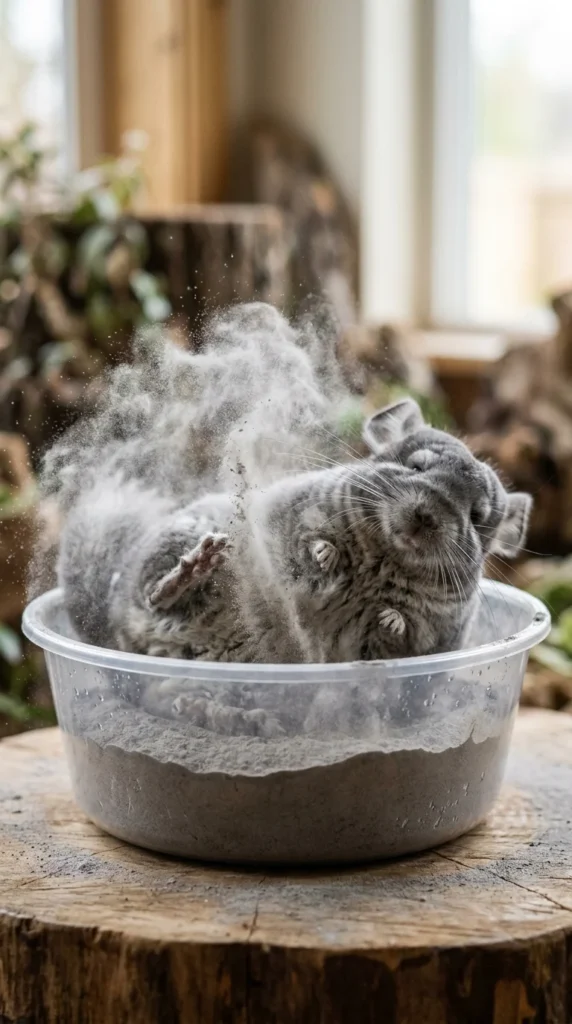
Never, ever wash your chinchilla with water. Their fur is so thick that it takes forever to dry, which can lead to fungal growth on the skin or even pneumonia. Instead, provide a dust bath two to three times a week using specialized volcanic ash. This absorbs oils and keeps their coat silky and clean.
4. Timothy Hay
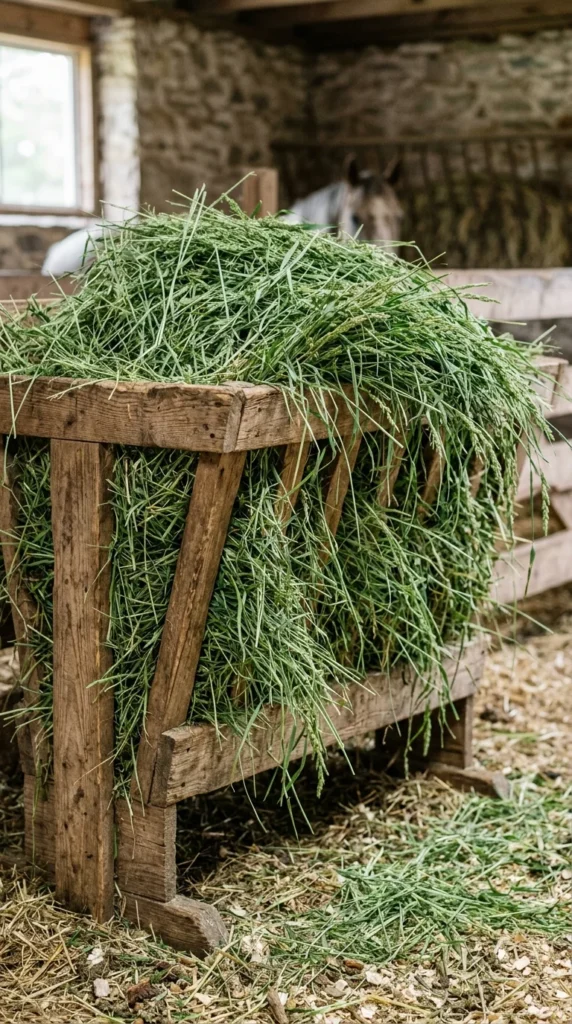
About 80% of a chinchilla’s diet should consist of high-quality Timothy hay. It provides the essential fiber needed for a healthy digestive system and helps wear down their teeth, which never stop growing. Ensure they have an unlimited supply of fresh hay available 24/7.
5. Dental Care
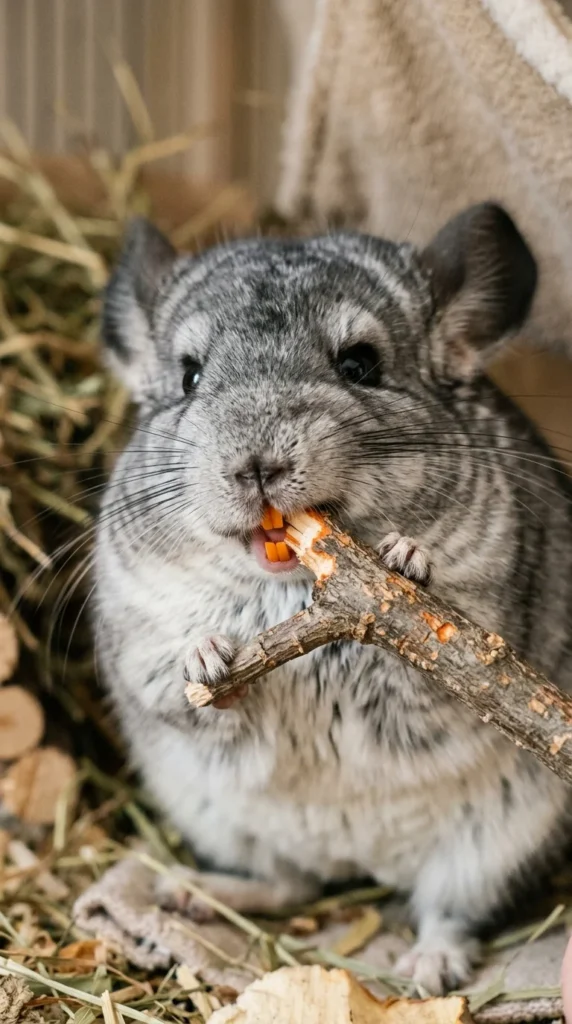
A chinchilla’s teeth grow continuously throughout its life. If they aren’t worn down, they can develop painful malocclusion. Provide plenty of safe wooden toys, pumice stones, and hay to keep their teeth at a healthy length. Healthy chinchilla teeth should actually be orange, not white!
6. Solid Flooring
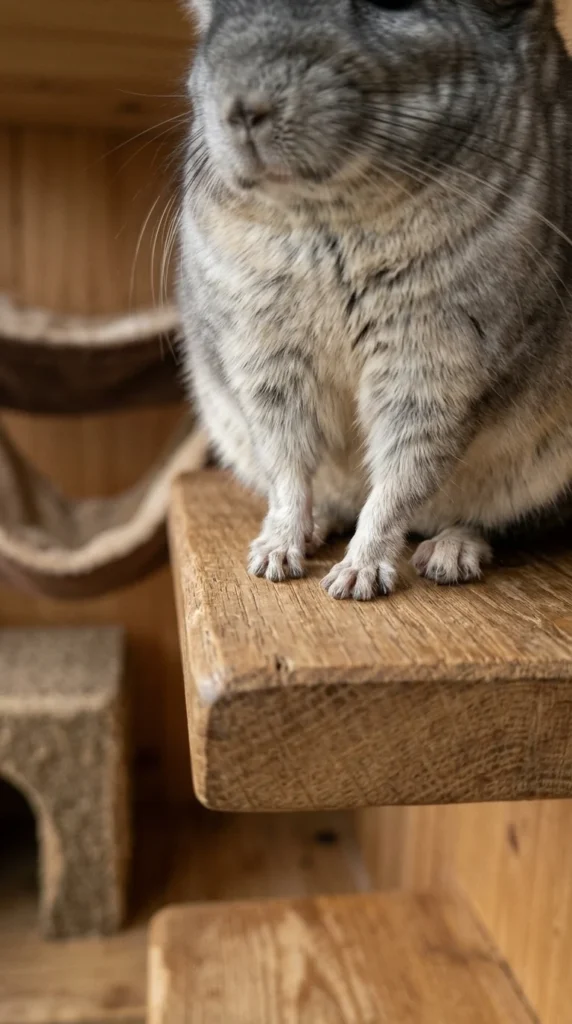
While wire cages are great for ventilation, the floors and ramps should be solid. Walking on wire mesh all day can cause “bumblefoot” (ulcerative pododermatitis), which is a painful infection of the footpads. If your cage has wire floors, cover them with fleece liners or kiln-dried pine boards.
7. Quality Pellets

Choose a high-quality, pellet-only food specifically formulated for chinchillas. Avoid “gourmet” mixes that contain seeds, nuts, corn, or dried fruit. These extras are high in fat and sugar, which can lead to fatty liver disease and obesity. Chinchillas are “selective feeders” and will pick out the junk while ignoring the nutritious pellets.
8. No Sugar
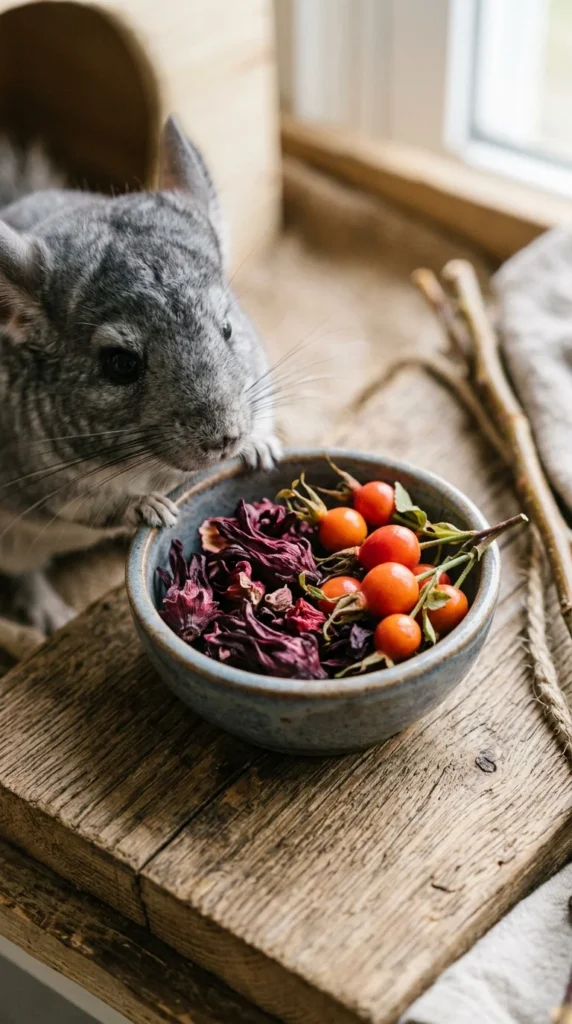
Chinchillas have very sensitive digestive systems and cannot process sugar well. Avoid feeding them fresh fruits, vegetables, or sugary store-bought treats. Instead, offer safe alternatives like dried rose hips, crushed plain oats, or organic dried hibiscus flowers in very small quantities.
9. Glass Water Bottles
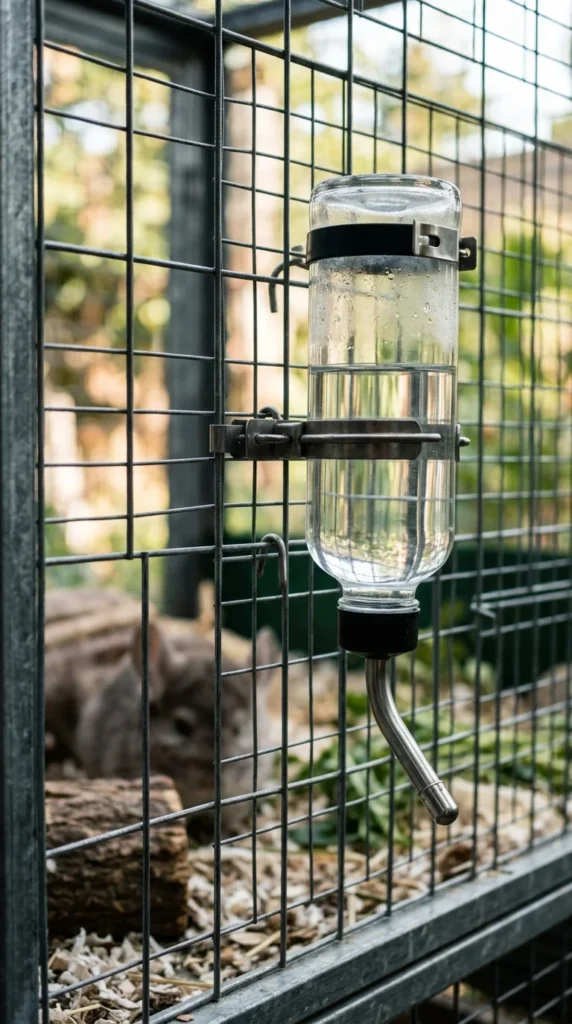
Chinchillas are notorious chewers. A plastic water bottle inside the cage will likely be shredded within days. Use a glass water bottle with a metal spout. Glass is easier to sanitize, doesn’t leach chemicals, and is “chinchilla-proof.” Ensure the water is changed daily and filtered if your tap water has high mineral content.
10. Safe Woods

Not all wood is safe for chinchillas. Many evergreen woods contain resins that are toxic. Stick to safe options like apple, willow, pear, and kiln-dried pine. Avoid cherry, cedar, and any wood from “stone fruit” trees. Always ensure the wood is pesticide-free and has been properly cleaned and dried.
11. Hidey Holes
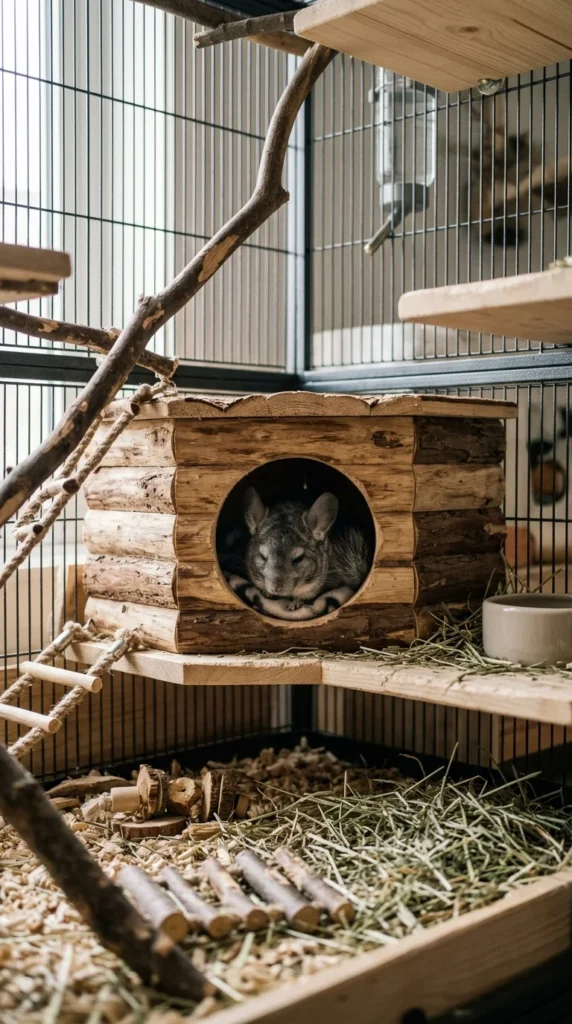
As prey animals, chinchillas need a place where they feel completely safe. Provide at least one “hidey house” per chinchilla in the cage. Wooden houses are best because they double as a safe chew toy. This gives them a retreat to sleep in during the day away from bright lights and noise.
12. Crepuscular Habits
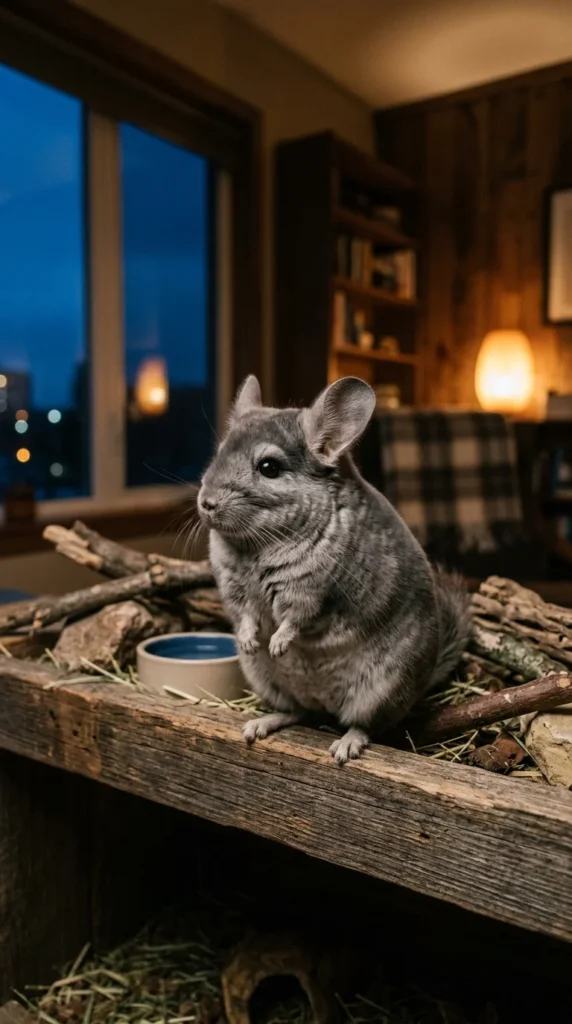
Chinchillas are crepuscular, meaning they are most active at dawn and dusk. They will likely sleep for most of the day. Respect their sleep schedule and try to interact with them in the evening. If you have children, teach them not to wake the chinchilla during the day, as this can lead to stress and irritability.
13. Proper Handling
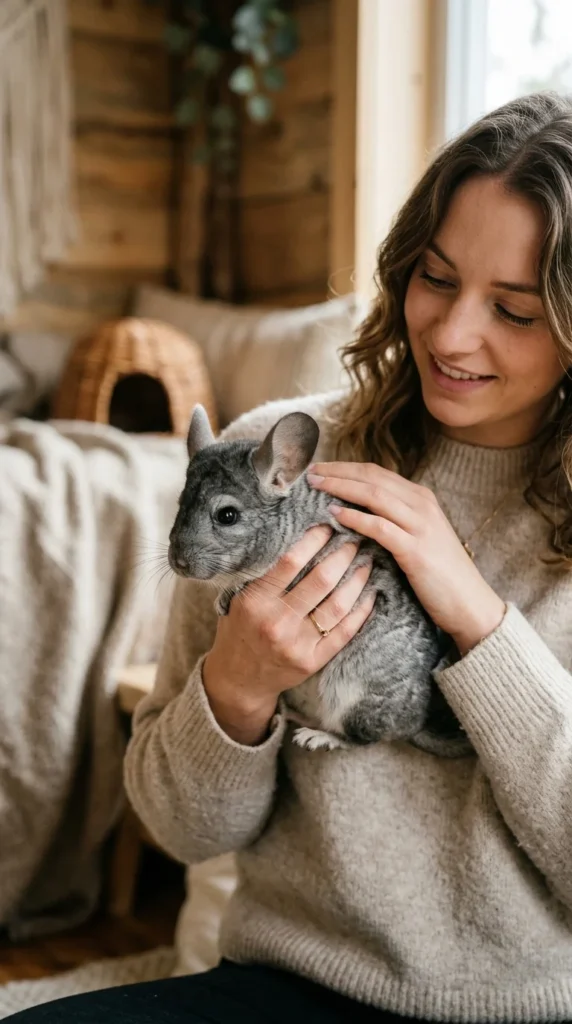
Never pick up a chinchilla by its tail; this can cause “tail slip,” where the skin and fur slide off, leaving the bone exposed. Also, avoid grabbing them around the ribs, which are very fragile. The safest way to hold them is by supporting their weight fully with your hands under their body.
14. Fur Slipping
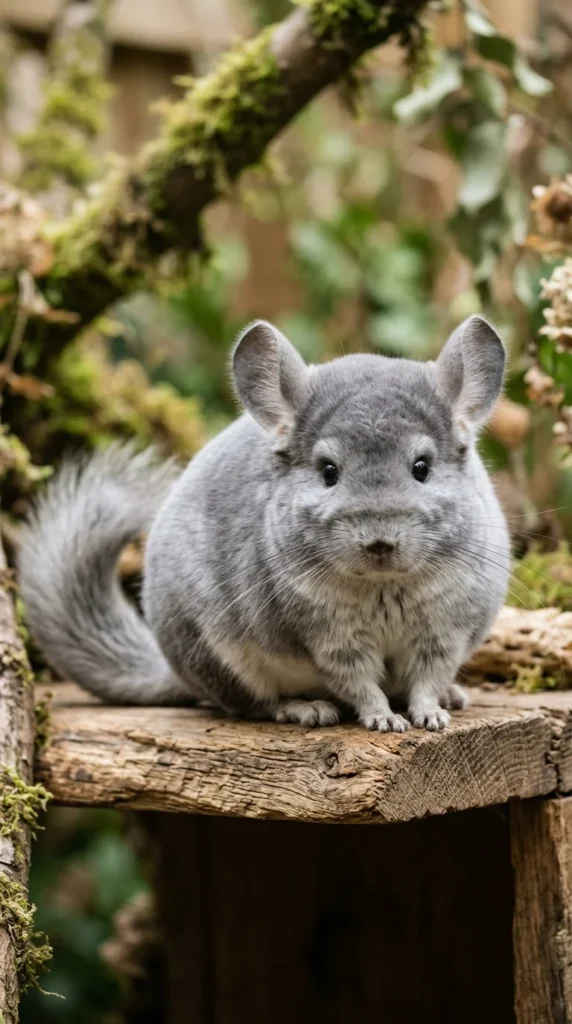
If a chinchilla feels threatened or is handled too roughly, it can release a large clump of fur—a defense mechanism known as a “fur slip.” While the fur will eventually grow back, it’s a sign that the animal was extremely stressed. Handle your pet gently and move slowly to prevent this.
15. Safe Playtime
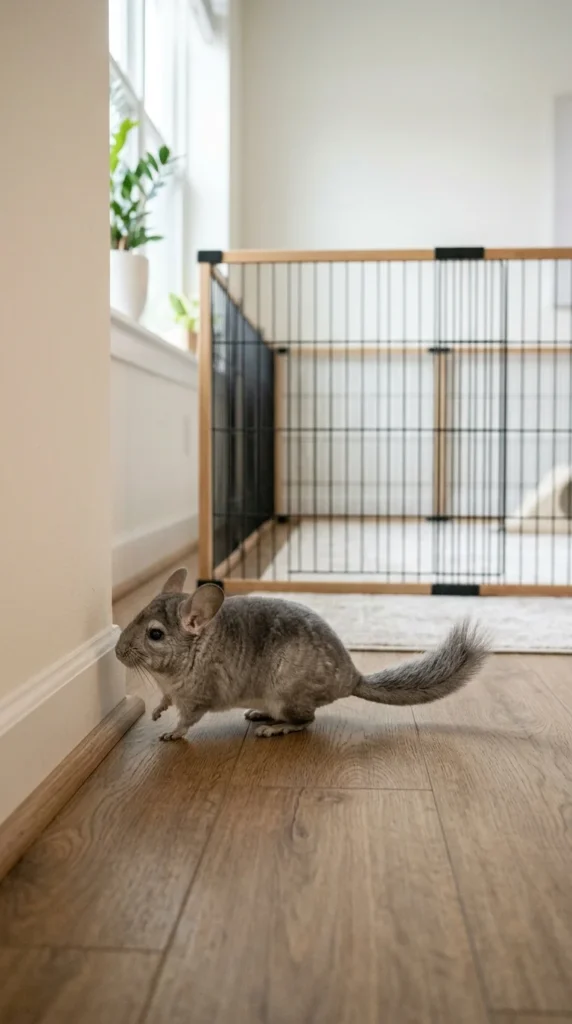
Chinchillas need time outside their cage every day to burn off energy. However, you must “chin-proof” the area. They will chew on everything—baseboards, furniture, and especially electrical cords. Use a puppy playpen or a designated room where all hazards have been removed or covered.
16. Avoid Plastics
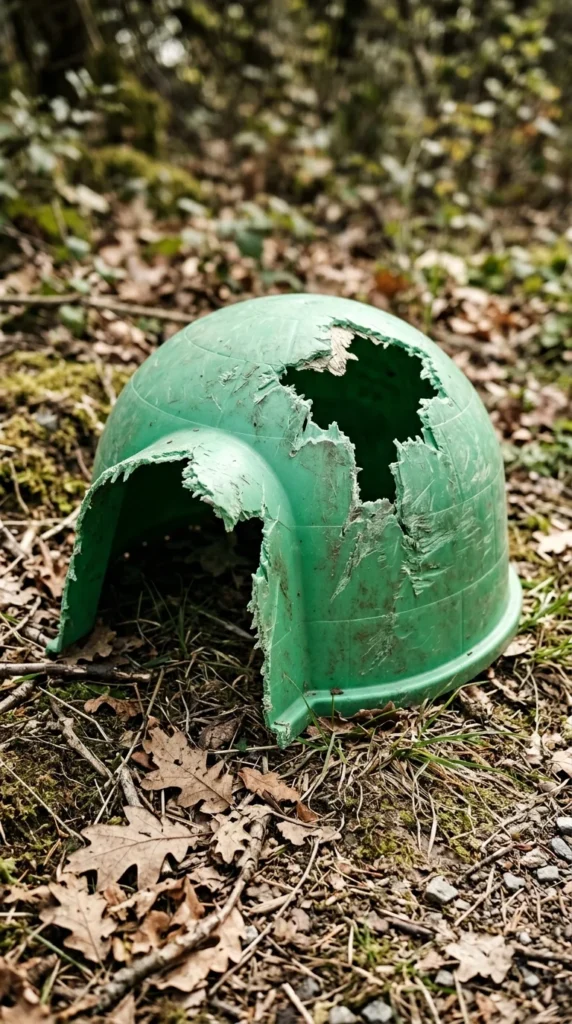
In a chinchilla cage, plastic is the enemy. If ingested, plastic shards can cause fatal intestinal blockages. Replace plastic ramps, shelves, and hideouts with metal or kiln-dried wood alternatives. Your chinchilla’s environment should be as natural as possible to accommodate their chewing instincts.
17. The Exercise Wheel
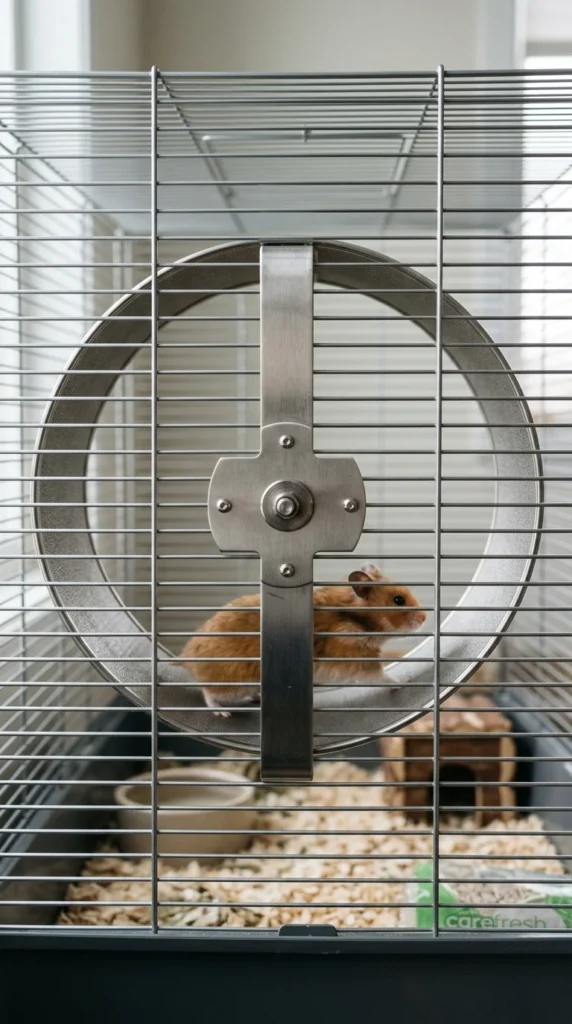
Standard plastic wheels from pet stores are usually too small and dangerous. A chinchilla needs a wheel that is at least 14-15 inches in diameter to prevent spinal curvature. Look for high-quality metal wheels with a solid running surface (no mesh or spokes) to ensure their tiny toes don’t get caught.
18. Social Bonding
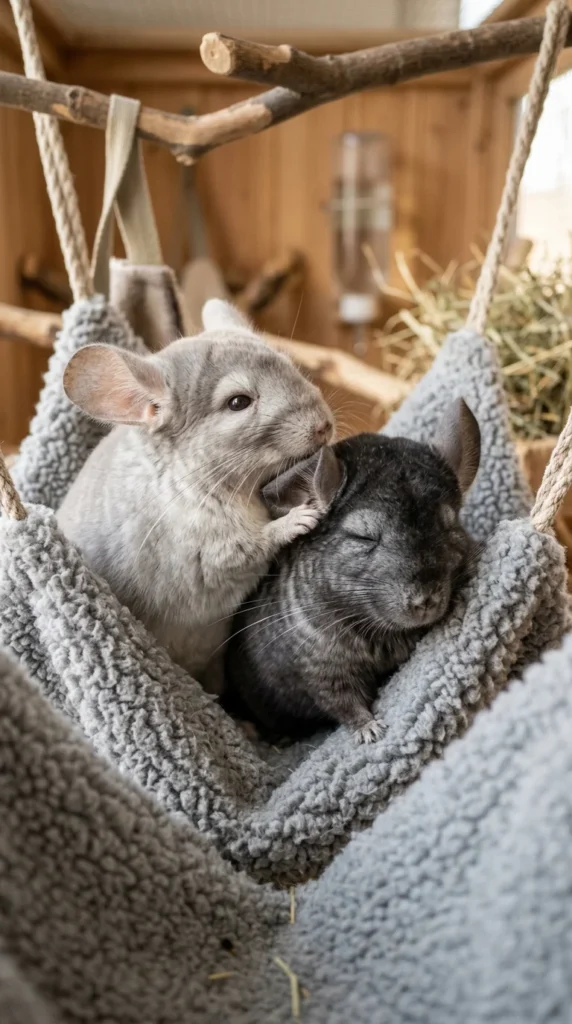
Chinchillas are highly social animals and usually thrive in pairs or small groups. However, introducing two adults can be tricky and must be done slowly. If you are a first-time owner, consider adopting a bonded pair. If you have a single chinchilla, you will need to spend extra time interacting with them to prevent loneliness.
19. Quiet Environment
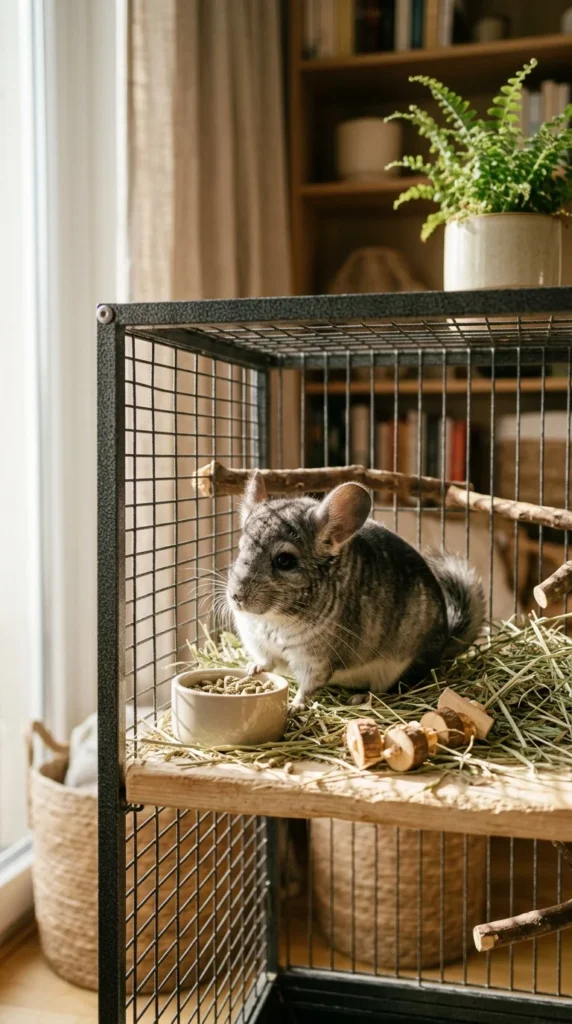
Because they have such large ears and excellent hearing, chinchillas are easily startled by loud noises. Keep their cage in a quiet part of the house, away from barking dogs, loud televisions, or slamming doors. A calm environment will help your chinchilla feel secure and reduce their overall stress levels.
20. Weekly Cage Cleaning
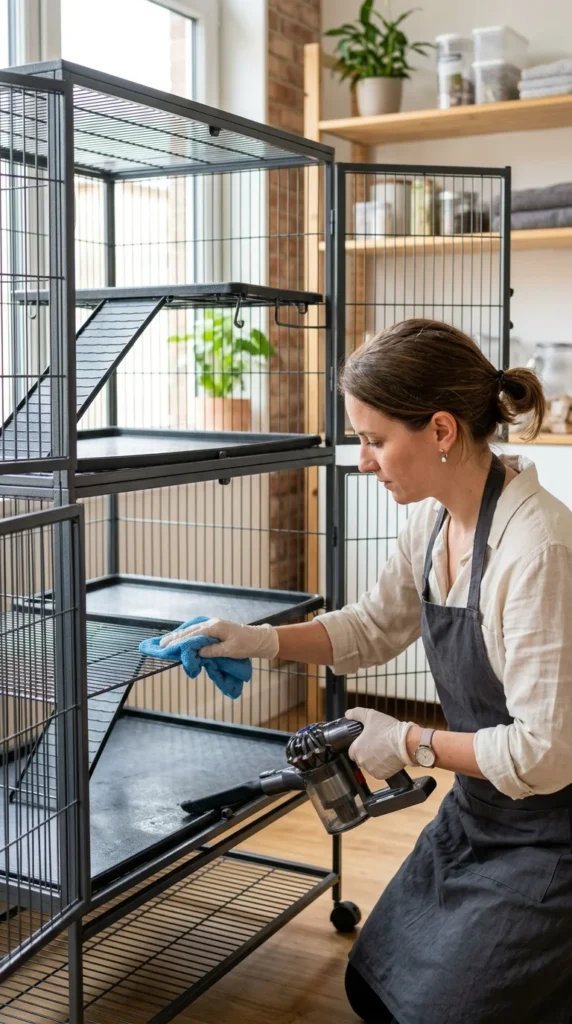
Spot-clean the cage daily by removing damp bedding or poop, and do a deep clean once a week. Use a vinegar and water solution rather than harsh chemicals. Maintaining a clean cage prevents the buildup of ammonia from urine, which can irritate their sensitive respiratory systems.
21. Monitoring Weight
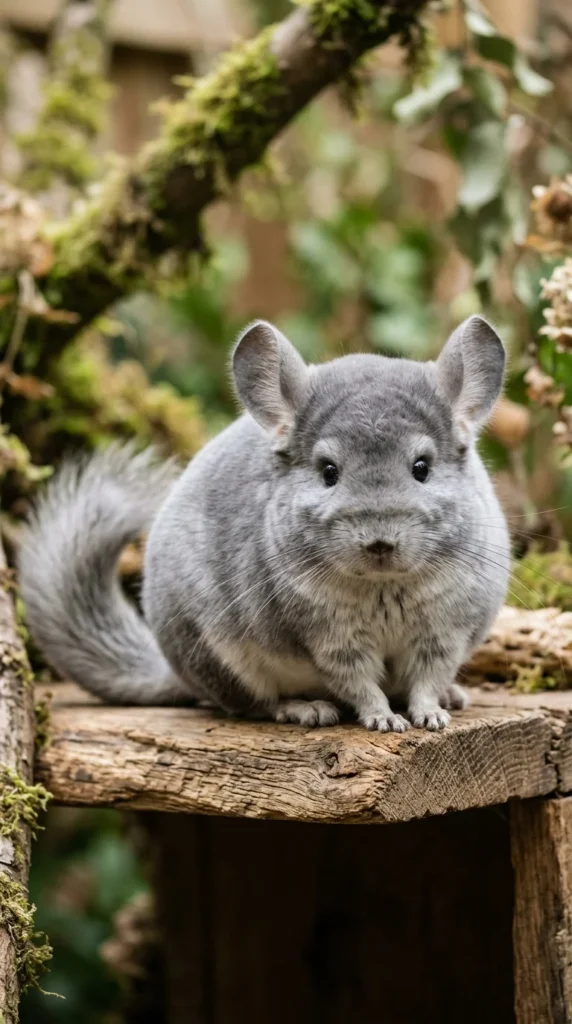
Chinchillas are masters at hiding illness. One of the best ways to track their health is by weighing them weekly on a gram scale. A sudden drop in weight is often the first sign of dental issues or internal illness. Keep a log so you can spot trends before they become emergencies.
22. Find an Exotic Vet

Not all veterinarians are equipped to treat chinchillas. Before you bring one home, locate an “exotic” vet in your area who specializes in small mammals. Regular checkups can help catch dental problems or digestive issues early. Remember, chinchilla care can be expensive, so plan for potential medical costs.
23. Patience and Trust

Bonding with a chinchilla takes time. They aren’t always “cuddly” pets and may take weeks or even months to feel comfortable enough to sit on your lap. Be patient, move slowly, and use healthy treats to build trust. Once you have earned their affection, they are incredibly rewarding and quirky companions!