

Ferrets are often described as a mix between a kitten, a puppy, and a tiny, mischievous thief. These “carpet sharks” are incredibly intelligent, social, and full of energy, making them delightful companions for the right owner. However, their unique biology and high-octane personalities require a specific type of care that differs significantly from more common household pets. If you are looking to bring one of these elongated bundles of joy into your life, or simply want to improve the life of your current resident weasel, this comprehensive guide covers the 24 essential pillars of ferret care.
1. Multi-Level Housing

Ferrets are active climbers and explorers. A small cage simply won’t do. They require a large, multi-level cage that provides vertical space for climbing and horizontal space for playing. Ensure the cage has solid floors rather than wire mesh, as wire can cause painful foot injuries or “bumblefoot.” The cage should be a sanctuary where they feel safe when you aren’t around to supervise their free-roaming time.
2. Soft Bedding
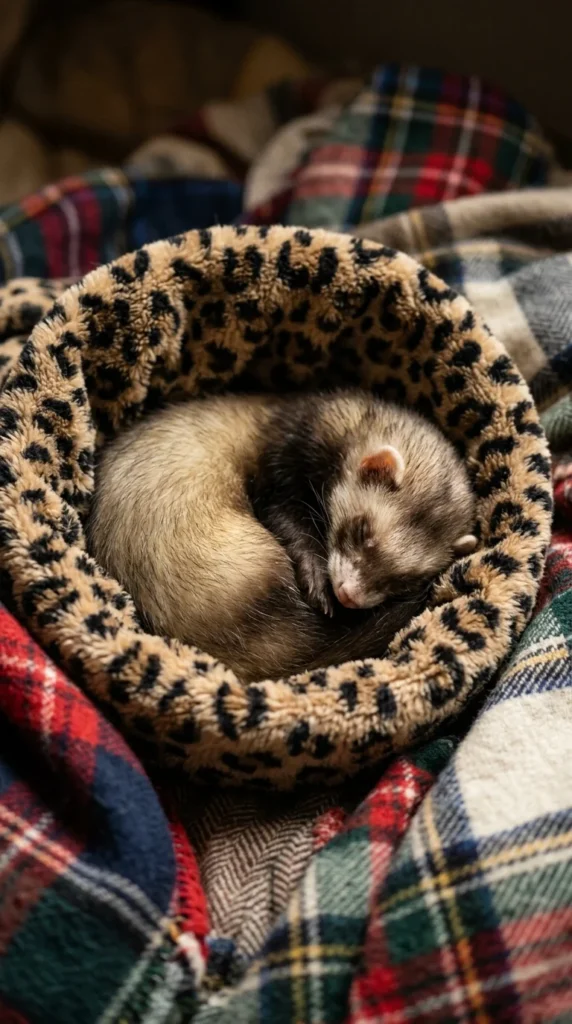
Ferrets love to burrow. Instead of wood shavings (which can cause respiratory issues), provide plenty of soft blankets, old t-shirts, and hanging hammocks. Fleece is the preferred material because it doesn’t fray easily, reducing the risk of a ferret getting their long claws caught in loose threads. Wash bedding weekly with unscented detergent to keep the cage smelling fresh.
3. High-Protein Diet

As obligate carnivores, ferrets have a very short digestive tract and a high metabolism. Their diet must be rich in animal protein (35-40%) and fat (15-20%), and extremely low in fiber and carbohydrates. Avoid any foods containing sugar, fruit, or vegetables, as these can lead to serious health issues like insulinoma. High-quality ferret-specific kibble or a carefully balanced raw diet is the gold standard.
4. Hydration Stations
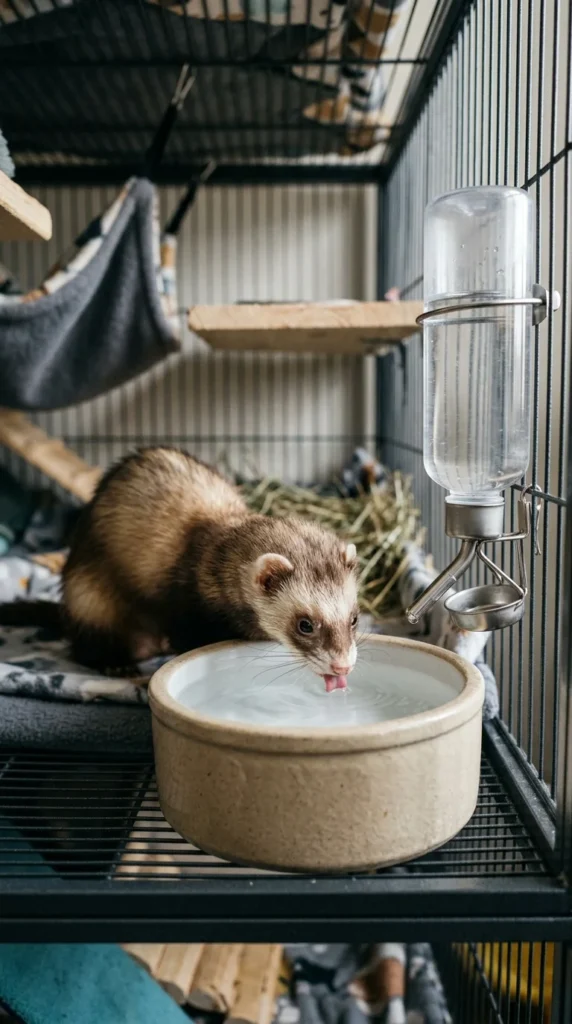
Ferrets need constant access to clean, fresh water. While many owners use drip bottles, many ferrets prefer drinking from a heavy ceramic bowl. Bowls allow them to drink more naturally and stay better hydrated. If you use a bowl, ensure it is heavy enough that they cannot flip it over during a “war dance” or a digging session.
5. Litter Training
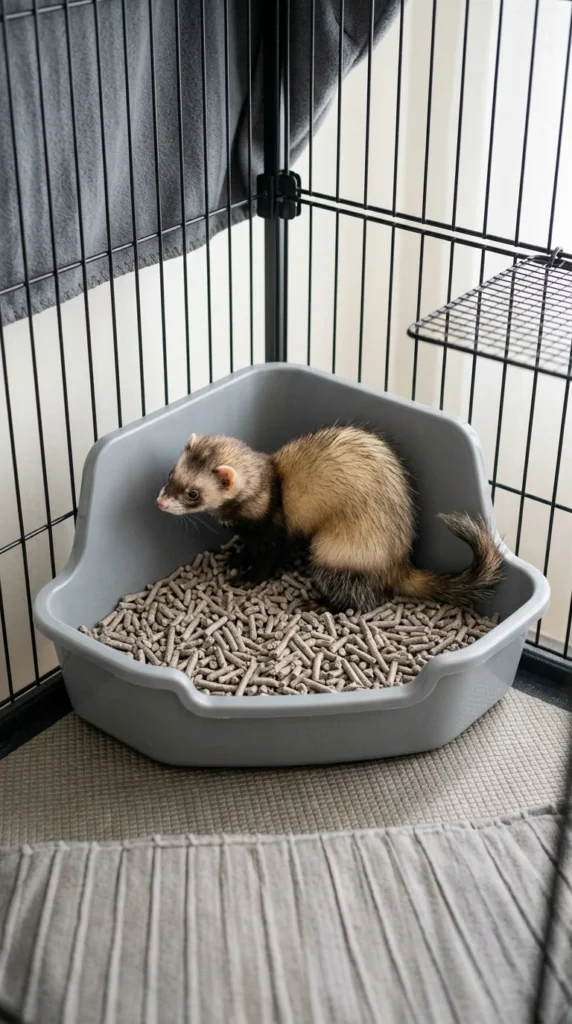
Ferrets can be litter trained, though they are rarely 100% perfect. They naturally prefer to go in corners. Place a high-back litter box in the corner of their cage and several throughout their playroom. Use recycled paper pellets rather than clumping cat litter, as the dust from clay litter can irritate their sensitive respiratory systems and get stuck in their noses.
6. Ferret Proofing
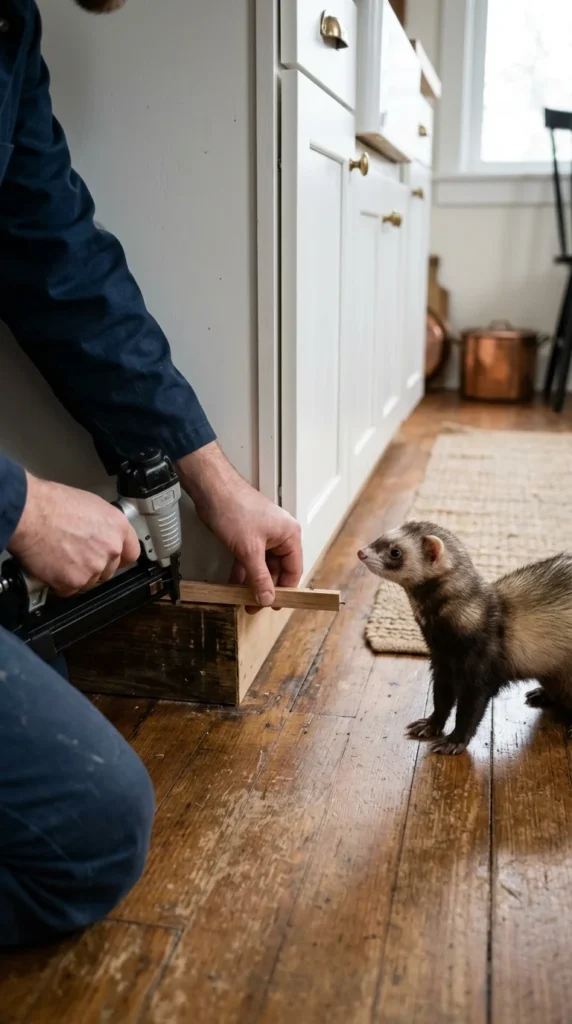
Before letting a ferret loose, you must “ferret-proof” your home. They can squeeze through any gap they can fit their head into. Block off spaces under appliances, seal holes in cabinets, and ensure they can’t crawl into the inner workings of recliners—a common cause of ferret accidents. Think like a ferret: if there is a hole, they will find it.
7. Social Interaction
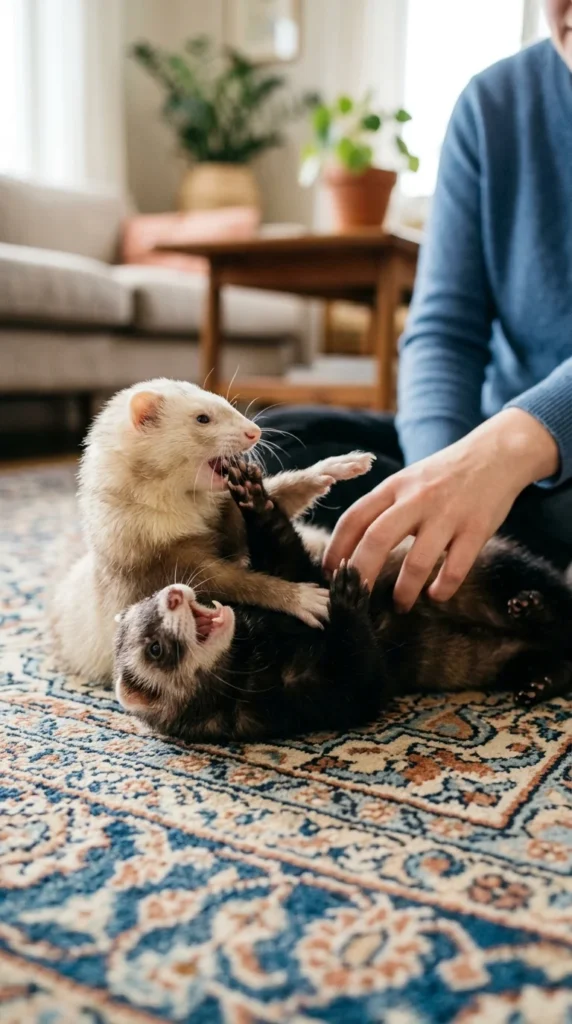
Ferrets are incredibly social animals. While they can live alone if their human spends many hours a day playing with them, they are generally much happier in pairs or small groups (known as a “business”). They engage in complex social play, grooming each other and sleeping in “cuddle puddles,” which provides essential mental stimulation.
8. Sleep Cycles
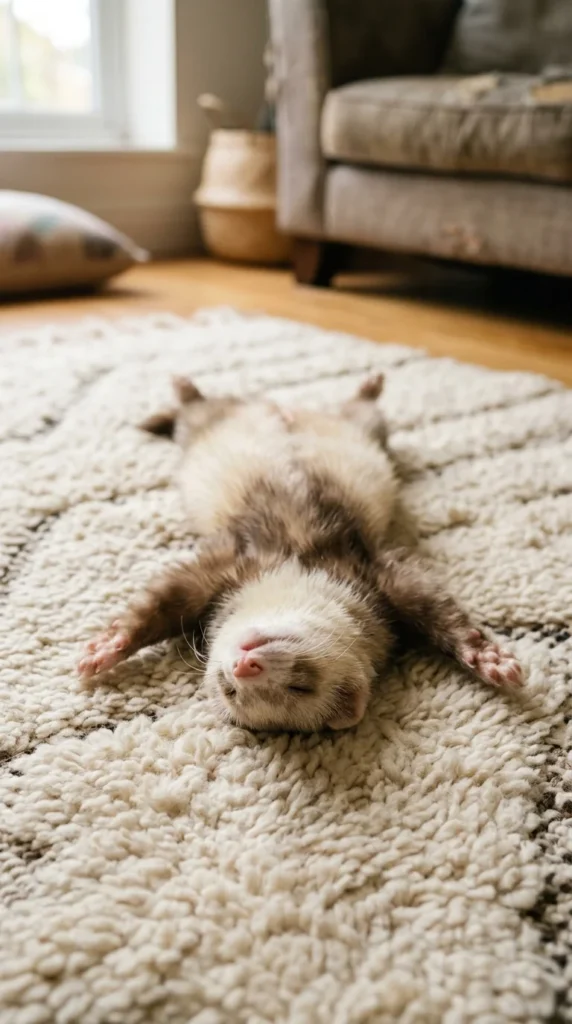
Don’t be alarmed if your ferret sleeps all day. They typically sleep 18 to 20 hours a day. They are crepuscular, meaning they are most active during dawn and dusk. They also experience “ferret dead sleep,” a state of such deep slumber that they may not wake up even when picked up or shaken. This is normal, though terrifying for new owners!
9. Dental Hygiene
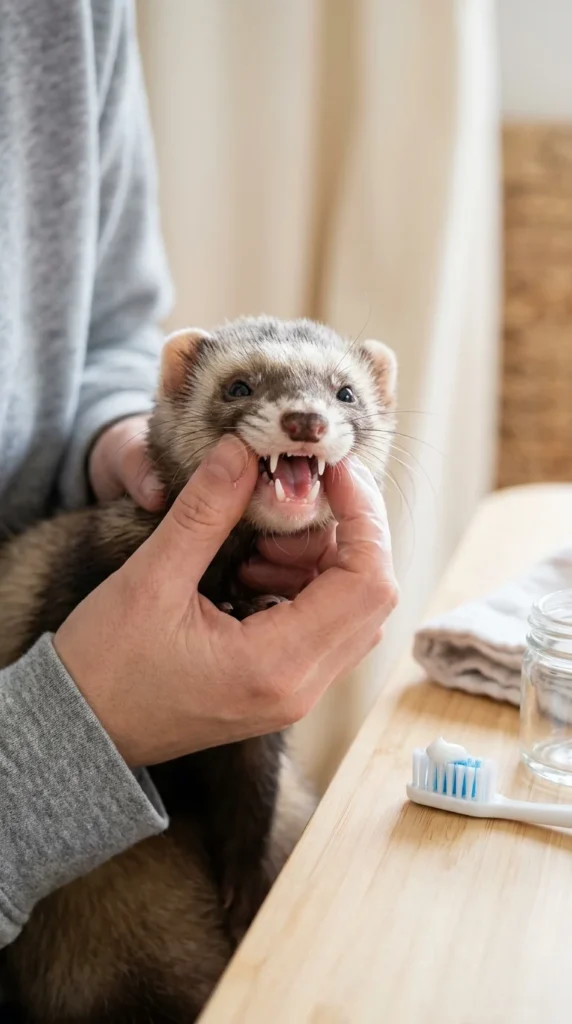
Ferrets are prone to dental issues and tartar buildup. Feeding high-quality kibble helps slightly with mechanical cleaning, but regular teeth brushing with pet-safe toothpaste is ideal. Check their teeth weekly for signs of redness in the gums or broken canines, which can occur from biting on cage bars.
10. Ear Cleaning
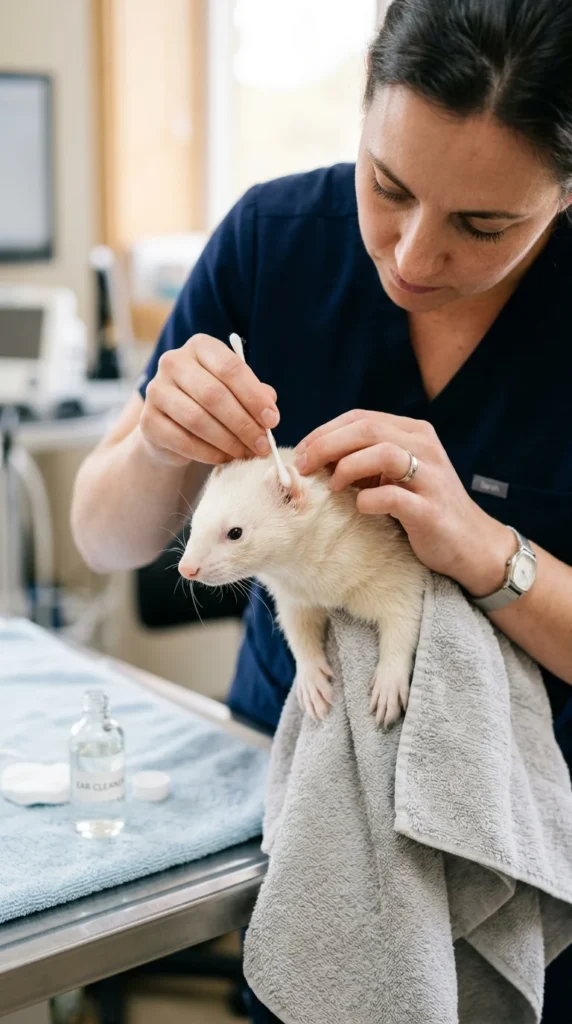
Ferrets produce a significant amount of earwax, which is typically reddish-brown. If left uncleaned, it can lead to ear mites or infections. Clean their ears every two weeks using a gentle, pet-safe ear cleaner. Avoid going deep into the ear canal; just focus on the visible outer parts of the ear.
11. Nail Trimming
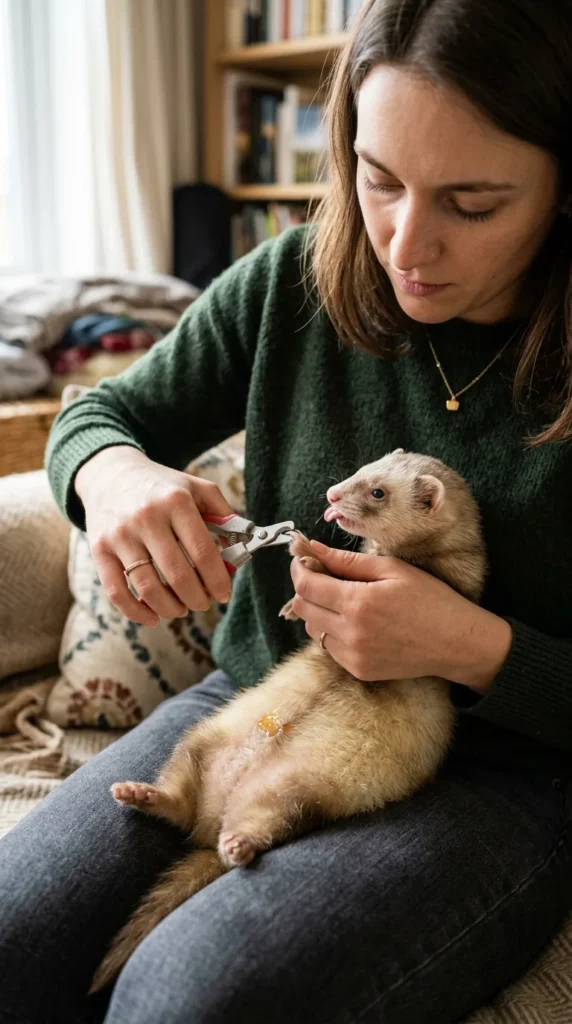
Ferrets have non-retractable claws that grow quickly. Long nails can get snagged on blankets or carpets, leading to painful torn nails. Trim them every 7-14 days. A great trick is to put a few drops of salmon oil on their tummy; they will be so busy licking it off that they won’t notice you clipping their nails.
12. Occasional Baths
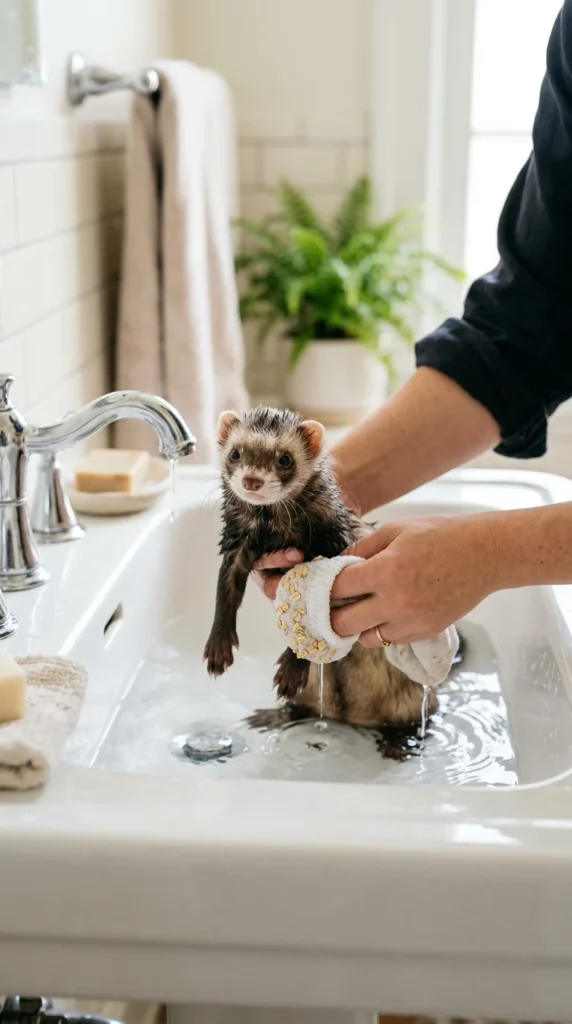
Ferrets have a natural musky scent produced by oils in their skin. Many owners make the mistake of bathing them frequently to remove the smell, but this actually strips the oils, causing the skin to overproduce them and making the smell worse. Bathe your ferret no more than once every few months, or only if they get into something messy. Using an oatmeal soak is a great way to soothe their skin without using harsh soaps.
13. Enrichment Toys

Ferrets are highly intelligent and get bored easily. Provide a variety of toys like hard plastic balls, squeaky toys (supervise to ensure they don’t swallow rubber bits), and crinkle tunnels. Rotate the toys every week to keep their environment “new” and exciting.
14. Tunnel Systems
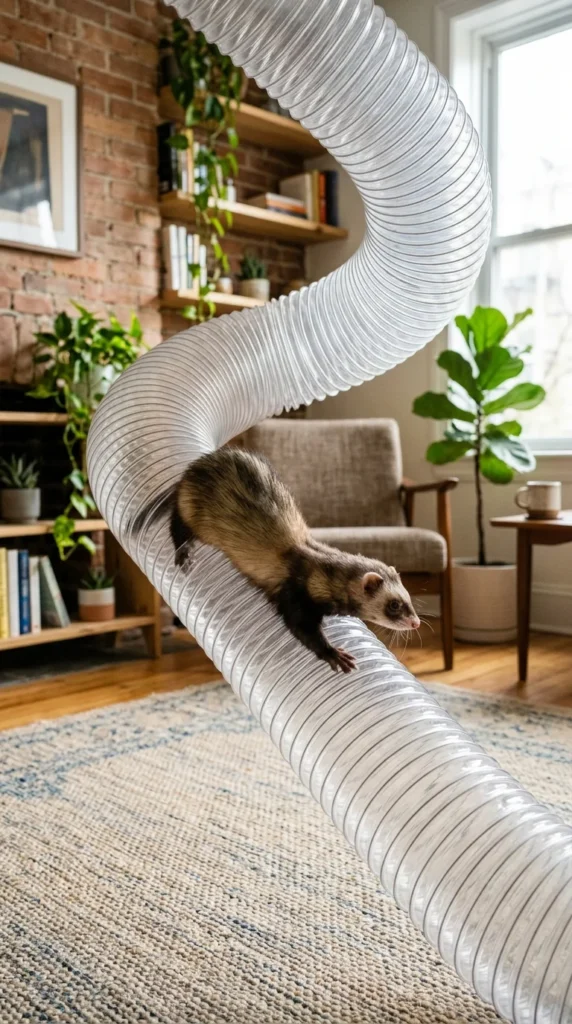
In the wild, the ancestors of ferrets lived in burrows. Domestic ferrets retain this instinct and absolutely love tunnels. You can buy specialized ferret tubes or use large-diameter corrugated drainage pipes. They will spend hours running back and forth, dragging toys into their “den.”
15. Veterinary Checkups

Ferrets are considered “exotic” pets and require a vet who specializes in small mammals. Annual checkups are vital to catch early signs of common ferret illnesses. As they age (4+ years), bi-annual exams are recommended because ferrets are unfortunately prone to several specific health conditions.
16. Vaccination Schedule
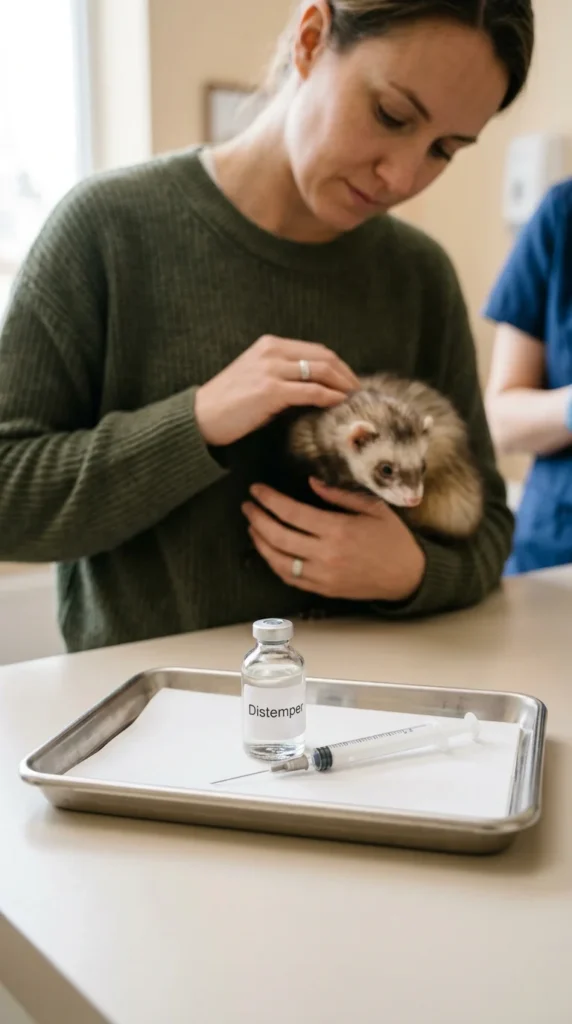
Ferrets require vaccinations for Canine Distemper and Rabies. Canine Distemper is almost 100% fatal for ferrets, so this vaccine is non-negotiable. Always stay at the vet’s office for 30 minutes after a vaccination, as ferrets are prone to allergic reactions.
17. Heartworm Prevention
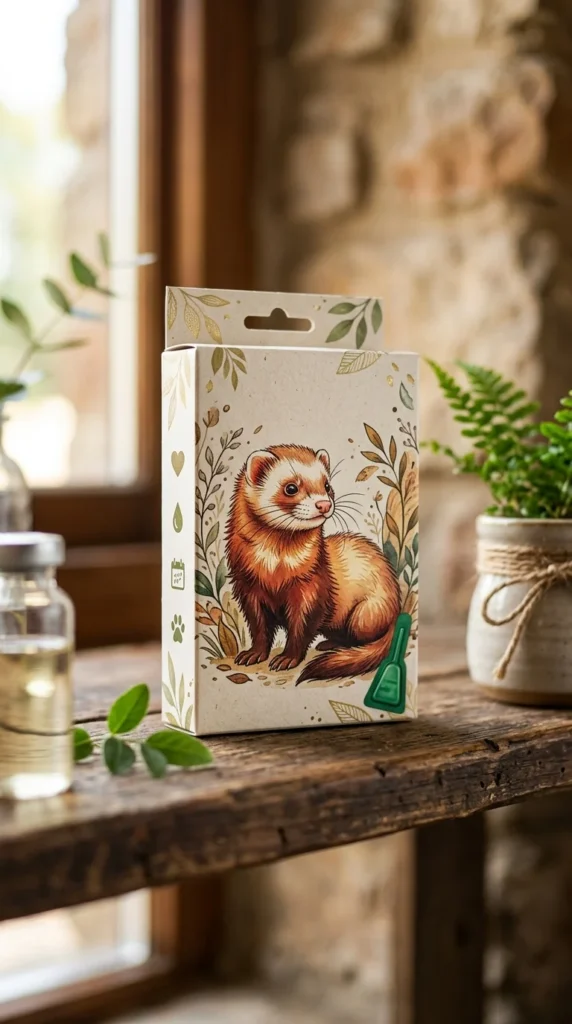
Just like dogs and cats, ferrets can contract heartworms from a single mosquito bite. Because their hearts are so small, even one or two worms can be fatal. Talk to your vet about a monthly preventative, especially if you live in an area where mosquitoes are prevalent.
18. Adrenal Disease
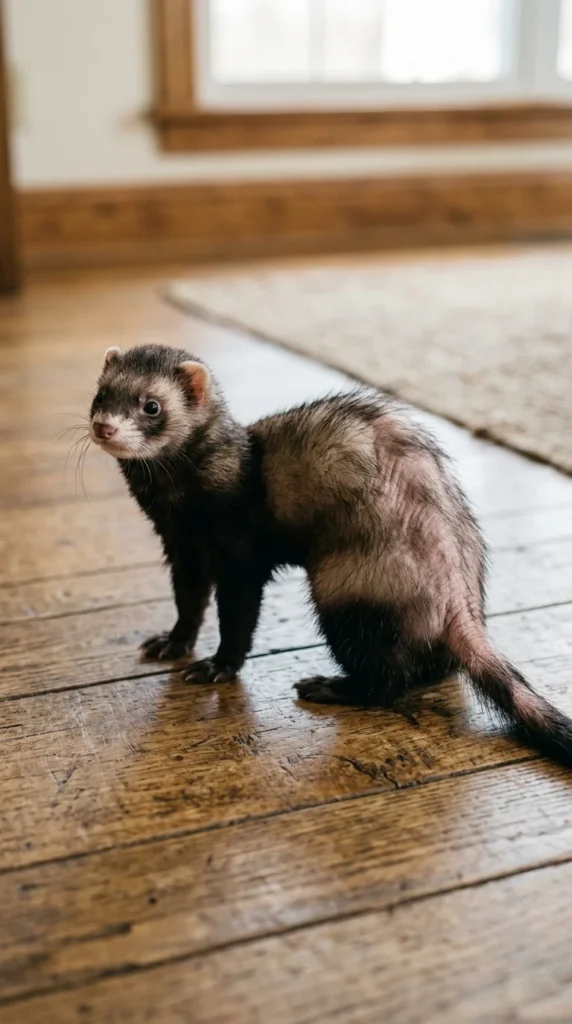
One of the most common health issues in domestic ferrets is Adrenal Disease, which causes an overproduction of sex hormones. Symptoms include hair loss (usually starting at the tail), lethargy, and an enlarged vulva in females or prostate issues in males. It is treatable with implants or surgery, so early detection is key.
19. Insulinoma Awareness
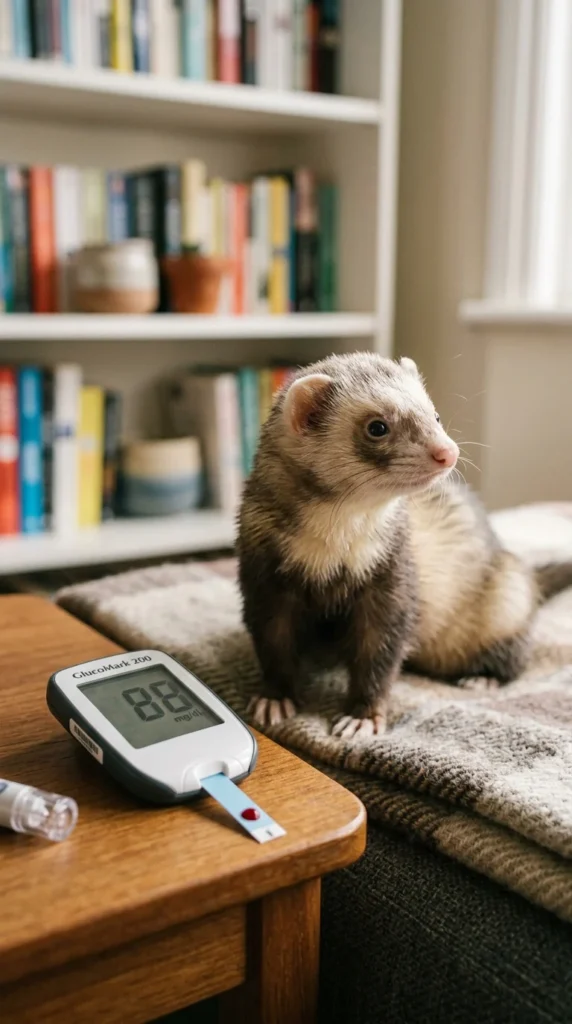
Insulinoma is a cancer of the pancreas that causes the ferret to produce too much insulin, leading to dangerously low blood sugar. Symptoms include “staring into space,” hind-limb weakness, and pawing at the mouth. Managing this often involves medication and a strict high-protein diet with no sugars.
20. Harness Training
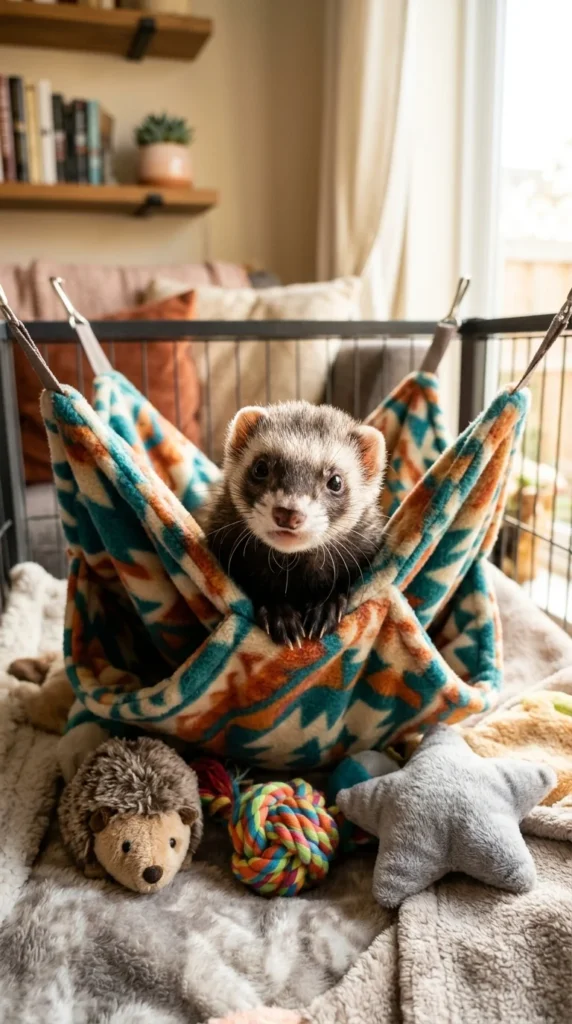
If you want to take your ferret outside, they must be harnessed. Ferrets are “liquid” and can easily slip out of standard collars. An H-style harness or a specialized ferret vest is the safest option. Never leave a ferret unattended outdoors, and be mindful of predators and extreme temperatures.
21. Dig Boxes
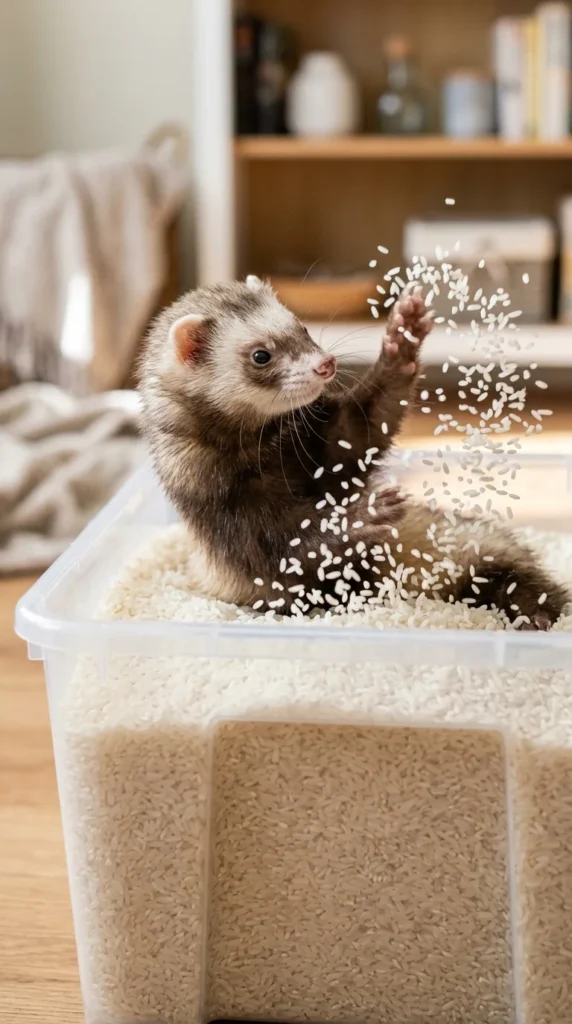
Ferrets have a powerful instinct to dig. To keep them from digging in your houseplants or carpets, provide a “dig box.” Fill a large container with non-instant white rice, starch-based packing peanuts, or clean play sand. This provides hours of sensory enrichment.
22. Hairball Control
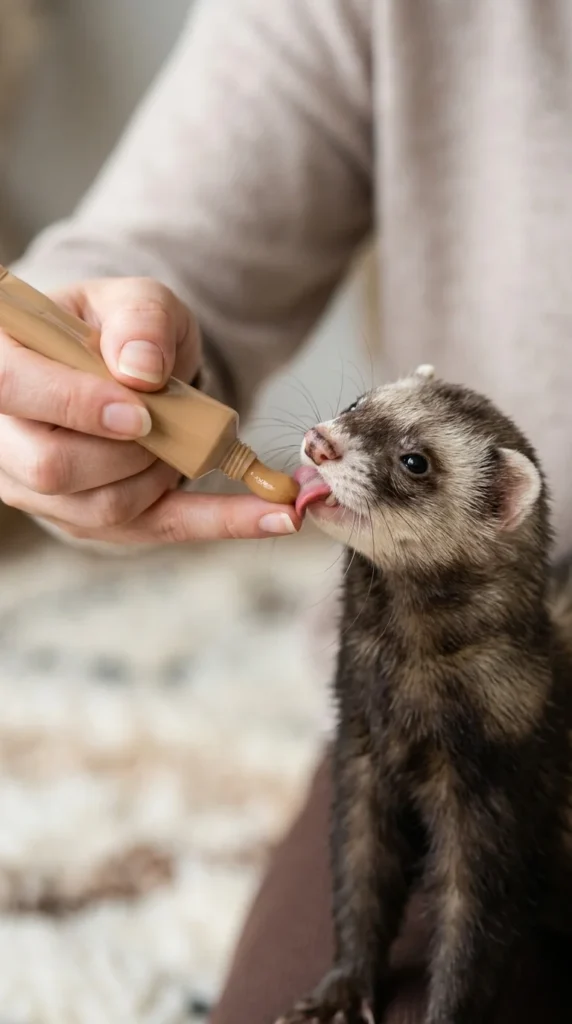
Ferrets groom themselves like cats and can develop hairballs, but unlike cats, they cannot easily vomit them up. During shedding seasons (spring and fall), use a ferret-safe hairball preventative or a small amount of egg yolk to help fur pass through their system smoothly.
23. Odor Management
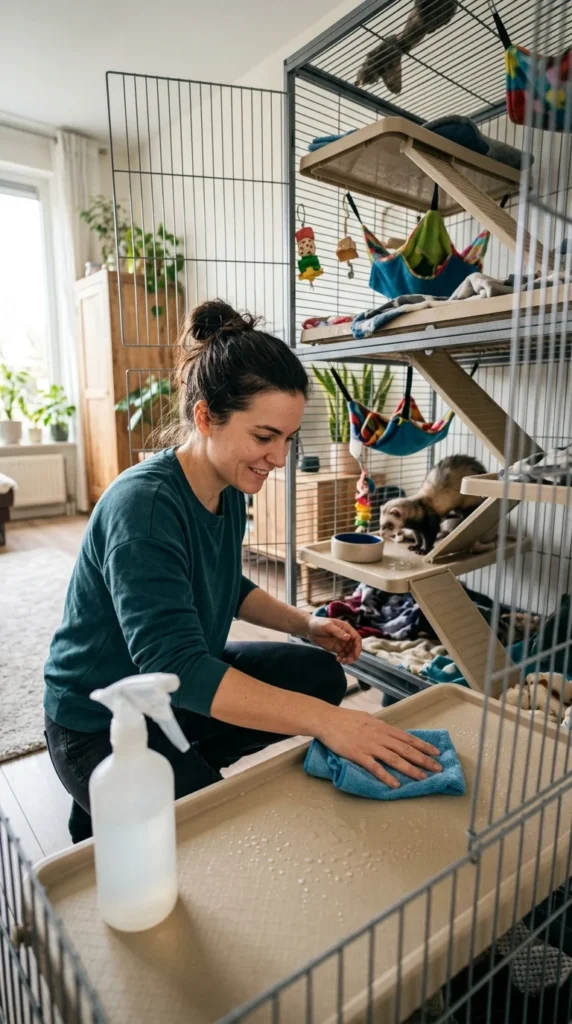
To manage the ferret smell, focus on the environment rather than the animal. Wash bedding weekly, scoop litter boxes daily, and wipe down cage surfaces. An air purifier with a HEPA filter in the ferret room can also do wonders for keeping the air fresh.
24. Bond Building

The most rewarding part of ferret ownership is the bond. Ferrets are incredibly affectionate and will learn to recognize their names and even perform tricks. Spend time sitting on the floor at their level, let them climb on you, and engage in their “war dance” (a series of hops and side-ways jumps accompanied by a soft clucking sound called “dooking”). The more time you invest, the more this tiny creature will become a true member of your family.