
Training a service dog is a marathon, not a sprint. It requires dedication, patience, and a deep understanding of canine behavior. Whether you are owner-training or working with a professional, these 28 basics form the foundation of a successful working partnership.
1. Socialization
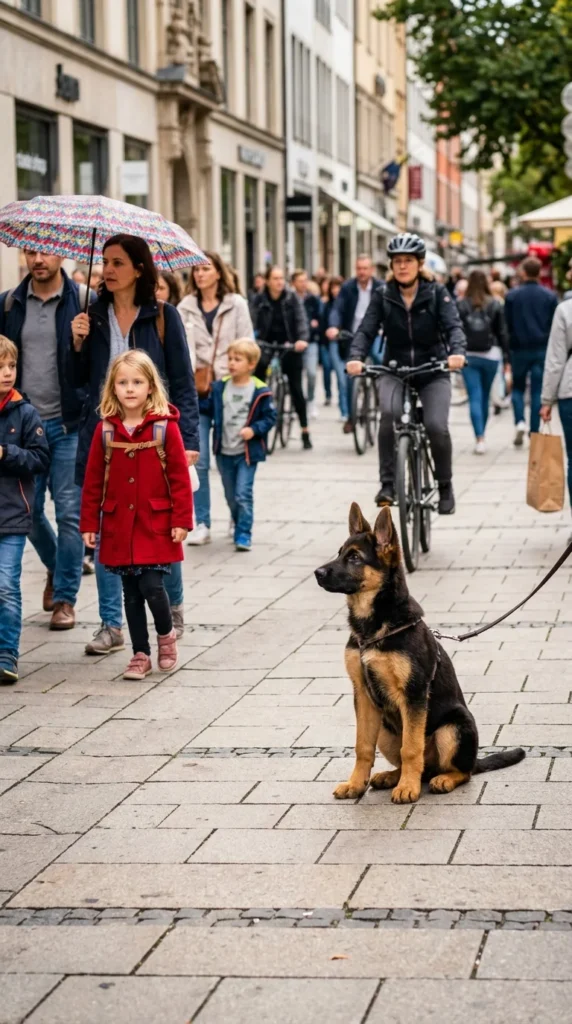
Socialization isn’t about meeting every person or dog; it’s about neutral exposure. A service dog must remain indifferent to their environment. This means being comfortable around loud noises, different floor textures, moving vehicles, and crowds without reacting in fear or over-excitement.
2. Focus

The “Watch Me” or focus command is the cornerstone of service work. A dog cannot perform a task or navigate a crowd if they aren’t paying attention to their handler. Training for sustained eye contact ensures the dog is always ready for the next cue.
3. Heeling
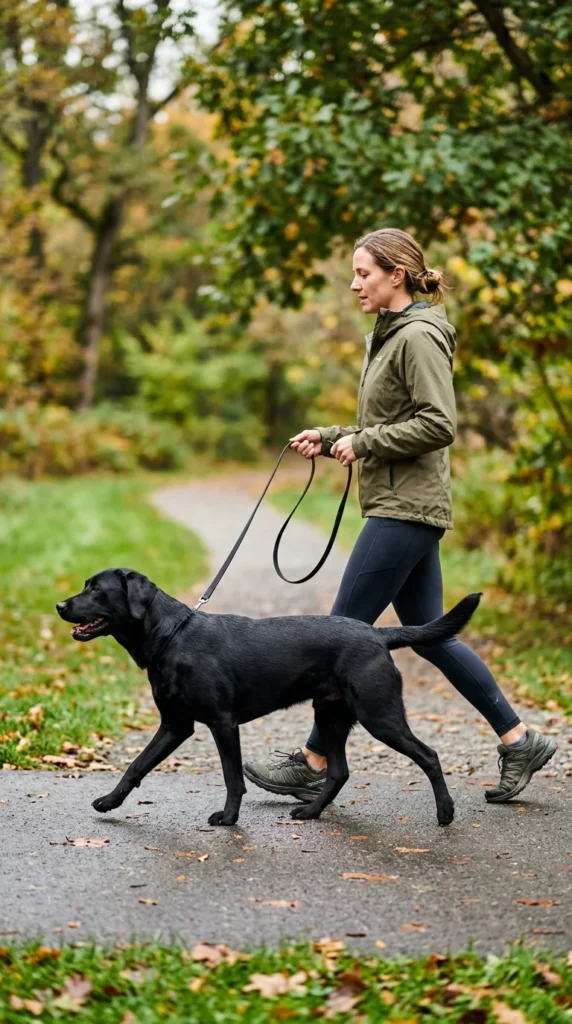
A service dog must maintain a tight, professional heel. They should not pull on the leash or lag behind. Whether the handler is walking, using a wheelchair, or using a walker, the dog must stay in the designated position (usually the left side) at all times.
4. Tucking

Public access requires a dog to be “invisible.” Tucking involves teaching the dog to lie down and pull their limbs and tail under a chair, bench, or table. This ensures they aren’t a tripping hazard for other patrons in restaurants or on public transport.
5. Leave-It
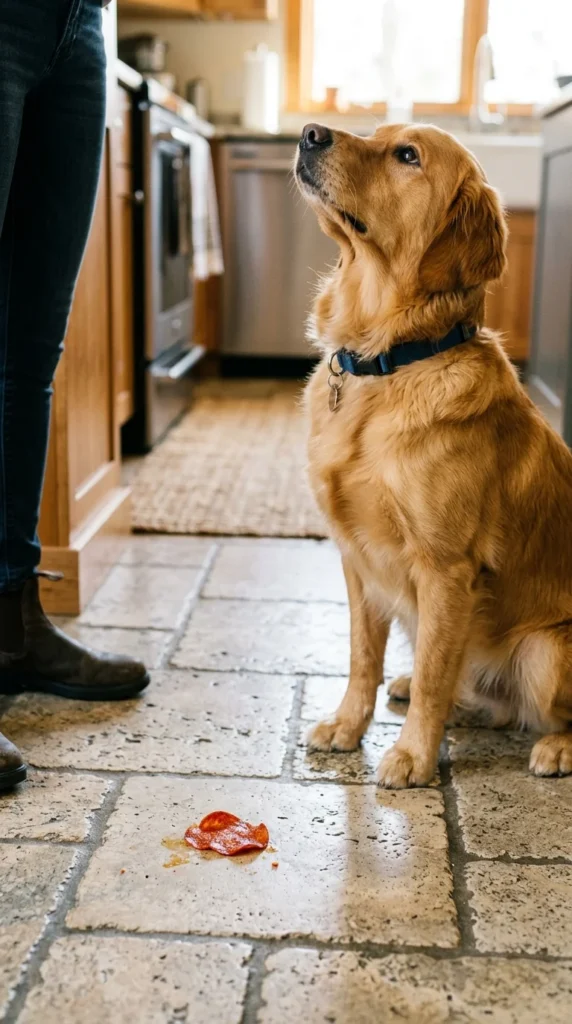
In public, floors are often covered in dropped food, medication, or trash. A reliable “Leave It” is a safety requirement. A service dog must ignore any item on the ground unless specifically told to retrieve it.
6. Settling

Service dogs spend a lot of time waiting. Whether you’re at a doctor’s appointment or a movie, the dog must have a “settle” command that tells them to relax and stay in one spot for an extended period without fidgeting or whining.
7. Positioning
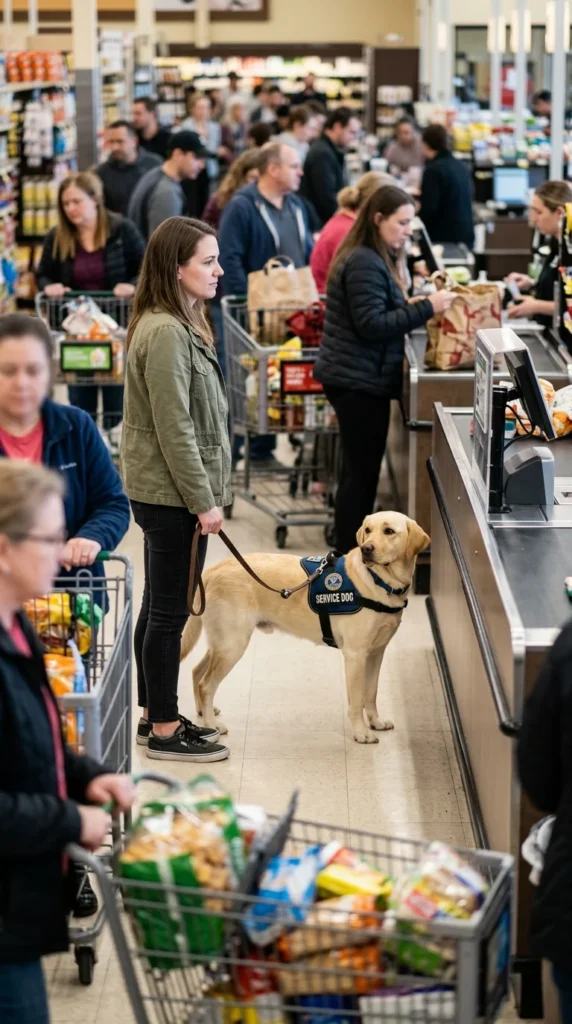
Handlers often need their dogs to move into specific positions, such as “Front” (blocking the front), “Back” (blocking the rear), or “Side.” These positions help with crowd control, anxiety, or physical stability.
8. Potty-on-Command
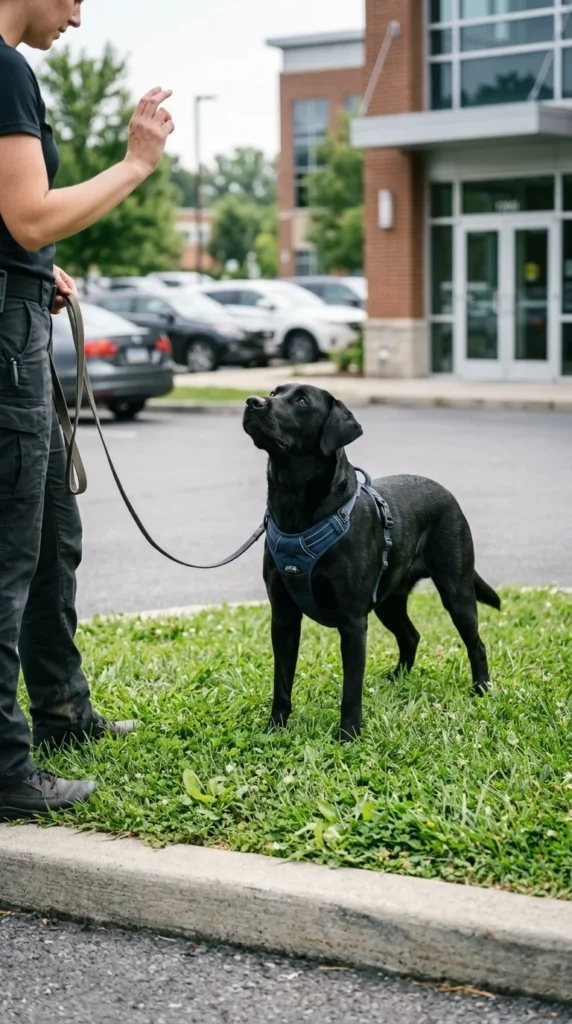
Public accidents are the fastest way to get a service dog removed from a business. Handlers must train their dogs to relieve themselves only on command and on specific surfaces (like grass or gravel) before they start their “work day.”
9. Grooming
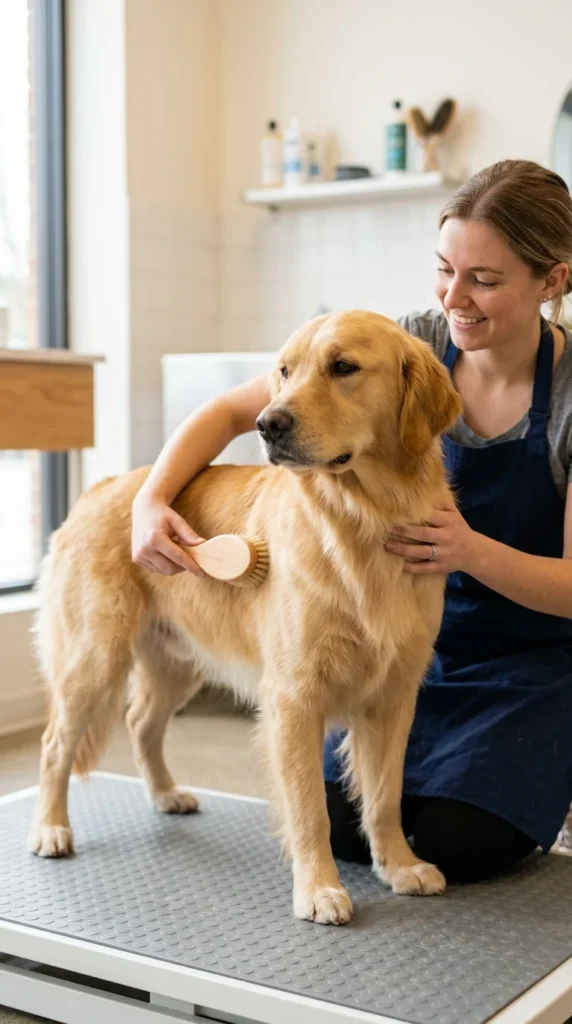
A service dog represents the community. They must be clean, well-groomed, and free of odors. This also includes “handling tolerance”—the dog must allow the handler to touch their paws, ears, and teeth without resistance.
10. Gear-Confidence
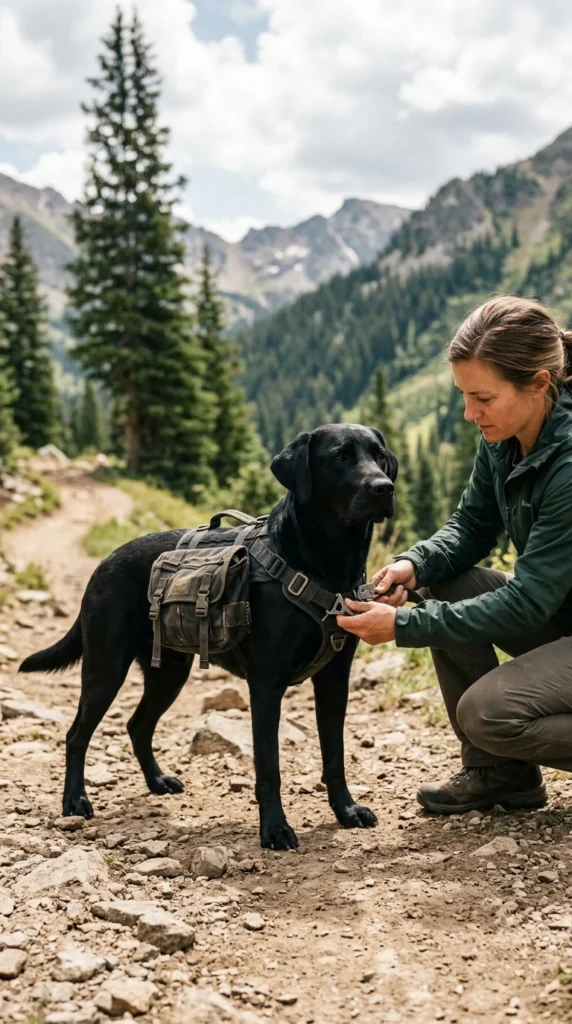
Vests, harnesses, head collars, and boots can be distracting for a dog. A service dog must be completely comfortable in their gear. They should not paw at their vest or try to rub off their boots while working.
11. Impulse-Control

Impulse control is the ability to resist natural urges. This includes not bolting out of car doors, not sniffing people passing by, and not reacting to a squirrel running across the path.
12. Retrieval
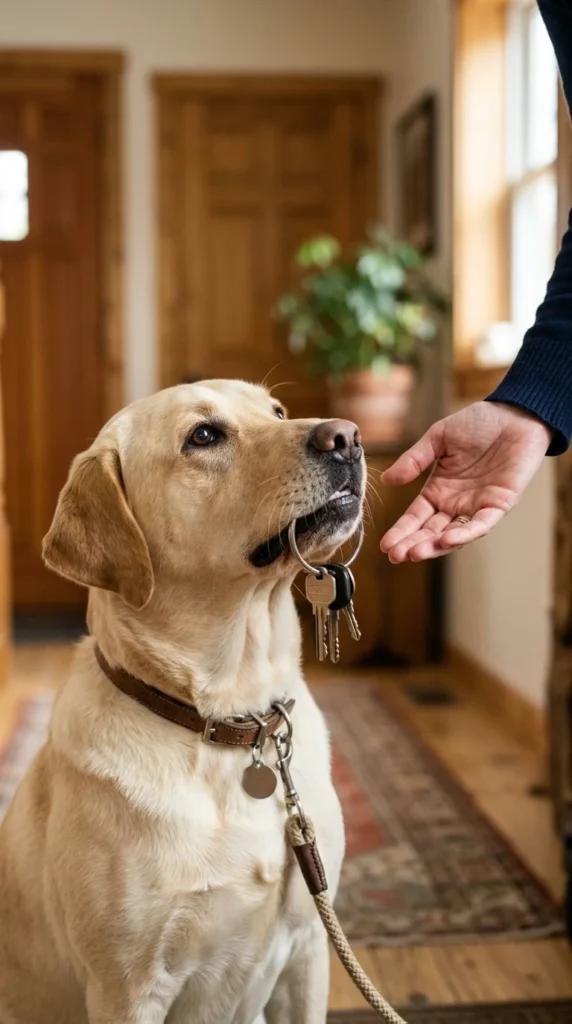
One of the most common tasks is retrieving dropped items. A service dog should be trained to pick up anything from a credit card to a medicine bottle and deliver it to the handler’s hand with a “soft mouth.”
13. Alerting

Medical alerts (for seizures, low blood sugar, or heart rate spikes) often start with a natural sensitivity that is then shaped into a reliable behavior. The dog must have a clear way to tell the handler that a medical event is imminent.
14. Deep-Pressure-Therapy

Deep Pressure Therapy (DPT) involves the dog using its body weight to calm the handler’s nervous system. This is a vital task for those with PTSD, autism, or psychiatric disabilities.
15. Bracing
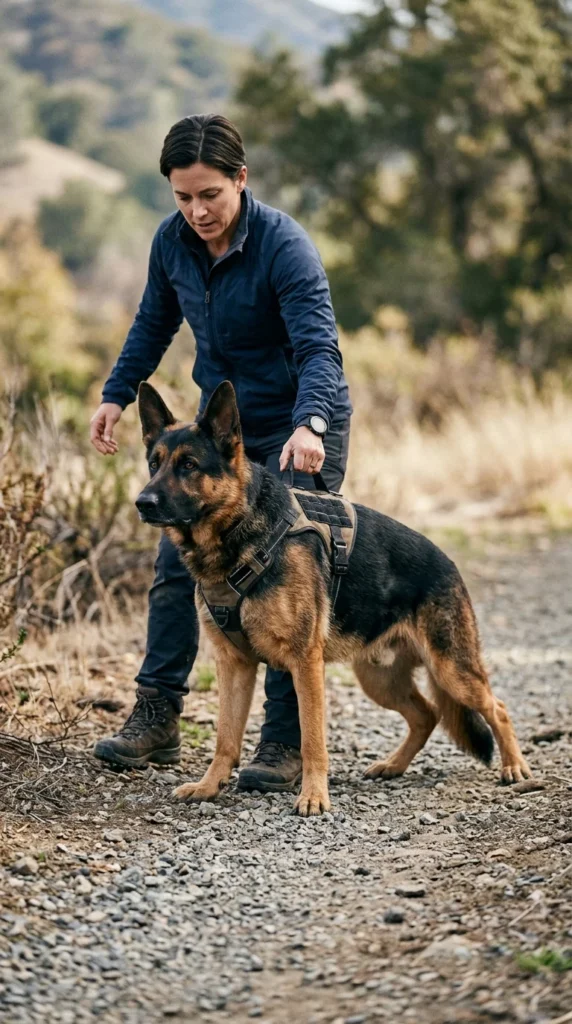
For handlers with mobility issues, a dog can provide a “brace” to help them stand up or stay balanced. This requires a physically mature dog and specialized veterinary clearance to ensure the dog’s joints are not damaged.
16. Navigation
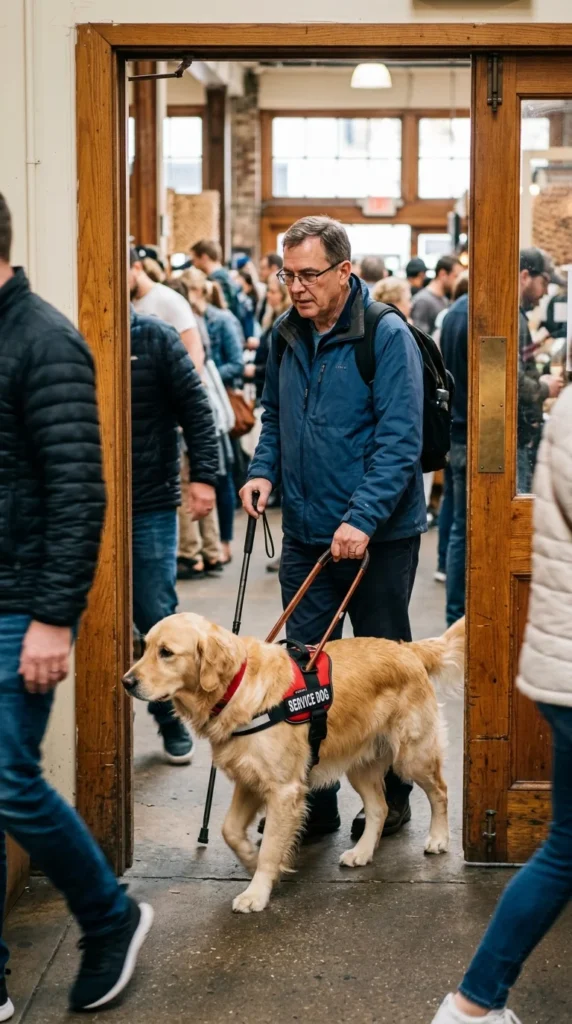
Dogs can be trained to find exits, find a specific person, or navigate through a crowd to find a clear path. This “intelligent disobedience” allows the dog to guide the handler away from obstacles.
17. Door-Operation
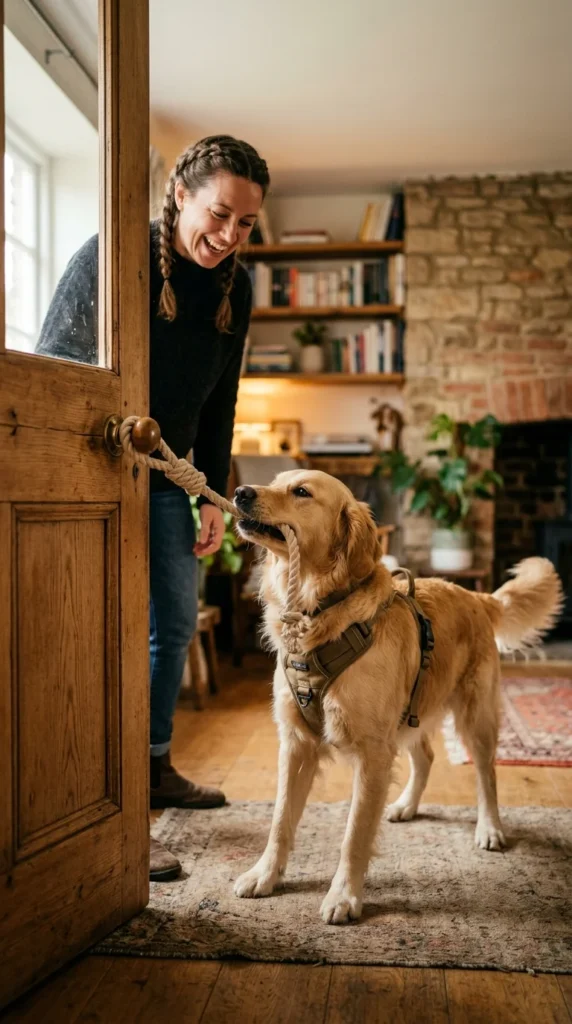
For those with limited mobility, dogs can be trained to open and close doors, drawers, and refrigerators using tugs or by pushing buttons for automatic doors.
18. Sound-Alerting
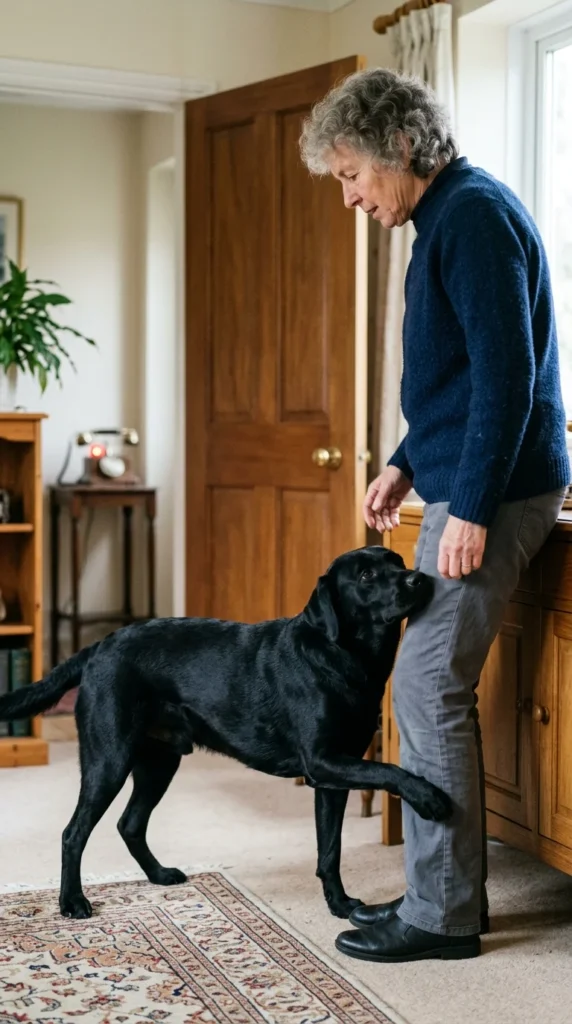
Hearing dogs are trained to alert their handlers to specific sounds like smoke alarms, doorbells, or their name being called. The dog must lead the handler to the source of the sound.
19. Public-Access-Manners
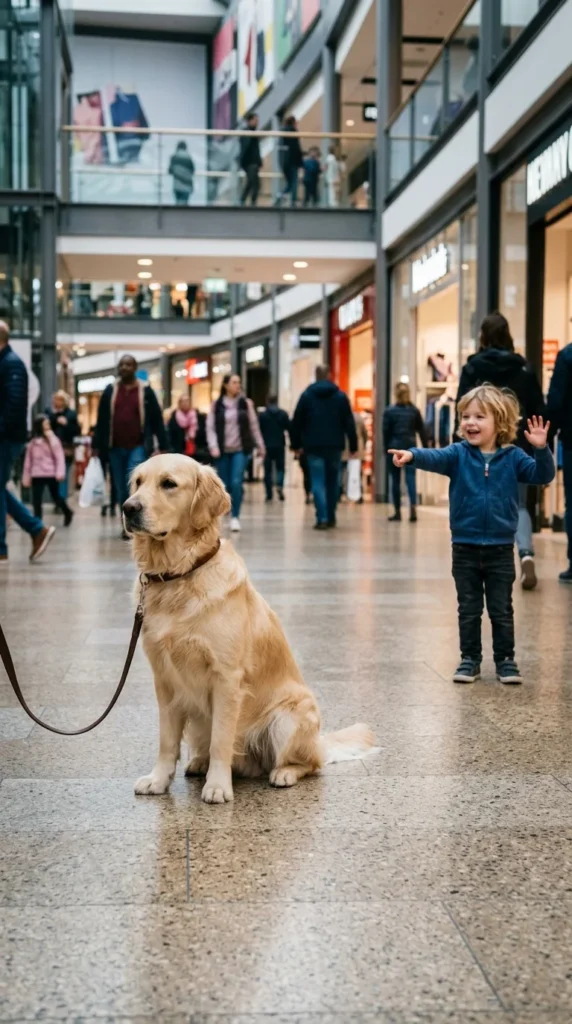
The dog must be a “ghost” in public. This means no barking, sniffing, or interacting with anyone unless it is part of a task. The dog’s focus remains 100% on the handler.
20. Under-Table-Behavior

In restaurants, a dog should never be fed from the table and should stay tucked away. They should be able to handle the smell of food and the sound of clinking silverware without breaking their “down-stay.”
21. Escalator-Safety
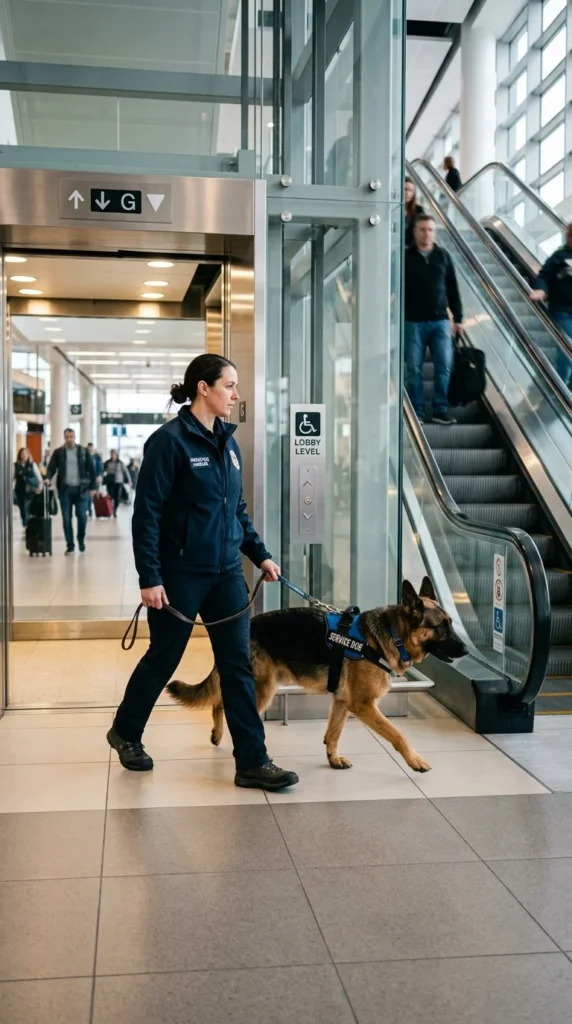
While some dogs are trained for escalators, most handlers prefer elevators or stairs to prevent paw injuries. Training the dog to safely enter and exit elevators and wait for the “clear” is essential.
22. Vehicle-Etiquette
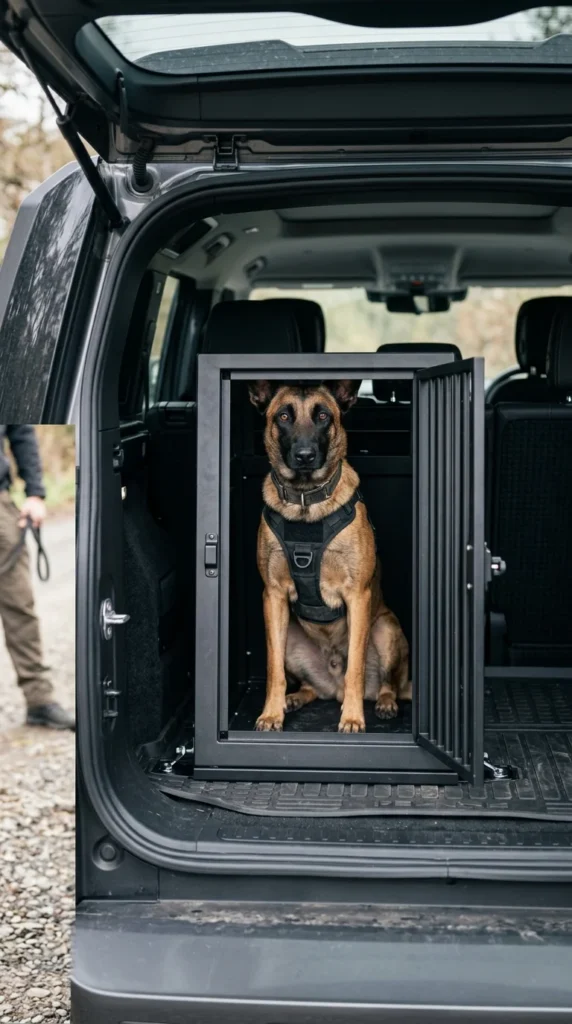
A service dog must be a good traveler. They should enter the vehicle on command, settle immediately, and not interfere with the driver.
23. Task-Consistency
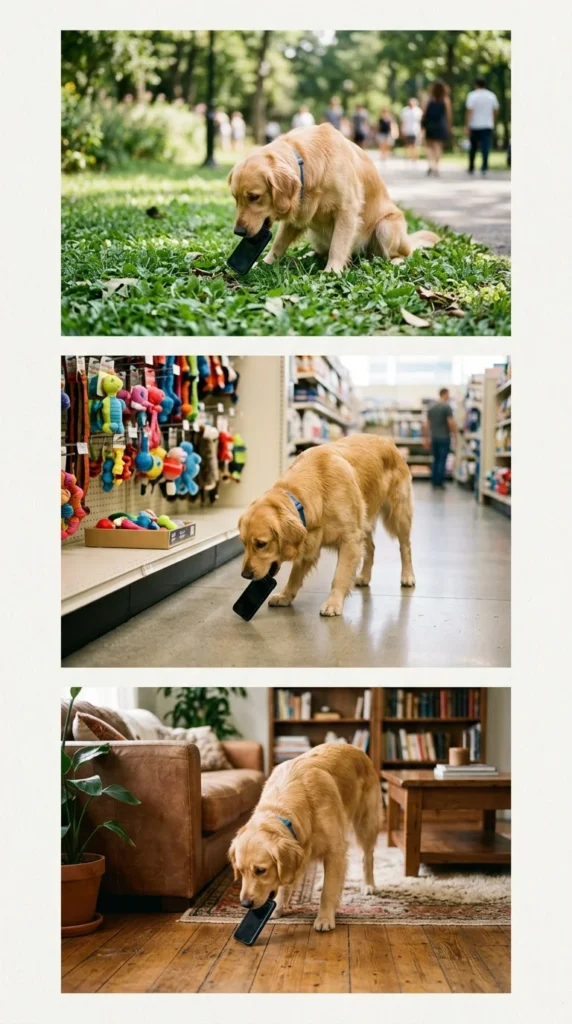
A task is only useful if it is reliable. Handlers must “proof” tasks in various environments so the dog knows that “Fetch Phone” means the same thing in a noisy grocery store as it does in a quiet living room.
24. Handler-Discretion
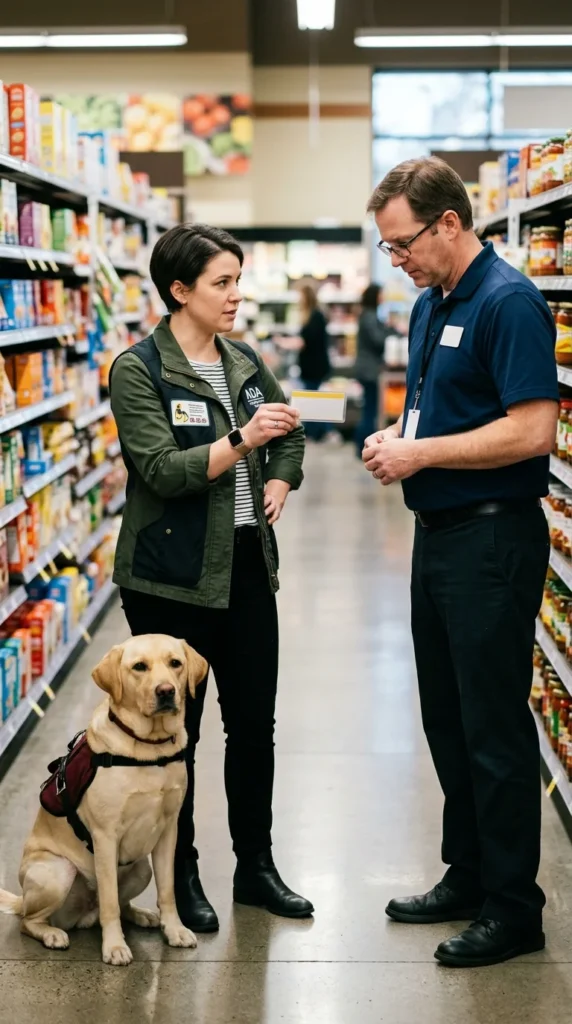
A handler must know the laws (like the ADA in the US). Part of the “basics” is the handler’s ability to advocate for themselves and their dog while maintaining a professional demeanor.
25. Response-to-Stress
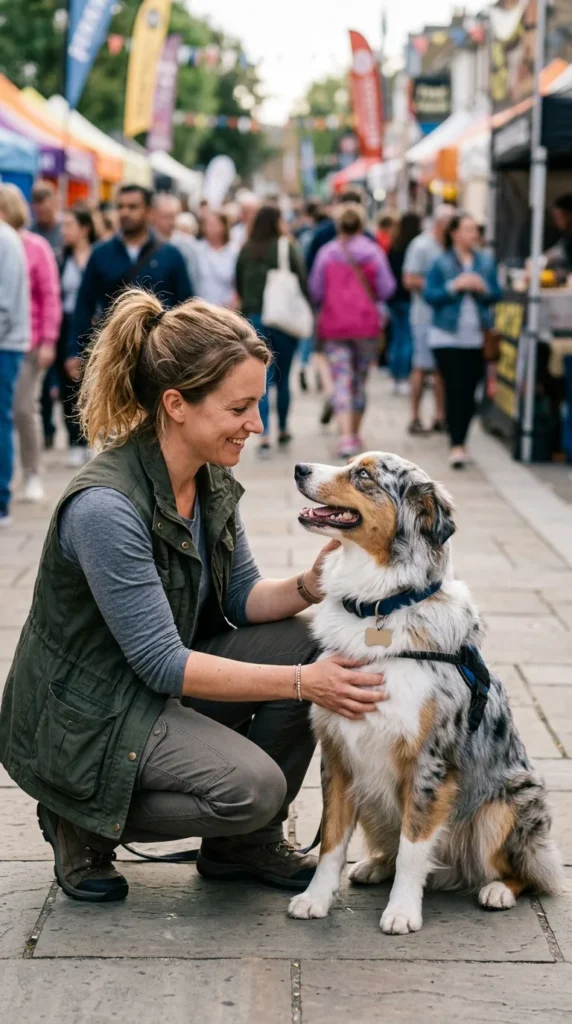
Service dogs can get burnt out. A handler must learn to read their dog’s subtle signs of stress—like yawning, lip licking, or “whale eye”—and know when the dog needs a break or a “play day.”
26. Off-Duty-Time
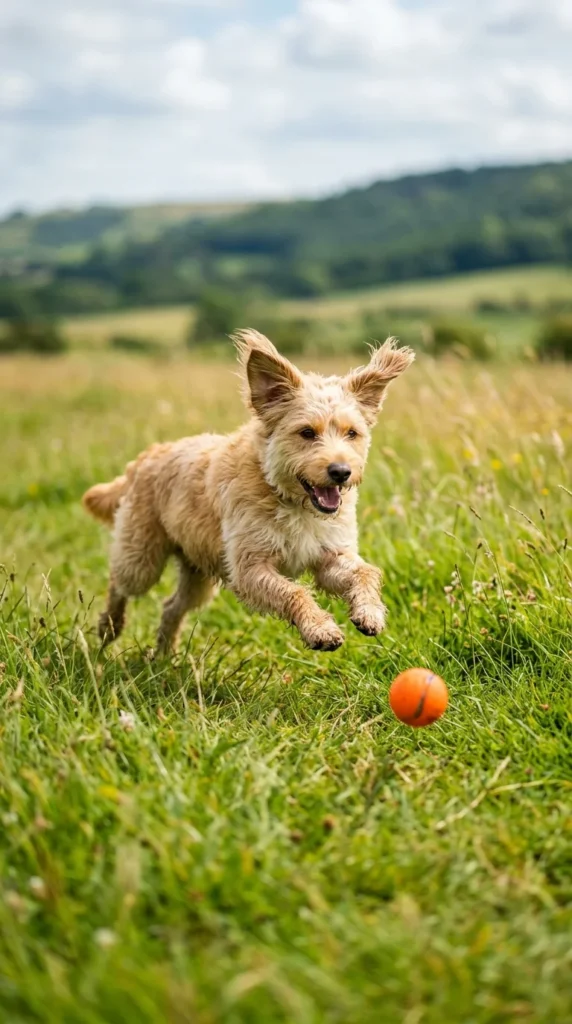
Service dogs are not robots. They need time to just “be a dog.” Scheduled off-duty time where they can run, play, and sniff freely is vital for their mental health and longevity in the field.
27. The-Recall
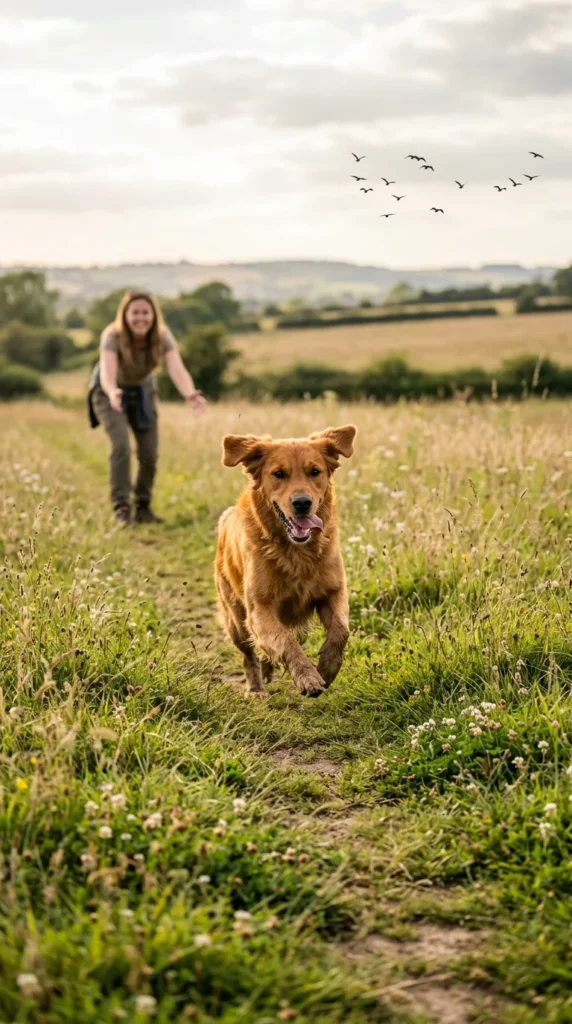
Even though service dogs are usually on a leash, a perfect “Come” command is a life-saving skill. If a leash snaps or a collar slips, the dog must return to the handler immediately, regardless of distractions.
28. Bonding
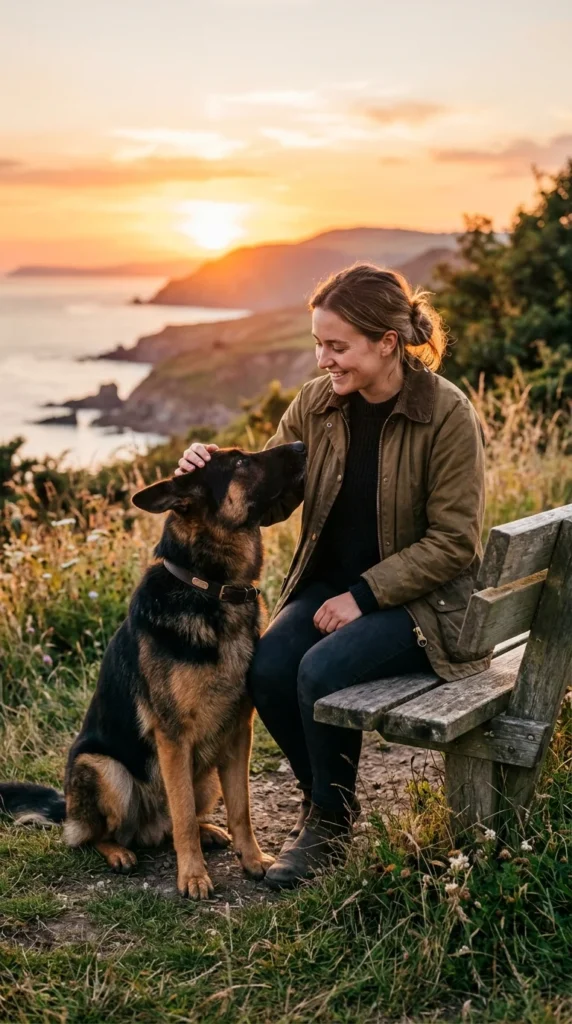
The most important basic isn’t a command; it’s the bond. A dog that loves and trusts its handler will work harder and more reliably. Training should be built on a foundation of mutual respect and positive reinforcement.