
The journey of canine pregnancy is an extraordinary experience that combines excitement with a significant amount of responsibility. Whether you are an experienced breeder or a pet owner who has found themselves with a surprise litter on the way, recognizing the early and late-stage signs of pregnancy is crucial for the health of both the mother and her developing puppies.
A dog’s gestation period is relatively short, lasting between 58 and 68 days. Because things move so quickly, being able to spot the subtle shifts in her behavior, physiology, and appetite can give you a head start on providing the prenatal care she deserves. Here are 16 essential signs that your dog may be expecting.
1. Appetite Changes
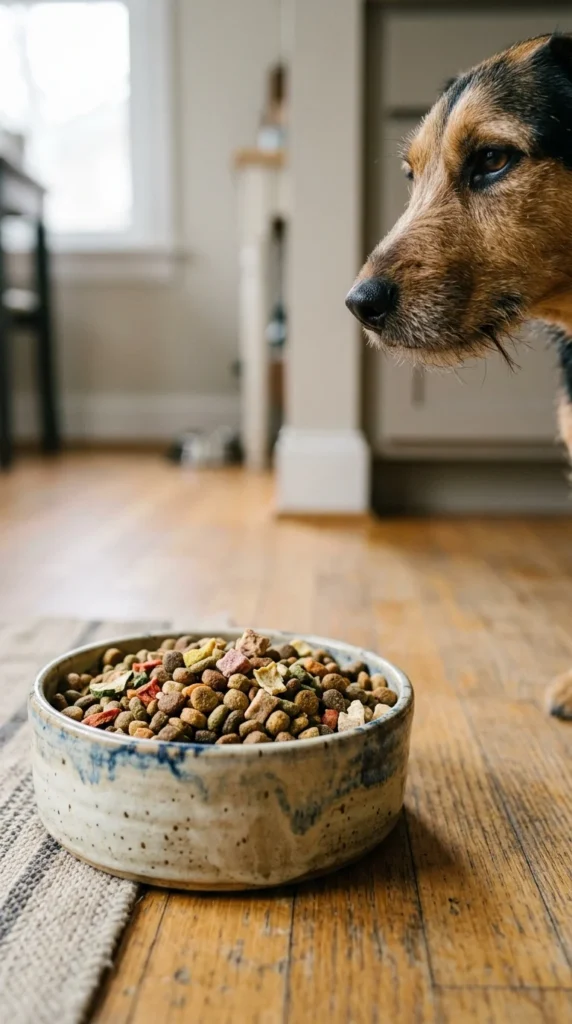
One of the earliest indicators of pregnancy in dogs is a fluctuating appetite. In the first few weeks, you might notice that your dog is suddenly uninterested in her favorite meals. Much like humans, hormonal shifts can cause a temporary “off” feeling. Conversely, as the pregnancy progresses into the middle and late stages, her appetite will likely skyrocket as she requires more energy to nourish her growing litter.
2. Reduced Activity

If your usually high-energy dog is suddenly opting for long naps instead of games of fetch, she might be pregnant. The early stages of gestation take a massive toll on a dog’s energy levels. Developing embryos consume a significant amount of the mother’s resources, leading to noticeable lethargy and a decreased desire for intense physical activity.
3. Morning Sickness
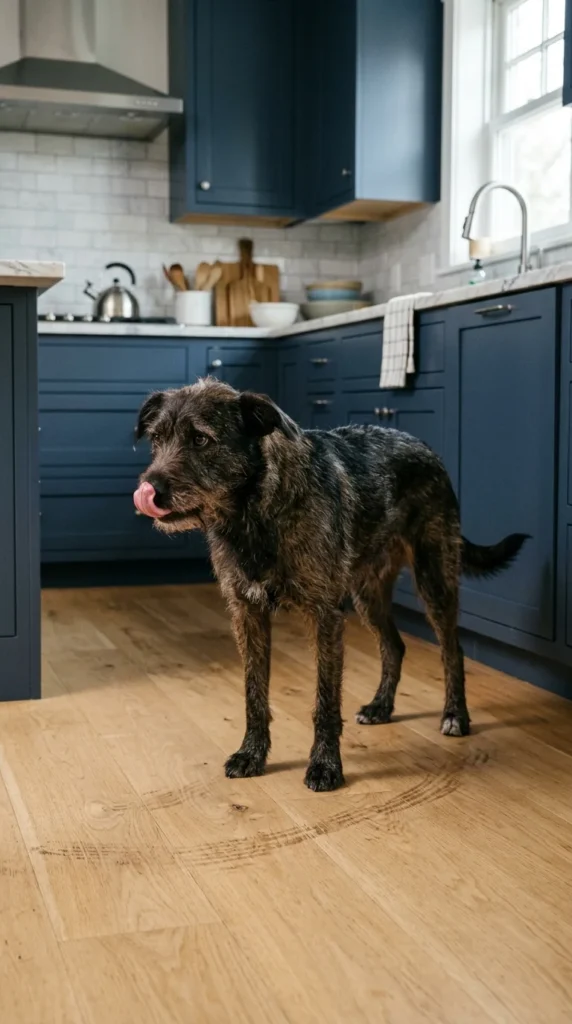
While not as common in dogs as it is in humans, some females do experience a form of morning sickness. This typically occurs during the third or fourth week of pregnancy due to hormonal changes and the stretching of the uterus. You might notice your dog vomiting occasionally or appearing nauseous for a few days before her body adjusts to the pregnancy.
4. Nipple Changes
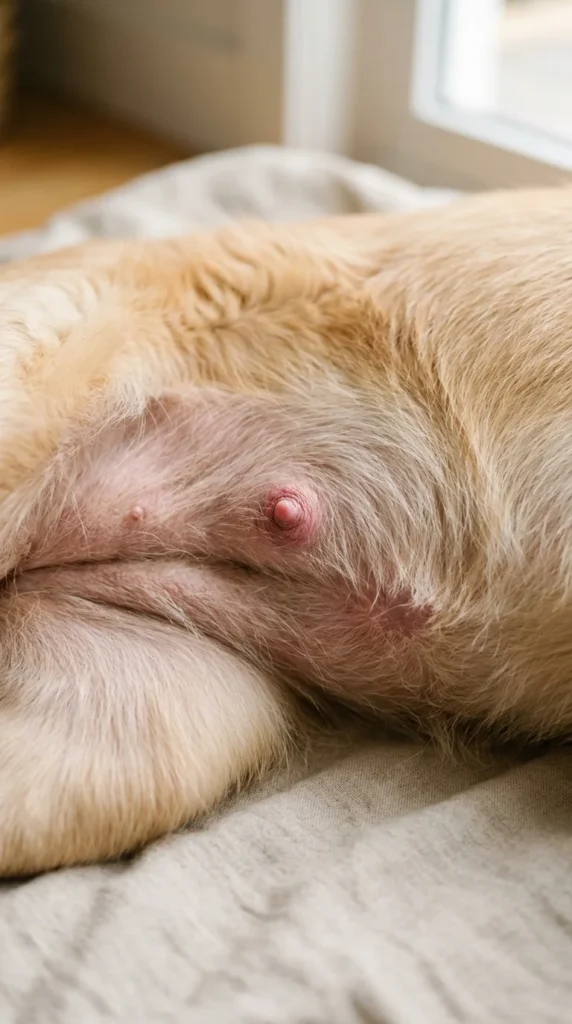
Often referred to as “pinking up,” this is one of the most reliable early physical signs. Usually, a dog’s nipples are small and flat. Within the first 25 to 30 days of pregnancy, the nipples will become more prominent, slightly swollen, and take on a darker pink or even reddish hue. This is the body’s way of preparing for future nursing.
5. Behavioral Shifts
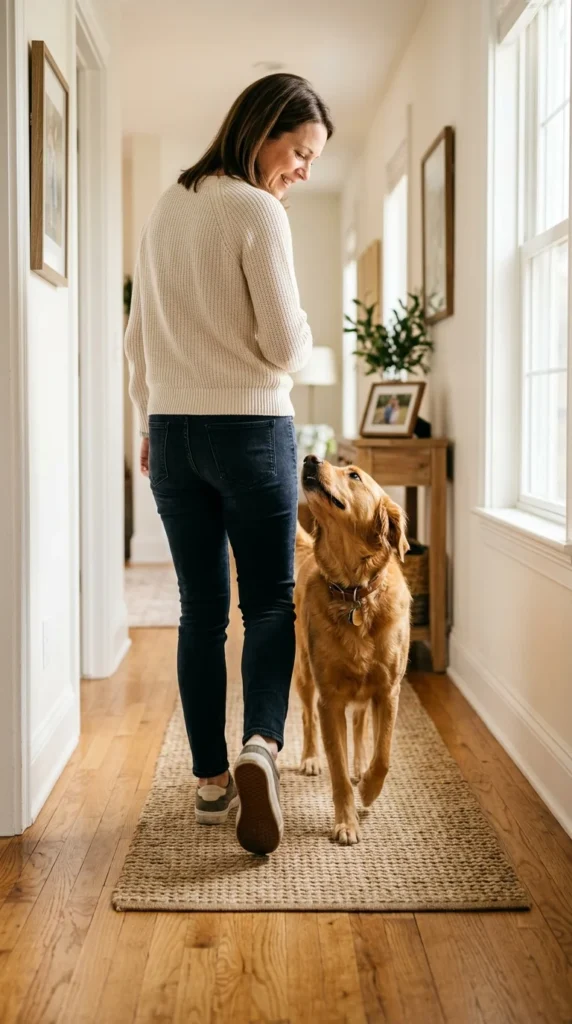
Pregnancy triggers a massive hormonal overhaul, which can lead to significant changes in personality. Some dogs become incredibly “clingy,” following their owners from room to room and seeking constant reassurance. Others may become more withdrawn, preferring to spend time alone in a quiet corner of the house. Both are normal reactions to the internal changes they are experiencing.
6. Weight Gain

As the second month of pregnancy begins, weight gain becomes more apparent. Unlike humans, who might show early, dogs tend to carry their weight more subtly until the final few weeks. You will notice the “waist” area—the part of the body between the ribcage and the hips—begins to fill out, giving her a more rectangular or barrel-like shape.
7. Abdominal Swelling

As the puppies grow, the mother’s abdomen will naturally expand. By the 40th to 50th day, the swelling becomes quite obvious. This is particularly noticeable in dogs who have had litters before or those carrying a large number of puppies. The abdomen will feel firm to the touch rather than soft or flabby.
8. Mucus Discharge
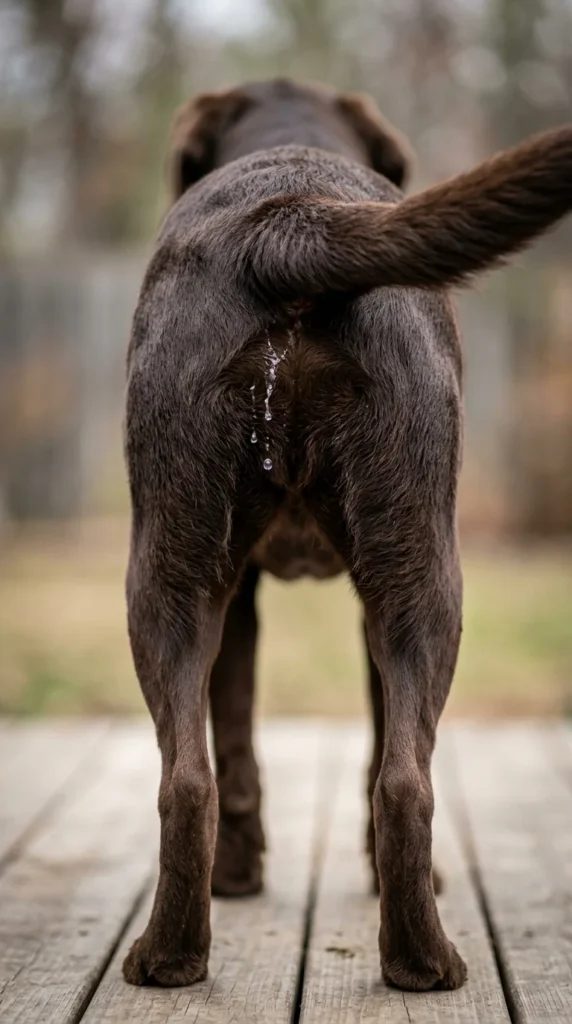
Around the one-month mark (approximately 4 to 5 weeks after mating), you may notice a clear or slightly milky vaginal discharge. This is perfectly normal and is a sign that the body is producing the necessary fluids to protect the developing fetuses. However, if the discharge is bloody, green, or has a foul odor, it is vital to contact a veterinarian immediately.
9. Nesting Instincts

As the due date approaches, you will see a surge in “nesting” behavior. Your dog may start looking for a secluded, safe place to give birth. She might drag blankets, pillows, or even your clothes into a closet or under a bed. This is a primal instinct to create a warm, protected environment for her soon-to-arrive puppies.
10. Enlarged Breasts

In the final two weeks of pregnancy, the mammary glands will significantly enlarge. They will feel heavier and may appear slightly lumpy as the milk ducts prepare for lactation. This change is very distinct from the initial “pinking up” of the nipples and indicates that birth is only a week or two away.
11. Restlessness

In the final week of gestation, many dogs become noticeably restless. They may pace back and forth, frequently change their sleeping position, or seem unable to get comfortable. This restlessness is often caused by the physical discomfort of the heavy belly and the early, subtle contractions as the body prepares for labor.
12. Increased Affection

While we mentioned behavioral shifts earlier, the specific surge in affection in the final days is noteworthy. Many dogs will seek out their “alpha” or primary caregiver for comfort. They may nudge your hand for pets more frequently or try to stay in physical contact with you at all times, relying on your presence to feel safe during this vulnerable time.
13. Irritability
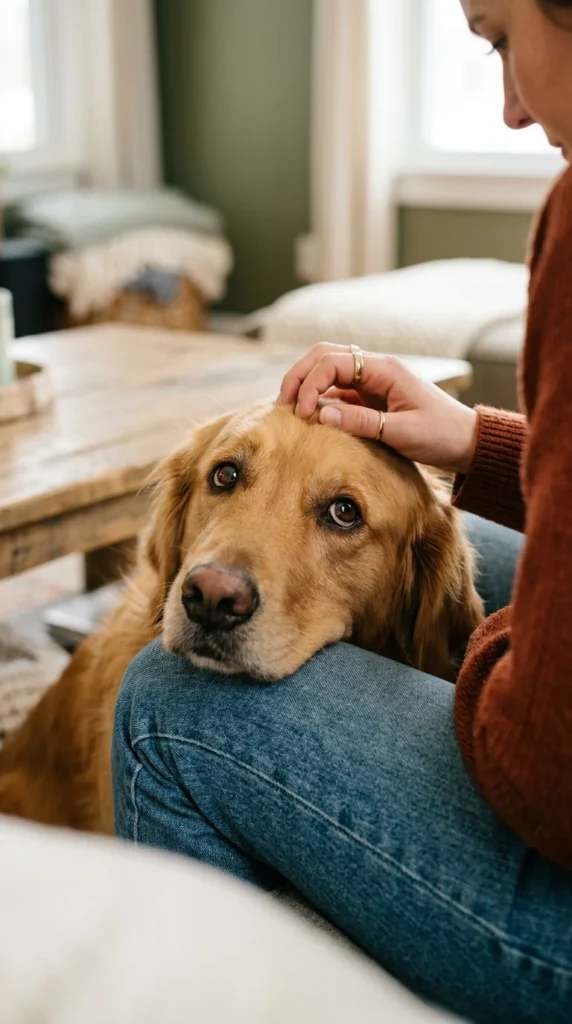
Conversely, some dogs may become more irritable or protective of their space. This is especially true if there are other pets or small children in the house. The mother-to-be is naturally programmed to protect her unborn litter, and she may growl or move away if she feels her “nesting” area is being encroached upon.
14. Belly Heat

If you place your hand on a pregnant dog’s abdomen during the late stages, you will notice it feels significantly warmer than the rest of her body. This is due to the increased blood flow to the uterus and the metabolic heat generated by several developing puppies. It is a sign of a healthy, active pregnancy.
15. Firm Abdomen
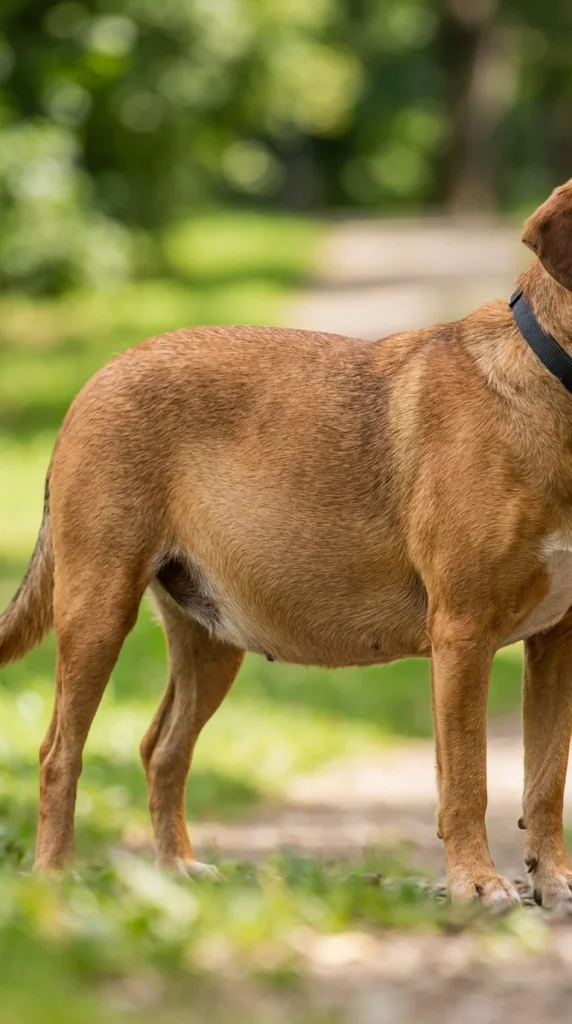
As the puppies reach full size, the mother’s abdomen becomes incredibly firm. If you gently place your hand on her side during the last week, you may even feel the puppies moving or kicking. This is a magical moment for owners and a clear sign that the countdown to “whelping” (the process of giving birth) has truly begun.
Preparing for the Big Day
Once you have identified these signs, the next step is a visit to the veterinarian for a formal ultrasound or X-ray to confirm the number of puppies and ensure the mother is in good health. Provide her with a high-quality “puppy” formula food (which is higher in calories and calcium), a quiet whelping box, and plenty of love. Understanding these 16 signs ensures that you are an informed, prepared, and supportive partner for your dog during one of the most important events of her life.