Bringing a new puppy into your home is an exhilarating milestone, filled with wagging tails, clumsy pounces, and endless cuddles. However, to a puppy, your home isn’t just a living space; it’s a giant, mysterious playground filled with things to chew, pull, and swallow. Their natural curiosity, combined with a biological need to explore with their mouths, can lead to dangerous situations if your environment isn’t properly prepared.
Puppy proofing is more than just tidying up; it’s about seeing the world from four inches off the ground. By identifying potential hazards before your new companion arrives, you create a sanctuary where they can grow, learn, and stay out of the emergency vet’s office. Here are 20 essential tips to puppy-proof your home from top to bottom.
1. Electrical Cords
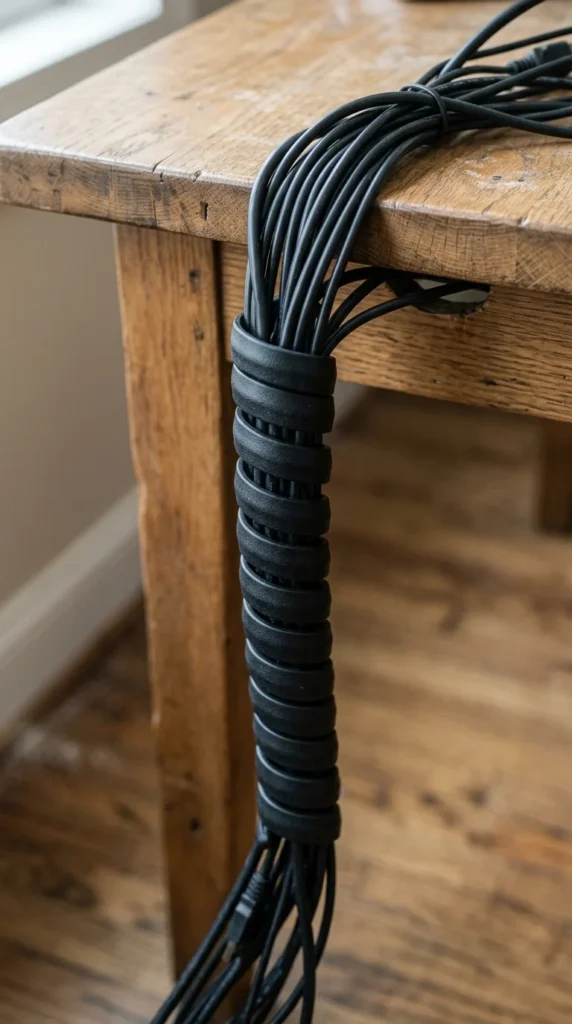
Puppies are notorious for chewing on anything that looks like a vine or a toy, and electrical cords are high on that list. Chewing through a live wire can cause severe burns, electrical shock, or even fatal cardiac arrest. Use cord concealers or heavy-duty plastic tubing to cover any exposed wires. If possible, tuck cords behind heavy furniture where small snouts can’t reach.
2. Toxic Plants
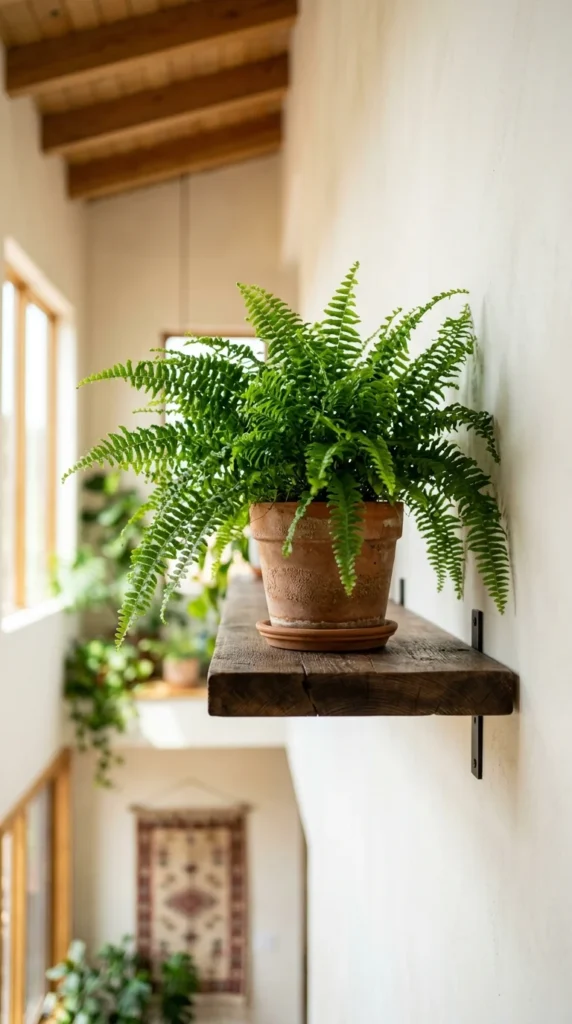
Many common houseplants are toxic to dogs if ingested. Species like lilies, sago palms, azaleas, and even certain succulents can cause symptoms ranging from upset stomachs to organ failure. Audit your greenery and move any questionable plants to high shelves or hanging baskets. Better yet, replace them with pet-safe alternatives like spider plants or Boston ferns.
3. Trash Cans
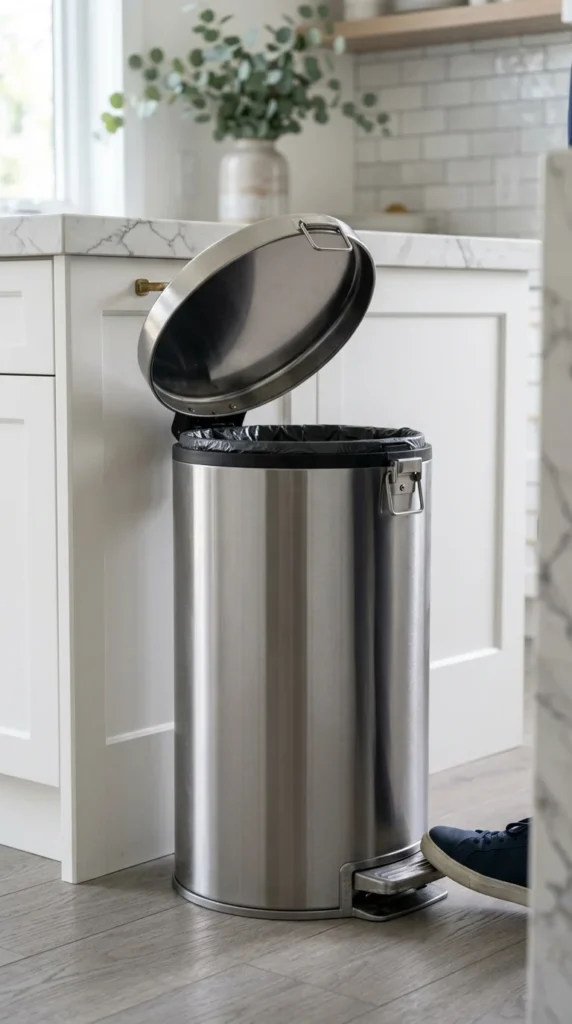
To a puppy, the kitchen trash is a treasure chest of smells. Unfortunately, it also contains chicken bones, onion scraps, coffee grounds, and discarded wrappers—all of which are hazardous. Invest in heavy-duty cans with locking lids or store your bin inside a pantry or a latched cabinet to prevent “dumpster diving.”
4. Cleaning Supplies
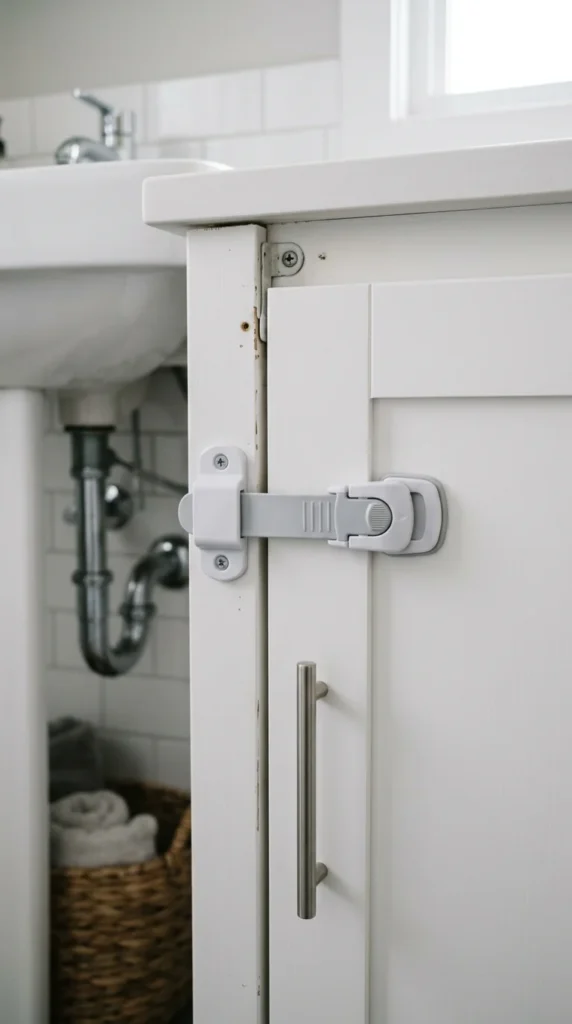
The chemicals used to keep our homes sparkling—bleach, ammonia, and floor cleaners—are highly caustic and poisonous. Puppies can easily nudge open a loose cabinet door. Install childproof latches on all low-level cabinets in the kitchen, laundry room, and bathroom to ensure these chemicals stay locked away.
5. Small Objects
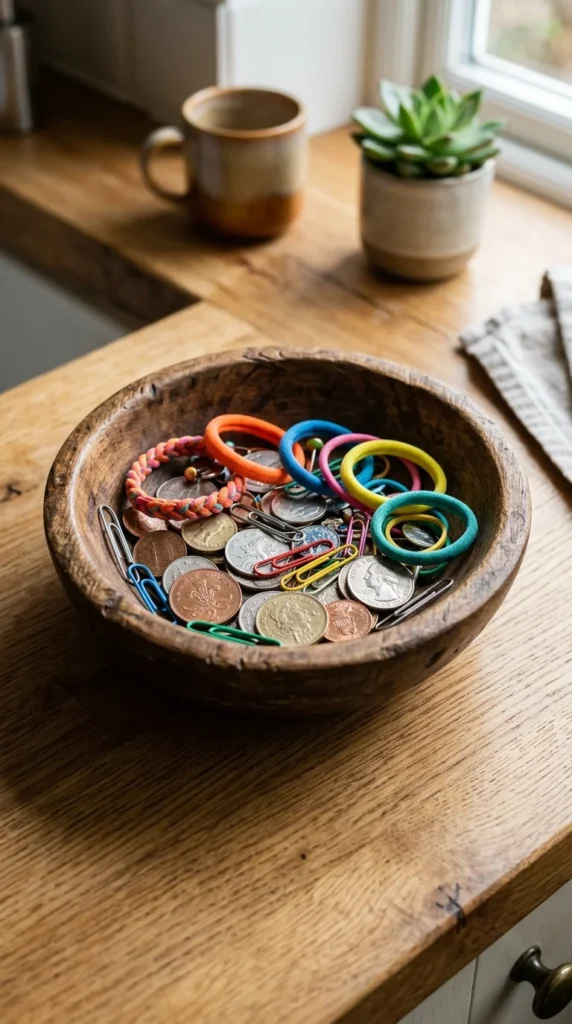
Anything that can fit inside a puppy’s mouth is a potential choking hazard or an intestinal blockage waiting to happen. This includes children’s toys (like LEGOs), coins, hair ties, rubber bands, and jewelry. Get into the habit of a “sweep” every evening to ensure the floor is clear of tiny treasures.
6. Window Blinds
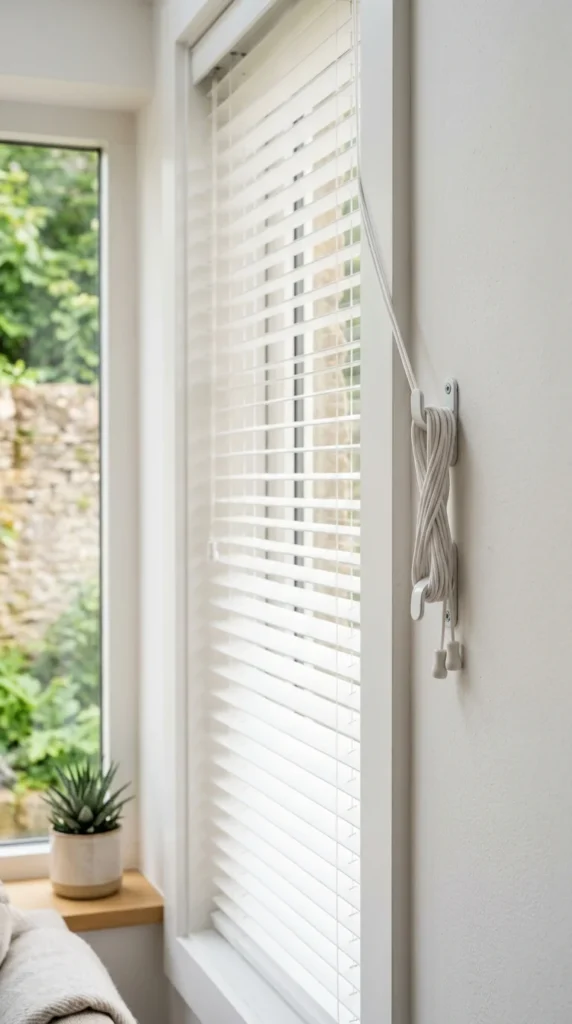
Dangling cords from blinds or curtains are a strangulation risk. Puppies can get their necks caught while jumping or playing near windows. Use cord cleats to wrap the strings high out of reach, or switch to cordless window treatments to eliminate the risk entirely.
7. Medication
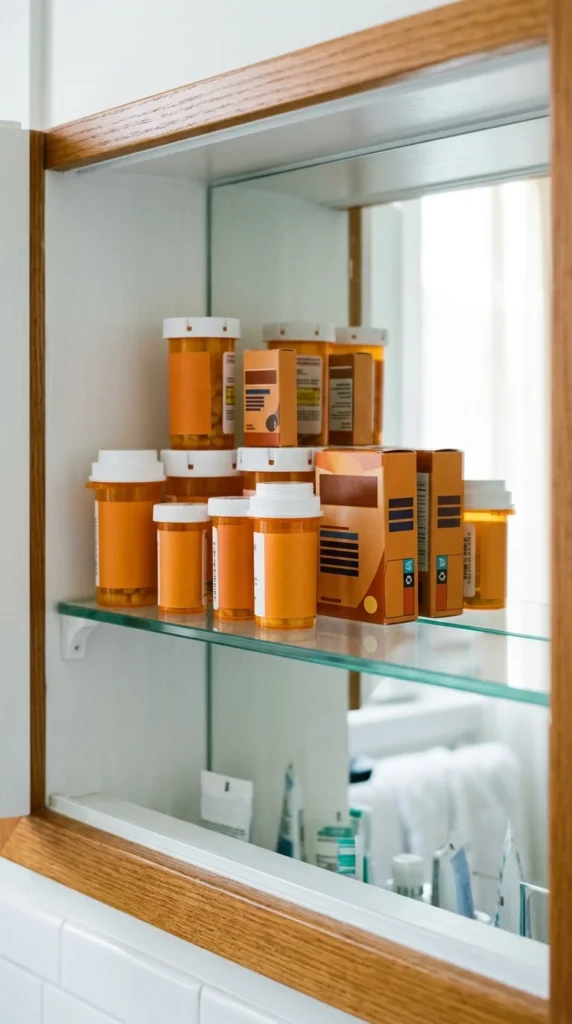
Human medications are one of the leading causes of pet poisoning. A dropped ibuprofen pill or a chewed-up bottle of vitamins can be lethal. Never leave pill bottles on nightstands or counters. Always keep your medications behind a closed cabinet door, and be mindful when taking your own medicine so nothing falls on the floor.
8. Heavy Furniture
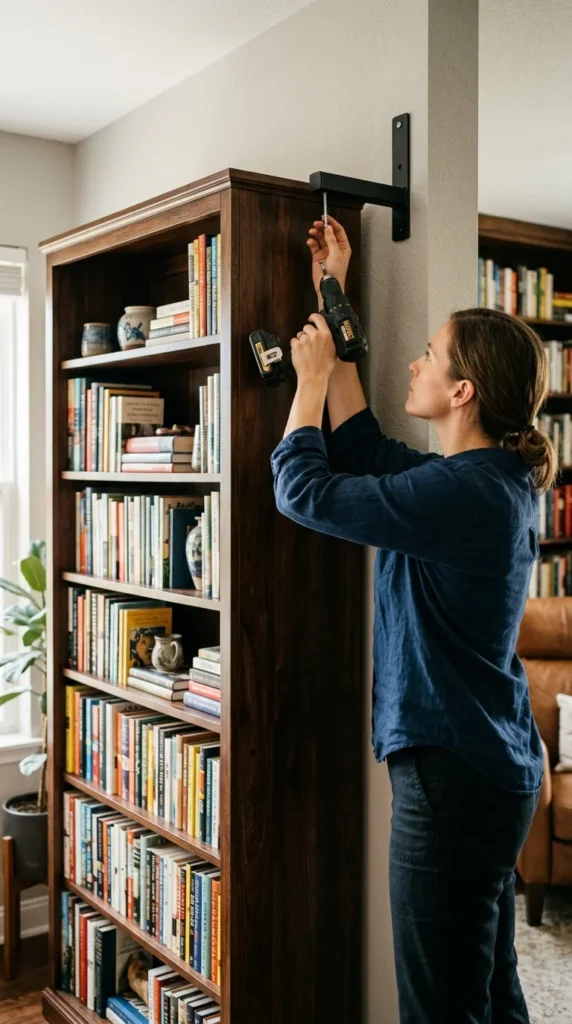
An energetic puppy might try to climb or lean against furniture. Top-heavy items like bookshelves, floor lamps, or dressers can tip over and cause crushing injuries. Anchor tall furniture to the wall using anti-tip straps, much like you would for a toddler, to ensure the environment remains stable during “the zoomies.”
9. Stairs
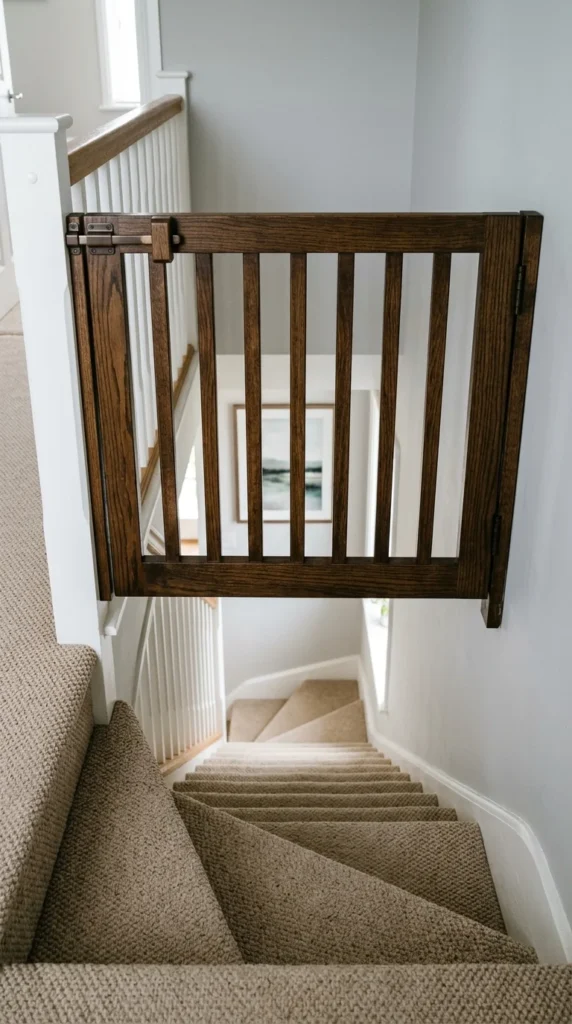
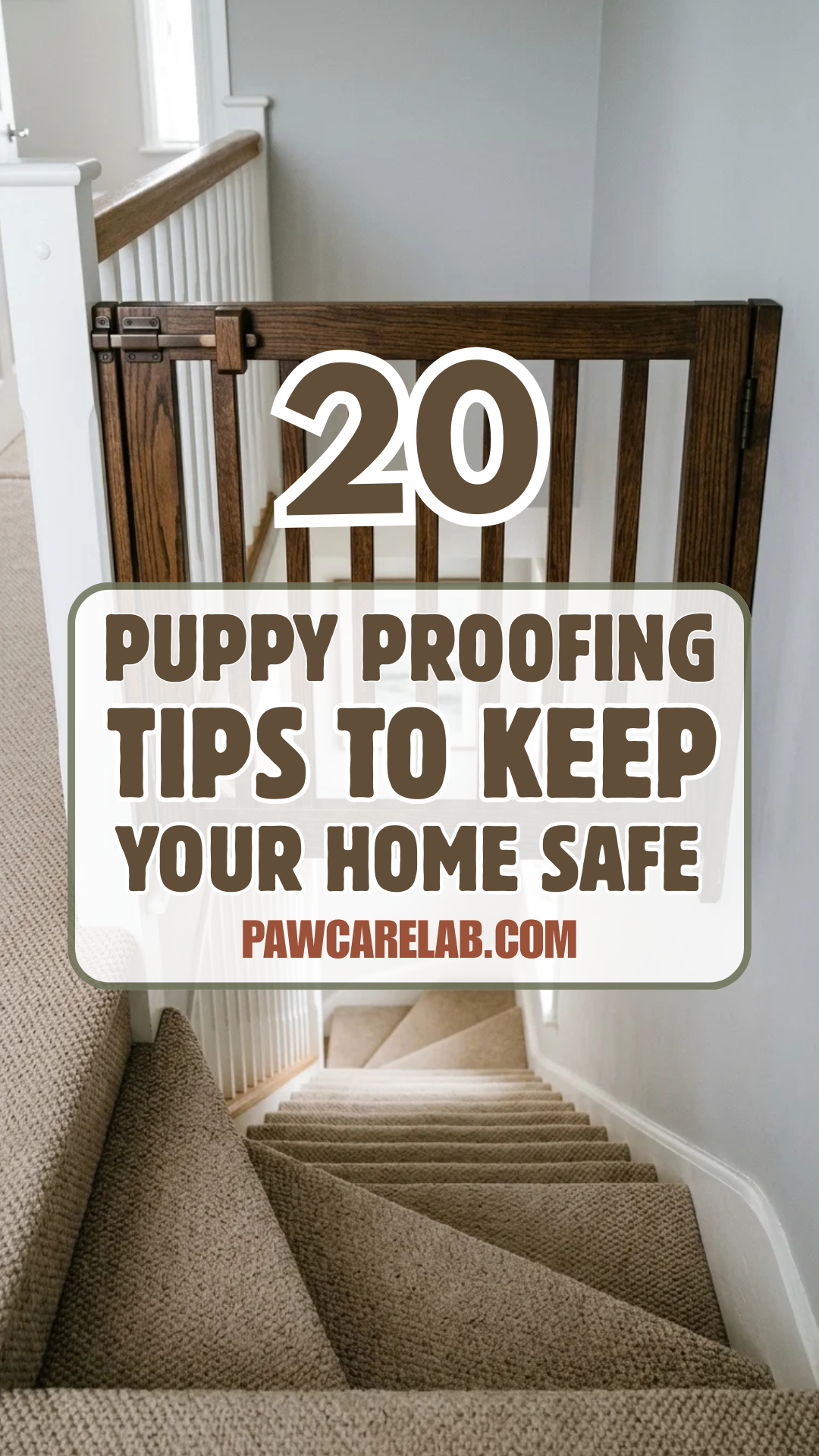
While older dogs handle stairs with ease, puppies lack the coordination and bone density to navigate them safely. A tumble down a flight of stairs can result in broken bones or joint issues. Use baby gates at both the top and bottom of staircases to restrict access until your puppy is large and coordinated enough to handle them.
10. Toilets
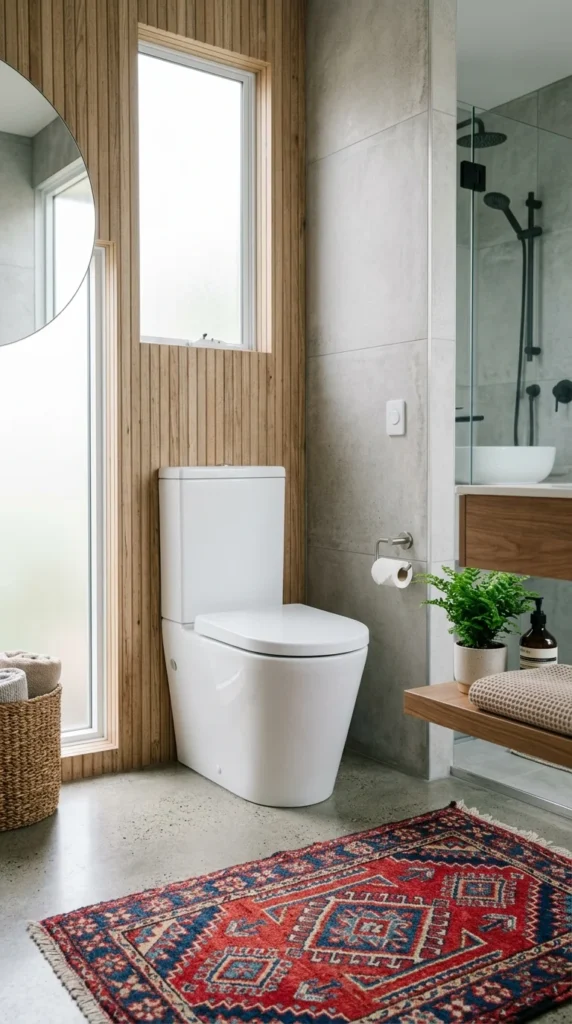
A toilet bowl might look like a giant water dish to a thirsty puppy, but it’s a drowning hazard for smaller breeds. Furthermore, toilet bowl cleaners and fresheners contain harsh chemicals that are toxic if lapped up. Get into the habit of keeping the toilet lid down at all times.
11. Kitchen Counters
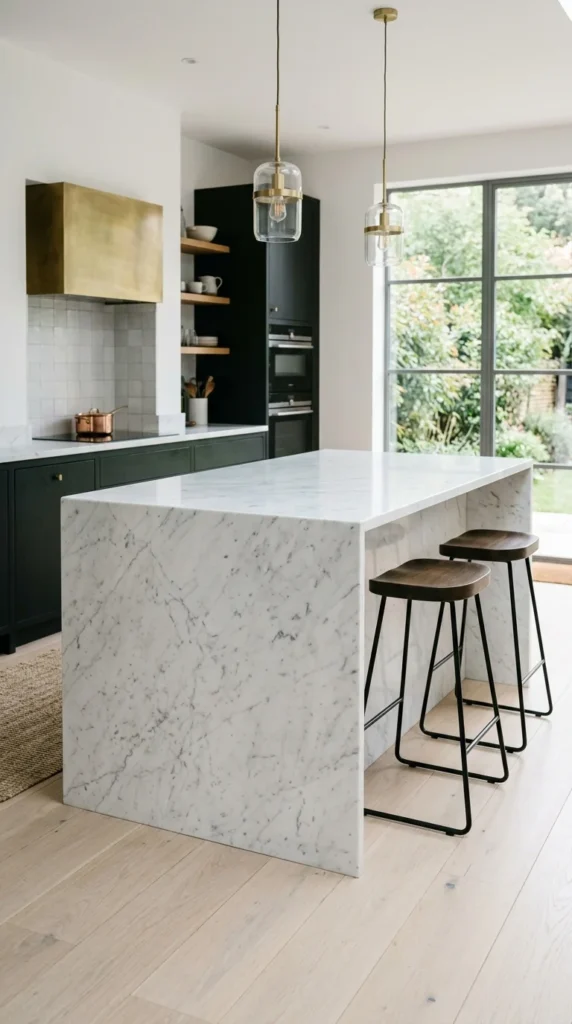
“Counter surfing” is a common habit where puppies jump up to see what’s cooking. Not only can they steal toxic foods like chocolate, grapes, or onions, but they can also pull down heavy pots or sharp knives. Keep your counters clear of food and hazardous items, and never leave a hot stove unattended.
12. House Shoes
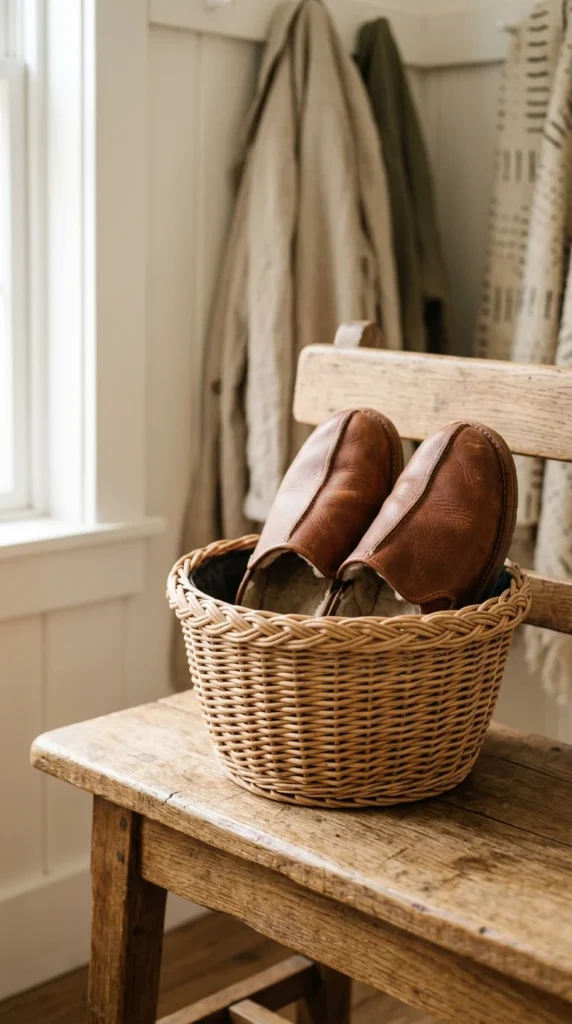
Shoes are the ultimate chew toy because they smell like you. However, shoes can have small parts like aglets (the plastic tips of laces) or decorative beads that can be swallowed. Additionally, puppies can ingest pieces of leather or rubber, leading to digestive issues. Keep your footwear in a closet or an elevated shoe rack.
13. Laundry Area
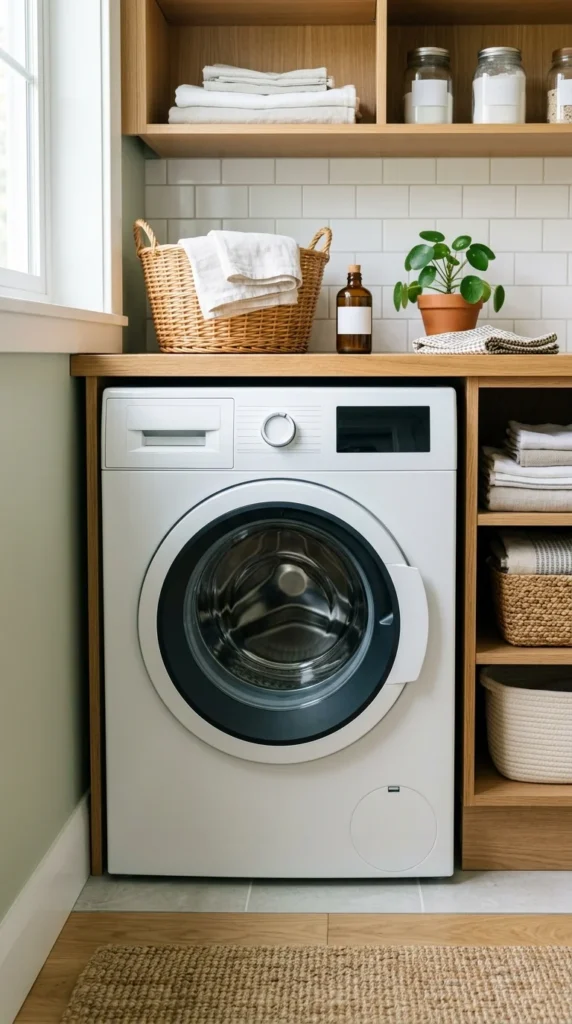
Laundry rooms are full of dangers, from detergent pods that look like treats to the warmth of a dryer. Puppies have been known to crawl into open dryers for a nap. Keep detergent pods in sealed containers on high shelves and always keep the doors to your washer and dryer closed when not in use.
14. Garden Access
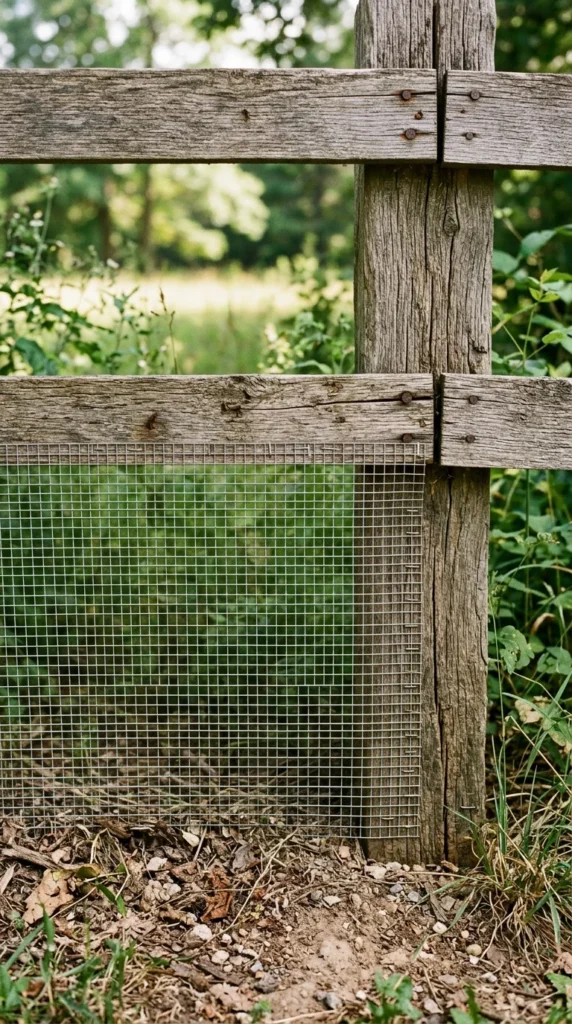
If you have a yard, check the perimeter for “puppy-sized” holes. A small puppy can squeeze through surprisingly narrow gaps in a fence. Use chicken wire or garden mesh to close off any openings at the base of your fencing, and ensure that gates latch securely so they don’t swing open in the wind.
15. Pest Control
Mouse traps, ant bait stations, and snail pellets are designed to be attractive to pests, but they are equally attractive—and deadly—to puppies. If you must use pest control, opt for pet-safe versions or place traps in areas that are completely inaccessible to your dog, such as deep inside wall voids.
16. Garage Hazards
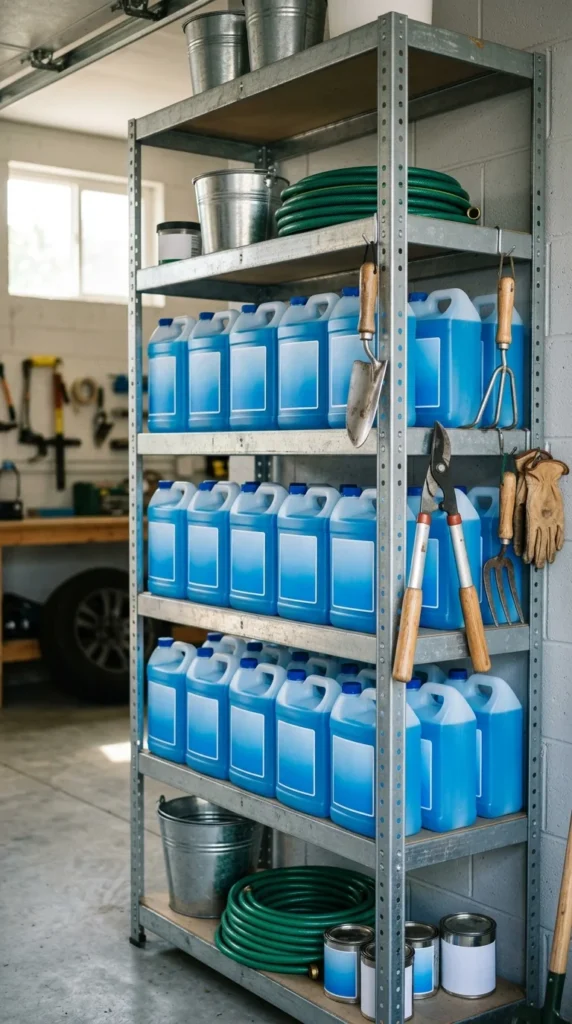
The garage is often a storehouse for the most dangerous substances in a home. Antifreeze is particularly lethal because it has a sweet taste that dogs love. Even a small lick can cause kidney failure. Store all automotive fluids, fertilizers, and sharp tools on high shelves, and clean up any spills on the floor immediately.
17. Floor Drapes
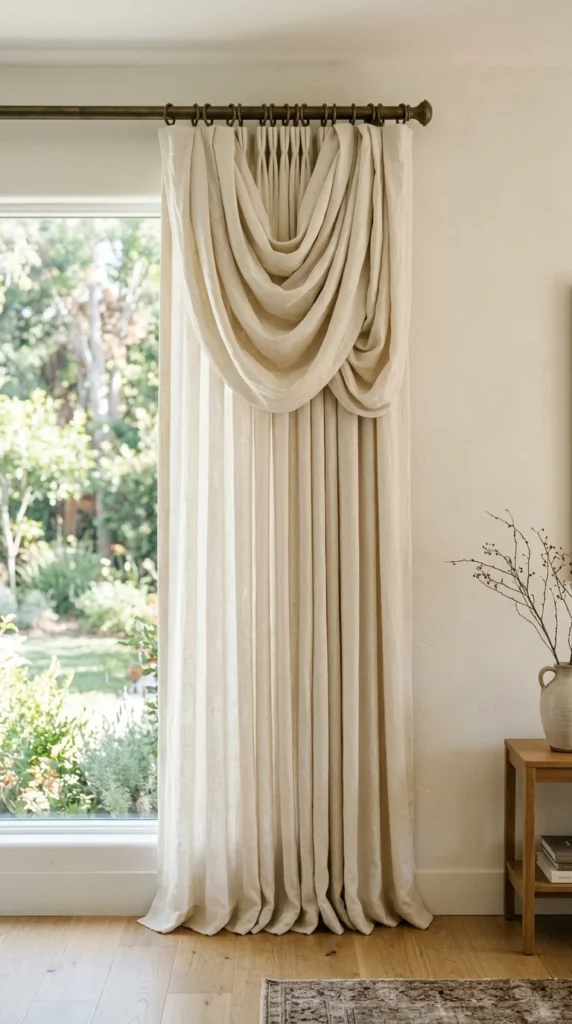
Curtains that puddle on the floor are an invitation for a puppy to tug and pull. This can result in the curtain rod being ripped out of the wall and falling onto the puppy. Consider pinning up long drapes or switching to shorter window treatments while your puppy is in their destructive “teething” phase.
18. Handbags
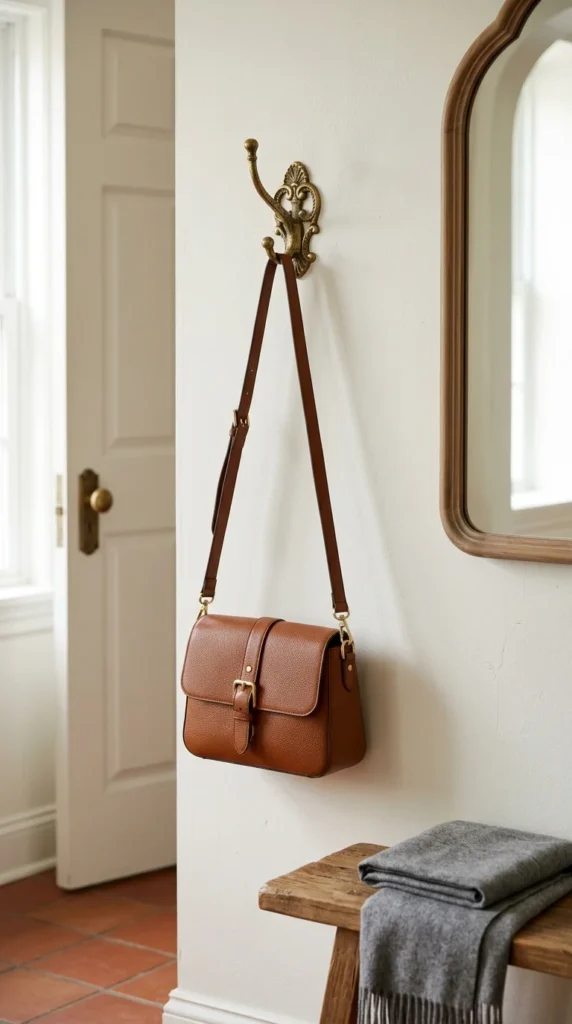
We often carry hazards in our bags without thinking: sugar-free gum (which contains Xylitol, a deadly toxin for dogs), inhalers, hand sanitizer, and loose change. Never leave your purse or backpack on the floor. Hang it on a sturdy hook or place it in a closet as soon as you enter the house.
19. Plastic Bags
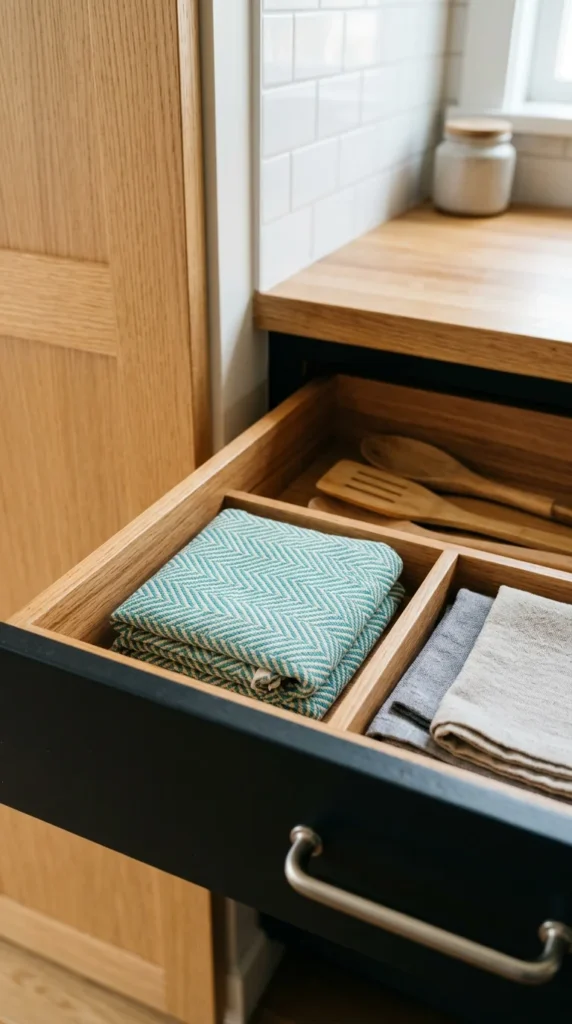
Plastic grocery bags and snack bags (like chip bags) pose a significant suffocation risk. A puppy can put their head inside a bag to lick the crumbs and become trapped as the plastic seals around their face. Store all plastic bags in a drawer or a high-mounted dispenser and dispose of snack bags in a secure trash can.
20. Puppy Gates
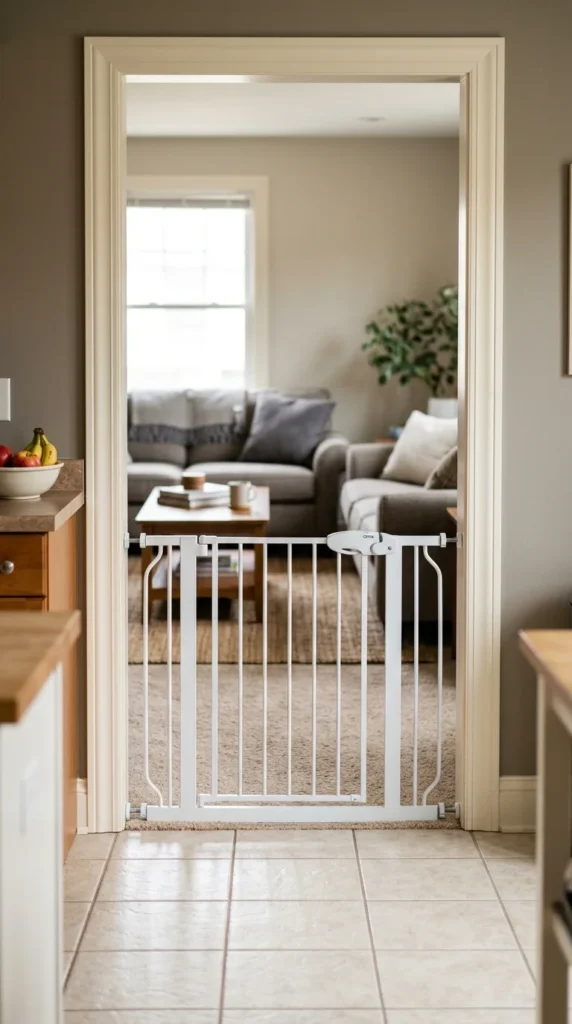
Sometimes the best puppy proofing is simply “area proofing.” Use pet gates to create a “puppy-safe zone”—usually a room with easy-to-clean floors and zero hazards. This allows your puppy to have freedom to play and explore without you having to worry about every single corner of the house simultaneously.
By taking the time to address these 20 areas, you aren’t just protecting your belongings; you are ensuring your new best friend has the safest possible start to their life with you. Puppyhood is a fleeting, joyful time, and with a bit of preparation, you can focus on the fun of training and bonding rather than the stress of potential accidents.