
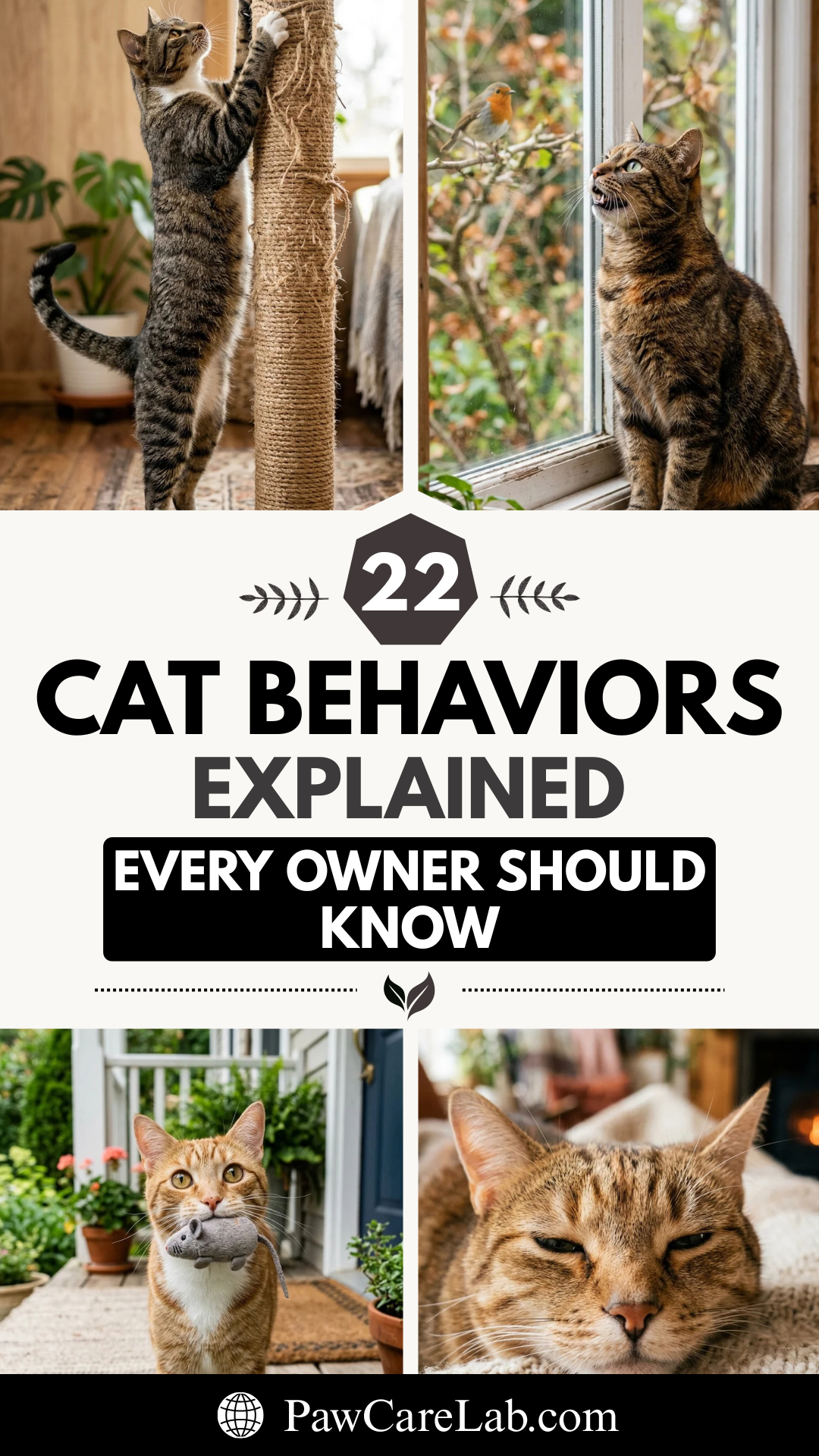
Cats have long been considered the enigmas of the pet world. One moment they are purring spheres of affection, and the next, they are sprinting across the house at three in the morning for no apparent reason. While their behavior can seem erratic, almost every “weird” thing a cat does has a biological, social, or evolutionary root. By understanding these 22 common behaviors, you can bridge the communication gap between species and build a deeper bond with your feline companion.
1. Slow Blinking
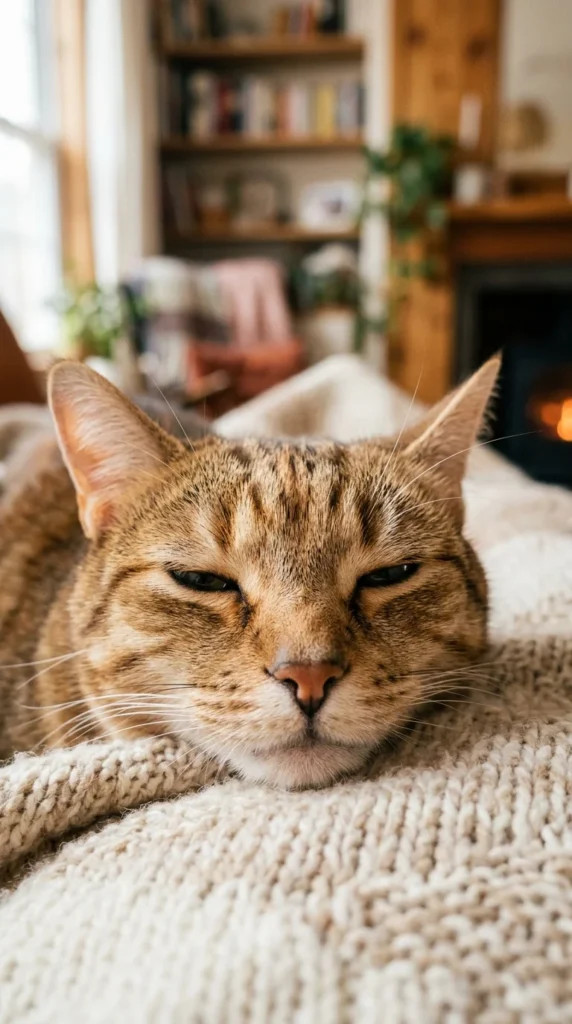
Often referred to as a “cat kiss,” the slow blink is one of the highest compliments a cat can pay you. In the wild, closing one’s eyes is a sign of vulnerability. When a cat looks at you and slowly shuts and opens their eyes, they are communicating that they trust you completely and feel safe in your presence. You can actually communicate back by mimicking this gesture, which helps lower the cat’s stress levels and reinforces your bond.
2. Kneading
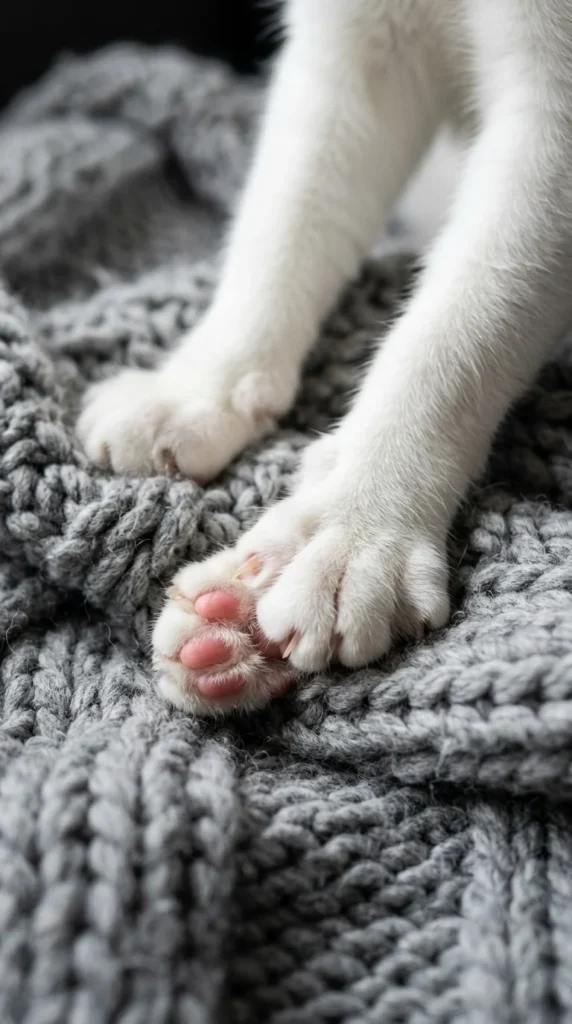
Commonly known as “making biscuits,” kneading is a behavior carried over from kittenhood. Nursing kittens knead their mothers to stimulate milk flow. When an adult cat kneads a soft surface—or your lap—it indicates they are in a state of extreme comfort and relaxation. It is a rhythmic, meditative action that releases endorphins. If they use their claws while doing it, try not to be offended; they are simply too happy to realize they are poking you.
3. Head Bunting
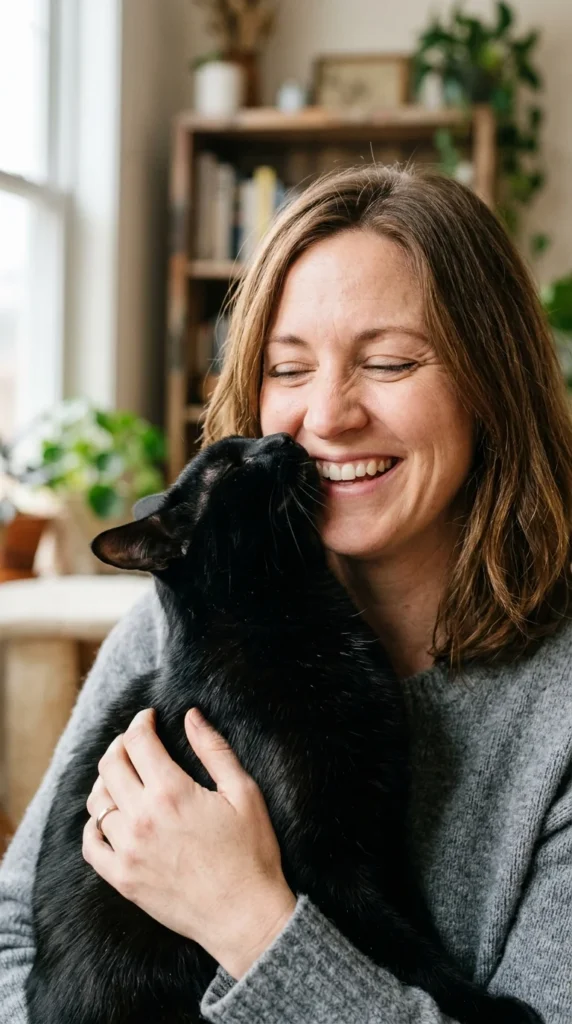
When your cat rams their head into your face, hands, or legs, they are performing a behavior called “bunting.” Cats have scent glands located on their cheeks, forehead, and chin. By rubbing these areas against you, they are marking you with their pheromones. This isn’t just about claiming “ownership”; it is a way of creating a “communal scent” in the home, signaling that you are part of their family group and a safe, trusted individual.
4. Chattering

If you’ve ever seen your cat spotting a bird or a squirrel through a window, you’ve likely heard that strange, rapid clicking or chattering sound. This behavior is a mix of excitement and predatory frustration. Some behaviorists believe it is a mimicking of the “killing bite” that felines use in the wild, while others suggest it is simply an involuntary physical response to the adrenaline of the hunt when the prey is out of reach.
5. Zoomies
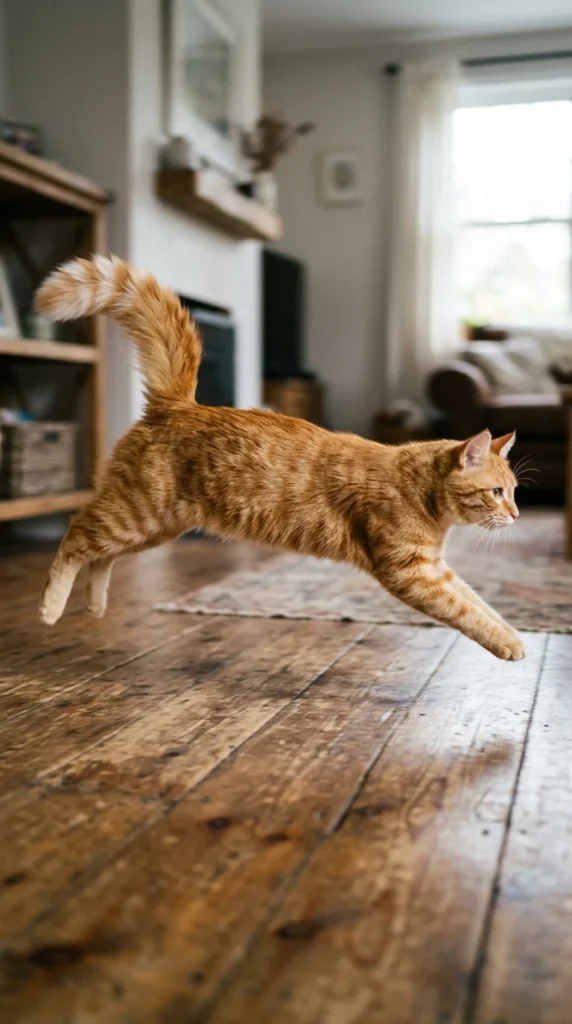
Frenetic Random Activity Periods, or “zoomies,” usually happen after a long nap or a trip to the litter box. Because cats are crepuscular hunters designed for short bursts of intense energy, they often have a buildup of “stored” energy that needs to be expelled immediately. The result is a high-speed chase against an invisible foe, often involving wall-runs and acrobatic leaps.
6. Belly Display
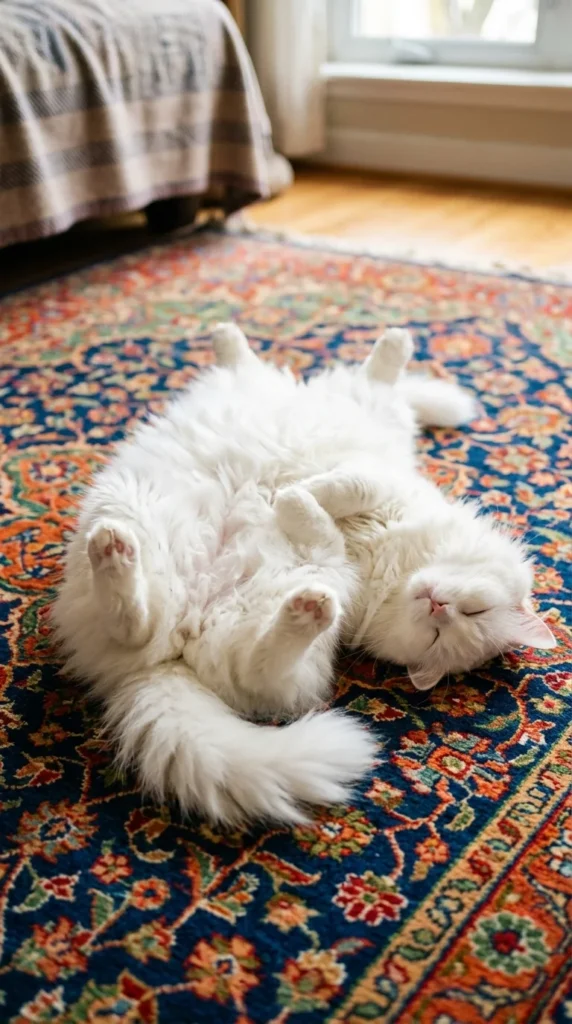
While a dog showing its belly is almost always an invitation for a rub, a cat showing its belly is a complex signal. Primarily, it is a sign of trust; the belly is a cat’s most vulnerable area. However, it is often a trap. In cat body language, lying on the back is also a defensive fighting position that allows them to use all four sets of claws and their teeth simultaneously. Unless you know your cat loves belly rubs, it’s best to acknowledge the trust with a head scratch instead.
7. Loafing
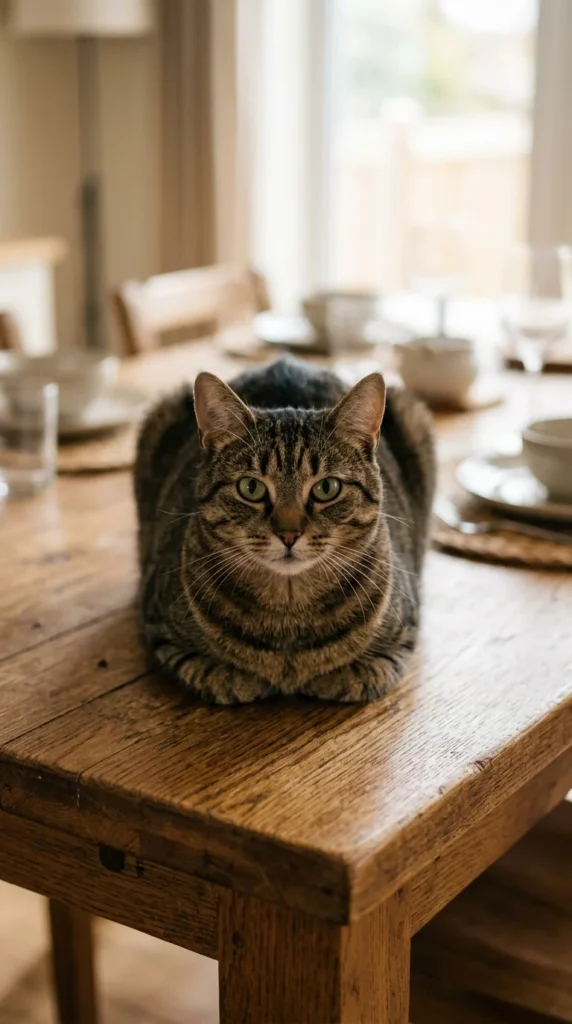
The “loaf” position—where a cat tucks its paws under its chest—is a sign of a cat that is relaxed but remains semi-alert. By tucking their limbs away, they are conserving body heat. This posture indicates that the cat does not feel the need to be in a “flight” or “fight” stance, as they are comfortable enough in their environment to take the time to settle in, even if they aren’t fully asleep.
8. Tail Twitching
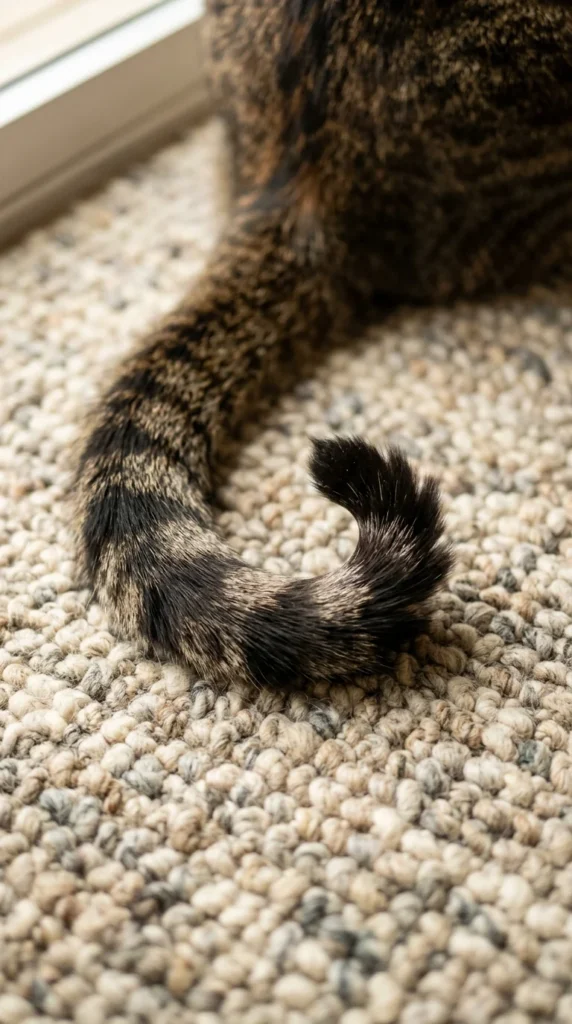
Unlike dogs, where a wagging tail usually means happiness, a cat’s tail is a barometer for their nervous system. A gentle swish of the tip usually indicates focus or curiosity. However, a heavy, rhythmic thumping or lashing of the tail is a clear warning sign of agitation or overstimulation. If you are petting a cat and the tail starts thumping, it is time to stop before the “love bite” occurs.
9. Purring
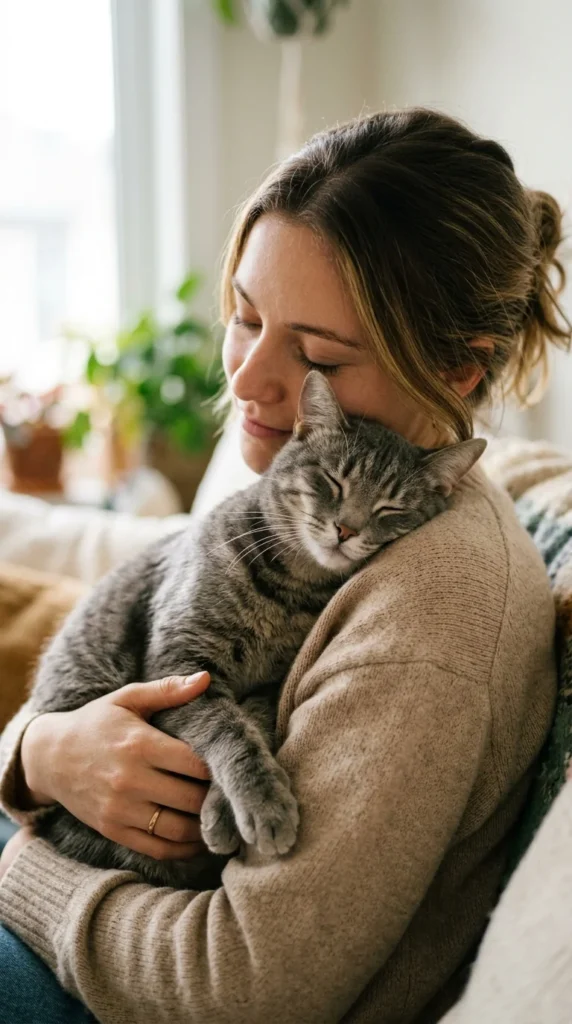
Purring is the most recognizable cat sound, but it doesn’t always mean the cat is happy. While cats certainly purr when they are content, they also purr when they are injured, stressed, or even giving birth. Research suggests the frequency of a cat’s purr (between 25 and 150 Hertz) can actually help improve bone density and promote healing of soft tissue. It is a self-soothing mechanism as much as it is a social signal.
10. Bringing Gifts
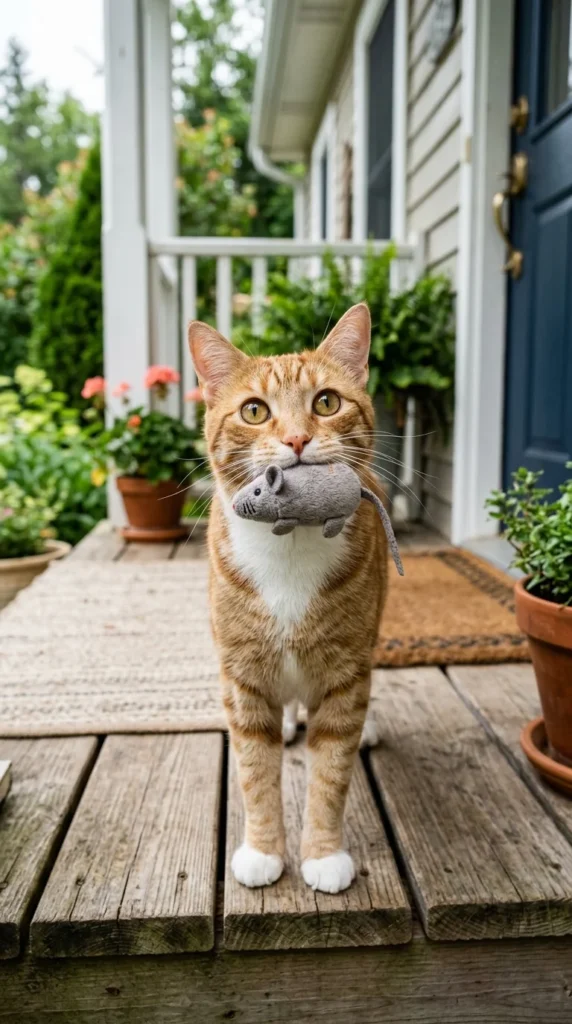
Whether it’s a feathered toy or a real rodent, cats “gifting” their kills to their owners is an evolutionary remnant of their role as teachers. In a colony, mother cats bring back injured prey to teach their kittens how to hunt. By bringing you a “gift,” your cat is likely acknowledging that you are a terrible hunter and they are trying to provide for the “colony” by bringing you something to eat.
11. Rubbing Legs
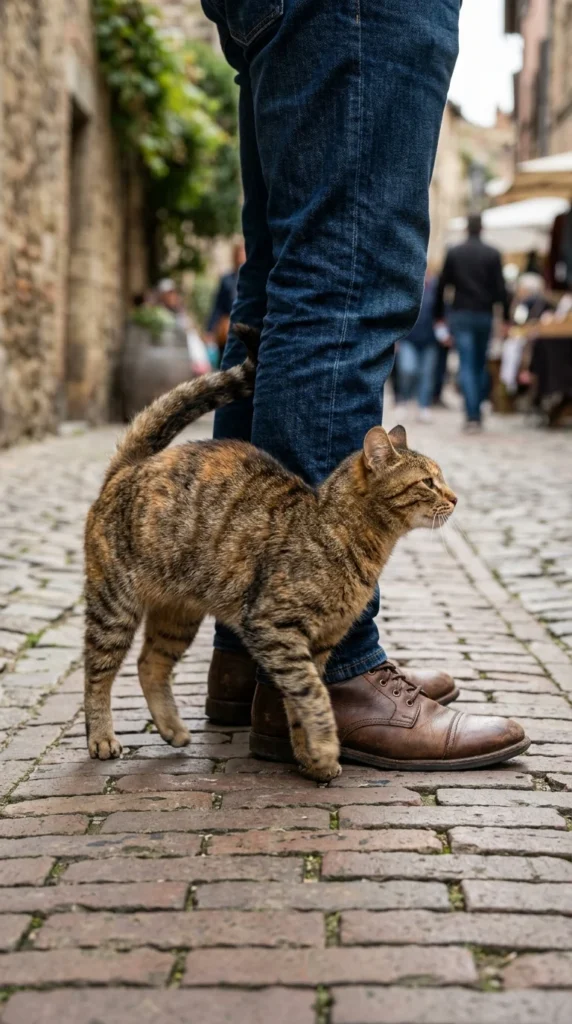
When you walk through the door and your cat immediately begins weaving between your legs, they are performing a “scent handshake.” They are rubbing their pheromones onto you while simultaneously picking up the scents you brought home from the outside world. This behavior re-establishes the familial bond and confirms that you still belong to the same social group after your time apart.
12. Scratching
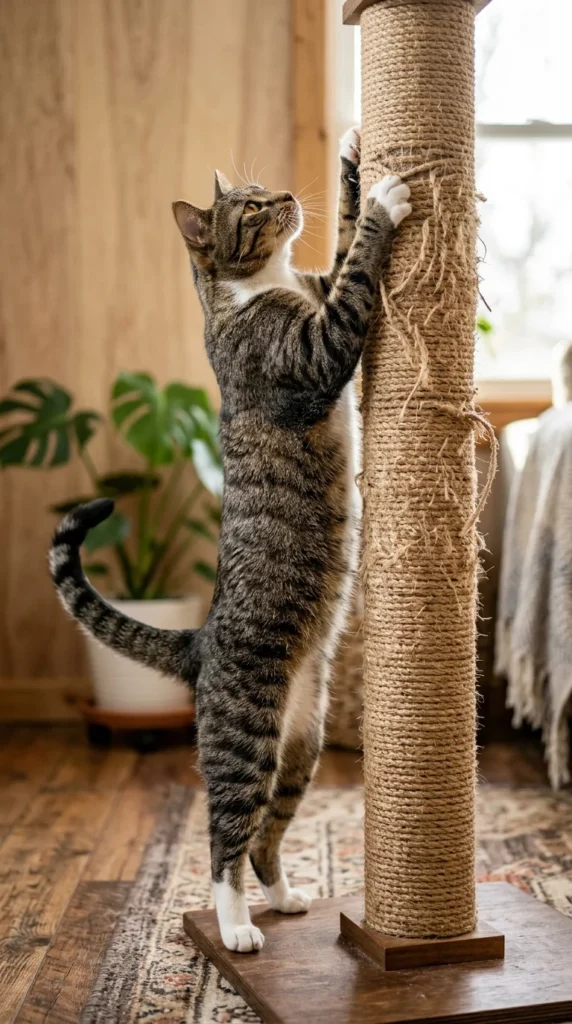
Scratching is a multi-purpose behavior. Physically, it helps shed the outer sheath of the cat’s claws, keeping them sharp. Territorially, it leaves both a visual mark and a scent mark (from glands in the paws). It is also a way for cats to stretch their back and shoulder muscles. If your cat is scratching the furniture, they aren’t being spiteful; they are simply fulfilling a biological need to mark their territory and maintain their “tools.”
13. Box Hiding
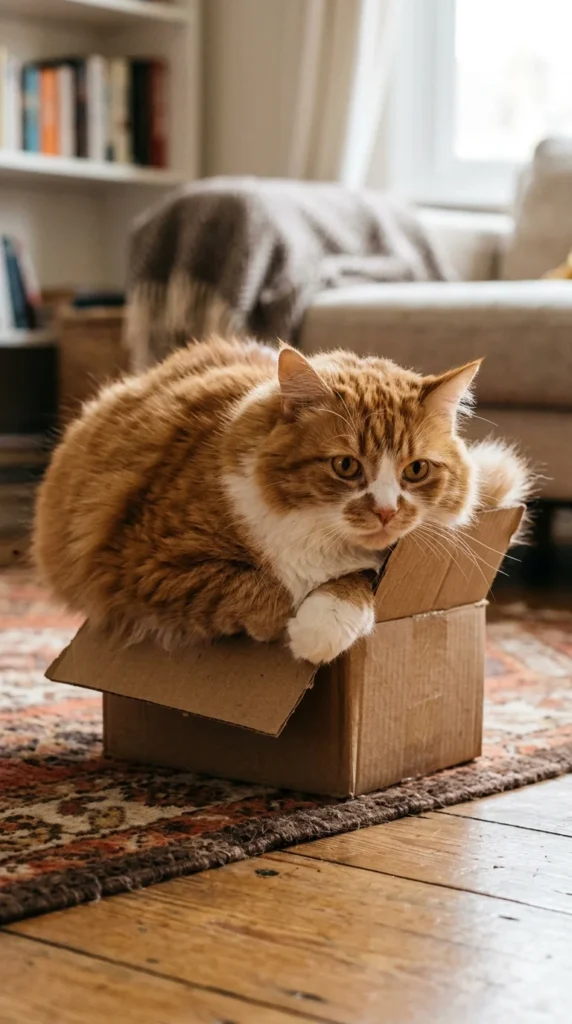
Cats are both predators and prey in the wild. This dual nature makes them seek out enclosed spaces where they cannot be ambushed from the side or behind. A cardboard box provides a “safe zone” where they can observe the world without being seen. Studies have shown that providing shelter like boxes significantly reduces stress levels in cats, especially in new or chaotic environments.
14. Flehmen Response
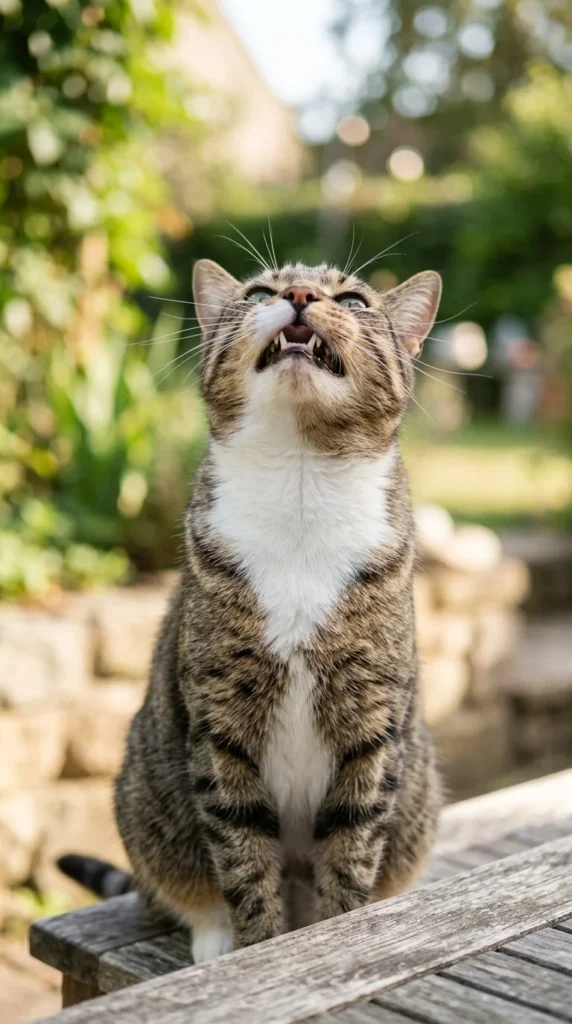
If you’ve ever seen your cat sniff something and then make a “stinky face” with their mouth hanging open, you’ve witnessed the Flehmen response. Cats have an extra olfactory organ called the vomeronasal organ (or Jacobson’s organ) located in the roof of their mouth. By opening their mouth, they are “tasting” the air, allowing pheromones and scents to reach this organ for a much more detailed chemical analysis than a simple sniff would provide.
15. Airplane Ears
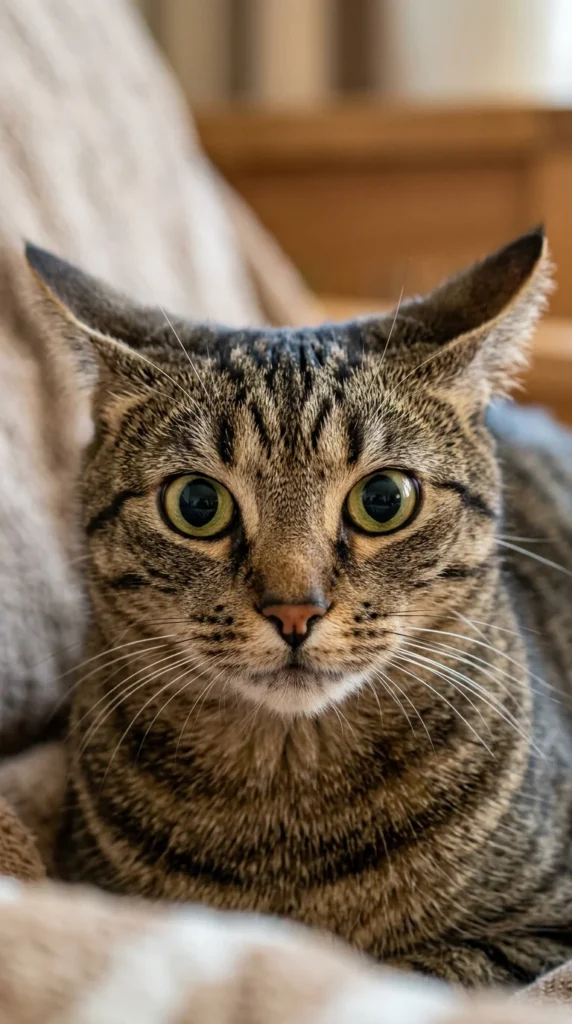
The position of a cat’s ears is a direct window into their emotional state. “Airplane ears”—when the ears are flattened out to the sides—indicate that the cat is feeling fearful, anxious, or highly irritated. This position protects the ears from potential injury during a fight. If you see this, it’s a sign to give the cat space and identify what is making them feel threatened.
16. Night Craziness
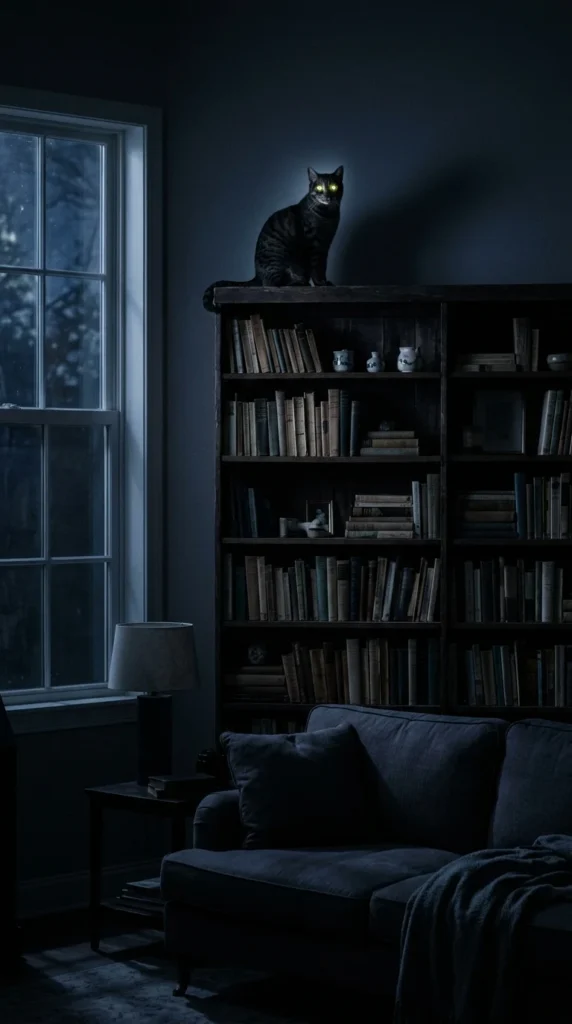
Many owners complain that their cats become wild at night. This is because cats are crepuscular, meaning they are naturally most active at dawn and dusk. Their eyes are specially adapted to hunt in low-light conditions. While they can adapt to a human schedule, their internal clock often tells them that 4:00 AM is the prime time for “hunting” stray socks or racing down the hallway.
17. Knocking Items
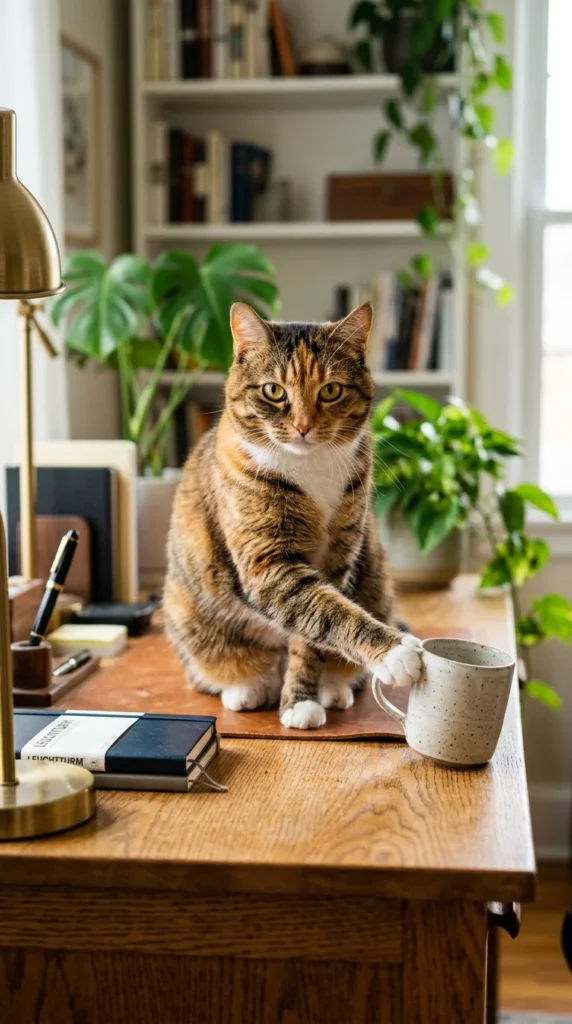
Why do cats insist on knocking your keys, glasses, or pens off the table? There are two main reasons. First, it’s a predatory instinct; they use their paws to “test” if an object is alive or dead. Second, and more commonly, it is learned behavior for attention. They quickly realize that the sound of a shattering glass or a falling remote brings a human running into the room immediately.
18. Plastic Chewing

Some cats have a strange obsession with chewing on or licking plastic bags. This can be due to “pica” (the urge to eat non-food items), but often it’s because of the way plastic is manufactured. Many bags contain tallow (animal fat) or cornstarch that cats can smell. Additionally, the crinkly sound and smooth texture can be sensory-satisfying for them. However, it can be dangerous, so it’s always best to keep plastic out of reach.
19. Ghost Staring
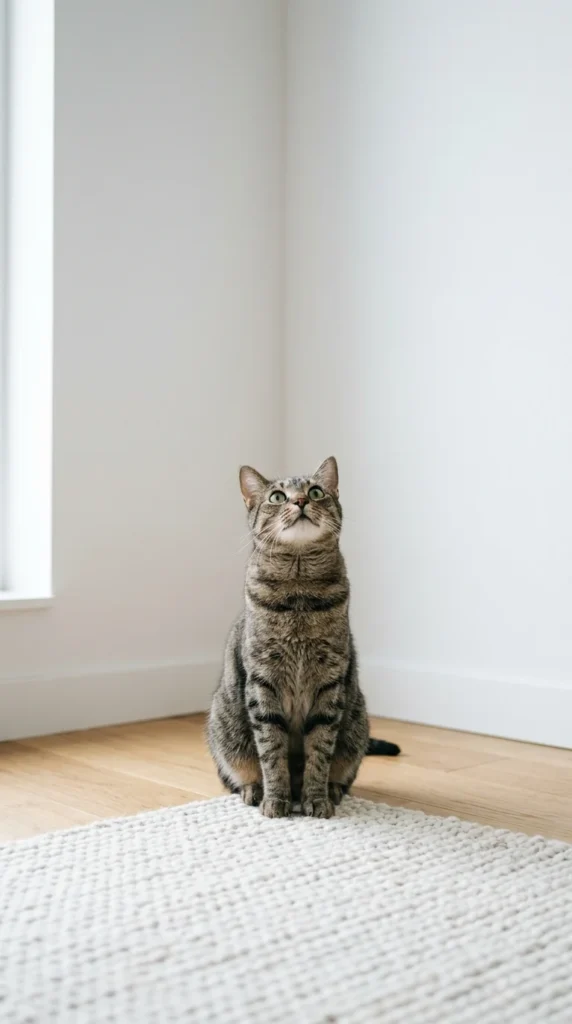
It can be unsettling when your cat stares intensely at a seemingly empty corner or “follows” something invisible with their eyes. Before you call a ghost hunter, remember that a cat’s senses are far superior to ours. They can hear high-pitched frequencies (like a mouse in the wall) and see subtle movements of dust or small insects that are invisible to the human eye. They aren’t seeing ghosts; they are seeing a world we are blind to.
20. Allogrooming
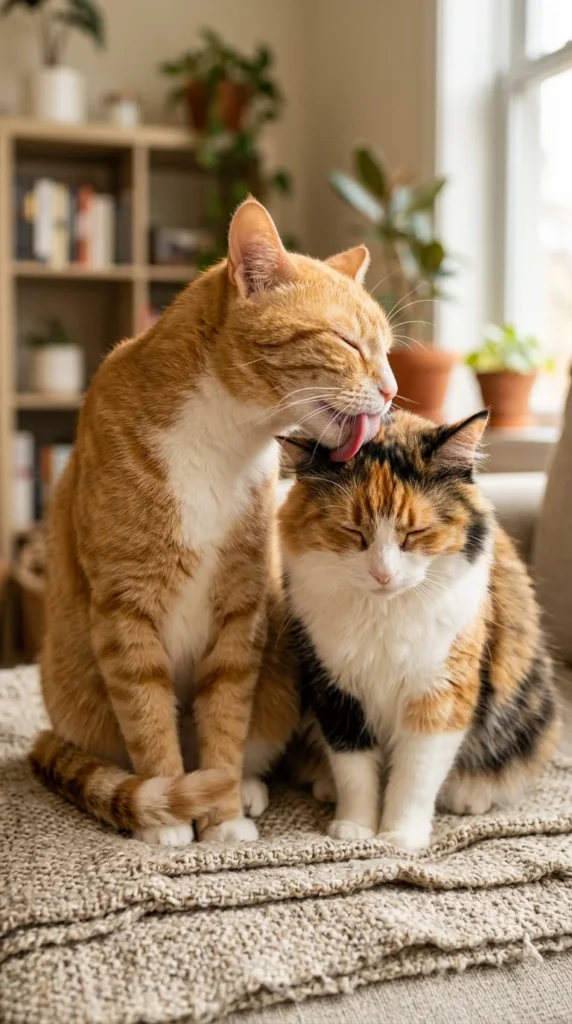
When a cat licks you or another cat, it’s called allogrooming. In the feline world, this is a social bonding activity used to establish a hierarchy and show affection. By grooming you, the cat is treating you as a member of their “clowder” (social group). It’s their way of keeping the group clean and reinforcing their social ties. If they follow a lick with a tiny nip, they are simply saying, “Okay, that’s enough grooming for now.”
21. Laptop Sitting
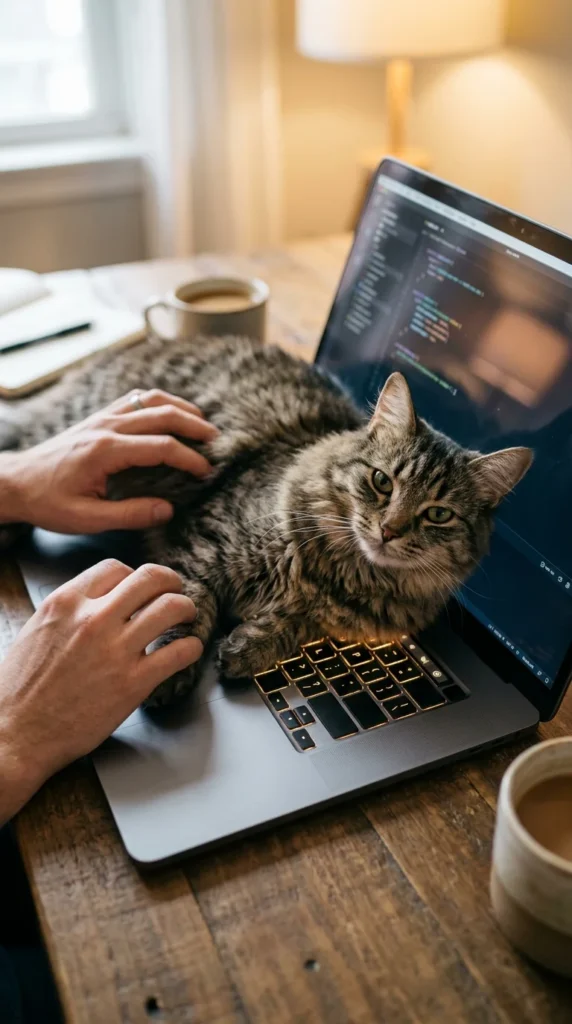
Your cat doesn’t actually want to help you with your spreadsheets. They sit on your laptop for three main reasons: heat, scent, and attention. Laptops are warm, and cats seek out warmth to maintain their high body temperature. Furthermore, the laptop is something you are focusing all your attention on; by sitting on it, the cat ensures they are now the center of your universe.
22. Tail Hook
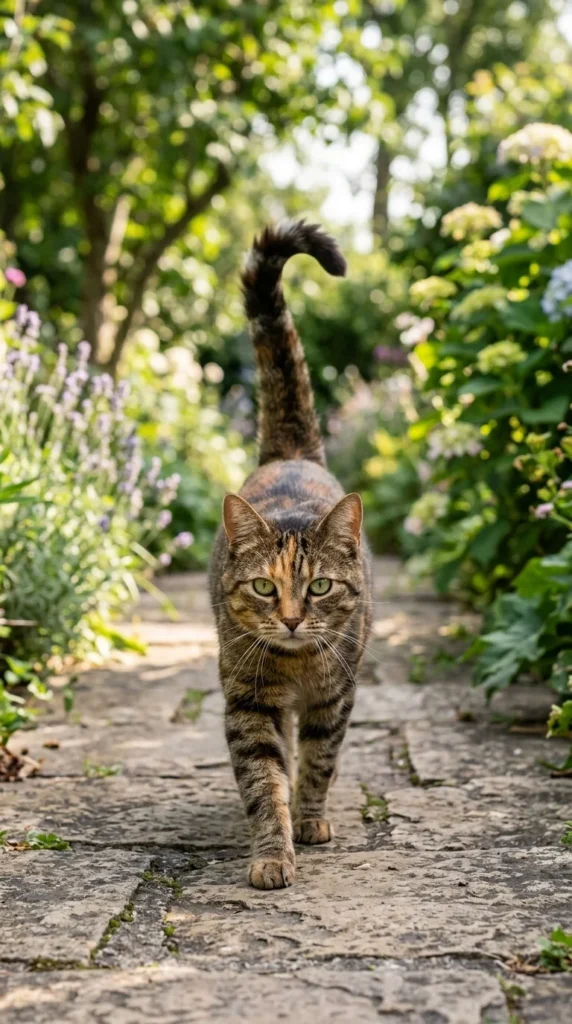
If your cat approaches you with their tail held high and the tip curved slightly over, take it as a great sign. This is the “friendly greeting” posture. In the wild, this is how cats in a colony greet one another to show they come in peace and are open to interaction. It is essentially the feline equivalent of a warm, inviting smile and a wave.