
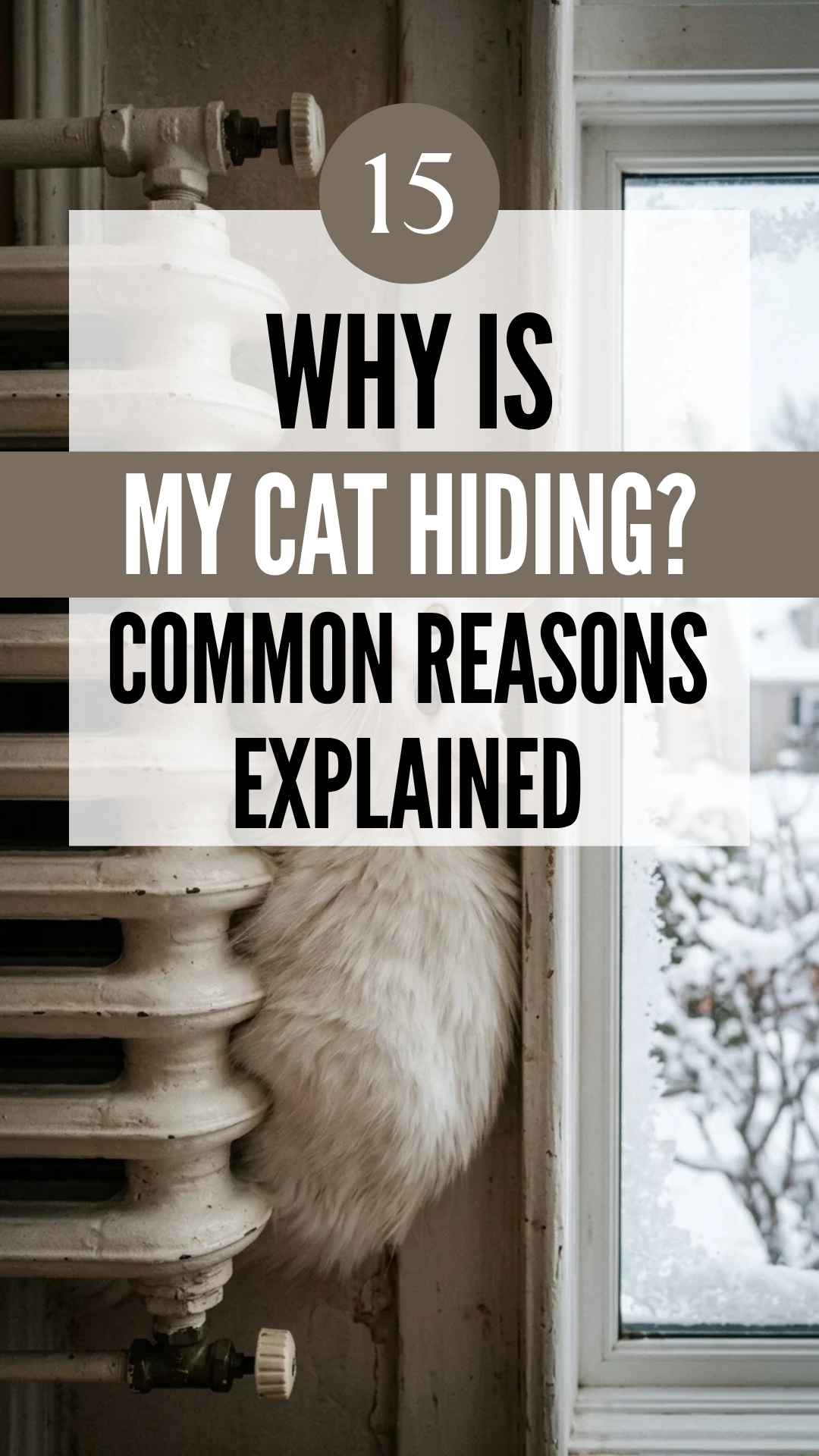
Cats are masters of mystery. One moment they are sprawling across your laptop while you’re trying to work, and the next, they’ve vanished into thin air. While it can be frustrating to play a game of hide-and-seek when you’re ready for cuddles, hiding is a deeply ingrained behavior in the feline world. Whether it’s a response to a perceived threat or simply a biological drive, understanding why your cat is tucked away in the back of the closet is key to their well-being. Here are 15 common reasons why your cat might be hiding.
1. New Environment

Bringing a cat into a new home is a monumental event for them. To a cat, a new environment represents a complete lack of established territory. They don’t know where the exits are, where the “predators” might be, or where the best resources are located. Hiding allows them to observe their new surroundings from a safe vantage point. It’s their way of “scouting” the area without being exposed. If you’ve just moved or adopted a new pet, expect them to stay under the bed for a few days as they recalibrate their internal map.
2. Loud Noises

Cats have incredibly sensitive hearing—much more acute than ours. Sounds that we find mildly annoying, like a vacuum cleaner, a thunderclap, or a construction crew down the street, can be physically painful or terrifying for a cat. When a sudden or sustained loud noise occurs, a cat’s natural flight instinct kicks in. They seek out the most muffled, enclosed space they can find to escape the “sonic assault” and wait for the perceived danger to pass.
3. Strangers
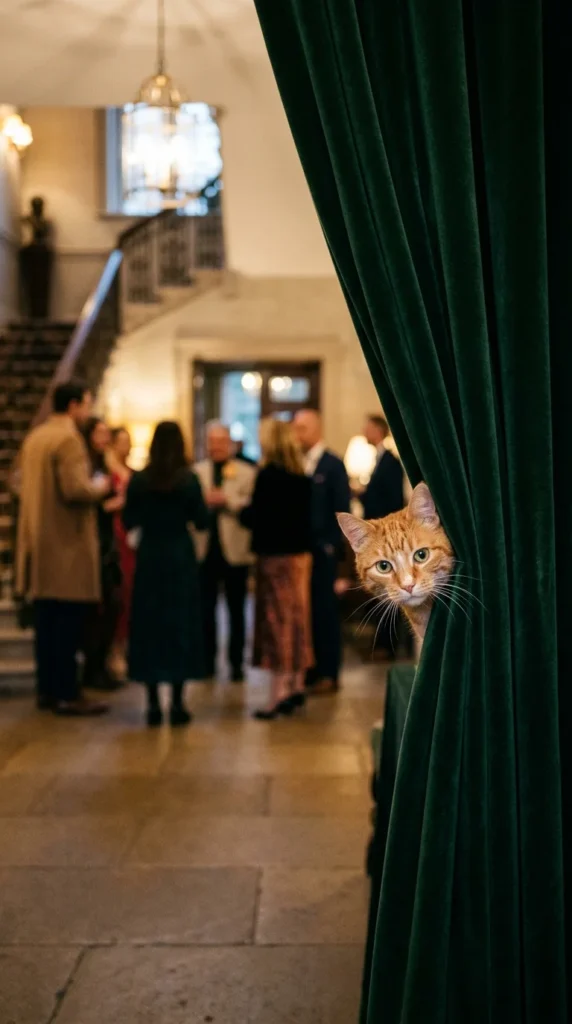
Most cats are “territorial pessimists”—they assume a stranger is a threat until proven otherwise. When guests come over, the house is suddenly filled with new smells, loud voices, and unpredictable movements. For a shy or unsocialized cat, the arrival of a stranger is a cue to retreat to a “safe zone.” They will often stay hidden until the front door closes and the familiar scent of their owners returns to the forefront.
4. Medical Issues
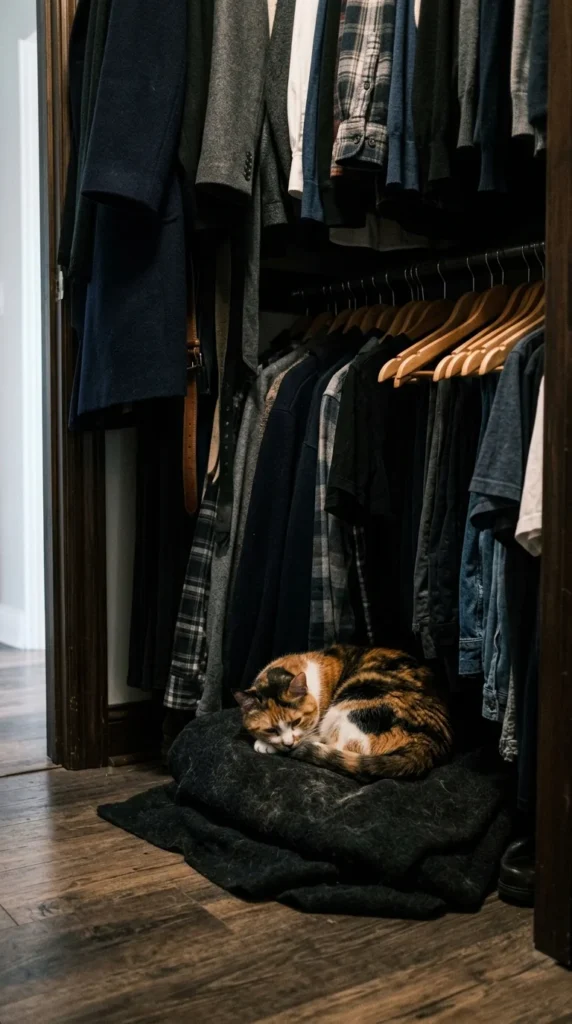
In the wild, a sick or injured cat is vulnerable to predators. To protect themselves, cats have evolved to hide their pain and discomfort. If your normally social cat suddenly starts spending all their time in a dark corner or under a piece of furniture, it could be a sign of illness, such as a urinary tract infection, dental pain, or arthritis. Hiding is a defensive mechanism to ensure they aren’t bothered while their body tries to recover.
5. Stress
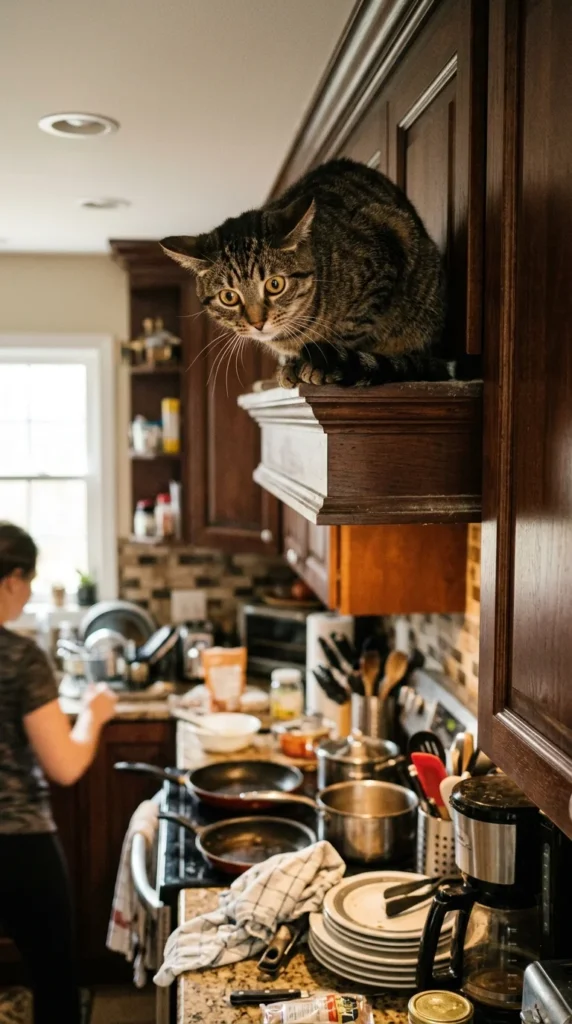
Cats thrive on routine and predictability. Any disruption to their daily life can cause significant stress. This could be anything from a new piece of furniture to a change in your work schedule. When a cat feels overwhelmed by stress, they seek out “micro-territories” where they feel enclosed and protected. This reduces the amount of sensory input they have to process, helping them lower their cortisol levels and feel more in control.
6. Pregnancy
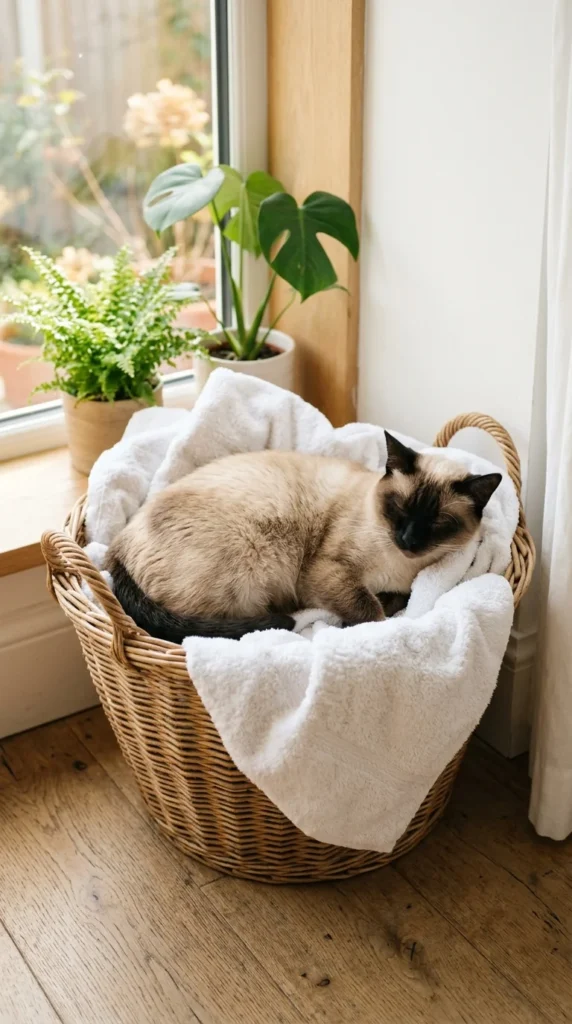
If you have an unspayed female cat, hiding might be a sign that kittens are on the way. As a queen nears her due date, she will instinctively seek out a “den.” This needs to be a quiet, dark, and secluded spot where she can give birth and protect her kittens from potential threats. This “nesting” behavior is a powerful biological drive, and she may spend days scouting and preparing her chosen spot before the labor begins.
7. Nap Time
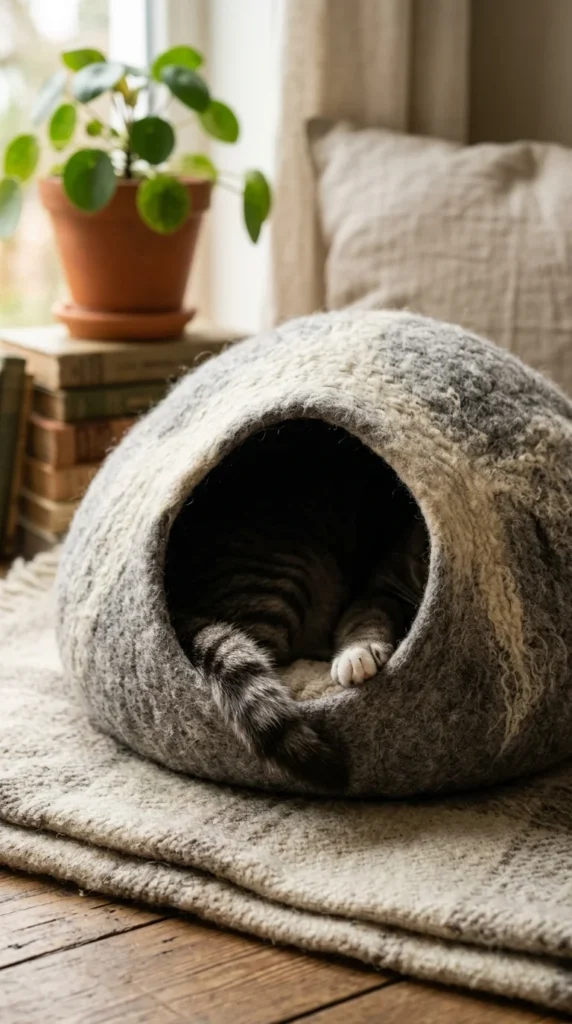
Sometimes, the reason is much simpler: your cat is just tired. Cats sleep for an average of 12 to 16 hours a day. While they can nap anywhere, they often prefer a secluded spot where they won’t be stepped on, poked, or startled by the household’s activity. A dark closet or the space behind the television provides the perfect “do not disturb” zone for a high-quality power nap.
8. Inter-pet Conflict
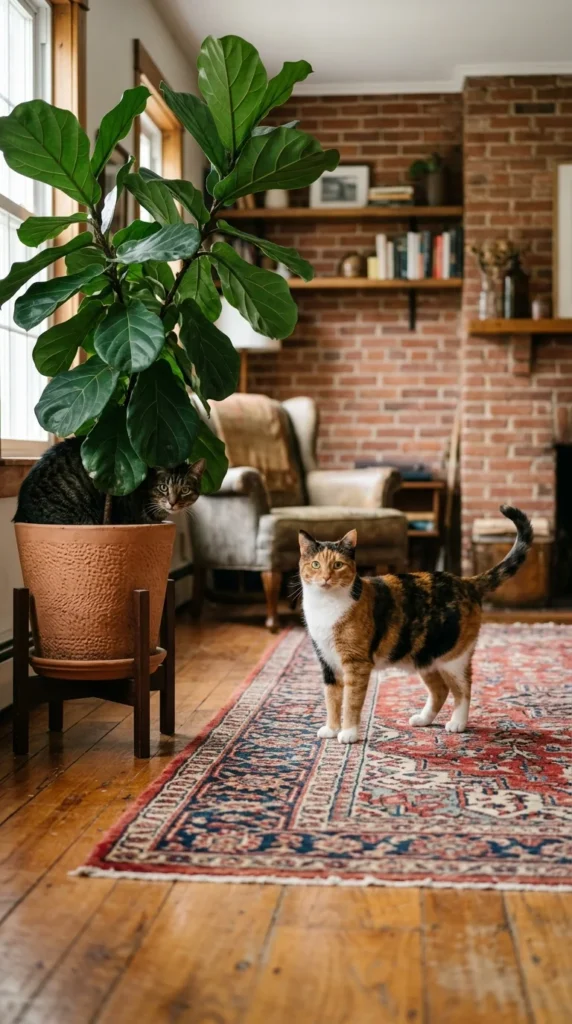
If you live in a multi-pet household, hiding can be a way for a cat to avoid a confrontation with a more dominant animal. This “social distancing” is a way to maintain peace. If one cat is bullying another, the victim will often spend a large portion of their day in high spots or hidden nooks to stay out of the bully’s line of sight. Monitoring these interactions is crucial to ensuring all your pets feel safe in their home.
9. Temperature Control
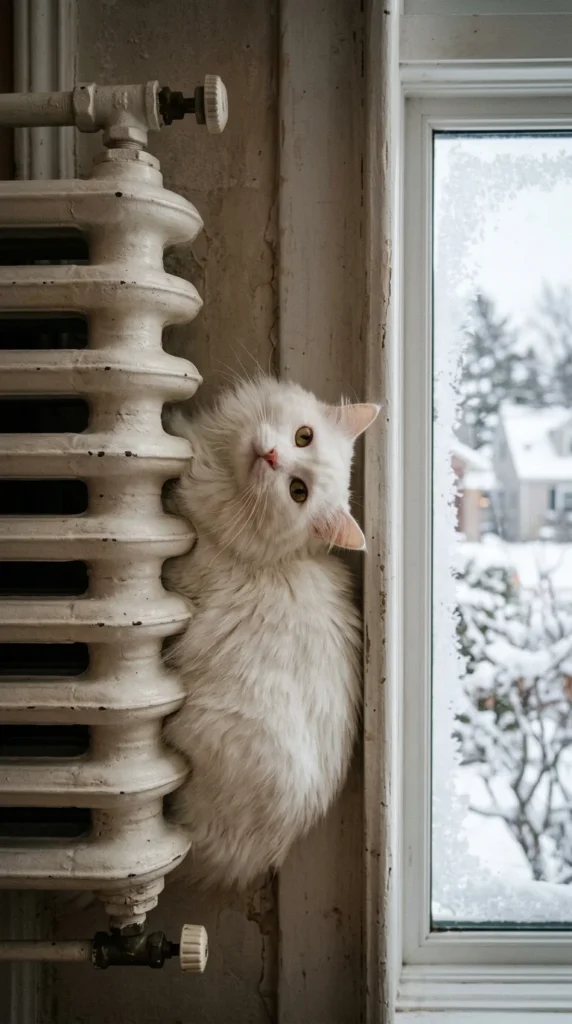
Cats have a higher basal body temperature than humans (about 101-102.5°F). Because of this, they are always on the lookout for heat. In the winter, you might find your cat hiding behind a radiator or tucked under a pile of blankets to trap their body heat. Conversely, in the summer, they might hide in a cool, tiled basement or under a bathtub to press their belly against a cold surface and lower their temperature.
10. Playfulness
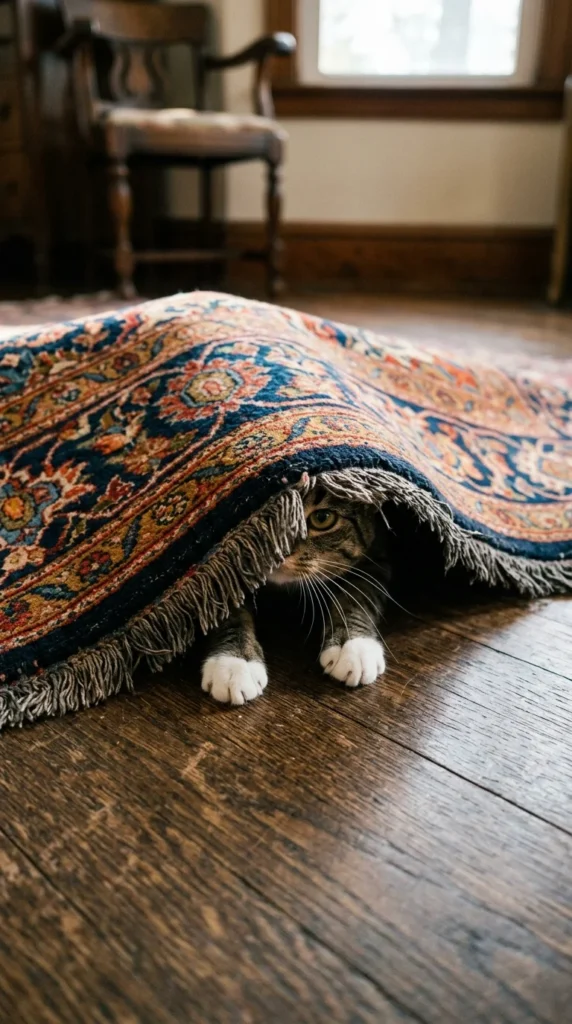
Hiding isn’t always about fear; sometimes it’s about the hunt. Cats are ambush predators by nature. When they are in a playful mood, they will hide behind corners, under rugs, or inside paper bags to wait for a “prey” item—be it a toy, a feather wand, or your unsuspecting ankles. If your cat is hiding but has dilated pupils and a twitching tail, they aren’t scared; they’re just waiting for the right moment to strike.
11. Aging
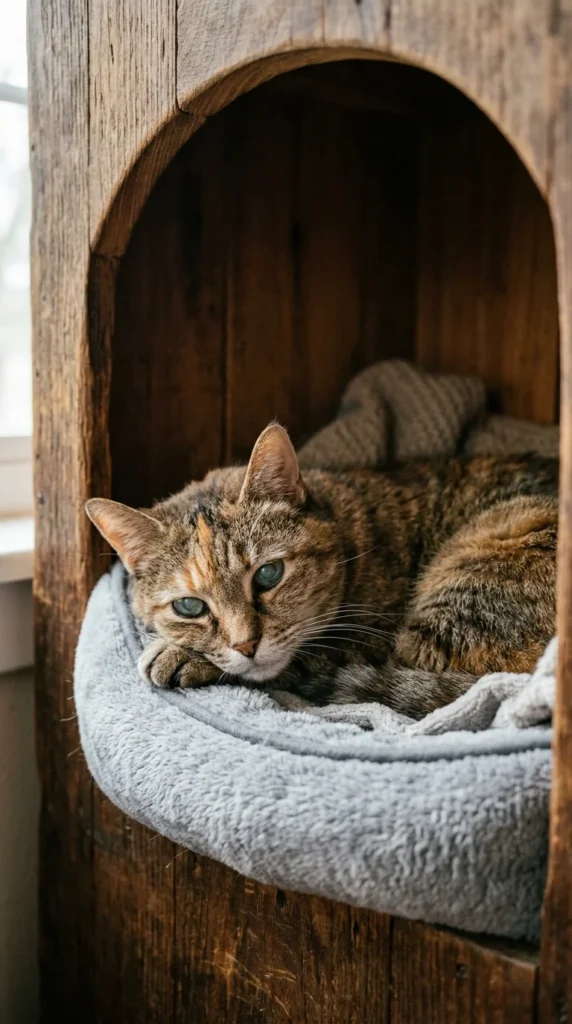
As cats age, their senses begin to dull. They may not see or hear as well as they used to, which can make the world feel more startling and unpredictable. Senior cats often seek out quiet, consistent hiding spots where they can rest without being surprised. Cognitive dysfunction (feline dementia) can also cause confusion, leading an older cat to hide because they feel lost or disoriented even in their own home.
12. Trauma
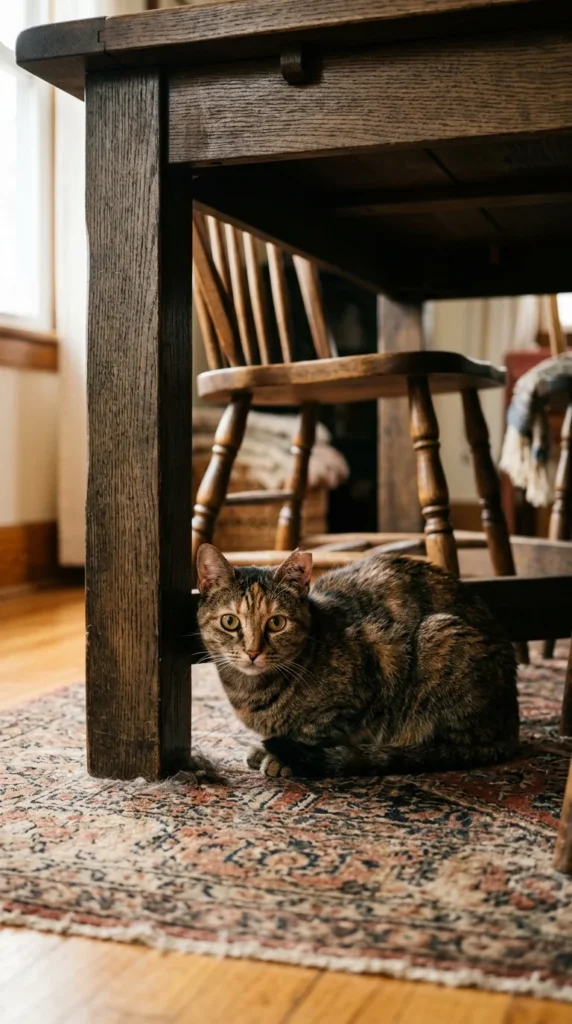
Cats that have experienced trauma—such as being abandoned, living on the streets, or coming from an abusive situation—often use hiding as a primary coping mechanism. For these cats, the world is a dangerous place until proven otherwise. It can take months or even years for a traumatized cat to feel secure enough to stop hiding. In these cases, hiding is a form of self-preservation that requires extreme patience from the owner.
13. Routine Changes
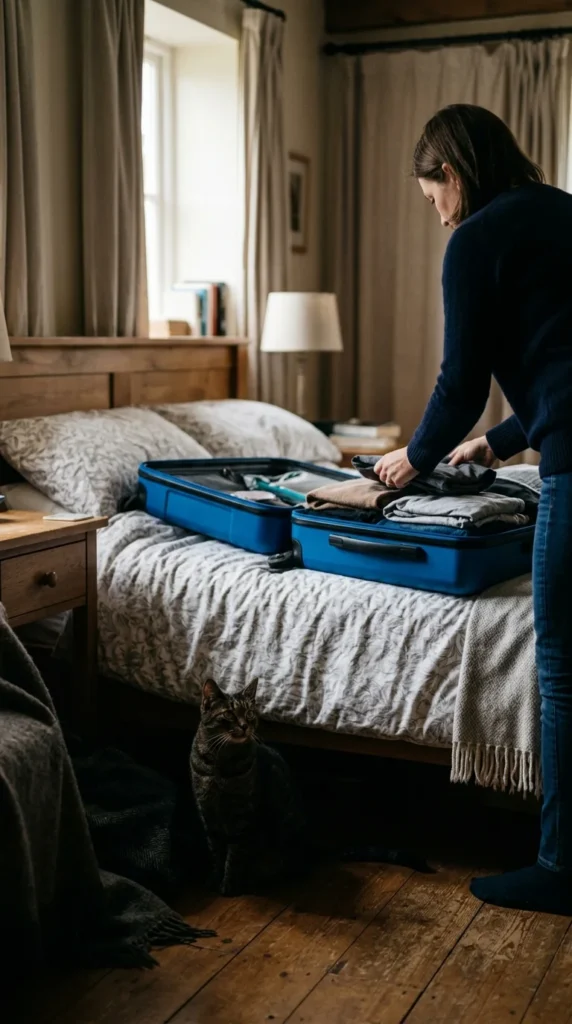
Cats are creatures of habit. They know exactly when the alarm goes off, when the kibble hits the bowl, and when you usually sit on the couch. When these patterns change—perhaps you’ve started a new job or a family member has moved out—the cat’s sense of security is shaken. Hiding allows them to process the “new normal” from a distance until the new routine becomes predictable.
14. Fear

While stress is often a low-level, ongoing feeling, fear is an acute reaction to a specific threat. Whether it’s a neighborhood dog barking at the window, a bird hitting the glass, or a vacuum cleaner being brought out, fear sends a cat into immediate hiding. This is a survival instinct designed to keep them alive. During these episodes, a cat may hiss or growl if you try to pull them out, as their “fight or flight” response is fully engaged.
15. Instinct
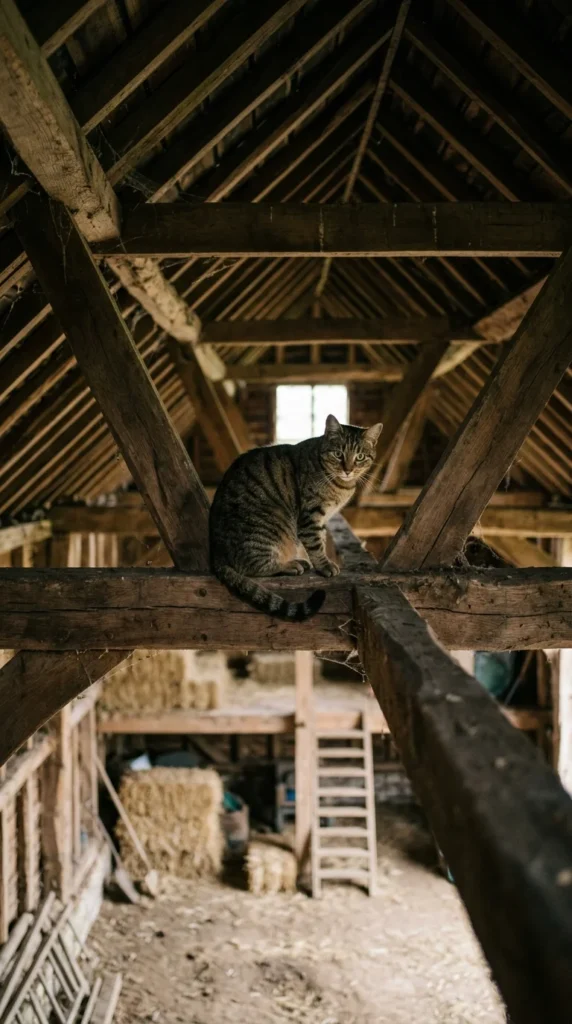
Finally, sometimes cats hide simply because they are cats. Their ancestors were both predators and prey. This dual nature means they are instinctively driven to seek out “den” spaces and high vantage points. Hiding in a box or a high shelf gives them a sense of “enclosure” that provides psychological comfort. Even the most confident, well-adjusted cat will occasionally hide just to satisfy the primal urge to be tucked away and invisible to the world.