
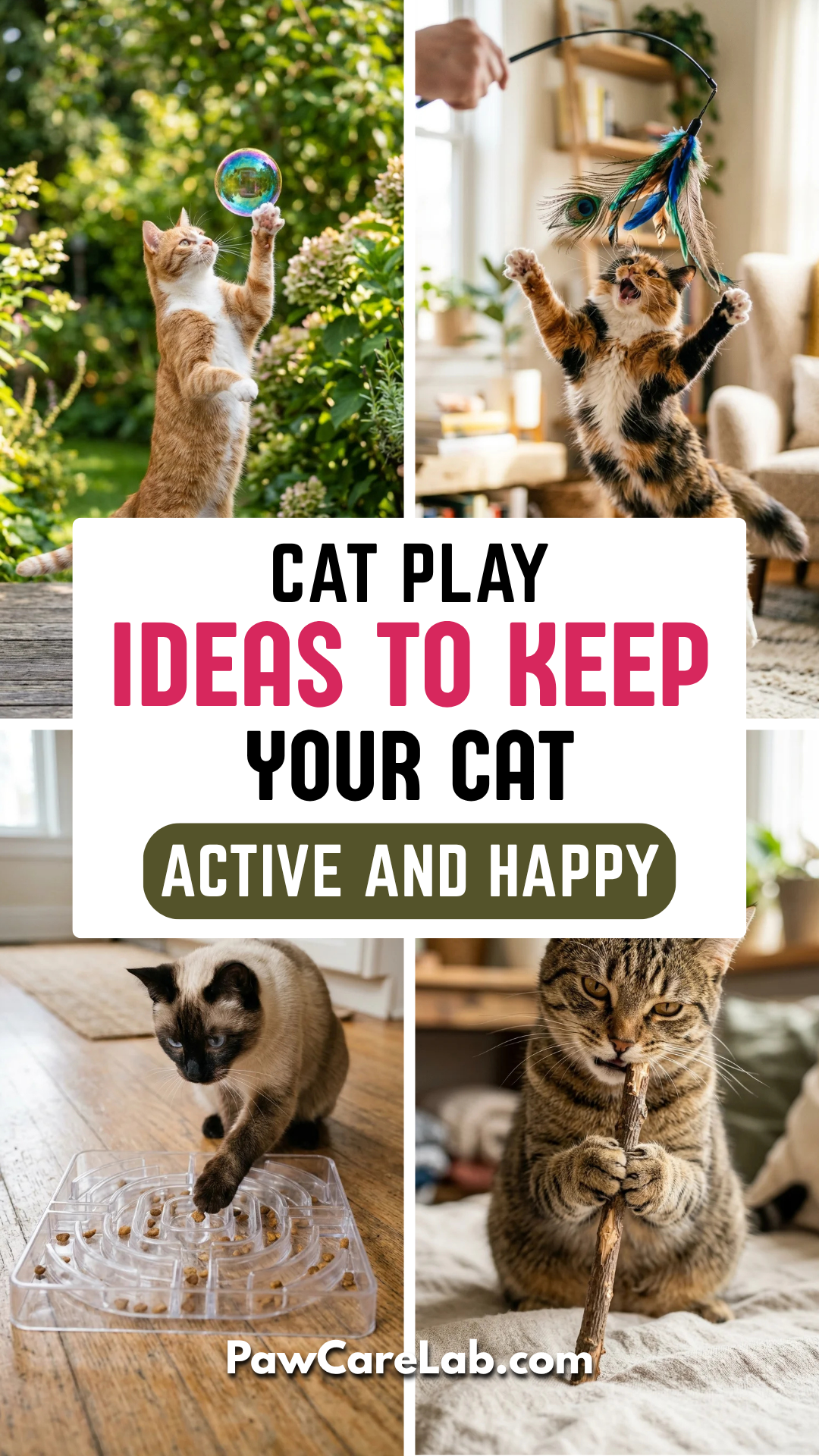
A bored cat is often a mischievous cat. Beyond just saving your curtains from being shredded, regular playtime is vital for a cat’s physical health and mental well-being. It mimics the natural hunting behaviors they would exhibit in the wild—stalking, pouncing, and capturing. Whether you have a high-energy kitten or a sophisticated senior, these 27 play ideas will transform your home into a feline wonderland.
1. Laser Pointers
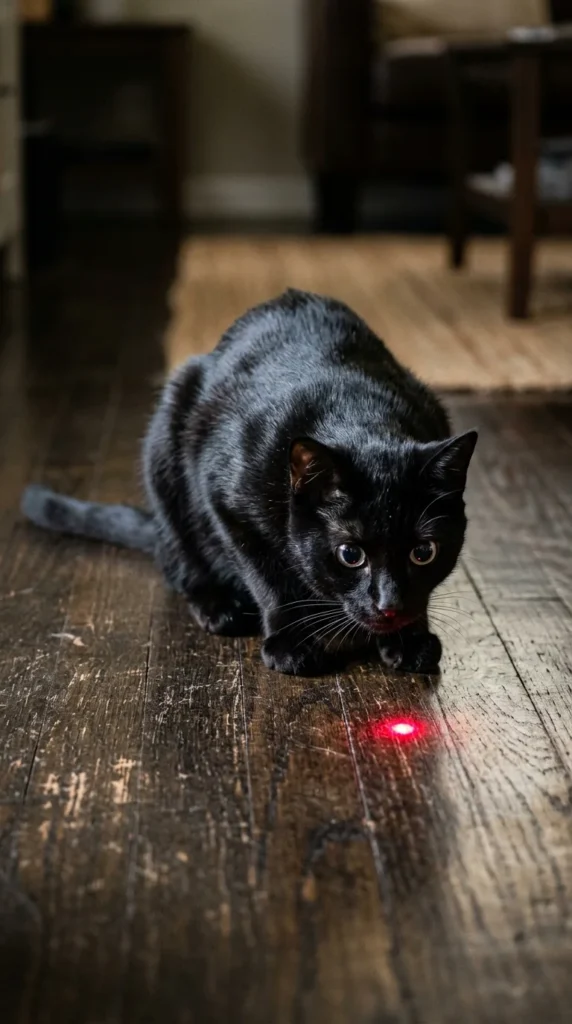
The laser pointer is a classic for a reason. It triggers a cat’s predatory drive like almost nothing else. To make this game effective, move the dot like a bug—fast scurries followed by sudden pauses. Pro tip: Always end the session by “landing” the dot on a physical toy or a treat so your cat feels the satisfaction of a successful “kill.”
2. Feather Wands
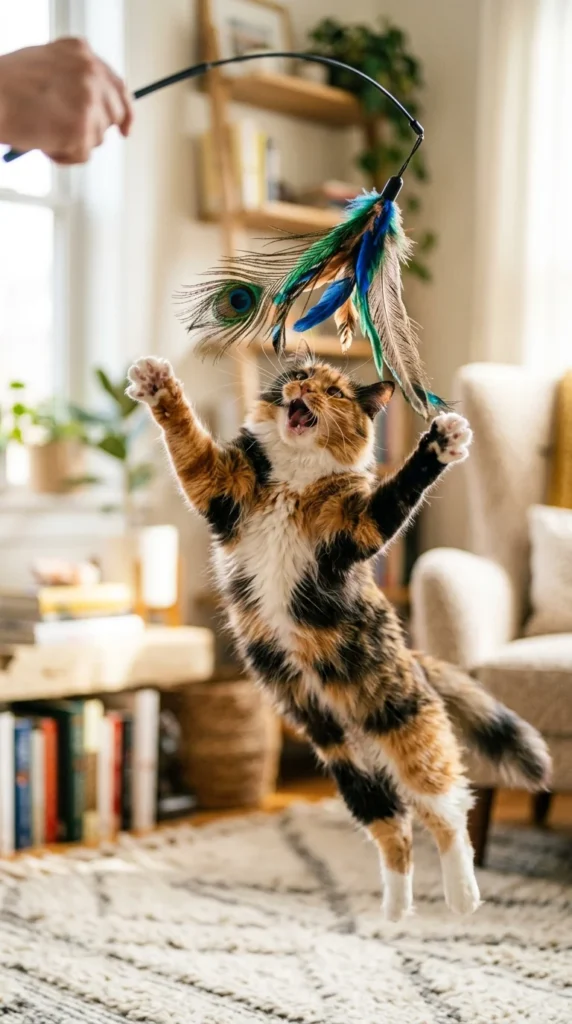
Feather wands allow you to mimic the flight of a bird. Mimic a bird’s erratic movements by swooping the feathers through the air and landing them briefly on furniture. This encourages high-jumping and aerobic exercise, which is excellent for weight management.
3. Cardboard Boxes
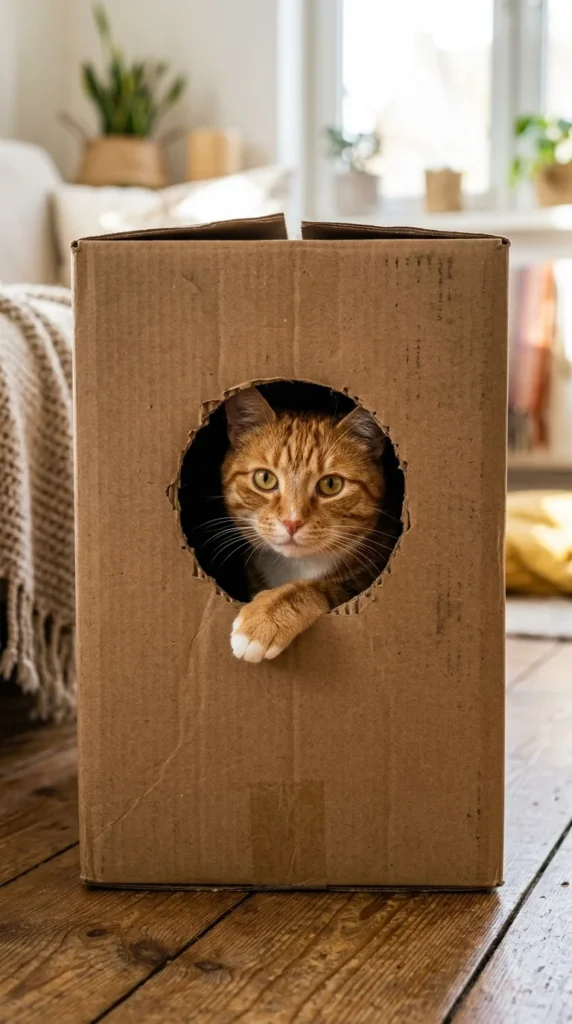
Never underestimate the power of a simple box. Cats love the security and “ambush” potential of cardboard. You can create a “Cat Castle” by taping several boxes together and cutting out doorways and windows. Throw a few treats inside to encourage exploration.
4. Puzzle Feeders
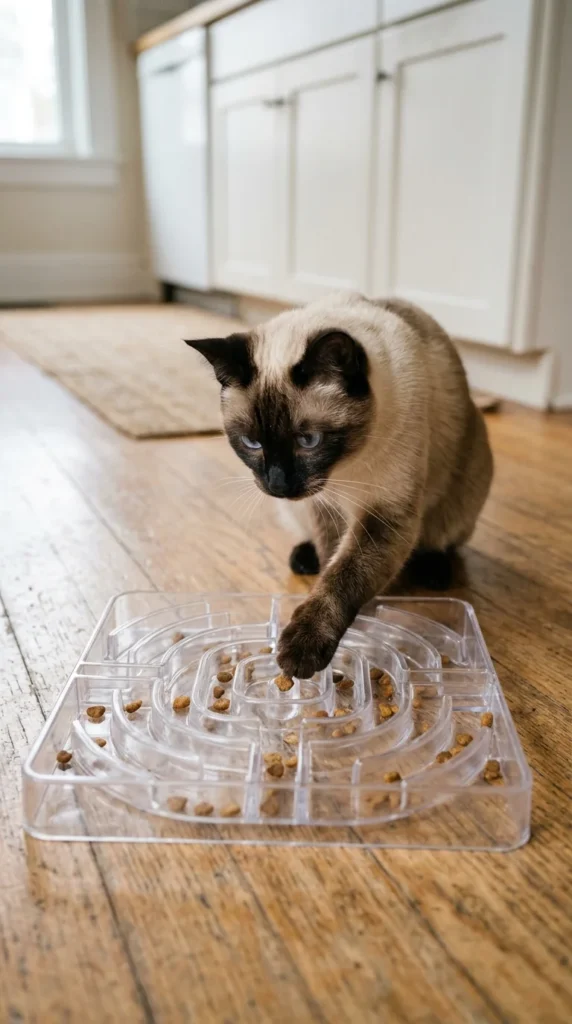
In the wild, cats have to work for their food. Puzzle feeders slow down fast eaters and provide a mental challenge. You can buy these or make a DIY version by cutting holes in a plastic water bottle and filling it with dry kibble.
5. Hide and Seek
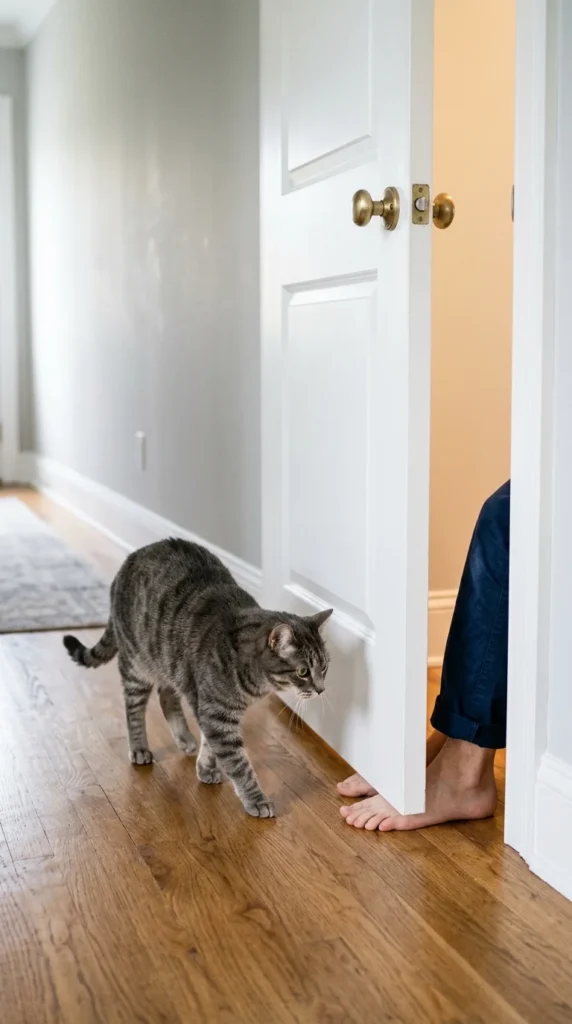
Cats are natural hiders. You can initiate a game by ducking behind a corner and calling their name or making a scratching sound. When they find you, give them a gentle pat or a small treat. It builds a strong bond and keeps them moving through the house.
6. Catnip Toys
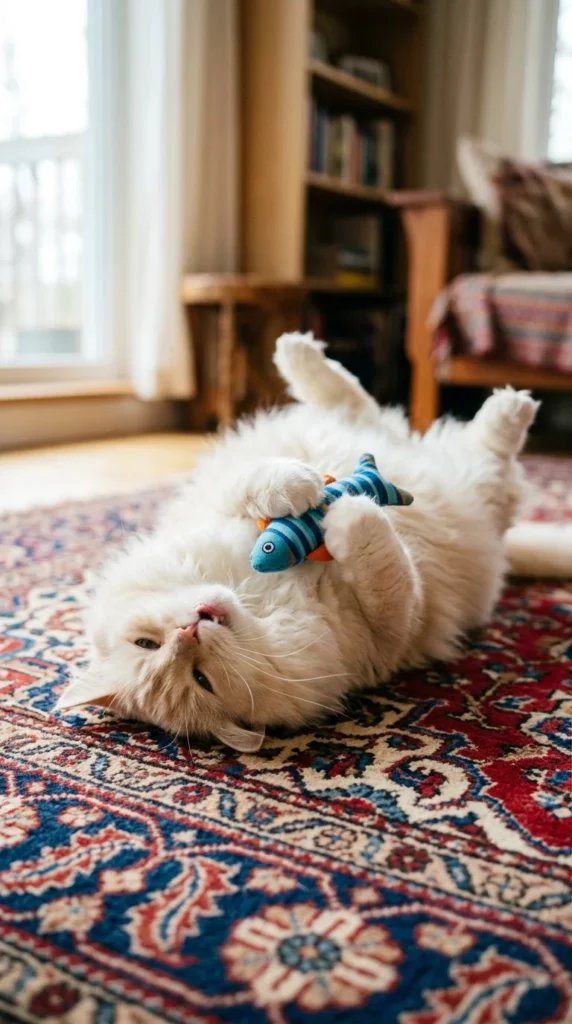
Not all cats react to catnip (it’s genetic!), but for those who do, it can trigger a “zoomie” session or a deep grooming phase. Use catnip-infused kickers—long toys they can grab with their front paws and “bunny kick” with their back legs.
7. Fetching Games
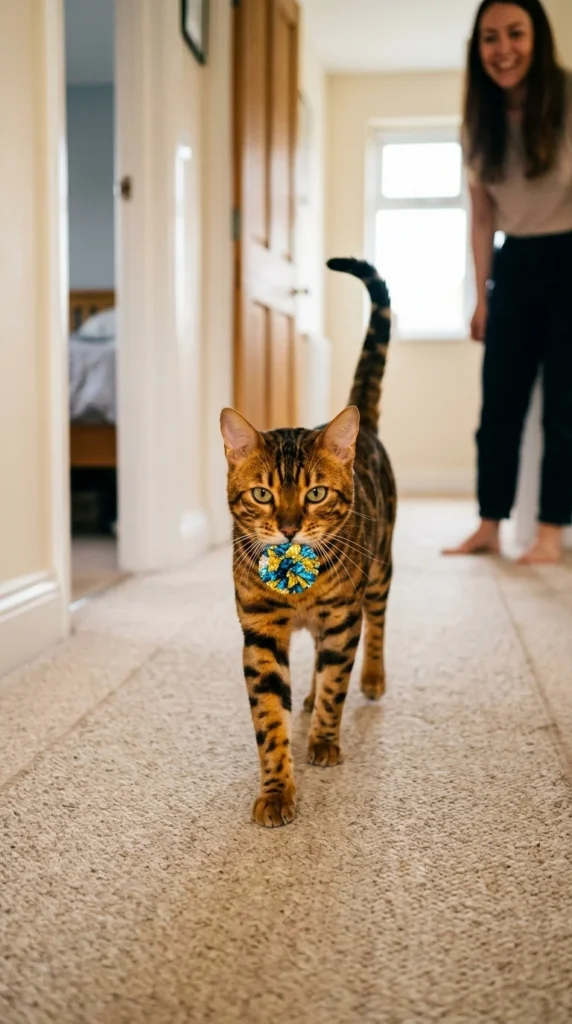
Believe it or not, many cats can be taught to fetch. Use lightweight toys like foam balls or plastic springs. Toss the toy and, when they pick it up, call them over. If they bring it back, reward them immediately. It’s a great way to burn off energy.
8. Automated Spinners
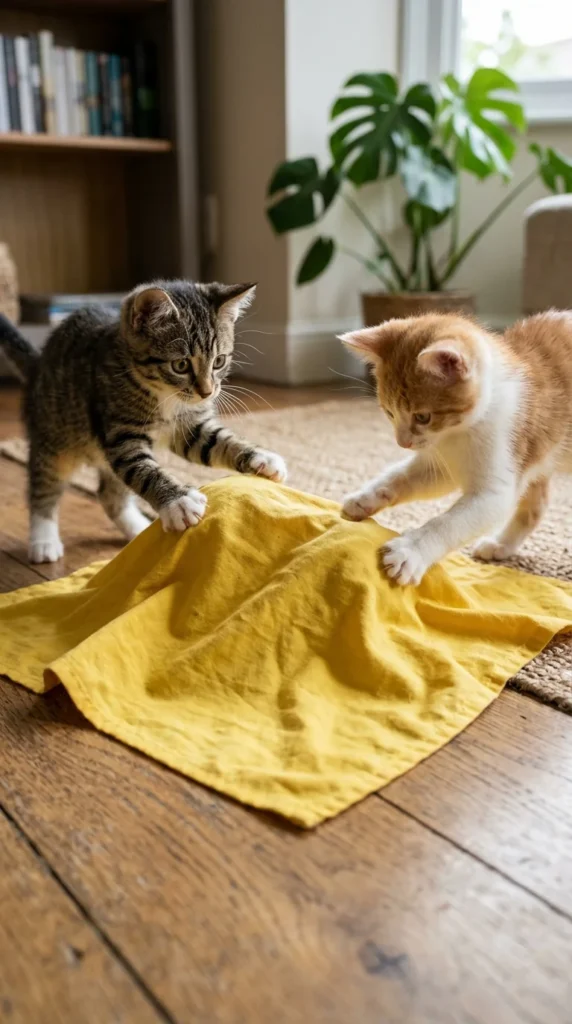
For the busy cat parent, automated toys are a lifesaver. These devices use sensors or timers to move feathers or strings randomly. It keeps the cat entertained even when you’re finishing up chores or working from home.
9. Paper Bags
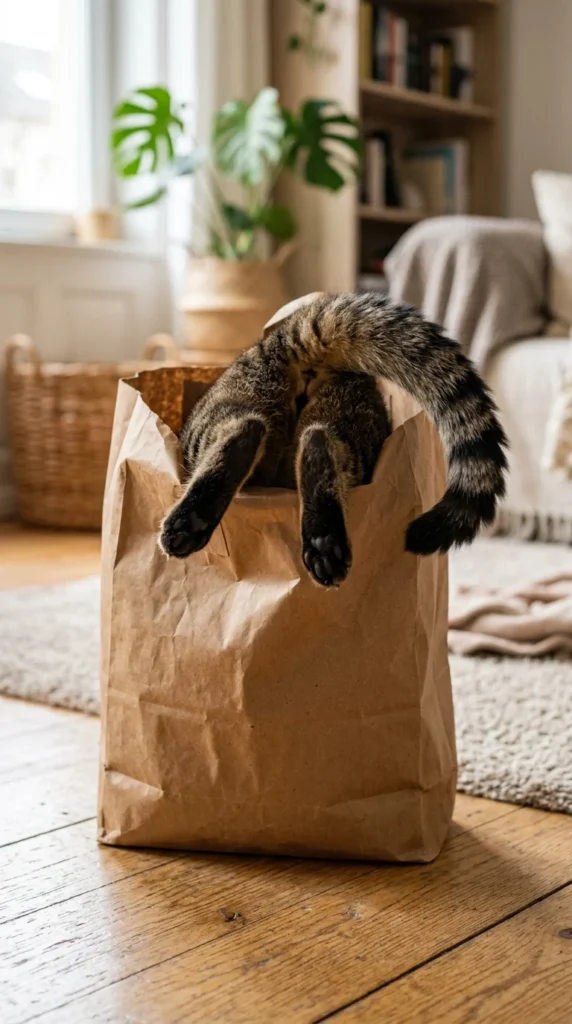
The crinkle of a paper bag is music to a cat’s ears. Lay a large paper bag on its side (ensure handles are removed for safety) and watch your cat dive in. The sound and the enclosed space provide hours of “fort” style play.
10. Bubble Fun
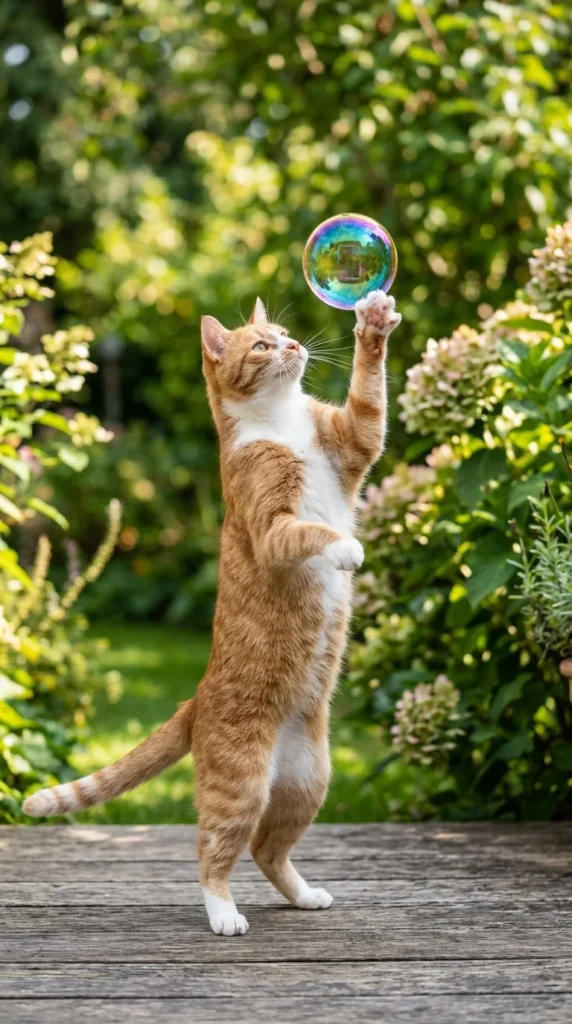
Cat-safe bubbles (often infused with catnip scent) are a fantastic visual stimulant. Blowing bubbles for your cat encourages them to track movement in the air and practice their precision swatting.
11. Toilet Paper Rolls
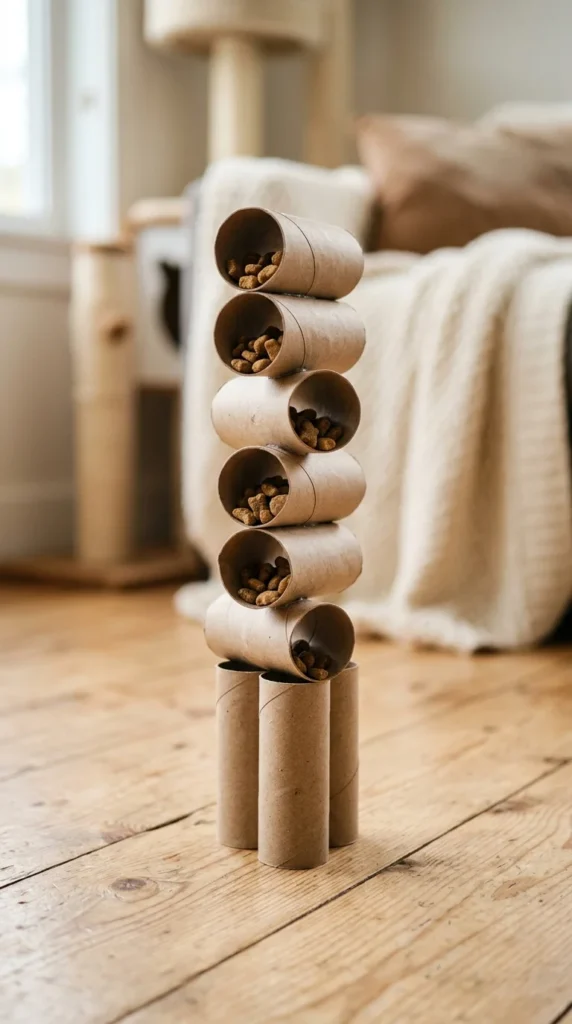
Don’t throw away those empty rolls! You can fold the ends to trap treats inside, creating a “shaker” toy, or glue several together to create a honeycomb-style treat seeker. It’s an eco-friendly and free way to keep them busy.
12. Cat Trees
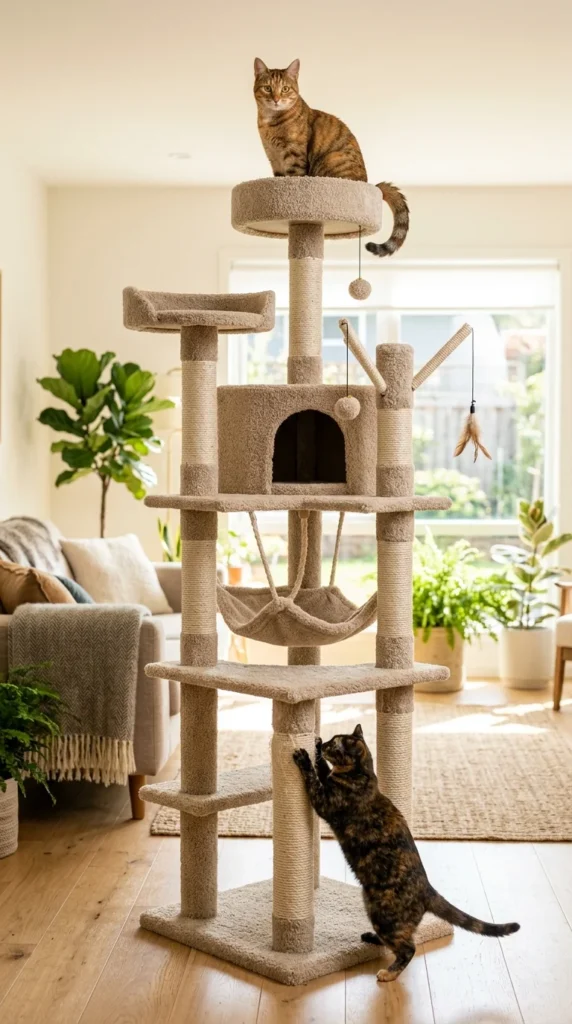
Vertical space is essential for a cat’s confidence. A tall cat tree allows them to climb, which is a great form of muscle-building exercise. Encourage play on the tree by placing toys on different levels or using a wand toy to lead them up and down the structure.
13. Window Perches
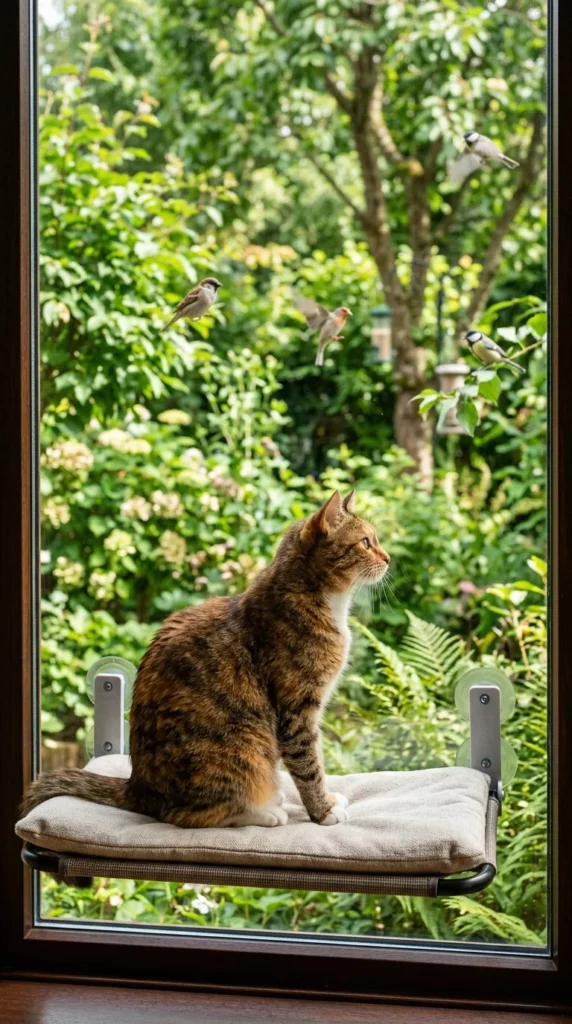
While not “active” in the traditional sense, a window perch provides “Cat TV.” Watching birds and squirrels provides intense mental stimulation. To make it more active, place a bird feeder outside the window to ensure there’s always something to “hunt” with their eyes.
14. Tablet Games
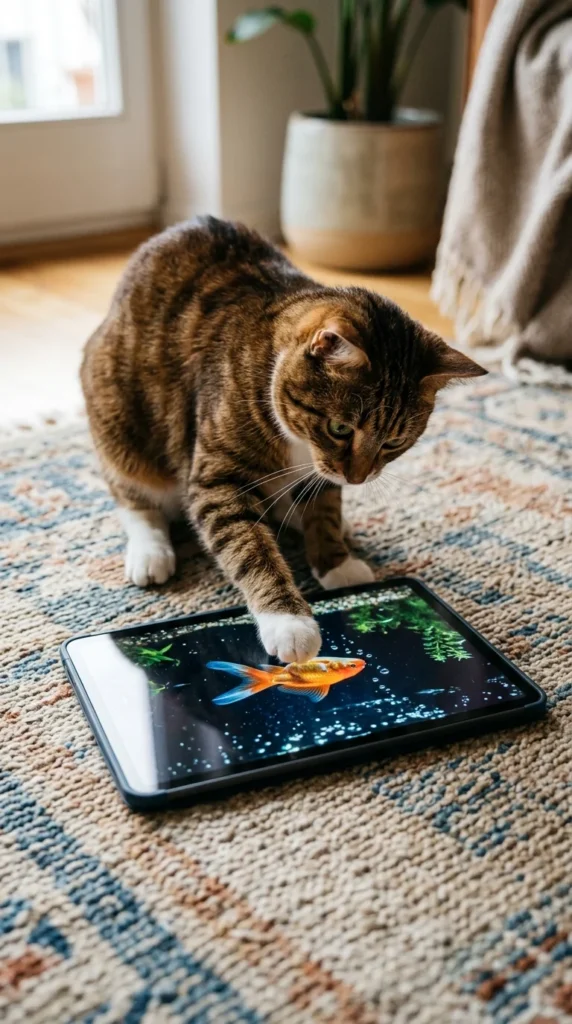
There are many apps designed specifically for cats, featuring digital mice, fish, or laser dots. The bright colors and fast movements across the screen can keep a tech-savvy kitty engaged for ten to fifteen minutes at a time.
15. Crumpled Paper
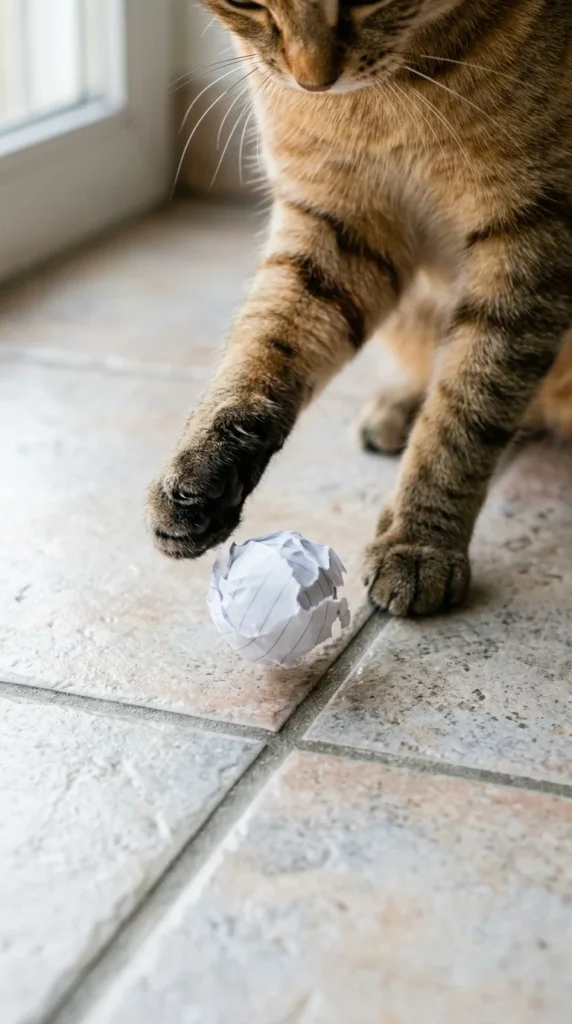
Sometimes the simplest things are the best. A crumpled piece of paper has an unpredictable bounce and a satisfying sound. It’s lightweight enough for a cat to carry around and “hunt” throughout the house.
16. Silvervine Sticks
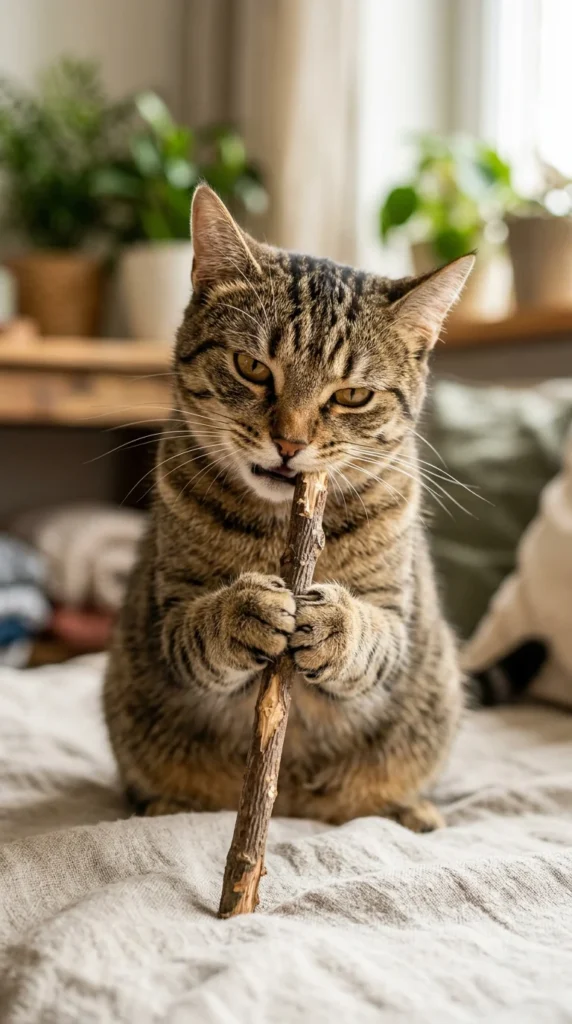
Silvervine is a natural alternative to catnip that often works on cats who don’t respond to the latter. It comes in stick form, which encourages gnawing and batting. It’s great for dental health and provides a different kind of sensory play.
17. Scavenger Hunts
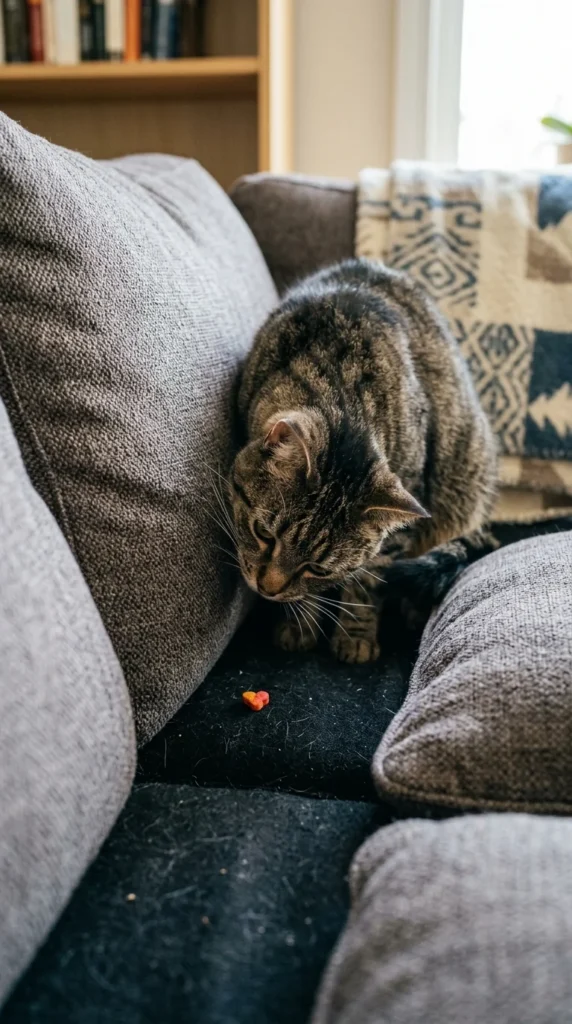
Instead of putting all their food in a bowl, hide small piles of kibble or treats around the house—on cat trees, behind chairs, or on top of sturdy shelves. This forces them to use their nose and move around to “forage” for their meal.
18. Agility Courses
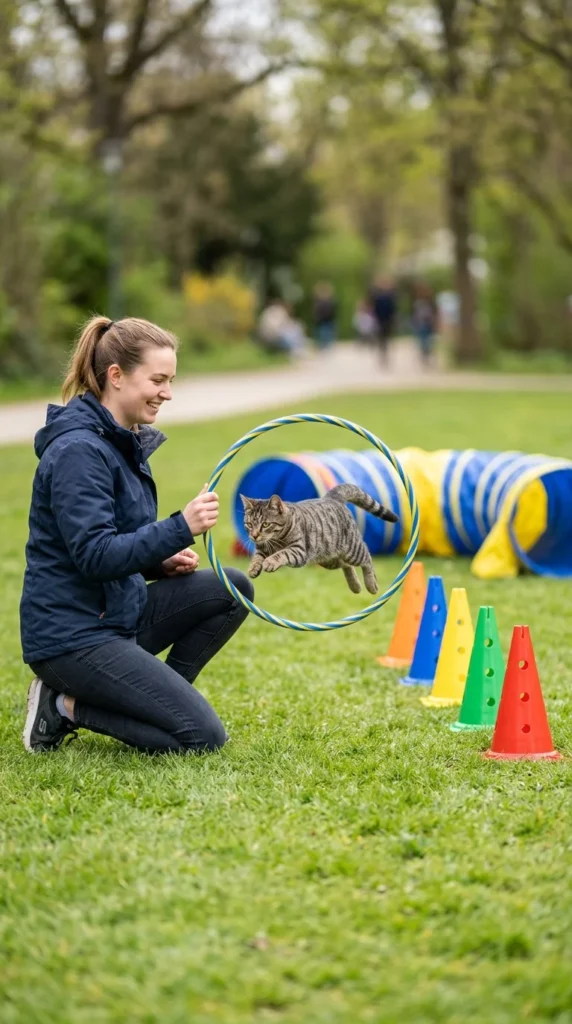
You can set up a mini obstacle course using household items. Use cushions for hurdles, tunnels made of boxes, and chairs to weave through. Use a high-value treat to lead your cat through the course, building their coordination and focus.
19. Fishing Poles
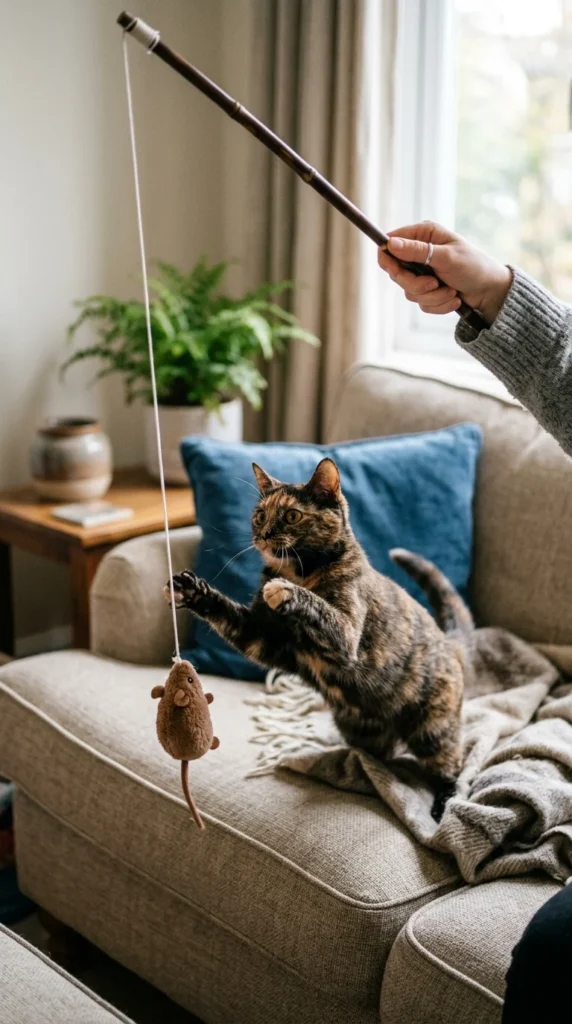
Fishing pole toys give you a longer reach, allowing you to drag the “prey” across the floor or over furniture while you sit comfortably. This is perfect for high-speed chase games that cover a lot of ground.
20. Ball Tracks
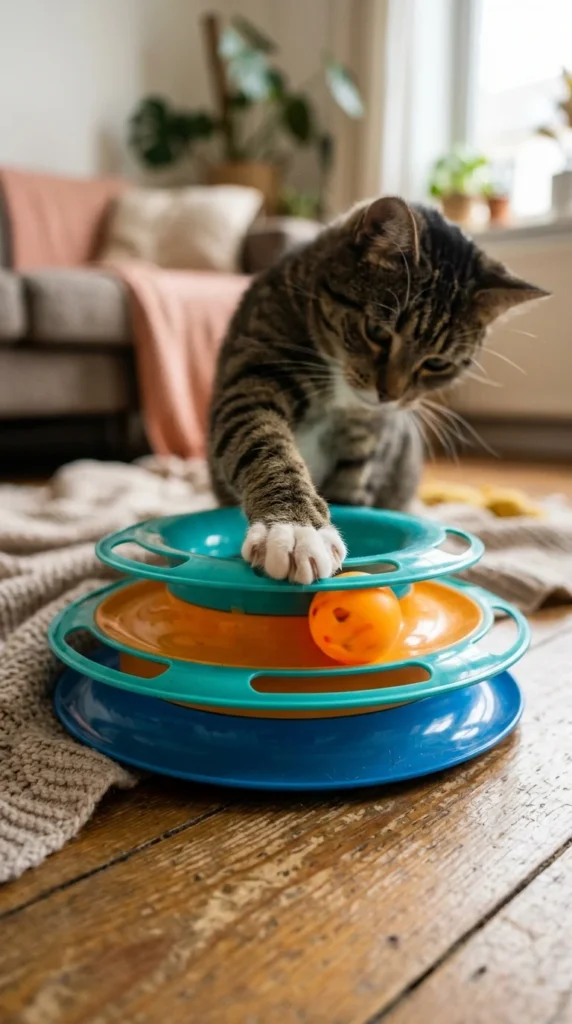
Ball tracks are great because the “prey” never gets lost under the refrigerator. Cats can bat the ball as hard as they want, and it will just keep spinning. This is a perfect “solo play” toy for when you are away from home.
21. Play Tunnels
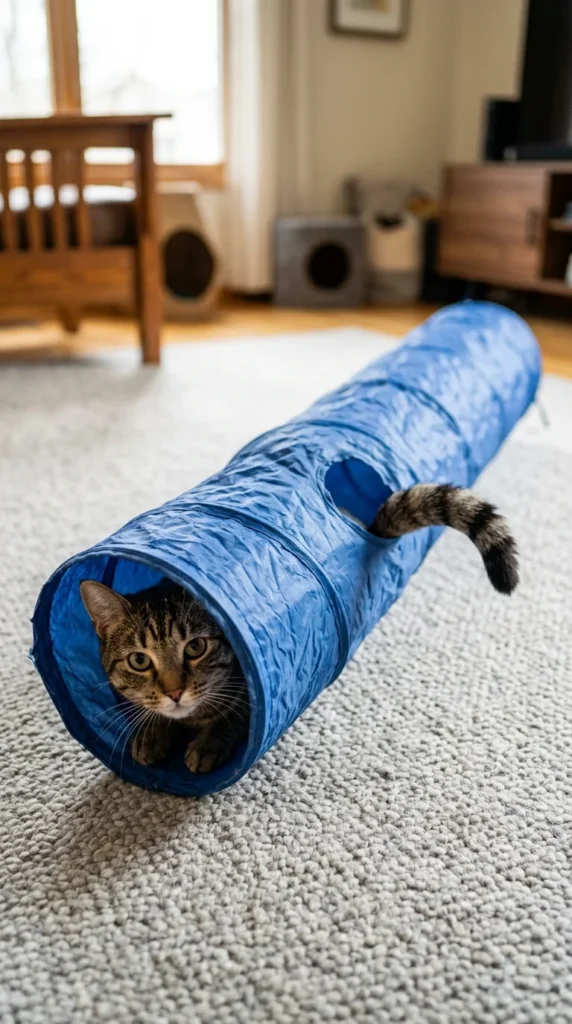
Tunnels provide a sense of mystery and safety. Cats love to run through them at top speed or hide inside to ambush passing “prey” (like your feet or a toy). Many tunnels also have crinkle material inside to add auditory stimulation.
22. Mylar Balls
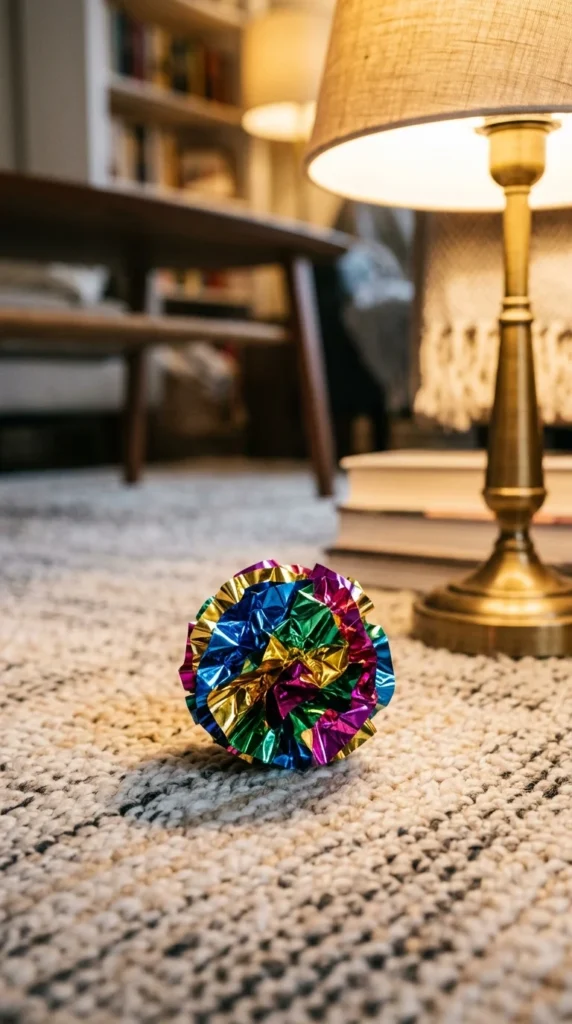
Mylar balls are incredibly lightweight and make a loud crinkling sound with the slightest touch. Because they are so light, they move very fast across hard floors, making them ideal for cats who love a high-speed pursuit.
23. Kick Sticks
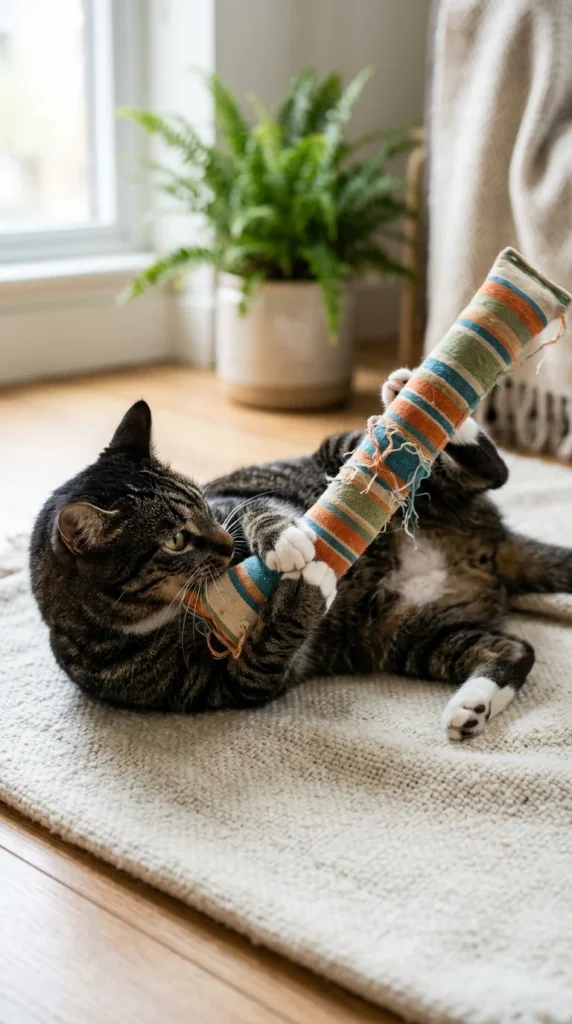
Kicking is a natural hunting move for cats. A kick stick (or “kicker”) is designed to be the perfect size for a cat to hug and “rabbit kick.” This provides a fantastic workout for their hind legs and core muscles.
24. Clicker Training
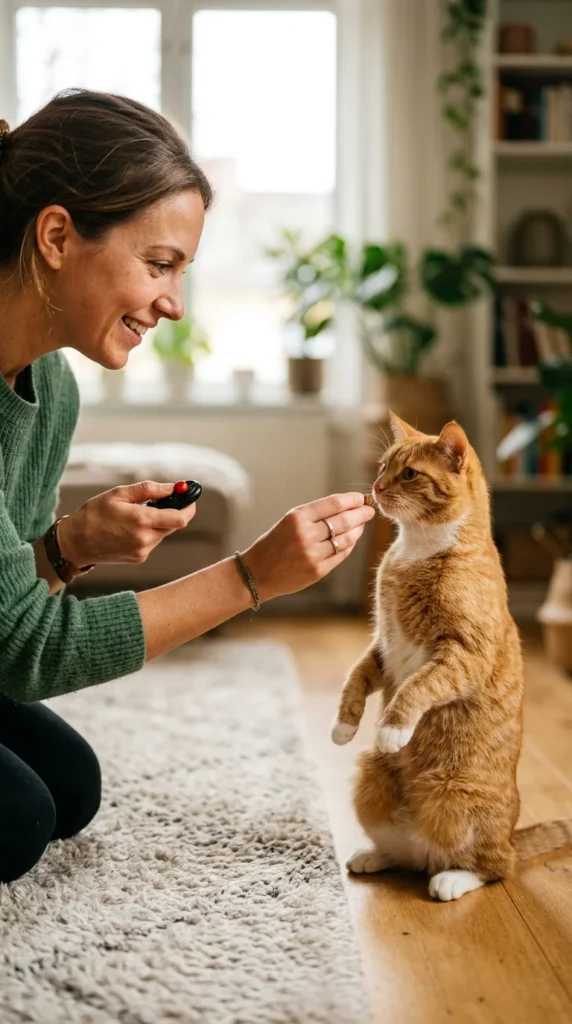
Play isn’t just physical; it’s mental. Training your cat to “sit,” “stay,” or “high five” using a clicker is a form of interactive play. It challenges their brain and strengthens the communication between you and your pet.
25. Wall Shelves
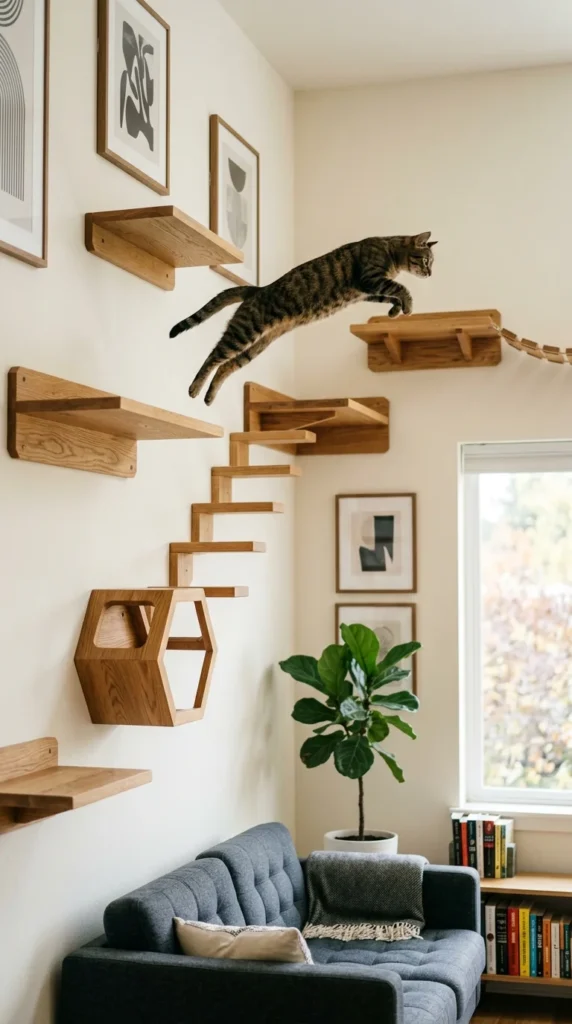
If you have limited floor space, go vertical. Wall-mounted shelves designed for cats allow them to climb and jump safely. You can make it a game by placing toys on the highest shelf, encouraging them to scale the “mountain” to get their prize.
26. Soft Mice
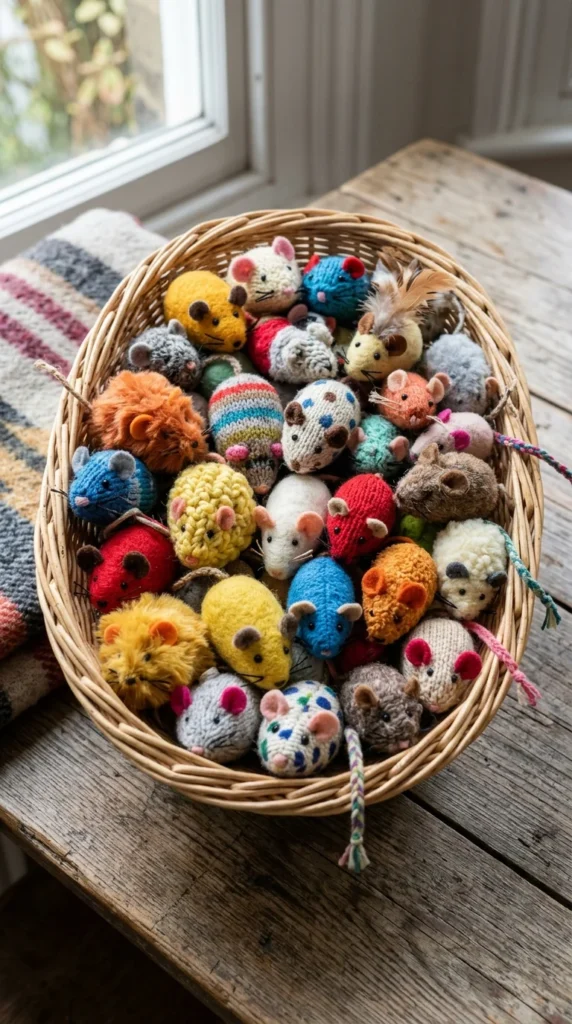
The classic toy mouse is a staple for a reason. Cats love the size and texture, which mimics their natural prey. Try different types—some that rattle, some filled with catnip, and some with long tails—to see which “species” your cat prefers to hunt.
27. Human Interaction
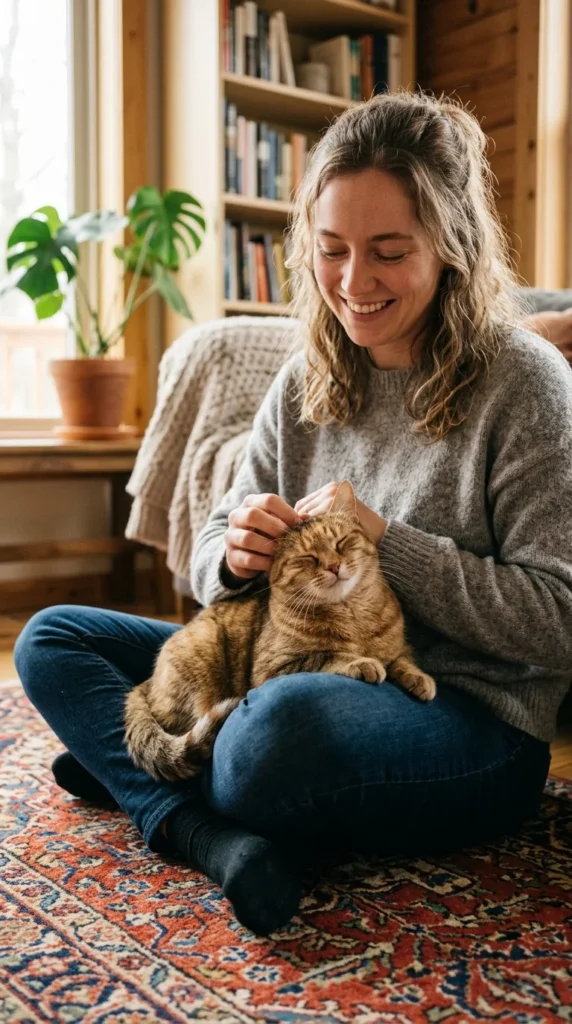
The most important “toy” in your cat’s life is you. Spending fifteen minutes twice a day purely focused on your cat—whether it’s through gentle petting, grooming, or active play—is the best way to ensure they are happy. Your attention is the ultimate reward for your feline friend.