
Bringing a new kitten home is a whirlwind of joy, whiskers, and tiny paw prints. However, one of the most critical hurdles for any new cat parent is litter training. While cats are naturally inclined to bury their waste, the transition from nursing to using a litter box requires a bit of guidance, patience, and strategy. This guide breaks down sixteen essential tips to ensure your kitten masters the litter box with zero stress.
1. Selection
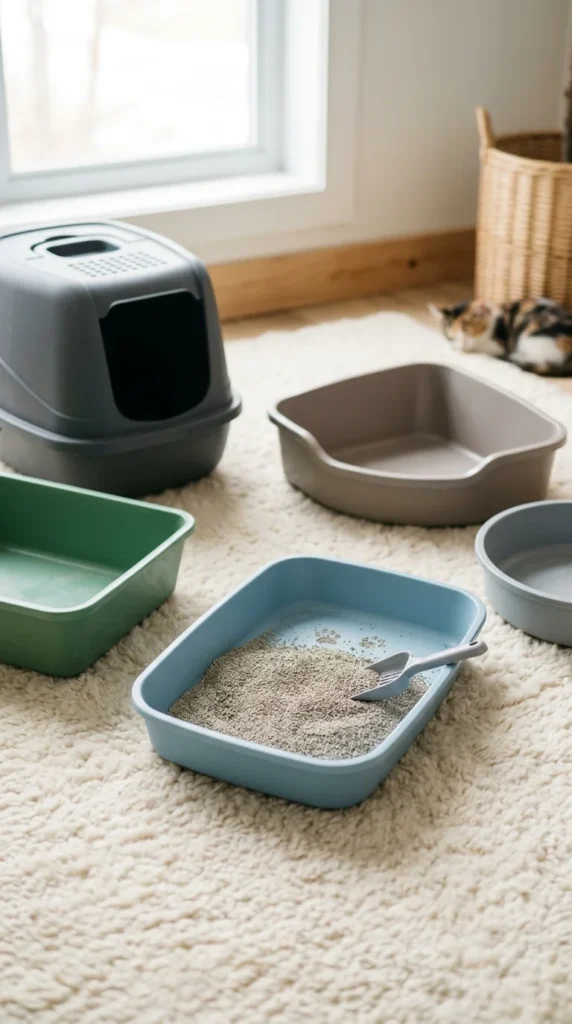
The first step to success is choosing a box that is physically accessible for a small kitten. High-sided boxes are great for adult cats who kick litter, but for a tiny kitten, those walls can feel like Mount Everest. Look for a “kitten-sized” box or a shallow tray with at least one side that is very low to the ground. If they can’t get in easily, they will find a more convenient (and likely carpeted) spot to do their business.
2. Texture
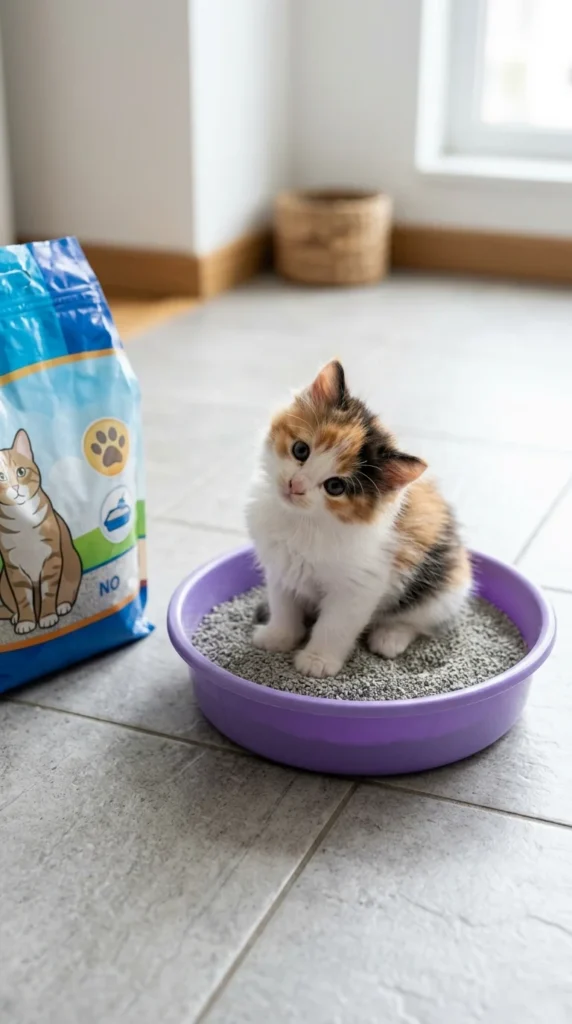
Kittens have incredibly sensitive paw pads. Many experts recommend starting with an unscented, fine-grained clumping litter or a specialized “kitten attract” litter. Avoid heavily scented versions, as the artificial perfumes can be overwhelming to a kitten’s sensitive nose. The texture should be soft and sandy, mimicking the natural soil or sand they would instinctively use in the wild.
3. Placement
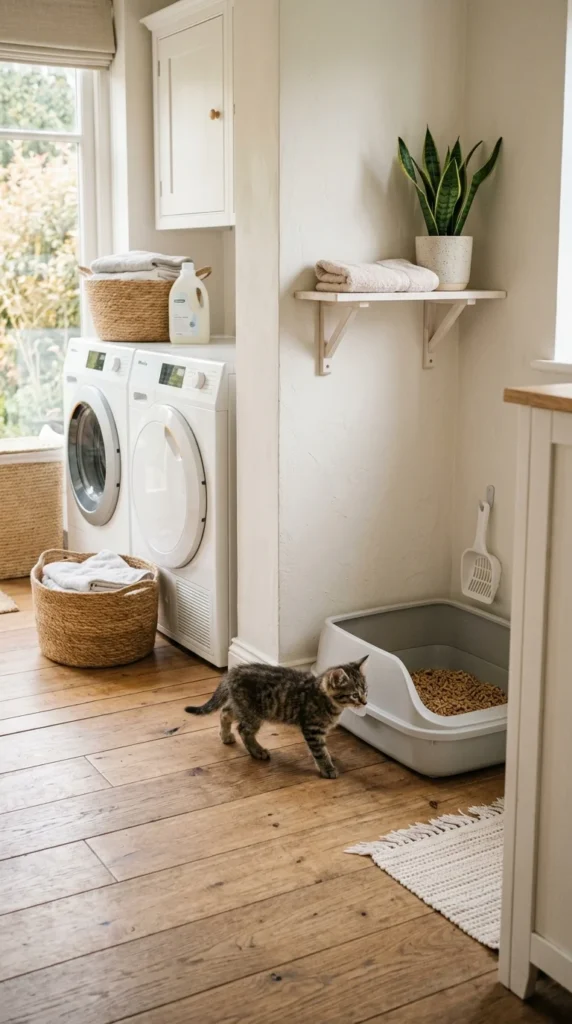
Location is everything. Place the litter box in a quiet, low-traffic area where the kitten feels safe and won’t be startled by loud noises, like a vacuum cleaner or a buzzing dryer. However, don’t hide it so well that the kitten can’t find it. It should be easily accessible at all times. If you live in a multi-story home, having a box on every floor is a must during the early stages of training.
4. Timing
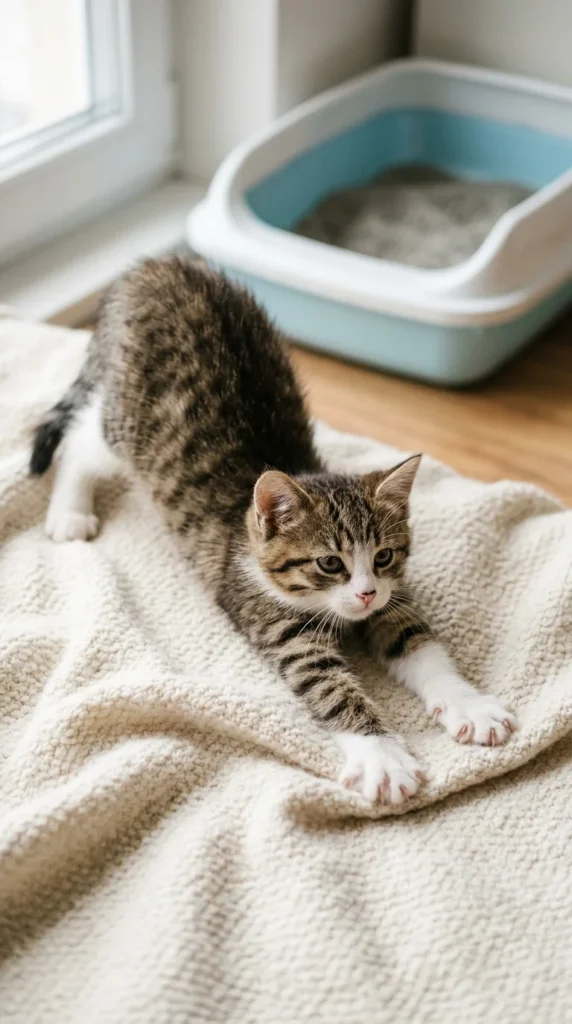
Kittens usually need to go shortly after waking up from a nap or within 15 to 20 minutes of eating. Use these natural rhythms to your advantage. Pick your kitten up gently after their meal and place them in the box. This helps them associate the physical sensation of a full bladder or stomach with the appropriate location for relief.
5. Digging
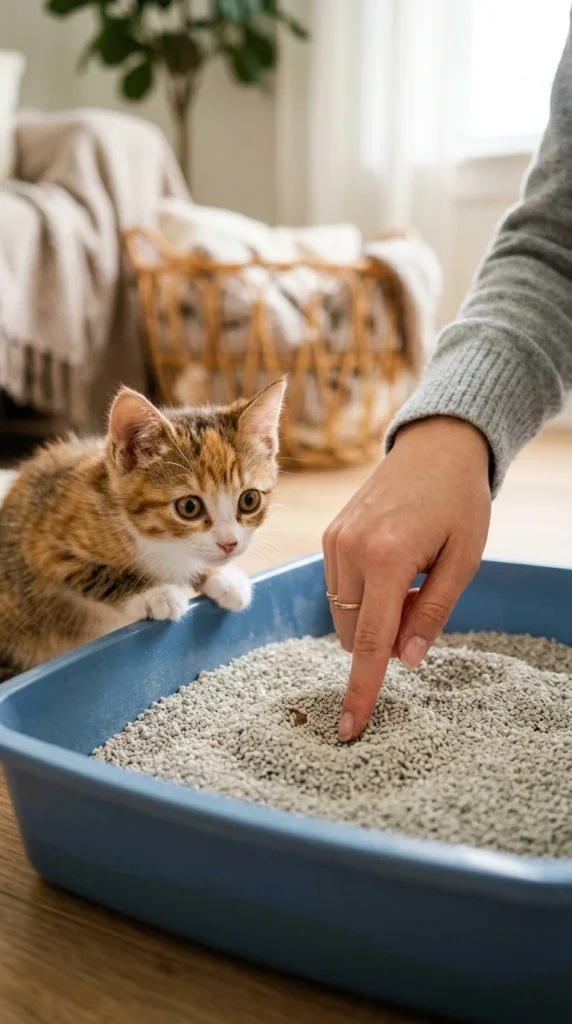
You can actually “show” your kitten what to do. If they seem confused, use your finger (or a small scoop) to gently scratch the litter in front of them. The sound and sight of the litter moving often trigger a kitten’s natural instinct to dig. Never grab their paws and force them to scratch, as this can be frightening and create a negative association with the box.
6. Confinement
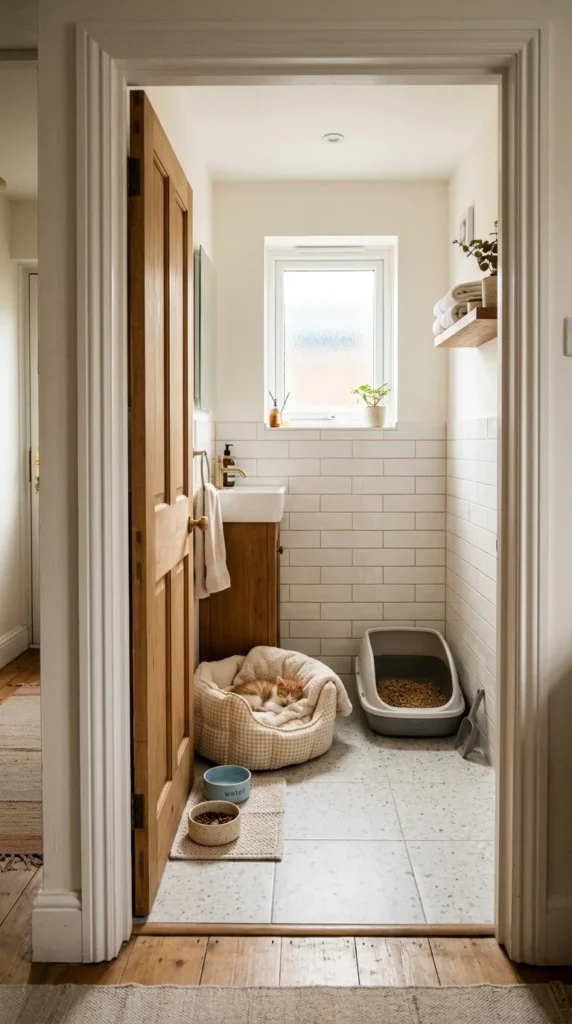
When you first bring your kitten home, it’s often helpful to confine them to one small room (like a bathroom or laundry room) for a few days. This “home base” ensures they are never more than a few feet away from the litter box while they are still learning the layout of your house. Once they are consistently using the box in the small room, you can gradually grant them access to the rest of the home.
7. Praise
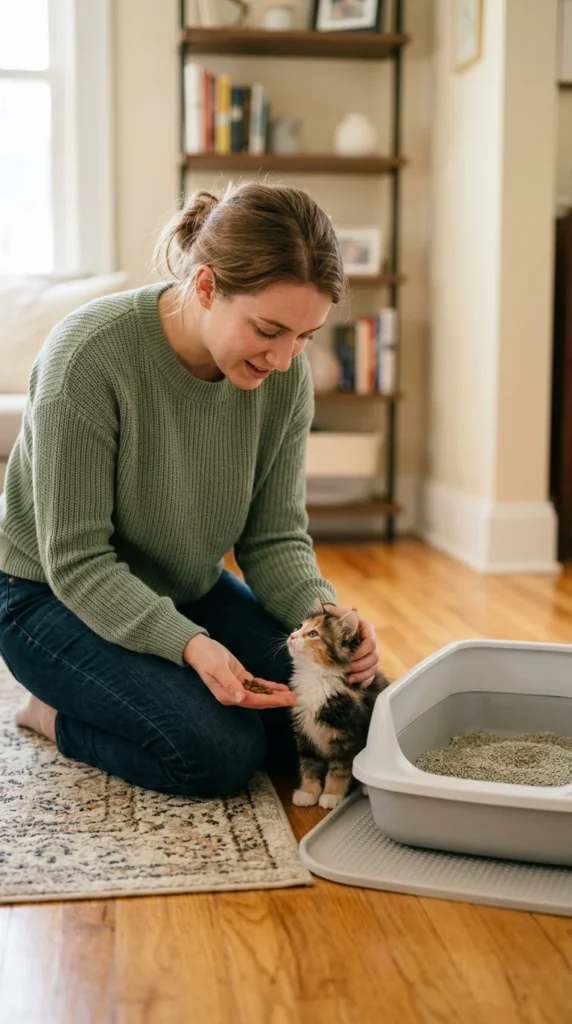
Positive reinforcement works wonders. When you see your kitten use the box correctly, wait until they are completely finished and have stepped out, then shower them with praise, gentle pets, or a small treat. This builds a positive emotional connection with the litter box. Kittens respond much better to rewards than they do to any form of correction.
8. Cleanliness
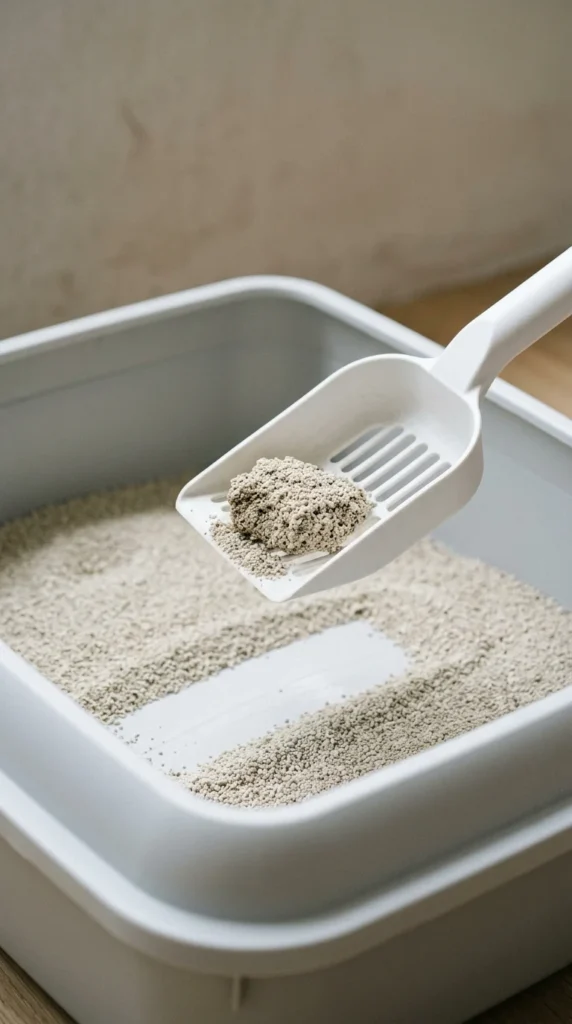
Kittens are fastidious creatures. They are much less likely to use a box that is already dirty or smells strongly of ammonia. Scoop the box at least twice a day and perform a full litter change and box scrub once a week. Use mild soap and water rather than harsh chemicals or bleach, which can leave a scent that repels the kitten.
9. Enzymes
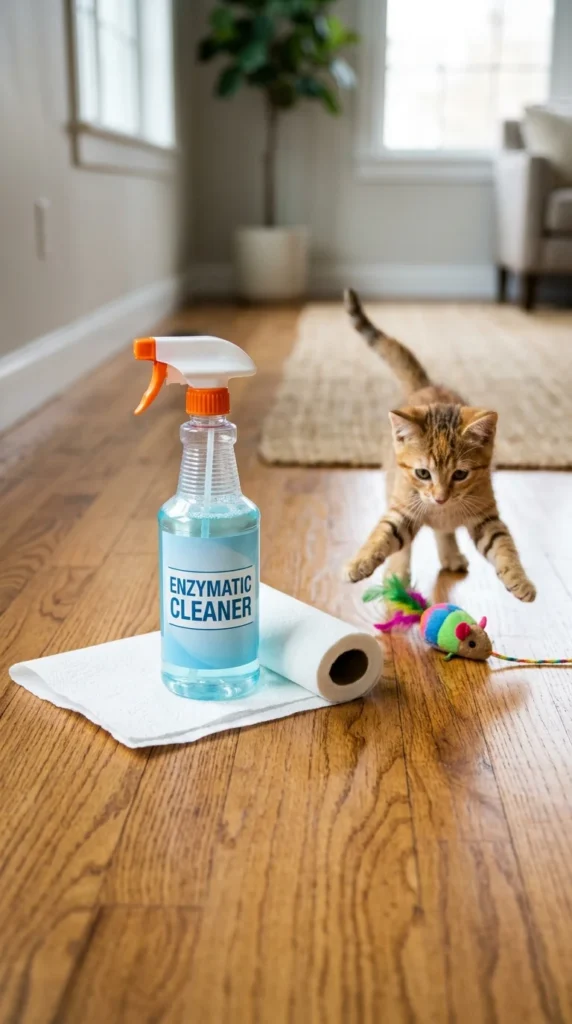
Accidents happen. When they do, it is vital to clean the spot with an enzymatic cleaner specifically designed for pet waste. Standard household cleaners might remove the stain, but they often leave behind microscopic scent markers that only a cat can smell. If the kitten smells their previous “mistake,” they will think that spot is a designated bathroom area.
10. Quantity
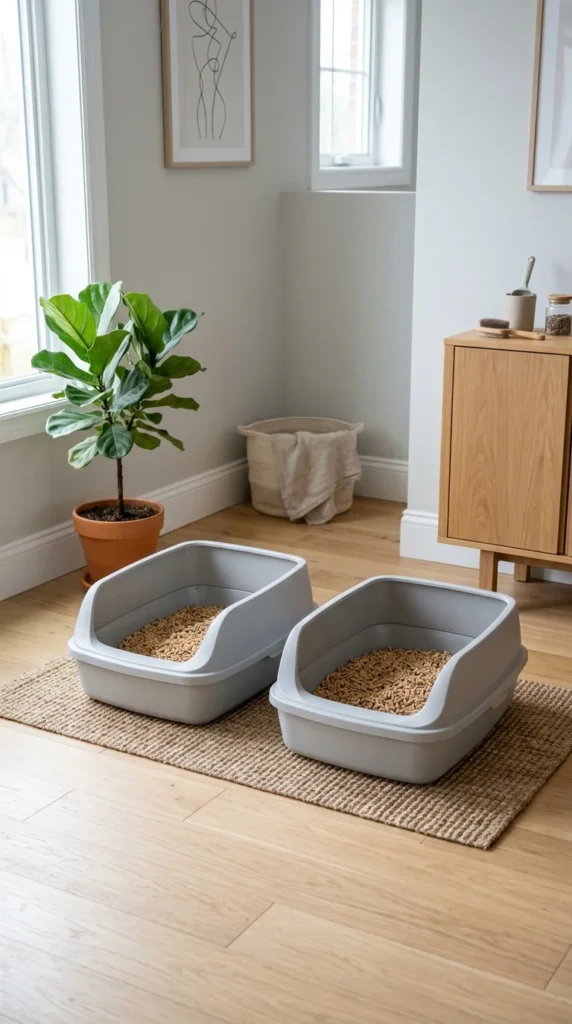
The golden rule for litter boxes is “one per cat, plus one extra.” Even if you only have one kitten, having two boxes in different locations is highly recommended. Some kittens prefer to urinate in one box and defecate in the other. Having multiple options also prevents accidents if the kitten gets “caught short” while playing in a different part of the house.
11. Patience
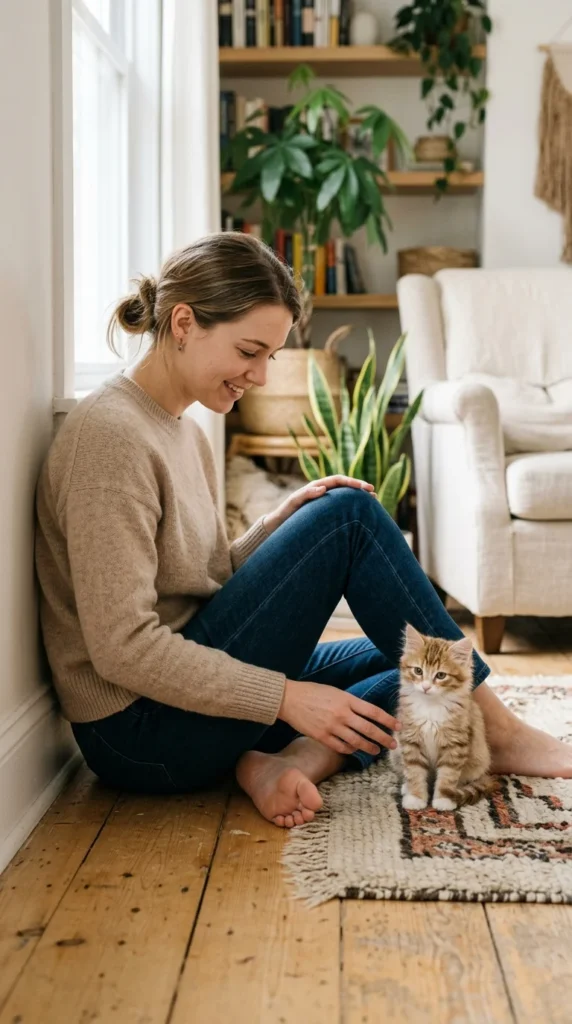
Never punish a kitten for having an accident. Rubbing their nose in it or shouting will only make them afraid of you and the litter box. If you catch them in the act, gently pick them up and move them to the box. If they finish there, praise them. Training is a learning process, and stress is the enemy of progress.
12. Safety

For very young kittens (under 8 weeks), some veterinarians recommend using non-clumping litter. Young kittens are curious and may try to eat the litter. Clumping litter can expand in their digestive tract and cause dangerous blockages. Once the kitten is older and past the “tasting everything” phase, you can safely transition to clumping varieties.
13. Privacy
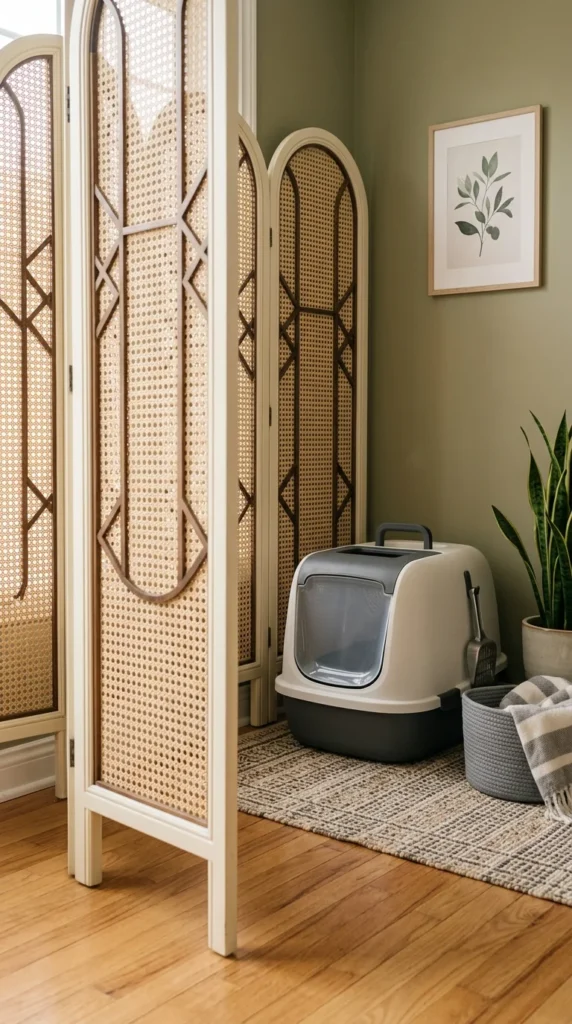
Just like humans, some cats prefer a bit of privacy. If your kitten seems hesitant to use an open tray, try a hooded box. It can make them feel more secure and protected. However, be aware that hoods trap odors more effectively, so you will need to be even more diligent about scooping to keep the air inside the “dome” fresh for your pet.
14. Mats
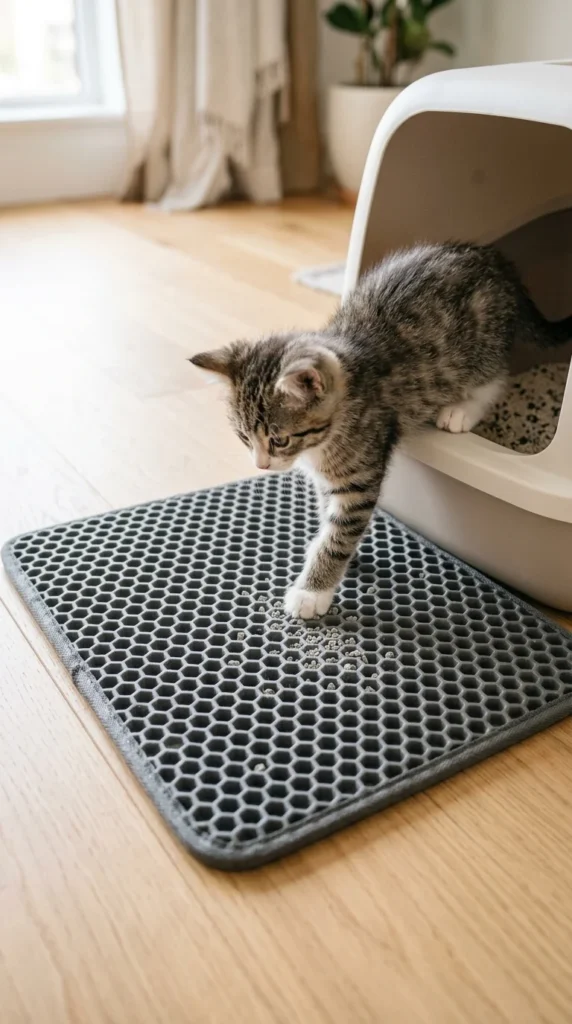
To make the process easier for you, place a litter-trapping mat outside the box. This prevents the kitten from tracking litter all over the house, which can be irritating for both of you. Keeping the area around the box clean makes the whole experience more pleasant and keeps the “bathroom” area clearly defined from the rest of the living space.
15. Transitioning
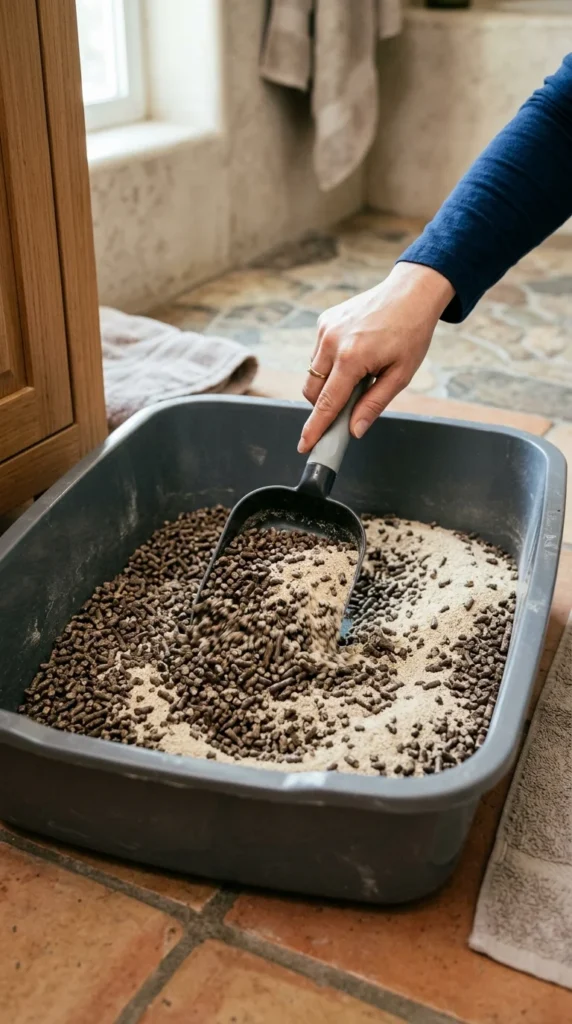
If you need to change the type of litter you are using, do it gradually. Mix a small amount of the new litter into the old litter, slowly increasing the ratio over a week. Kittens are sensitive to changes in texture and scent, and a sudden switch can lead to “litter box avoidance.” A slow transition keeps them comfortable and confident.
16. Health

If your kitten was using the box perfectly and suddenly stops, it may not be a behavioral issue—it could be medical. Urinary tract infections or digestive upset can make it painful for a kitten to go, causing them to associate the box with pain. If accidents become frequent or the kitten appears to be straining, a quick trip to the vet is the best course of action.