
Bringing a new kitten into your home is a whirlwind of joy, tiny meows, and playful pounces. However, beneath the adorable exterior lies a fragile creature that is growing at an incredible rate. For a new pet parent, distinguishing between normal kitten behavior and potential health red flags can be daunting. A healthy kitten isn’t just one that is “cute”; it’s a kitten that meets specific biological and behavioral milestones.
Monitoring your kitten’s health from day one ensures they grow into a robust, happy adult cat. By knowing the physical and behavioral markers of wellness, you can catch potential issues before they become serious. Here are 17 definitive signs that your kitten is thriving.
1. Clear Eyes
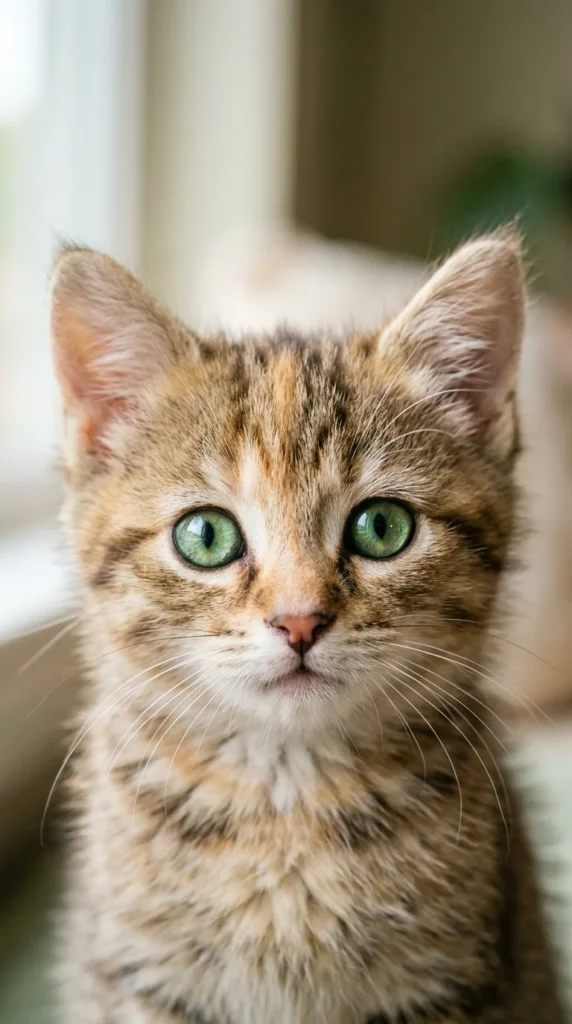
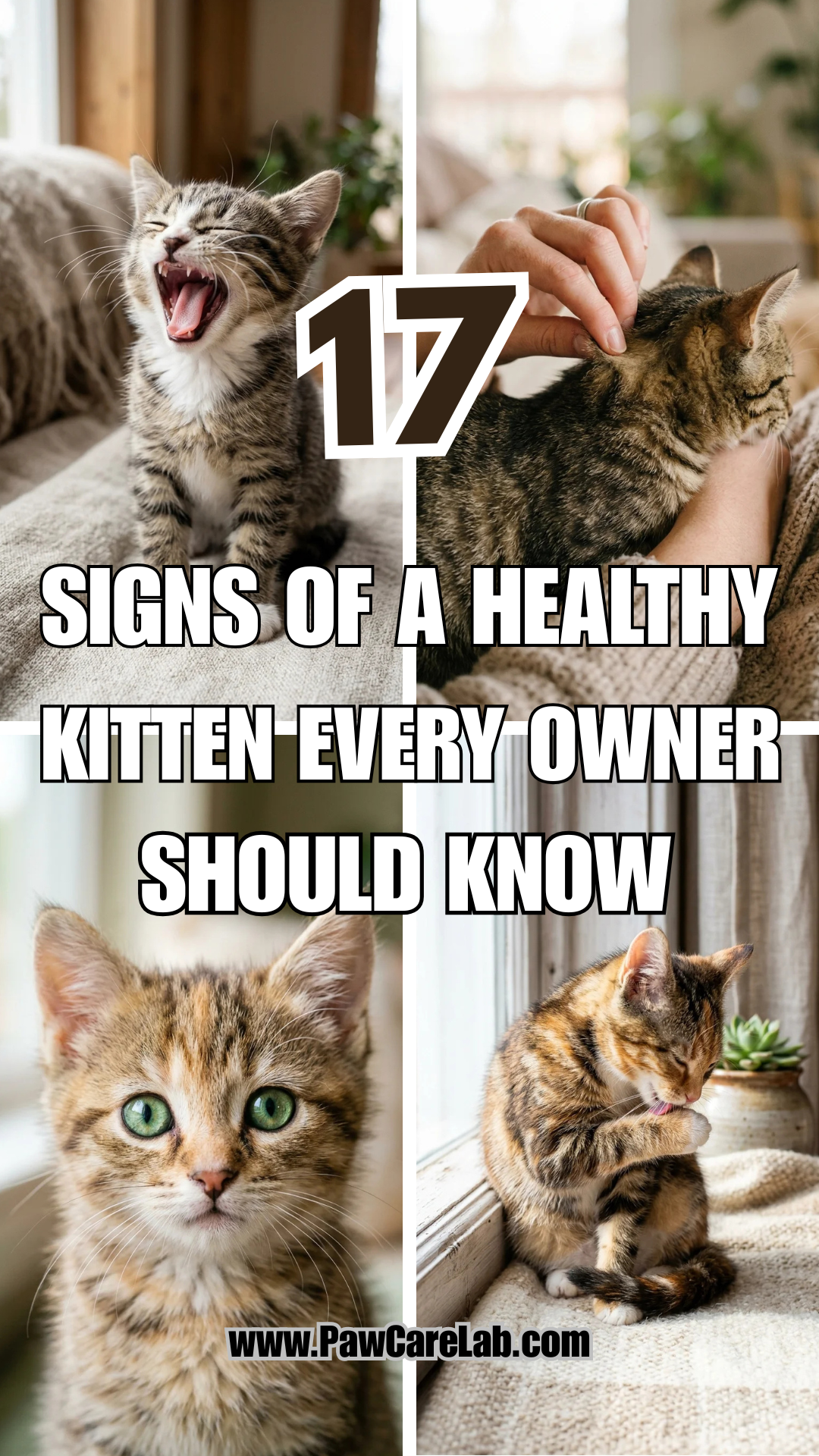
The eyes are the windows to a kitten’s health. In a healthy kitten, the eyes should be bright, clear, and alert. The pupils should be of equal size and react quickly to changes in light. You should not see any discharge—whether clear, yellow, or green—crusting around the lids, or redness in the whites of the eyes. Furthermore, the “third eyelid” (the nictitating membrane) should not be visible. If it is partially covering the eye, it often indicates the kitten is feeling unwell or dehydrated.
2. Clean Ears
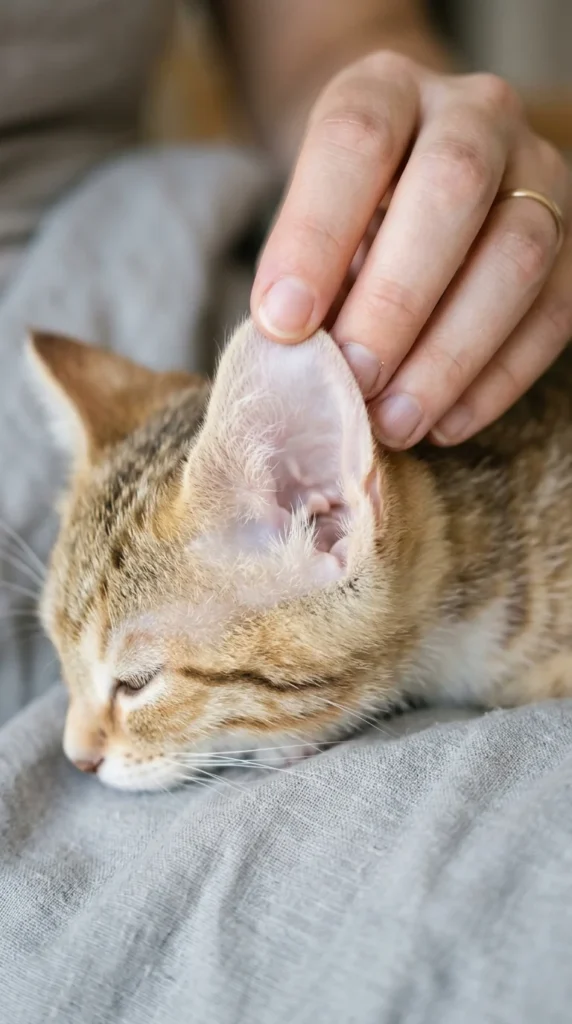
A kitten’s ears should be clean and a healthy pale pink color on the inside. While a tiny amount of wax is normal, you should not see dark, coffee-ground-like debris, which is a classic sign of ear mites. There should also be no foul odor emanating from the ear canal. If a kitten is frequently scratching at its ears or shaking its head, it could indicate an infection or parasites, even if the ears look clean at a glance.
3. Clear Nose
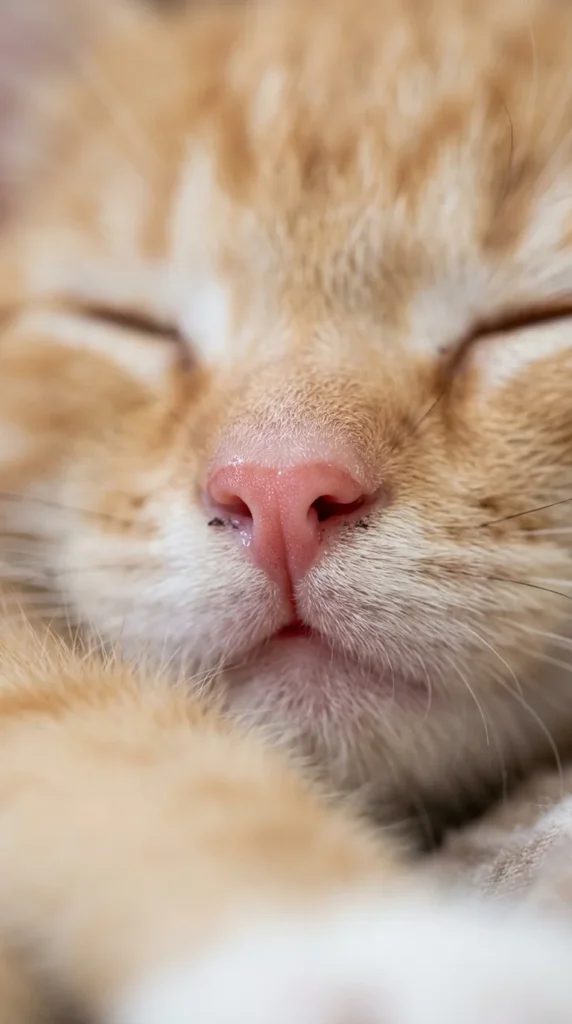
A healthy kitten’s nose should be slightly moist and cool. Small amounts of clear moisture are perfectly normal, especially after a nap or a play session. However, the nose should be free of thick mucus, bubbles, or dry crust. Frequent sneezing, coughing, or any colored discharge (yellow or green) are signs of an upper respiratory infection, which is common in kittens but requires veterinary attention.
4. Pink Gums
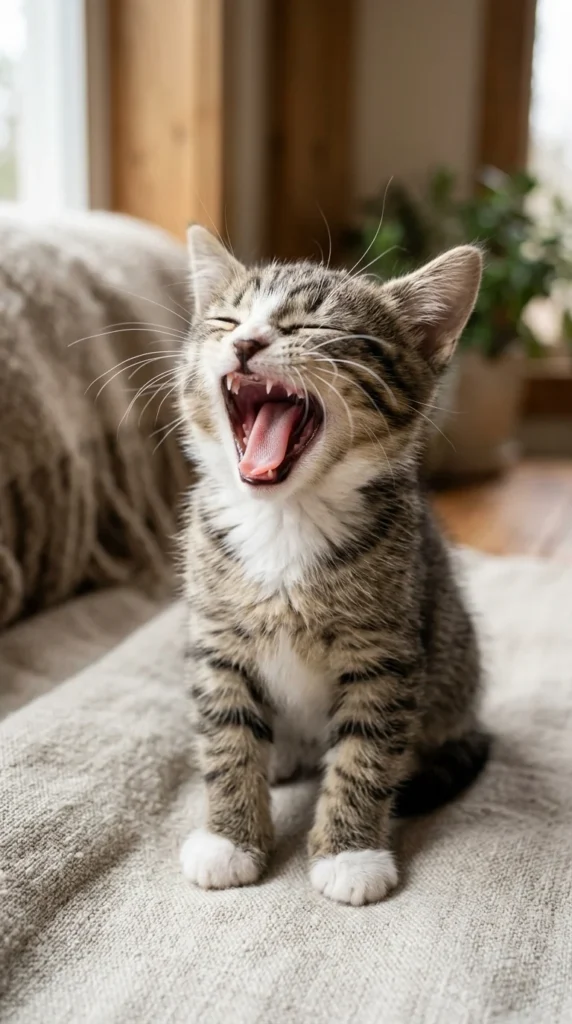
The color of a kitten’s gums is a great indicator of their blood oxygenation and hydration. Healthy gums should be a vibrant, “bubblegum” pink. If you press gently on the gum with your finger, it should turn white and then return to pink within one to two seconds (this is known as capillary refill time). Gums that are pale, white, bright red, or blue are an immediate cause for concern. Additionally, while kitten breath isn’t exactly minty, it shouldn’t be foul-smelling.
5. Lustrous Coat
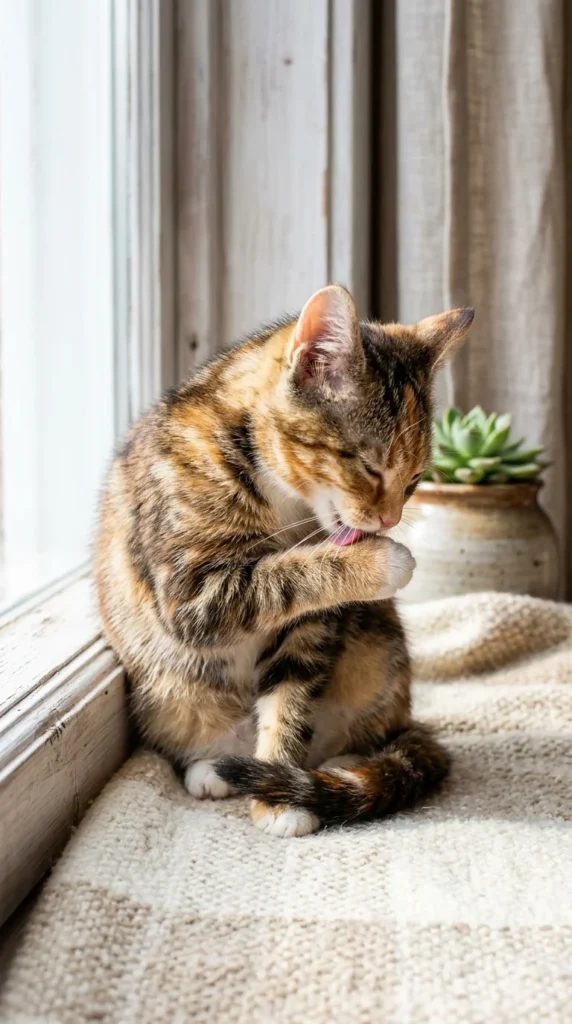
A kitten’s coat should be soft, shiny, and full. While kittens go through a “fuzzy” stage where their coat might look a bit wild, it should never look dull, greasy, or moth-eaten. There should be no bald patches, thinning fur, or evidence of “flea dirt” (small black specks that turn red when wet). A healthy kitten spends a significant amount of time grooming itself, which keeps the fur clean and distributes natural oils.
6. Supple Skin
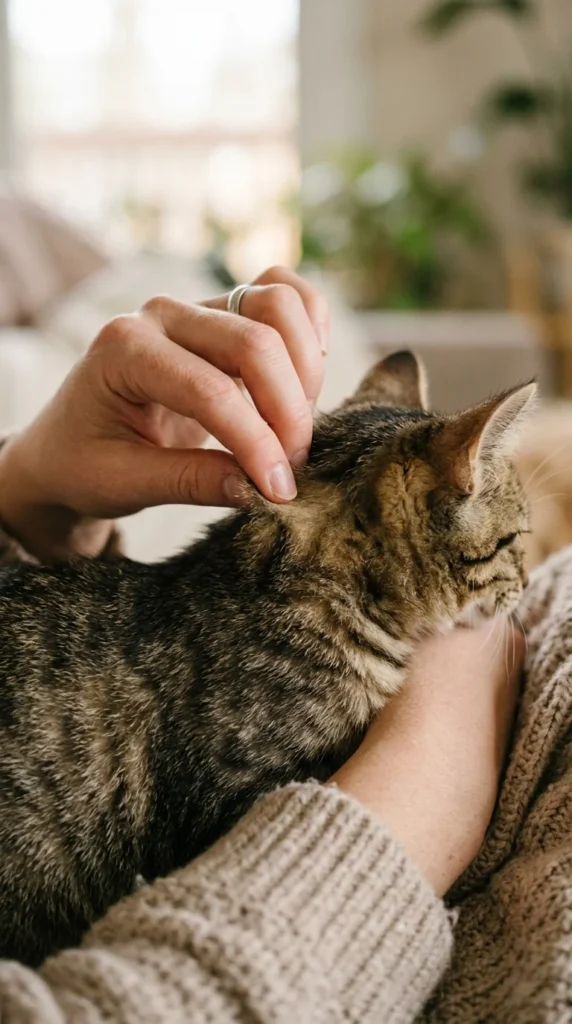
Hydration is critical for growing kittens. You can check this by testing the skin’s elasticity. If you gently pinch the skin between the shoulder blades and let go, it should “snap” back into place instantly. If the skin remains peaked or returns slowly, the kitten is likely dehydrated. The skin should also be free of scabs, bumps, or redness, which could indicate allergies or parasites.
7. Playful Energy
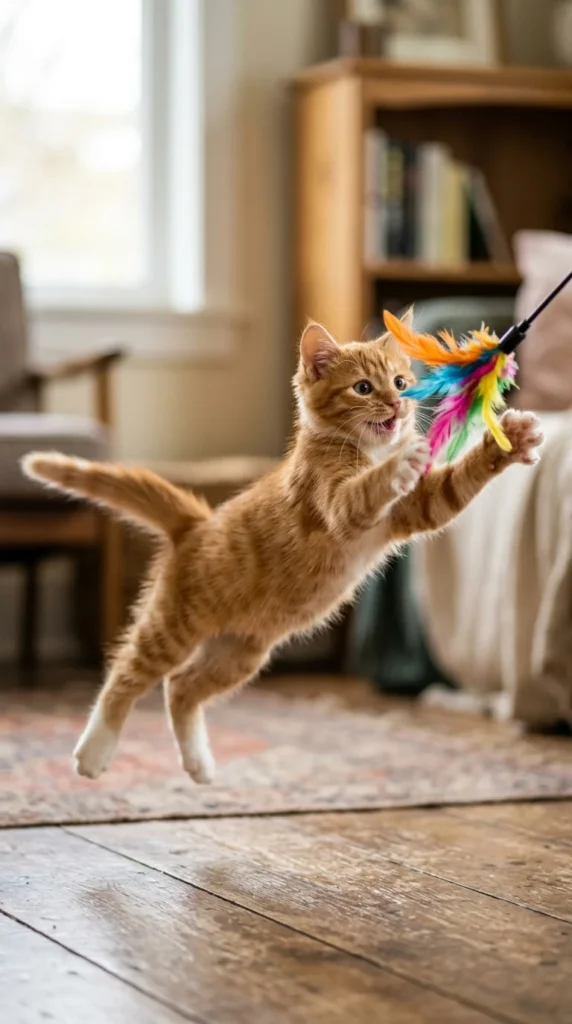
Kittens are legendary for their “zoomies.” A healthy kitten should have bursts of intense energy where they run, jump, climb, and pounce. While they do sleep a lot (up to 20 hours a day), their awake time should be characterized by curiosity and movement. A kitten that is constantly lethargic, hides away, or shows no interest in toys or movement may be suffering from an underlying illness or malnutrition.
8. Steady Weight
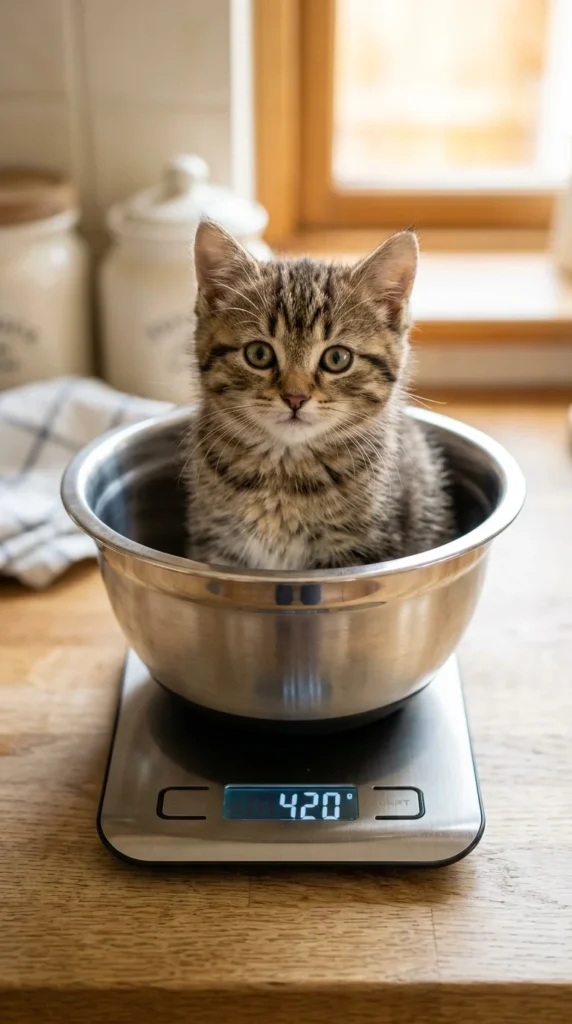
Growth in kittens happens rapidly. You should be able to feel their ribs under a small layer of fat, but the ribs should not be protruding or visible. Conversely, the belly should be rounded but not “pot-bellied” or hard. A very distended, hard belly often indicates a heavy parasite load (worms). A healthy kitten gains weight steadily every week; if a kitten stops gaining weight or loses weight, it is a medical emergency.
9. Regular Appetite
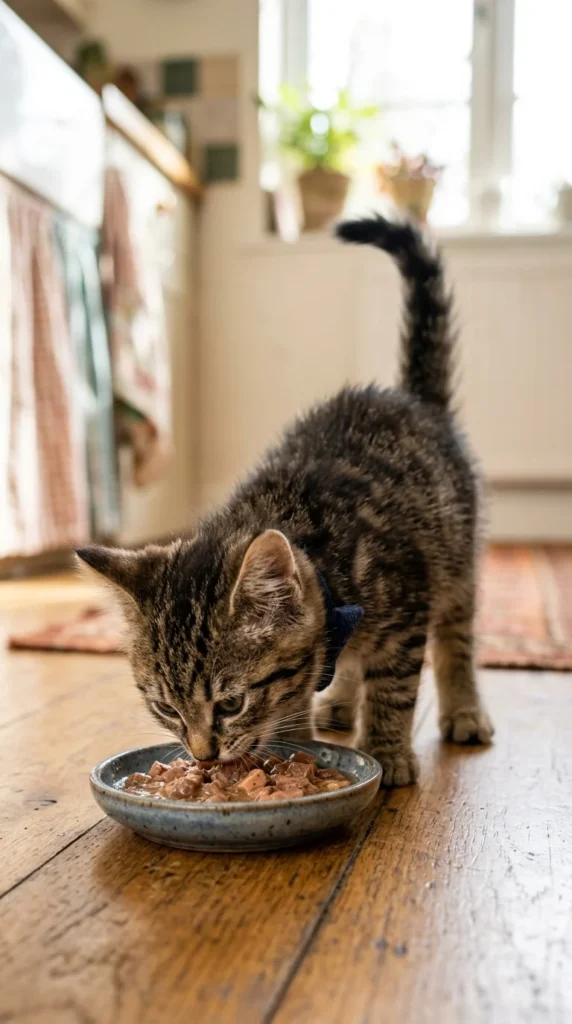
A healthy kitten is usually very excited about mealtime. They should have a hearty appetite and eat with gusto. While some kittens are pickier than others, a total lack of interest in food is a major red flag. They should also be able to chew and swallow without difficulty. If your kitten is crying for food but then refuses to eat it, they may have mouth pain or nausea.
10. Sound Sleep
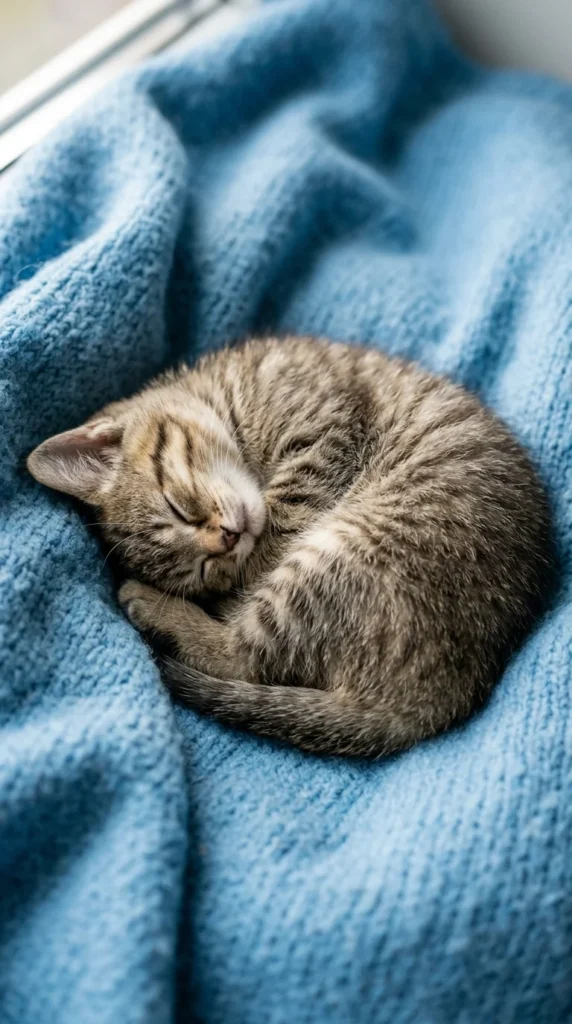
While play is important, quality sleep is when a kitten does most of its growing. A healthy kitten should fall into a deep, relaxed sleep. You might notice their paws twitching or their whiskers vibrating—this is normal REM sleep. However, the kitten should be easily rousable from sleep. If a kitten is difficult to wake up or seems excessively “out of it,” it could indicate a blood sugar issue or infection.
11. Solid Stools
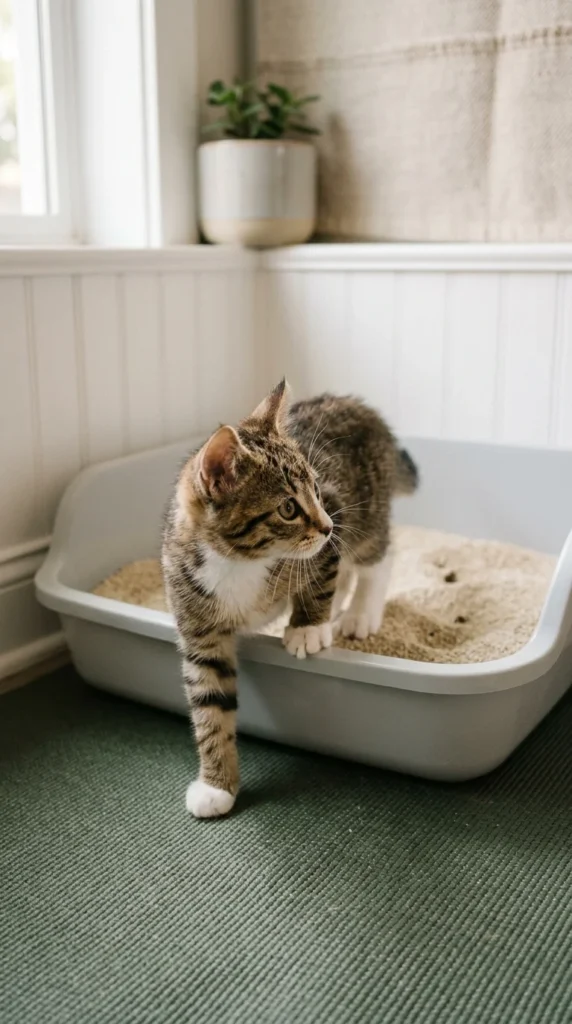
What comes out of your kitten is just as important as what goes in. Healthy kitten stools should be brown, well-formed, and firm (but not hard). Occasional soft stools can happen due to a change in diet, but persistent diarrhea is dangerous for kittens because it leads to rapid dehydration. There should be no blood or mucus in the stool, and you shouldn’t see any visible parasites like roundworms or tapeworm segments.
12. Clear Urine
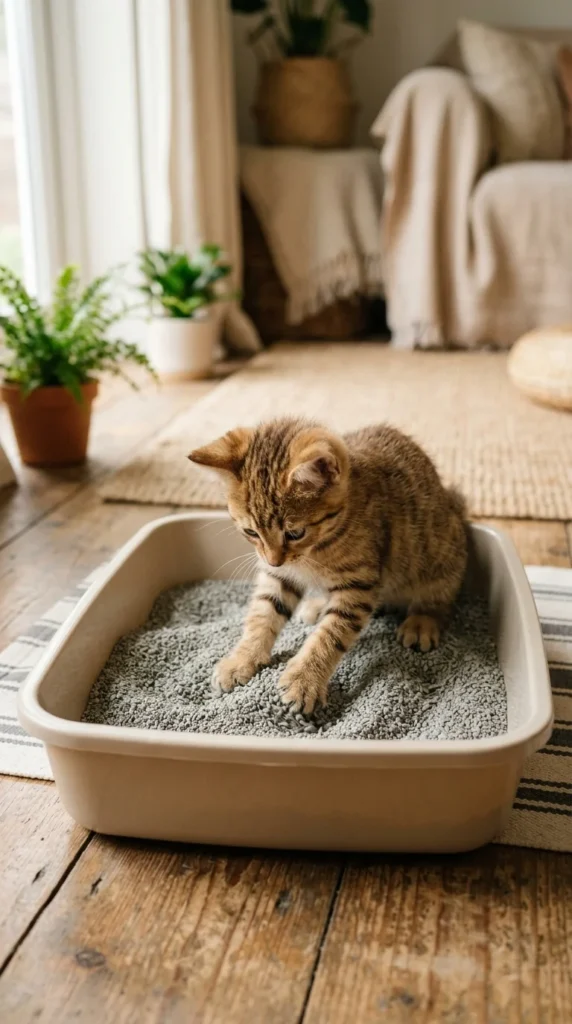
A kitten should urinate several times a day. The urine should be a light yellow color and relatively clear. If the urine is very dark, contains blood, or if the kitten is straining and crying while in the litter box, this could indicate a urinary tract infection or a blockage. Frequent, small amounts of urine can also be a sign of irritation.
13. Strong Heartbeat
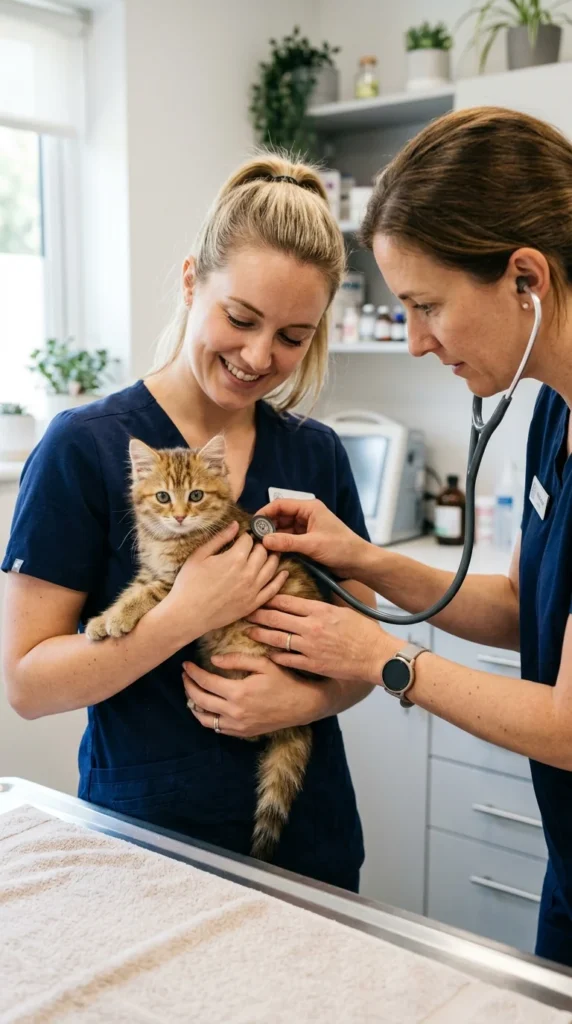
While you might not have a stethoscope at home, you can often feel a kitten’s heartbeat by placing your hand on the left side of their chest, just behind the front leg. A healthy kitten’s heart rate is much faster than a human’s—usually between 150 to 200 beats per minute. The rhythm should be steady and strong. If you feel “thumping” that seems irregular or if the kitten gets out of breath very easily, it’s worth a vet check.
14. Odorless Breath
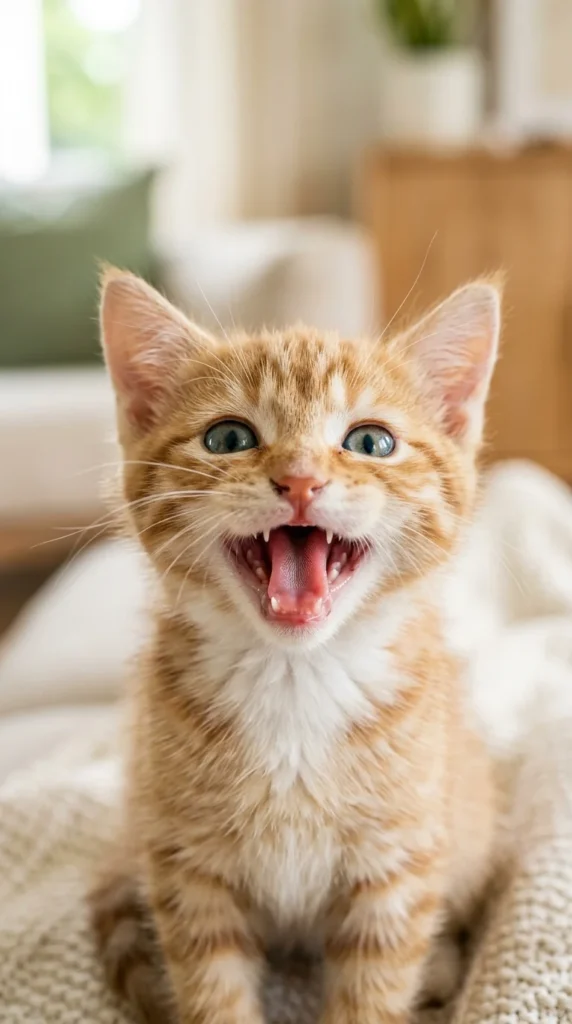
While “kitten breath” has a distinct smell, it should not be unpleasant. A healthy mouth should be free of foul odors. Bad breath (halitosis) in kittens can be a sign of gum disease, an abscess, or even digestive issues. As they lose their baby teeth and their adult teeth come in (usually around 4 to 6 months), their breath might smell slightly different, but it should never be pungent or rot-like.
15. Social Confidence
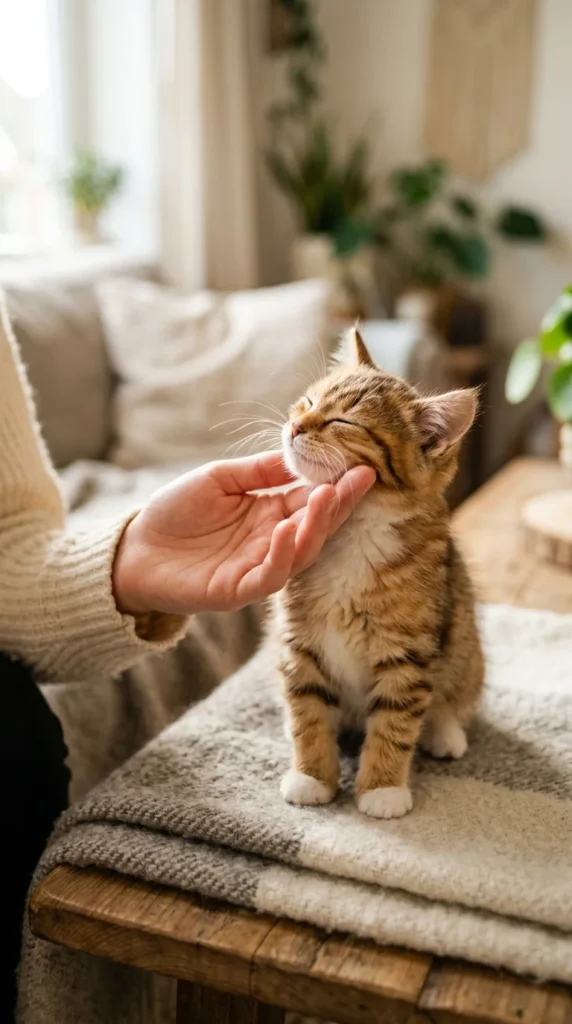
Healthy kittens are naturally social and curious. They should want to interact with their environment and their human companions. A kitten that hides constantly, hisses when approached, or seems terrified of normal household sounds may be struggling with socialization or feeling physically vulnerable due to pain. A confident, “tail-up” walk is a great sign of a kitten that feels physically and mentally well.
16. Clean Bottom
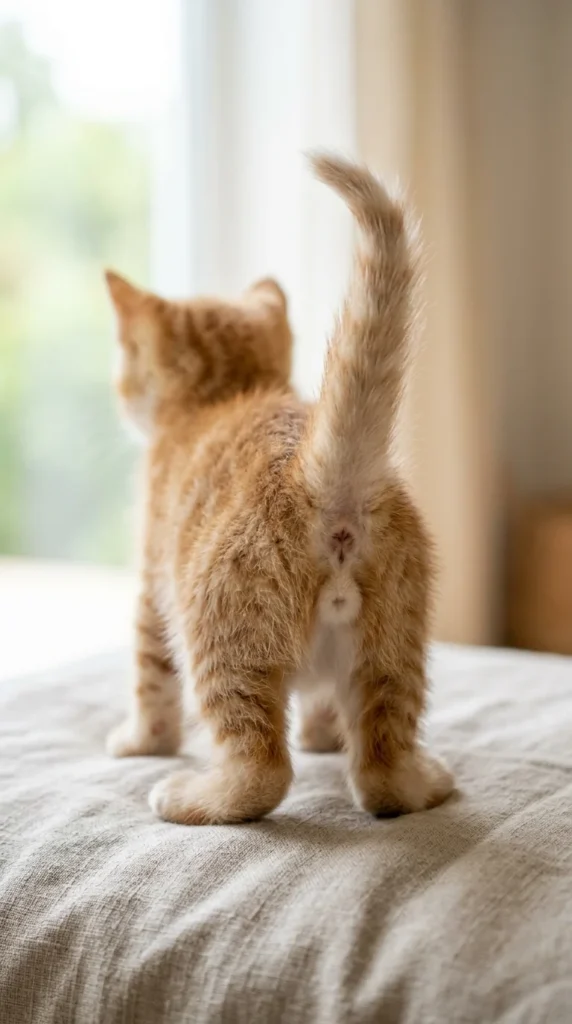
The area under the tail should always be clean and dry. A kitten that has staining, wetness, or fecal matter stuck to its fur may be suffering from diarrhea or may be too weak to groom itself properly. Redness or swelling around the anus can also indicate irritation from parasites or digestive upset.
17. Agile Movement
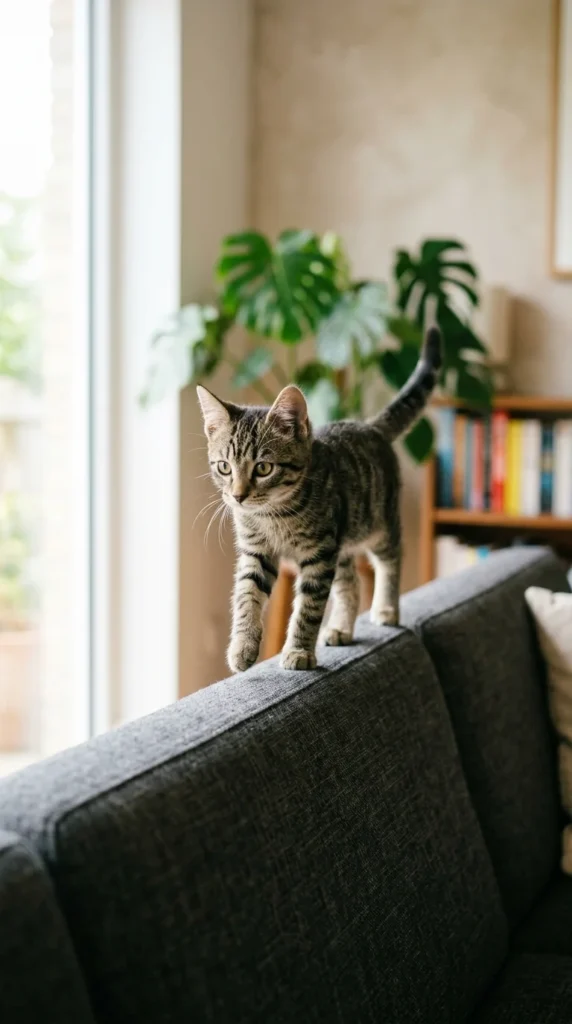
Kittens are naturally a bit clumsy as they learn their limits, but their movement should generally be fluid and coordinated. They should be able to walk, run, and jump without limping or favoring a limb. If a kitten seems stiff, has difficulty jumping onto low surfaces, or displays a “wobbly” gait, it could indicate a developmental issue, a nutritional deficiency, or an injury.