Feeding your cat isn’t just about filling a bowl; it’s about providing the biological fuel necessary for a long, vibrant life. As obligate carnivores, cats have unique physiological requirements that differ significantly from humans and even dogs. Understanding the nuances of feline nutrition can prevent chronic diseases, manage weight, and ensure your feline companion thrives. Here is the ultimate guide to mastering cat nutrition.
1. Animal Protein

Cats are obligate carnivores, meaning their bodies are biologically designed to process animal protein. Unlike omnivores, they lack the metabolic pathways to efficiently digest plant-based proteins. High-quality animal protein provides essential amino acids like taurine and arginine, which are critical for heart health, vision, and detoxification. When selecting food, ensure a named meat source (like chicken, turkey, or beef) is the first ingredient.
2. Moisture Intake
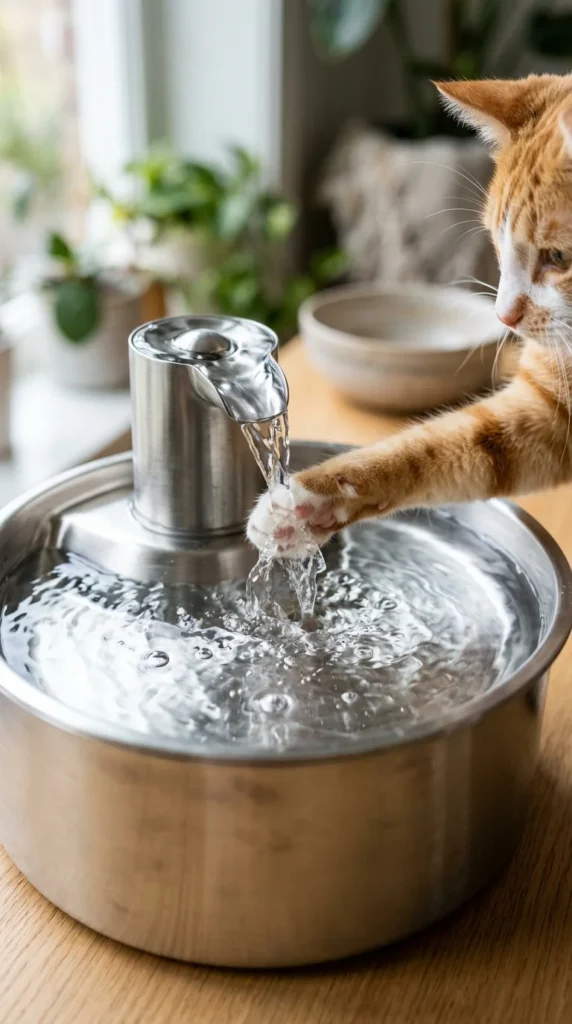
In the wild, cats get most of their hydration from their prey. Domestic cats often have a low thirst drive, which can lead to chronic dehydration and kidney issues. Incorporating wet food into their diet is one of the most effective ways to ensure they stay hydrated. Always provide multiple sources of fresh, filtered water throughout the home to encourage drinking.
3. Essential Taurine

Taurine is an amino acid found exclusively in animal tissues. For cats, it is non-negotiable. A deficiency in taurine can lead to dilated cardiomyopathy (a serious heart condition) and retinal degeneration leading to blindness. Most commercial cat foods are supplemented with taurine, but if you are feeding a homemade or raw diet, you must ensure this nutrient is present in sufficient quantities.
4. Healthy Fats

Fats are a dense energy source and are vital for the absorption of fat-soluble vitamins (A, D, E, and K). Omega-3 and Omega-6 fatty acids support a shiny coat, healthy skin, and reduce inflammation. Look for sources like salmon oil or chicken fat. These lipids also make the food more palatable for finicky eaters.
5. Low Carbohydrates
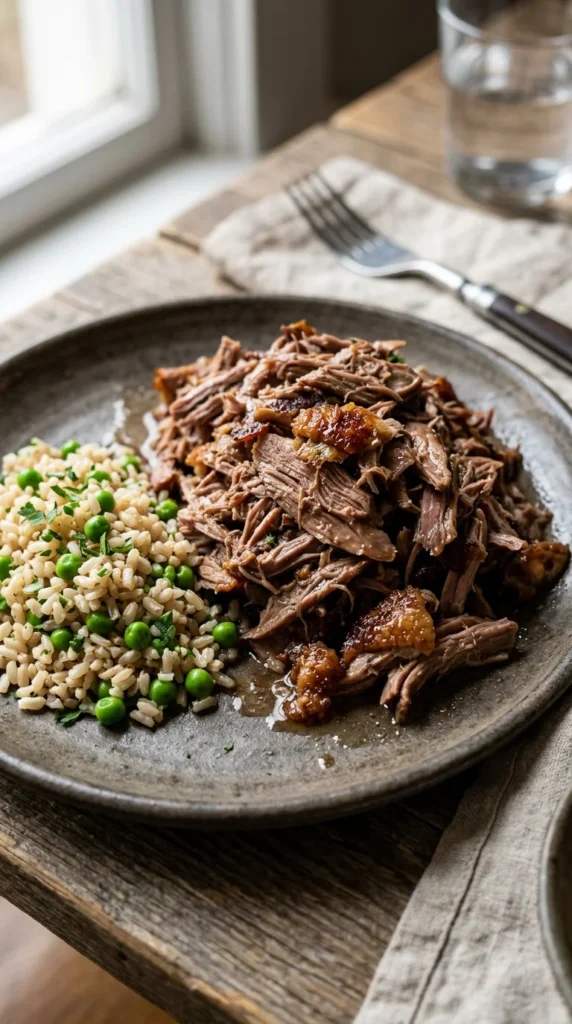
Cats have no biological requirement for carbohydrates. While some fiber is helpful for digestion, diets high in grains, corn, and soy can lead to obesity and feline diabetes. Cats lack the enzyme salivary amylase to break down starches effectively. Aim for “low-carb” or “grain-free” options that focus on meat rather than fillers.
6. Life Stages

Nutrition needs change as a cat ages. Kittens require high-calorie, nutrient-dense food to support rapid growth. Senior cats may need fewer calories but higher-quality, easily digestible proteins to maintain muscle mass and support aging kidneys. Always choose a formula specifically tailored to your cat’s current life stage.
7. Portion Control

Obesity is a leading health crisis in domestic cats. Even a few extra ounces of food a day can lead to significant weight gain. Use a standard measuring cup or a kitchen scale to ensure you are feeding the exact caloric amount recommended by your veterinarian. Avoid “gravity feeders” that allow for endless snacking.
8. Wet Food
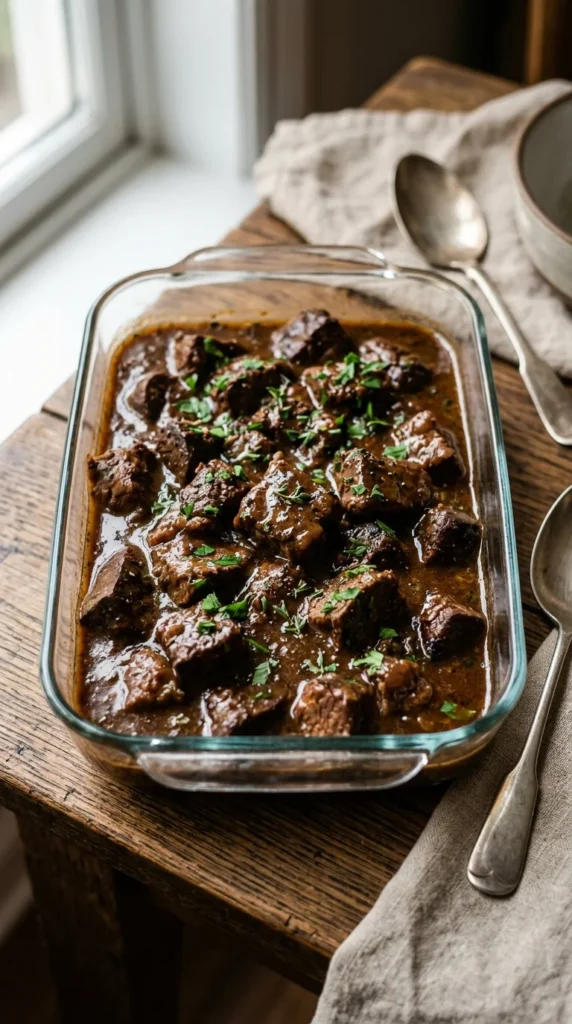
Wet food typically contains about 75% water, which is excellent for urinary tract health. It is also generally lower in carbohydrates and higher in protein than dry kibble. Many experts recommend a diet that is either exclusively wet or a majority wet food to mimic a cat’s natural diet more closely.
9. Dry Kibble

While dry food is convenient and can help reduce plaque buildup on teeth, it should not be the sole source of nutrition. If feeding kibble, ensure it is a high-protein variety and be extra vigilant about your cat’s water intake. Store kibble in an airtight container to prevent the fats from going rancid.
10. Avoid Fillers

Fillers like corn gluten meal, wheat flour, and soy hulls are often used to bulk up commercial cat food at a lower cost. These ingredients provide little nutritional value to a cat and can cause blood sugar spikes. Scanning the ingredient label for these “empty calories” is essential for maintaining a healthy weight.
11. Feeding Schedule

Cats thrive on routine. Establishing set meal times (usually twice a day) helps regulate their metabolism and prevents “boredom eating.” Scheduled feedings also allow you to monitor exactly how much your cat is eating, making it easier to spot a loss of appetite, which is often the first sign of illness.
12. Slow Feeders
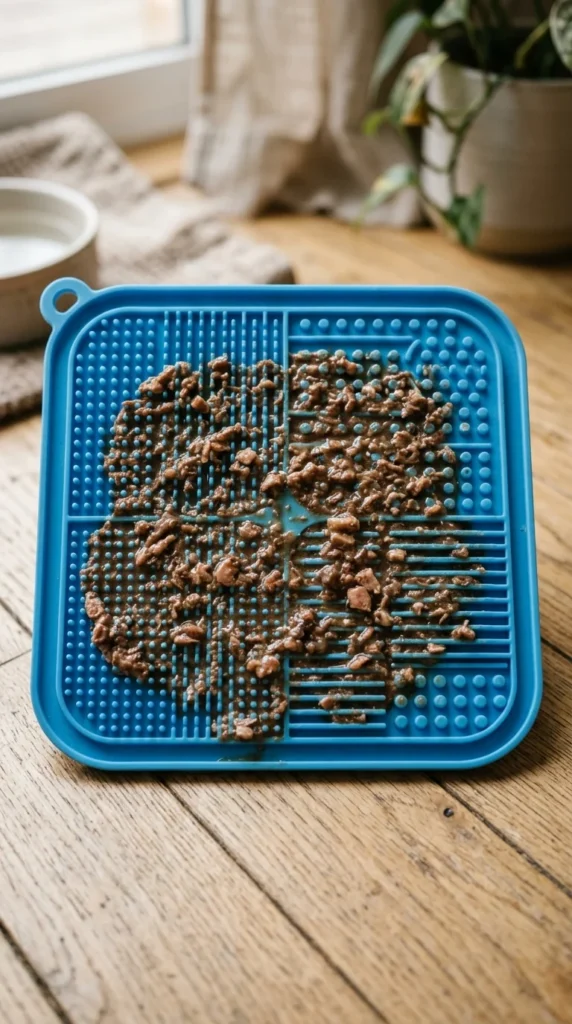
If your cat “scarfs and barfs” (eats too quickly and then vomits), a slow feeder or a lick mat can be a lifesaver. These tools force the cat to take smaller bites and work for their food, which aids digestion and provides mental stimulation.
13. Freshness Matters

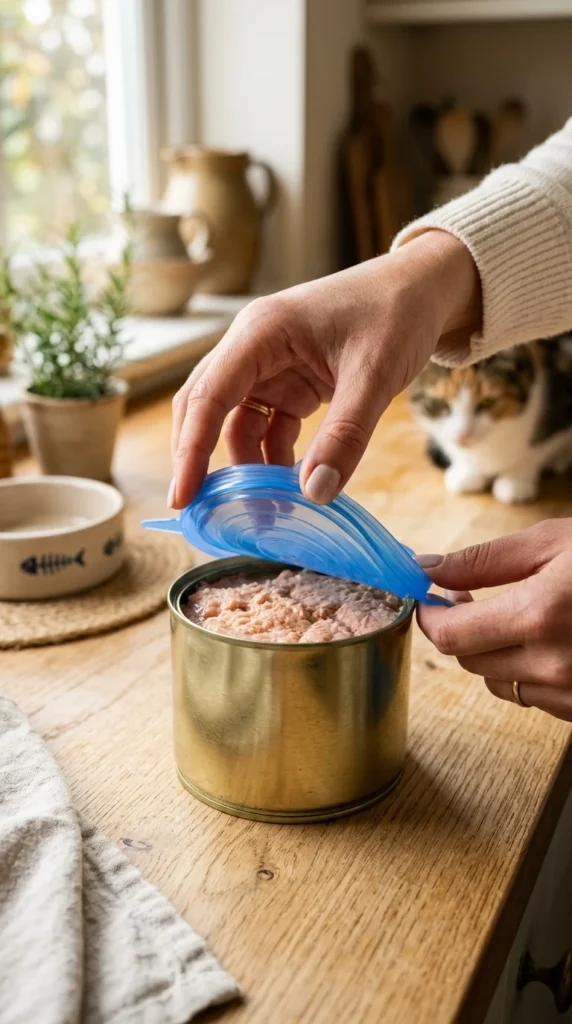
Oxidized fats and stale food can be unappetizing and lose nutritional potency. Once a can of wet food is opened, it should be refrigerated and used within 24 to 48 hours. Dry food should be replaced if it has been sitting in a bowl for more than a day.
14. Foraging Toys
In nature, cats spend a significant portion of their day hunting. Food puzzles and foraging toys mimic this behavior, providing “environmental enrichment.” This burns calories and prevents the stress-related overeating often seen in bored indoor cats.
15. Temperature Sensitivity

Cats are often more attracted to food that is at body temperature (around 100°F). If your cat is picky or refuses refrigerated leftovers, try warming the food slightly in the microwave or adding a splash of warm water. This releases the aromas that stimulate their appetite.
16. Vitamin A
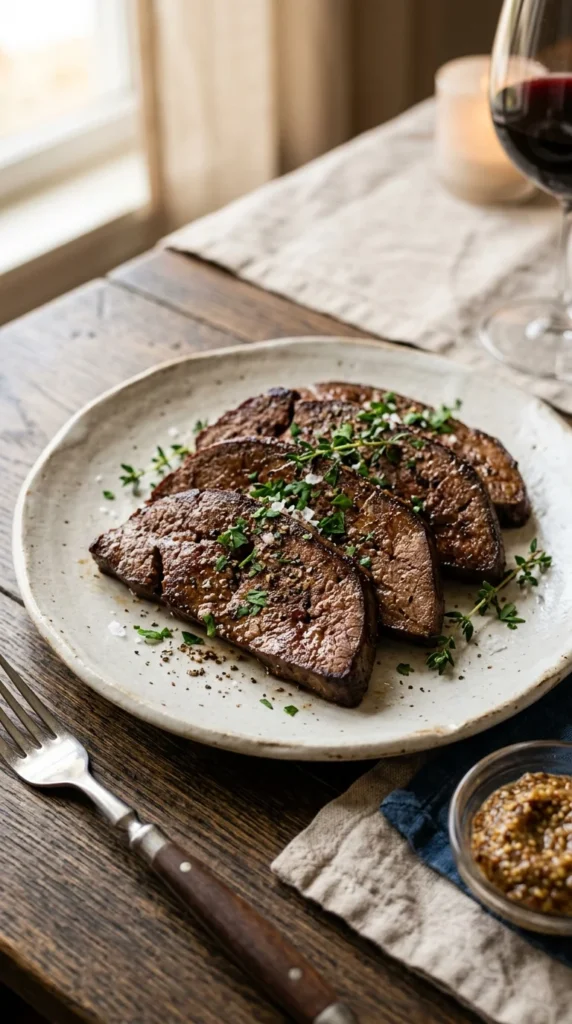
Unlike humans, cats cannot convert beta-carotene from plants (like carrots) into Vitamin A. They must consume preformed Vitamin A found in animal tissues, particularly the liver. Vitamin A is essential for vision, skin health, and immune function, but be careful—excessive amounts can be toxic.
17. Arginine Requirement

Arginine is an essential amino acid that cats cannot synthesize. It plays a critical role in removing ammonia from the body. A single meal lacking arginine can cause a cat to suffer from ammonia toxicity. This is why a strictly vegetarian or vegan diet is lethal for cats.
18. Avoid Toxic Foods

Many “human foods” are highly toxic to cats. Onions and garlic can destroy feline red blood cells, leading to anemia. Chocolate contains theobromine, which can cause heart arrhythmias and seizures. Grapes and raisins can cause sudden kidney failure. Always keep these items out of reach.
19. Label Literacy
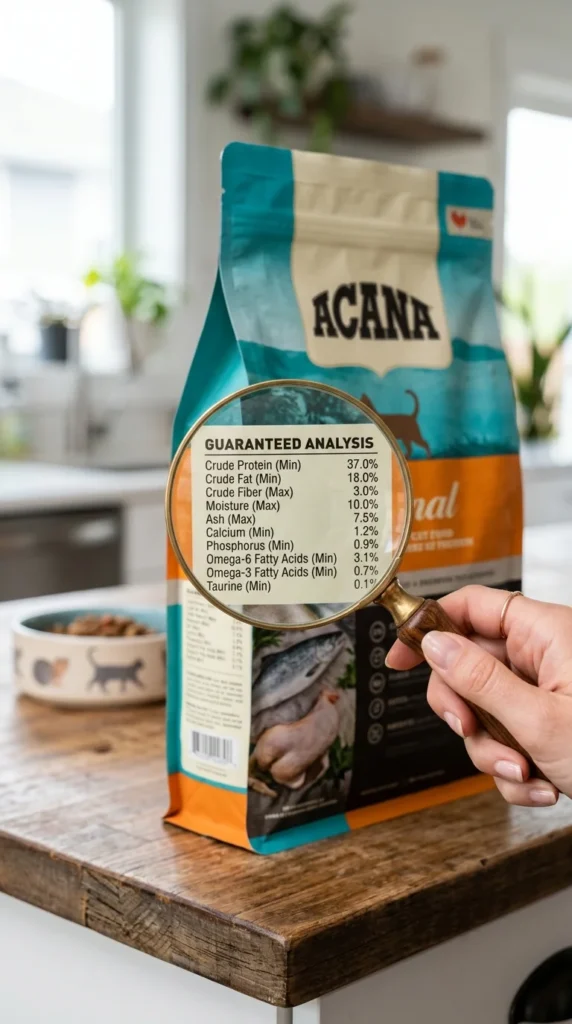
Don’t be fooled by marketing terms like “premium” or “natural,” which have little legal definition. Instead, look for the AAFCO (Association of American Feed Control Officials) statement. It should say the food is “complete and balanced” for the cat’s specific life stage.
20. Rotational Dieting

Feeding the same protein every day for years can lead to the development of food sensitivities or allergies. Periodically rotating between different protein sources (e.g., chicken one month, turkey the next) can provide a broader range of amino acids and keep your cat interested in their meals.
21. Fiber Intake

While cats need meat, a small amount of fiber can help move hairballs through the digestive tract. Cat grass (oats, rye, or barley) or a teaspoon of plain canned pumpkin (not pie filling) can provide the necessary roughage to keep the gut moving smoothly.
22. Healthy Weight Checks

You should be able to feel your cat’s ribs easily but not see them. From above, they should have a visible waistline. Regularly assessing your cat’s “Body Condition Score” (BCS) allows you to adjust their caloric intake before they become overweight.
23. Avoid Milk

Despite the classic image of a cat with a saucer of milk, most adult cats are lactose intolerant. Consuming dairy can lead to upset stomachs, bloating, and severe diarrhea. If you want to give your cat a liquid treat, stick to plain water or specially formulated “cat milk.”
24. Targeted Supplements
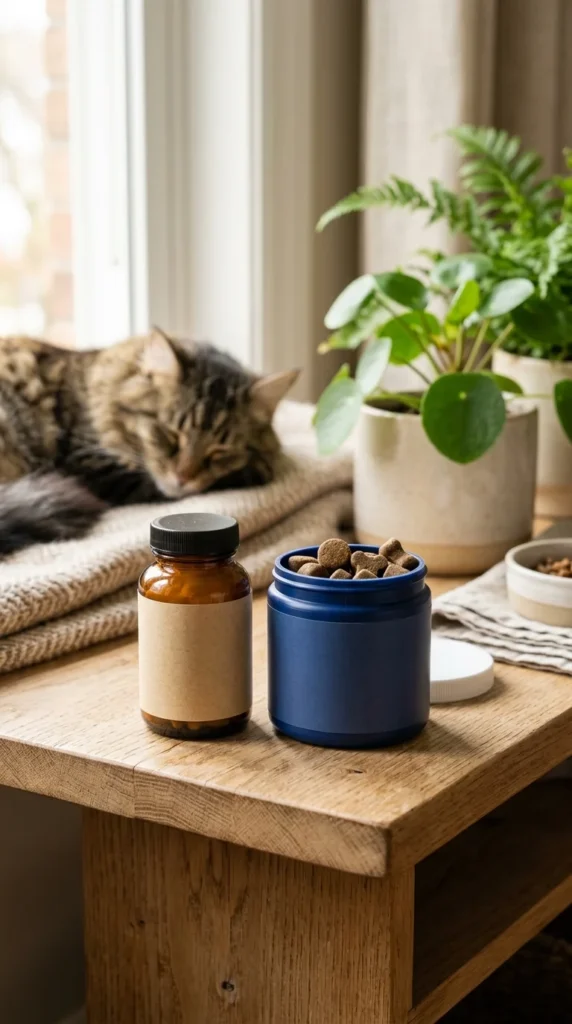
While a “complete and balanced” food should provide everything, some cats benefit from specific supplements. Probiotics can help cats with sensitive stomachs, and glucosamine/chondroitin can support seniors with arthritis. Always consult your vet before adding supplements to their regimen.
25. Veterinary Consultation

Every cat is an individual. Factors like metabolic rate, activity level, and underlying health conditions (like hyperthyroidism or kidney disease) significantly impact nutritional needs. Regular check-ups and blood work are the best way to ensure your nutritional strategy is working for your specific cat.