
Bringing a guinea pig—or “piggies” as they are affectionately known—into your home is a rewarding experience. These vocal, expressive, and gentle rodents make wonderful companions, but they have specific needs that differ significantly from hamsters or rabbits. For a beginner, the learning curve can feel steep. To ensure your new furry friends live a long, healthy, and happy life, here are the 21 essential care basics every owner must master.
1. Spacious Cage
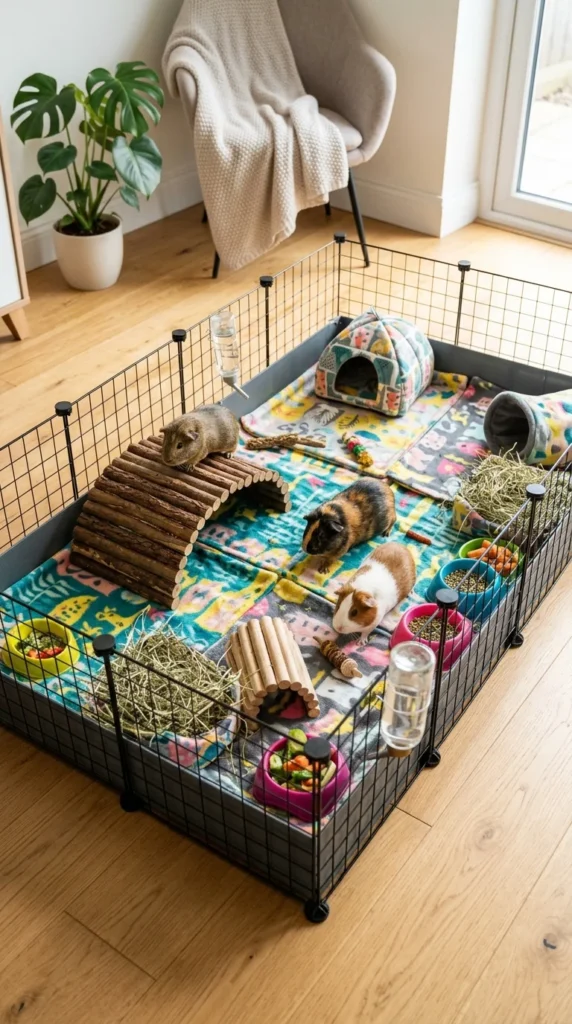
Guinea pigs are not “cage” animals in the traditional sense; they need significant floor space to zoom and pop-corn (a happy jump they do). Most commercial cages sold in pet stores are far too small. A single guinea pig needs at least 7.5 square feet, but since they should live in pairs, 10.5 square feet is the recommended minimum. C&C (Cubes and Coroplast) cages are a favorite among enthusiasts because they are customizable and provide the necessary room for exercise.
2. Same-Species Companionship
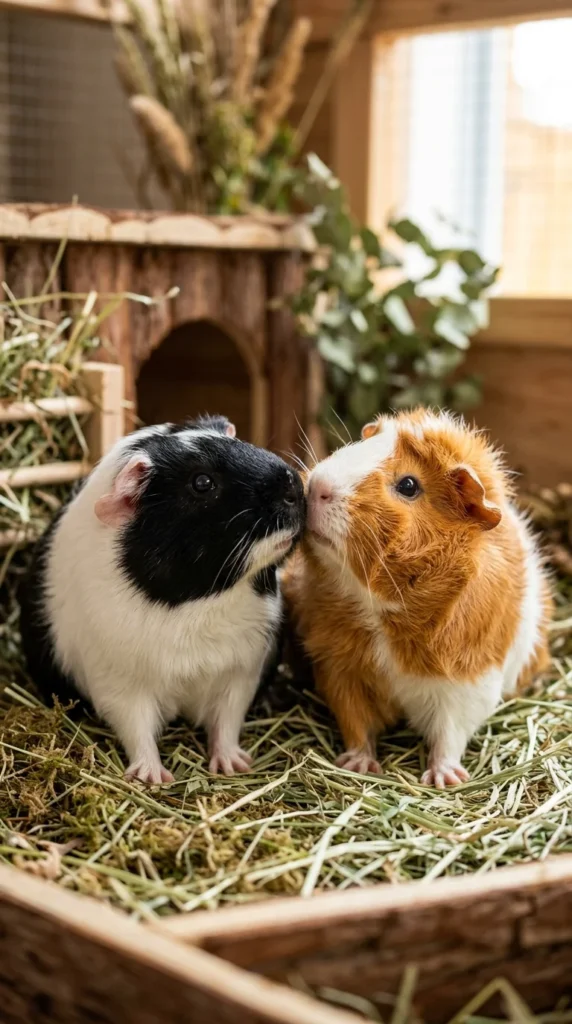
Guinea pigs are incredibly social herd animals. In the wild, they live in large groups. Keeping a guinea pig alone can lead to depression, lethargy, and a shortened lifespan. Always aim to keep them in pairs or trios of the same sex (or neutered pairs). They communicate through a complex language of wheeks, purrs, and chutts that humans simply cannot replicate.
3. Unlimited Hay
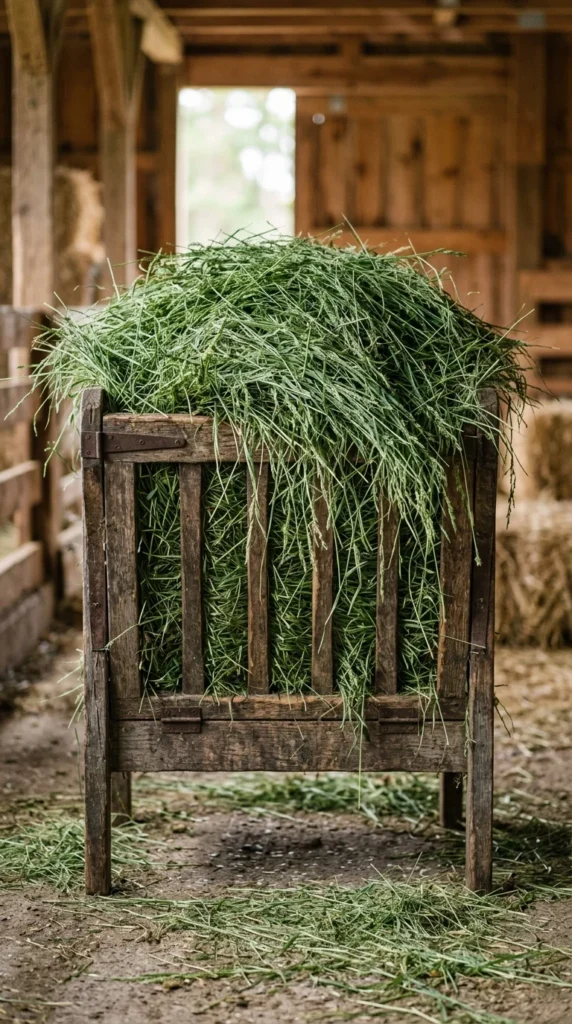
The most critical component of a guinea pig’s diet is high-quality grass hay, such as Timothy, Orchard, or Meadow hay. About 80% of their diet should be hay. It serves two vital purposes: it keeps their digestive system moving (preventing GI stasis) and naturally wears down their teeth, which never stop growing. They should have a pile of fresh hay available 24/7.
4. Vitamin C Supplementation
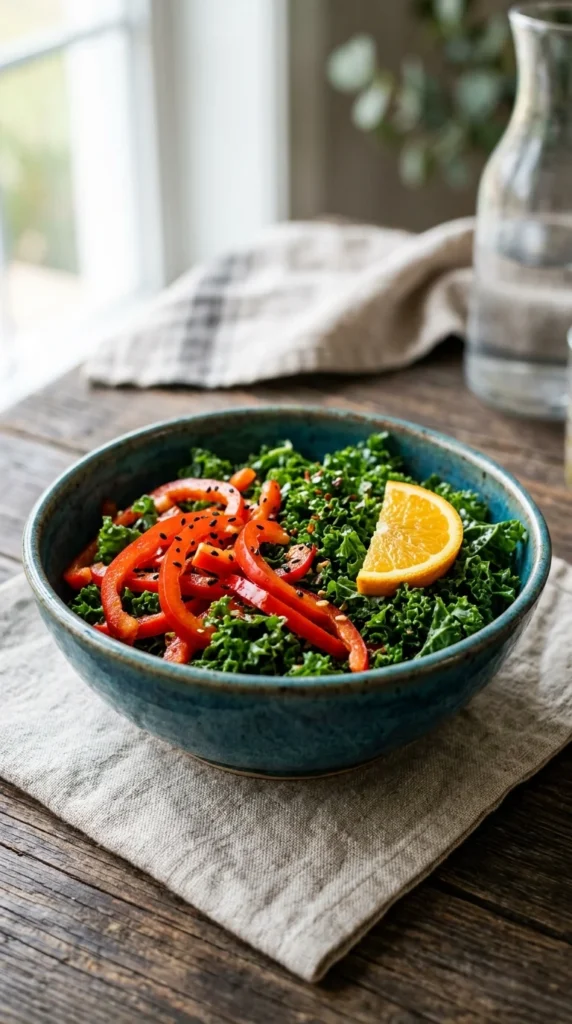
Unlike most mammals, guinea pigs cannot synthesize their own Vitamin C. Without enough of it, they can develop scurvy, which causes joint pain and immune system failure. While high-quality pellets contain Vitamin C, it degrades quickly. The best way to ensure they get enough is through daily fresh vegetables like bell peppers (the gold standard) and leafy greens. Avoid putting Vitamin C drops in their water, as it changes the taste and the vitamin degrades almost instantly in light.
5. Safe Bedding
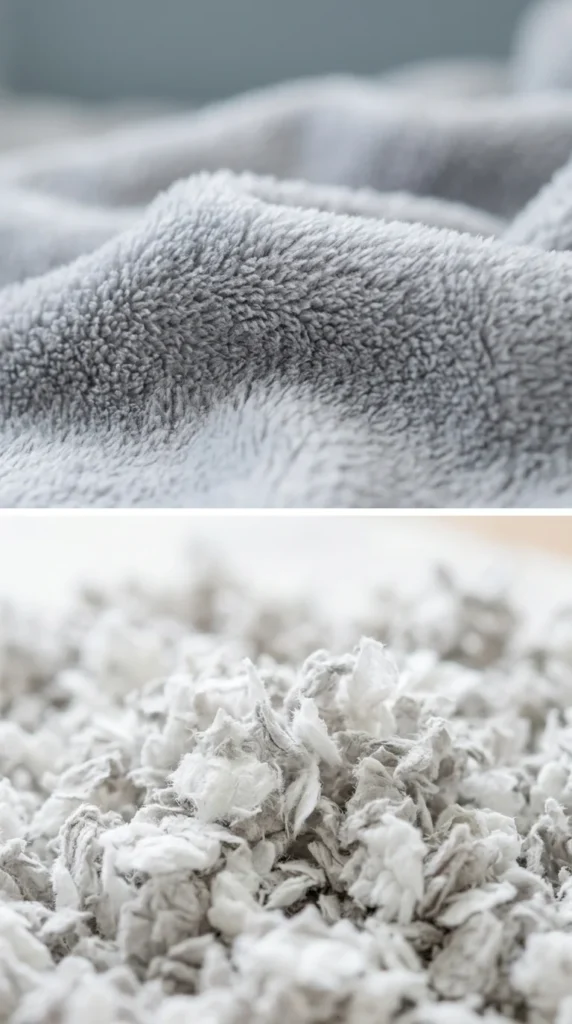
The floor of the cage needs to be soft and absorbent. Guinea pigs have very sensitive feet and are prone to “bumblefoot” (infections) if kept on wire floors or damp bedding. Popular choices include anti-pill fleece liners with an absorbent layer underneath or dust-free kiln-dried pine or paper bedding. Avoid cedar and non-kiln-dried pine, as the aromatic oils can cause respiratory infections.
6. Daily Fresh Vegetables
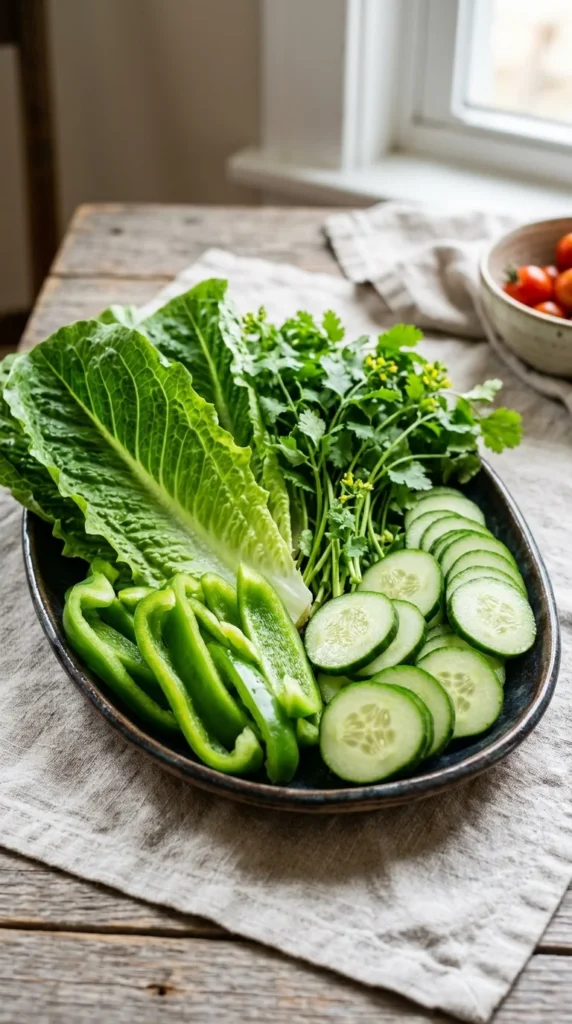
Every day, your guinea pig should receive about one cup of fresh vegetables. Focus on leafy greens like romaine lettuce, green leaf lettuce, and cilantro. Avoid iceberg lettuce, as it has zero nutritional value and can cause diarrhea. Rotate different vegetables to provide a variety of nutrients and keep your piggies excited about mealtime.
7. High-Quality Pellets
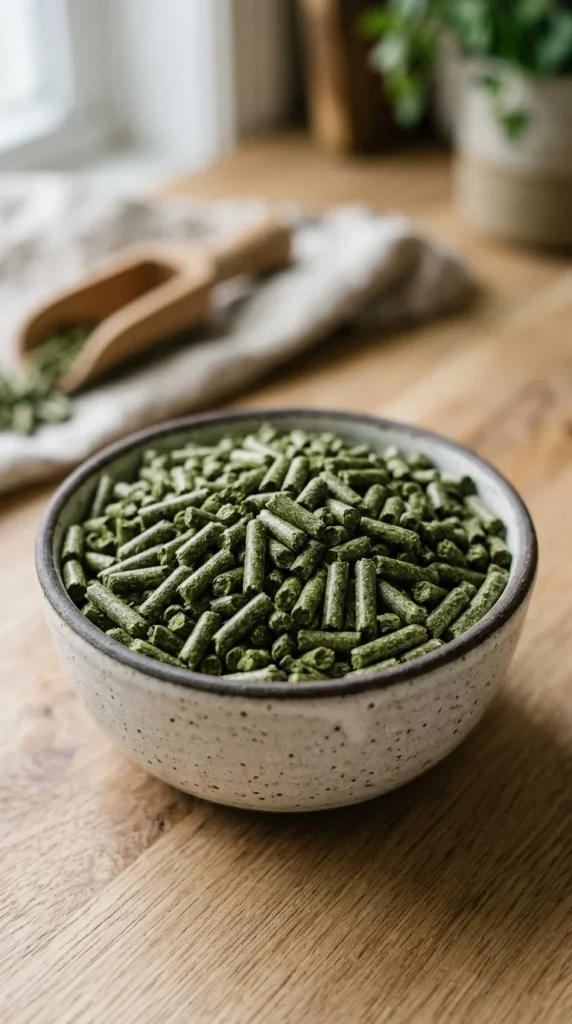
While hay is the main course, pellets provide essential vitamins and minerals. Choose a plain, Timothy-based pellet specifically formulated for guinea pigs. Avoid “muesli” style mixes that contain seeds, nuts, or dried fruit; these are choking hazards and are far too high in fat and sugar for a guinea pig’s sensitive metabolism.
8. Constant Water Access
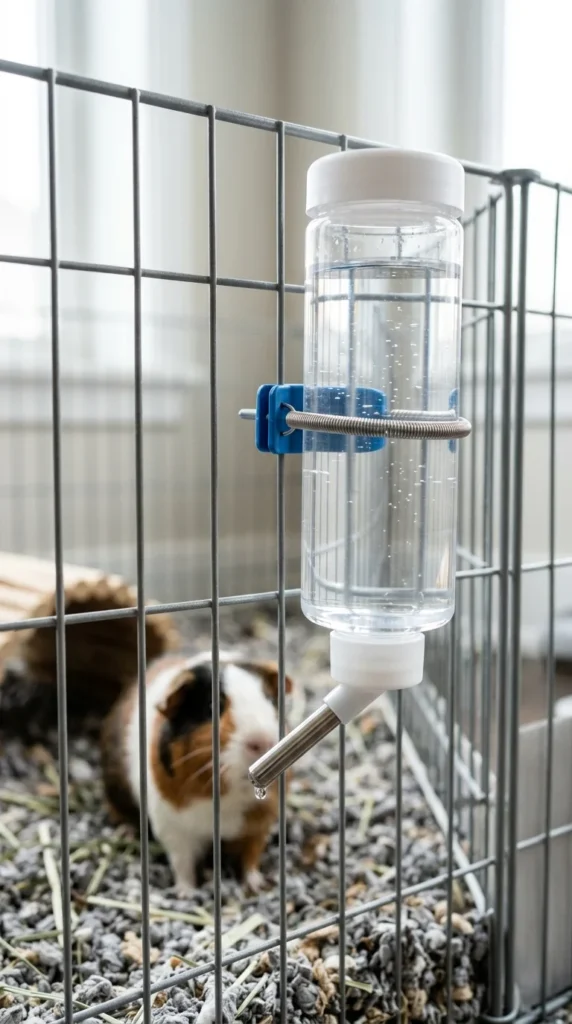
Hydration is key. Guinea pigs need access to clean, fresh water at all times. Drip-bottle dispensers are the most common choice because they stay cleaner than open bowls. Be sure to check the nozzle daily to ensure it isn’t clogged or leaking, and wash the bottle regularly to prevent algae growth.
9. Hidey Holes
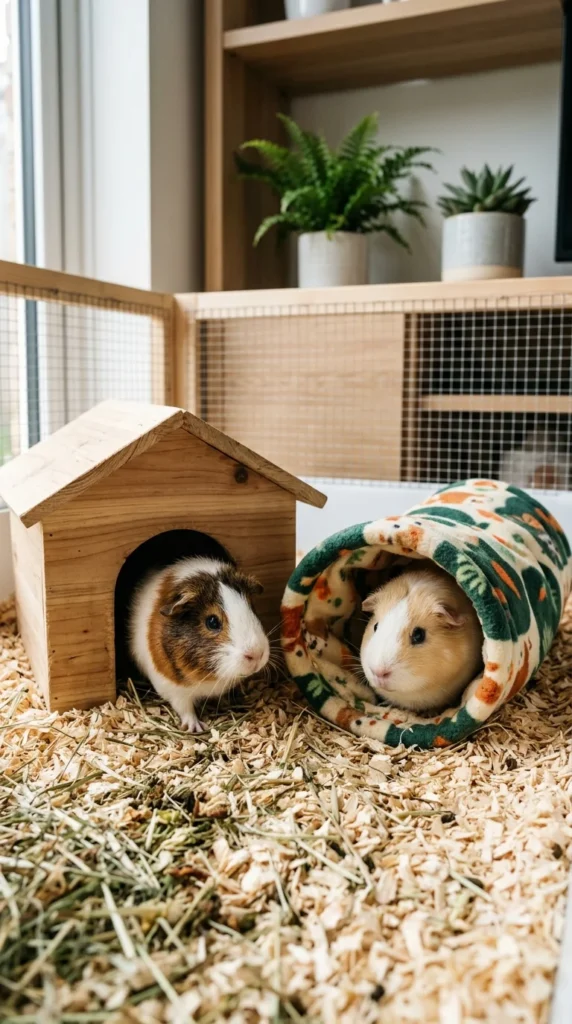
As prey animals, guinea pigs feel safest when they have a place to retreat. Every cage should have at least one hidey hole per piggie plus one extra to prevent “tiffs” over territory. These can be wooden houses, plastic igloos, or fabric tunnels. Ensure the hides have two exits so one piggie can’t corner another inside.
10. Regular Nail Trims
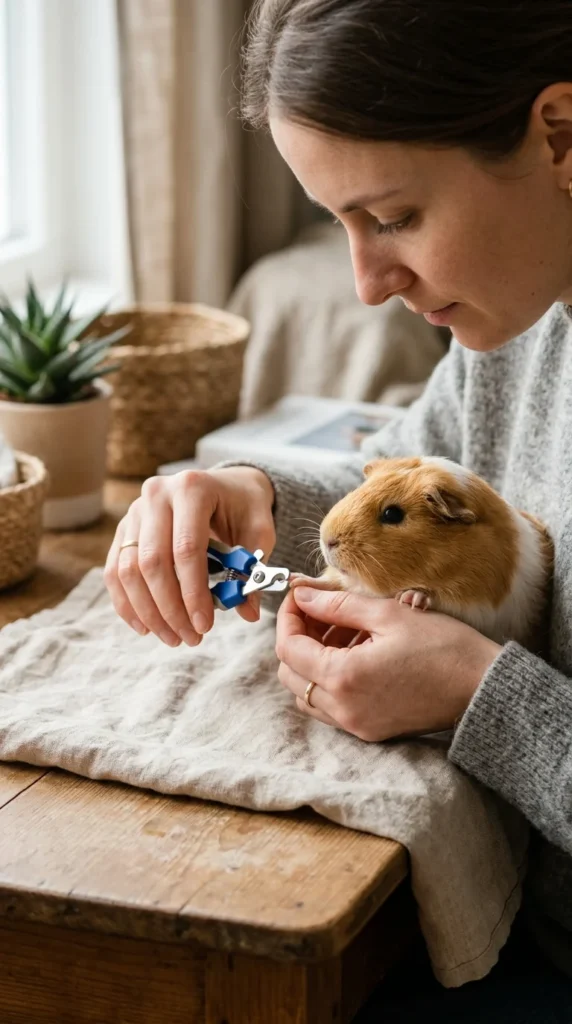
Guinea pig nails grow surprisingly fast and can curl into their foot pads if left untended. You will need to trim their nails about once a month. It can be a two-person job at first—one to hold and provide distracting snacks, and the other to clip. Be careful to avoid the “quick” (the blood vessel inside the nail).
11. Dental Health Awareness
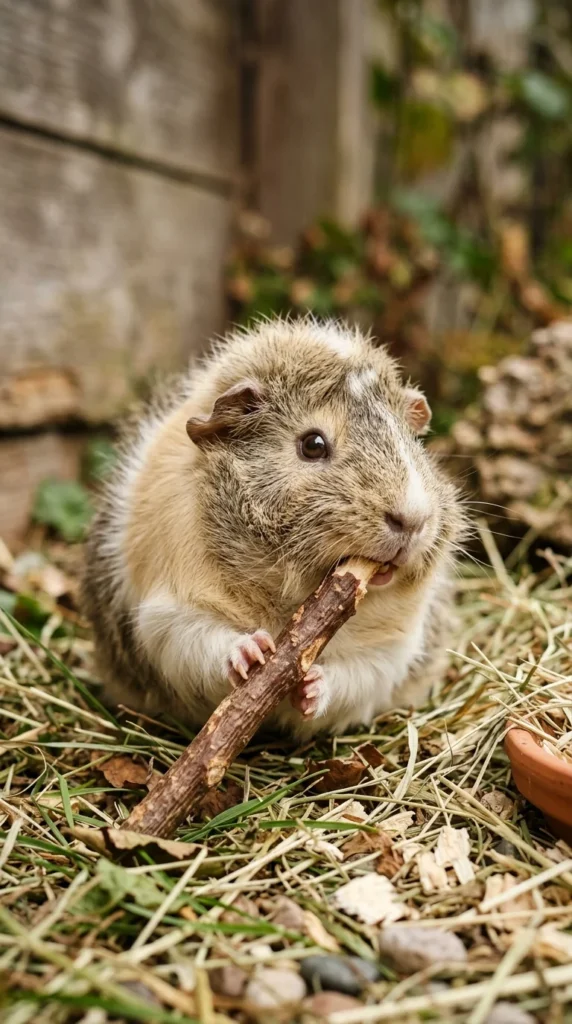
A guinea pig’s teeth grow continuously throughout its life. If they don’t have enough roughage (hay) to grind them down, the teeth can become overgrown or misaligned, a condition called malocclusion. Provide safe wood chews and plenty of hay to keep their pearly whites at the right length. If you notice your piggie drooling or struggling to eat, see a vet immediately.
12. Weekly Weight Checks
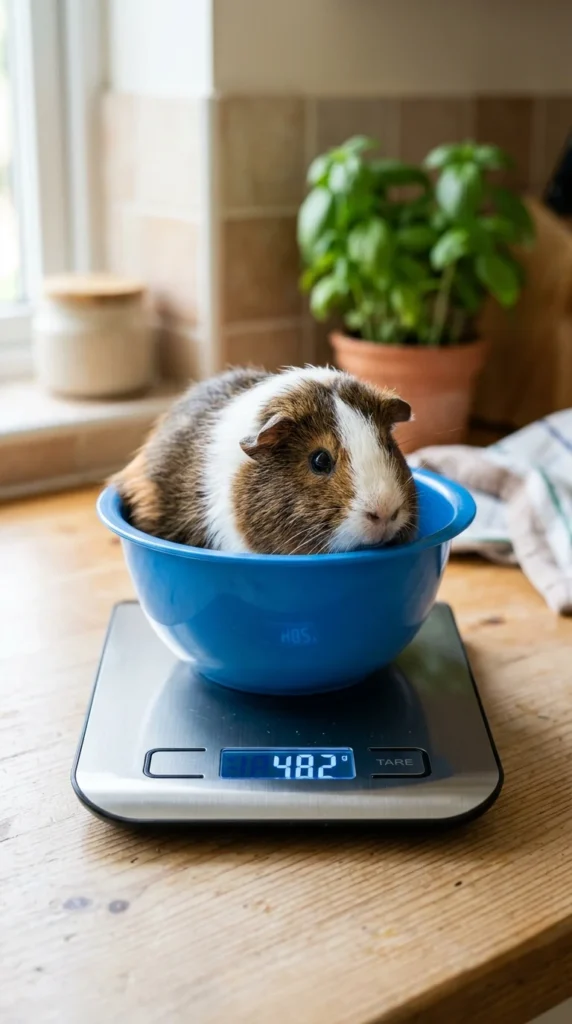
Guinea pigs are masters at hiding illness until it is very advanced. One of the best ways to monitor their health is by weighing them once a week. A sudden drop in weight (even 50 grams) is often the first sign that something is wrong. Keep a logbook so you can track trends over time.
13. Floor Time
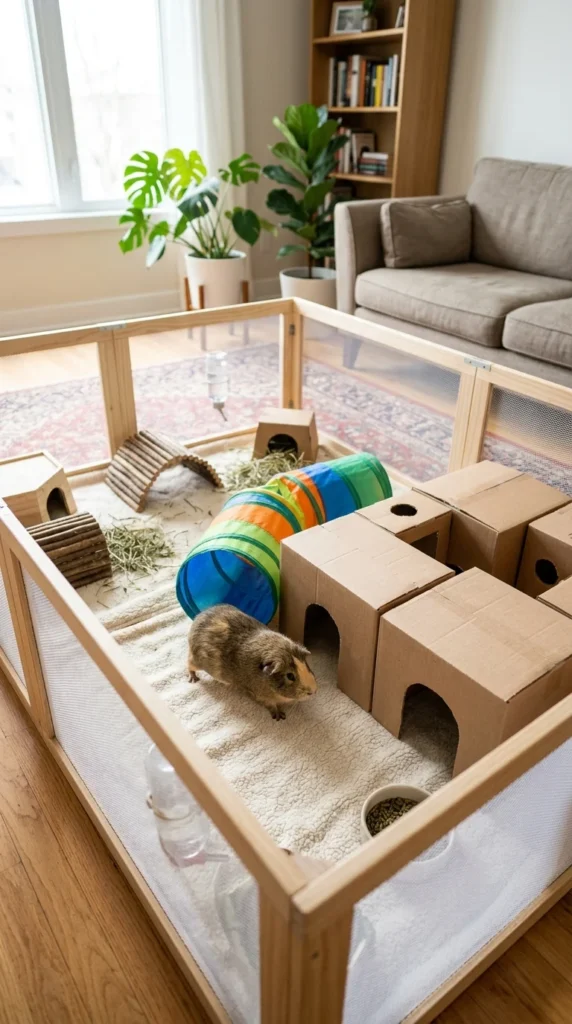
Even with a large cage, guinea pigs benefit from “floor time”—supervised exercise in a safe, puppy-proofed area. This allows them to stretch their legs, explore new scents, and interact with you on their level. Make sure all electrical cords are covered, as piggies love to chew!
14. Safe Handling
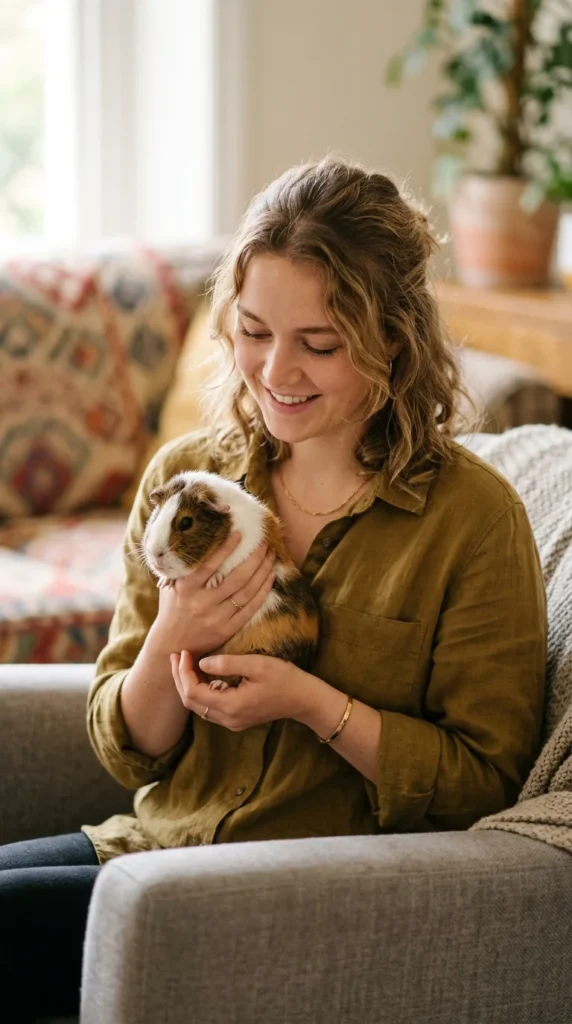
Guinea pigs have fragile spines. When picking them up, always use two hands: one under the chest/belly and one firmly supporting their bottom. Never pick them up by the scruff or allow them to dangle. Teach children to sit on the floor while holding them to prevent accidental drops.
15. Temperature Control
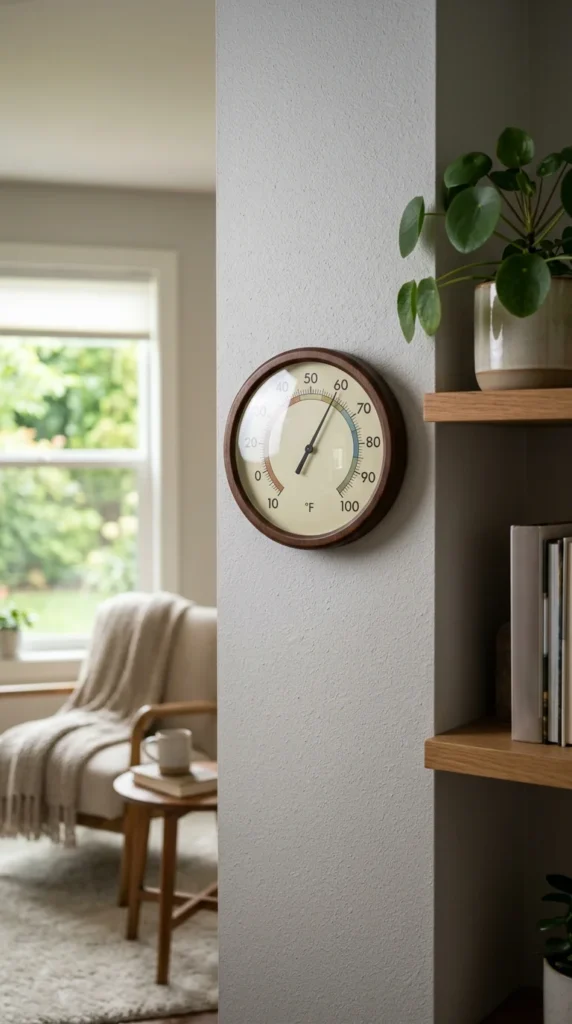
Guinea pigs are very sensitive to temperature extremes. They do best in temperatures between 65°F and 75°F (18°C–24°C). They are prone to heatstroke if the temperature rises above 80°F, and they can catch chills in drafty areas. Keep their cage away from direct sunlight, heaters, and air conditioning vents.
16. Grooming Requirements
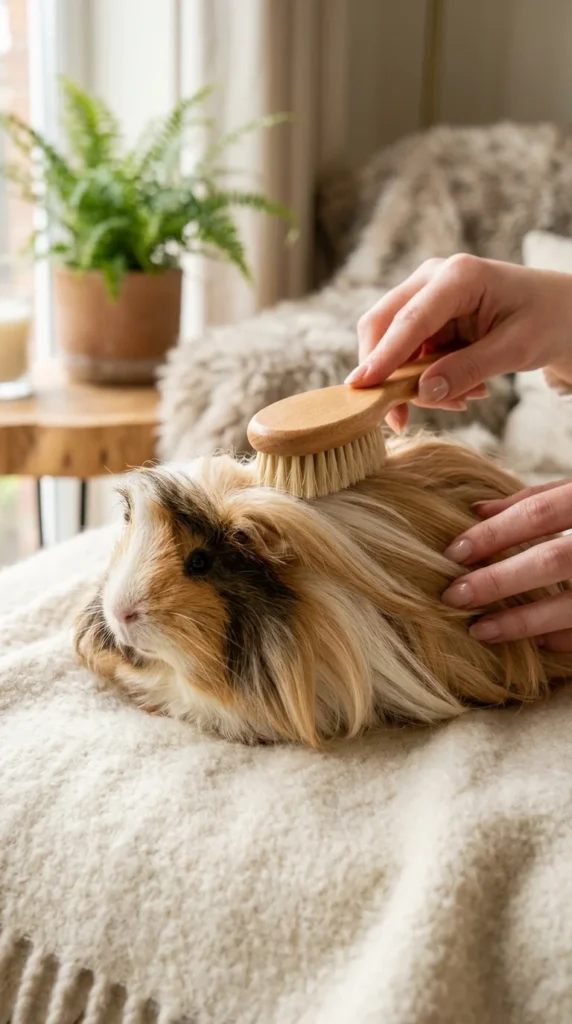
Short-haired guinea pigs require very little grooming, but long-haired breeds (like Coronets or Abyssinians) need daily brushing to prevent painful mats. Additionally, while guinea pigs generally keep themselves clean, they may occasionally need a “butt bath” if their fur becomes soiled, using only piggie-safe shampoo.
17. Quiet Environment
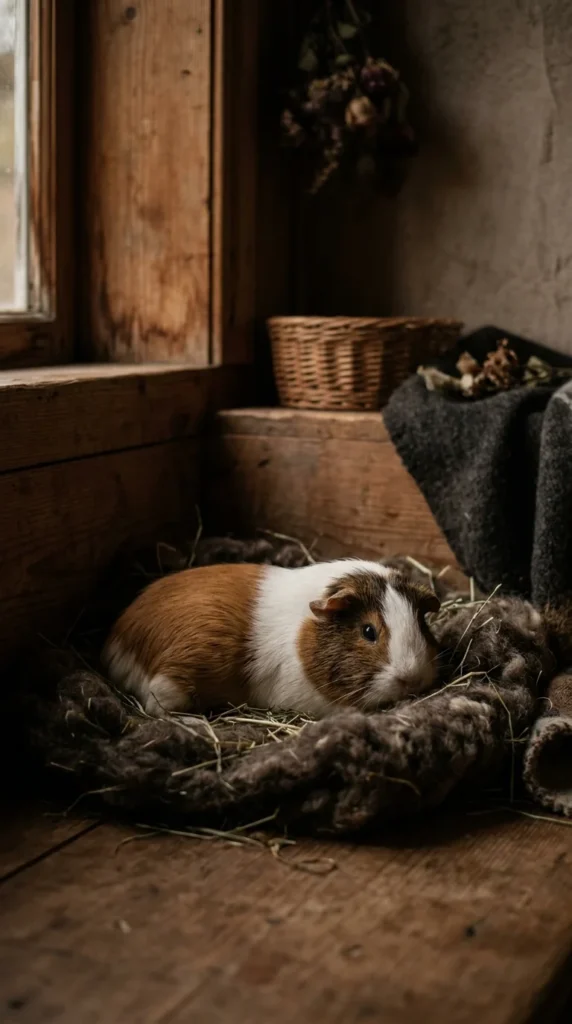
Guinea pigs have very sensitive hearing. Loud noises, shouting, or barking dogs can cause them significant stress. Place their cage in a part of the house that is social enough for them to see you, but quiet enough that they aren’t constantly startled by loud appliances or heavy foot traffic.
18. Cleaning Routine
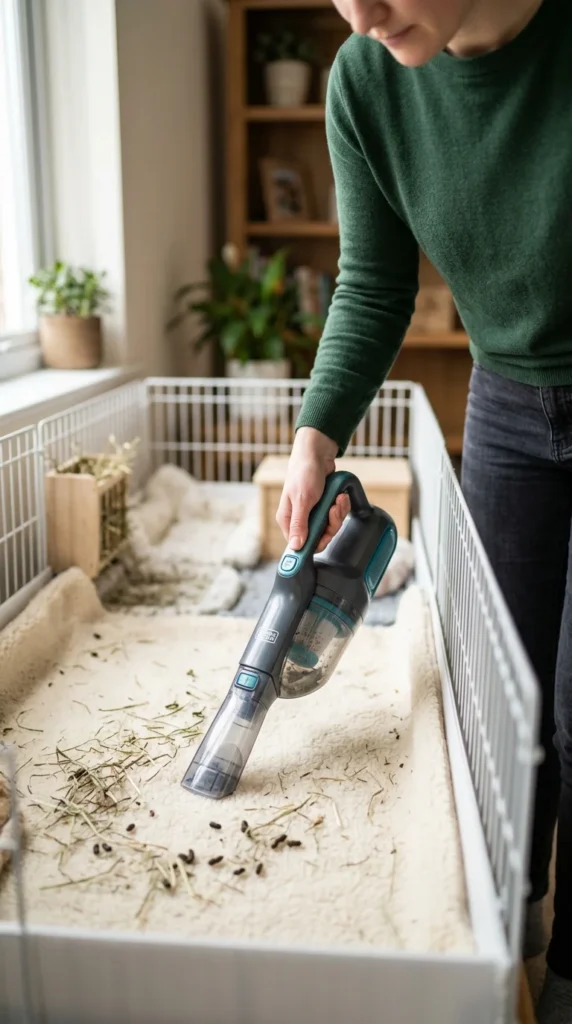
Cleanliness is vital for preventing respiratory issues and foot infections. Spot-clean the cage daily by removing damp bedding and droppings. Once a week, perform a deep clean where you replace all bedding and scrub the base of the cage with a 50/50 water and white vinegar solution.
19. No Cedar or Pine Oils
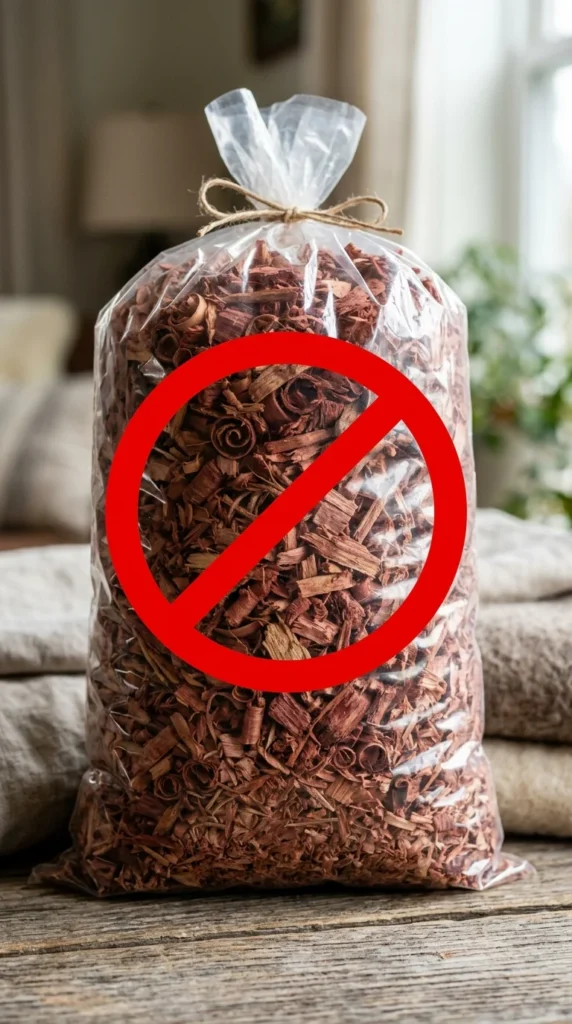
As mentioned earlier, respiratory health is a major concern for guinea pigs. Their lungs are tiny and sensitive. Avoid any bedding or cleaning products with strong artificial scents. If you use wood shavings, ensure they are specifically labeled “kiln-dried” to ensure the harmful phenols have been removed.
20. Finding an Exotic Vet

Not all vets are trained to treat “exotic” animals like guinea pigs. Before you even bring your piggies home, locate a local vet who specializes in exotics. Guinea pigs require specialized knowledge for anesthesia and medication, as many common antibiotics (like penicillin) are actually toxic to them.
21. Understanding “Popcorning” and Body Language
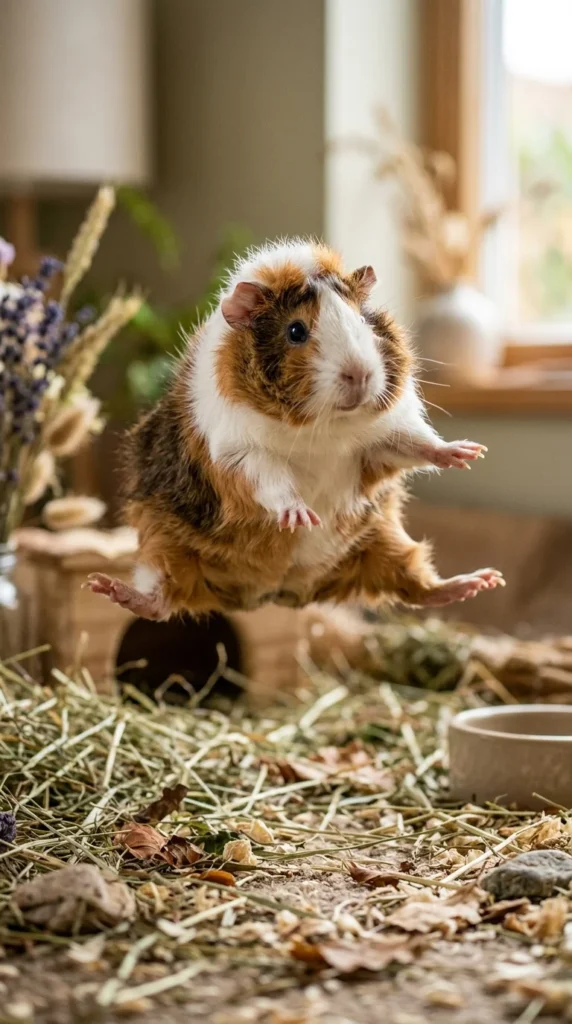
Learning to “speak piggie” is the best part of being an owner. “Popcorning” is a series of little hops and twists that mean they are extremely happy. High-pitched “wheeking” usually means they want food. A low “purr” can mean they are content, but a sharp “rumblestrut” (purring while swaying the hips) is a sign of dominance. Learning these cues will help you bond deeply with your new pets.