
Bringing a cockatiel into your home is like inviting a tiny, feathered ray of sunshine into your life. These members of the cockatoo family are famous for their whistling abilities, their expressive crests, and their deeply affectionate personalities. However, owning one of these Australian natives is a significant commitment that requires specialized knowledge. To ensure your new companion thrives, here are 21 essential care tips every new owner should master.
1. Cage Size
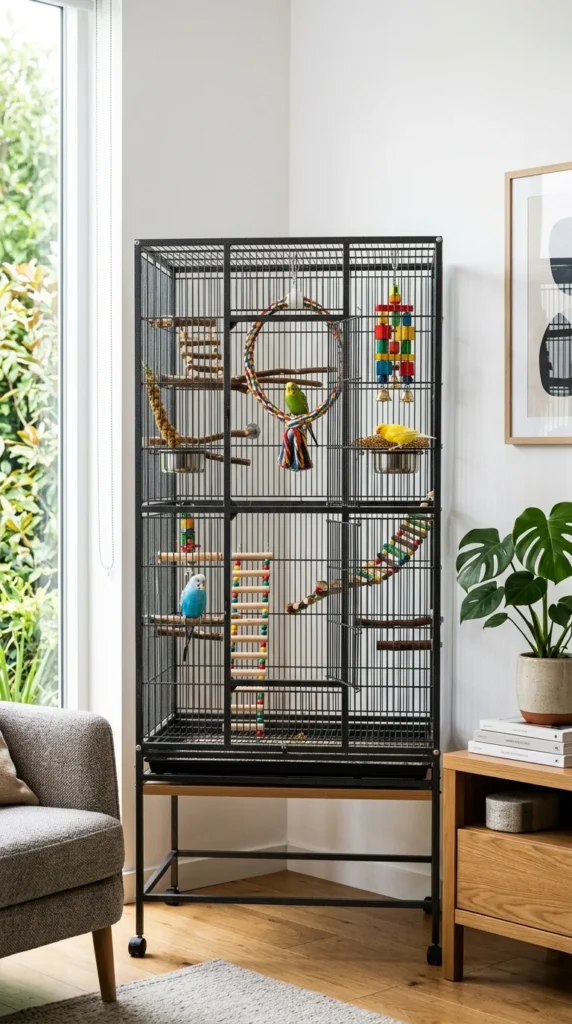
The most common mistake new owners make is choosing a cage that is too small. A cockatiel needs enough room to fully extend and flap its wings without hitting the sides, toys, or perches. Aim for a cage that is at least 24 inches wide, 24 inches deep, and 30 inches tall. Remember, when it comes to bird housing, bigger is always better. Horizontal space is particularly important as cockatiels are active fliers and foragers.
2. Bar Spacing
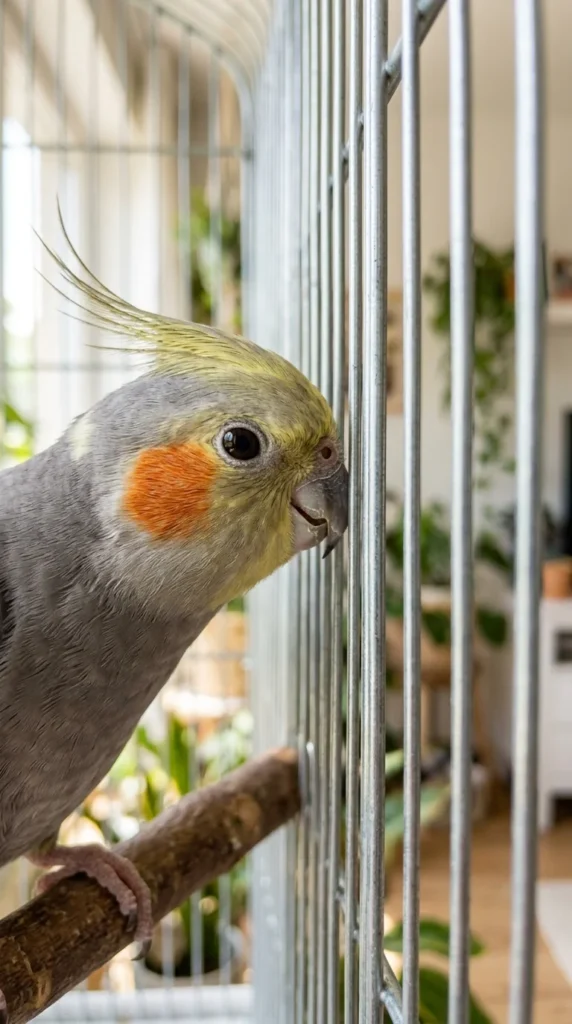
Safety is paramount when selecting a cage. The spacing between the bars should be no more than 1/2 to 5/8 of an inch. If the gaps are too wide, your cockatiel might attempt to squeeze its head through, which can lead to injury or even strangulation. Ensure the bars are made of non-toxic material, such as powder-coated steel or stainless steel, to prevent heavy metal poisoning.
3. Pellet Diet

While the image of a bird eating seeds is iconic, a seed-only diet is actually detrimental to a cockatiel’s health. Seeds are high in fat and low in essential vitamins and minerals. Instead, make high-quality formulated pellets the foundation of their diet (about 70-80%). Pellets are nutritionally balanced, ensuring your bird doesn’t “pick and choose” only the fatty bits.
4. Fresh Vegetables
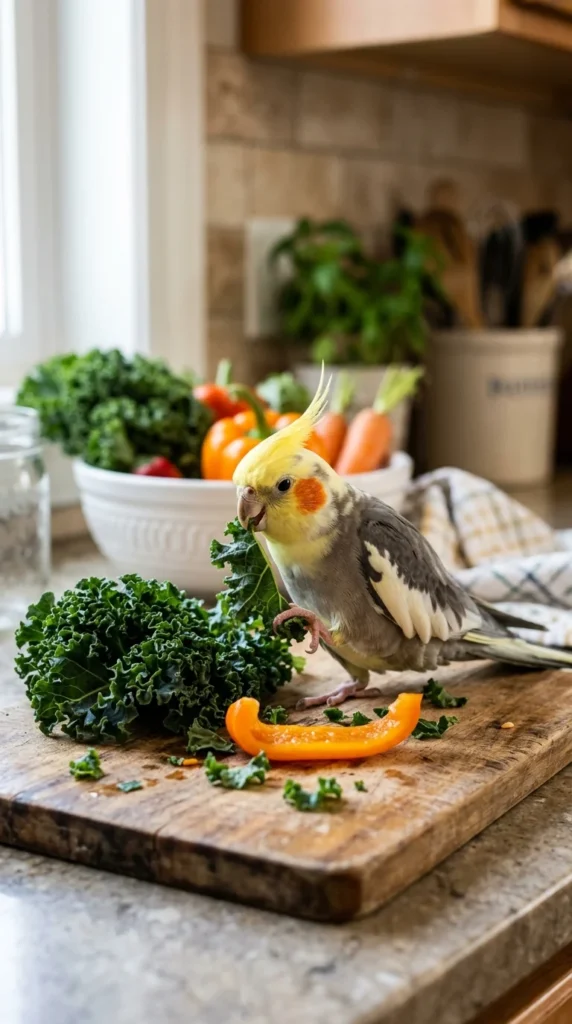
To round out their nutrition, offer a “chop” of fresh vegetables daily. Cockatiels generally love leafy greens like kale, romaine lettuce, and spinach. You can also offer broccoli, carrots, bell peppers, and peas. Introduce these early in your bird’s life to ensure they develop a palate for healthy foods. Always wash produce thoroughly to remove pesticides.
5. Clean Water
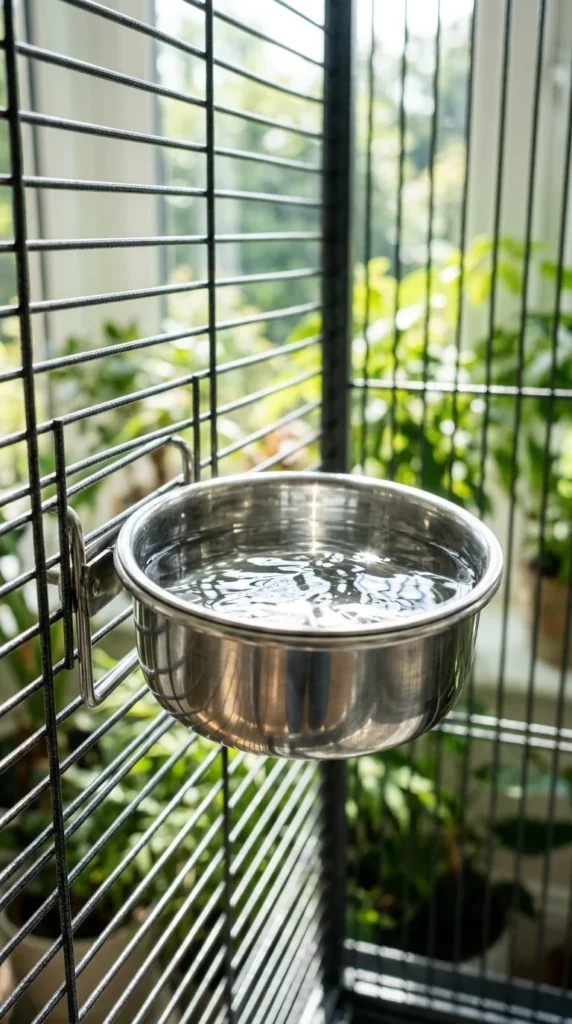
Cockatiels need access to fresh, clean water at all times. Because they are messy eaters and often “dunk” their food, the water can become a breeding ground for bacteria quickly. Change the water at least once a day, and more often if you notice debris or droppings in the bowl. Scrub the bowl with soap and water daily to prevent biofilm buildup.
6. Natural Perches
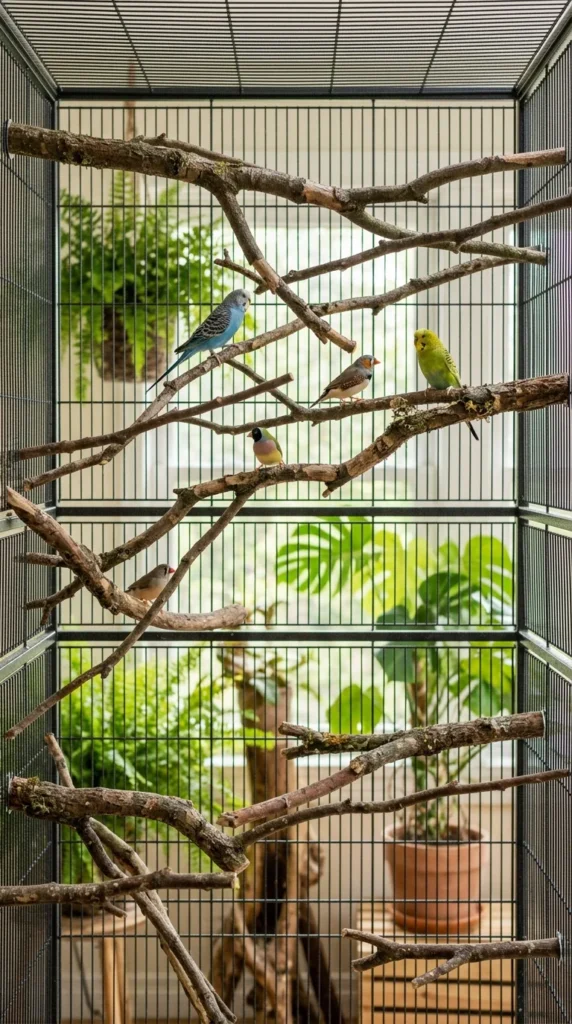
Avoid using only the smooth, uniform dowel perches that often come with cages. These can cause pressure sores and bumblefoot because the bird’s feet are always in the same position. Instead, provide a variety of natural wood perches (like manzanita, dragonwood, or java wood) with varying diameters. This mimics the uneven branches of the wild and exercises the muscles in their feet.
7. Sleep Schedule
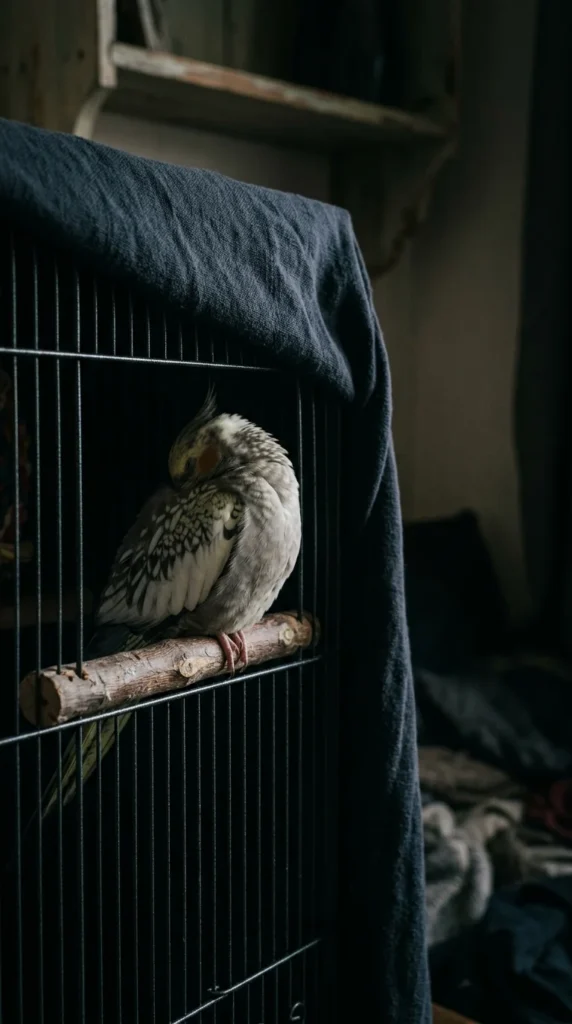
Cockatiels require 10 to 12 hours of uninterrupted sleep every night to maintain a healthy immune system and a stable mood. Lack of sleep can lead to irritability, biting, and even chronic egg-laying in females. Use a cage cover to block out light and noise, and ensure the room is quiet during their “bedtime.”
8. Night Frights
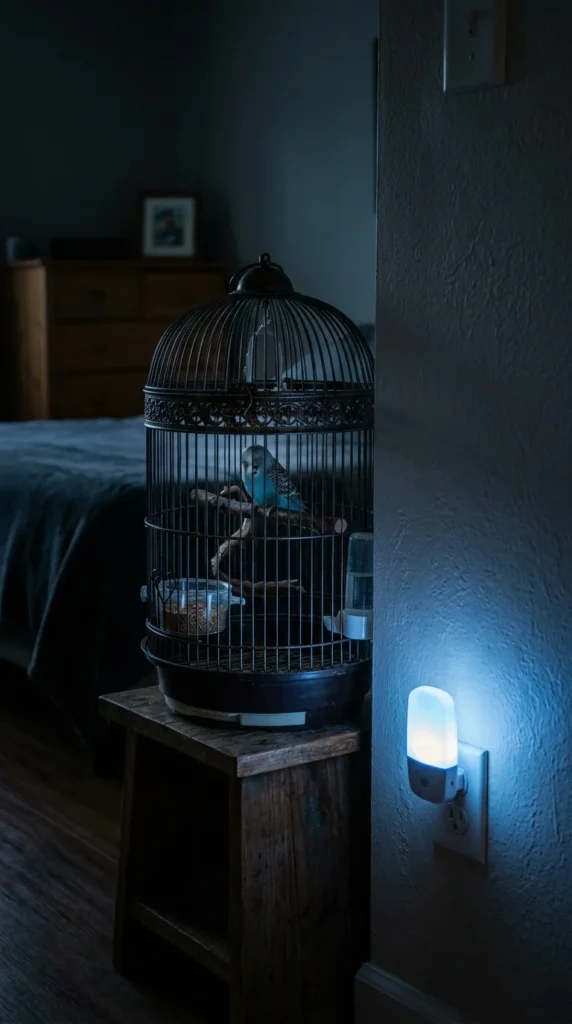
Cockatiels are prone to “night frights,” where they become startled in the dark and thrash around the cage frantically. This can lead to broken feathers or serious injury. To prevent this, place a dim night light near the cage so they can see their surroundings if they wake up suddenly. If a fright occurs, speak to them in a low, soothing voice to calm them down.
9. Daily Outing
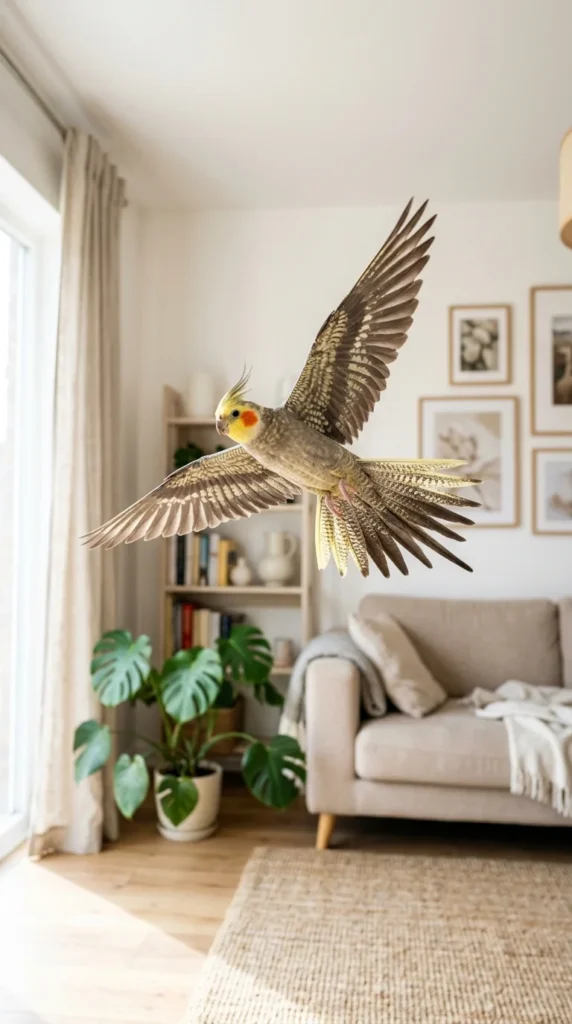
Cockatiels are high-energy birds that need time outside of their cage every single day. Allow for at least 1 to 2 hours of supervised “out time” to fly, explore, and interact with you. This physical exercise is vital for preventing obesity and keeping their respiratory system healthy. Just ensure the room is “bird-proofed” first!
10. Foraging Toys
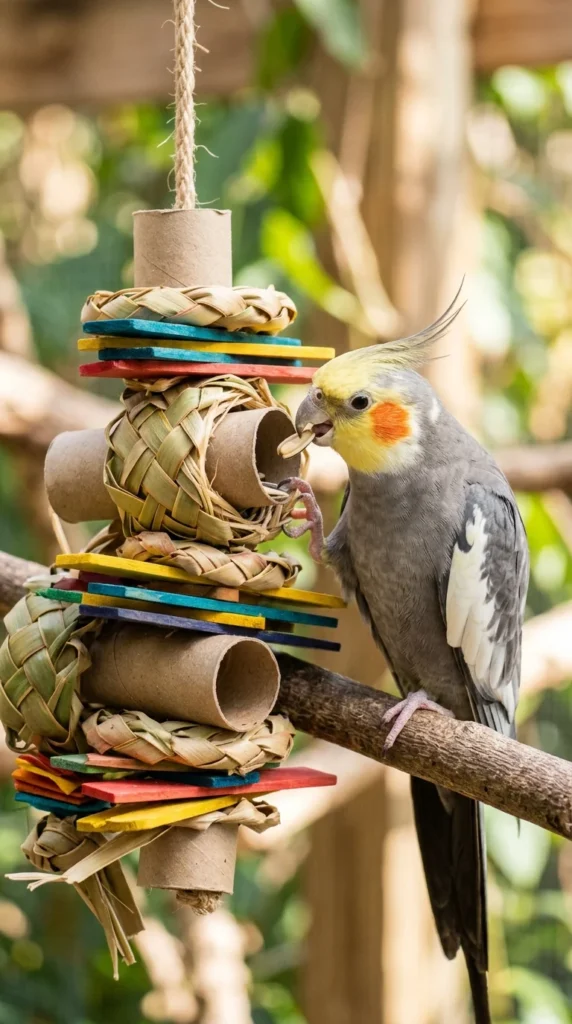
In the wild, cockatiels spend most of their day searching for food. In captivity, we often hand it to them in a bowl, which can lead to boredom. Provide foraging toys that require them to chew, shred, or solve a puzzle to get to a treat. This provides essential mental stimulation and prevents destructive behaviors like feather plucking.
11. Mist Baths
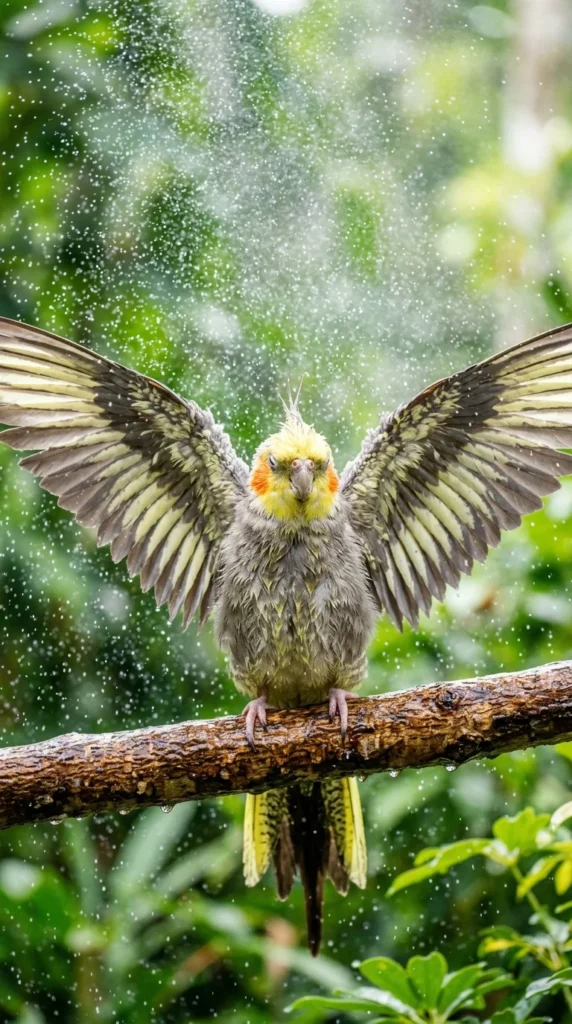
Cockatiels are dusty birds; they produce a “powder down” to keep their feathers healthy. To help manage this dust and keep their plumage in top condition, offer a bath 2-3 times a week. You can use a shallow dish of water or a spray bottle filled with lukewarm water to mist them gently. Most cockatiels love the “rain” and will perform a little “shower dance.”
12. Cuttlebones
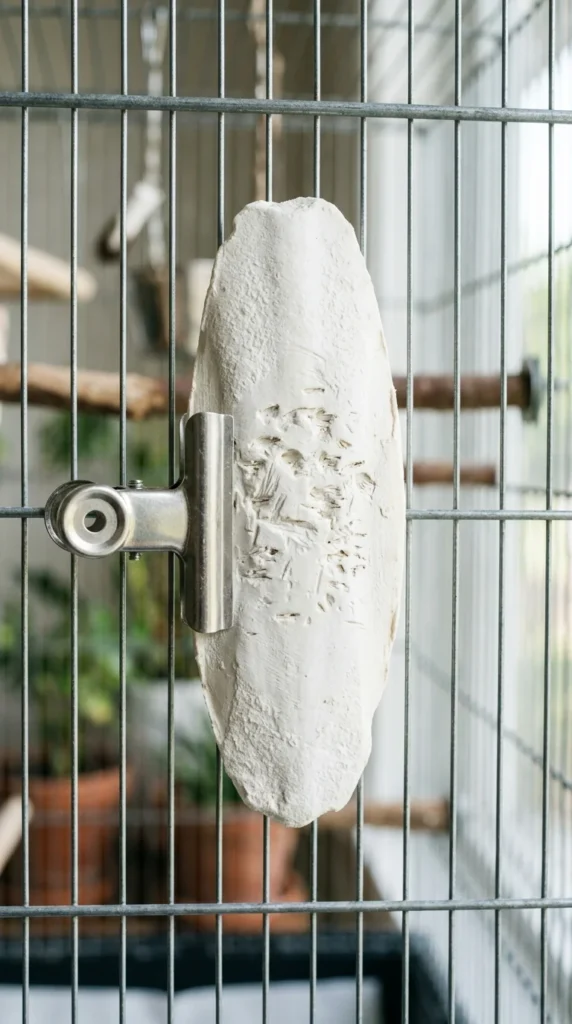
Calcium is vital for cockatiels, especially for females who may lay eggs. A cuttlebone provides an excellent source of calcium and minerals. It also serves as a tool for the bird to trim and condition its beak. Place one in the cage where it is easily accessible, and replace it when it becomes soiled or worn down.
13. Air Quality

Cockatiels have incredibly sensitive respiratory systems. Common household items like scented candles, incense, air fresheners, and even strong cleaning chemicals can be fatal to them. Most importantly, never use non-stick (Teflon) cookware in a home with birds. When heated, Teflon releases odorless fumes that can kill a bird in minutes.
14. Toxic Foods
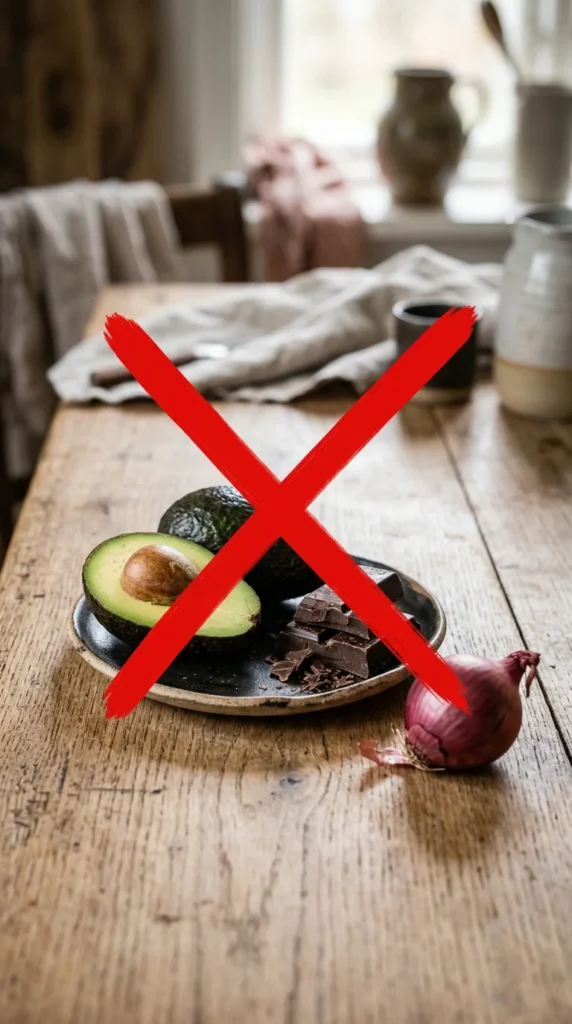
While cockatiels can eat many human foods, some are strictly “off-limits.” Avocado, chocolate, caffeine, alcohol, onions, garlic, and fruit pits/seeds (like apple seeds) are toxic. Additionally, avoid giving them foods high in salt, sugar, or fat. If you aren’t 100% sure a food is safe, don’t feed it to them.
15. Crest Communication
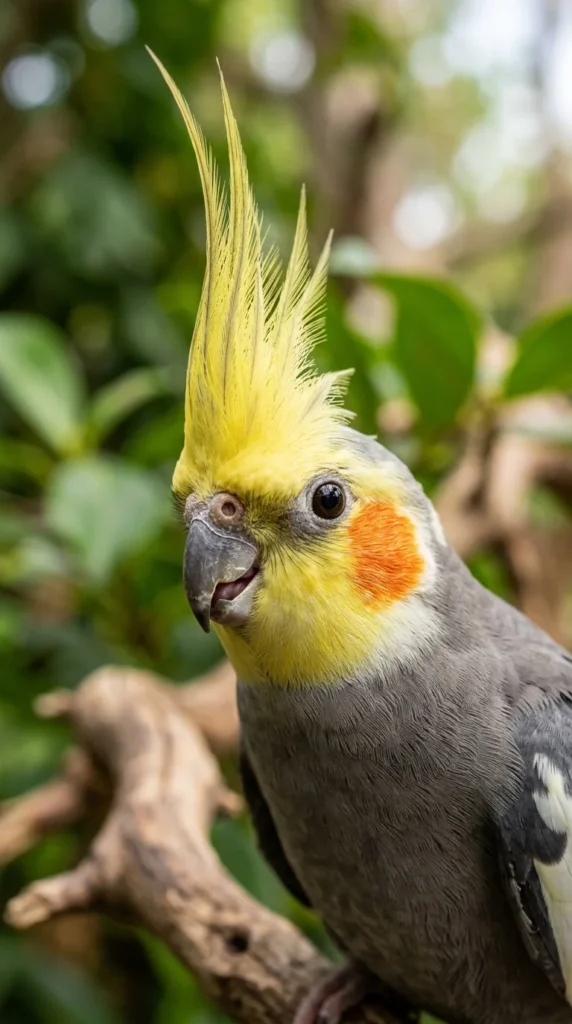
A cockatiel’s crest is a mood barometer. A crest held straight up signifies curiosity or excitement. If it’s flattened tight against the head, the bird is likely angry or frightened. A relaxed, slightly tilted back crest indicates a content and comfortable bird. Learning to read this body language will help you bond and avoid getting nipped.
16. Dust Management
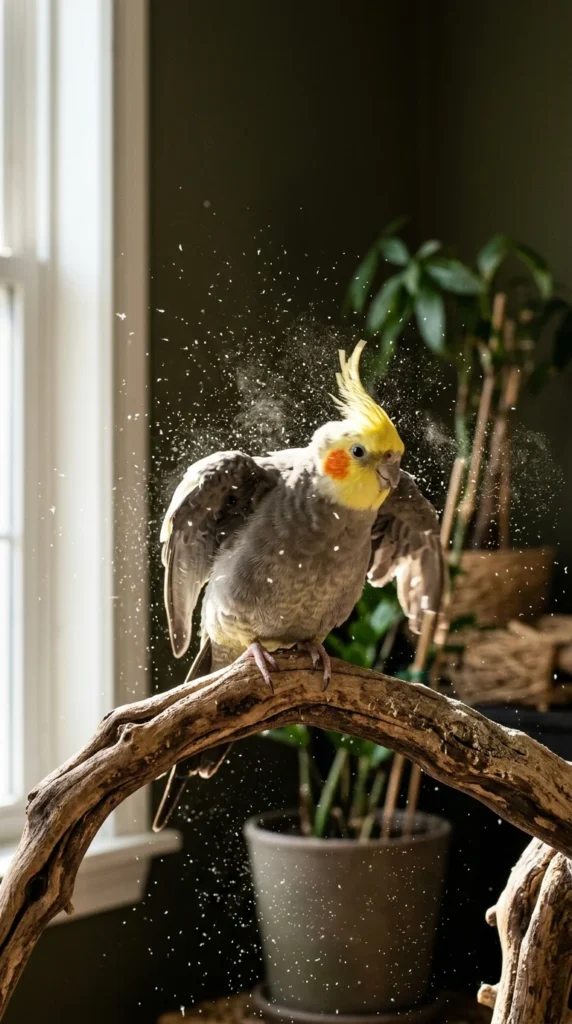
As mentioned, cockatiels are “powder-down” birds. They produce a fine white dust that can coat surfaces and irritate people with allergies. To manage this, use a high-quality HEPA air purifier in the bird’s room, vacuum frequently with a HEPA-filter vacuum, and ensure you are consistent with their mist baths.
17. Avian Vet
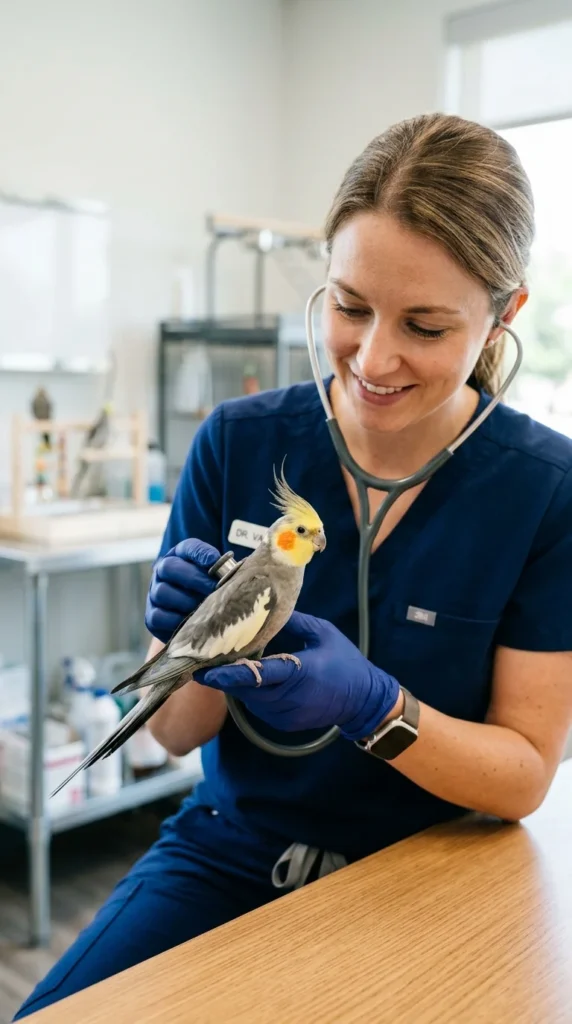
Not all vets are trained to treat birds. You need to find a certified Avian Veterinarian. Cockatiels are masters at hiding illness (a survival instinct from the wild), so by the time they “look” sick, they are often very ill. An annual wellness exam can catch potential health issues before they become life-threatening.
18. Training Techniques
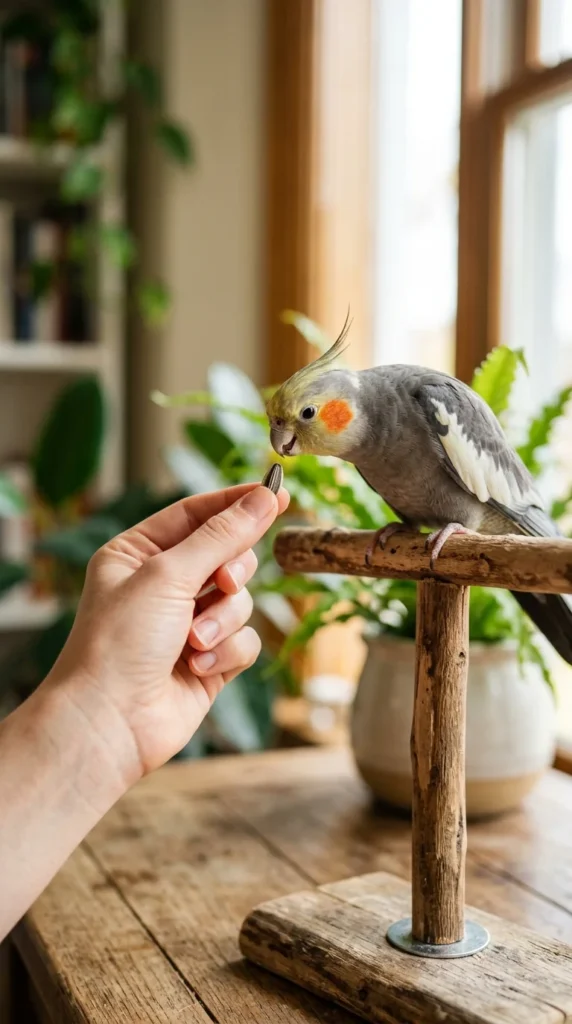
Cockatiels are highly intelligent and can be trained to do tricks, whistle tunes, and even “step up” on command. Use positive reinforcement—rewarding desired behaviors with treats and praise—rather than punishment. Training is not just about tricks; it’s a great way to build trust and strengthen the bond between you and your bird.
19. Beak and Nails
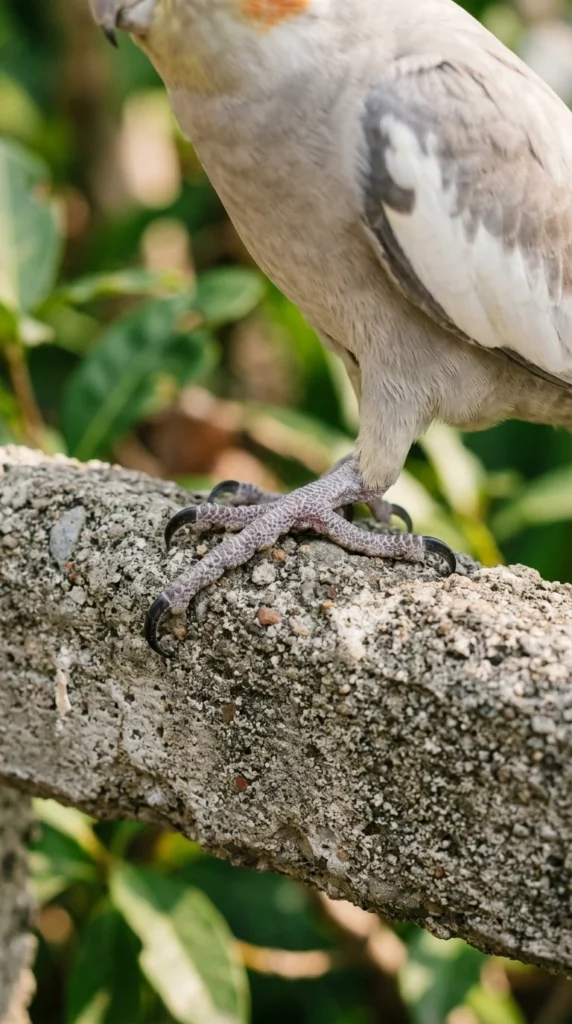
In the wild, birds naturally wear down their nails and beaks. In a cage, they might need help. Providing grooming perches (sandy or concrete textures) can help naturally file their nails. However, if the nails become long enough to snag on fabric or the beak looks overgrown, you may need to visit a vet or professional groomer for a trim.
20. Social Needs
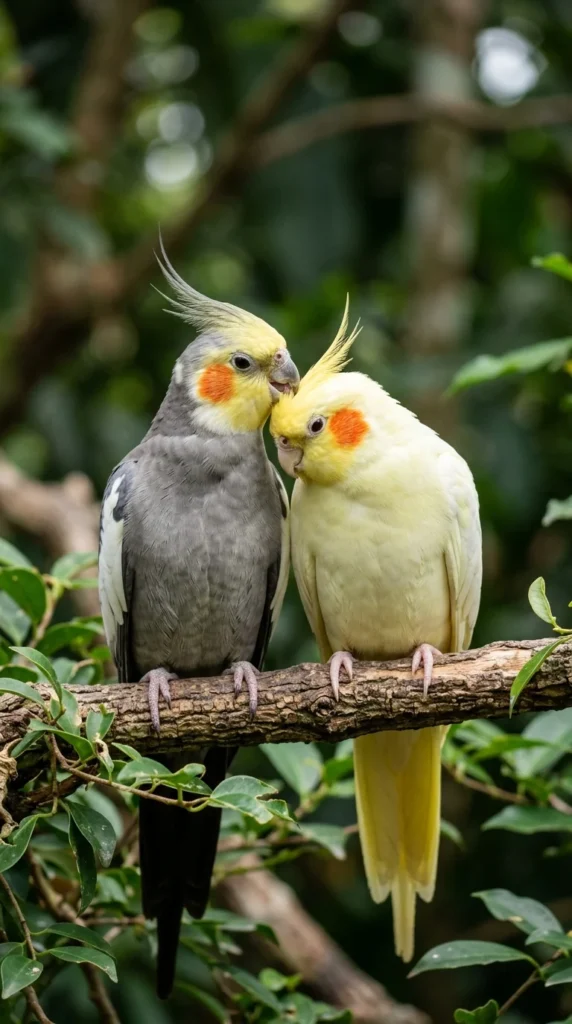
Cockatiels are extremely social animals. In the wild, they live in large flocks. If you only have one cockatiel, you become their “flock.” They need several hours of social interaction daily. If you work long hours, consider getting a second cockatiel so they have company, but be prepared for the extra work and the possibility they may bond more with each other than with you.
21. Financial Commitment
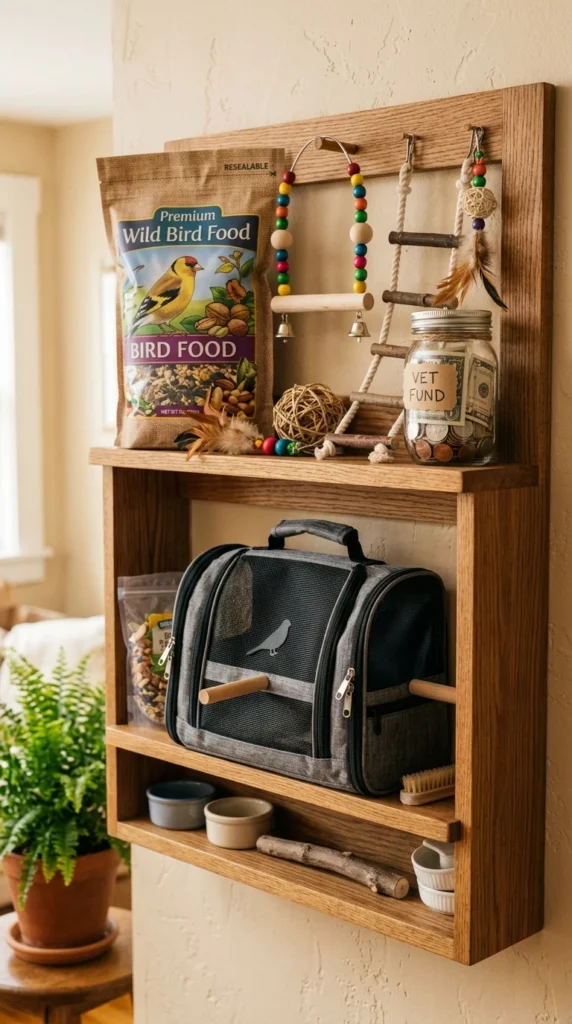
The initial cost of the bird is just the beginning. Between high-quality food, a constant supply of toys (which they will destroy), cage liners, and potentially expensive avian vet bills, cockatiels require a financial commitment. Being a responsible owner means being prepared for these ongoing costs throughout the bird’s life, which can span 15 to 25 years.