
Betta fish, often referred to as Siamese Fighting Fish, are among the most popular aquatic pets in the world. Known for their breathtaking colors and distinct personalities, they are frequently misunderstood as “low maintenance” pets that can live in tiny bowls. To truly thrive, a Betta requires specific care, a stable environment, and attention to detail. This guide provides 24 comprehensive tips to ensure your Betta lives a long, healthy, and happy life.
1. Tank Size
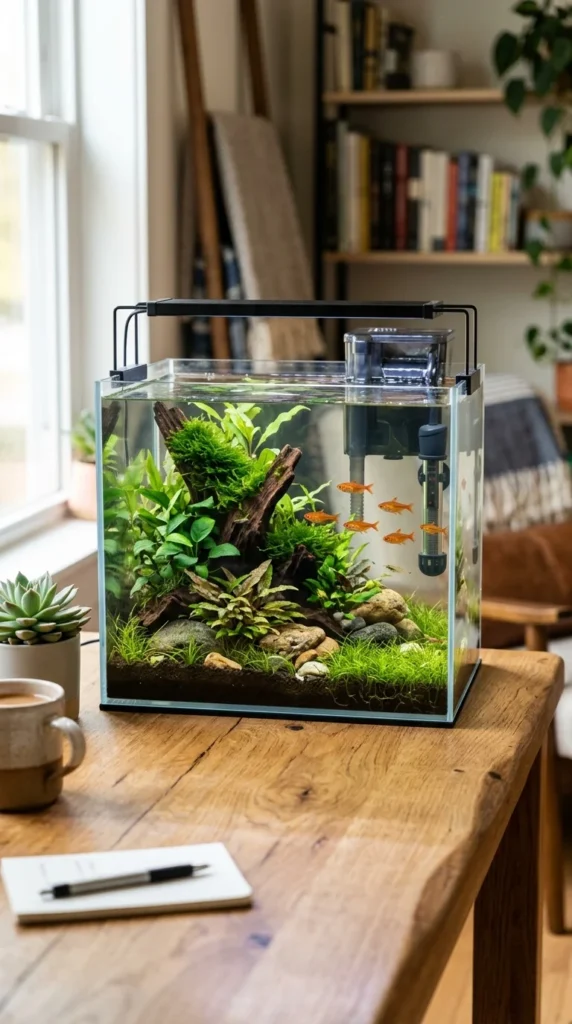
The myth that Bettas prefer small bowls or vases is one of the most harmful misconceptions in the hobby. While they can survive in small spaces, they cannot thrive. A minimum of 5 gallons is highly recommended. A larger tank provides more swimming space, allows for more stable water parameters, and reduces the frequency of toxic ammonia spikes.
2. Water Filtration
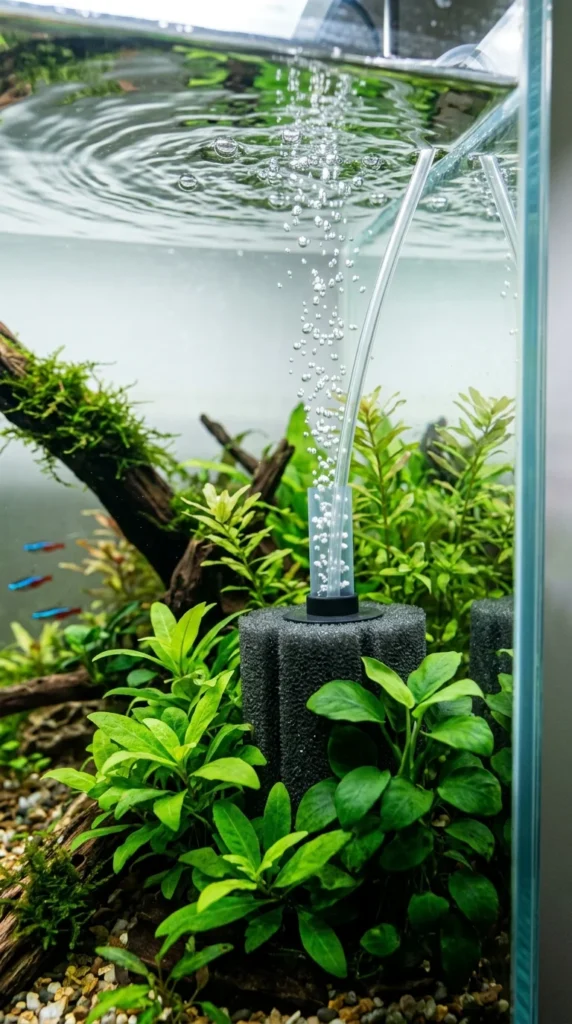
Bettas are native to slow-moving waters, so they are not strong swimmers against heavy currents. However, they still need filtration to remove debris and house beneficial bacteria. Use a sponge filter or a power filter with an adjustable flow. Always keep the intake and output low to prevent your Betta’s delicate fins from getting caught or pushed around.
3. Constant Heating
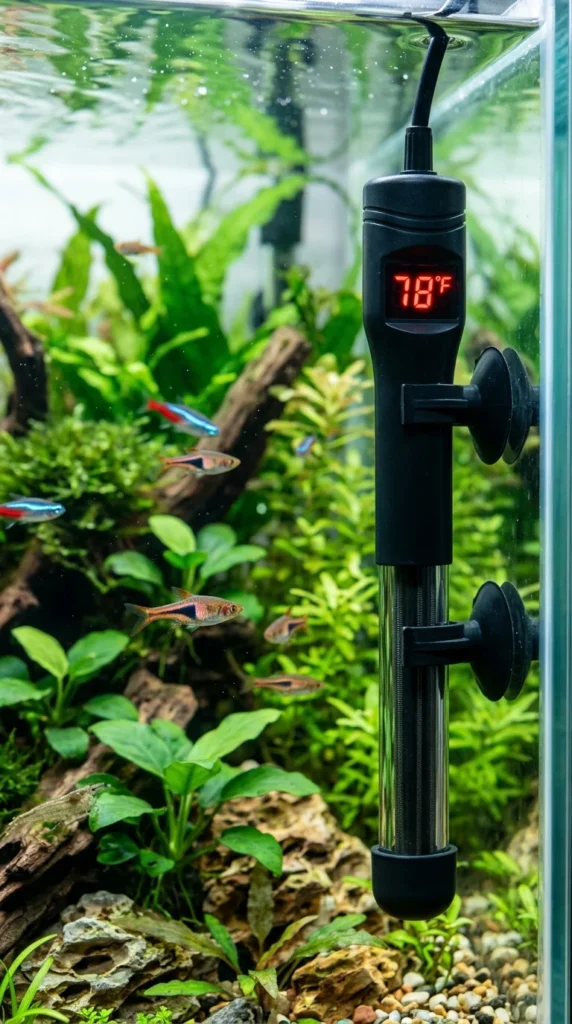
Bettas are tropical fish and require a consistent water temperature between 75°F and 80°F (24°C–27°C). Fluctuating temperatures or cold water can suppress their immune system, leading to lethargy and disease. A reliable, submersible heater with a thermostat is a non-negotiable piece of equipment for any Betta owner.
4. Water Conditioning
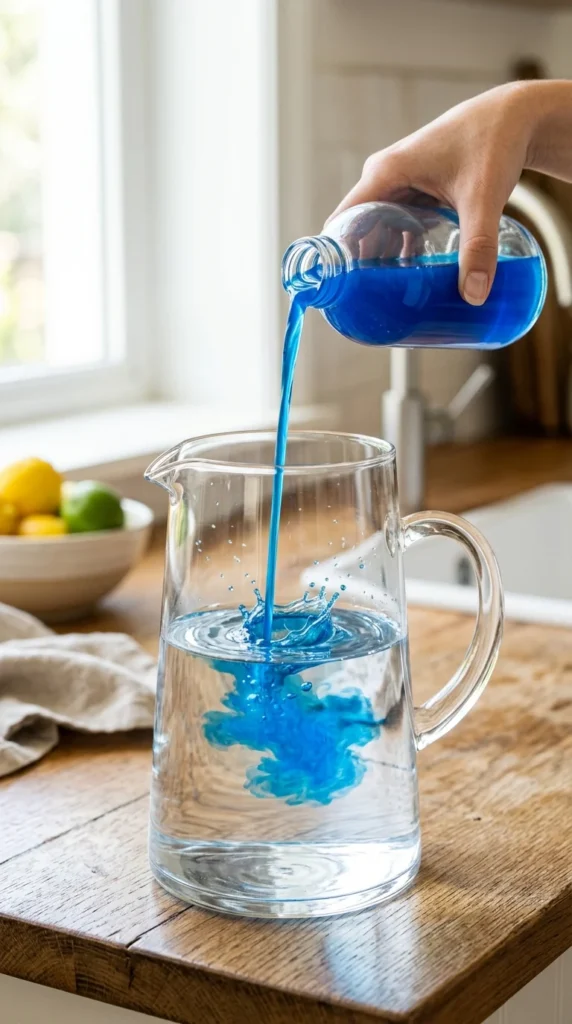
Tap water contains chlorine, chloramines, and heavy metals that are toxic to fish. Always treat new water with a high-quality water conditioner before adding it to the tank. This neutralizes harmful chemicals and protects the fish’s slime coat, which is their primary defense against infections.
5. Nitrogen Cycle
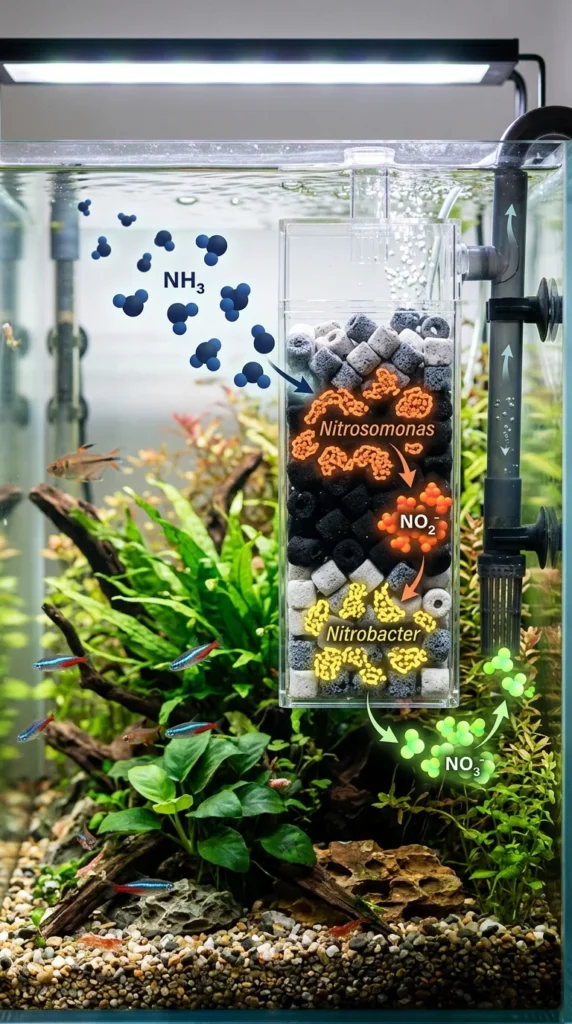
Before adding your Betta, you must “cycle” the tank. This process establishes beneficial bacteria that convert toxic ammonia (from fish waste) into nitrites, and then into less harmful nitrates. Skipping this step often leads to “New Tank Syndrome,” which is a leading cause of early fish death.
6. Substrate Choice
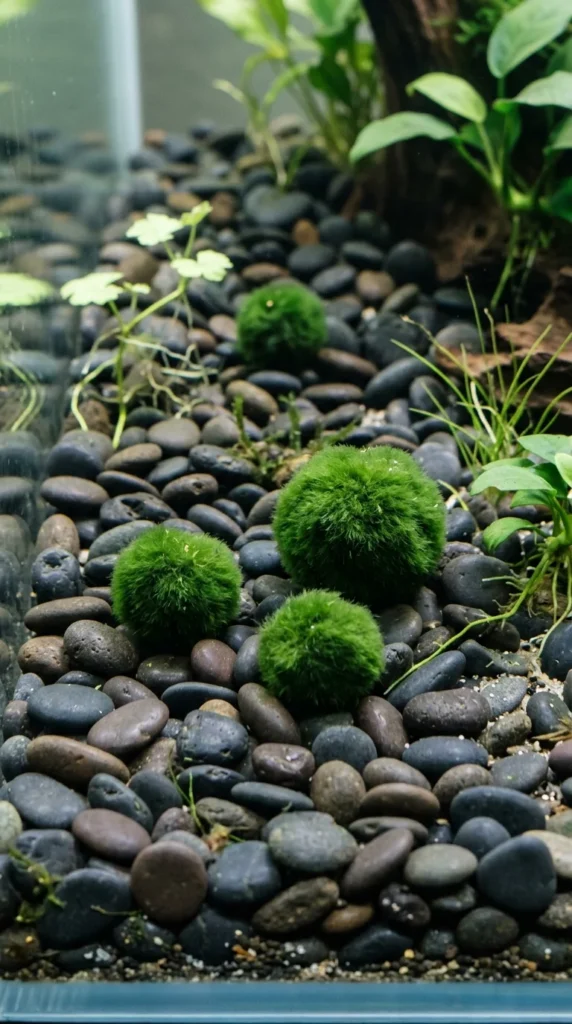
When choosing a substrate, opt for smooth gravel or sand. Bettas often rest on the bottom of the tank, and sharp or jagged rocks can tear their long, flowing fins. Darker substrates often make the Betta’s colors pop and provide a more natural, comforting environment for the fish.
7. Live Plants
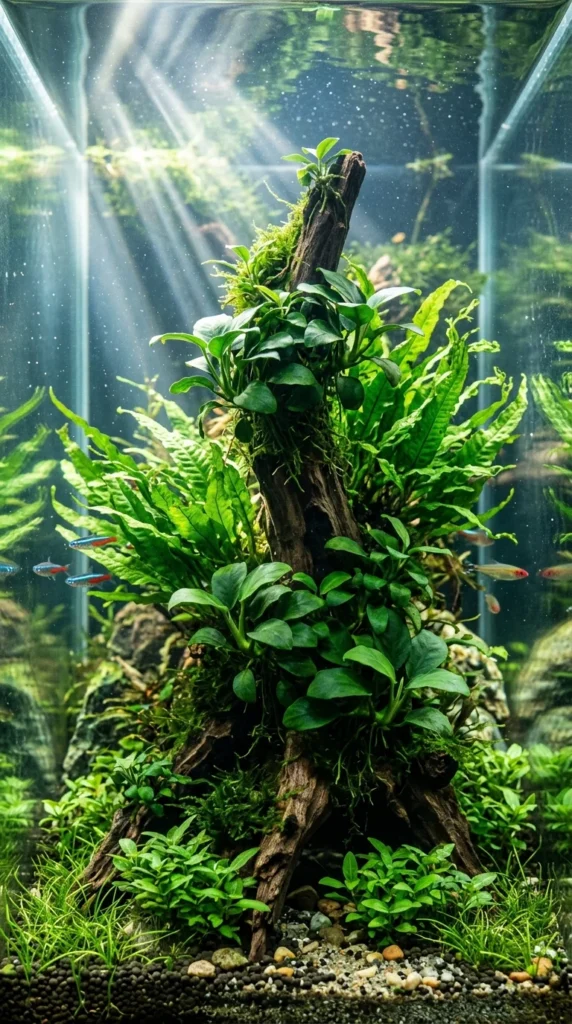
Live plants provide oxygen, help absorb nitrates, and offer a naturalistic environment. Anubias, Java Fern, and Amazon Swords are excellent choices because they are hardy and have soft leaves that won’t snag a Betta’s fins. Plants also give the fish a place to rest and explore.
8. Hiding Spots
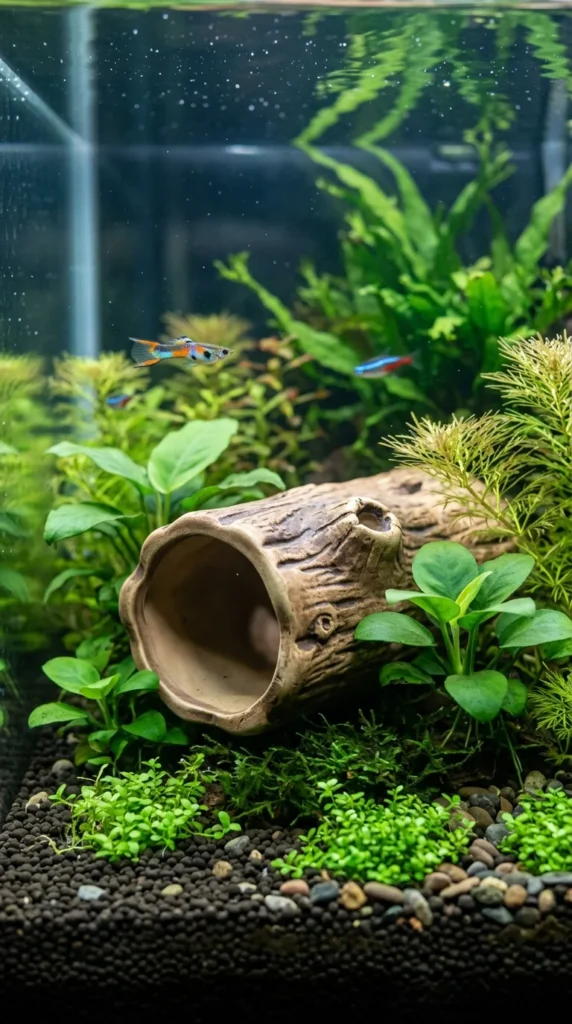
Bettas are territorial but also like to feel secure. Providing caves, tunnels, or hollow logs gives them a place to retreat when they feel stressed or sleepy. Ensure all decorations are smooth to the touch; if an object can snag a piece of pantyhose, it can snag a Betta’s fin.
9. Proper Lighting
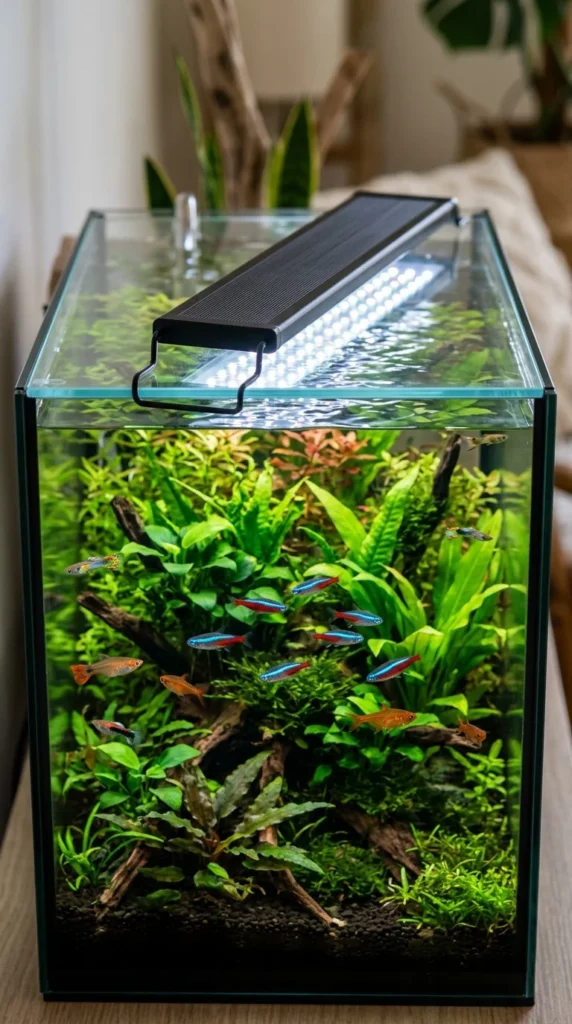
Bettas need a regular day/night cycle to maintain their circadian rhythm. Aim for 8 to 10 hours of light per day. Too much light can lead to excessive algae growth, while too little can affect the health of your live plants. Use a timer to ensure consistency.
10. High-Protein Diet

Bettas are insectivores and require a diet high in protein. Look for high-quality Betta pellets where the first ingredient is a whole protein source like shrimp or whole fish meal. Avoid “fillers” like wheat or corn, which Bettas cannot easily digest.
11. Feeding Schedule
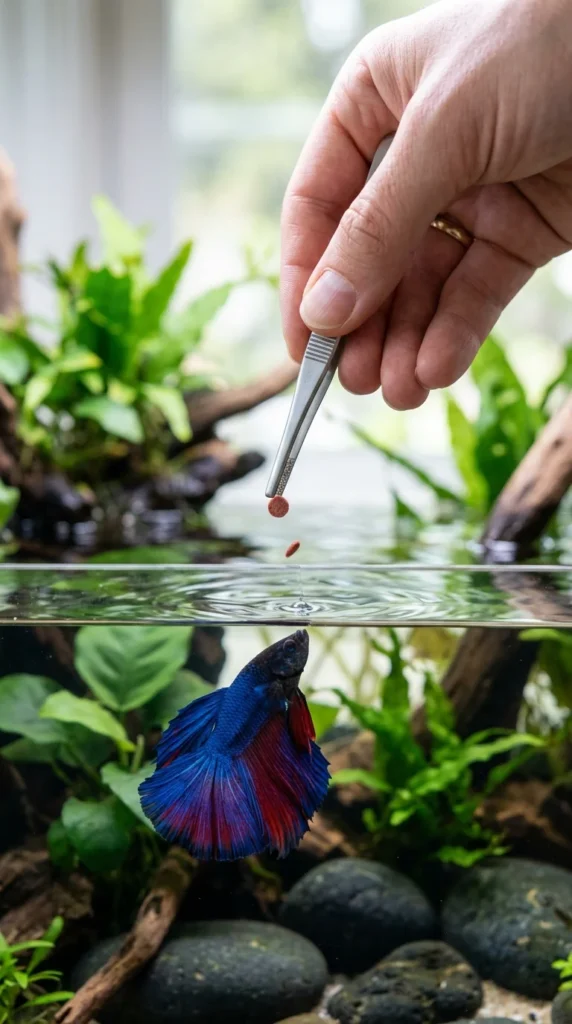
Overfeeding is a common cause of health issues like bloating and constipation. Feed your Betta 2-3 pellets twice a day. Only feed what they can consume in two minutes. Consider “fasting” your Betta one day a week to allow their digestive system to clear out completely.
12. Water Changes
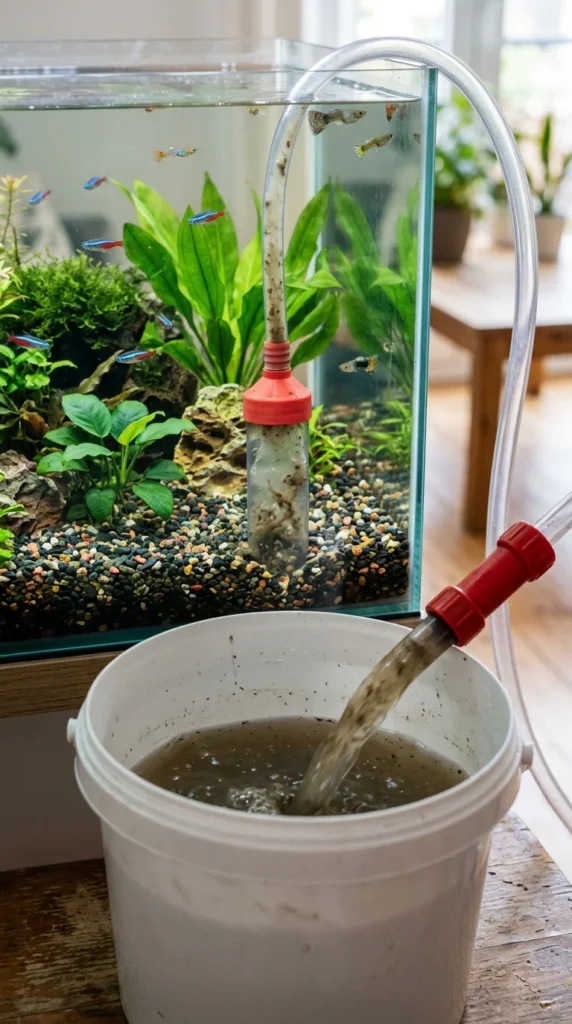
Even with a filter, regular water changes are essential. Perform a 20-25% water change every week. This removes nitrates and replenishes minerals. Never replace 100% of the water at once, as this can shock the fish and destroy the beneficial bacteria in the tank.
13. Testing Water

You cannot tell if water is safe just by looking at it. Use a liquid water testing kit to monitor levels of ammonia (should be 0), nitrites (should be 0), and nitrates (should be under 20 ppm). Monitoring these levels allows you to catch potential problems before they harm your fish.
14. Tank Mates
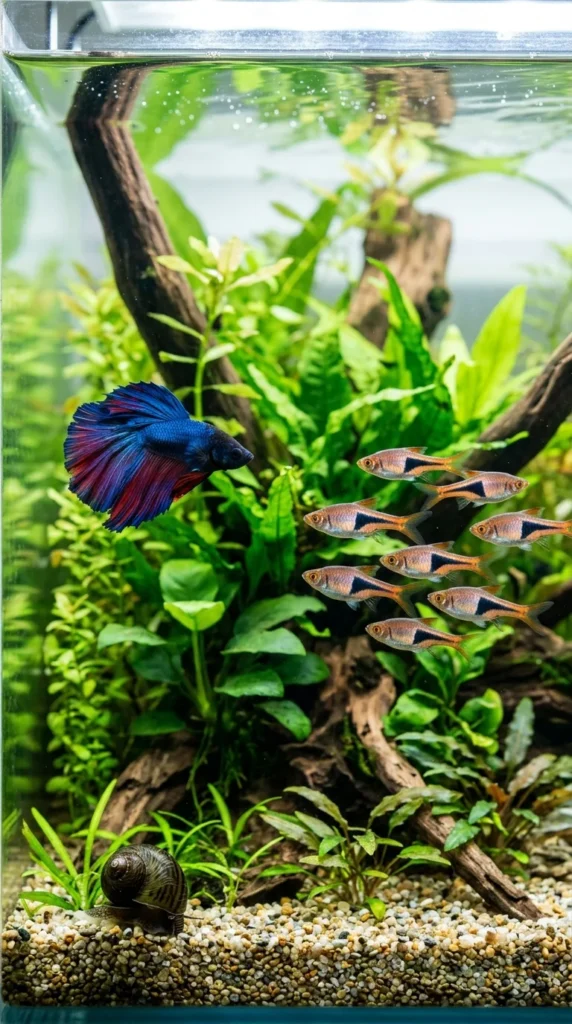
While Bettas are often kept alone, they can have tank mates in larger setups (15+ gallons). Avoid other aggressive fish or those with long fins (which the Betta might mistake for a rival). Suitable companions include Nerite snails, Amano shrimp, or peaceful schooling fish like Neon Tetras.
15. Enrichment
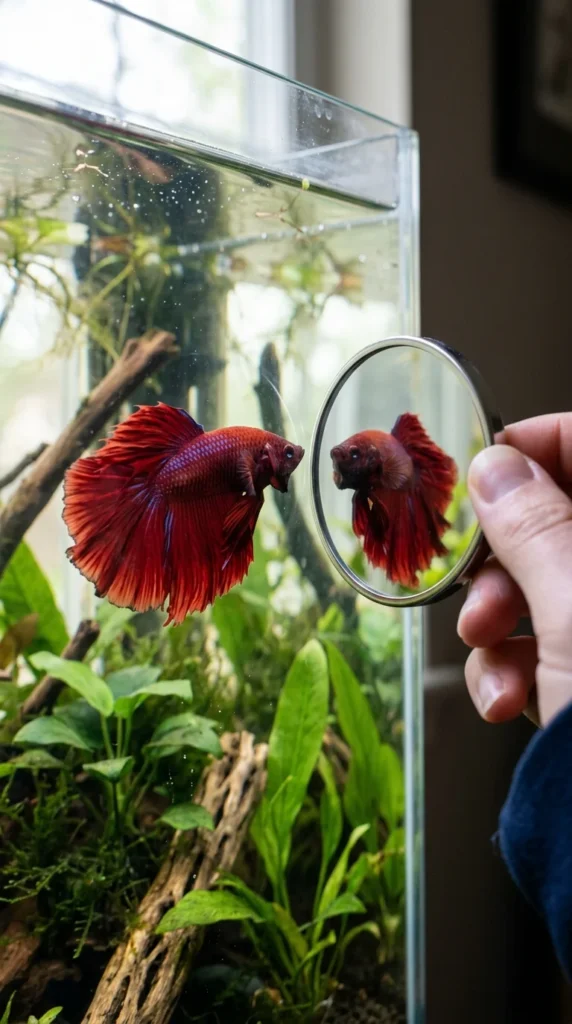
Bettas are highly intelligent. You can provide enrichment by occasionally placing a mirror outside the tank for 1-2 minutes to let them “flare” (which provides exercise), or by adding floating “Betta logs” and ping-pong balls for them to push around.
16. Fin Care
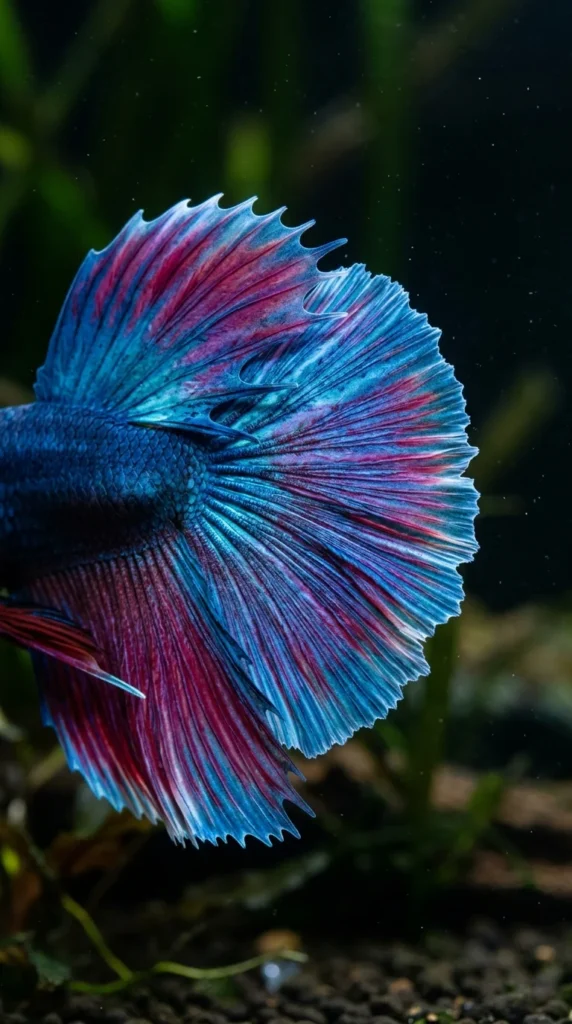
A Betta’s fins are a window into its health. Regularly check for signs of “fin rot,” which looks like fraying or black/red edges. This is usually caused by poor water quality. Keeping the water pristine is the best way to prevent and treat most fin-related issues.
17. Quarantine Practices
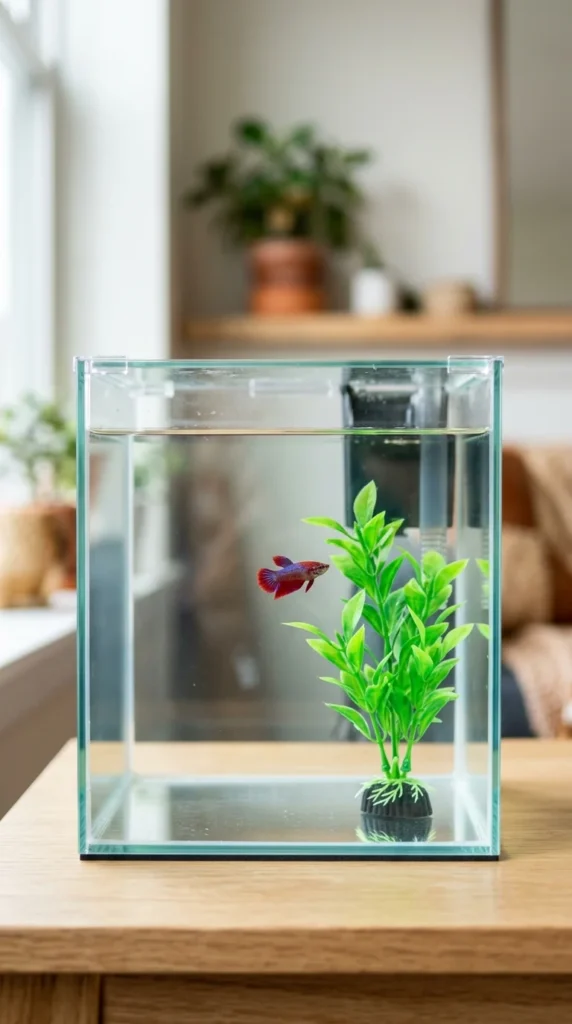
Before adding any new tank mates or plants, it is wise to quarantine them in a separate container for 2-4 weeks. This prevents the introduction of parasites or bacterial infections into your main Betta tank, which could prove fatal for your prized pet.
18. Gentle Handling
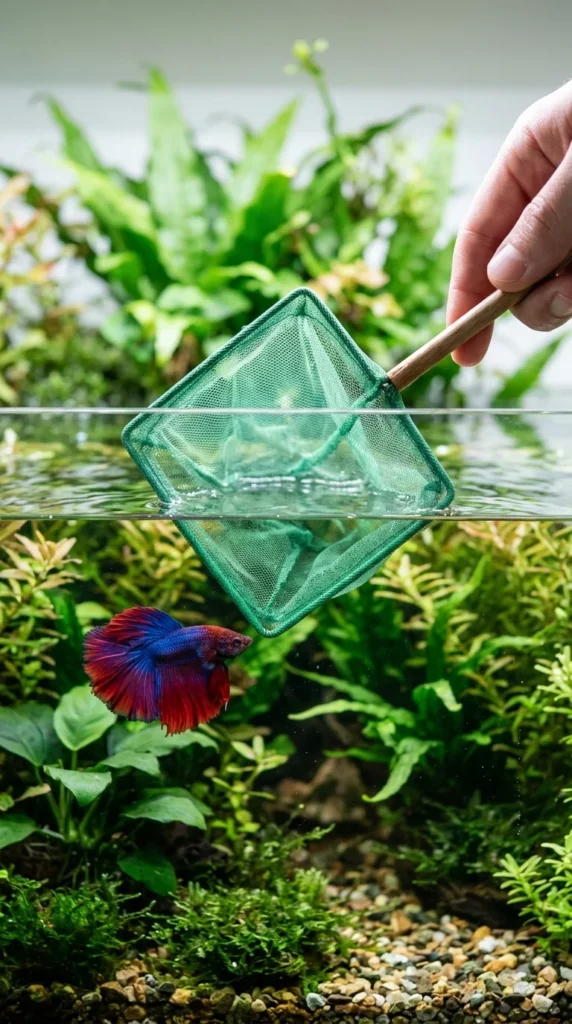
Avoid touching your Betta with your hands, as the oils and bacteria on human skin can damage their protective slime coat. If you must move them, use a soft, fine-mesh net or a small cup to gently scoop them up along with some of their tank water.
19. Lid Safety
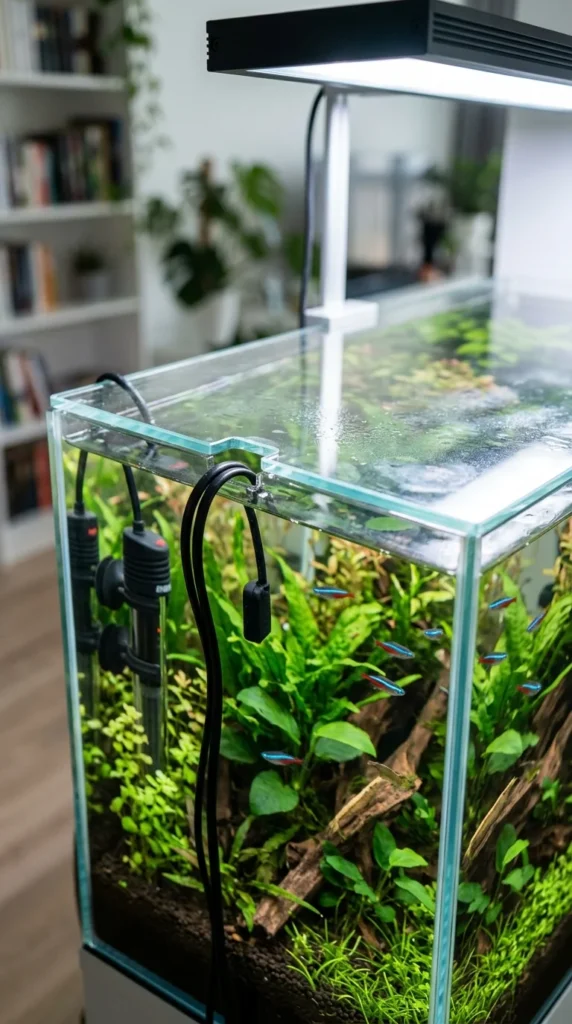
Bettas are natural jumpers. In the wild, they jump between puddles to find better environments. Ensure your tank has a secure lid with no large gaps. A jumping Betta can easily end up on the floor, which is a life-threatening situation.
20. Surface Access
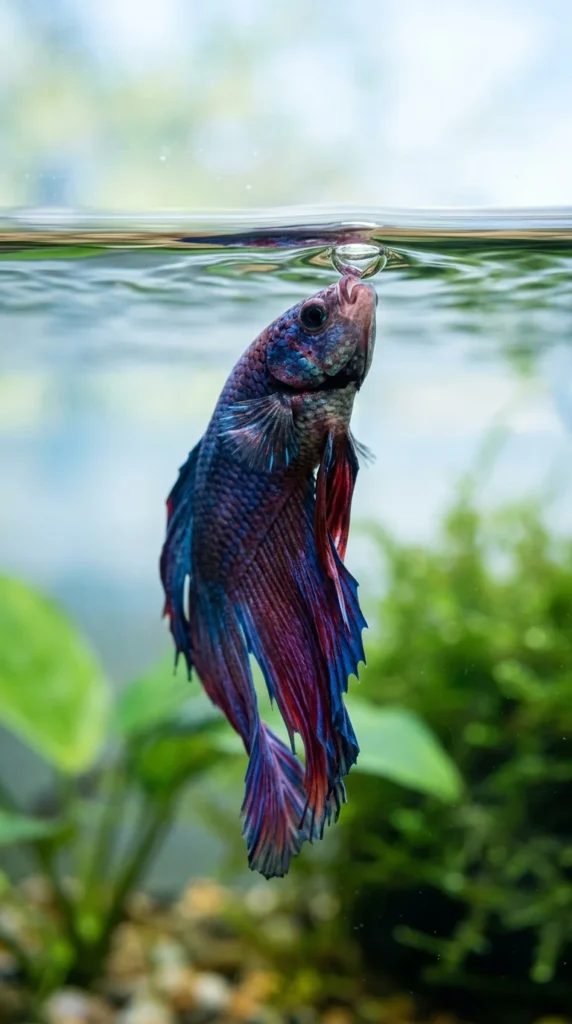
Bettas possess a unique organ called the “labyrinth organ,” which allows them to breathe atmospheric air. Always leave a small gap of air between the water surface and the tank lid so your Betta can come up for a breath whenever it needs to.
21. Silk vs. Plastic
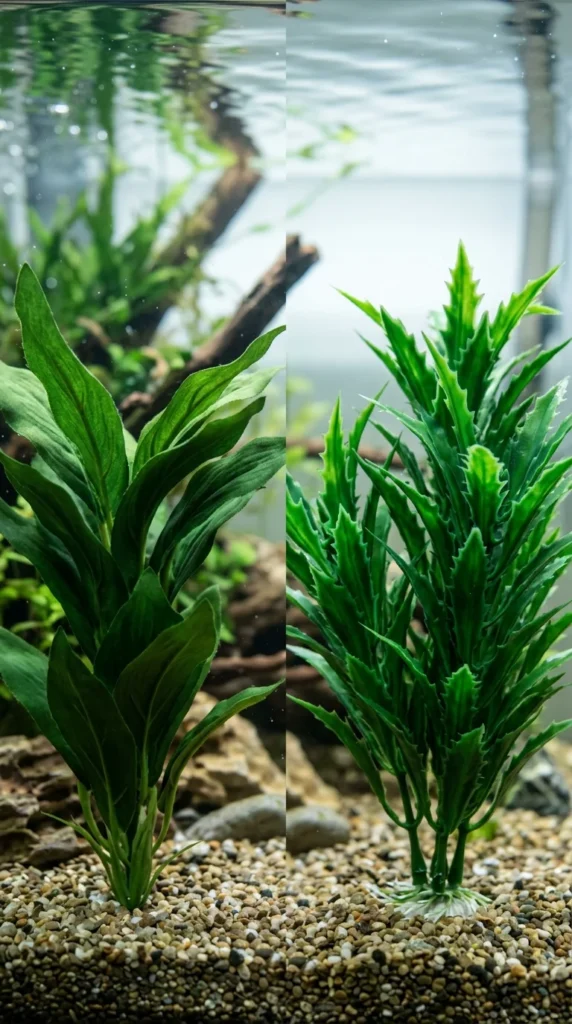
If you choose artificial plants over live ones, always go for silk plants. Plastic plants often have sharp edges that can shred a Betta’s delicate fins. The “pantyhose test” works here too: if the plant snags the fabric, it’s too sharp for your Betta.
22. Disease Recognition
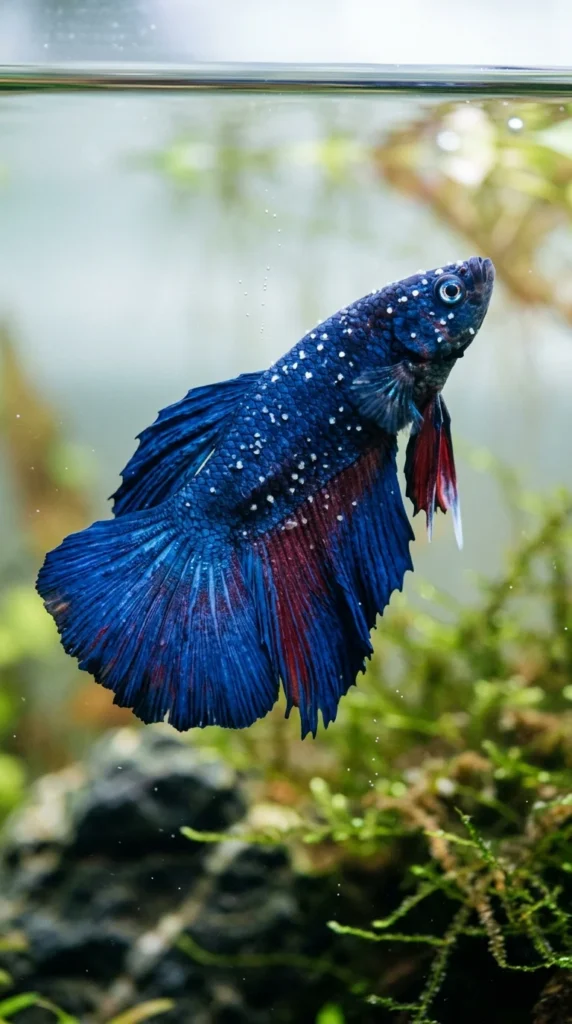
Familiarize yourself with common Betta ailments such as Ich (white spots), Velvet (gold dust appearance), and Dropsy (pine-coning scales). Early detection and treatment with the appropriate medication and improved water quality can save your fish’s life.
23. Stress Reduction
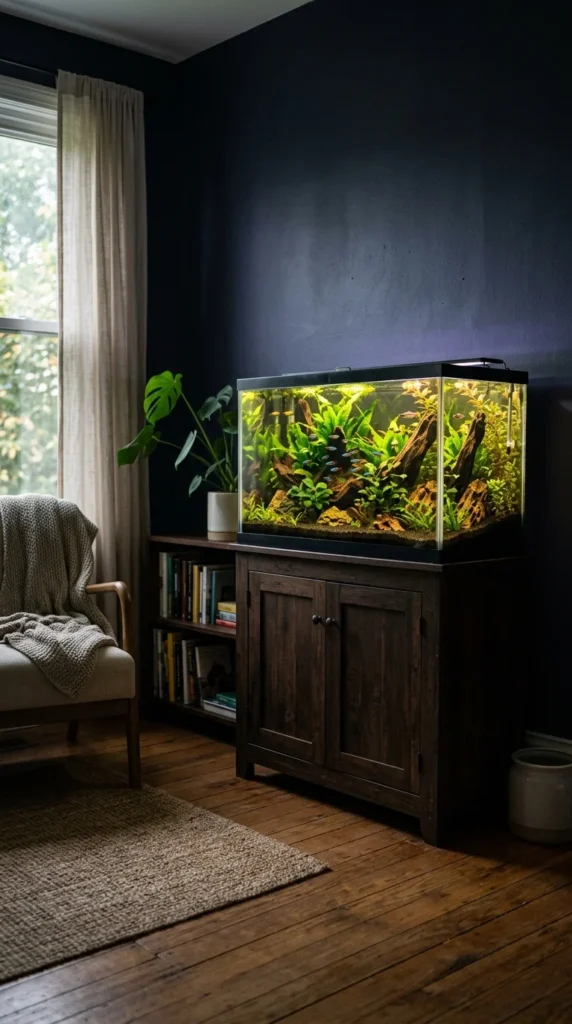
Loud noises, constant vibration, and frequent changes to the tank layout can stress a Betta. Place the tank in a quiet area of your home. A stressed Betta will often lose its color and hide more than usual. Stability is the key to a relaxed and happy fish.
24. Observation
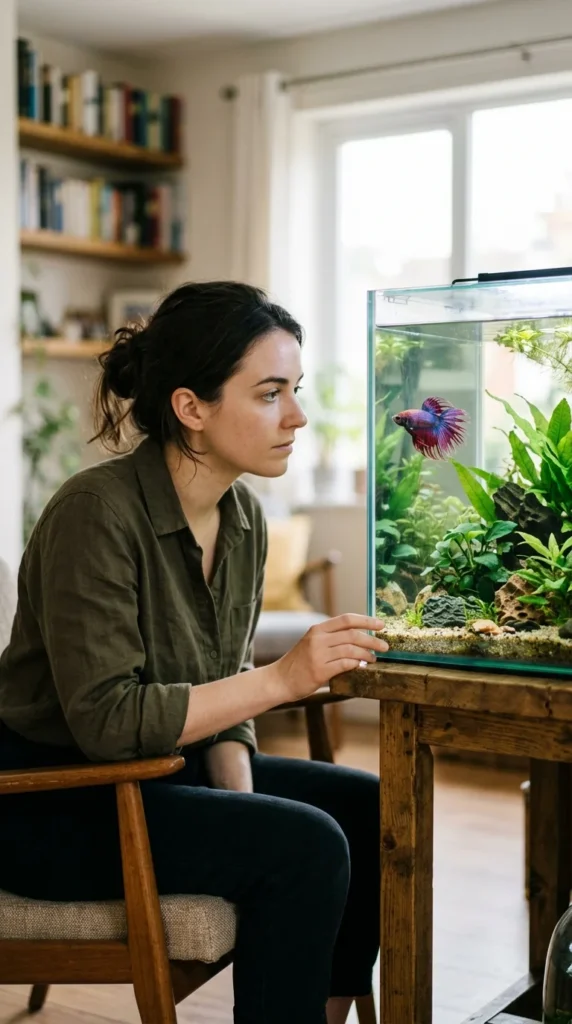
The best tool for Betta care is your own eyes. Spend a few minutes every day watching your Betta. Learn its “normal” behavior. If it suddenly stops eating, hides more than usual, or struggles to swim, you will be able to react quickly and address the issue before it becomes a crisis.