
Hermit crabs are far more complex than the “starter pets” they are often marketed as. These social, intelligent crustaceans require a specific environment to thrive, often living for decades when given proper care. Whether you are a first-time crab owner or looking to upgrade your “crabitat,” this comprehensive guide covers the 22 essential pillars of hermit crab husbandry.
1. Spacious Habitat
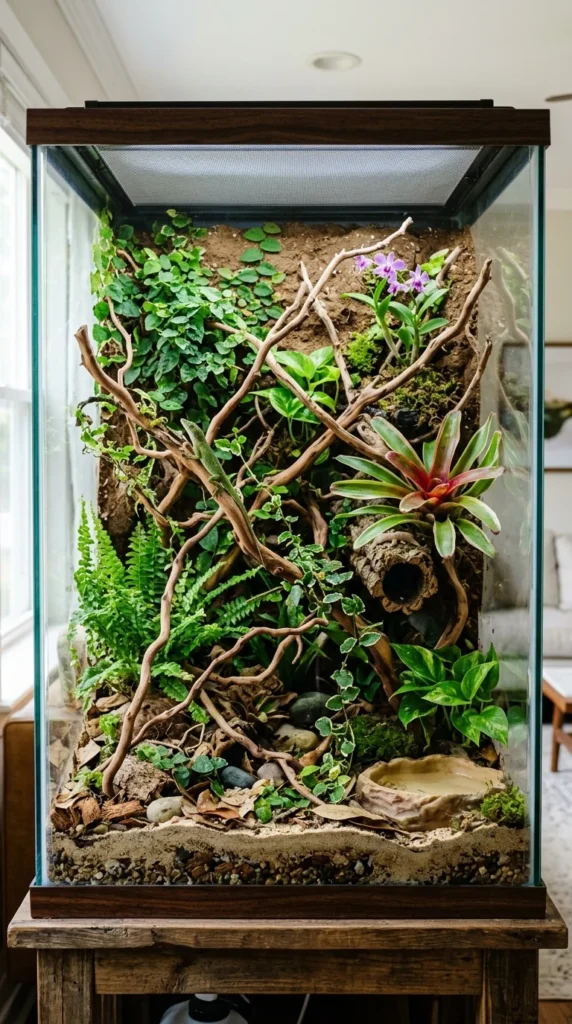
Size matters when it comes to hermit crabs. While a 10-gallon tank is often cited as a minimum, serious keepers recommend at least 20 to 40 gallons for a small colony. These creatures are active explorers that need vertical and horizontal space to roam, climb, and exercise. A glass aquarium with a solid lid is the best choice for maintaining the high humidity levels these tropical animals require.
2. Deep Substrate
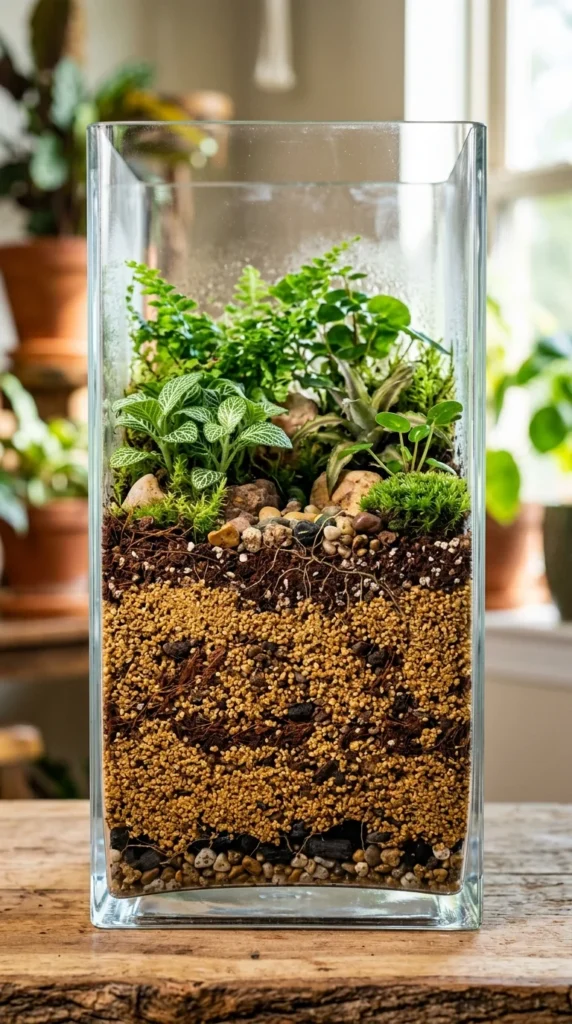
Substrate isn’t just “bedding”—it is a life-support system. Hermit crabs need to bury themselves completely to molt (shed their exoskeleton). The substrate should be at least three times the height of your largest crab, or a minimum of 6 inches deep. A mixture of five parts play sand to one part coconut fiber (Eco Earth) creates the perfect consistency for holding tunnels without collapsing.
3. Substrate Consistency

The substrate must be “sandcastle consistency.” If it is too dry, tunnels will collapse on molting crabs, which can be fatal. If it is too wet, it can lead to bacterial blooms or flooding. Aim for a moisture level where you can poke a hole with a pencil and the hole stays perfectly intact.
4. High Humidity
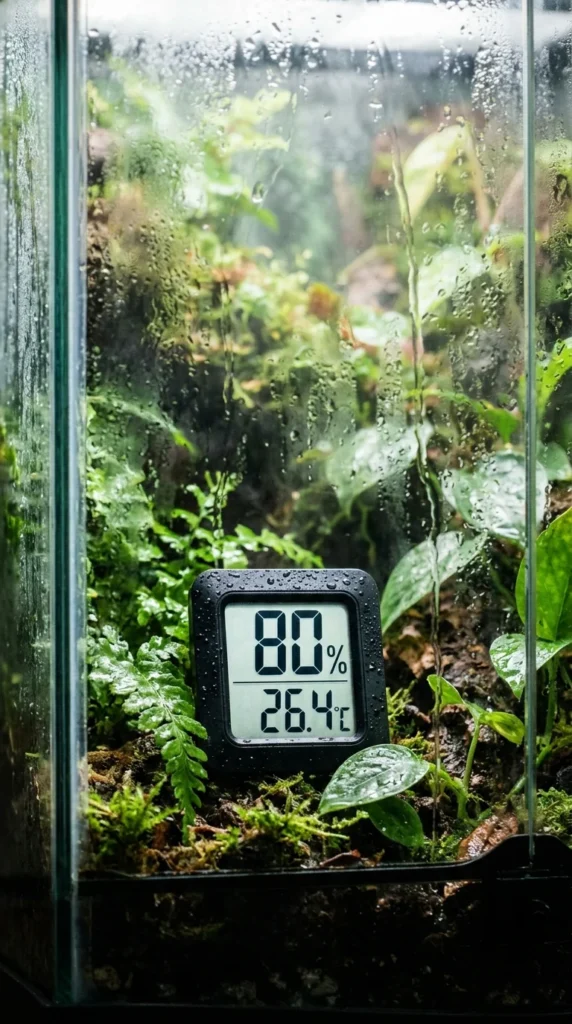
Hermit crabs breathe through modified gills. They require a minimum of 75% to 80% humidity to keep their gills moist so they can breathe. If the air is too dry, they will slowly suffocate. Using a glass lid and misting the tank with dechlorinated water can help maintain these tropical conditions.
5. Tropical Temperature
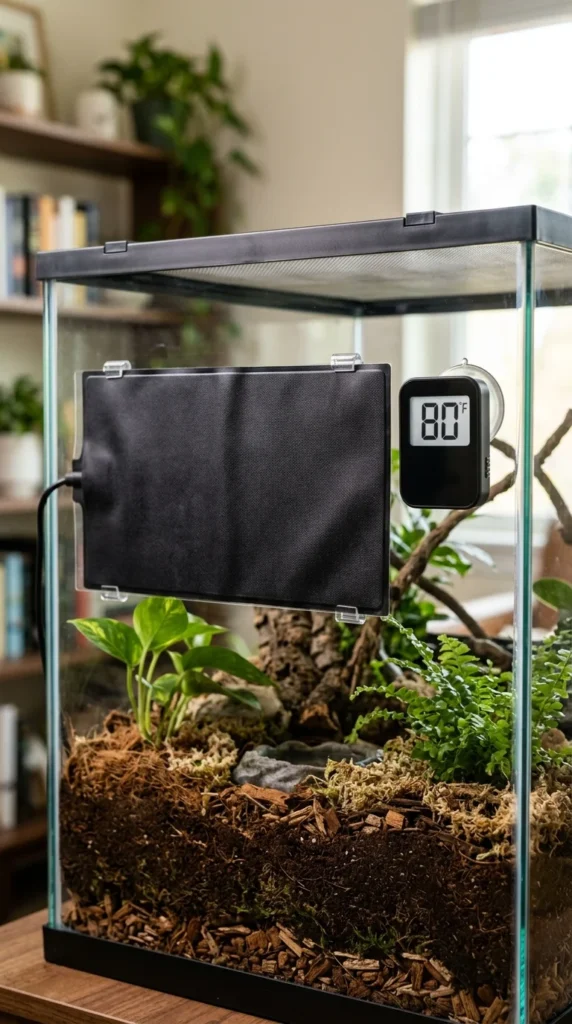
These are tropical animals that need a consistent temperature between 75°F and 85°F. The best way to provide heat is through an Under Tank Heater (UTH) mounted on the back or side of the tank—never the bottom, as it can cook molting crabs. Ensure the heater stays above the substrate line to warm the air.
6. Fresh Water
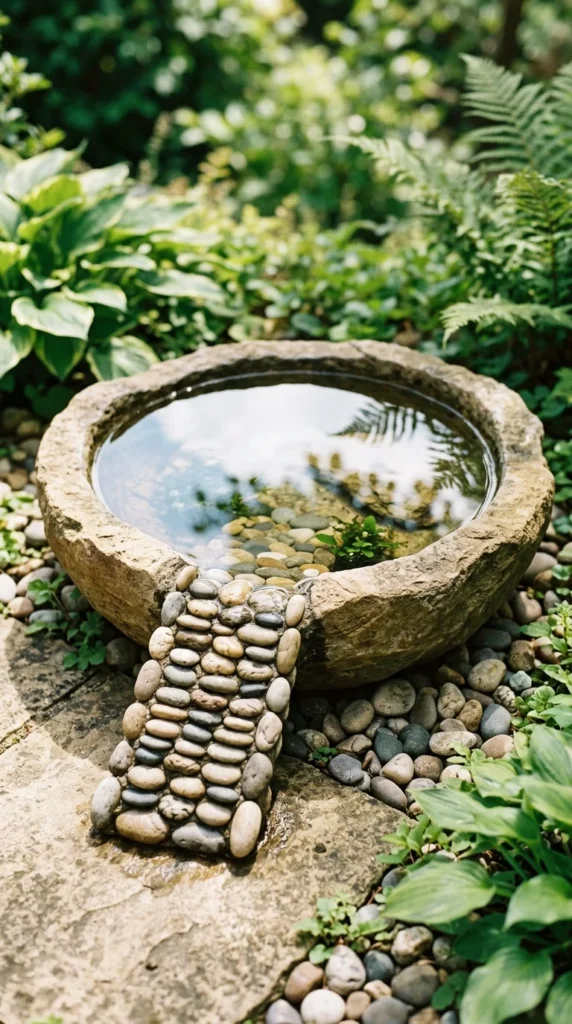
Hermit crabs need constant access to fresh water for drinking. This water must be treated with a high-quality aquarium water conditioner to remove chlorine, chloramines, and heavy metals, which are toxic to crustaceans.
7. Saltwater Pool
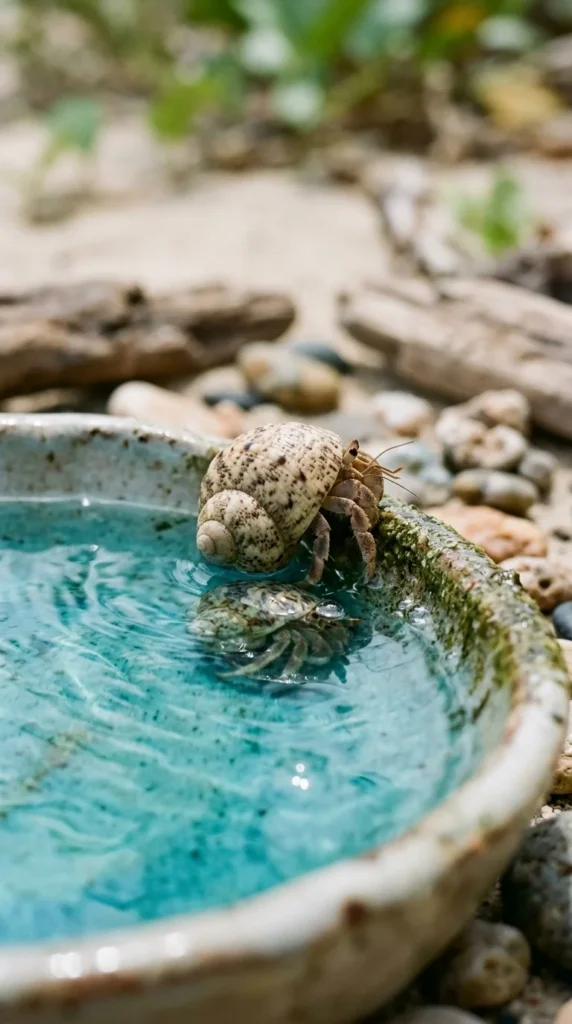
Unlike many other pets, land hermit crabs need a dedicated saltwater pool. They use this water to replenish the “shell water” they carry inside their shells to keep their bodies moist. Use a marine salt mix (like Instant Ocean) rather than table salt or “hermit crab salt” sold in pet stores, which often lacks essential minerals.
8. Deep Pools
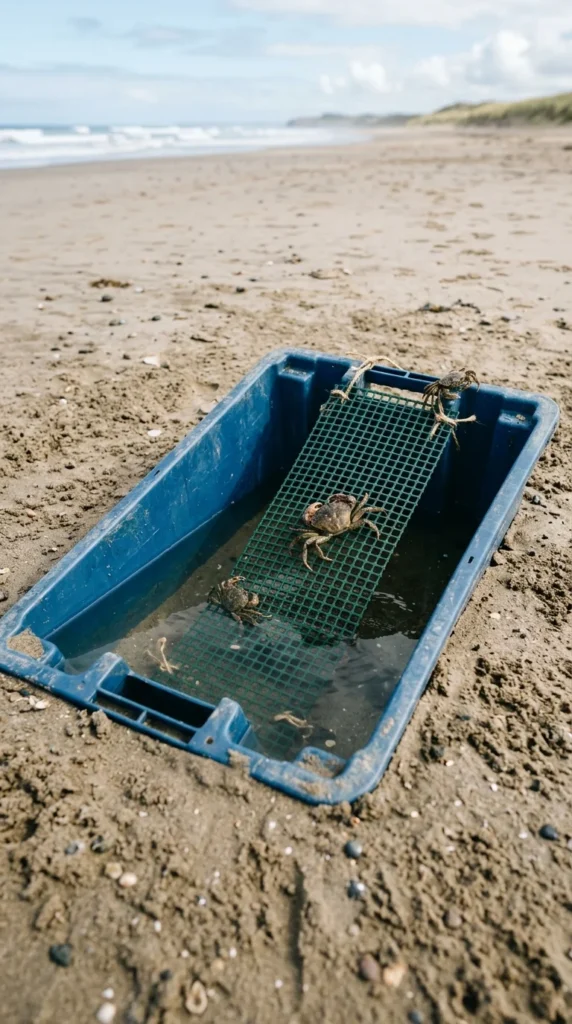
Both the fresh and saltwater pools should be deep enough for your largest crab to fully submerge, but they must also have a way for the crabs to climb out easily. Plastic mesh or stones stacked as a ramp will prevent smaller crabs from drowning.
9. Varied Diet

Hermit crabs are omnivorous scavengers. Their diet should include animal protein (shrimp, mealworms, unseasoned chicken), calcium, chitin, fats, and a wide variety of fruits and vegetables. Avoid commercial “pellets,” which often contain harmful preservatives like copper sulfate.
10. Calcium Sources
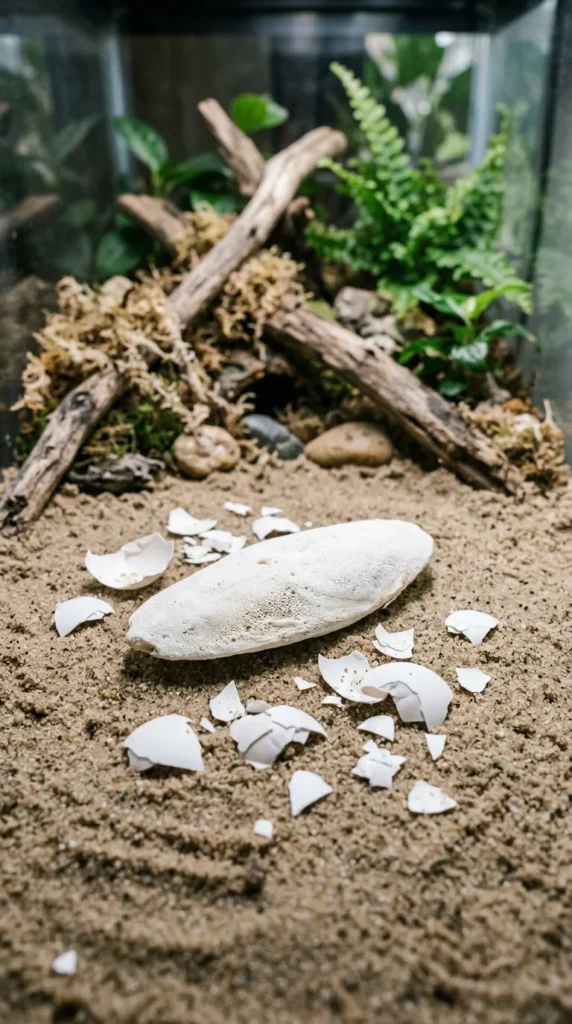
Calcium is vital for a strong exoskeleton. Always keep a source of calcium in the tank, such as cuttlebone (sold for birds), crushed oyster shells, or boiled eggshells. Crabs will nibble on these as needed, especially before and after a molt.
11. Climbing Opportunities

In the wild, hermit crabs are known to climb trees. Provide plenty of vertical interest with cholla wood, cork bark, grapevines, and hemp nets. This provides essential exercise and allows them to find different “micro-climates” within the tank.
12. Hiding Spots
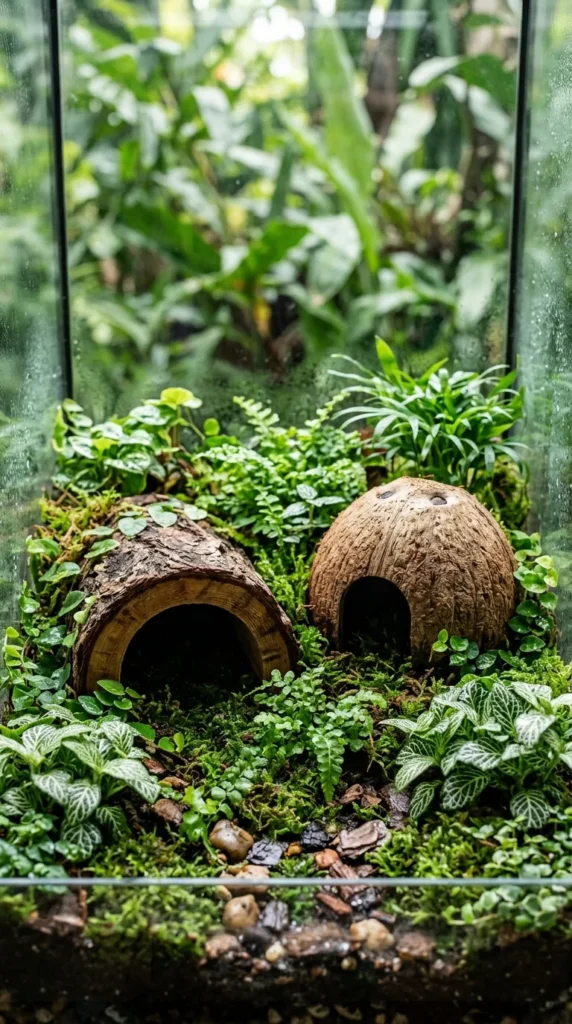
Hermit crabs are prey animals and can be quite shy. They need “day caves”—dark, quiet places to hide and sleep during the daylight hours. Coconut huts, overturned pots, and dense foliage are all excellent options.
13. Shell Selection
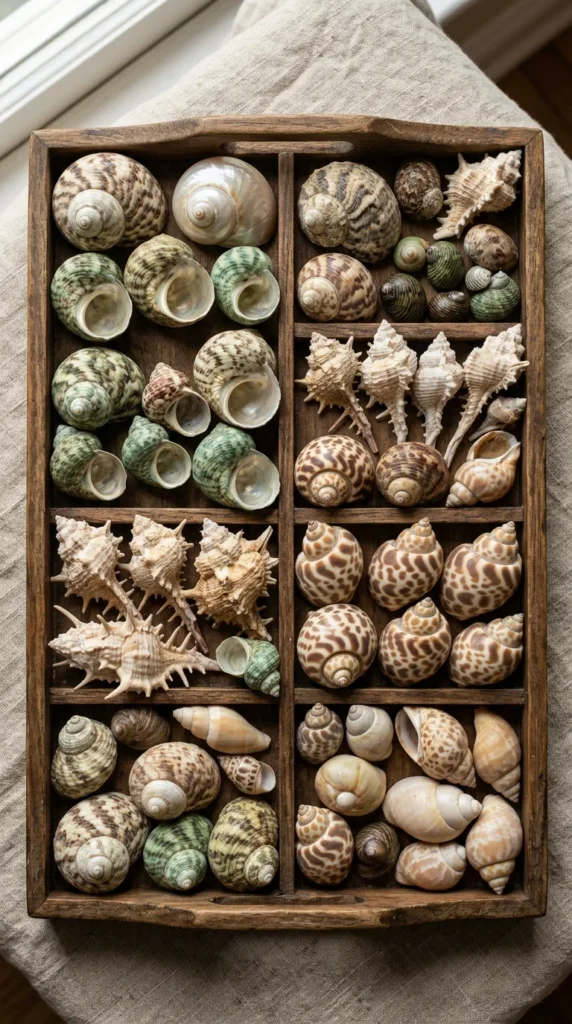
A hermit crab’s shell is its house and protection. You should provide at least 3 to 5 extra shells per crab in varying sizes. Stick to natural, unpainted shells. Painted shells are toxic and the paint can chip off, harming the crab or becoming stuck to its body.
14. Social Groups
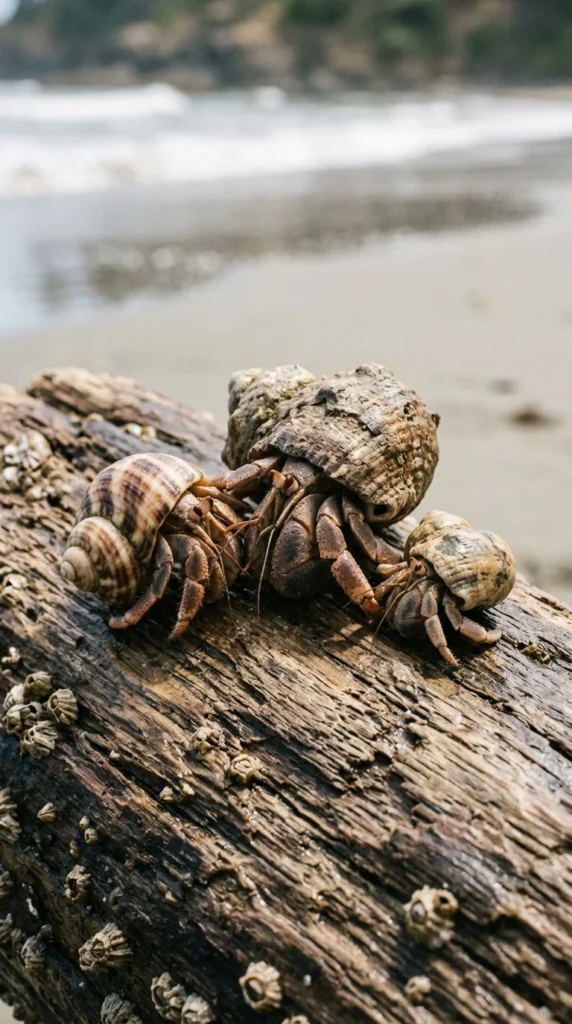
Hermit crabs are highly social creatures that live in large colonies in the wild. They should never be kept alone. Keeping them in groups of two, three, or more allows them to interact, communicate, and even sleep together, which significantly reduces stress.
15. The Molting Process
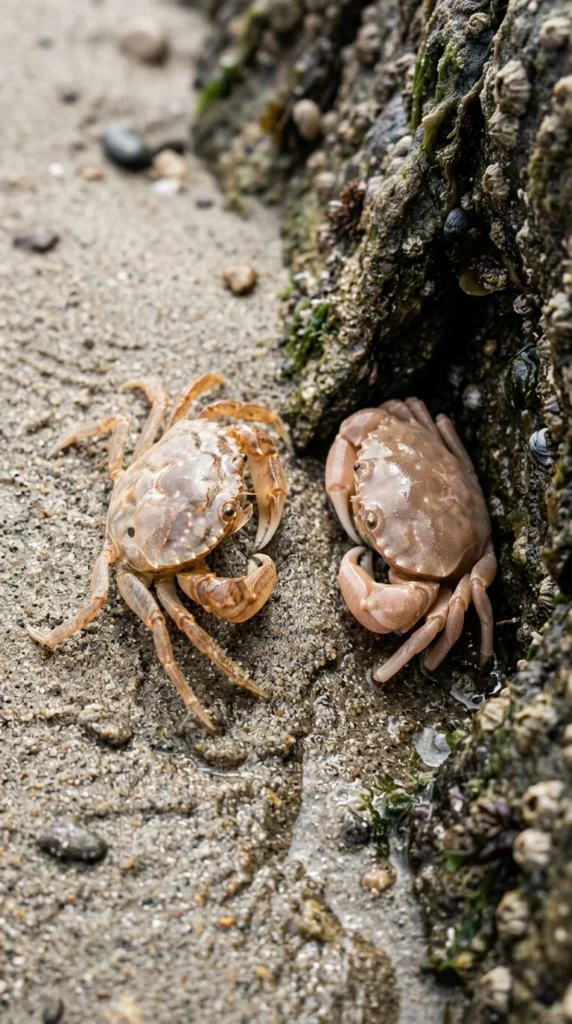
Molting is the most dangerous time in a crab’s life. When a crab buries itself for weeks at a time, do not dig it up. They are building a new skin and are incredibly fragile. Disturbing a molting crab can cause enough stress to kill it. Trust the process and let them stay underground until they resurface naturally.
16. Measuring Tools
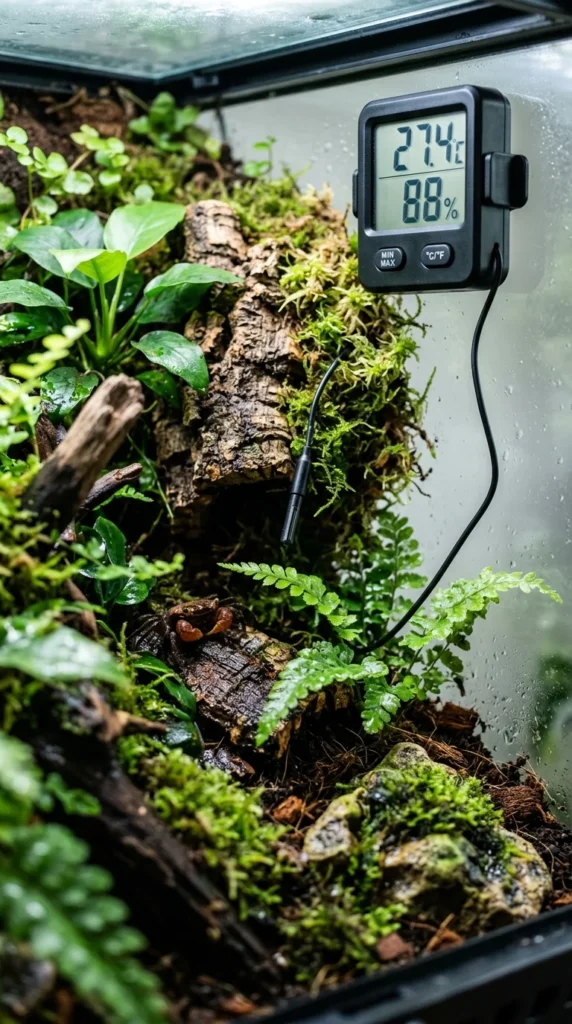
You cannot “guess” the temperature and humidity. Always use a digital hygrometer and thermometer. Place the sensors in the middle of the tank, a few inches above the substrate, to get the most accurate reading of the air the crabs are actually breathing.
17. Safe Handling
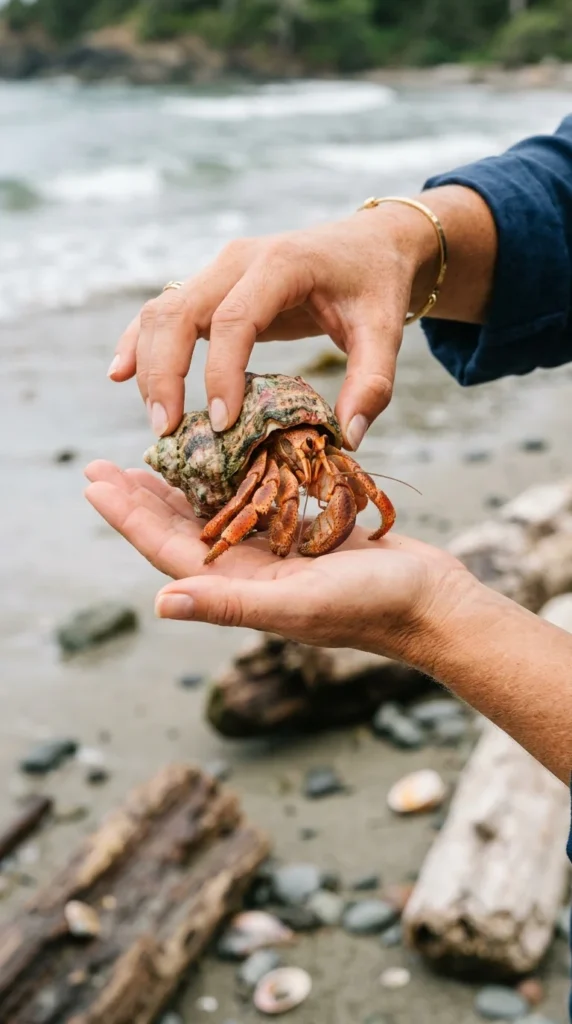
While it is tempting to play with your crabs, handling should be kept to a minimum. If you must pick them up, hold them by the shell or let them walk across a flat, open palm. Be careful, as a fall from even a few feet can be fatal to a crab.
18. Avoid Sponges
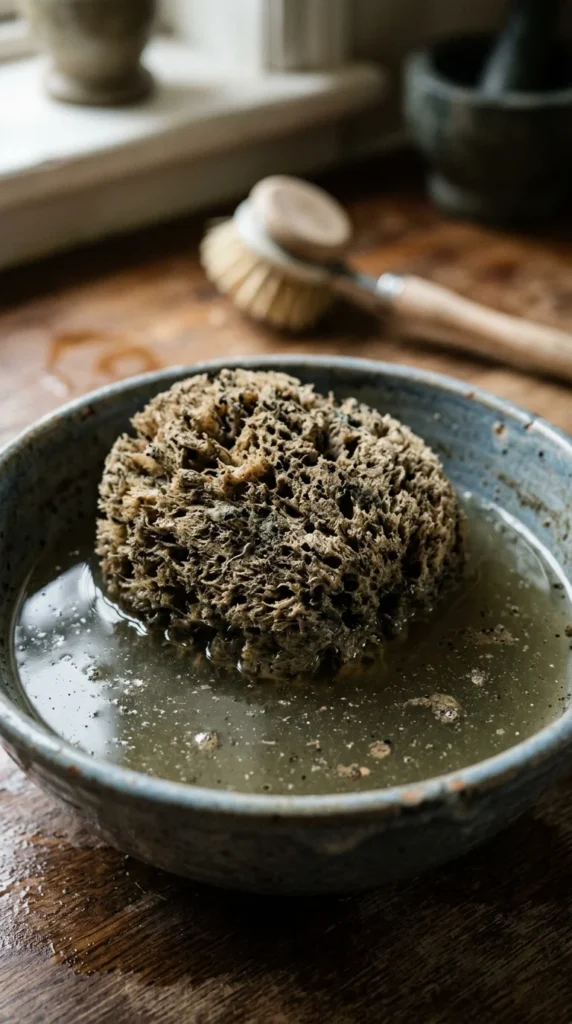
Old-school pet store advice often suggests putting a sponge in the water bowl to “increase humidity.” However, sponges quickly become breeding grounds for harmful bacteria and mold. It is much better to use a solid lid and large water pools to maintain humidity.
19. Leaf Litter

In the wild, hermit crabs spend much of their time rummaging through leaf litter. Adding dried, pesticide-free leaves (like oak, maple, or Indian Almond leaves) provides both a natural food source and a sense of security for the crabs.
20. Nighttime Observation
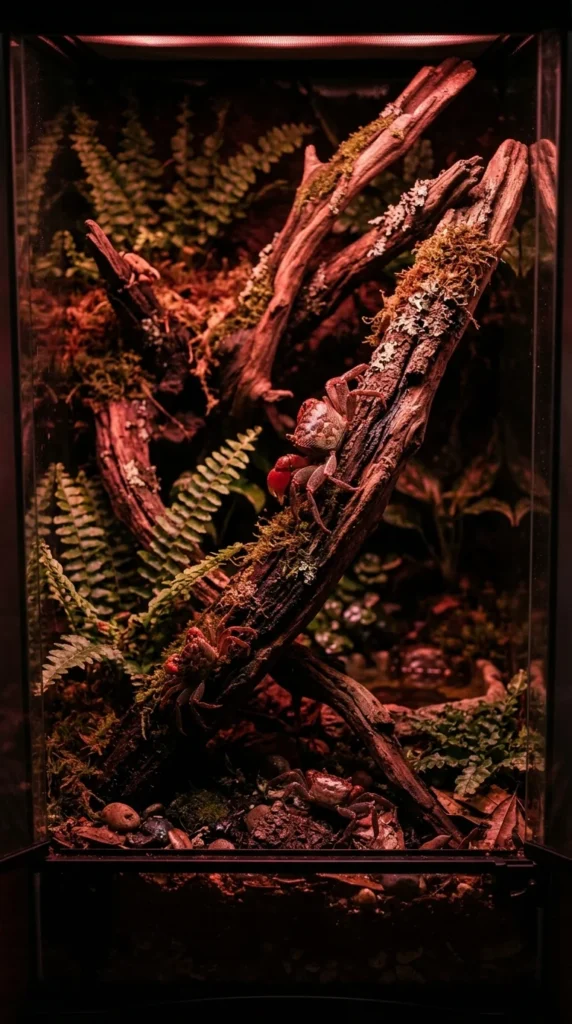
Hermit crabs are nocturnal. If your crabs seem “boring” during the day, it’s because they are sleeping! Use a red or dim blue “moonlight” bulb at night to watch them emerge, eat, and climb. Avoid bright white lights at night, as this disrupts their natural circadian rhythm.
21. Cleaning Schedule

You don’t need to change the substrate frequently (deep substrate can last a year or more if maintained). However, you should “spot clean” daily by removing uneaten food and visible waste. Deep clean the water bowls every few days to prevent slime buildup.
22. Patience and Observation
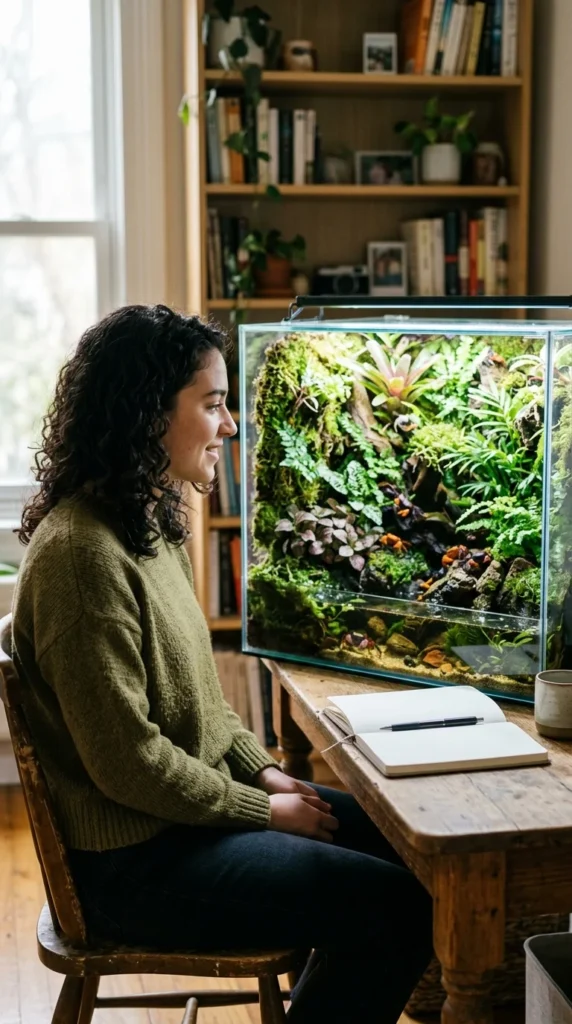
Every hermit crab has a unique personality. Some are bold explorers, while others are shy and prefer to stay hidden. By observing your crabs daily, you will learn their habits and be able to tell immediately if something is wrong, such as a drop in activity or a change in shell-seeking behavior. Patience is the key to a long-lasting bond with these fascinating crustaceans.