

Bringing a new animal into your home is one of the most rewarding experiences life has to offer. However, the “perfect” pet is subjective; it depends entirely on how your daily habits, living situation, and future goals align with the needs of the animal. Making the wrong choice can lead to stress for both the owner and the pet. To ensure a harmonious match, here are 24 essential tips for choosing the right companion for your lifestyle.
1. Space

Before bringing a pet home, evaluate your square footage. A Great Dane in a studio apartment might feel cramped, while a leopard gecko or a Siamese cat would thrive. Consider whether you have a yard for a dog to run in or if you have enough vertical space for a cat to climb. Some pets, like certain rabbit breeds, require surprisingly large roaming areas despite their small size.
2. Schedule

Be honest about how much time you spend at home. If you work 12-hour shifts, a high-energy dog that requires multiple walks will suffer. In contrast, cats are more independent, and reptiles or fish don’t mind your absence as long as their environment is stable. If you are rarely home, a “low-maintenance” pet is a must.
3. Budget

The initial adoption fee is just the beginning. You must account for high-quality food, annual vaccinations, emergency vet visits, grooming, and boarding. Large dogs generally cost more to feed and medicate, while exotic pets like parrots or reptiles may require expensive specialized lighting and heating equipment.
4. Energy

Your pet’s energy level should mirror your own. If you are an avid hiker, an active breed like a Vizsla or a Lab will be your best friend. If your idea of a perfect evening is binge-watching a series on the couch, an older rescue dog or a mellow feline companion is a much better fit.
5. Longevity

Consider the long-term commitment. A hamster may only live two to three years, making them a shorter commitment. On the other hand, cats can live for 20 years, and some bird species or tortoises can outlive their owners. Ensure you are prepared for the animal’s entire lifespan before you commit.
6. Allergies

Dander is a common dealbreaker. If you or someone in your household has allergies, look into “hypoallergenic” breeds like Poodles, Schnauzers, or hairless cats. Alternatively, non-mammalian pets like fish, turtles, or snakes are excellent choices for those who react to fur and dander.
7. Children

If you have young children, you need a pet with a patient and sturdy temperament. Small, fragile animals like hamsters or certain toy dog breeds can be easily injured by a clumsy toddler. Conversely, some large dogs might accidentally knock over a small child. Research breeds known for being “family-friendly.”
8. Grooming

Are you prepared for daily brushing and professional grooming appointments? High-maintenance coats, like those of Poodles or long-haired cats, require significant time and money to prevent matting. If you prefer a “wash and go” lifestyle, look for short-haired breeds or animals that groom themselves.
9. Noise

Some pets are louder than others. Beagles are known for baying, and many birds can scream quite loudly at dawn. If you live in an apartment with thin walls or simply value silence, look for quieter companions like rabbits, guinea pigs, or specific “barkless” dog breeds like the Basenji.
10. Travel
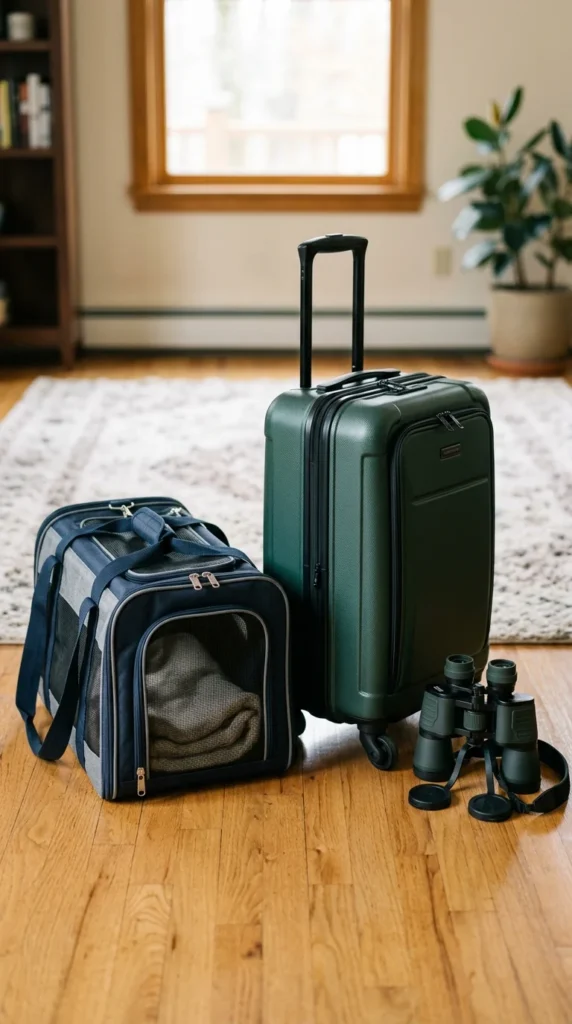
Do you travel often for work or pleasure? Consider how easy it is to transport your pet or find a sitter. Dogs are often easier to take on road trips, while cats are better left at home with a visitor. Specialized pets like lizards or reef tanks require highly trained sitters, which can be difficult to find.
11. Training

Some animals require intense training and mental stimulation. Working dog breeds like German Shepherds need “jobs” to do, or they may become destructive. If you aren’t interested in obedience classes or clicker training, look for a pet that is naturally more laid-back or already house-trained.
12. Nightlife

Many small mammals, such as hamsters and hedgehogs, are nocturnal. This means they will be most active—and possibly nosiest—while you are trying to sleep. If you want a pet to interact with during the day, a diurnal animal like a guinea pig or a dog is a more appropriate choice.
13. Climate

The weather where you live matters. Brachycephalic (flat-faced) breeds like Bulldogs struggle in high heat, while thin-haired breeds like Greyhounds need coats in the winter. Ensure your home environment can be modified to keep your chosen pet comfortable year-round.
14. Experience

Be realistic about your experience level. A saltwater reef tank or a high-strung Belgian Malinois is generally not recommended for first-time owners. Start with a species or breed known for being hardy and forgiving as you learn the ropes of pet ownership.
15. Socialization

Some pets crave social interaction with their own kind, while others are solitary. Guinea pigs, for example, are highly social and should almost always be kept in pairs. Some dog breeds are “dog-park” social, while others prefer the company of only their humans. Match the pet’s social needs to your social habits.
16. Housing

Check your lease or HOA bylaws before you fall in love. Many rentals have weight limits, breed restrictions, or “no pet” policies. Even if you own your home, check if your local municipality has “Exotic Animal” bans that might prevent you from owning certain reptiles or livestock.
17. Purpose

Why do you want a pet? If you want a guardian for your home, a protector-type dog is suitable. If you want a lap warmer, a Cavalier King Charles Spaniel or a cuddly ragdoll cat is perfect. Defining the “role” the pet will play in your life helps narrow down the species.
18. Odor

Every animal has a scent, but some are more pungent than others. Ferrets have a distinct musky odor, and litter boxes require daily maintenance to stay fresh. If you are sensitive to smells, prioritize pets that live in water (like fish) or those that are meticulously clean, like indoor cats.
19. Safety

Do you have the necessary safety infrastructure? For a dog, this means a secure fence. For a cat, it might mean “cat-proofing” balconies or windows. For birds, it means removing ceiling fans and toxic non-stick cookware from the home. Ensure your environment is a “safe zone” for the specific species.
20. Wildlife

Sometimes the best pet for your lifestyle isn’t an indoor one. If you have land, chickens, goats, or honeybees might offer the level of interaction and reward you seek. These “outdoor” pets provide a different rhythm of life and can be highly productive and entertaining.
21. Size

Size impacts everything from the cost of heartworm medication to the ease of transport. A small pet is easier to handle if you have physical limitations, while a larger pet might provide a greater sense of security. Think about how much “physical presence” you want in your home.
22. Health

Research the common health issues of the breed or species you are considering. Some purebred dogs are prone to hip dysplasia, while certain reptiles have very specific humidity requirements to stay healthy. Knowing the potential medical hurdles helps you prepare for future care and costs.
23. Commitment

A pet is a commitment for the duration of its life. If you are planning major life changes—like moving abroad, having a baby, or changing careers—consider how a pet fits into those plans. Senior pets are often a great choice for those who want to provide a loving home but cannot commit to 15+ years.
24. Adoption

Finally, visit a local shelter or rescue group. Spending time with different animals can often flip your expectations. You might go in looking for a puppy and leave with a 5-year-old cat that perfectly matches your energy. Adoption allows you to see the animal’s true personality before making the final decision.