

Finding the right veterinarian is one of the most critical decisions you will make as a pet parent. It is about more than just finding someone to administer vaccines; it is about building a lifelong partnership with a medical professional who understands your pet’s unique needs and your own expectations for care. Whether you have just brought home a new puppy, a senior rescue cat, or an exotic reptile, the search for the right clinic requires due diligence.
From checking credentials to evaluating the “vibe” of the waiting room, every detail counts. Your pet cannot tell the doctor where it hurts, so you need a veterinarian who is not only a skilled medical practitioner but also a keen observer and a compassionate communicator. Here is a comprehensive guide on how to navigate the search and find the healthcare provider your pet deserves.
1. Location

When an emergency happens, every second counts. Choosing a vet located within a 15-to-20-minute drive from your home is more than just a matter of convenience; it is a safety measure. Additionally, a shorter commute reduces the stress of travel for pets who suffer from car anxiety. If you live in a rural area, proximity might be limited, but prioritizing the closest high-quality facility is always a smart move.
2. Recommendations

Word of mouth remains one of the most reliable ways to find a trustworthy vet. Ask friends, family members, and neighbors which clinics they use and why. Specifically, ask about how the vet handles difficult diagnoses or emotional situations. Online reviews on platforms like Google or Yelp can also provide insight, but look for patterns in the feedback rather than focusing on a single disgruntled outlier.
3. Credentials
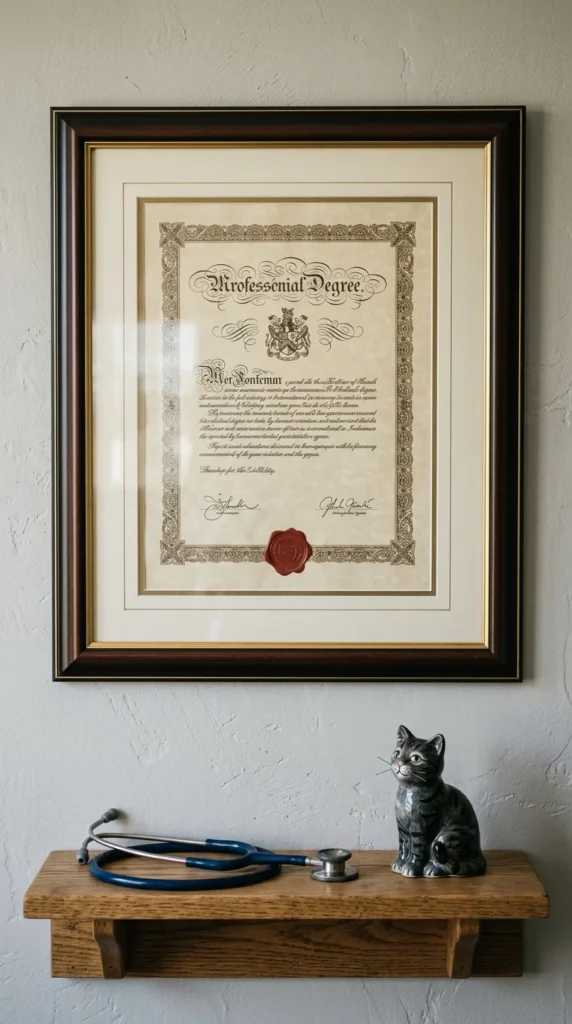
Not all veterinary clinics are created equal. Ensure the veterinarians are licensed to practice in your state and have graduated from an accredited veterinary college. If you have a specific breed or a pet with unique health concerns, look for vets who have pursued board certification in specialties like internal medicine, oncology, or dermatology.
4. Specialization
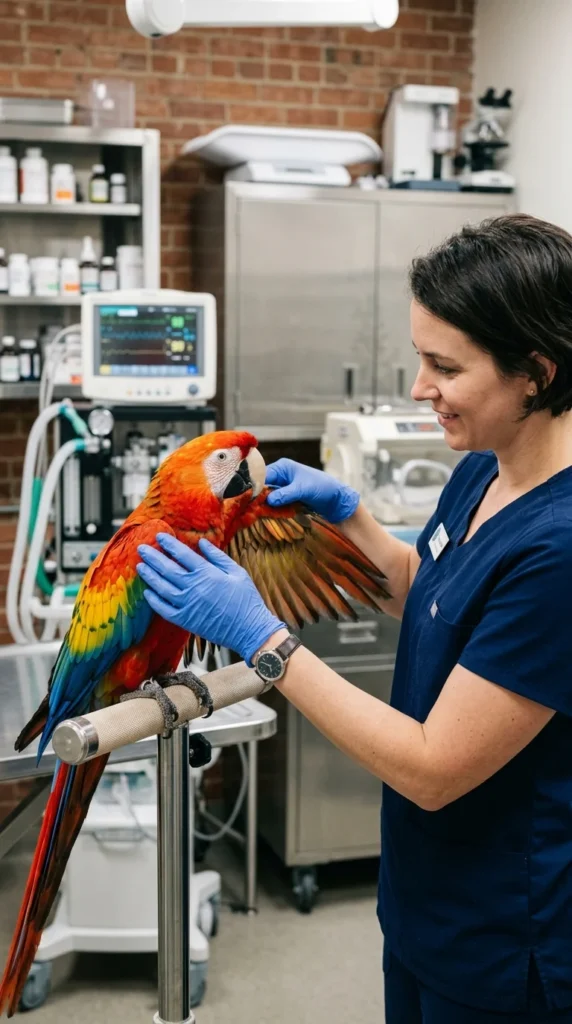
If you own a “pocket pet,” a reptile, or a bird, you cannot take them to just any vet. Many clinics focus primarily on cats and dogs. Exotic animals require specialized knowledge regarding their anatomy, husbandry, and common ailments. Always confirm that the clinic has a staff member who is specifically trained and comfortable treating your particular species of pet.
5. Sanitation

First impressions of the facility’s cleanliness are vital. A veterinary clinic should smell clean—not like heavy perfume or stale urine. While accidents happen in a place full of animals, the staff should be quick to sanitize surfaces. A clean environment isn’t just about aesthetics; it is essential for preventing the spread of contagious diseases between patients.
6. Connection

“Bedside manner” is just as important in veterinary medicine as it is in human medicine. Observe how the vet interacts with your pet. Do they rush through the exam, or do they take the time to let your pet sniff the equipment and get comfortable? A vet who treats your pet with genuine affection and patience will make every visit much more pleasant for everyone involved.
7. Emergencies

Does the clinic handle its own emergencies, or do they refer patients to a 24-hour trauma center after hours? You need to know the protocol for a midnight crisis before it actually happens. If they do refer out, make sure the emergency hospital they recommend is one you are comfortable with and that the two facilities share medical records seamlessly.
8. Equipment
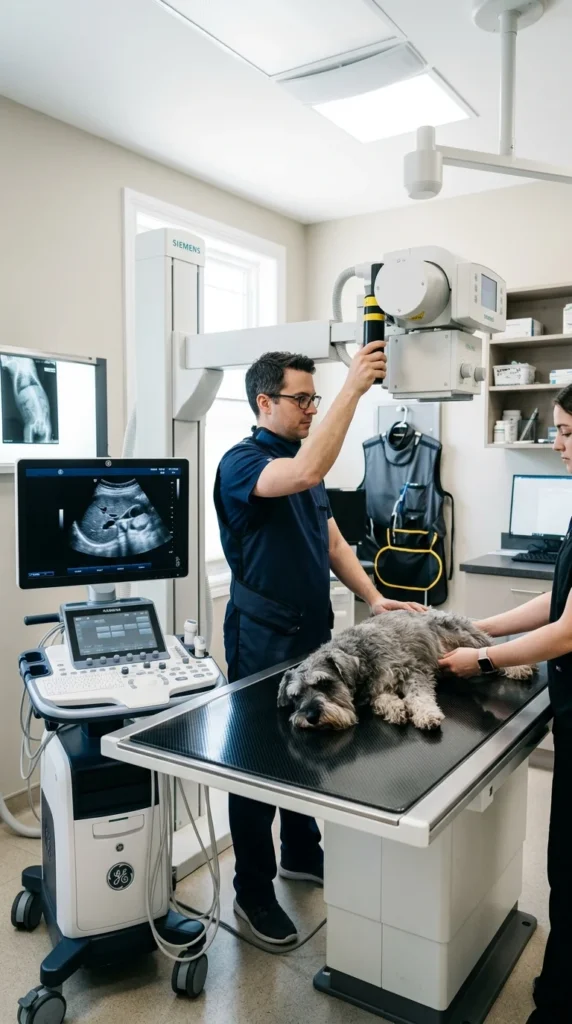
Modern medicine relies heavily on technology. Ask the clinic if they have in-house diagnostic tools like digital X-rays, ultrasound, and a full laboratory for bloodwork. Having these tools on-site means faster results and quicker treatment for your pet, which can be lifesaving in critical situations.
9. Budget
Veterinary care can be expensive, and it is important to find a clinic that fits your financial reality. Don’t be afraid to ask for a price list of common procedures like wellness exams, vaccinations, and dental cleanings. Inquire if they accept pet insurance or offer third-party financing plans like CareCredit to help manage unexpected costs.
10. Dialogue

You are your pet’s advocate, so you need a vet who listens to you. A good veterinarian should explain diagnoses in plain English, present various treatment options, and never make you feel guilty for asking questions. Communication should be a two-way street where your observations as an owner are valued and integrated into the care plan.
11. Punctuality

While emergencies can occasionally cause delays, a clinic that is constantly running an hour behind schedule may be overbooked. This often leads to rushed appointments and stressed staff. During your first visit, take note of the wait time and the general atmosphere. A calm, well-managed schedule usually translates to better care for your pet.
12. Teamwork

The veterinarian is only one part of the equation. You will interact frequently with the receptionists, vet techs, and assistants. Are they friendly? Do they seem to enjoy their jobs? A high turnover rate or a stressed-out staff can be a red flag regarding the management of the clinic, which ultimately affects the quality of care your pet receives.
13. Accreditation
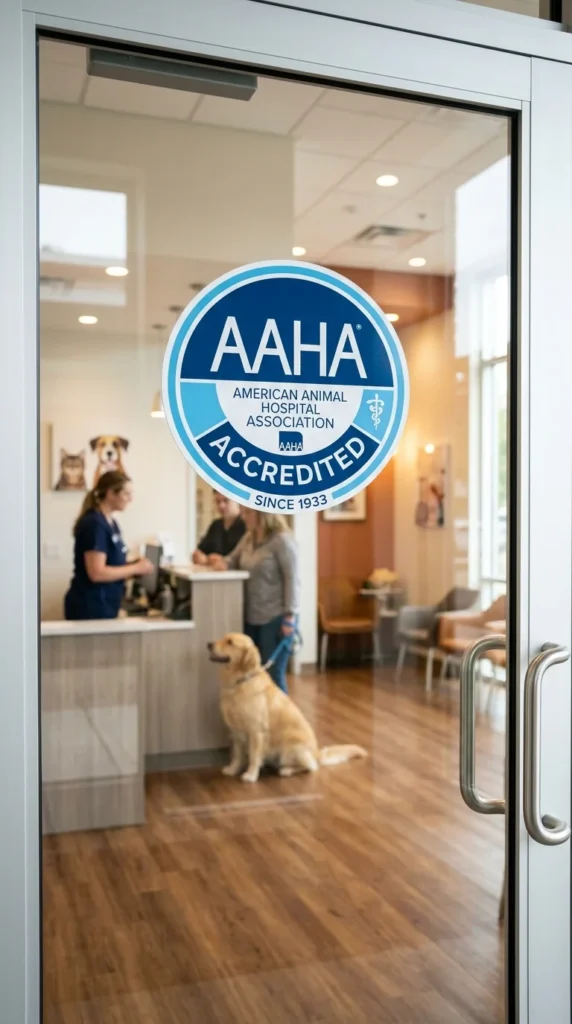
The American Animal Hospital Association (AAHA) sets high standards for veterinary excellence. Clinics that are AAHA-accredited have undergone rigorous evaluations on hundreds of standards ranging from pain management to medical record-keeping. Choosing an accredited clinic ensures a baseline of high-quality care that is voluntarily maintained.
14. Alternatives

If you are interested in holistic or integrative medicine, look for a vet who is open to or trained in alternative therapies. This might include acupuncture, chiropractic care, laser therapy, or herbal supplements. Even if you prefer traditional medicine, a vet who stays informed about integrative options often has a more well-rounded approach to pet wellness.
15. Value

If you have a multi-pet household, costs can add up quickly. Some clinics offer “multi-pet discounts” or wellness packages that bundle annual exams and vaccines for a lower total price. Ask about these options early on to see how the clinic can help you provide the best care for all your animals without breaking the bank.
16. Orientation
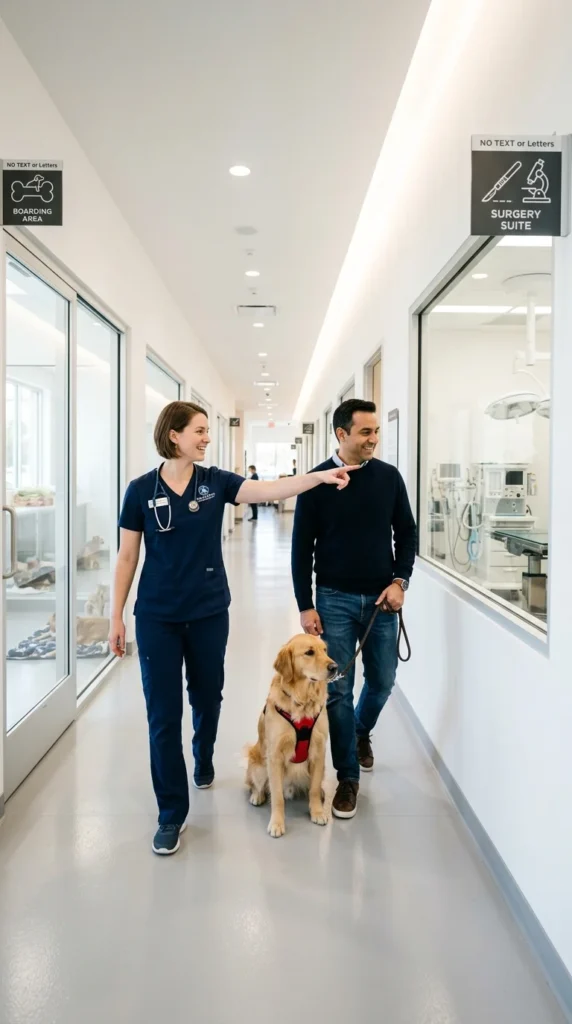
Many clinics are happy to give prospective clients a tour of the facility. This is a great opportunity to see the “back of the house.” Check the surgery suites, the recovery cages, and the boarding areas. If a clinic refuses to let you see where your pet will be staying or treated, it might be worth considering why they are hesitant.
17. Honesty

Transparency is key to a trusting relationship. A good vet will provide you with a written estimate before performing major procedures or surgeries. They should be honest about the prognosis of a condition and the potential risks of a treatment. You want a vet who prioritizes your pet’s quality of life over unnecessary or expensive testing.
18. Pharmacy

Convenience matters when your pet needs medication. Check if the clinic has a well-stocked in-house pharmacy or an easy-to-use online ordering system. Additionally, ask if they are willing to write prescriptions that you can fill at local human pharmacies or reputable online retailers, which can sometimes save you money.
19. Referrals
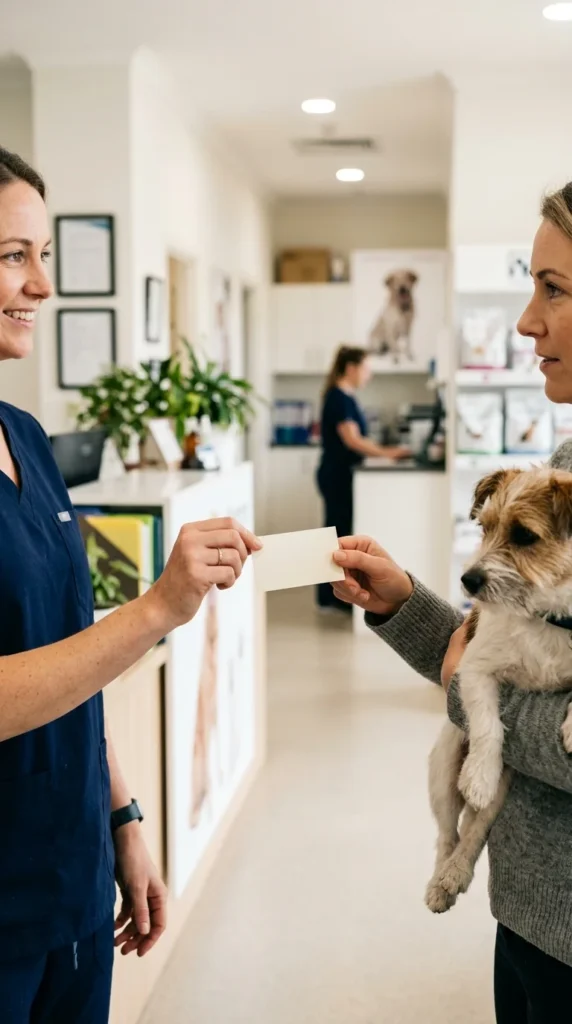
No single vet can be an expert in everything. A great general practitioner knows when a case is beyond their scope and will proactively refer you to a specialist. Ask the vet which specialty hospitals they partner with for complex issues like cardiac surgery, advanced imaging, or intensive behavioral therapy.
20. Intuition

At the end of the day, trust your gut. If you leave an appointment feeling unheard, confused, or uneasy, that clinic probably isn’t the right fit. You should feel a sense of relief and confidence after a vet visit, knowing your pet is in the best possible hands. Your peace of mind is just as important as the clinical expertise provided.