Understanding our pets can sometimes feel like trying to solve a beautiful, silent mystery. Since they can’t use words to tell us they’re feeling great, we have to rely on their body language, habits, and energy levels. A happy pet isn’t just one that isn’t sick; it’s a pet that is emotionally fulfilled, physically active, and deeply bonded with their human family. Whether you have a playful pup, a dignified cat, or a curious bunny, these eighteen signs are the universal “thumbs up” of the animal kingdom.
1. Relaxed Body

A happy pet carries no tension in its frame. When a dog or cat is stressed, their muscles are taut, their ears might be pinned back, and their body looks ready to bolt or fight. Conversely, a thriving pet has a loose, wiggly gait. If your dog wiggles their entire back half when they see you, or if your cat lounges with their limbs stretched out in every direction, it’s a sign they feel completely safe in their environment. This physical relaxation is the foundation of emotional well-being.
2. Healthy Appetite

While every pet has different eating habits, a consistent and enthusiastic appetite is a major indicator of health and happiness. A thriving pet looks forward to mealtime and eats with gusto. If your pet is excited about their treats and finishes their meals without hesitation, it shows their digestive system is functioning well and they aren’t suffering from anxiety or hidden pain. Sudden changes in appetite are often the first sign of distress, so a “foodie” pet is usually a happy one.
3. Playful Bursts
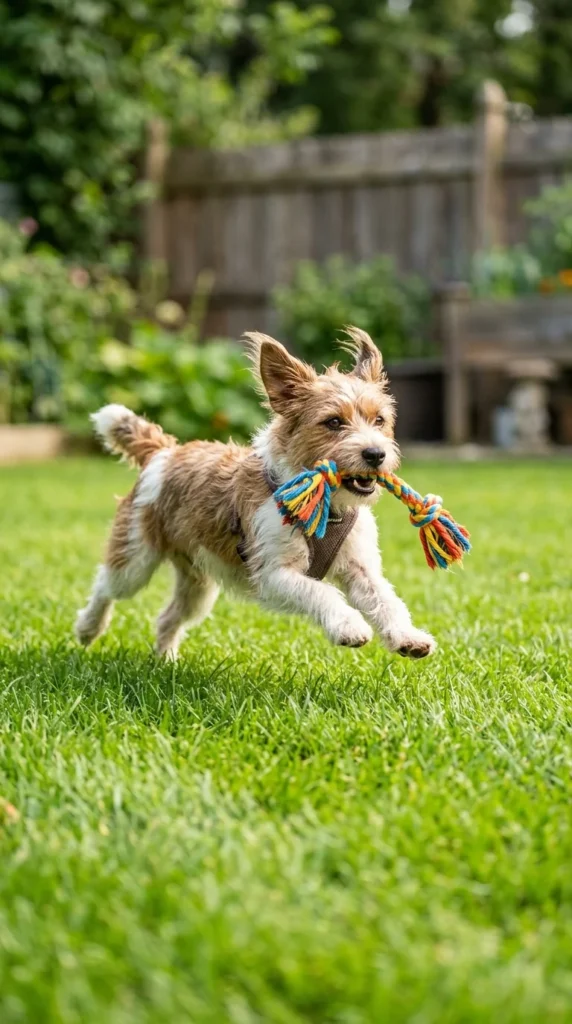
Often referred to as the “zoomies” or Frenetic Random Activity Periods (FRAPs), these sudden bursts of energy are a hallmark of a happy animal. When your cat suddenly decides to scale the bookshelf at 10 PM or your dog starts doing laps around the coffee table, they are releasing pent-up joy and energy. These moments show that your pet feels spirited and has the physical stamina to enjoy their life to the fullest.
4. Deep Sleep
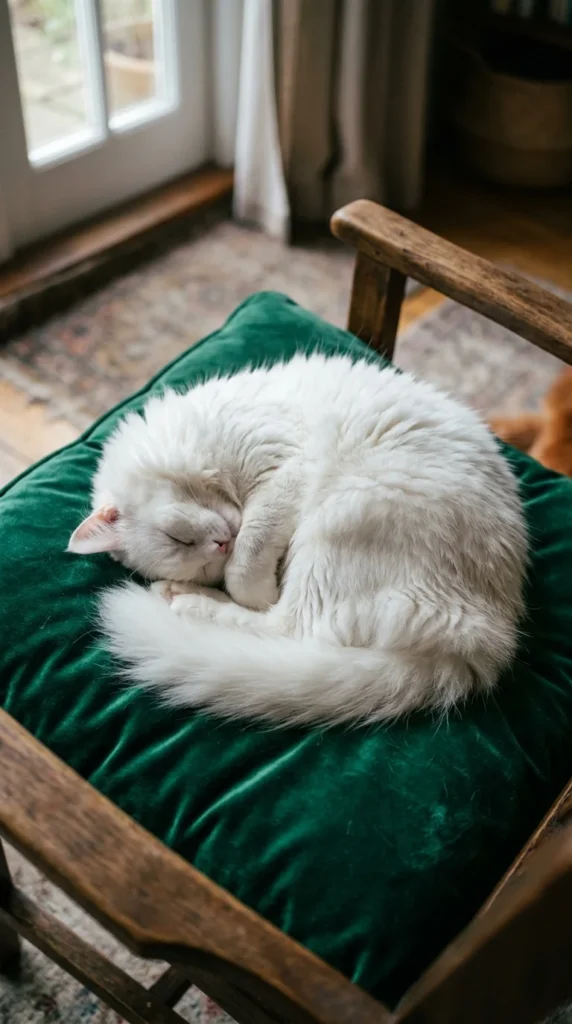
Quality sleep is just as important for animals as it is for humans. A pet that is thriving will have no trouble falling into a deep, restorative sleep. You might see their paws twitch or hear small muffled barks as they dream. This indicates that they feel secure enough in their home to let their guard down completely. If a pet is constantly waking up at the slightest noise, they may be on high alert; but the pet that snores through the vacuuming is a pet that knows they are safe.
5. Soft Eyes

The eyes truly are the windows to a pet’s soul. In the animal world, a hard, fixed stare can be a sign of aggression or fear. However, a happy pet will have “soft” eyes. This means their eyelids are relaxed, and they may blink slowly at you (especially common in cats, where it’s known as a “cat kiss”). Dilated pupils in a calm setting or a gentle, squinty gaze are signs that your pet is comfortable and trusts you implicitly.
6. Physical Affection
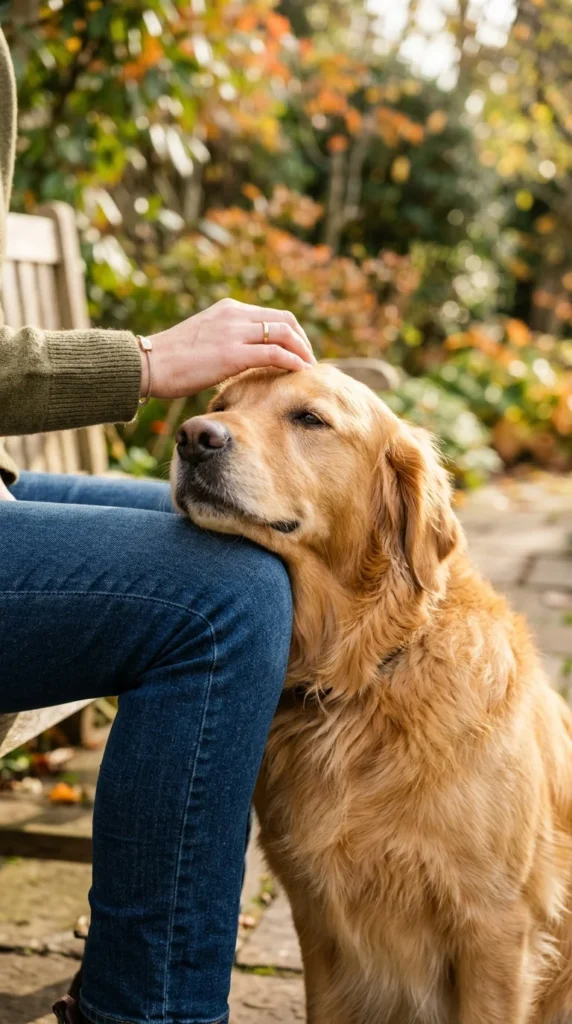
Thriving pets actively seek out physical contact with their owners. This doesn’t always mean constant cuddling; it can be as simple as a dog leaning against your leg while you wash dishes or a cat “head-butting” (bunting) your hand. This behavior is a way of marking you as part of their pack or family. When a pet initiates touch, they are reinforcing their social bond with you, which is a vital component of their emotional health.
7. Enthusiastic Greetings
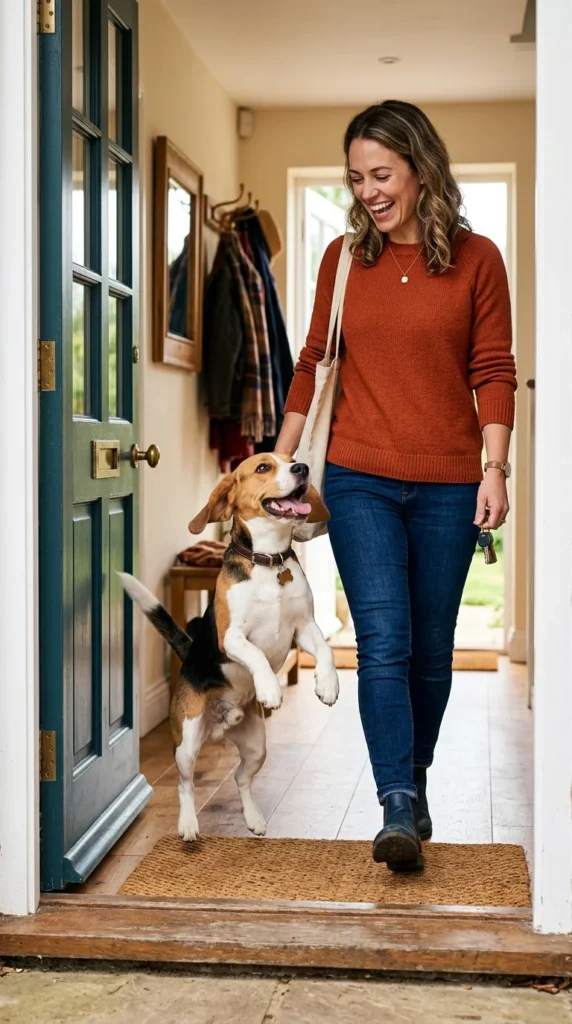
Does your pet act like you’ve been gone for ten years, even if you just stepped out to get the mail? Enthusiastic greetings are a surefire sign of a strong attachment. A happy dog will wag their tail, perhaps grab a toy to show you, or do a “happy dance.” A happy cat may rub against your ankles and purr loudly. This immediate positive reaction to your presence shows that you are the highlight of their day.
8. Belly Exposure
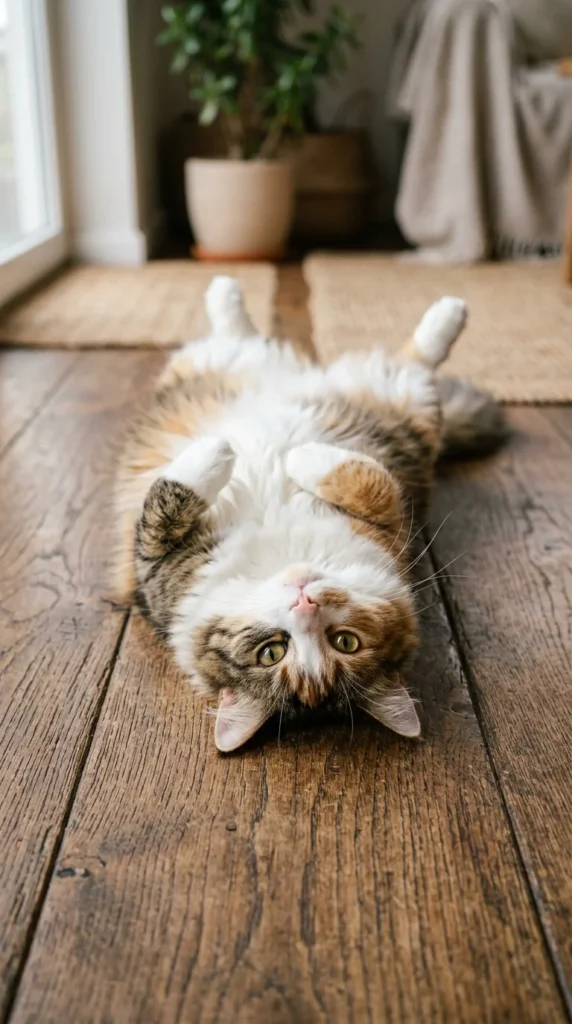
In the wild, the belly is the most vulnerable part of an animal’s body. When a pet rolls over to show you their tummy, it is the ultimate gesture of trust. They are telling you that they know you would never hurt them. While not all pets want their bellies rubbed (looking at you, cats!), the act of exposing it while lounging near you is a sign of total security and happiness in their environment.
9. Vocal Communication

While excessive barking can be a sign of stress, “happy” vocalizations are easy to distinguish. This includes the soft “purr” of a cat, the gentle “woof” of a dog during play, or even the complex chirps of a bird. Some pets are more talkative than others, but if your pet uses their voice to engage with you, ask for play, or express their excitement during mealtime, they are effectively communicating their needs and joy.
10. Social Curiosity
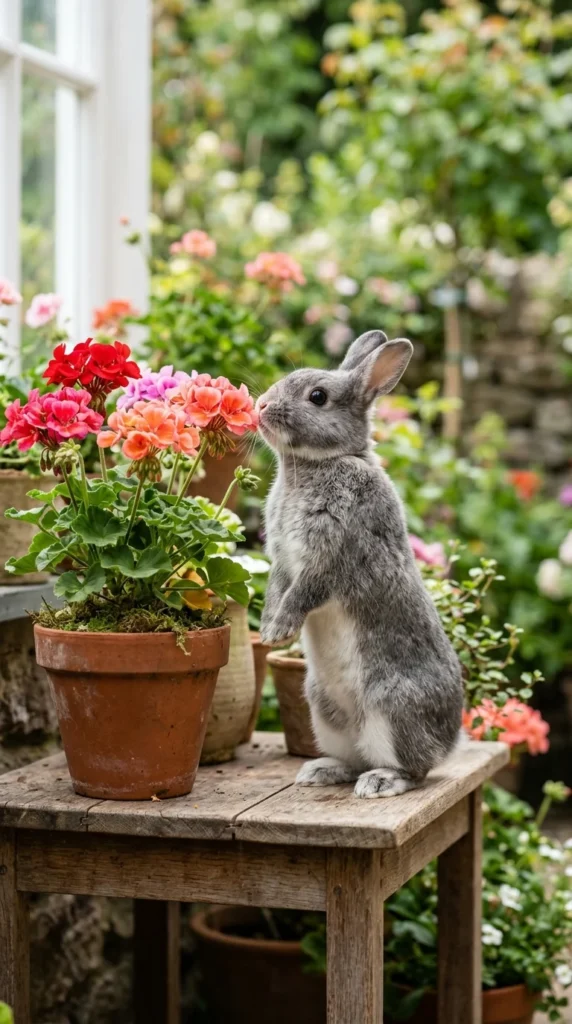
A happy pet is a curious pet. When they are thriving, they take an interest in their surroundings. This might mean investigating a new shopping bag, sniffing a guest’s shoes, or watching birds through the window. An anxious or unhappy pet will often hide or withdraw, whereas a thriving pet wants to know what’s going on in their world. This intellectual stimulation is key to preventing boredom and depression.
11. Destructive-Free Play
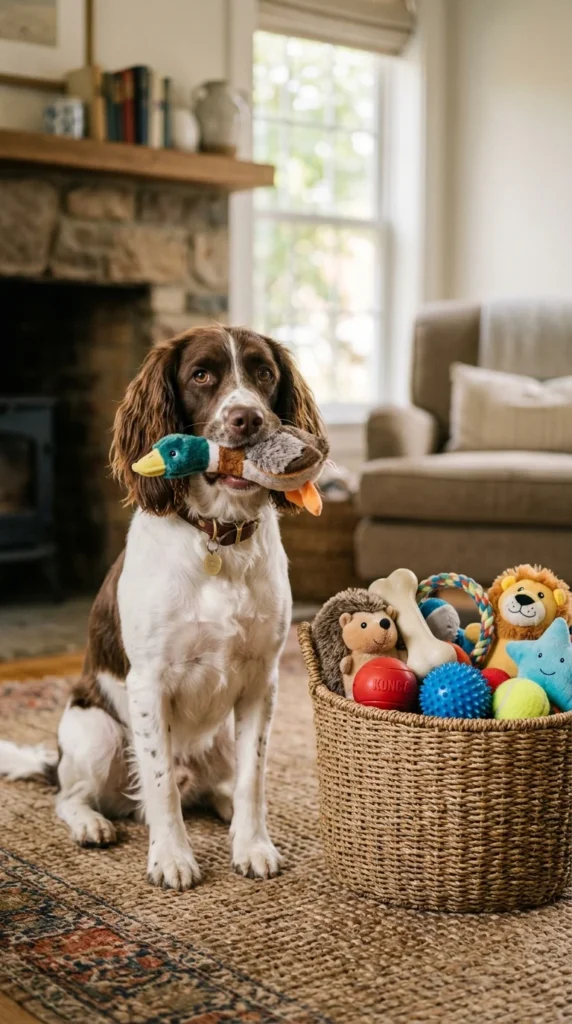
While puppies and kittens go through chewing phases, a thriving adult pet generally engages in “constructive” play. They play with their toys rather than your furniture or shoes. If a pet is happy and gets enough exercise and mental stimulation, they won’t feel the need to “act out” by destroying household items. A pet that knows how to play appropriately is a pet that is getting its needs met.
12. Lean In
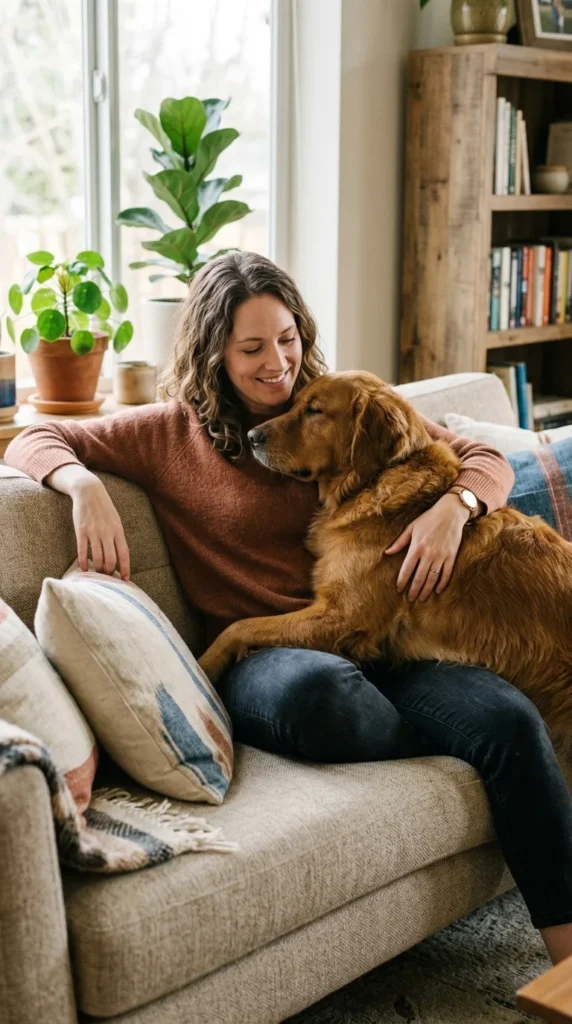
The “lean” is a specific behavior, particularly in dogs, where they put their weight against you. It’s a physical way of saying, “I’m here, and I want to be near you.” It’s a sign of affection and a desire for security. When your pet chooses to be in your personal space—even if they aren’t looking for pets—they are showing that your presence is their “safe zone.”
13. Regular Grooming
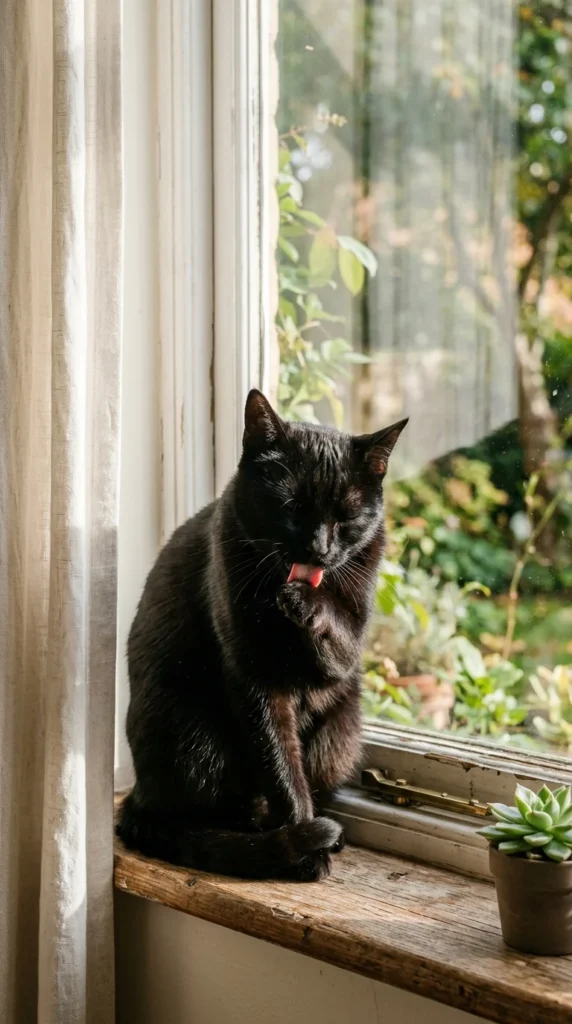
A pet that feels good will take care of itself. For cats, this means regular grooming sessions that keep their coat sleek and clean. For dogs, it means they don’t mind being brushed and generally maintain a healthy coat. However, there is a balance; over-grooming (to the point of bald spots) is a sign of stress. A thriving pet finds the “Goldilocks” zone of grooming—keeping clean without being obsessive.
14. Tail Language

The tail is a powerful communication tool. For dogs, a “full-body wag” that starts at the shoulders is a sign of pure joy. For cats, a tail held high with a slight curl at the top (like a question mark) is a sign of a friendly, confident mood. Understanding the nuances of your pet’s tail can give you an instant readout of their emotional state. A stiff or tucked tail usually means trouble, but a fluid, moving tail is the rhythm of happiness.
15. Eagerness to Learn
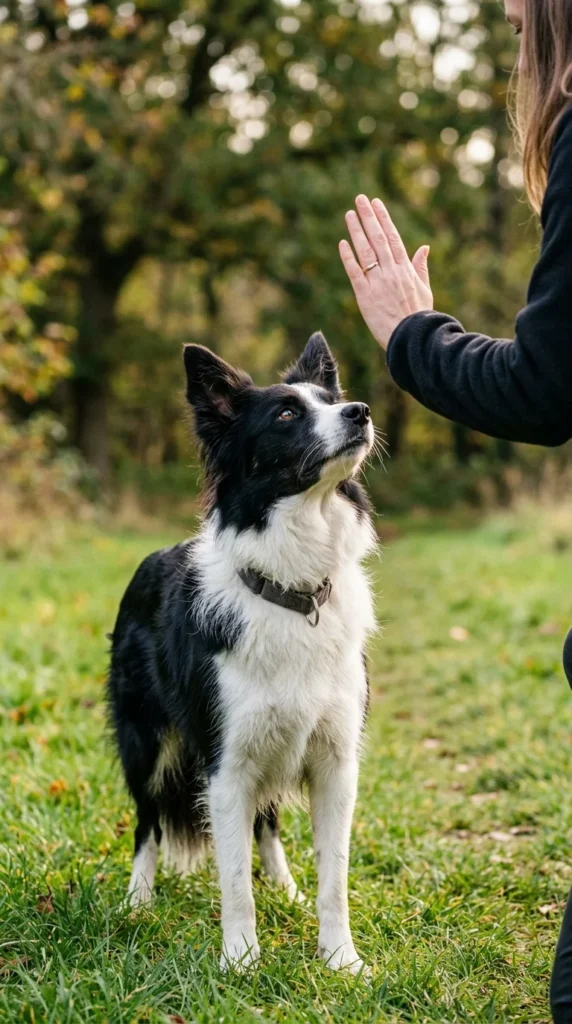
Thriving pets have “brain power” to spare. When a pet is happy, they are often eager to engage in training sessions or learn new tricks. This isn’t just about obedience; it’s about the joy of the challenge and the reward of working with you. A pet that is stressed or shut down will struggle to focus, but a happy pet will look at you with anticipation, waiting for the next command or puzzle to solve.
16. Consistent Routine
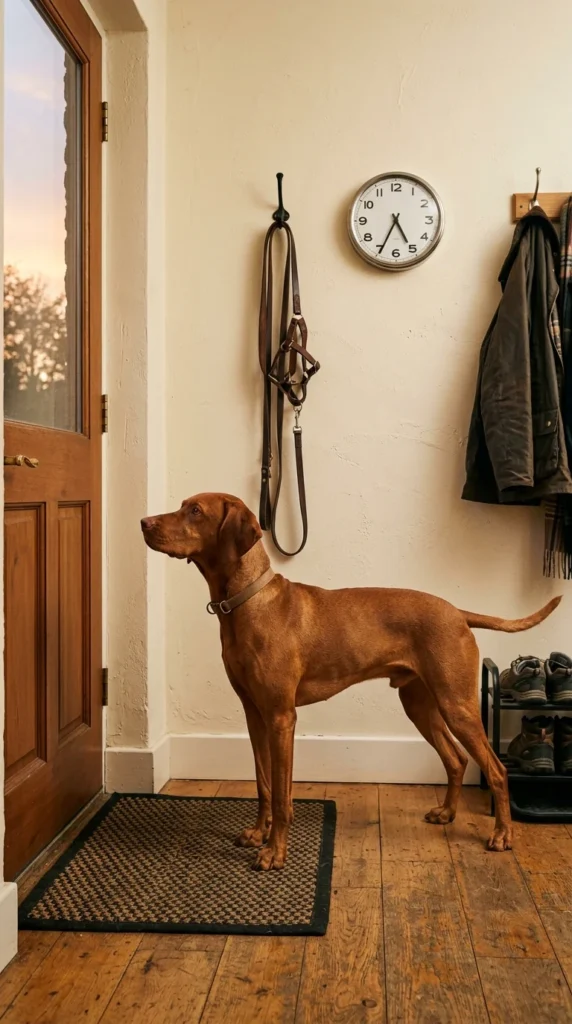
Pets thrive on routine, and a happy pet is one that understands and anticipates the flow of the day. If your pet knows exactly when it’s time for a walk, when dinner is served, or when you usually settle down for TV time, it shows they feel stable. This predictability reduces anxiety and allows them to relax throughout the rest of the day, knowing their needs will always be met.
17. Healthy Weight
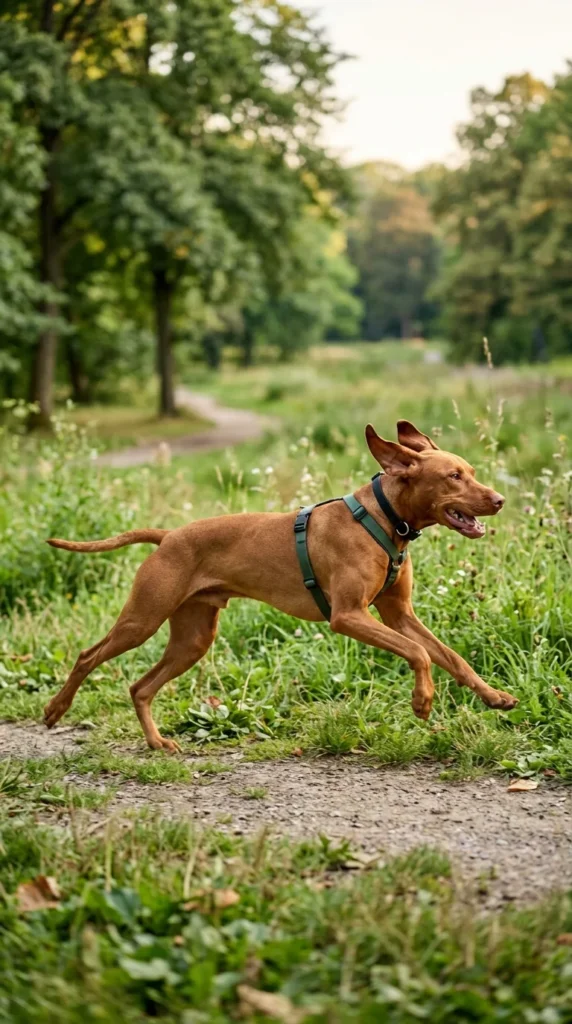
Physical health is the bedrock of happiness. A thriving pet is kept at an ideal weight—not too thin and not overweight. Excess weight can lead to joint pain and lethargy, which robs a pet of their ability to play and explore. A pet that is fed a balanced diet and kept active will have the energy to engage with life, making physical fitness a key indicator of their overall well-being.
18. The “Happy Smile”
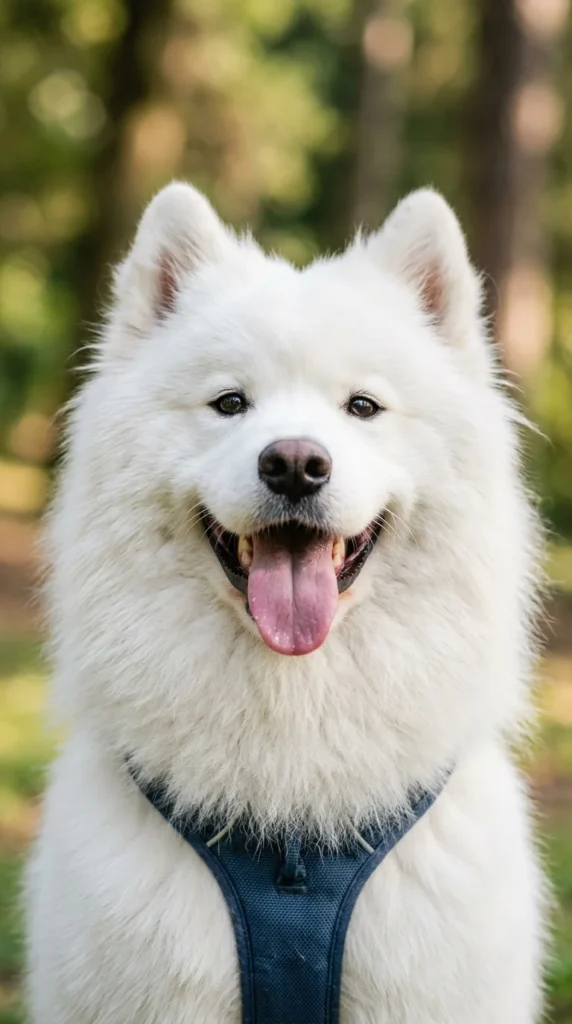
While animals don’t smile exactly like humans do, they have their own version. In dogs, this is often a relaxed, open mouth with a lolling tongue and squinty eyes. In cats, it’s a calm, neutral mouth with “heavy” eyelids. When you see your pet looking at you with this relaxed, joyful expression, you don’t need a scientist to tell you they’re happy. You can feel it. It’s the ultimate sign that you are doing a great job as a pet parent.