Halloween is a time for spooky fun, creative costumes, and sweet treats. However, for our four-legged companions, this holiday can be a minefield of hidden dangers. From toxic snacks to frightening noises, the festivities can quickly turn into a trip to the emergency vet if owners aren’t careful. To ensure your furry friends have a “ghoul-free” and safe October 31st, here are 16 essential safety tips to follow.
1. Candy Bowl
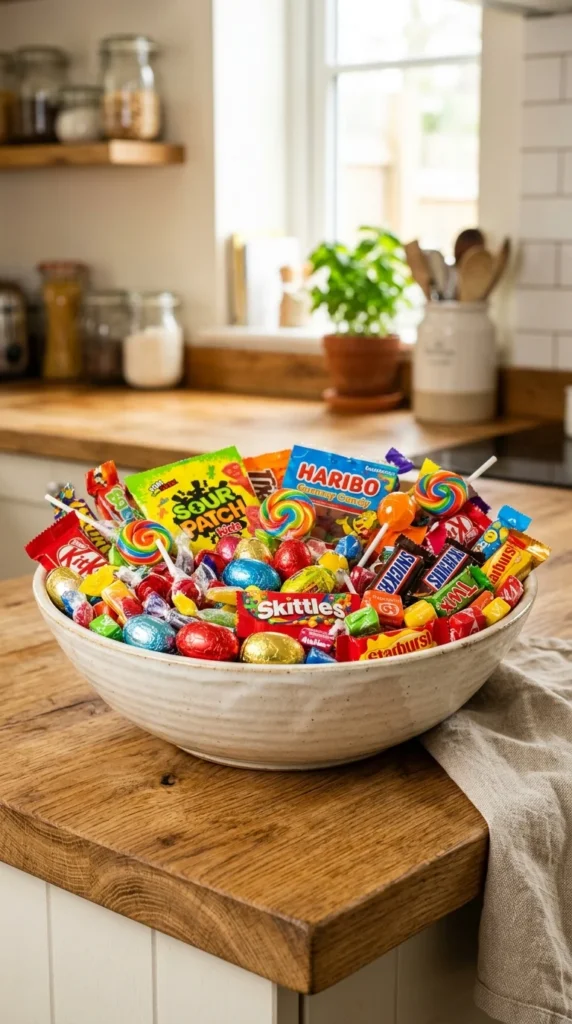
The most obvious danger during Halloween is the candy bowl. Most human treats are not meant for pets. While many owners know to keep candy away, curious pets can be quite stealthy. Dogs, in particular, have a keen sense of smell and can easily sniff out a stash left on a coffee table or a bag of loot brought home by children.
- Store all candy in high, closed cabinets.
- Educate children on why they shouldn’t share their haul with the dog or cat.
- Be vigilant about dropped wrappers, which can cause intestinal blockages if swallowed.
2. Dark Chocolate

Chocolate is perhaps the most well-known toxin for dogs and cats. It contains theobromine and caffeine, both of which are methylxanthines that pets cannot metabolize effectively. Dark chocolate and baker’s chocolate are significantly more dangerous than milk chocolate because they contain higher concentrations of these compounds. Ingestion can lead to vomiting, diarrhea, rapid breathing, increased heart rate, seizures, and even death.
3. Xylitol Danger
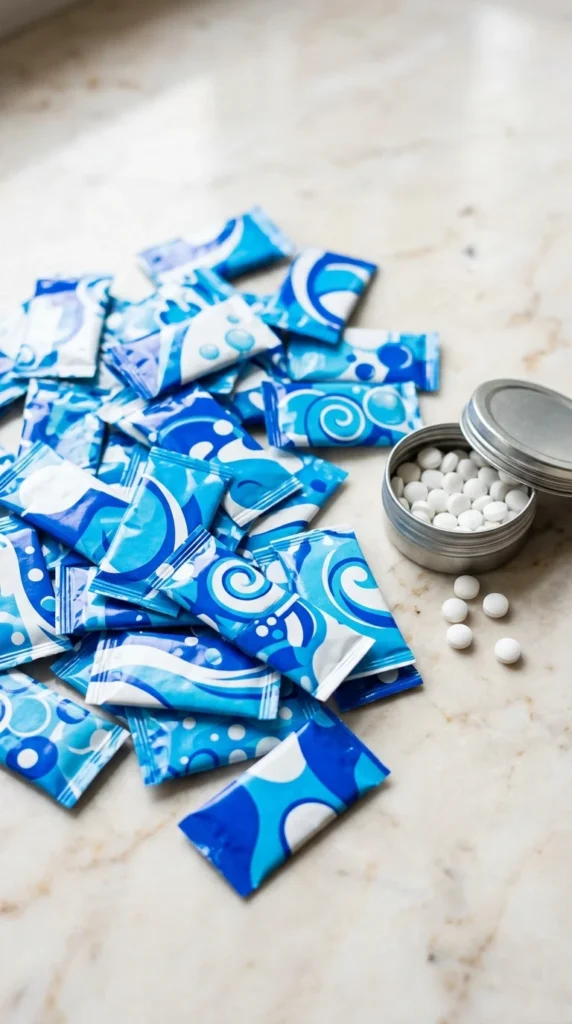
Many sugar-free candies and gums contain Xylitol, a sugar substitute that is extremely toxic to dogs. Even a small amount can cause a life-threatening drop in blood sugar (hypoglycemia) and liver failure. Because Xylitol is appearing in more products every year—including some peanut butters—it is vital to read every label. If you suspect your pet has eaten anything containing Xylitol, seek veterinary help immediately.
4. Costume Fit
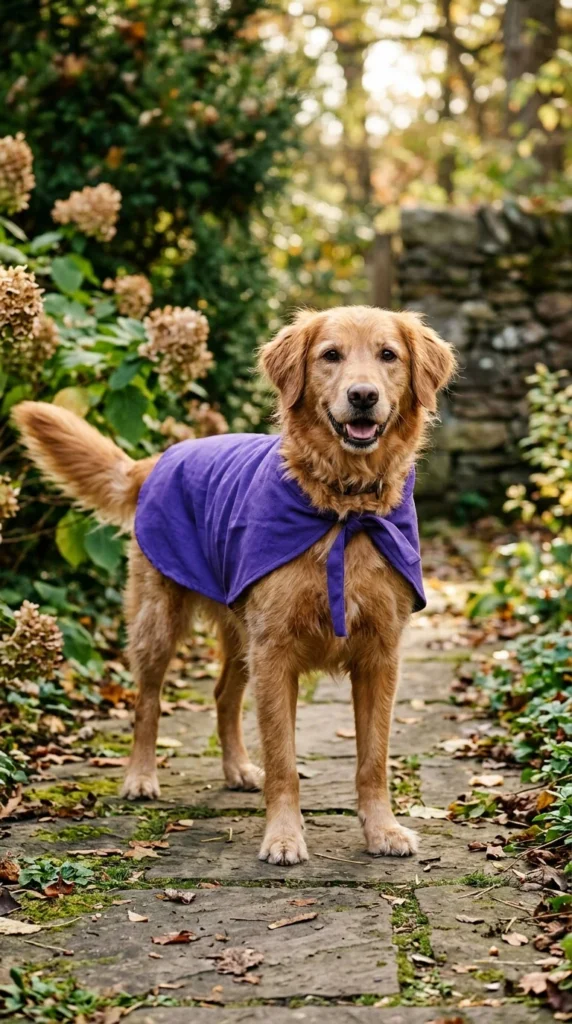
Dressing up your pet can be adorable, but their comfort should always come first. A costume should never restrict a pet’s movement, hearing, or ability to breathe and bark. If your pet seems stressed, freezes in place, or tries to chew the costume off, it’s best to let them go “au naturel” or stick to a simple festive bandana.
- Try the costume on before the big night to check for irritation.
- Ensure the outfit isn’t too tight around the neck or chest.
- Never leave a costumed pet unsupervised.
5. Small Parts
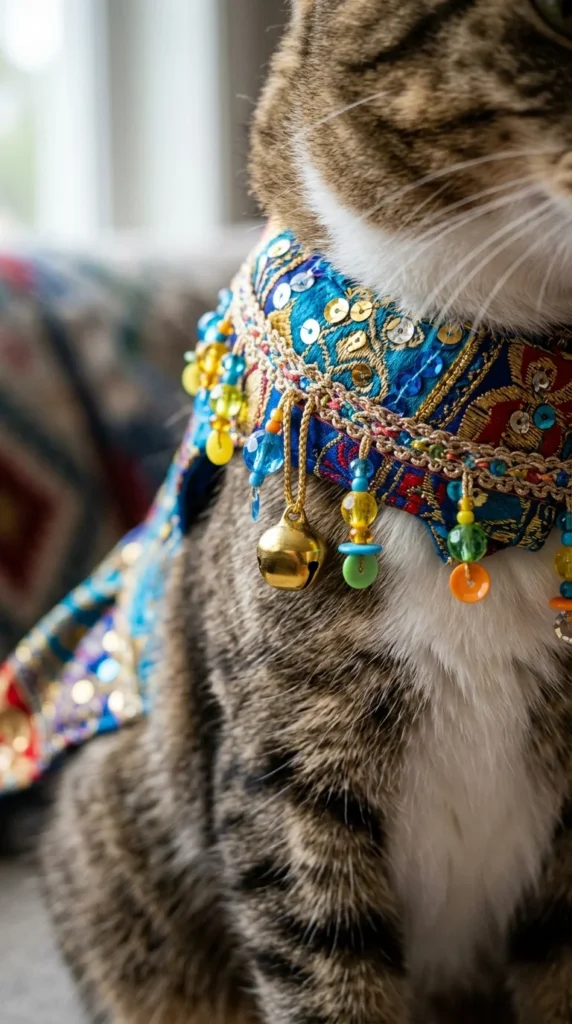
When choosing or making a costume, look out for small parts that could be easily chewed off and swallowed. Buttons, sequins, dangling strings, or plastic eyes can pose a serious choking hazard or lead to a painful bowel obstruction. Cats are especially prone to playing with and swallowing strings or ribbons, which can cause a life-threatening “linear foreign body” in their intestines.
6. Obstructed Vision
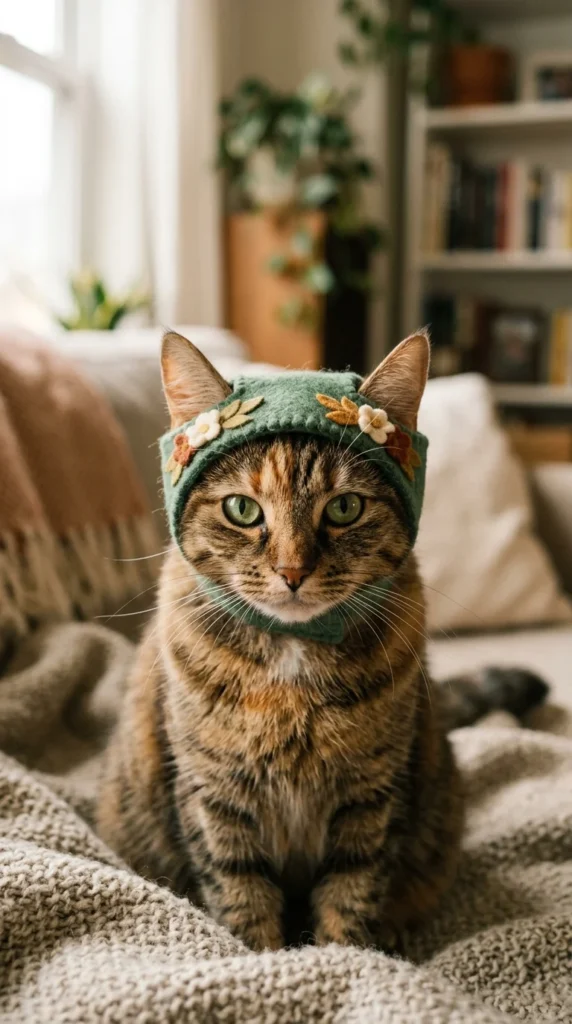
Many pet costumes come with masks or hats. If these shift during movement, they can block your pet’s peripheral or direct vision. A pet that cannot see clearly is likely to become anxious, tripped over, or accidentally aggressive if they are startled by a sound they can’t visually identify. Always prioritize outfits that leave the head and face completely free.
7. Toxic Makeup
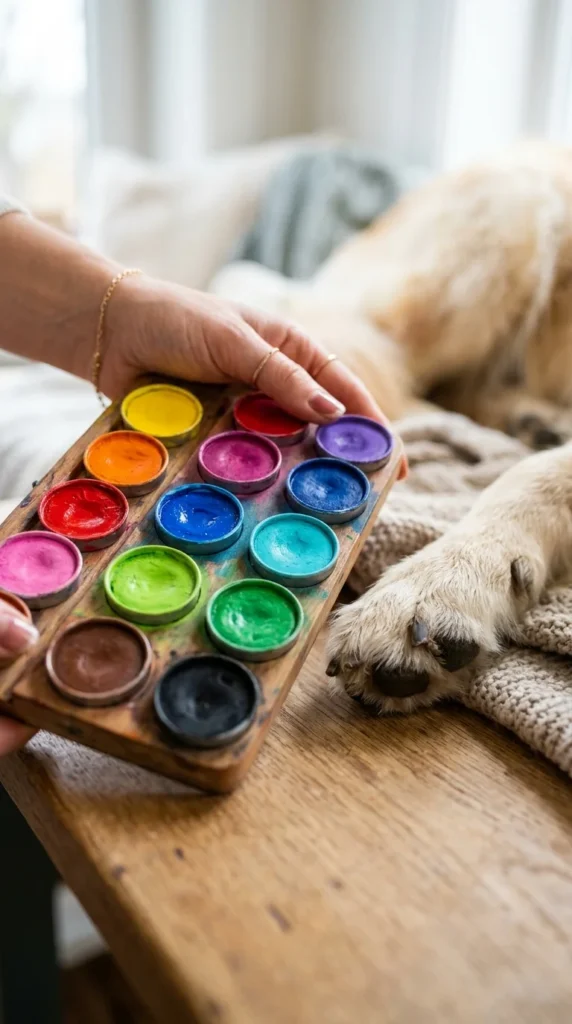
It might be tempting to use “human” hair dye or face paint to give your pet a spooky look, but many of these products contain chemicals that are toxic if ingested. Pets groom themselves by licking, meaning anything you put on their fur will eventually end up in their stomach. If you must add color, only use products specifically labeled as “pet-safe” and non-toxic, and avoid the eye and mouth areas entirely.
8. Glow Sticks
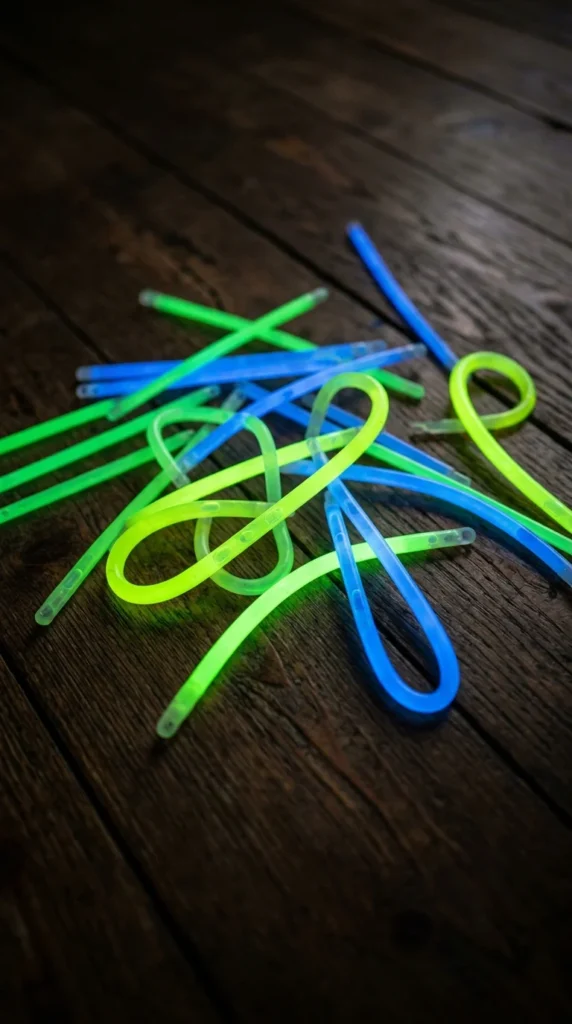
Glow sticks and glow jewelry are popular for trick-or-treating visibility, but they are a hazard for pets. While the liquid inside is usually labeled non-toxic for humans, it has an extremely bitter taste that can cause pets to drool excessively, act agitated, or even vomit. If a pet bites into a glow stick, the chemical can also cause a painful reaction in the mouth. Keep these items well out of reach.
9. Jack-O’-Lanterns
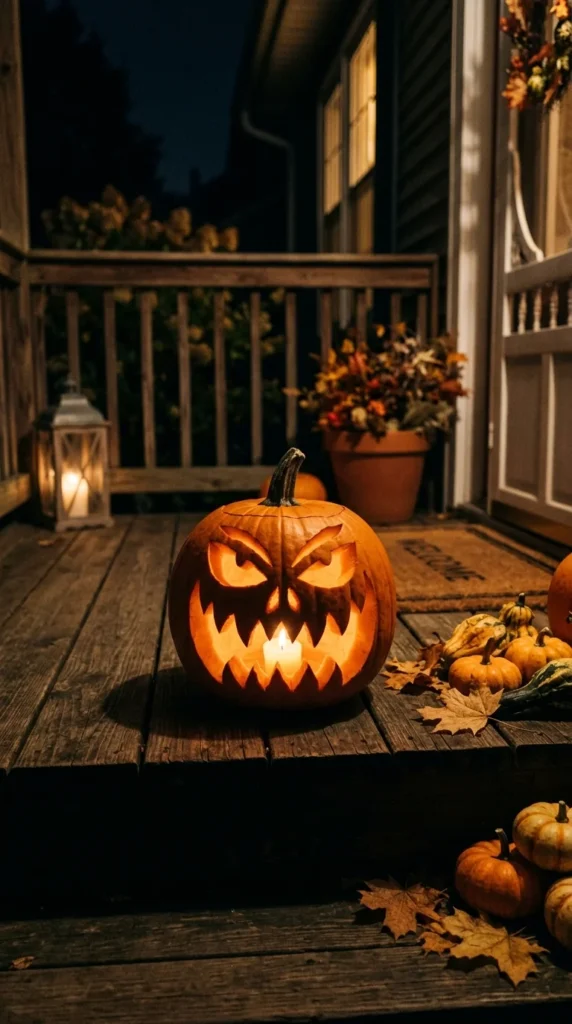
A lit pumpkin is a classic Halloween staple, but it poses a significant fire risk when pets are involved. An excited dog with a wagging tail or a curious cat can easily knock over a jack-o’-lantern, leading to burned paws or a house fire. Furthermore, the smoke and scent of a burning candle can be irritating to some pets.
- Use battery-operated LED tea lights instead of real candles.
- Place pumpkins in areas where pets cannot reach them.
10. Electric Cords
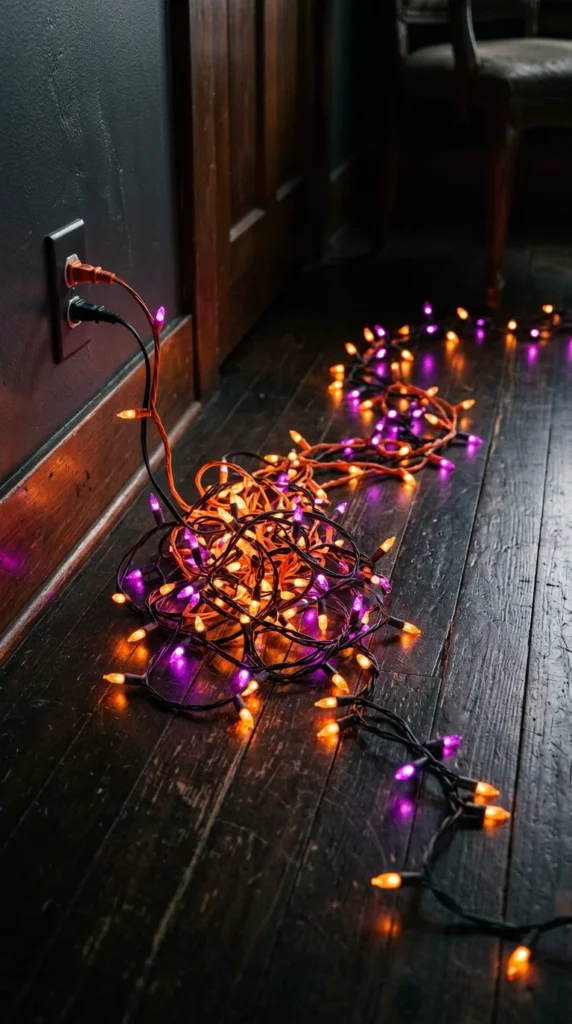
Decorative lights create a wonderful atmosphere, but they can be a major hazard for “chewers.” Puppies and kittens are especially prone to gnawing on wires, which can result in electric shocks or life-threatening pulmonary edema (fluid in the lungs). Use cord protectors or keep decorations high and out of reach of curious mouths.
11. Door Etiquette
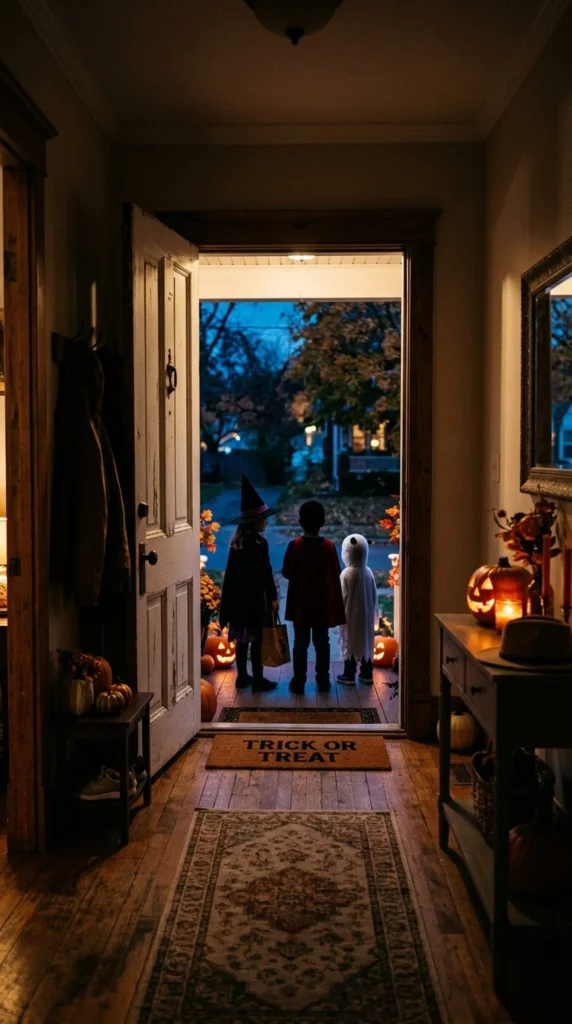
The constant opening and closing of the door for trick-or-treaters provides the perfect opportunity for a nervous pet to bolt outside. Between the strange costumes and the frequent ringing of the doorbell, even the most well-behaved pet can become overwhelmed and attempt to escape.
- Keep pets in a separate room away from the front door.
- Use a baby gate to create a secondary barrier.
- Make sure your pet is wearing a collar even while inside.
12. Microchip Check
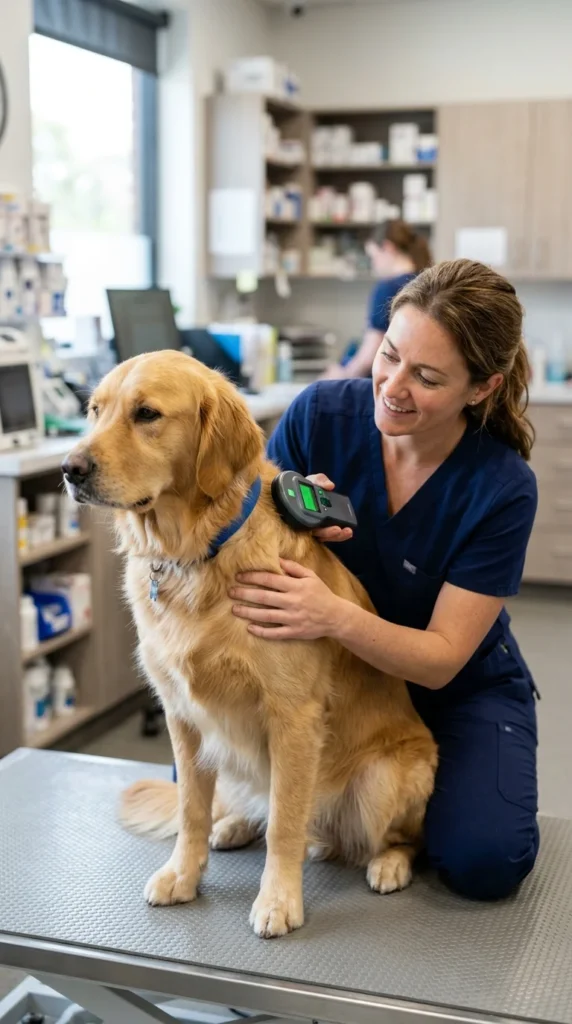
Halloween is one of the peak times for lost pets. In the event that your pet does manage to slip out the door, a microchip is their best ticket home. Use the weeks leading up to Halloween to ensure your pet’s microchip information is up to date with your current phone number and address. If your pet isn’t microchipped, consider making an appointment with your vet before the holiday.
13. Safe Space
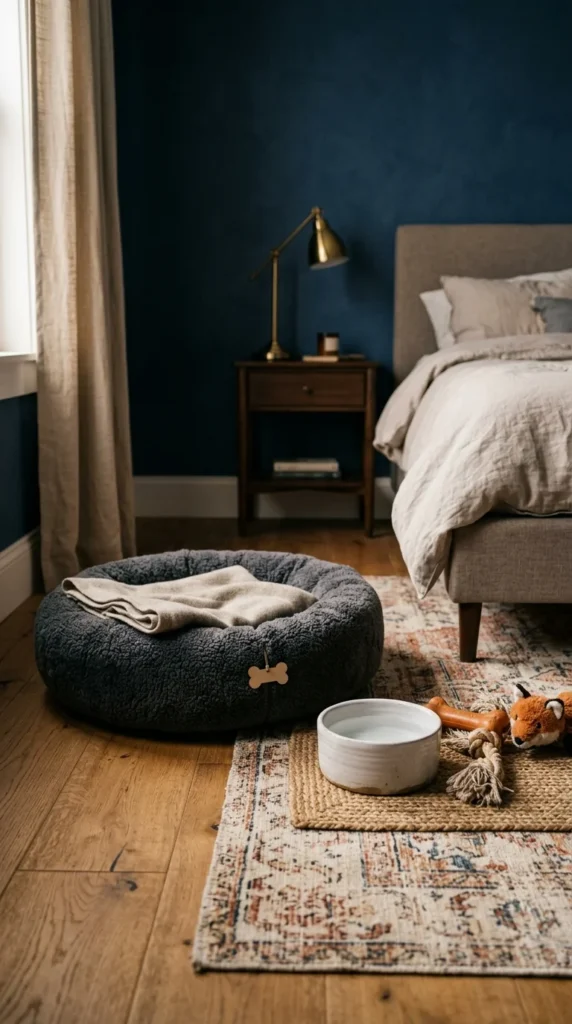
For many pets, the “spooky” sounds and constant visitors of Halloween are simply too much to handle. Creating a “Safe Space” in a quiet back room can help reduce their anxiety. Turn on a radio or white noise machine to drown out the sound of the doorbell and the shouting of trick-or-treaters. Provide them with their favorite toys and a comfortable bed to help them feel secure.
14. IDs & Tags
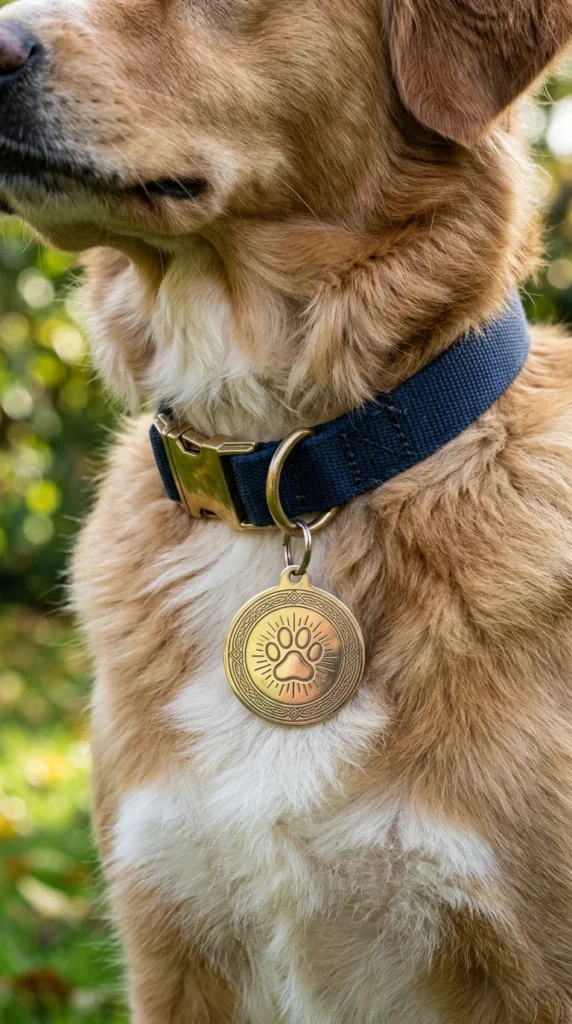
Even if your pet is microchipped, they should always wear a collar with a visible ID tag. A neighbor who finds a roaming pet can return them much faster if they can simply read a phone number off a tag rather than having to take the animal to a shelter to be scanned. Ensure the tag is legible and that the collar is fitted properly so it won’t slip off.
15. Reflective Gear
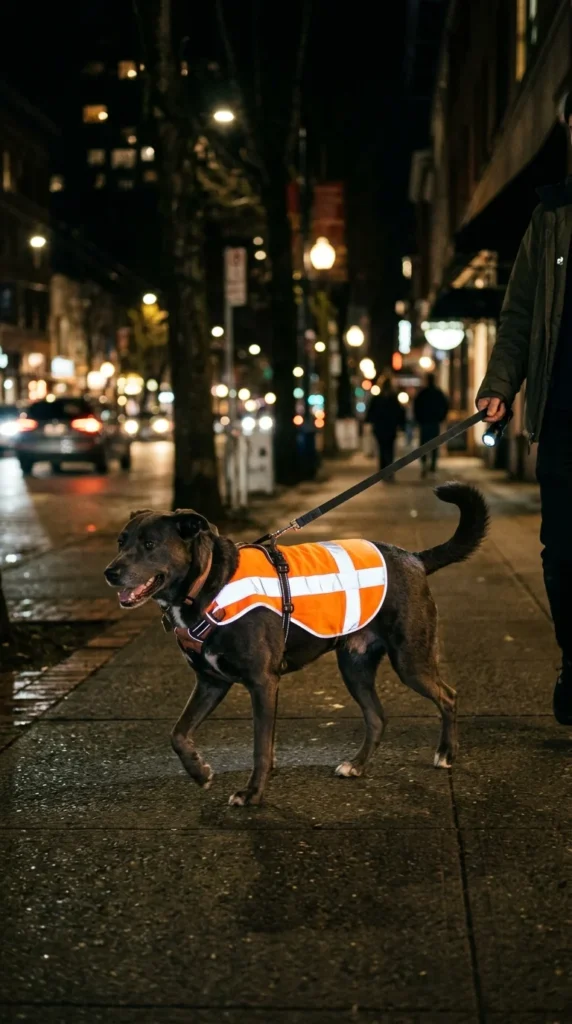
If you plan on taking your dog along for trick-or-treating, visibility is key. Dark streets, excited children, and increased traffic make for a dangerous combination. Use a reflective leash, a reflective vest, or an LED collar to ensure that drivers and other pedestrians can see your pet from a distance. Stay on sidewalks and avoid poorly lit alleys or paths.
16. Decorative Plants
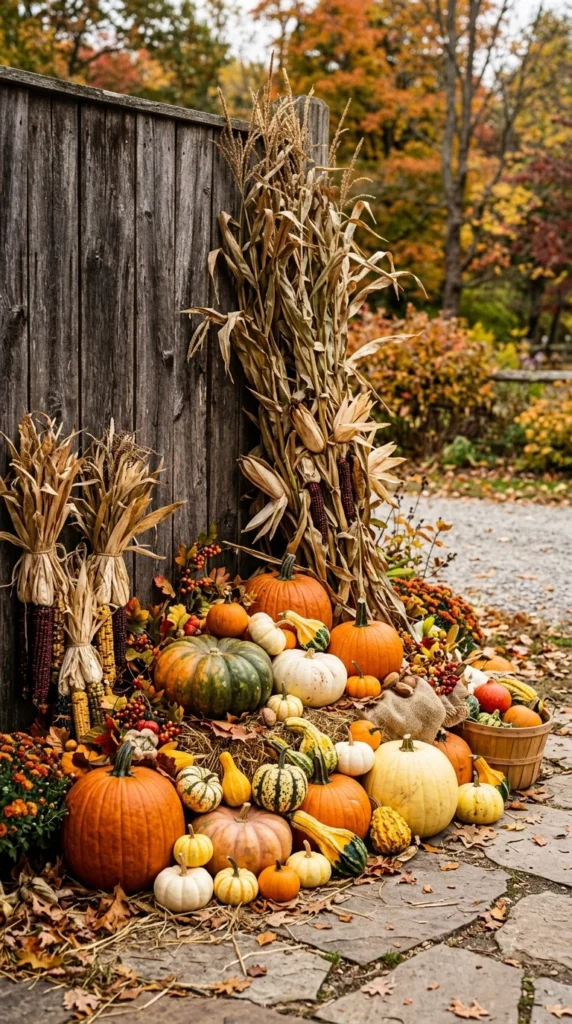
While pumpkins and corn are generally non-toxic in small amounts, they can cause significant gastrointestinal upset if a pet decides to make a meal out of your porch decorations. Raw, decomposing pumpkin can contain mold or bacteria that lead to illness. Additionally, decorative corn stalks are very fibrous and can cause intestinal blockages if swallowed in large chunks. Keep your festive foliage out of your pet’s reach to avoid a messy cleanup or a trip to the vet.