
Accidents happen when we least expect them. Whether it’s a torn paw pad during a hike, a bee sting in the backyard, or a sudden bout of gastrointestinal distress, being prepared can make the difference between a minor incident and a major medical emergency. A DIY pet first aid kit is an essential tool for every responsible pet owner, providing the immediate resources needed to stabilize your furry friend before you can get them to a veterinarian.
Building your own kit allows you to customize the contents to your pet’s specific needs, size, and lifestyle. While you can buy pre-made kits, they often lack the specialized items or the quality of supplies you can gather yourself. Here is a comprehensive guide to the 18 essentials you need to include in your DIY pet first aid kit.
1. Gauze Pads
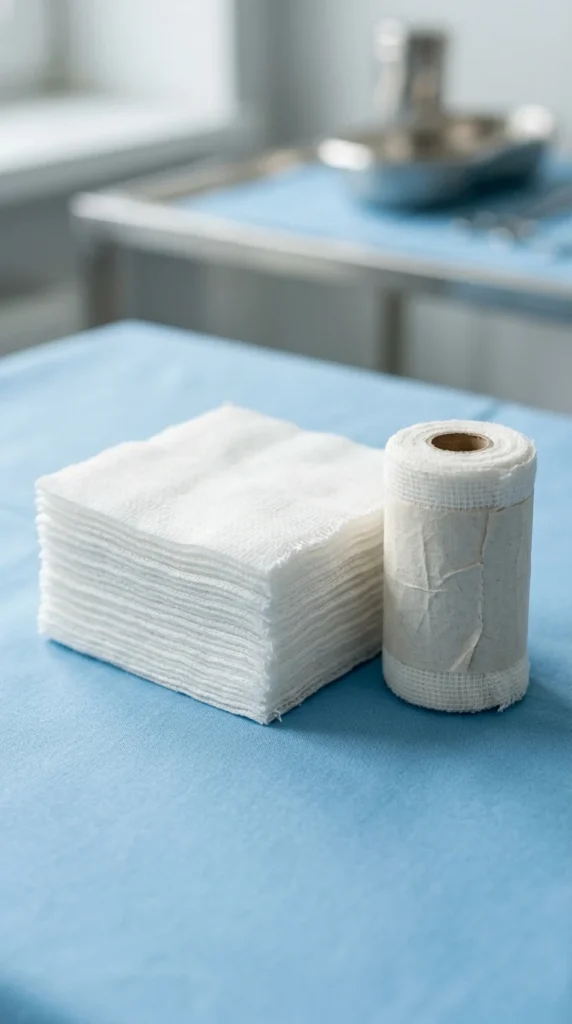
Gauze is the backbone of any first aid kit. You should include several sizes of sterile gauze pads to control bleeding or to use as a primary dressing for wounds. Gauze is breathable, which helps in the healing process, and it’s versatile enough to be used for cleaning out debris from a cut or scrape. Ensure you have enough to cover a large wound if necessary.
2. Adhesive Tape
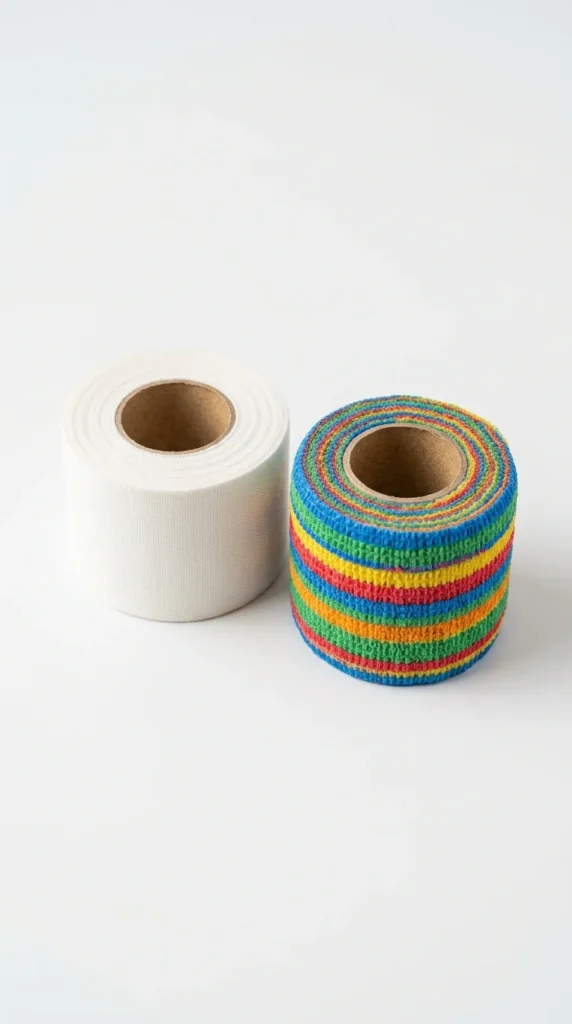
Regular human Band-Aids rarely work on pets because of their fur. Instead, you need medical-grade adhesive tape or “Vet Wrap.” This self-adhering bandage is a lifesaver; it sticks to itself but not to the pet’s fur, making it much easier to remove without causing additional pain. It is perfect for securing gauze pads in place on legs or tails.
3. Cotton Balls
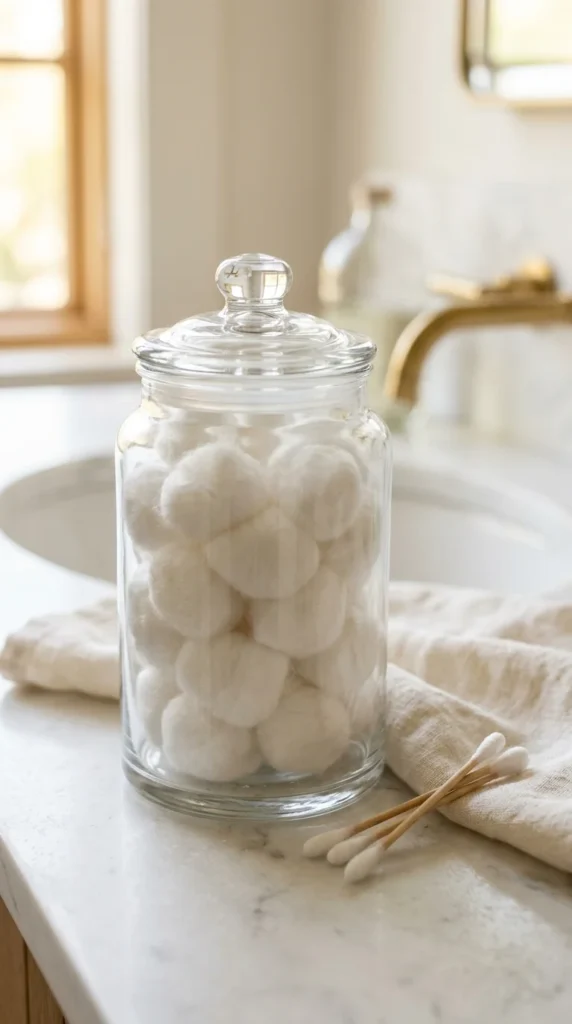
Cotton balls and swabs are essential for applying antiseptic solutions or cleaning sensitive areas like the ears or the skin around the eyes. They are gentle and won’t irritate broken skin. Use cotton swabs to gently remove debris from small crevices or to apply ointments precisely where they are needed.
4. Saline Solution
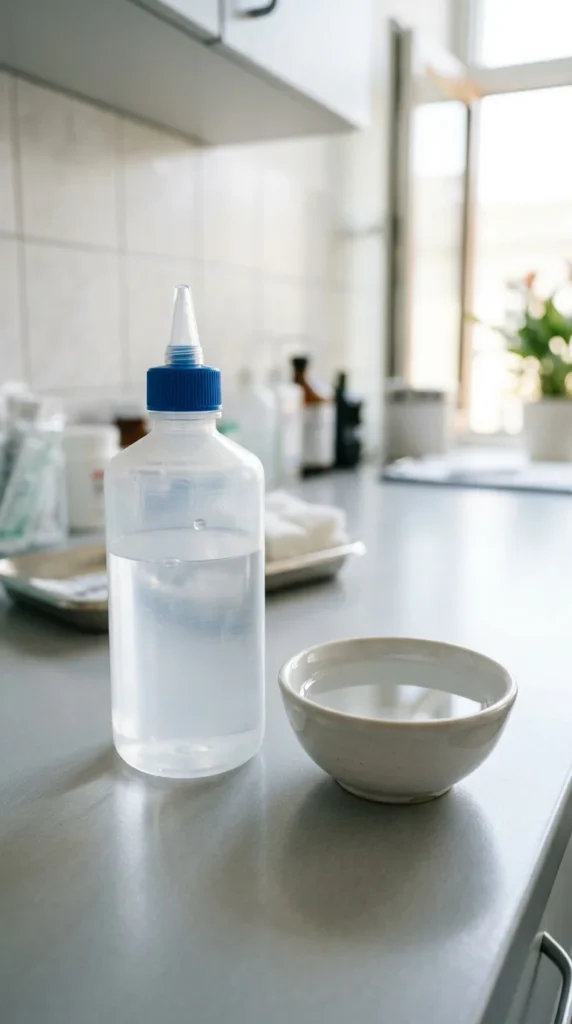
A simple saline solution (like the kind used for contact lenses, provided it has no added cleaners) is the best way to flush out a pet’s eyes if they get dust, dirt, or chemicals in them. It is also the safest liquid to use for rinsing dirt and bacteria out of a fresh wound without stinging or damaging the tissue.
5. Hydrogen Peroxide
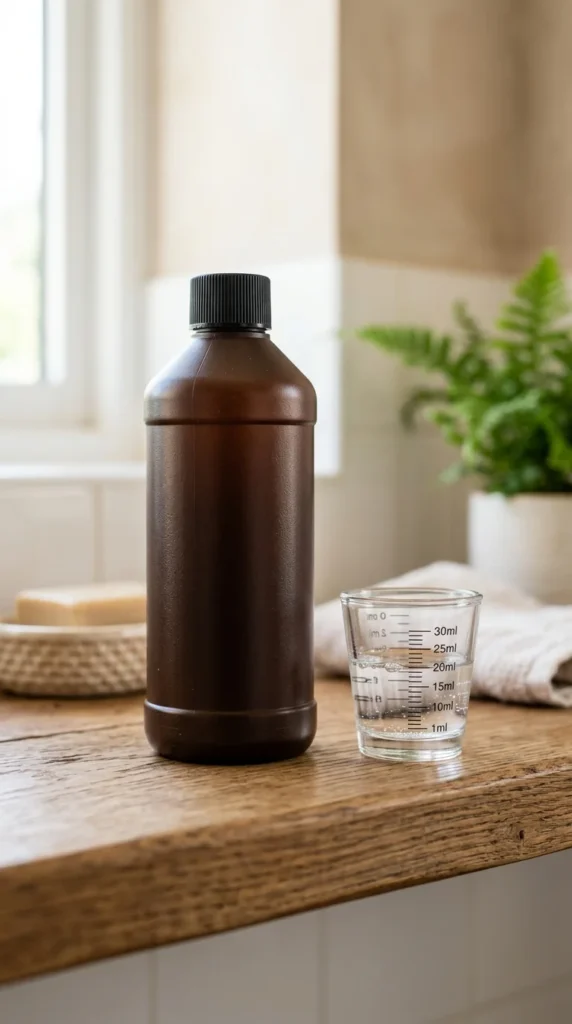
Hydrogen peroxide (3%) is a critical item, but it must be used with caution and only under a veterinarian’s guidance. Its primary purpose in a pet kit is to induce vomiting if your pet has ingested something toxic. Never induce vomiting without calling a vet or a pet poison control center first, as some substances can cause more damage if they come back up.
6. Digital Thermometer
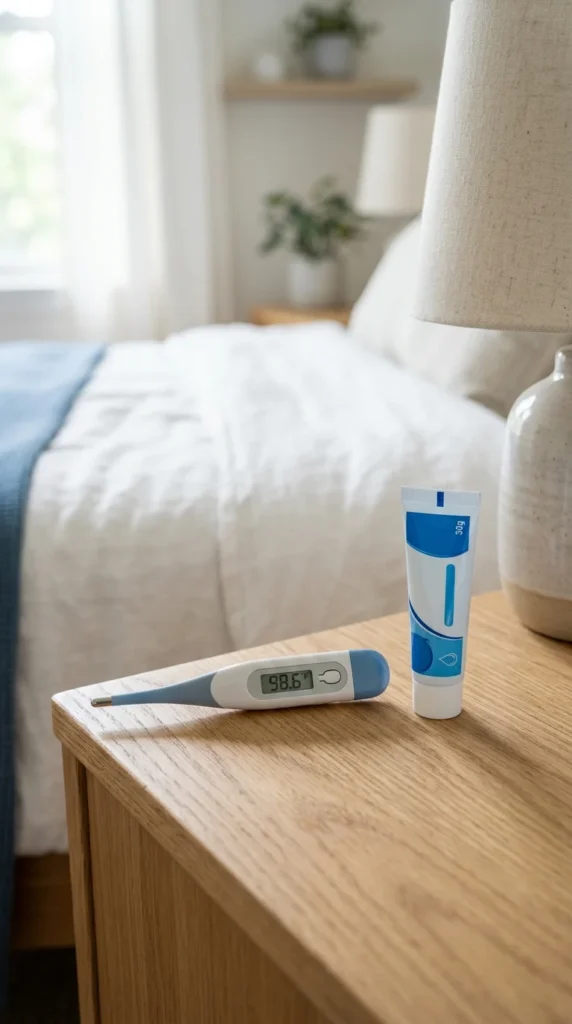
Knowing your pet’s temperature can tell you a lot about their health during an emergency. A digital thermometer is necessary because pets’ normal temperatures (101.0 to 102.5°F) are higher than humans’. Note that for pets, temperatures must be taken rectally for accuracy. Be sure to keep a dedicated thermometer in the kit and label it “Pet Use Only.”
7. Blunt Scissors
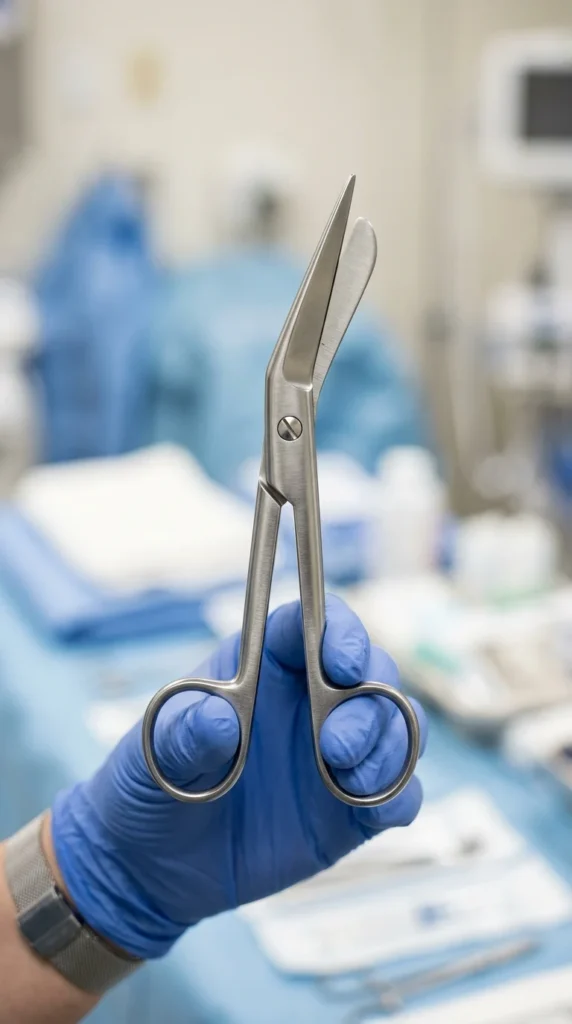
A pair of blunt-ended or “bandage scissors” is vital for safety. These scissors have a rounded tip on the bottom blade to prevent accidentally poking or cutting your pet’s skin while you are trying to cut away matted hair or remove a tight bandage. They are much safer than standard kitchen or craft scissors in a high-stress situation.
8. Tweezers

Tweezers are indispensable for removing splinters, thorns, or glass from a paw pad. They are also the primary tool for removing ticks. A specialized tick removal tool is a great addition, but a sturdy pair of fine-tipped tweezers will handle most small foreign objects that get lodged in your pet’s skin or fur.
9. Styptic Powder
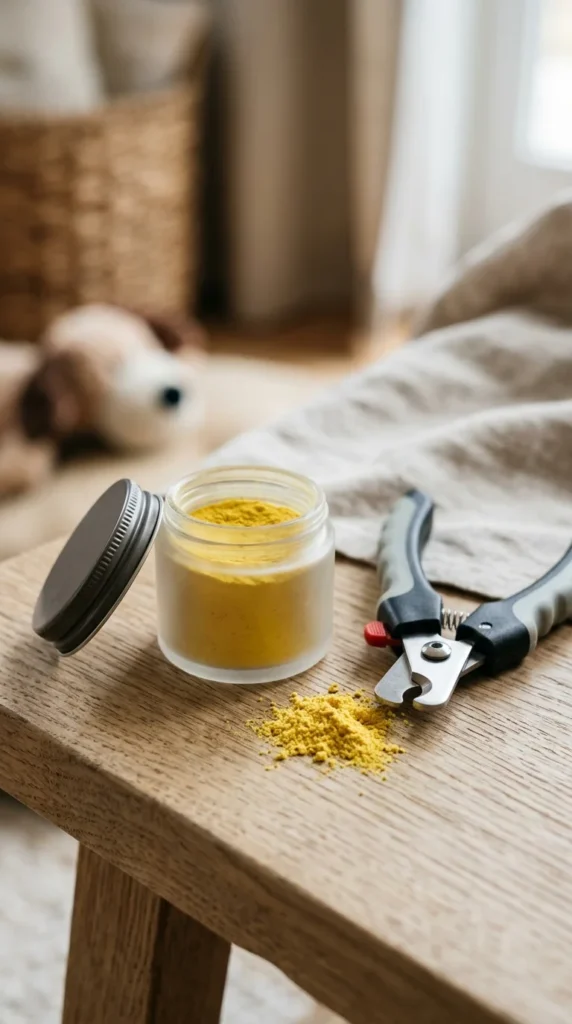
If you accidentally cut the “quick” while trimming your pet’s nails, it can bleed profusely. Styptic powder (or a styptic pencil) stops the bleeding almost instantly by contracting the blood vessels. In a pinch, cornstarch or flour can work, but professional-grade styptic powder is much more effective and faster-acting.
10. Antibiotic Ointment
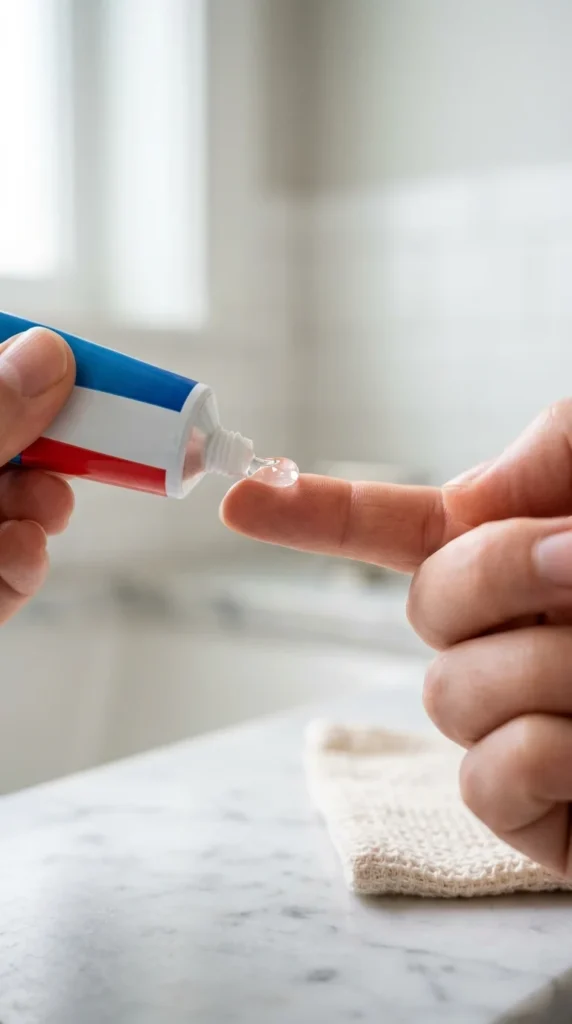
A standard triple-antibiotic ointment (like Neosporin) can be used on minor cuts and scrapes to prevent infection. However, ensure it does not contain any added pain relief ingredients (like lidocaine), which can be toxic to some pets if licked. Apply a thin layer before bandaging to keep the wound moist and protected.
11. Antiseptic Wipes
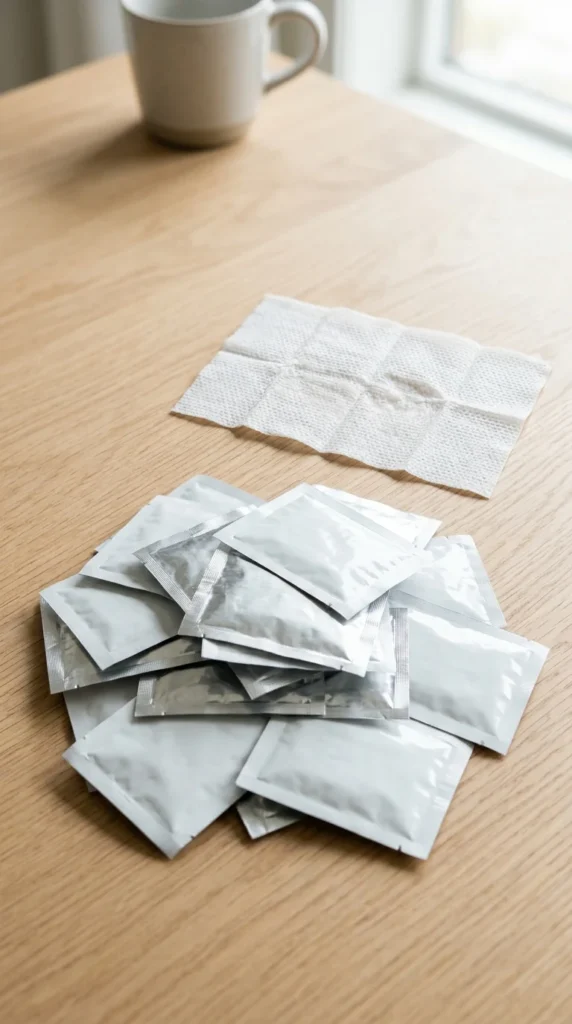
Antiseptic wipes or pads (containing chlorhexidine or povidone-iodine) are perfect for a quick cleanup. If your pet has a muddy wound, these wipes allow you to sanitize the surrounding area and the wound itself before applying a dressing. They are much more convenient than carrying bottles of liquid antiseptic when you are traveling.
12. Disposable Gloves
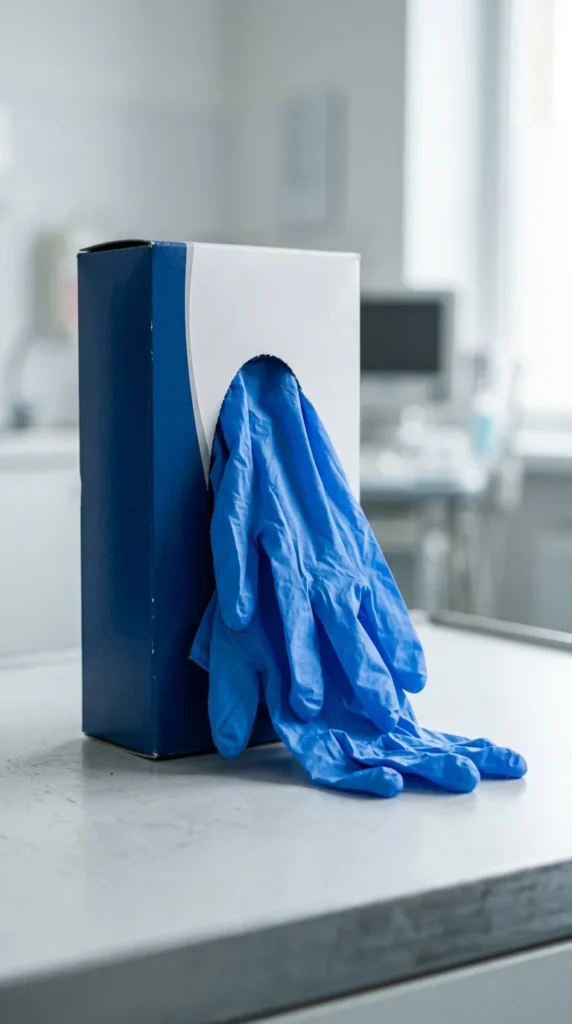
First aid isn’t just about protecting your pet; it’s about protecting you, too. Disposable gloves (nitrile is better than latex in case of allergies) keep the wound sterile and protect you from any bacteria, bloodborne pathogens, or chemicals that might be on your pet’s coat. They are a must-have for maintaining a sanitary environment during treatment.
13. Muzzle
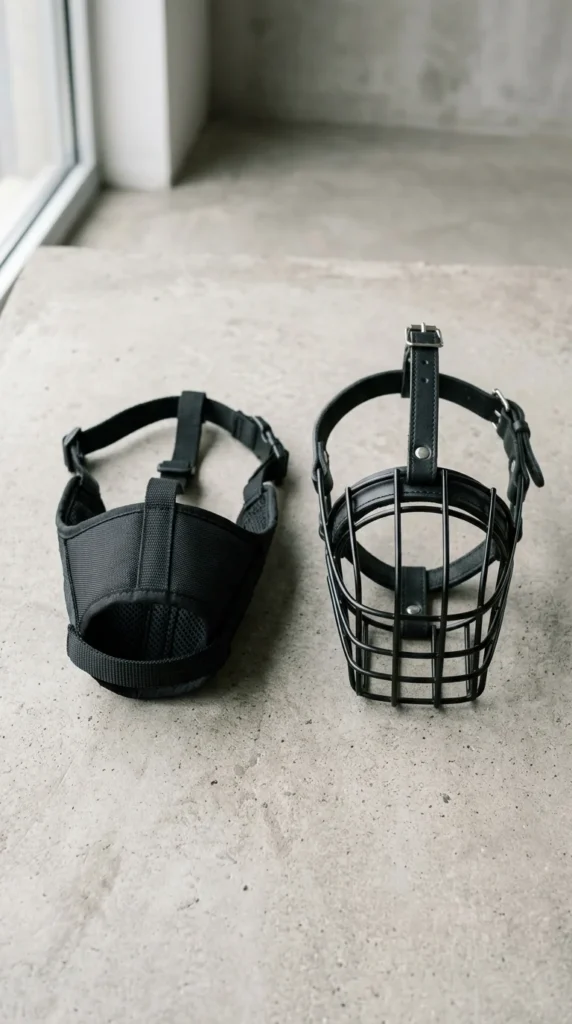
Even the gentlest pet can bite when they are in extreme pain or shock. A soft muzzle or a roll of long gauze that can be used to create a temporary muzzle is a safety essential. It allows you to treat the injury without the risk of being bitten. Never muzzle a pet that is vomiting or having difficulty breathing.
14. Emergency Blanket

An emergency foil blanket (often called a space blanket) is compact and incredibly effective at retaining body heat. If your pet is in shock or has been exposed to cold water, wrapping them in this blanket can prevent hypothermia. It can also serve as a makeshift stretcher for a small animal.
15. Flashlight
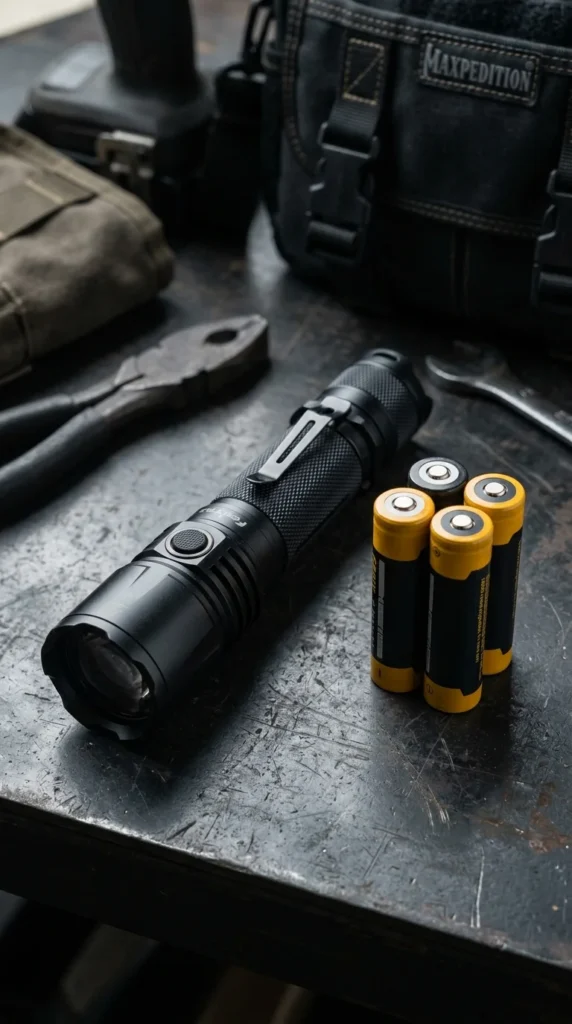
Emergencies don’t always happen in well-lit areas. A small, powerful LED flashlight helps you see deep into ear canals, look for foreign objects between paw pads, or examine a wound in the dark. A headlamp is even better, as it keeps your hands free to handle your pet and your medical supplies.
16. Extra Leash

In the chaos of an accident, collars can break or pets can slip out of them. A spare leash—specifically a slip-lead—is invaluable. It allows you to quickly secure a pet without needing a collar. This is also helpful if you encounter a stray or injured animal that needs to be moved safely.
17. Syringe
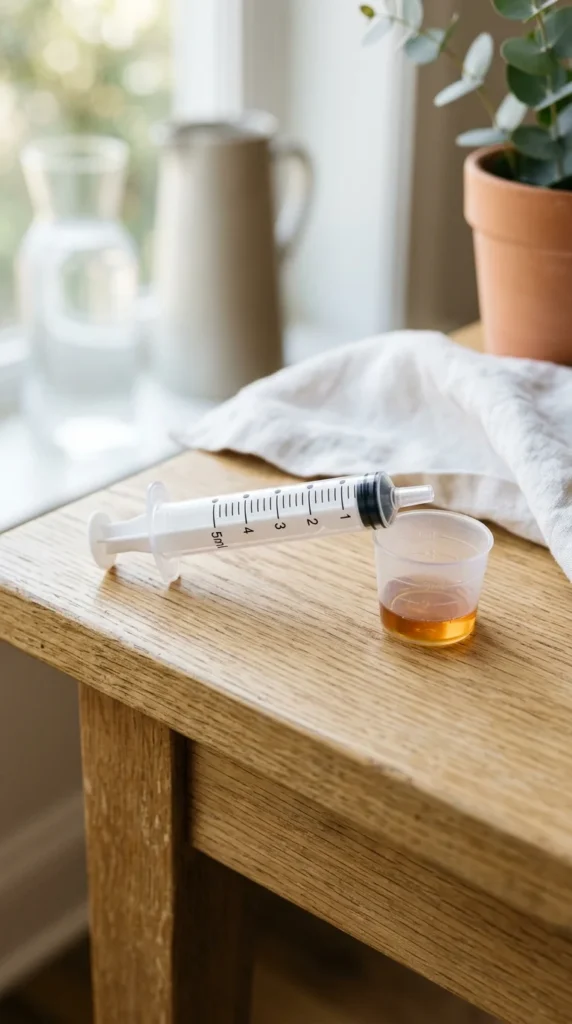
A needleless plastic syringe is used for several tasks: flushing out deep wounds with saline, administering liquid medications, or carefully giving water to a dehydrated pet. Having a few different sizes (such as 5ml and 10ml) allows for precise measurement and application of fluids.
18. Emergency Contact List
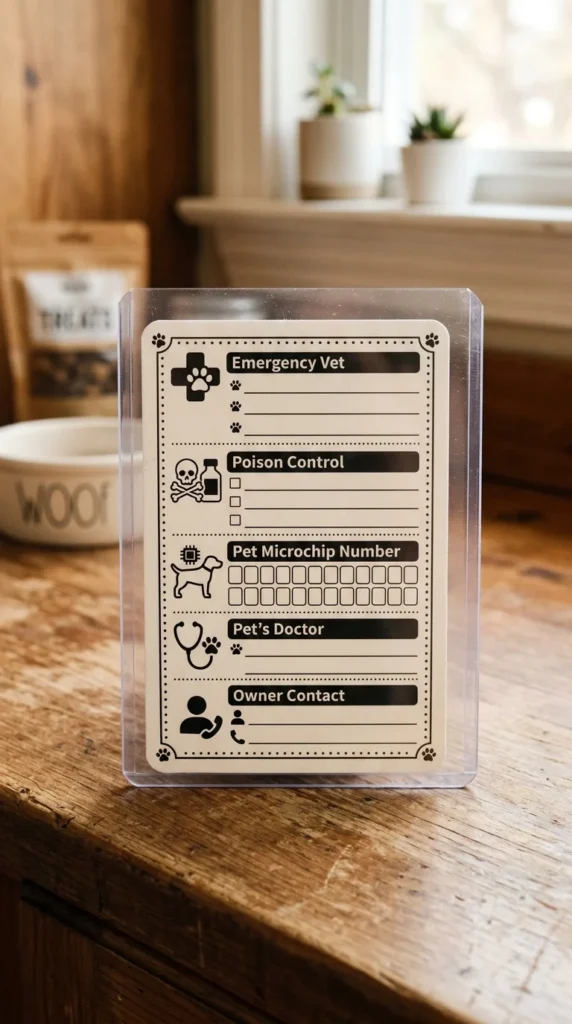
In a moment of panic, you may not remember your vet’s phone number or the address of the nearest 24-hour emergency clinic. Keep a laminated card in your kit with your vet’s info, the nearest emergency vet info, the Pet Poison Helpline number, and your pet’s vaccination records and microchip number. This is the most important “tool” in the box.