
Training a dog is one of the most rewarding journeys you can embark on with your canine companion. It builds a bridge of communication, fosters a deep bond, and ensures your pet is a safe, happy member of society. However, even the most well-intentioned owners often fall into common traps that can stall progress or even backfire. Understanding these pitfalls is the first step toward a well-behaved dog. Here are 21 dog training mistakes you should avoid at all costs.
1. Inconsistency

Inconsistency is the number one killer of progress. Dogs thrive on routine and clear rules. If you allow your dog on the couch on Saturdays but scold them for it on Mondays, they won’t understand why the rules have changed. They don’t see “weekend luxury”; they see a confusing, unpredictable environment. This applies to verbal cues as well. If you say “Sit,” your partner says “Sit down,” and your child says “Stay there,” the dog becomes overwhelmed by the variety of sounds. Everyone in the household must be on the same page regarding vocabulary, house rules, and expectations.
2. Punishment

Using physical punishment or yelling creates a relationship based on fear rather than trust. While a dog might stop a behavior out of fear, they aren’t learning what they should do instead. More importantly, punishment can lead to aggression or severe anxiety. Modern dog training focuses on positive reinforcement—rewarding the good behaviors so the dog chooses to repeat them. If your dog makes a mistake, redirect them to the correct behavior and reward that instead.
3. Timing
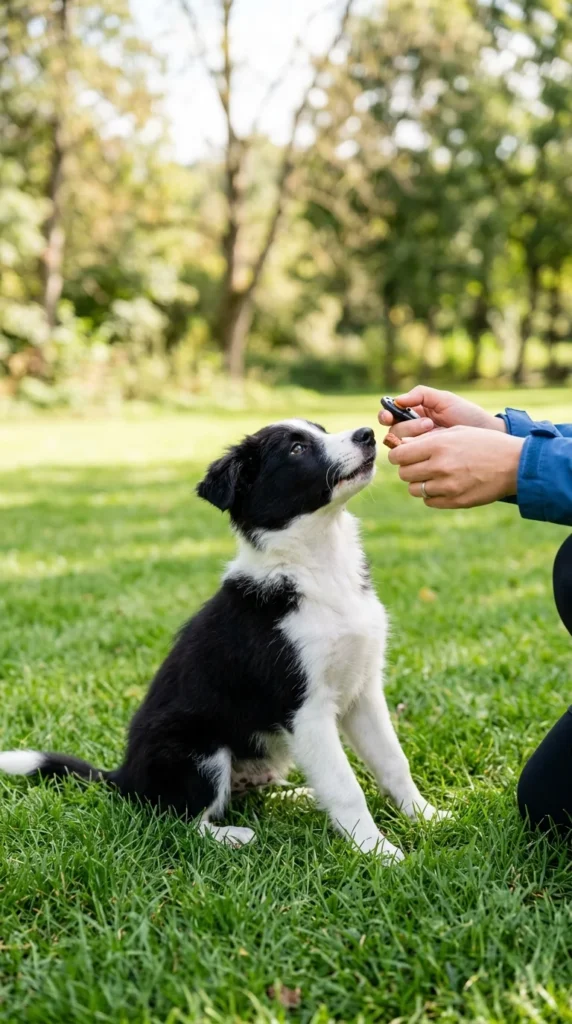
Dogs live in the moment. If your dog performs a perfect “Stay” but you wait thirty seconds to give them a treat—after they’ve already stood up and started sniffing the floor—you are rewarding them for sniffing the floor, not for staying. The “reward window” is incredibly small, usually within 1 to 2 seconds of the desired action. This is why tools like clickers are so effective; they “mark” the exact moment the dog did something right, bridging the gap between the action and the treat.
4. Duration
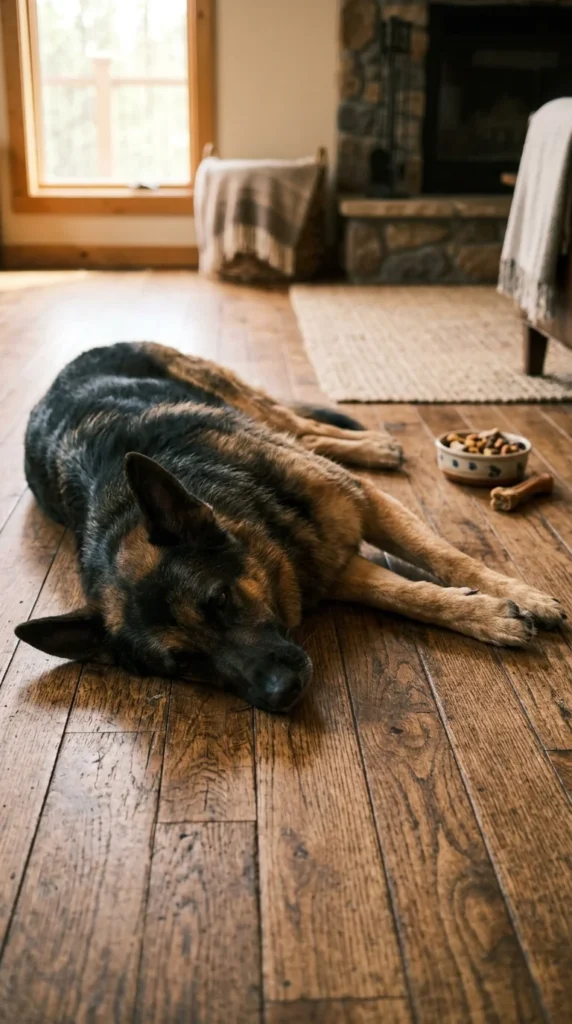
Training sessions that go on for too long are counterproductive. A dog’s attention span, especially a puppy’s, is quite short. Pushing a session to 30 or 40 minutes usually leads to frustration for both the owner and the dog. It is much better to do five sessions of five minutes each throughout the day than one grueling marathon session. End the training while the dog is still excited and successful, rather than waiting until they are bored or exhausted.
5. Expectations
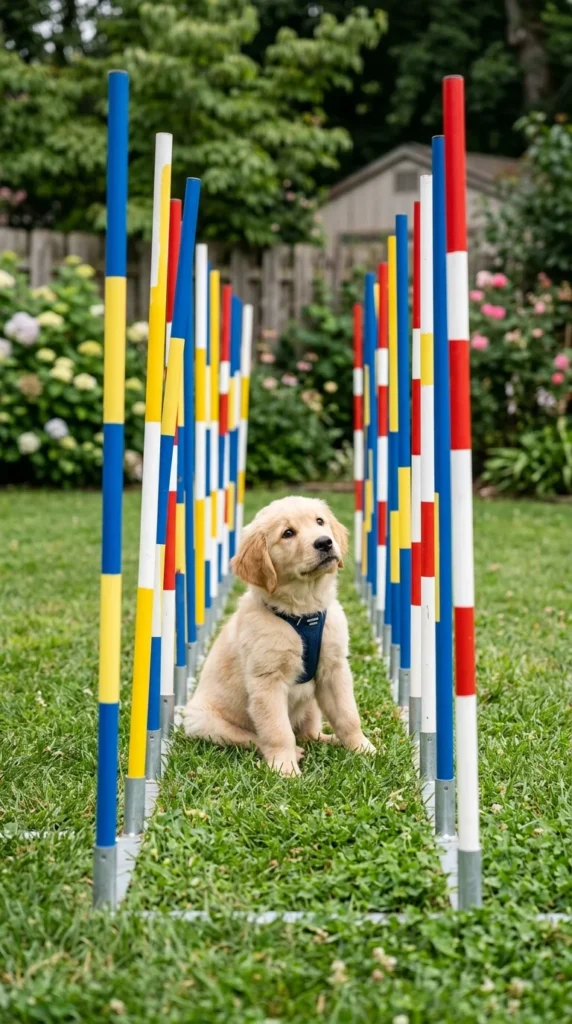
Setting the bar too high too quickly is a recipe for failure. You cannot expect a puppy who just learned “Sit” in the quiet of your kitchen to perform it perfectly at a busy park surrounded by squirrels and other dogs. Training must be incremental. Start in a low-distraction environment and slowly increase the “D’s”: Distance, Duration, and Distraction. Expecting “perfection” early on leads to human frustration, which the dog will pick up on immediately.
6. Body Language

Dogs communicate primarily through body language, yet many owners ignore these subtle signals. If your dog is yawning, licking their lips, or showing “whale eye” (the whites of their eyes), they are telling you they are stressed or uncomfortable. If you continue to push a dog that is overstimulated or scared, they cannot learn. An expert owner learns to “read” their dog and knows when to take a break, move further away from a trigger, or end the session entirely.
7. Nagging

Repeating a command over and over—”Sit, sit, sit, SIT!”—is known as nagging. When you do this, you are teaching your dog that they don’t have to listen the first time. You are also teaching them that the command is “Sit-sit-sit,” not just “Sit.” If your dog doesn’t respond the first time, wait a few seconds. If they still don’t respond, it’s likely they are too distracted or don’t actually know the command as well as you thought. Go back a step in training rather than repeating yourself.
8. Name Use

Never use your dog’s name as a correction or in a negative context. If you only say “Buster!” when he’s chewing the rug or when he’s in trouble, he will associate his name with negative outcomes. This will destroy your recall. You want your dog’s name to be the most beautiful sound in the world to them—a signal that something wonderful is about to happen. Use his name only for positive attention, rewards, and play.
9. Socialization

Many owners mistake “socialization” for “letting my dog meet every dog and person on the street.” Real socialization is about exposure and neutrality. It’s teaching your dog to remain calm and confident in various environments, around different sounds, surfaces, and types of people. Forcing a shy dog to be poked and prodded by strangers can actually cause “reactivity,” the very thing owners are trying to avoid. Quality of interaction is always more important than quantity.
10. Rewards

We often accidentally reward the very behaviors we hate. If your dog jumps on you and you push them off while saying “No, stop it,” you are giving them exactly what they want: attention. To a dog, even negative attention is better than none. Similarly, if your dog barks at the back door and you let them in to stop the noise, you have just rewarded the barking. Be mindful of what your actions are actually communicating to your dog in those moments of “misbehavior.”
11. Distractions

Owners often train exclusively in their quiet living rooms and are then shocked when the dog “disobeys” outside. A dog’s ability to generalize is poor. “Sit” in the kitchen does not automatically mean “Sit” at the beach. You must proof your commands in different environments. Start in the house, then the backyard, then the front porch, then a quiet street, and finally a busy park. If you skip these steps, your dog isn’t being stubborn; they are simply overwhelmed by the environment.
12. Puppies

Expecting a puppy to have the impulse control of an adult dog is a major mistake. Puppies are essentially toddlers with fur and sharp teeth. They have tiny bladders, no focus, and a biological need to chew. Many owners get frustrated with “bad” puppy behavior that is actually just age-appropriate development. Patience is the most important tool in your kit when dealing with a puppy. Focus on management (keeping things out of reach) rather than just discipline.
13. Treats

Using low-value rewards for high-difficulty tasks is a common error. If you are trying to teach your dog to come away from a squirrel, a piece of dry kibble probably won’t cut it. You need “high-value” treats—like chicken, cheese, or hot dogs—for challenging environments or new skills. As the dog becomes more proficient, you can phase out the treats or move to lower-value ones, but always ensure the “paycheck” matches the level of work required.
14. Basics
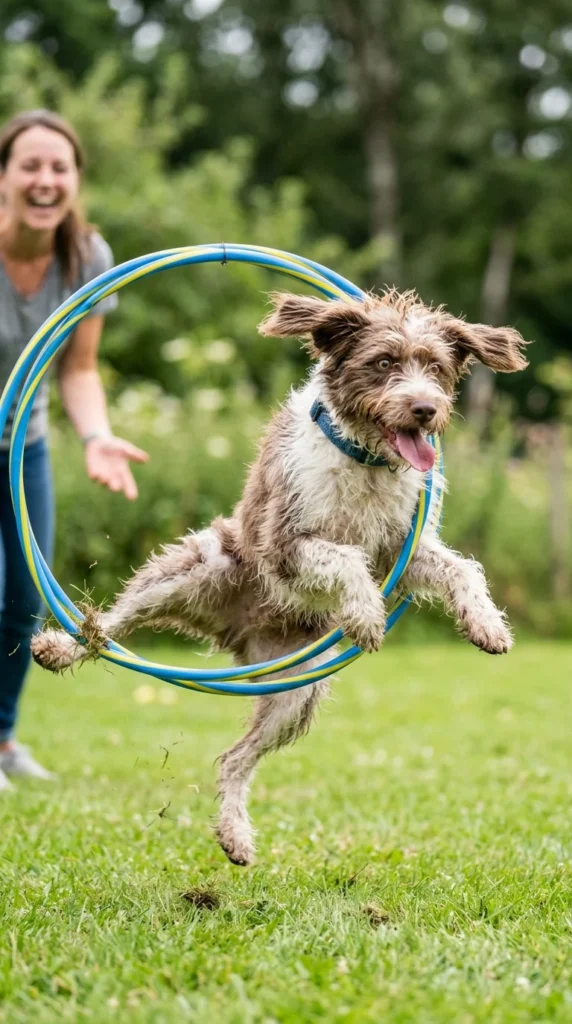
Everyone wants the “cool” tricks like “roll over” or “play dead,” but many owners skip the fundamental basics like “Focus,” “Leave it,” and “Stay.” These basics are the foundation of safety. A dog that can “Leave it” is a dog that won’t eat a piece of dropped chocolate or a toxic mushroom on a walk. A dog with a strong “Focus” cue will look at you instead of lunging at a passing cyclist. Never sacrifice the boring, essential commands for the flashy ones.
15. Poisoned Cues

A “poisoned cue” happens when a command becomes associated with something the dog dislikes. If you only call your dog to “Come” when it’s time to leave the park, have a bath, or get their nails clipped, “Come” becomes a warning of something bad. To avoid this, make sure the “Come” command is associated with rewards and fun 90% of the time. Call them to you, give them a treat, and then let them go back to playing.
16. Exercise
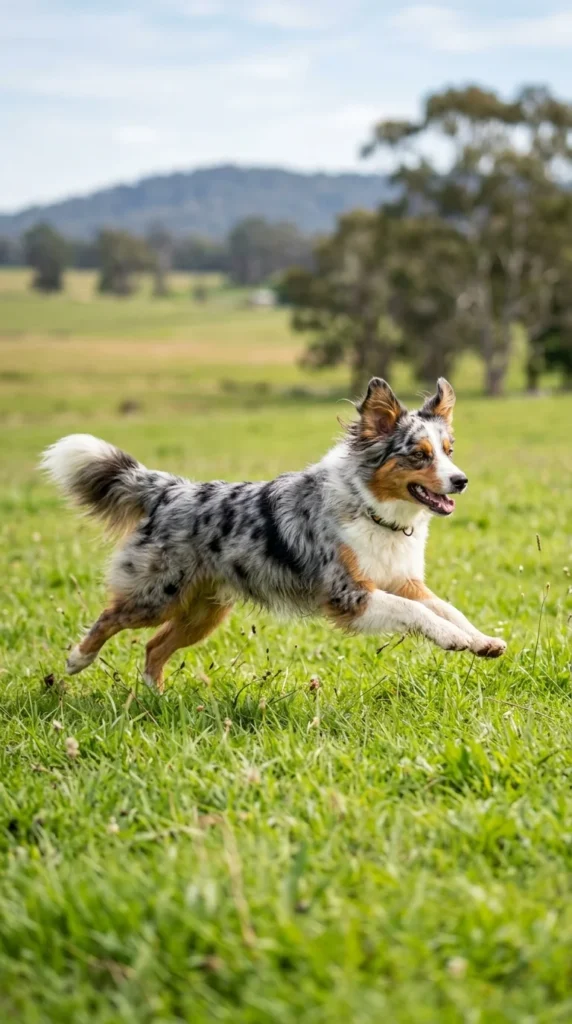
You cannot train a dog that has a “full tank” of pent-up energy. Trying to teach a Husky to “Settle” after it’s been crated for eight hours is an exercise in futility. Physical and mental stimulation are precursors to successful training. A tired dog is a learning dog. Ensure your dog has had a good walk, a game of fetch, or some “brain games” (like a snuffle mat) before you sit down for a focused training session.
17. Tools
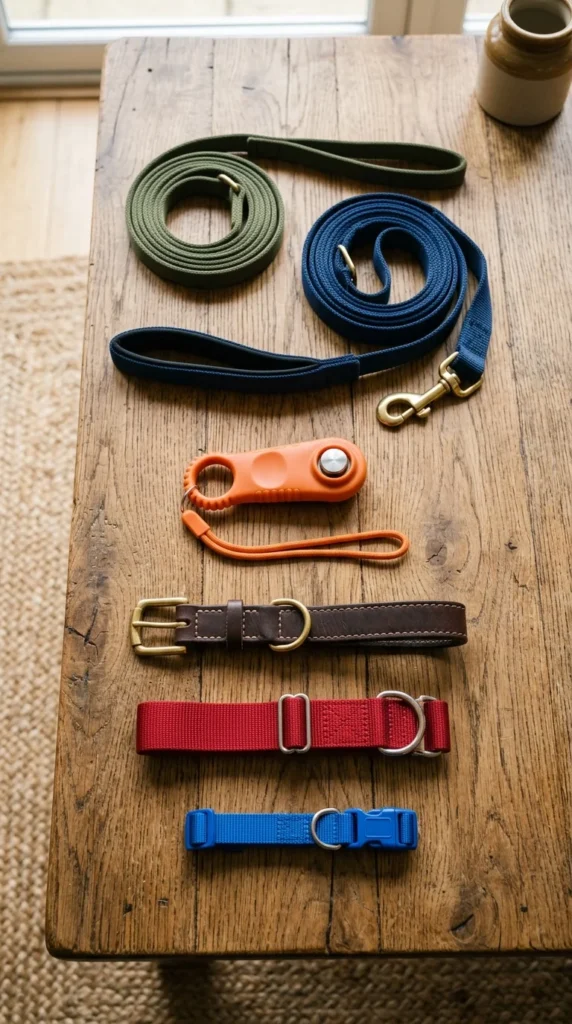
Relying too heavily on “quick fix” tools like prong collars, choke chains, or electronic collars is a mistake. While these tools might stop a behavior through discomfort, they don’t teach the dog what to do, and they don’t address the underlying emotion (like fear or excitement). Furthermore, if used incorrectly, they can cause physical injury and long-term psychological damage. Tools should never be a substitute for a solid foundation of positive reinforcement training and communication.
18. Anger

If you are having a bad day, feeling impatient, or getting angry, do not train your dog. Dogs are incredibly sensitive to human emotions. If you are tense, your dog will become tense. If you are angry, your dog will become fearful. Training should be an enjoyable experience for both of you. If you feel your blood pressure rising because the dog isn’t “getting it,” simply end the session, give the dog a “freebie” treat for something easy, and try again tomorrow.
19. Comparison
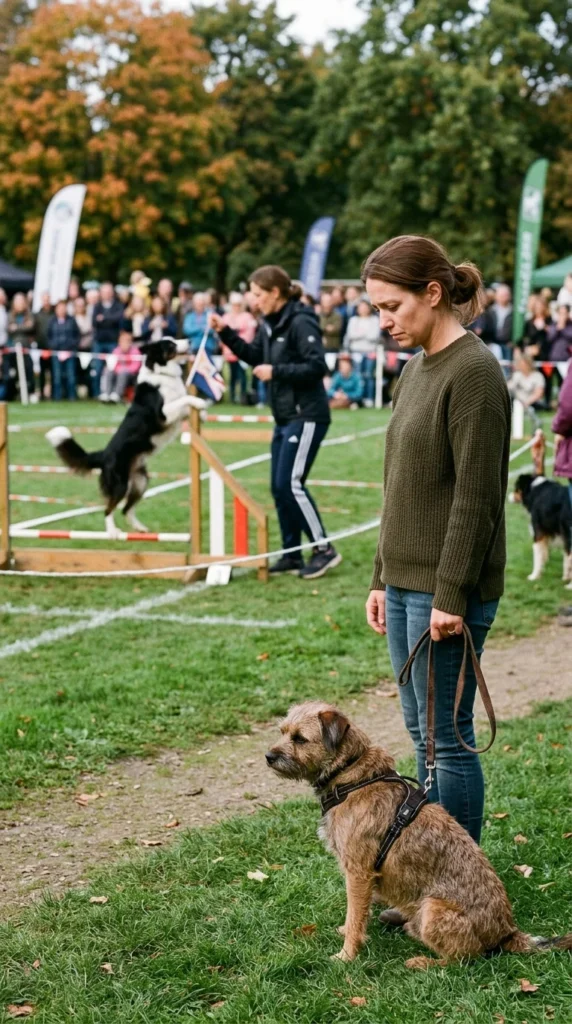
Every dog is an individual. Comparing your 6-month-old Bulldog to the neighbor’s 5-year-old Border Collie is unfair and discouraging. Breed, history, personality, and age all play massive roles in how quickly a dog learns. Some dogs are food-motivated, others are toy-motivated, and some just want a belly rub. Focus on your dog’s individual progress. Celebrate the small wins, like a three-second “Stay,” rather than worrying about what other dogs are doing.
20. Stopping

Training isn’t something you “finish”; it’s a lifelong process. Many owners stop training once the dog reaches adulthood or masters basic commands. However, skills can get rusty if not practiced. Continuing to train throughout a dog’s life keeps their mind sharp, prevents cognitive decline in senior years, and reinforces your bond. Incorporate mini-training moments into your daily life—make them “Sit” for their dinner or “Wait” at the door before a walk.
21. Professional Help
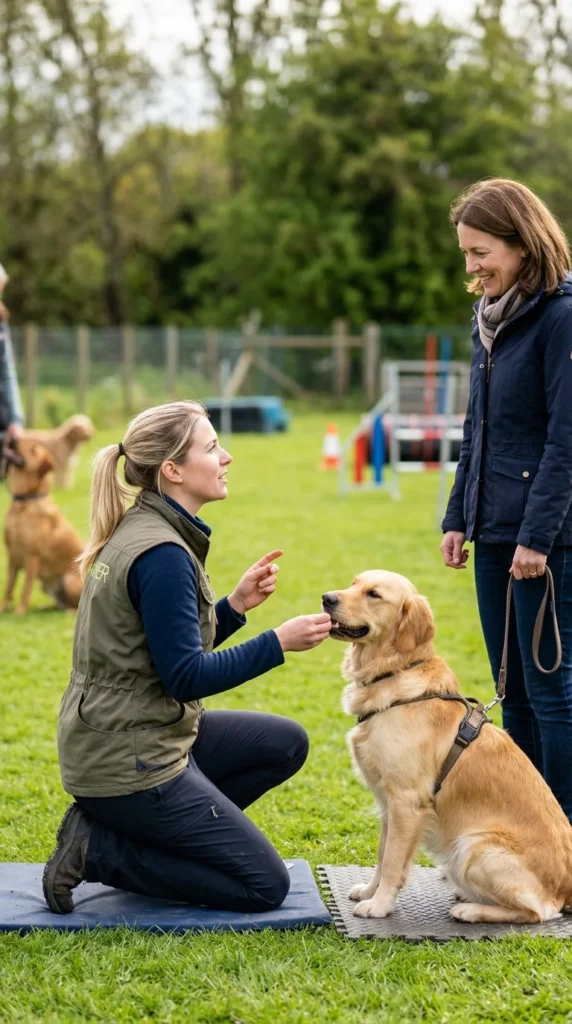
The biggest mistake is waiting too long to ask for help. Many owners try to “tough it out” with serious issues like human-directed aggression, severe separation anxiety, or extreme resource guarding. These are complex behaviors that often require the eye of a certified professional. Seeking help from a force-free, science-based trainer or a veterinary behaviorist isn’t a sign of failure; it’s a sign of a responsible owner who wants the best possible life for their dog.