

Bringing a turtle into your home is an exciting journey that can last for decades. These ancient reptiles are fascinating companions, but they require specific care to thrive. Unlike cats or dogs, turtles have very particular environmental and dietary needs that must be met to ensure they live a long, healthy life. This comprehensive guide covers the 25 most critical aspects of turtle care for every new owner.
1. Species Research
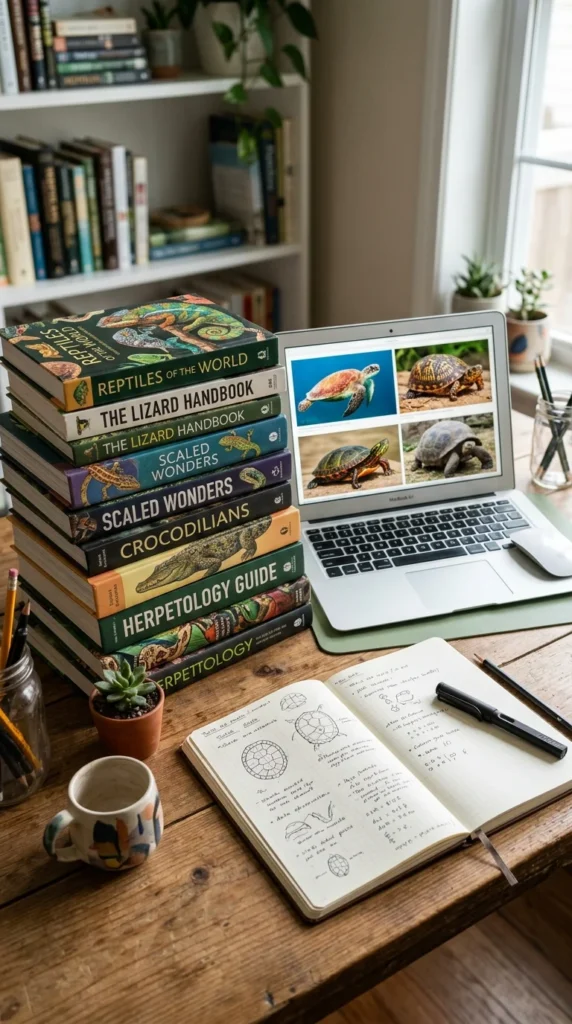
Before you even buy a tank, you must know exactly what species you are bringing home. A Red-Eared Slider has very different needs than a Box Turtle or a Musk Turtle. Research their adult size, lifespan, and specific habitat requirements. Some turtles are almost entirely aquatic, while others spend a significant amount of time on land. Knowing your species is the foundation of all other care steps.
2. Tank Size
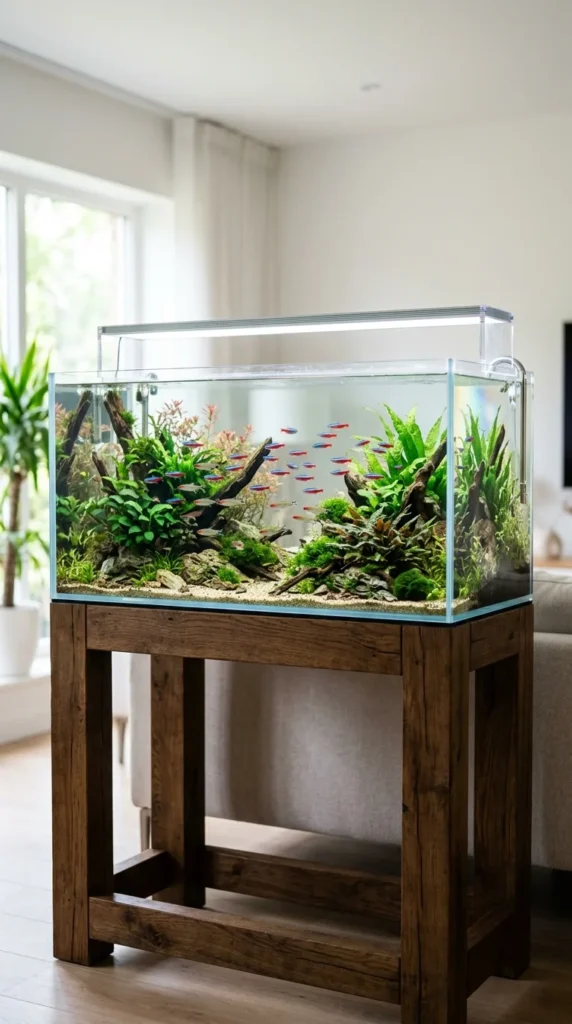
Size matters significantly in the world of turtles. A common rule of thumb is 10 gallons of water for every inch of shell length. However, bigger is always better. Turtles are active swimmers and explorers. A cramped tank leads to stress and poor water quality. Always plan for the turtle’s adult size; a tiny hatchling will quickly outgrow a 20-gallon starter kit.
3. Basking Spot

Turtles are cold-blooded and rely on external heat to regulate their body temperature and digest food. Every aquatic turtle needs a completely dry basking area where they can exit the water entirely. This platform should be easy to climb and positioned directly under a heat lamp to create a “hot spot” that mimics the natural sun.
4. UVB Lighting
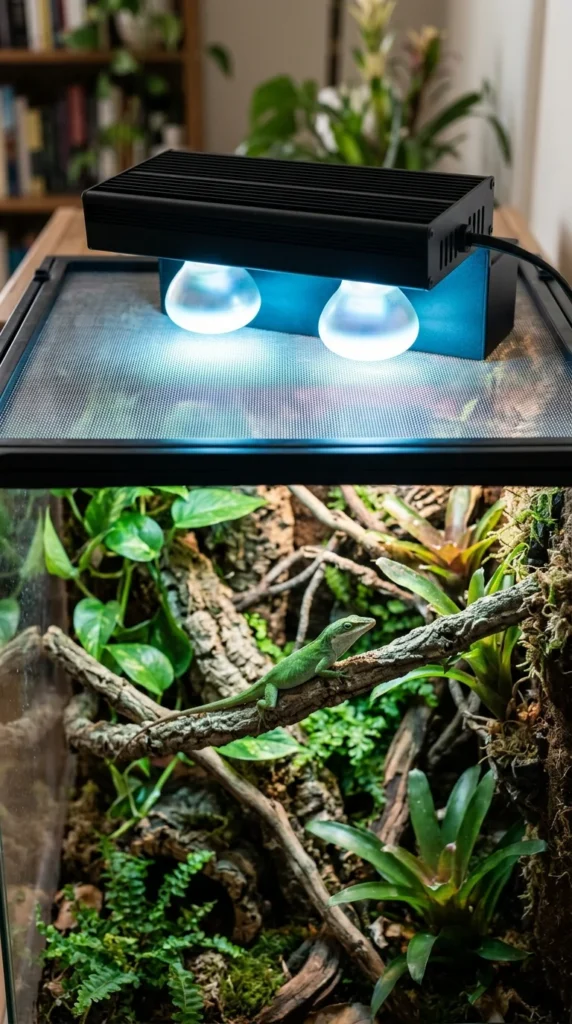
This is perhaps the most critical piece of equipment. Turtles need UVB light to synthesize Vitamin D3, which allows them to process calcium. Without it, they will develop Metabolic Bone Disease (MBD), which causes shell deformities and eventual death. Ensure your UVB bulb is specifically designed for reptiles and replace it every six months, as the UVB output decays even if the light still looks “on.”
5. Water Filtration
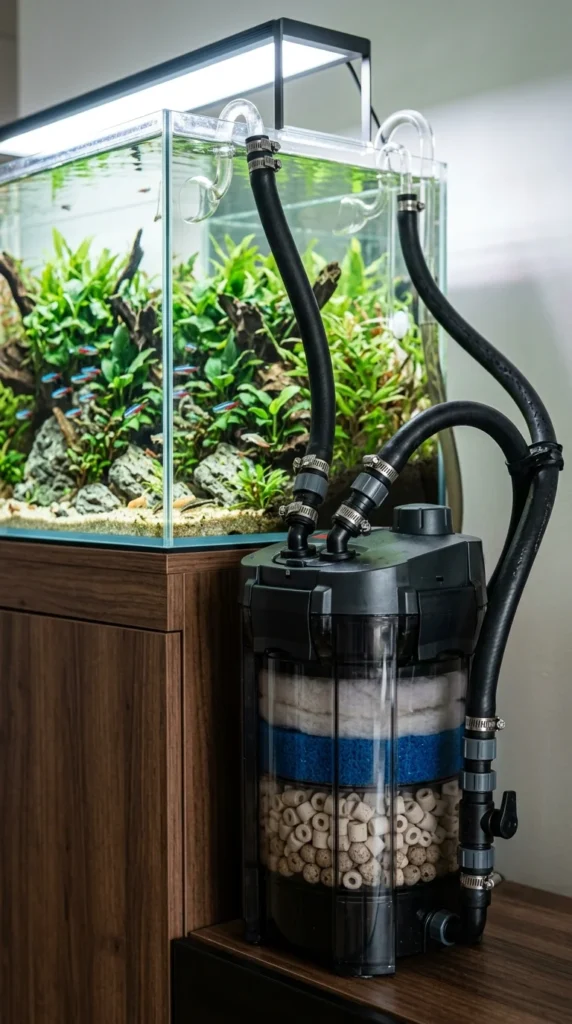
Turtles are messy. They eat in the water and produce a significant amount of waste. A standard fish filter is usually insufficient. Invest in a high-quality canister filter rated for at least double or triple the size of your actual tank. Robust filtration keeps the water clear, reduces odors, and prevents the buildup of harmful ammonia and nitrates.
6. Water Temperature
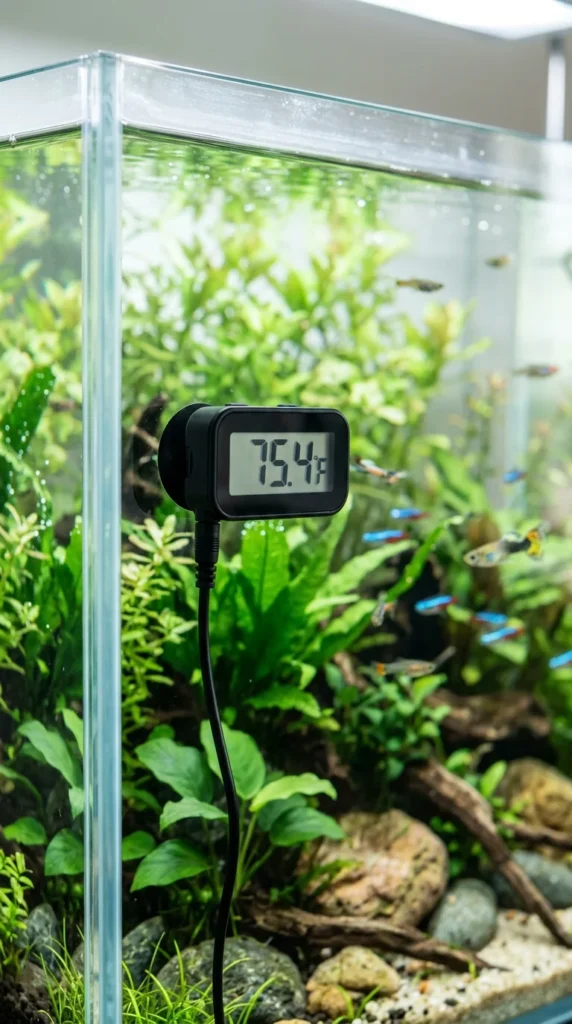
Consistency is key. Most aquatic turtles require water temperatures between 72°F and 78°F, though this varies by species. Use a high-quality submersible heater with a guard to prevent the turtle from accidentally breaking the glass or burning themselves. Check the temperature daily with a digital thermometer to ensure the heater is functioning correctly.
7. Varied Diet

Never rely solely on pellets. While high-quality pellets provide a base, turtles need variety. Offer leafy greens like kale, collard greens, and romaine lettuce. Depending on the species, they may also enjoy protein sources like crickets, mealworms, or feeder fish. A diverse diet ensures they get all the vitamins and minerals necessary for growth.
8. Calcium Supplements
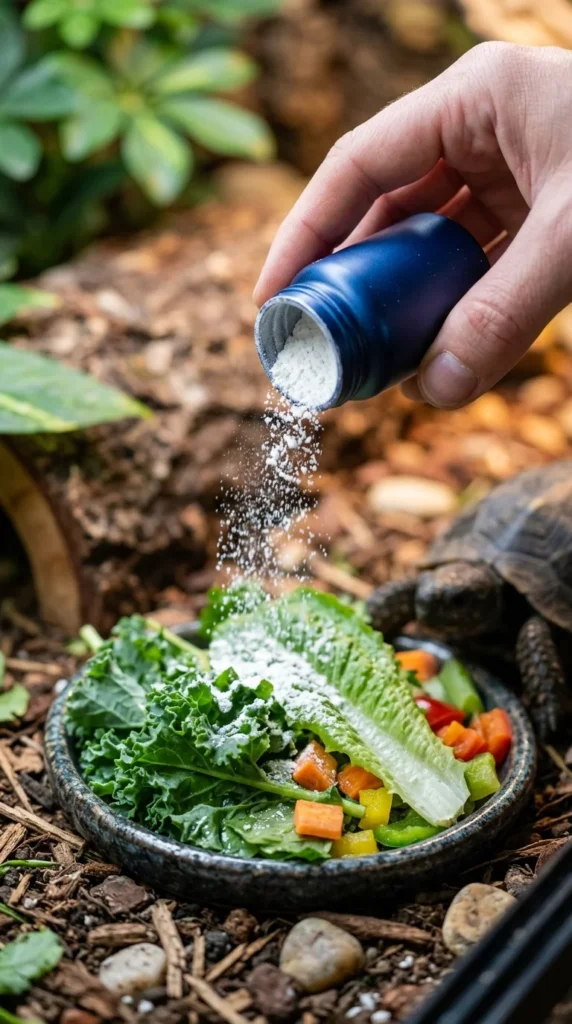
Even with UVB lighting, supplemental calcium is often necessary, especially for growing hatchlings and egg-laying females. Dust their food with calcium powder (without D3 if they have strong UVB, or with D3 if they don’t) a few times a week. Alternatively, keep a cuttlebone in the tank for them to nibble on at their leisure.
9. Cleanliness
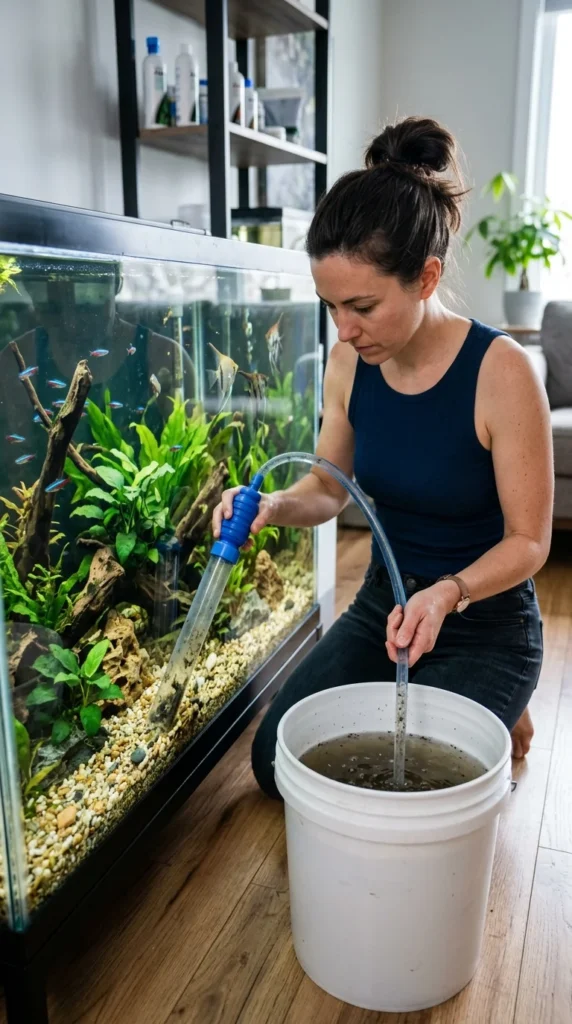
Even with a great filter, regular water changes are mandatory. Aim to replace 25-50% of the water every week. This removes dissolved wastes that the filter can’t handle. Use a siphon to “vacuum” the substrate and remove uneaten food and waste trapped between rocks. Regular maintenance prevents the “turtle smell” often associated with poorly kept tanks.
10. Shell Health
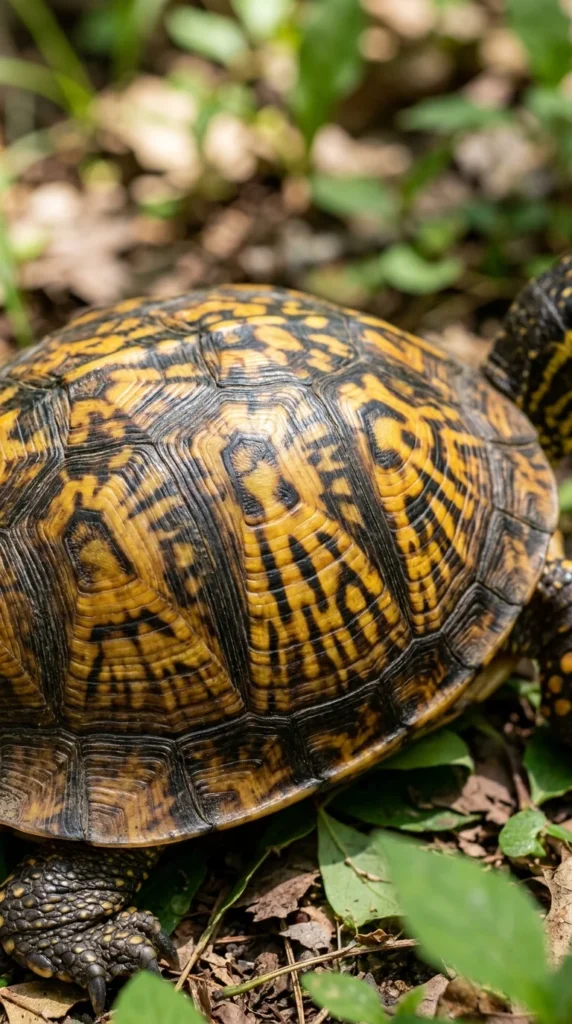
The shell is a turtle’s ribcage and spine combined—it is a living part of their body. Inspect it weekly for “shell rot” (soft, smelly spots), fungus (white fuzzy patches), or injuries. A healthy shell should be firm and smooth. If you notice any flaking, it might just be natural shedding (scuting), but if the shell feels soft or pitted, consult a vet immediately.
11. Handling
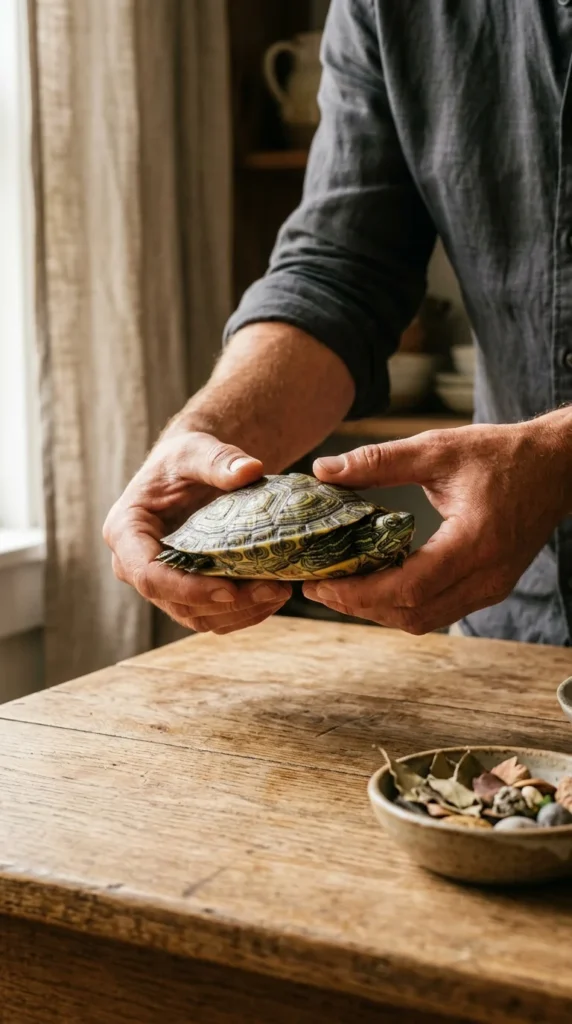
Turtles are generally “look but don’t touch” pets. Excessive handling can stress them out and lead to respiratory infections. When you must handle them, pick them up firmly but gently by the middle of the shell (between the legs). Never pick them up by the tail or head. Always keep them low to the ground, as a drop can be fatal.
12. Chlorine Removal
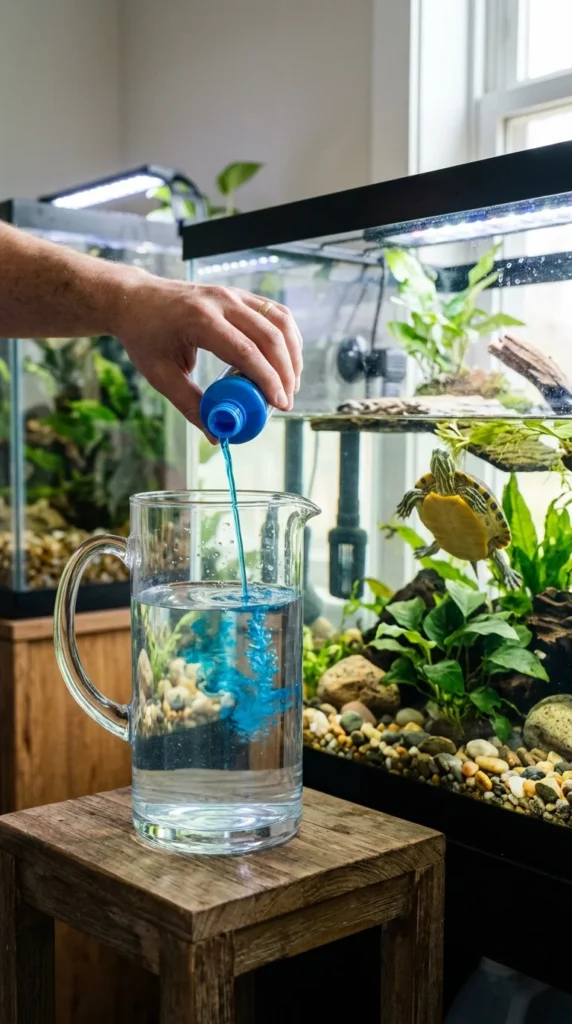
Tap water contains chlorine and chloramines, which are harmful to the beneficial bacteria in your filter and can irritate your turtle’s eyes and skin. Always use a water conditioner (dechlorinator) when adding fresh water to the tank. This makes the water safe instantly and protects your turtle’s delicate membranes.
13. Substrate Choice
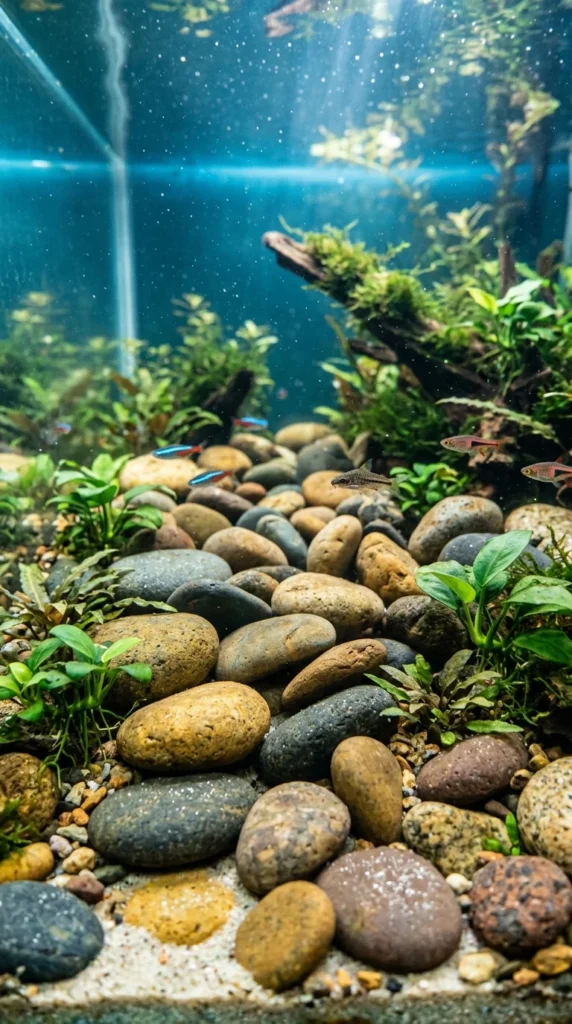
The bottom of your tank should be either bare glass, sand, or large river stones. Avoid small gravel or pebbles. Turtles are curious and often try to eat anything that fits in their mouths; swallowing small stones can lead to intestinal impaction, which is often fatal without surgery. Large river stones are too big to swallow and easy to clean.
14. Vet Visits
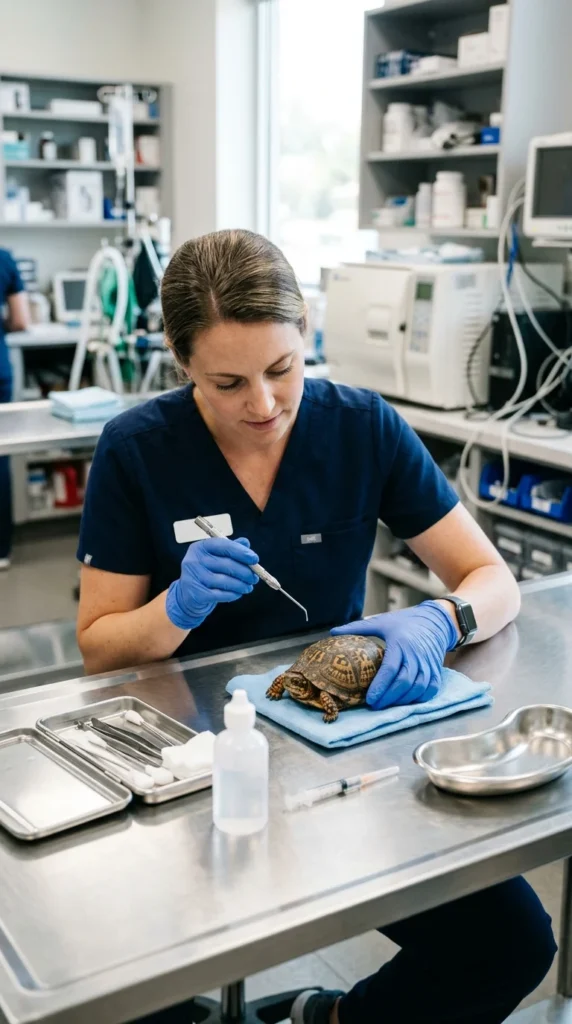
Not all vets treat reptiles. Before you get a turtle, find an “exotics” veterinarian in your area. Turtles are masters at hiding illness until it is very advanced. An annual check-up and a fecal exam for parasites can catch problems early. If your turtle becomes lethargic, stops eating, or has bubbles coming from its nose, seek professional help immediately.
15. Growth Space
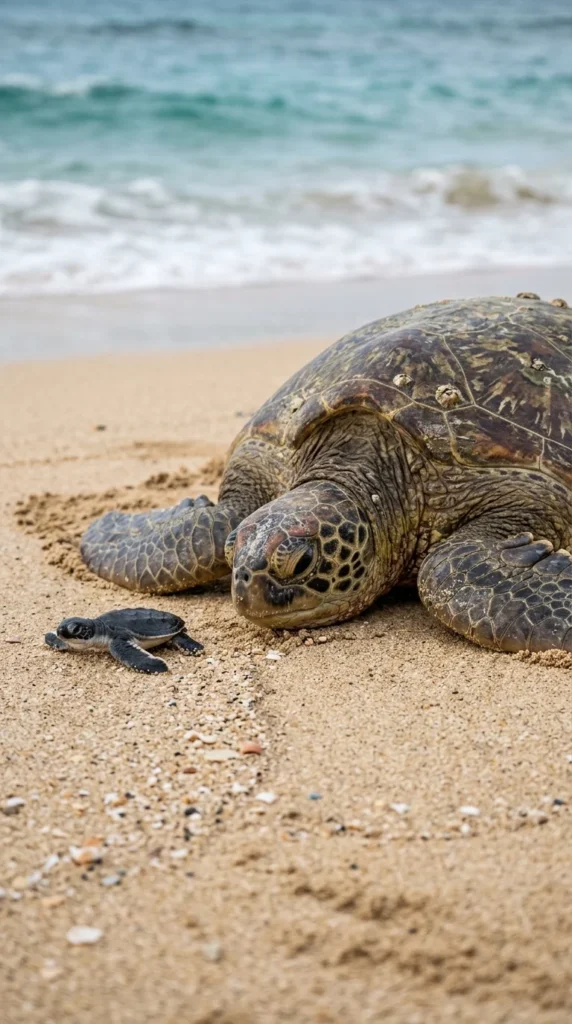
Be prepared for rapid growth. A turtle that fits in the palm of your hand today could be the size of a dinner plate in a few years. Ensure you have the budget and the physical space for a 75 to 120-gallon tank as they mature. Many owners end up rehoming turtles because they didn’t realize how large they would actually get.
16. Hibernation
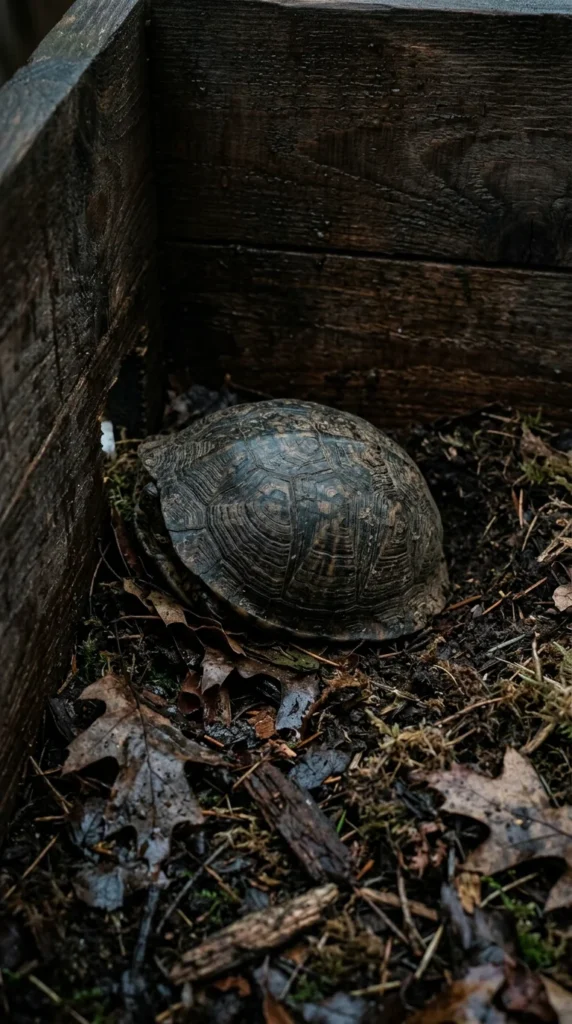
In the wild, many turtle species brumate (the reptile version of hibernation) during winter. For indoor pets, this is usually unnecessary and can be dangerous if not managed perfectly. Keeping your tank temperatures consistent year-round will prevent your turtle from trying to go into a semi-dormant state. Consult a vet if you are considering allowing your turtle to brumate.
17. Salmonella Safety
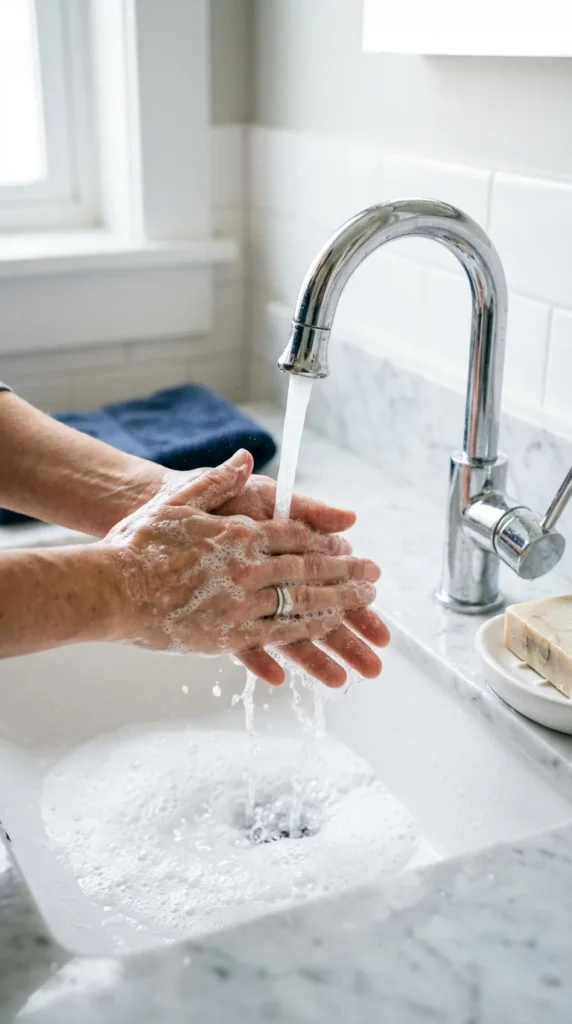
All reptiles can carry Salmonella bacteria naturally. While it doesn’t hurt the turtle, it can make humans very sick. Always wash your hands thoroughly with soap and water after touching your turtle or any part of their habitat. Supervise children closely and never wash turtle equipment in the kitchen sink where food is prepared.
18. Enrichment
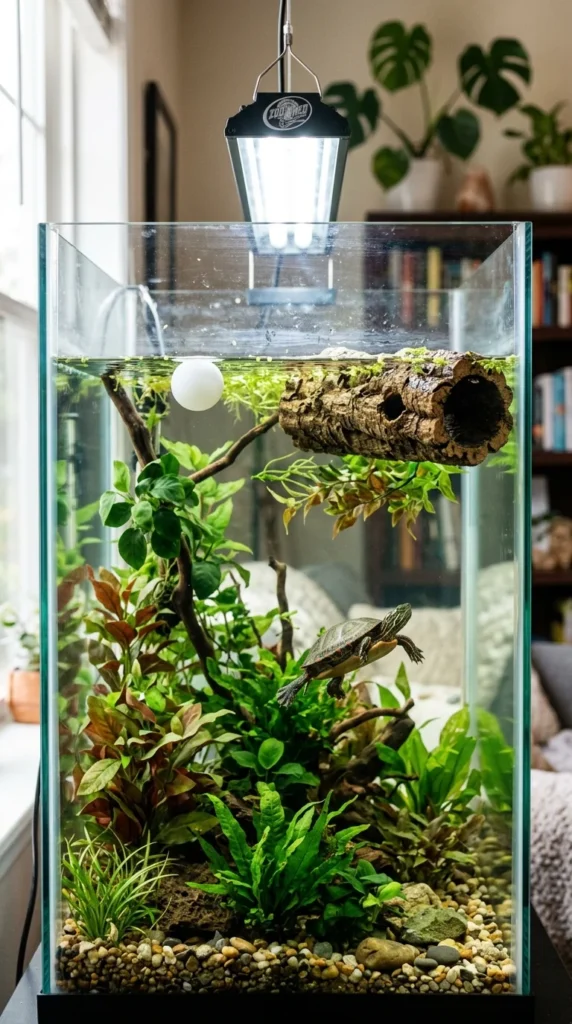
Turtles are surprisingly intelligent and curious. Provide “environmental enrichment” to keep them active. This includes moving around decorations occasionally, offering live (safe) plants to forage, or providing floating toys like ping-pong balls that they can push around. A bored turtle may become lethargic or develop repetitive stress behaviors.
19. Water Depth
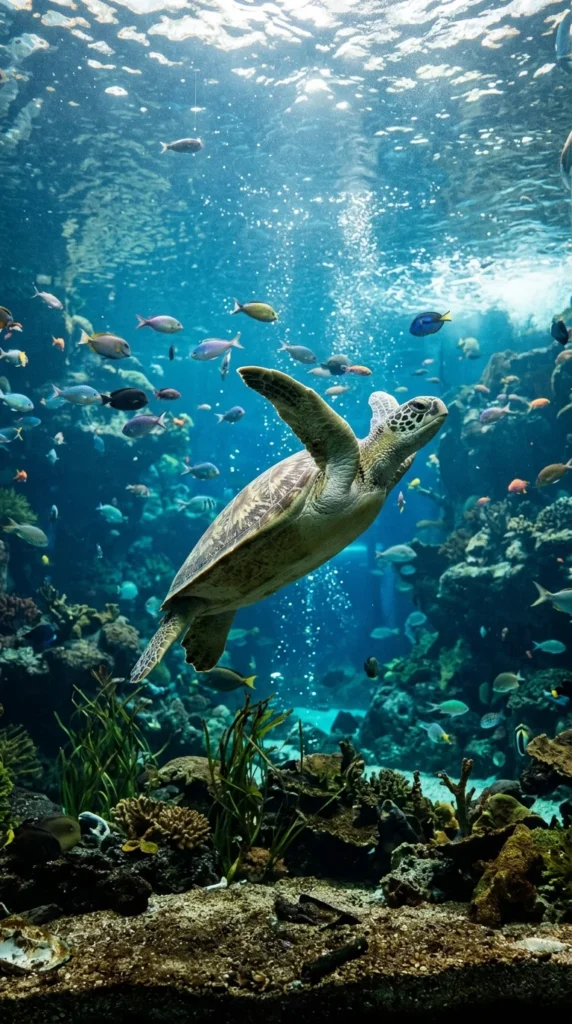
For most aquatic species, the water should be at least 1.5 to 2 times as deep as the turtle is long. This allows them to flip themselves over if they happen to land on their back underwater. Ensure there are no underwater “traps” where a turtle could get stuck and drown; they must always be able to reach the surface easily for air.
20. Night Cycles
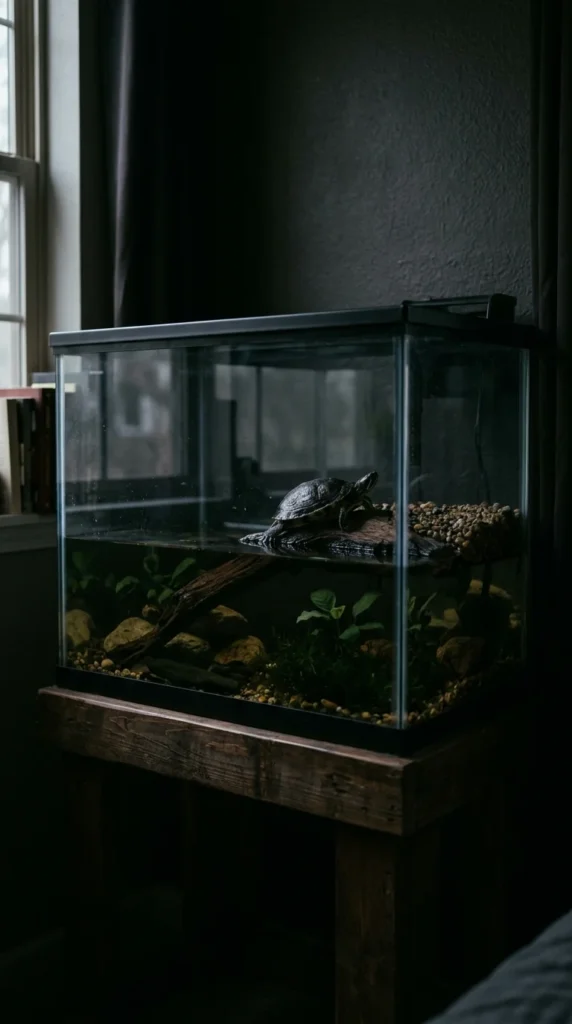
Turtles need a distinct day and night cycle to maintain their circadian rhythm. Use a timer to ensure the heat and UVB lights are on for 10-12 hours during the day and completely off at night. Do not use “night bulbs” (red or blue lights); turtles can see these and they will disrupt their sleep. A dark, quiet environment at night is essential.
21. Plant Safety
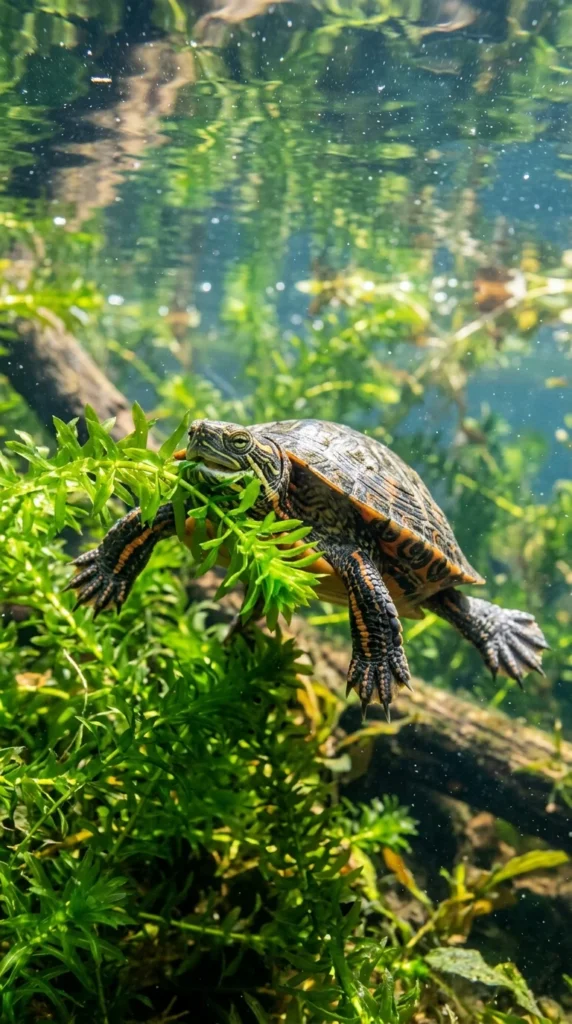
If you add live plants to the tank, ensure they are non-toxic. Turtles are notorious for eating their landscaping. Safe options include Anacharis, Water Hyacinth, and Duckweed. Avoid plants like Lilies or certain ivies which can be poisonous. Plastic plants are an alternative, but ensure the turtle isn’t trying to eat the plastic pieces.
22. Filtration Maintenance
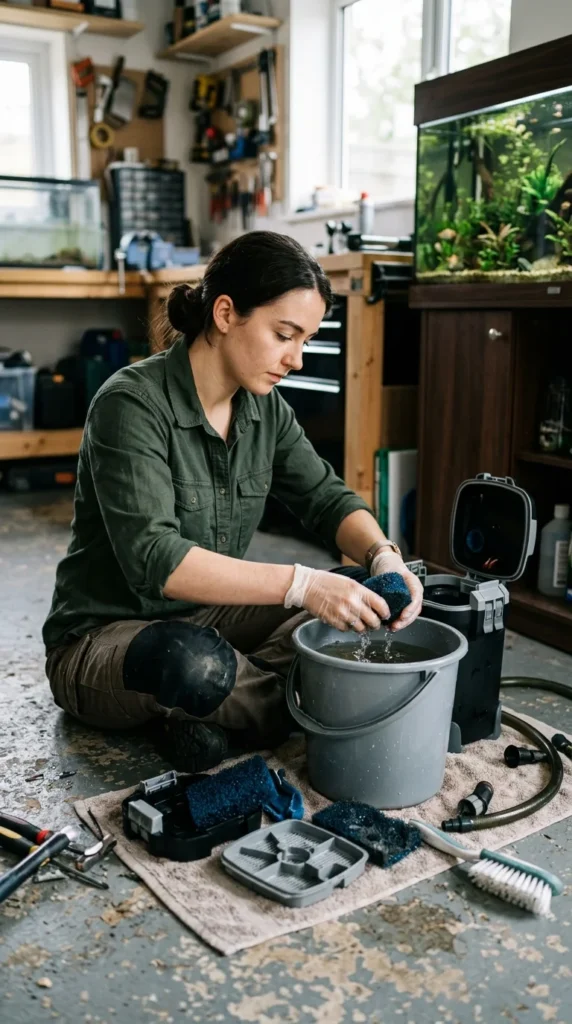
A filter only works if it is maintained. Clean your filter media every 2-4 weeks. Crucially, always rinse your filter sponges in used tank water, not tap water. Tap water contains chlorine that will kill the “good” bacteria living in the filter that naturally breaks down turtle waste. Keeping these bacteria alive is vital for a healthy ecosystem.
23. Quiet Environment
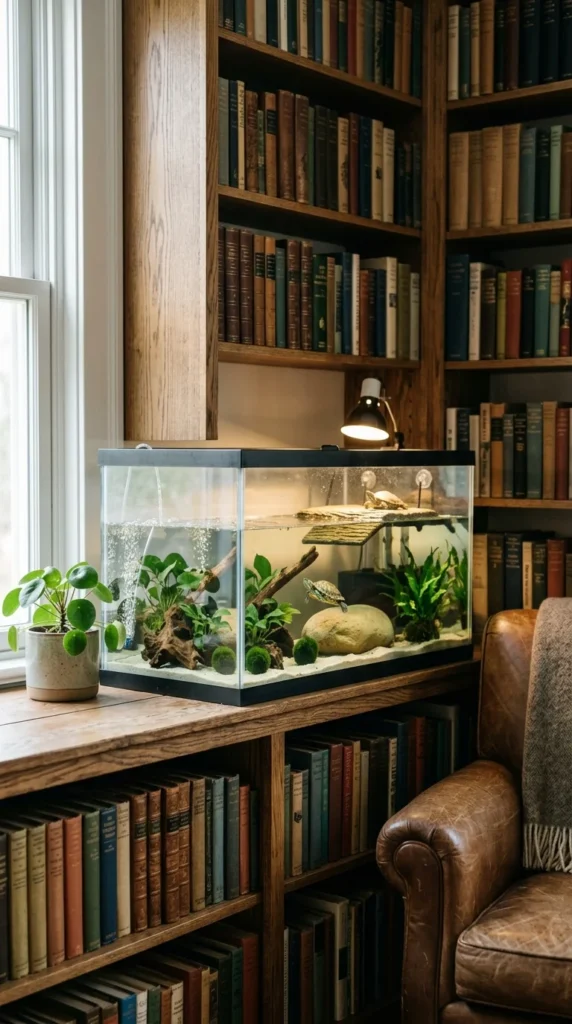
Turtles are sensitive to vibrations and loud noises. Avoid placing the tank near a subwoofer, a loud TV, or in a high-traffic hallway where people are constantly running by. A high-stress environment can weaken their immune system, making them more susceptible to respiratory infections and other illnesses.
24. Feeding Schedule
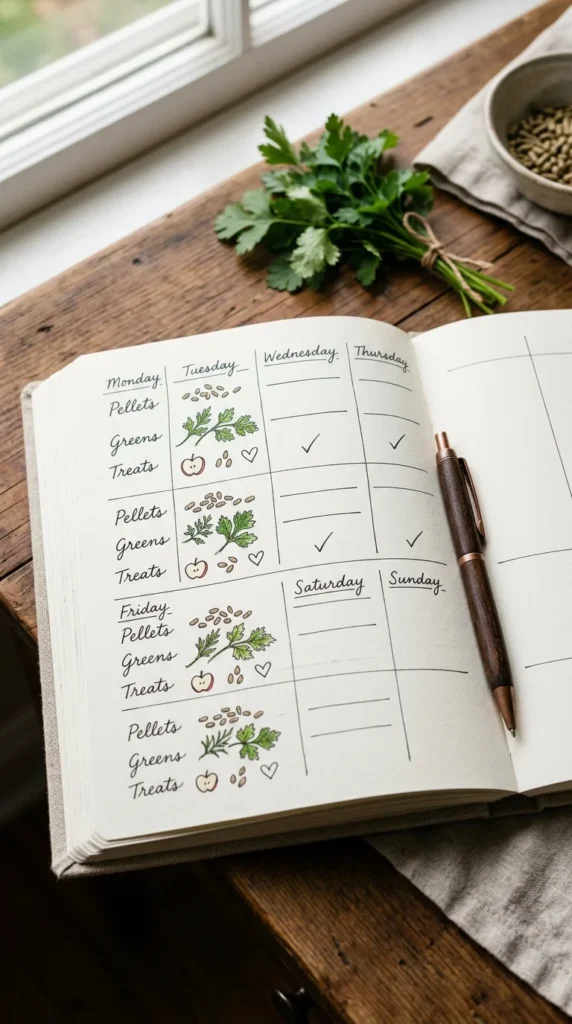
Establish a routine. Young turtles usually need to eat every day, while adults can be fed every other day or every three days. Overfeeding is a common mistake that leads to obesity and “pyramiding” (abnormal shell growth). Feed only as much as they can consume in about 5-10 minutes, and remove any leftover food immediately to maintain water quality.
25. Long-Term Commitment
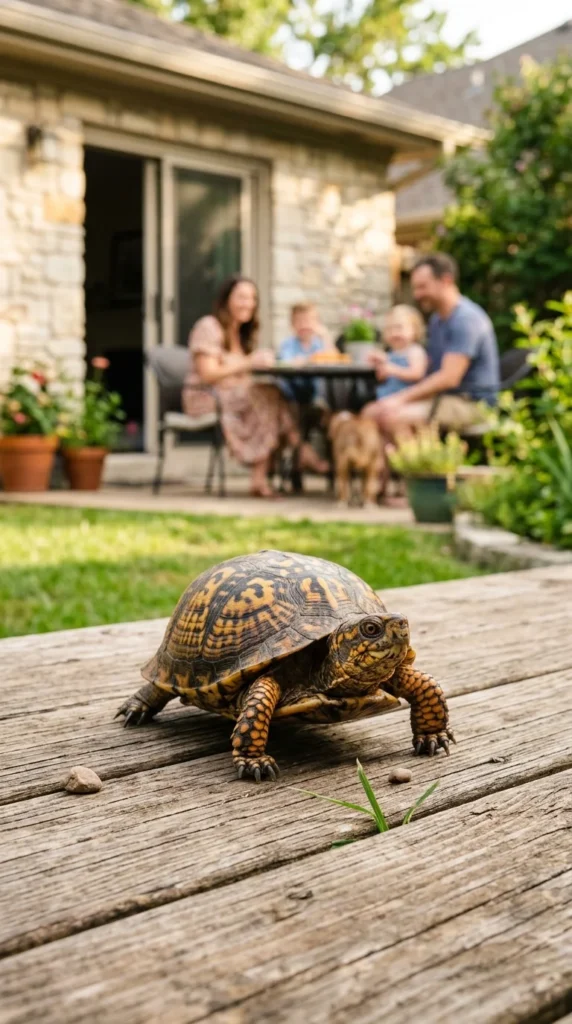
Owning a turtle is a marathon, not a sprint. Many species live 30, 40, or even 50 years. Before bringing one home, ensure you are ready for a multi-decade commitment. This includes the cost of electricity, food, equipment replacements, and veterinary care throughout their long lives. If you are prepared for the journey, a turtle can be one of the most rewarding and unique pets you will ever own.